
How to Identify Your Body Type for Lehenga Shopping
- Pear/Triangle: Hips wider than shoulders, narrower upper body
- Apple/Round: Weight carried around the midsection, fuller waist
- Hourglass: Shoulders and hips roughly equal width with defined waist
- Rectangle/Straight: Similar shoulder, waist, and hip measurements
- Petite: Height under 5'3" regardless of weight distribution
- Plus-size/Curvy: Fuller all over — tips work in combination with the shape above
Pear Body Type: Balance Your Proportions
Pear-shaped women have narrower shoulders and fuller hips and thighs. The goal is to add visual width to the upper body while creating a smooth, flowing skirt that does not cling to the hips.
- Skirt: A-line or heavy flared lehenga that flares from the hip — the volume draws the eye away from the hips and creates balance
- Choli: Off-shoulder, boat neck, or wide sweetheart neckline to add visual width to shoulders
- Embroidery: Heavy embellishments on the choli and dupatta; lighter embroidery on the skirt hem
- Avoid: Fitted mermaid skirts that cling at the hip; very plain or narrow cholis that emphasize the shoulder-hip contrast
- Dupatta: Drape across both shoulders in a shawl style to add width to the upper body
Apple Body Type: Create Definition at the Waist
Apple-shaped women carry weight around the midsection. The goal is to draw attention to the bust and legs while minimizing the waist area. A structured lehenga with the right choli placement achieves this beautifully.
- Skirt: A-line with a high waist or empire waist placement — the skirt should begin at or just below the bust
- Choli: Longer choli that covers the midsection, ideally with a peplum or flared hem that skims rather than clings
- Embroidery: Vertical embroidery patterns on the skirt that draw the eye up and down, creating a lengthening effect
- Avoid: Crop cholis that expose the midriff; heavily embellished waistbands that draw attention to the midsection
- Dupatta: Let the dupatta fall front-facing to partially cover the midsection while still looking elegant
Hourglass Body Type: Celebrate Your Curves
Hourglass figures have the luxury of wearing almost any lehenga style, but the most flattering choices emphasize the defined waist and celebrate the natural curves.
- Skirt: Mermaid, A-line, or circular flared — all work well; mermaid accentuates curves most
- Choli: Fitted crop choli that sits 1–2 inches above the skirt waistband to show the defined waist
- Embroidery: Even distribution of embellishment across choli and skirt works; waistband embellishment highlights the waist
- Avoid: Oversized or boxy silhouettes that hide your natural shape
- Dupatta: Any drape works; try the one-shoulder drape to show off the balanced proportions
Rectangle/Straight Body Type: Add Curves
Rectangle-shaped women have similar measurements across shoulders, waist, and hips. The goal is to create the illusion of curves and a defined waist.
- Skirt: Heavy flared or sharara-style skirt with lots of volume — the volume creates the illusion of fuller hips
- Choli: A peplum or flared choli adds visual width at the hip; side ruching on the choli creates a defined waist illusion
- Embroidery: Heavily embellished skirts add volume; choli with lighter embroidery keeps the upper body from looking too wide
- Avoid: Column or mermaid silhouettes that emphasize the straight line
- Waistband: A thick, embellished waistband at the natural waist creates the illusion of a smaller waist
Petite Women: Elongate Your Frame
For women under 5'3", the primary goal is to create a lengthening effect. Lehenga proportions need careful attention — oversized skirts and wide waistbands can overwhelm a petite frame.
- Skirt: A-line with a floor-grazing hemline — the length creates vertical lines that make you appear taller
- Choli: Short crop choli (just above the natural waist) shows more skin at the midriff and creates a lengthening effect
- Embroidery: Vertical embroidery patterns on the skirt; avoid wide horizontal borders that cut the silhouette horizontally
- Avoid: Very full, voluminous skirts with heavy fabrics like velvet — they can make petite women look shorter
- Heels: Always wear heels with a lehenga if you are petite — even 2-inch block heels make a significant difference
Body Type vs Lehenga Style: Quick Reference
| Body Type | Best Skirt Style | Best Choli Cut | Best Neckline | Avoid |
|---|---|---|---|---|
| Pear | A-line, heavy flare | Off-shoulder, boat neck | Wide sweetheart, off-shoulder | Mermaid skirt, plain choli |
| Apple | A-line, empire waist | Long peplum choli | V-neck, scoop neck | Crop choli, embellished waistband |
| Hourglass | Mermaid, A-line, circular | Fitted crop choli | Any — sweetheart, halter, V-neck | Oversized or boxy silhouettes |
| Rectangle | Heavy flared, sharara | Peplum, ruched side | Scoop neck, halter | Column or mermaid silhouettes |
| Petite | A-line, floor-grazing | Short crop choli | Deep V, halter | Voluminous heavy skirts |
Fabric Recommendations by Body Type
| Body Type | Best Skirt Fabric | Why It Works |
|---|---|---|
| Pear | Net, georgette, tissue | Lightweight fabrics create natural flare without adding visual bulk at the hip |
| Apple | Structured silk, brocade | Structure holds shape and skims the midsection cleanly |
| Hourglass | Raw silk, satin, tissue | Any fabric works; smooth fabrics showcase the silhouette |
| Rectangle | Heavy brocade, leheriya, net with layers | Volume and layers add dimension to create the illusion of curves |
| Petite | Lightweight silk, georgette | Lightweight fabrics do not overwhelm the frame; they drape cleanly |
Who Should Buy
- Brides shopping for their bridal lehenga who want guidance beyond just fabric and color choices
- Bridesmaids and wedding guests who want to look their best without appearing to outshine the bride
- Women who have had bad experiences with lehengas in the past and want to understand why certain styles did not work
- Mothers of the bride or groom who want an age-appropriate, flattering festive lehenga option
Skip If
- You are shopping for a garba or dandiya event where free movement is essential — a lighter salwar suit or chaniya choli is more practical
- Your event requires the lehenga to be worn for more than 6–8 hours standing — a comfortable saree or salwar suit may serve you better
- You have a very tight budget — a quality lehenga requires investment; cutting corners on fabric often shows in photos
Shop Lehengas by Silhouette
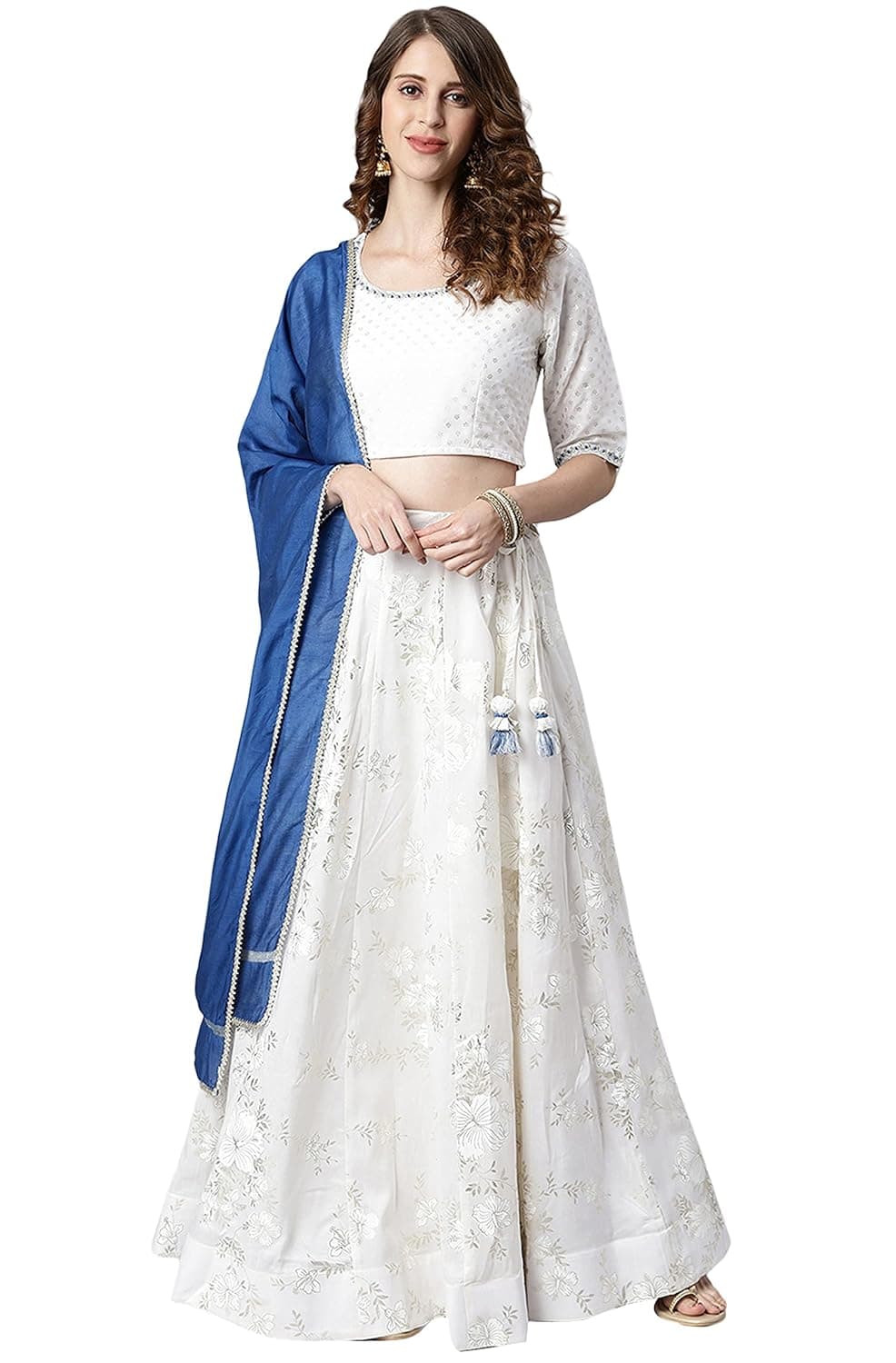 COD Available
janasya
Janasya Women's White Poly Silk Lehenga Choli with Dupatta
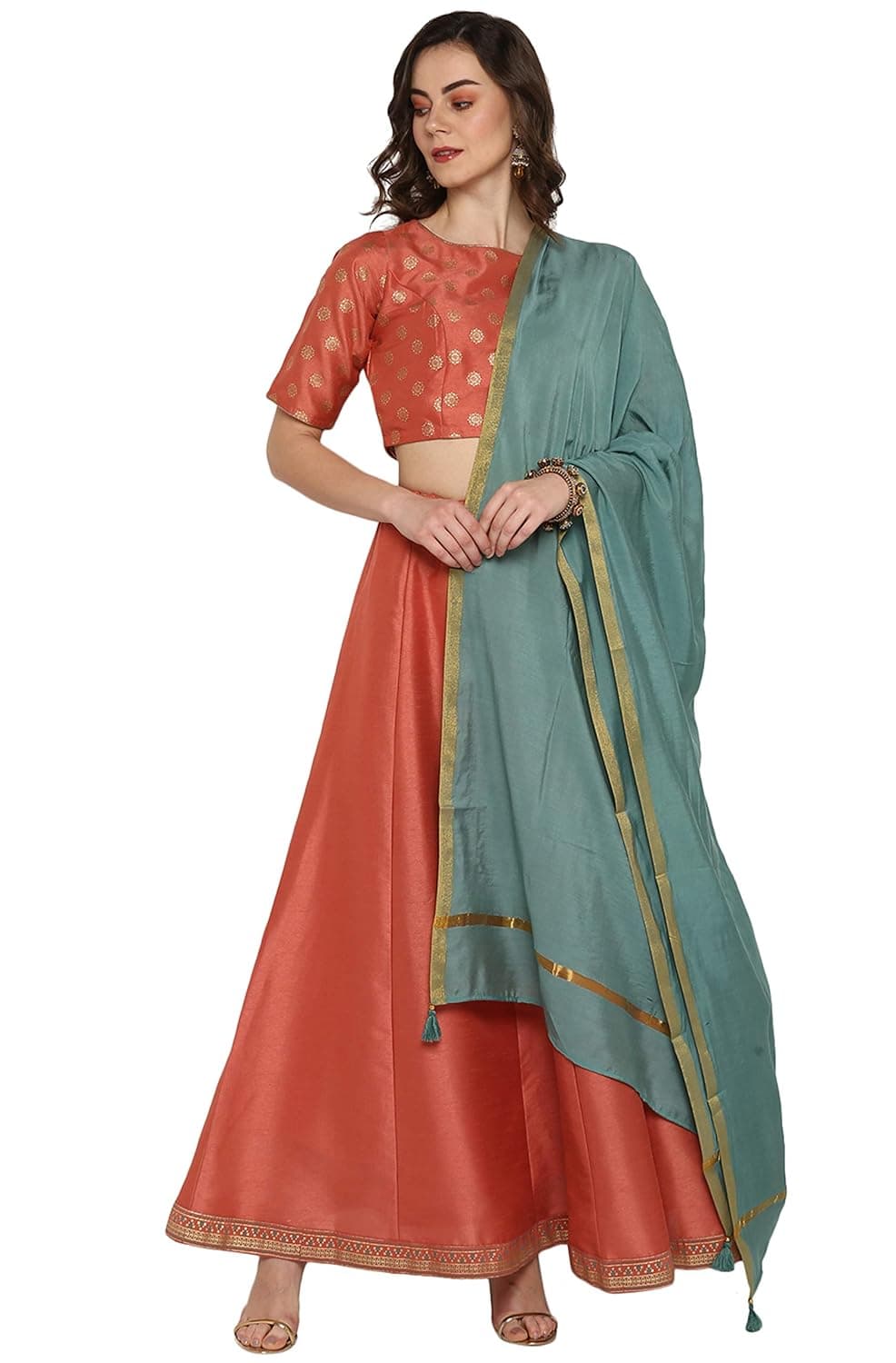 COD Available
janasya
Janasya Women's Peach Silk Lehenga Choli with Gota Patti
 COD Available
m.r.p:
Women's Satin Silk Embroidery Lehenga Choli (Wedding-Party-Bridal-Lehenga-White) Free Size | Finish Type: Semi-stitched
 COD Available
m.r.p:
Women's Embroidered Georgette Crop Top Lehenga Choli For Women (Party-Wedding-Bridal-Latest-New-Stylish; Free Size)
OUR VERDICT
The single most common lehenga mistake I see is women choosing a style based on what they love on someone else rather than what flatters their own body. A lehenga that photographs beautifully on a tall, slim model may not translate to every body type. Always prioritize fit and proportion over trend. When in doubt, the A-line silhouette in a medium-weight fabric is the most universally flattering option — it suits every body type from petite to plus-size and photographs beautifully in any lighting.