
kurtis
Trendy Kurtis for Women 2026: Styles & Guide
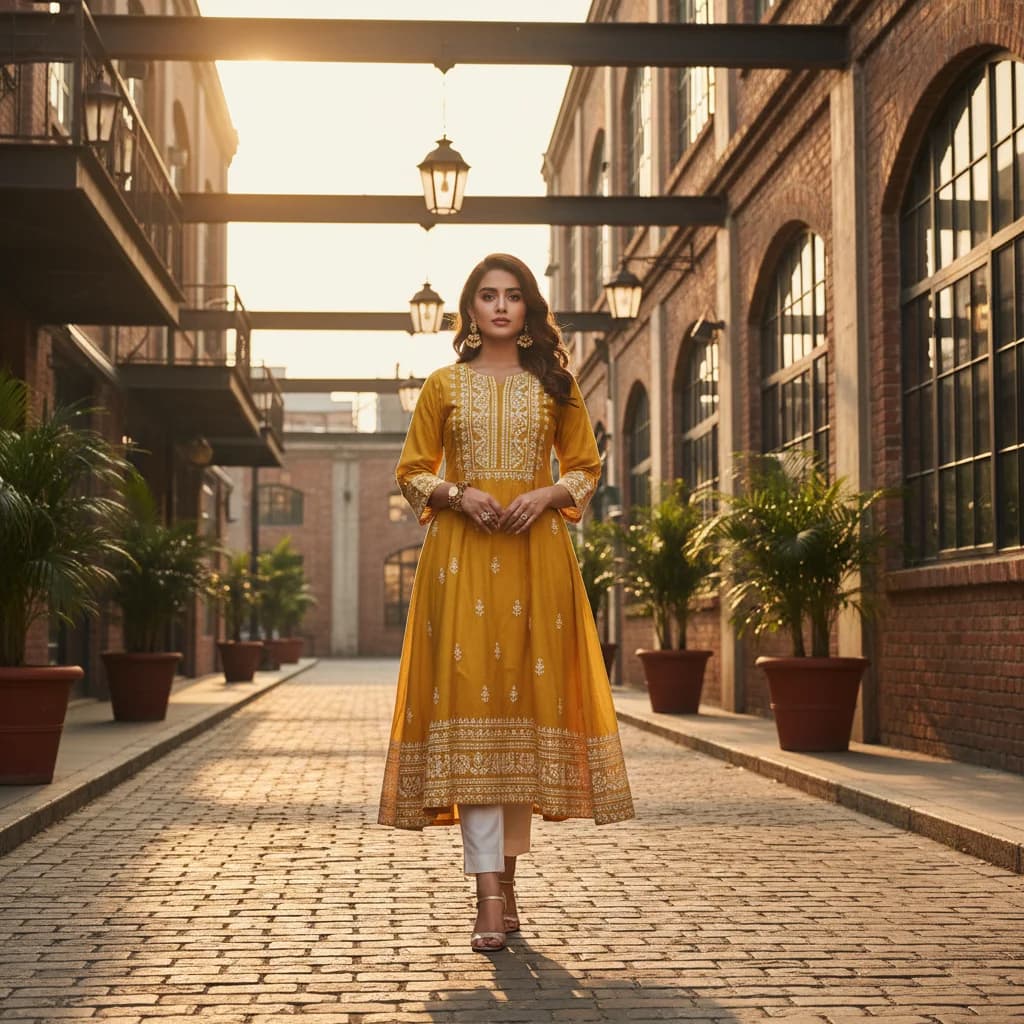
Why Kurtis Remain the Most Versatile Garment in Every Indian Woman's Wardrobe
The kurti has evolved from a simple tunic into one of the most diverse and adaptable garments in Indian fashion. Whether you are heading to work, attending a family gathering, running weekend errands, or dressing up for a festive celebration, there is a kurti designed precisely for that moment. In 2026, the kurti market has expanded dramatically, offering women an overwhelming range of silhouettes, fabrics, prints, and embellishments to choose from.
This comprehensive guide walks you through every major kurti style available today, the fabrics that define their character, how to dress them up or down for different occasions, and where to find the best collections in Rajasthan. If you have been following the latest kurti trends in Kishangarh, you will recognise many of these styles from what local boutiques have been stocking this season.
The Major Kurti Silhouettes Every Woman Should Know
Understanding kurti silhouettes is the foundation of building a versatile wardrobe. Each shape serves a different purpose and flatters different body types, so knowing which ones work for you saves both time and money.
Anarkali Kurti
The Anarkali kurti is arguably the most dramatic silhouette in ethnic fashion. Named after the legendary Mughal-era dancer, this style features a fitted bodice through the bust and waist that flares out into a voluminous skirt, sometimes with as many as six to eight panels of fabric creating the sweep. The result is a garment that moves beautifully, catches light on embellishments, and creates an unmistakably regal silhouette.
In 2026, Anarkali kurtis come in lengths ranging from knee-length to floor-length. The shorter versions work well for semi-formal events when paired with churidar or slim-fit pants, while floor-length Anarkalis paired with matching leggings create a look that rivals a lehenga in impact but at a fraction of the cost. Fabrics like georgette, net overlay on silk, and heavy crepe are popular choices for festive Anarkalis, while cotton and rayon versions serve as more affordable everyday options.
The Anarkali is particularly flattering for women with pear-shaped or hourglass figures, as the fitted bodice highlights the waist while the flared skirt balances the hips. For apple-shaped figures, look for Anarkalis with empire waistlines that create a lengthening effect through the torso.
A-Line Kurti
The A-line kurti is the workhorse of Indian wardrobes. Its gently flared shape, narrow at the shoulders and gradually widening toward the hem, creates a universally flattering silhouette that works on virtually every body type. The A-line does not cling, does not require extensive fitting, and moves comfortably whether you are sitting at a desk or walking through a market.
What makes the A-line kurti so popular in 2026 is its adaptability. In plain cotton, it is perfect for daily wear. In Chanderi silk with a gota patti border, it transforms into a festive garment. With an asymmetric hemline or layered panels, it becomes a fashion-forward statement piece. The A-line kurti pairs equally well with leggings, palazzos, jeans, and skirts, making it the most versatile silhouette you can own.
For women who are new to kurti shopping, the A-line is the safest starting point. Its forgiving shape means minor sizing variations are less noticeable, and its clean lines make accessorising straightforward.
Straight Cut Kurti
The straight cut kurti offers a sleek, modern aesthetic that is especially popular among working professionals. As the name suggests, this silhouette falls straight from shoulder to hem without tapering or flaring, creating a columnar shape that projects understated sophistication. Side slits, which can range from a few inches to knee-height, add both visual interest and ease of movement.
In 2026, straight cut kurtis are trending in longer lengths, often extending past the knee to mid-calf. Mandarin collars, concealed button plackets, and rolled-up cuff sleeves give these kurtis a structured, almost blazer-like quality. Fabrics like linen, cotton twill, and modal are popular for everyday straight cuts, while silk blends and Chanderi elevate the style for formal occasions.
The straight cut kurti is ideal for women with an inverted triangle or rectangular body shape, as it streamlines the silhouette without emphasising the shoulders or bust. Pairing with slim trousers or cigarette pants enhances the elongating effect.
Short Kurti for Women
Short kurtis, typically ending at the hip or just above mid-thigh, have become a fashion staple for younger women and anyone seeking a more casual, contemporary look. These kurtis blur the line between ethnic and western wear, functioning essentially as a tunic top that pairs naturally with jeans, shorts, leggings, or skirts.
The appeal of the short kurti lies in its versatility and comfort. It works as a standalone top in warm weather, layers beautifully under jackets and shrugs in cooler months, and transitions effortlessly from college classrooms to weekend outings. Popular short kurti styles in 2026 include button-down shirt kurtis, side-tie wrap kurtis, and cropped Anarkali tops.
Cotton, rayon, and linen are the most popular fabrics for short kurtis, with hand-block prints, digital prints, and solid colours dominating the market. For a dressier option, short kurtis in embroidered georgette or sequinned crepe work well for evening events.
Asymmetric and High-Low Kurti
Asymmetric kurtis feature hemlines that are shorter in the front and longer at the back, or cut diagonally across the body. This trail-cut effect creates a dynamic, fashion-forward silhouette that stands out without being overly dramatic. High-low kurtis are particularly striking when paired with slim-fit pants or cigarette trousers, which showcase the uneven hemline.
These kurtis work especially well for women who want something more interesting than a standard kurti but are not ready for a full Anarkali. The asymmetry draws the eye and creates the illusion of longer legs, making it a flattering choice for petite women.
Long Kurti
Long kurtis, extending to ankle length or below, create a gown-like effect that is both modest and elegant. In 2026, long kurtis are popular as standalone outfits, worn over slim leggings or even without visible bottoms for a maxi-dress effect. They are particularly sought after for festive occasions, religious events, and formal gatherings where modesty is appreciated.
Fabrics for long kurtis range from flowy georgette and chiffon for evening wear to sturdy cotton and linen for daytime use. Embellishments tend to be concentrated at the neckline, sleeves, and hemline, creating visual anchors that break up the length.
Kurti Fabrics: What to Choose and When
The fabric of a kurti determines not just its look but its comfort, drape, maintenance requirements, and suitability for different seasons and occasions. Understanding fabric properties helps you make smarter purchasing decisions.
Cotton Kurti
Cotton remains the undisputed champion of everyday kurti fabric, especially in Rajasthan's hot climate. Its breathability, moisture absorption, and ability to take colour well make it ideal for both simple daily wear and elaborately printed festive pieces. Hand-block printed cotton kurtis from Jaipur's Sanganeri and Bagru traditions are among the most popular items in any Rajasthani boutique.
In 2026, organic cotton and hand-spun khadi cotton have gained popularity among environmentally conscious shoppers. These fabrics cost slightly more but offer superior texture and the satisfaction of supporting sustainable practices. Cotton kurtis are also the most affordable option in most collections, making them accessible to students and budget-conscious shoppers.
Cotton kurtis are best for summer, spring, and Rajasthan's mild winters. They wrinkle easily, which is their main drawback, but this can be managed with a light iron or by choosing wrinkle-resistant cotton blends.
Rayon Kurti
Rayon offers a silk-like drape at a fraction of the cost, making it one of the most popular kurti fabrics in the mid-price range. It falls smoothly, does not wrinkle as easily as cotton, and takes vibrant prints and dyes exceptionally well. Rayon kurtis are comfortable in warm weather and look more dressed-up than cotton without the maintenance demands of silk.
The downside of rayon is that it can shrink if washed incorrectly and tends to pill with extended wear. Always wash rayon kurtis in cold water and hang them to dry rather than using a machine dryer.
Chanderi Kurti
Chanderi is a handwoven fabric from Madhya Pradesh that combines silk and cotton to create a lightweight textile with a distinctive sheer quality and subtle sheen. Chanderi kurtis occupy a sweet spot between everyday wear and formal attire, looking refined enough for office wear and festive gatherings without being overly dressy.
Chanderi kurtis often feature zari borders or delicate butti work woven into the fabric, adding elegance without surface embellishment. They pair beautifully with silk or cotton bottoms and minimal gold jewellery.
Georgette Kurti
Georgette is a sheer, flowing fabric that creates beautiful drape and movement. Georgette kurtis are typically lined with an inner layer and are popular for evening wear, party outfits, and festive occasions. The fabric takes embroidery, sequin work, and thread work exceptionally well, making it a favourite for embellished kurtis.
Heavy georgette, a thicker variant, has become increasingly popular because it offers the same elegant drape without the transparency issues of regular georgette. Heavy georgette kurtis are comfortable to wear and do not require as much care as pure georgette.
Silk Kurti
Silk kurtis represent the premium end of the spectrum. Whether it is pure silk, tussar silk, or art silk, these kurtis carry a natural lustre and richness that elevates any outfit. Silk kurtis are typically reserved for weddings, festivals, and special occasions, where their sheen and elegance are most appropriate.
Silk requires careful handling, including dry cleaning for most varieties, but the investment is justified by the garment's longevity and the timeless quality it brings to your wardrobe.
Linen Kurti
Linen has emerged as a favourite fabric for women who value understated elegance and natural materials. Its characteristic slubbed texture gives linen kurtis a relaxed, effortless quality that works beautifully for casual and semi-formal settings. Linen softens with each wash, becoming more comfortable over time.
Linen kurtis in earthy tones like olive, mustard, terracotta, and natural beige have become signature pieces in many Rajasthani boutiques. They pair well with linen or cotton pants for a tonal, sophisticated look.
Kurtis for Every Occasion
Daily Wear Kurtis
For everyday use, prioritise comfort, easy maintenance, and versatility. Cotton and rayon A-line or straight cut kurtis in prints or solid colours are the go-to choices. Keep lengths practical, typically knee-length or slightly below, and choose fabrics that can handle regular washing without losing shape or colour. Stock your wardrobe with five to seven daily wear kurtis in a mix of prints and solids to rotate through the week without repeating.
Office Wear Kurtis
Professional settings call for kurtis that are polished but not flashy. Straight cut kurtis in solid colours or subtle prints, paired with slim trousers or cigarette pants, create a composed, authoritative look. Stick to muted tones like navy, charcoal, maroon, olive, and beige. Avoid heavy embellishment, overly bright colours, and very long or very short lengths. Fabrics like Chanderi, linen, and cotton twill work best for the office.
Party Wear Kurtis
Parties and evening events are the time to experiment with bolder choices. Anarkali kurtis in georgette or net with sequin or thread work, peplum kurtis with sharara pants, and trail-cut kurtis in jewel tones all make strong party wear options. Metallic accents, mirror work, and statement embellishments are welcome here. Pair with heels, a clutch, and statement jewellery to complete the look.
Festive Kurtis
Festivals in Rajasthan demand colour, tradition, and celebration. For Diwali, choose rich jewel tones with gota patti or zari borders. For Teej and Gangaur, leheriya and bandhani kurtis in traditional green and pink are customary. Navratri calls for nine days of different colours, making it a perfect opportunity to showcase the range of your kurti collection. Visit our kurtis collection to find festival-ready options.
Wedding Guest Kurtis
Attending a wedding as a guest requires a kurti that is festive without overshadowing the bride. Heavy Anarkali kurtis, floor-length straight cuts with rich embroidery, or peplum kurtis with sharara bottoms all work beautifully. Stick to pastels, jewel tones, or metallics, and avoid wearing the same colour as the bride.
Styling Your Kurti: Pairing with Different Bottoms
The bottom you choose transforms the entire look of a kurti. Here is how to pair kurtis with the most popular bottom options.
Kurti with Palazzo Pants
Palazzo pants create a flowing, elegant silhouette that works with almost any kurti length. The wide-leg palazzo balances the fitted bodice of an Anarkali or the structured lines of a straight cut kurti. For a coordinated look, match your palazzo to one colour in your kurti's print. Solid white, black, or beige palazzos are wardrobe essentials that pair with virtually any kurti.
Kurti with Jeans
The kurti-and-jeans combination is the quintessential modern Indian outfit. Short kurtis and hip-length kurtis work best with jeans, as longer kurtis can create an awkward proportion with the structured denim fabric. Straight-leg or slim-fit jeans in classic blue or black are the most versatile choices. This pairing is ideal for college, casual workplaces, shopping trips, and weekend outings.
Kurti with Leggings
Leggings remain the most common bottom paired with kurtis across India. They are affordable, comfortable, and available in every colour imaginable. Ankle-length leggings work with all kurti lengths, while churidar-style leggings add a traditional touch. Cotton leggings are preferred in summer, while fleece-lined options work for cooler months.
Kurti with Skirts
Pairing a short kurti with a long flared skirt creates a fusion silhouette that resembles a lehenga at a fraction of the cost. This combination works particularly well for festive occasions and weddings. Choose a skirt in a complementary colour and let the kurti serve as the top piece. Printed kurtis with solid skirts or vice versa create visual balance.
Kurti with Cigarette Pants
Cigarette pants create a sleek, modern line that pairs beautifully with straight cut and A-line kurtis. This combination is especially popular for office wear and semi-formal events. The tapered silhouette of cigarette pants adds structure beneath a flowing kurti, creating an elegant contrast.
Kurti with Dhoti Pants
Dhoti pants add an Indo-Western fusion element that feels both traditional and contemporary. They pair best with short kurtis, peplum kurtis, and shirt-style kurtis. Dhoti pants in metallic or textured fabrics can elevate a simple kurti into a party-ready outfit.
Price Ranges: What to Expect
Understanding price ranges helps you budget and ensures you get value for your money.
Budget Range (Under Rs 800)
At this price point, you will find cotton and rayon kurtis in standard prints and solid colours. These are perfectly suitable for daily wear and come from mass-production lines. Quality varies, so examine stitching, fabric weight, and colour fastness before purchasing.
Mid Range (Rs 800 to Rs 2,500)
This range offers better fabrics, more detailed prints, and some embellishment. Chanderi kurtis, hand-block printed cotton, and embroidered rayon kurtis typically fall here. You will find more design variation and better finishing in this bracket.
Premium Range (Rs 2,500 to Rs 6,000)
Premium kurtis feature superior fabrics like silk, heavy georgette, and fine Chanderi, along with detailed handwork, gota patti, and designer cuts. These are investment pieces suitable for festivals, weddings, and special occasions.
Designer Range (Rs 6,000 and above)
Designer kurtis from established labels feature exclusive prints, premium fabrics, intricate embroidery, and distinctive silhouettes. These are statement pieces that can anchor an entire outfit and last for years with proper care.
Why Shop for Kurtis at Barkha Boutique, Kishangarh
Finding the right kurti is about more than just browsing a catalogue. It requires seeing fabrics in person, feeling the weight and texture, checking the fall and drape, and trying different sizes to find the perfect fit. This is where shopping at a dedicated boutique makes all the difference.
At Barkha Boutique, we curate our kurti collection from trusted manufacturers across India, supplemented by our own exclusive designs. Every piece is personally selected for fabric quality, colour fastness, stitching standard, and design relevance. Whether you are looking for an everyday cotton kurti or a heavily embellished party wear piece, our collection covers the full spectrum.
Our Kishangarh store offers a comfortable shopping environment where you can browse at your own pace, try on multiple options, and receive honest styling advice from our team. We also provide on-site alterations for sleeve length, hemline adjustments, and minor fit modifications, ensuring that every kurti you purchase fits you perfectly.
For women in the Ajmer-Kishangarh-Makrana region, Barkha Boutique has established itself as one of the best boutiques for women offering quality, variety, and personalised service that larger retail chains cannot match. Browse our full product catalogue online or visit us in person to discover your next favourite kurti.
Kurti Care and Maintenance Tips
Protecting your kurti investment starts with proper care. Cotton kurtis should be washed in cold water with mild detergent and line-dried in shade to prevent colour fading. Turn printed and embroidered kurtis inside out before washing to protect the surface design. Chanderi and silk kurtis benefit from professional dry cleaning, especially if they feature zari or gota work.
Store embellished kurtis flat or on padded hangers to prevent crushing delicate work. Keep kurtis in breathable cotton garment bags to protect them from dust and moisture. For hand-block printed kurtis, wash separately for the first two to three washes to prevent residual dye transfer.
Iron cotton and linen kurtis on medium heat while slightly damp for the best results. For kurtis with embroidery or surface embellishments, iron on the reverse side with a thin pressing cloth between the iron and the garment.
Building Your Kurti Wardrobe: A Practical Approach
Rather than buying kurtis impulsively, building a strategic wardrobe ensures you have the right kurti for every occasion without unnecessary duplication. Here is a practical framework.
Start with five to seven daily wear kurtis in cotton or rayon, covering a mix of prints and solid colours. Add three to four office-appropriate kurtis in structured fabrics and muted tones. Include two to three festive kurtis in richer fabrics with embellishments for seasonal celebrations. Finally, keep one or two statement pieces, like a heavily embellished Anarkali or a designer silk kurti, for weddings and special occasions.
This approach gives you a wardrobe of roughly twelve to sixteen kurtis that covers virtually every situation you might encounter. Rotate pieces seasonally, replacing worn-out daily wear kurtis and adding fresh prints each season to keep your collection current.
Explore the complete kurti collection at Barkha Boutique's Kishangarh store or browse our kurtis category online. With the right kurtis in your wardrobe, you will always have something stylish and appropriate to wear, no matter what the occasion demands.
Frequently Asked Questions
What are the trending kurti styles in 2026?
Trending kurti styles in 2026 include short kurtis with jeans, Anarkali kurtis for festivals, A-line kurtis for daily wear, straight-cut kurtis for office, and designer embroidered kurtis. Cotton and chanderi fabrics are most popular.
Where to buy trendy kurtis in Kishangarh?
Barkha Boutique in Kishangarh offers the widest range of trendy kurtis — from cotton daily wear starting at Rs 499 to designer party wear kurtis. Visit our store near Mahalaxmi Sweet, Laxmi Narayan Vihar Colony.
Which fabric kurti is best for summer?
Cotton, mul-mul, and rayon kurtis are best for summer in Rajasthan. They are breathable, lightweight, and comfortable in hot weather. Chanderi cotton is also excellent for a slightly dressier summer look.
VISIT US TODAY
Shop the Collection at Barkha Boutique
Visit our stores in Kishangarh & Makrana, Rajasthan or browse our online collection.