
ethnic wear
What to Wear on Gangaur, Teej, Diwali & Holi: Rajasthani Festival Outfit Guide
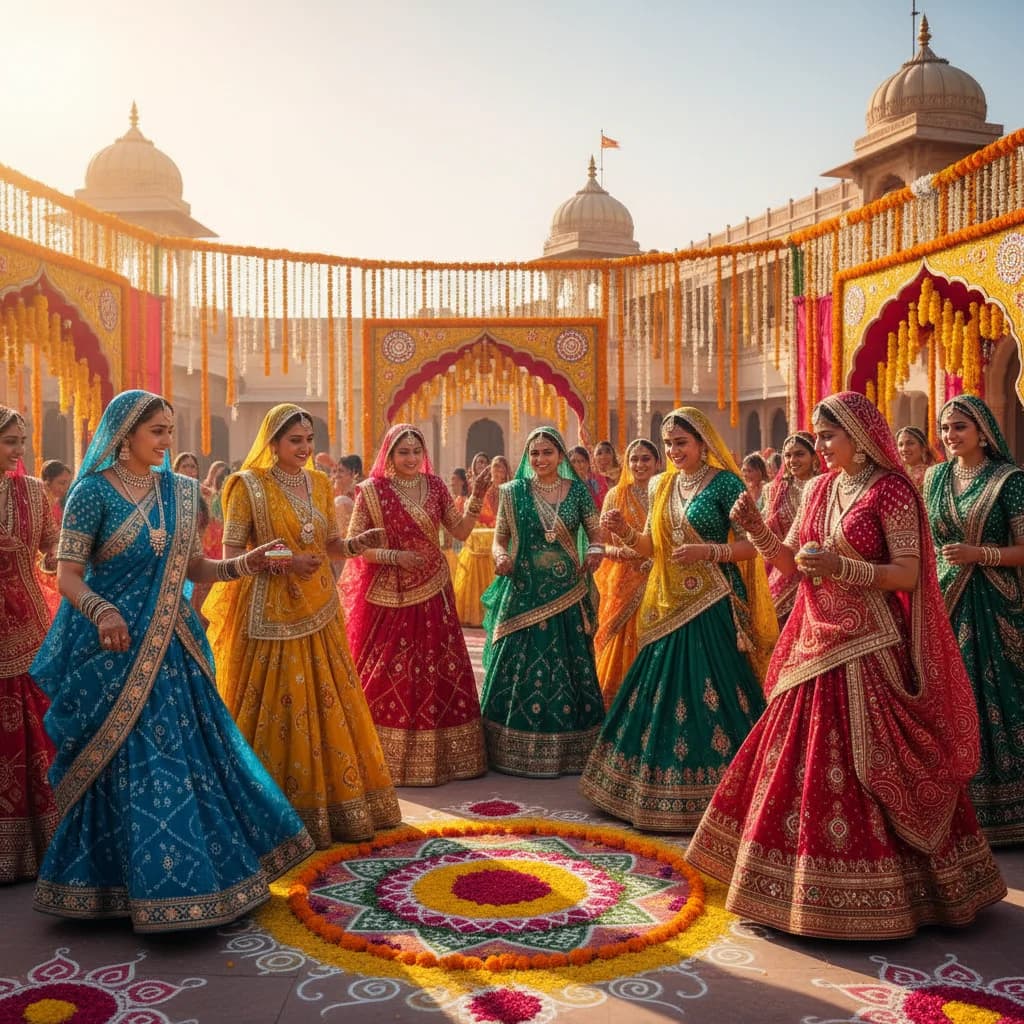
The Rich Tradition of Festival Dressing in Rajasthan
Rajasthan is a state where festivals are not just occasions for celebration — they are deeply woven into the cultural identity of every family. And at the heart of every festival celebration is the outfit. In Rajasthani culture, wearing the right clothes for a festival is not simply about looking good; it carries meaning, tradition, and respect for the occasion.
Each festival in Rajasthan has its own set of traditional colours, fabrics, and dress styles that have been passed down through generations. Understanding these traditions helps you participate more fully in the celebrations and honour the cultural significance of each event.
This comprehensive guide covers every major Rajasthani festival throughout the year, detailing the traditional outfit expectations, colour significance, fabric recommendations, and practical styling tips. Whether you are a Rajasthan native reconnecting with tradition or a newcomer experiencing these festivals for the first time, this guide will help you dress appropriately and beautifully for every celebration.
If you have already explored our festival celebration outfits guide, consider this an expanded, festival-by-festival deep dive with more specific recommendations.
Makar Sankranti — January 14
The Festival of Kites and Sunshine
Makar Sankranti marks the sun's transition into the zodiac sign of Capricorn and the beginning of longer, warmer days. In Rajasthan, it is celebrated with extraordinary enthusiasm, particularly through kite flying. The skies of Jaipur, Jodhpur, and cities across the state fill with thousands of colourful kites, and rooftops become the social gathering spots for families and friends.
What to Wear for Makar Sankranti
The traditional colour for Makar Sankranti in Rajasthan is a combination of dark colours, particularly black and dark blue, paired with bright accents. The logic is practical and symbolic — dark colours absorb the winter sun's warmth during the outdoor kite-flying sessions, while the transition to brighter days is symbolised through colourful accessories.
Outfit recommendations:
- A black or dark navy cotton kurti with bright leheriya dupatta in pink, yellow, or orange
- A dark-coloured salwar suit with colourful embroidery or gota patti borders
- Warm shawl or woollen dupatta, as January mornings can be quite cold in Rajasthan
- Comfortable flat footwear, as you will likely be on rooftops and moving around
Fabric choices: Cotton is traditional, but January weather in Rajasthan can be chilly. A cotton-wool blend or a layered look with a warm jacket or shawl over a cotton kurti works well. Avoid heavy silk or georgette, as the festival involves active kite flying and socialising outdoors.
Practical tips: Makar Sankranti is a physically active festival. Your outfit should allow you to raise your arms for kite flying, sit cross-legged on rooftop mats, and withstand the thread (manjha) dust that fills the air. Avoid very loose dupattas that could get caught in kite strings, and wear hair tied back.
Holi and Dhulandi — March
The Festival of Colours
Holi is the most vibrant festival in the Indian calendar, and in Rajasthan, it is celebrated with particular exuberance. The festival spans two days: Holika Dahan (the bonfire night) and Dhulandi (the day of playing with colours). In Rajasthani traditions, entire communities come together to smear each other with gulal (coloured powder) and spray coloured water.
What to Wear for Holi
Holi outfit strategy is fundamentally different from every other festival because your clothes will be destroyed by colours. The goal is to wear something you do not mind sacrificing to the celebrations.
For Dhulandi (the day of colours):
- White or very light-coloured cotton clothes are the traditional choice — the colours show up beautifully against a white base, creating a living canvas effect
- Old cotton kurtis and leggings that you can discard after the celebration
- Full-coverage clothing is advisable, as the colours can stain skin for days
- Avoid expensive fabrics, embellishments, or anything you want to preserve
For Holika Dahan (the evening before):
- This is a more sedate, ritual occasion where families gather around the bonfire
- A simple cotton suit or kurti in bright spring colours like yellow, orange, pink, or green is appropriate
- Since you will be near the fire, avoid synthetic fabrics that could melt or catch fire easily
Fabric choices: Cotton is the only sensible choice for Holi. Synthetic fabrics trap colour more stubbornly and are harder to wash. Old cotton clothes absorb colours beautifully and can be soaked in vinegar or lemon water to remove most stains afterwards.
Budget tip: Instead of sacrificing good clothes to Holi, keep a dedicated set of Holi outfits. Buy affordable white cotton kurtis and leggings specifically for this purpose — they cost very little and can be used year after year.
Gangaur — March/April (Fifteen Days After Holi)
The Festival of Marital Devotion
Gangaur is one of Rajasthan's most important and uniquely Rajasthani festivals. Celebrated primarily by married women and unmarried girls, it honours Goddess Gauri (Parvati) and celebrates marital love and devotion. The festival spans eighteen days, beginning the day after Holi and culminating in a grand procession. In Jaipur, the Gangaur procession featuring decorated idols, camels, elephants, and folk performers is one of the most spectacular sights in Rajasthan.
What to Wear for Gangaur
Gangaur has very specific traditional dress expectations that vary by region within Rajasthan, but certain elements are universal.
Traditional colours: Green and red are the defining colours of Gangaur. Green represents fertility, growth, and the goddess Gauri, while red symbolises the sindoor (vermillion) and the married status of women. Yellow is also significant, representing turmeric and auspiciousness.
Outfit recommendations:
- The traditional Gangaur outfit is a ghagra-choli (lehenga-choli) in green, red, or a combination of both
- Bandhani (tie-dye) sarees and dupattas in green with red borders are quintessentially Gangaur
- Leheriya print odhnis (dupattas) in green and yellow are traditional in many Rajasthani communities
- Gota patti embellished outfits are particularly appropriate, as gota work is deeply associated with Rajasthani festive traditions
- A green silk or cotton saree with red blouse is a classic Gangaur ensemble
Jewellery: Gangaur is an occasion for traditional Rajasthani jewellery. Borla (forehead ornament), aad (choker necklace), bajuband (armband), and traditional lac bangles in green and red are customary. Married women typically wear their full set of traditional jewellery.
For unmarried girls: Young unmarried girls traditionally wear yellow or green outfits for Gangaur, symbolising their prayer for a good husband. A yellow or green kurti with matching dupatta is a simple but appropriate choice.
Visit our ethnic wear collection for Gangaur-ready outfits in traditional greens and reds with gota patti detailing.
Teej — August (Third Day of Shukla Paksha, Shravan Month)
The Festival of Swings and Monsoon Joy
Teej is perhaps the most beloved festival among Rajasthani women. Celebrated at the onset of the monsoon, it honours Goddess Parvati and celebrates the joy of the rains after Rajasthan's brutal summer. Women dress in their finest traditional outfits, apply mehndi (henna) on their hands, and gather to sing, dance, and swing on decorated jhoolas (swings). In Jaipur, the Teej procession rivals Gangaur in its grandeur.
What to Wear for Teej
Teej has the most specific and well-known dress code of any Rajasthani festival.
The iconic Teej colour: Green. Green is the absolute must-wear colour for Teej. It symbolises the lush greenery that arrives with the monsoon, fertility, and new beginnings. In many Rajasthani families, a married woman's Teej outfit is gifted by her husband or in-laws, and it must be green.
Traditional outfit choices:
- Leheriya saree in green is the most iconic Teej outfit — the diagonal wave pattern of leheriya represents the monsoon rains
- Bandhani odhni (dupatta) in green and yellow, often with gota patti border
- Green ghagra-choli with mirror work or gota patti is traditional in Marwar and Shekhawati regions
- Green silk saree with gold zari border is a more formal option
- A green kurti set with leheriya dupatta is a modern, comfortable alternative for younger women
Fabric choices: Silk and georgette are traditional for Teej, as this is a dressier festival. However, given that Teej falls during the monsoon when humidity is high, lighter fabrics like cotton silk blends and Chanderi are practical alternatives that still look festive. Leheriya fabric is available in both cotton and silk varieties.
Mehndi and accessories: Teej and mehndi are inseparable. Women apply elaborate henna designs on their hands and feet, often starting a day or two before the festival. Traditional lac bangles in green and red, along with gold or silver jewellery, complete the Teej look. Borla and aad are particularly associated with Teej celebrations.
Styling tip: If you find full green overwhelming, opt for a green and yellow combination, which is equally traditional for Teej. A yellow kurti with a green leheriya dupatta, or a green saree with a yellow border, provides balance while honouring the festival's colour tradition.
For detailed outfit options for Teej, explore our traditional Rajasthani dress shopping guide. If you are attending a wedding during Teej season, our Marwadi & Rajasthani wedding attire guide covers what to wear for every ceremony.
Navratri — September/October (Nine Nights)
The Nine Nights of Divine Worship
Navratri is celebrated across India, but Rajasthan brings its own distinctive flavour to the nine-night festival. While Gujarat is known for garba and dandiya, Rajasthani Navratri celebrations feature traditional folk music, local dance forms, and elaborate puja ceremonies. Each of the nine nights is dedicated to a form of Goddess Durga and is associated with a specific colour.
What to Wear for Navratri
The nine colours of Navratri (2026): The specific colour assigned to each day changes slightly from year to year based on the day of the week. The general tradition assigns:
- Day 1: Yellow (Pratipada — worshipping Goddess Shailaputri)
- Day 2: Green (Dwitiya — worshipping Goddess Brahmacharini)
- Day 3: Grey (Tritiya — worshipping Goddess Chandraghanta)
- Day 4: Orange (Chaturthi — worshipping Goddess Kushmanda)
- Day 5: White (Panchami — worshipping Goddess Skandamata)
- Day 6: Red (Shashthi — worshipping Goddess Katyayani)
- Day 7: Royal Blue (Saptami — worshipping Goddess Kalaratri)
- Day 8: Pink (Ashtami — worshipping Goddess Mahagauri)
- Day 9: Purple (Navami — worshipping Goddess Siddhidatri)
Outfit strategy for Navratri: Building nine complete outfits for Navratri does not require nine separate purchases. Maintain a collection of kurtis in each of these core colours and supplement with dupattas or accessories. A simple cotton kurti in the day's colour, paired with contrasting bottoms, is perfectly appropriate for daytime puja. For evening celebrations, a more dressed-up version in the same colour is suitable.
For garba and dandiya nights: If you are attending garba or dandiya events during Navratri, the traditional outfit is a chaniya-choli (a flared skirt with a fitted blouse and dupatta). In Rajasthan, a ghagra-choli or a lehenga with mirror work and gota patti serves the same purpose. The outfit should allow for energetic dancing, so avoid very heavy fabrics or restrictive silhouettes. Flared skirts that swing with movement enhance the garba experience.
Practical tip: Instead of buying nine new outfits, invest in two or three quality pieces and use dupattas, stoles, and accessories to match each day's colour. A plain white kurti, for instance, can be transformed with a coloured dupatta and matching bangles.
Karwa Chauth — October (Fourth Day After Purnima, Kartik Month)
The Festival of Marital Devotion
Karwa Chauth is a significant festival for married Hindu women across North India, including Rajasthan. Women observe a daylong fast from sunrise to moonrise for the longevity and wellbeing of their husbands. The evening puja, when the moon is sighted through a sieve and the fast is broken, is the culmination of the day.
What to Wear for Karwa Chauth
The essential colour: Red. Karwa Chauth is virtually synonymous with red. Married women traditionally wear red sarees, suits, or lehengas, symbolising the sindoor and the sanctity of marriage. While other colours have become acceptable in modern celebrations, red remains the dominant and most meaningful choice.
Outfit recommendations:
- Red Banarasi silk saree with gold zari work is the quintessential Karwa Chauth outfit
- Red Rajasthani bandhani saree with gota patti border
- Red salwar suit with heavy dupatta
- Red lehenga-choli for women who prefer a more contemporary look
- Maroon, deep pink, or orange are acceptable alternatives if red is not to your taste
Accessories and adornments: Karwa Chauth requires full solah shringar (sixteen bridal adornments). These include sindoor, bindi, bangles, mangalsutra, anklets, earrings, nose ring, mehndi, and more. The extent to which women observe all sixteen varies by family and personal choice, but bangles, sindoor, and mehndi are almost universally observed.
Fabric choices: Since Karwa Chauth involves wearing the outfit from evening through the moonrise puja, choose a fabric that is comfortable for several hours. Silk is traditional but can feel heavy. A silk-cotton blend or lightweight Chanderi offers elegance without discomfort. In Rajasthan's October weather, which is still warm, breathable fabrics are advisable.
Browse our sarees collection for Karwa Chauth-ready red sarees in Banarasi, bandhani, and silk varieties.
Diwali — October/November (Amavasya of Kartik Month)
The Festival of Lights
Diwali is the grandest festival in the Hindu calendar and is celebrated with particular splendour in Rajasthan. The five-day festival encompasses Dhanteras, Chhoti Diwali, Diwali, Govardhan Puja, and Bhai Dooj, each with its own traditions and outfit expectations. New clothes on Diwali are not just a tradition but a deeply held belief — wearing new garments on Diwali symbolises new beginnings, prosperity, and the welcoming of Goddess Lakshmi.
What to Wear for Diwali
Traditional colours: Gold, red, yellow, pink, and jewel tones are the hallmark colours of Diwali. These rich colours reflect the festival's association with light, prosperity, and celebration. While there is no single mandatory colour like Teej's green, Diwali outfits should feel festive, rich, and celebratory.
For Dhanteras (Day 1): Dhanteras involves shopping for gold and utensils and performing Lakshmi puja. A well-dressed ethnic outfit in gold, yellow, or red is appropriate. A silk kurti set or cotton suit with gota patti work is ideal for this occasion, which is festive but not as grand as the main Diwali night.
For Diwali Night (Day 3): This is the main event, and your outfit should reflect the occasion's importance. Options include:
- A heavily embellished silk saree in red, maroon, or gold
- An Anarkali kurti in a jewel tone with zari or gota patti border, paired with churidar
- A designer lehenga-choli for those who want a show-stopping look
- A rich bandhani or patola saree for a traditional Rajasthani Diwali
- An embellished salwar suit in velvet or silk with a statement dupatta
For Bhai Dooj (Day 5): A slightly toned-down but still festive outfit is appropriate. A printed silk kurti, a Chanderi suit, or a light saree in a bright colour works well.
Styling tip: Diwali night involves diya lighting, rangoli, puja, family gatherings, and often visiting friends and neighbours. Choose an outfit that allows you to move comfortably, sit on the floor for puja, and look presentable in photographs. Avoid very heavy or restrictive outfits that limit mobility.
Pushkar Fair — November
The Cultural Showcase of Rajasthan
The Pushkar Camel Fair, held annually in the town of Pushkar near Ajmer, is one of Rajasthan's most iconic cultural events. While primarily a livestock fair, it has evolved into a major cultural festival featuring folk music, dance, competitions, and a vibrant marketplace. For women, the Pushkar Fair is an opportunity to showcase traditional Rajasthani dress in its most authentic form.
What to Wear for Pushkar Fair
Embrace full Rajasthani traditional dress:
- Traditional ghagra-choli with odhni in bright colours — this is the quintessential Rajasthani outfit
- Bandhani or leheriya saree with silver jewellery
- Mirror work kurti with matching dupatta and oxidised silver accessories
- Block-printed cotton suits in bold Rajasthani motifs
Practical considerations: The Pushkar Fair involves extensive walking on sandy ground, exposure to sun, and large crowds. Choose comfortable, breathable cotton outfits and flat, sturdy footwear. Avoid trailing dupattas, very long hemlines, or delicate fabrics that could get damaged in the fair grounds.
Jewellery: The Pushkar Fair is one occasion where traditional Rajasthani silver jewellery — heavy neckpieces, oxidised silver bangles, large jhumkas, and borla — feels perfectly appropriate and even expected. This is the time to wear your most traditional accessories.
Tips for Festival Outfit Shopping in Rajasthan
Start Shopping Early
Festival outfits are best purchased four to six weeks before the festival. This gives you time to browse multiple options, make alterations if needed, and avoid the last-minute rush when boutiques are crowded and the best pieces have been picked over. For major festivals like Diwali and Teej, the best collections are typically displayed one to two months in advance.
Invest in Versatile Pieces
Rather than buying single-use outfits for each festival, invest in pieces that can work across multiple occasions. A quality green silk saree serves for both Teej and Gangaur. A red Banarasi saree works for Karwa Chauth, Diwali, and wedding functions. A set of solid-coloured cotton kurtis covers all nine days of Navratri while being useful for daily wear the rest of the year.
Consider Accessories for Variety
A single outfit can be transformed for different festivals through accessories. A plain silk kurti paired with a leheriya dupatta becomes a Teej outfit; the same kurti with a gota patti dupatta and statement jewellery becomes a Diwali ensemble. Investing in quality dupattas and jewellery extends your wardrobe without requiring entirely new outfits for each festival.
Where to Shop
For festival outfits that honour Rajasthani traditions while incorporating modern design sensibilities, dedicated boutiques offer curated collections that large retail stores cannot match. At Barkha Boutique's Kishangarh store, we prepare festival-specific collections well in advance of each major celebration, ensuring that you find outfits in the traditional colours, fabrics, and embellishment styles that each festival demands.
Our team understands the specific dress traditions of different Rajasthani communities and can help you select outfits that are both culturally appropriate and personally flattering. Whether you need a green leheriya for Teej, a red silk for Karwa Chauth, or a jewel-toned Anarkali for Diwali, we have options across multiple price points.
Browse our ethnic wear collection for festival-ready outfits, or explore our sarees collection for traditional drapes in festival colours. For more celebration outfit ideas, read our festival and celebration outfits guide. For Anarkali suits perfect for Diwali and Navratri, see our Anarkali suits buying guide. And if you are looking for comfortable summer options for Makar Sankranti or Holi, check our summer fashion and daily wear guide.
Caring for Festival Outfits
Festival outfits, particularly those in silk and with embellishments, require careful storage and maintenance.
After wearing, air your outfit thoroughly before storing it. Dry clean silk, velvet, and heavily embellished garments rather than attempting to wash them at home. Store in breathable cotton garment bags with a few neem leaves or cloves to prevent insect damage. Keep gota patti and zari outfits flat or on padded hangers, never folded with the embellishments pressed against each other.
Since most festival outfits are worn only a few times a year, proper storage ensures they remain beautiful for many years. A well-maintained silk saree can last decades and even be passed down as a family heirloom, making the initial investment worthwhile.
Embracing Festival Fashion as Cultural Heritage
Every festival outfit you wear is a connection to centuries of Rajasthani cultural heritage. The colours are not arbitrary — they carry meanings rooted in mythology, agriculture, and the rhythms of Rajasthan's climate. The fabrics reflect the skills of artisan communities that have practised their craft for generations. The embellishments tell stories of Rajputana grandeur and Rajasthani hospitality.
By dressing thoughtfully for festivals, you participate in keeping these traditions alive while expressing your personal style. Whether your Teej outfit is a traditional leheriya ghagra-choli or a modern green kurti with bandhani dupatta, the act of wearing green for Teej connects you to millions of Rajasthani women who have done the same for centuries.
At Barkha Boutique, we take pride in stocking outfits that honour these traditions. Visit us at our Kishangarh store to explore festival collections that combine cultural authenticity with contemporary design.
Frequently Asked Questions
What to wear on Gangaur festival?
For Gangaur, wear green and red outfits — a ghagra-choli, bandhani saree, or leheriya odhni in these traditional colours. Green represents Goddess Gauri and fertility, while red symbolises sindoor and married life. Gota patti embroidery is especially appropriate. Shop Gangaur outfits at Barkha Boutique, Kishangarh.
What is the traditional dress code for Gangaur?
Married women wear green or red ghagra-choli with gota patti work, bandhani dupatta, and full traditional jewellery including borla, aad, and lac bangles. Unmarried girls traditionally wear yellow or green outfits symbolising their prayers for a good husband.
What to wear for Teej festival in Rajasthan?
For Teej in Rajasthan, women traditionally wear green leheriya or bandhani sarees and suits. Green is the mandatory colour for Teej, symbolising the monsoon's lush greenery. Barkha Boutique stocks special Teej collections every monsoon season.
What outfit to wear for Diwali in Rajasthan?
For Diwali, wear festive ethnic wear in rich colours — designer sarees, embellished suits, or lehengas in jewel tones like gold, maroon, emerald, or royal blue. New clothes are considered auspicious for Diwali.
VISIT US TODAY
Shop the Collection at Barkha Boutique
Visit our stores in Kishangarh & Makrana, Rajasthan or browse our online collection.