
ethnic wear
Best Ethnic Wear Shopping in Rajasthan: City Guide
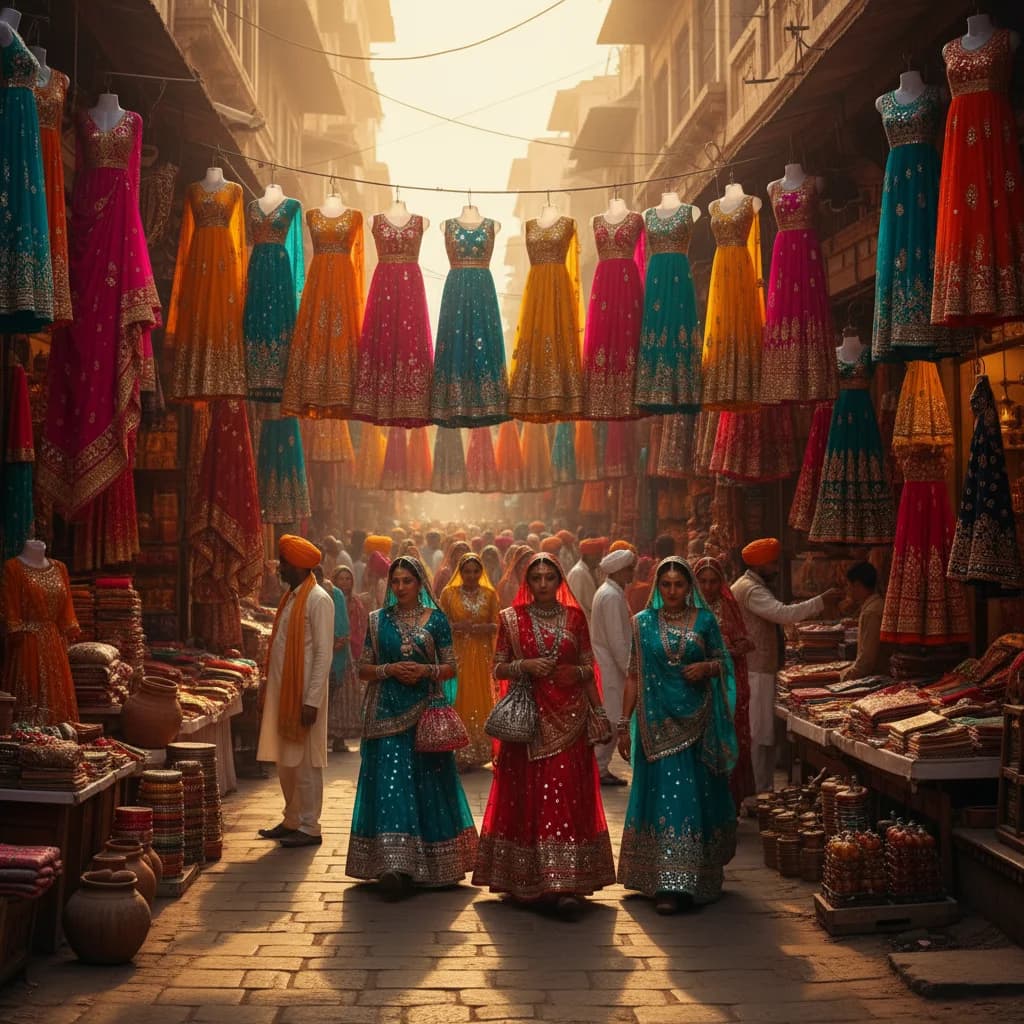
Rajasthan: India's Ethnic Wear Capital
Rajasthan is not just a state — it is a living museum of textile traditions. From the tie-dye workshops of Jodhpur to the block-printing studios of Jaipur, from the silk weavers of Kota to the gota patti artisans of Ajmer, every corner of Rajasthan contributes something unique to India's ethnic wear landscape.
For women shopping for ethnic wear in Rajasthan, the challenge is not a lack of options but an overwhelming abundance of them. Each city has its own market character, price structure, specialty textiles, and shopping experience. Knowing where to go for what you need saves time, money, and the frustration of arriving at a city's market only to find that its strength lies in a category you were not looking for.
This city-by-city guide covers every major ethnic wear shopping destination in Rajasthan, comparing what each city offers, typical price ranges, and whether a visit is worth the journey. Whether you are a bride planning your trousseau, a tourist looking for authentic Rajasthani clothing, or a local seeking the best value for everyday ethnic wear, this guide will point you in the right direction.
Jaipur: The Pink City and Rajasthan's Fashion Capital
Overview
Jaipur is the undisputed capital of ethnic wear shopping in Rajasthan. As the state capital and a major tourist destination, Jaipur offers the widest variety, the largest number of shops, and access to both wholesale and retail markets. If you can find it in Rajasthan, you can almost certainly find it in Jaipur.
Key Shopping Areas
Johari Bazaar: Located in the old city, Johari Bazaar is Jaipur's premier destination for jewellery and fine textiles. The shops here stock Banarasi sarees, Kanjivaram silks, bandhani and leheriya sarees, and premium wedding outfits. Prices are on the higher side, but the quality and authenticity of products is generally reliable. Many shops have been family-owned for generations and have earned reputations they are careful to protect.
Bapu Bazaar: This is Jaipur's most popular shopping street for tourists and locals alike. Bapu Bazaar offers a broader range than Johari Bazaar, including block-printed cotton kurtis, dupattas, fabric by the metre, readymade salwar suits, and mojaris (traditional footwear). Prices here are moderate, and bargaining is expected and accepted. The sheer volume of options can be overwhelming, so go with a clear idea of what you want.
MI Road (Mirza Ismail Road): MI Road hosts Jaipur's upscale boutiques and branded stores. This is where you will find designer labels, curated collections, and contemporary fusion wear alongside traditional ethnic wear. Prices are premium, but the shopping experience is more comfortable than the old city bazaars, with air-conditioned stores and trained staff.
Tripolia Bazaar: Known for lac bangles, Tripolia Bazaar also stocks affordable ethnic wear, particularly readymade suits and cotton kurtis. This market caters primarily to local shoppers rather than tourists, so prices tend to be more reasonable.
Sindhi Camp and Nehru Bazaar: These areas offer the most affordable ethnic wear shopping in Jaipur. The focus is on everyday wear — cotton kurtis, printed suits, leggings, and basic accessories. Quality varies widely, so examine products carefully before purchasing.
What Jaipur Does Best
Jaipur excels at block-printed textiles, bandhani and leheriya fabrics, gota patti work, and bridal lehengas. The city's block-printing tradition, particularly from Sanganer and Bagru workshops, produces some of India's finest hand-printed textiles. For bridal shopping, Jaipur offers the widest selection in Rajasthan, though prices reflect the city's position as a fashion capital.
Price Range
Jaipur's prices span the full spectrum. Cotton kurtis start from Rs 300 in wholesale areas, while designer lehengas at premium boutiques can exceed Rs 100,000. On average, expect to pay 15 to 25 percent more in Jaipur than in smaller Rajasthan cities for comparable quality, reflecting higher rents and the tourist premium.
Is Jaipur Worth the Trip?
If you are shopping for a bridal trousseau, planning a large purchase, or want maximum variety under one roof, Jaipur is worth the journey. For everyday ethnic wear or smaller purchases, the travel time and expense may not be justified, especially if you have good options closer to home.
For a detailed comparison of shopping in Jaipur versus a closer alternative, read our Kishangarh vs Jaipur ethnic wear shopping guide.
Ajmer: The Dargah City with Surprising Fashion Finds
Overview
Ajmer, located roughly 130 kilometres from Jaipur, is better known for its spiritual significance as the home of the Ajmer Sharif Dargah than for fashion. However, the city has a substantial local market for ethnic wear that serves both residents and the steady stream of pilgrims and tourists.
Key Shopping Areas
Dargah Bazaar: The lanes leading to the Ajmer Sharif Dargah are lined with shops selling everything from religious items to ethnic clothing. The ethnic wear here tends toward modest, traditional styles — salwar suits with heavy dupattas, cotton abayas, and embroidered kurtis. Prices are moderate, and the atmosphere is vibrant if crowded.
Naya Bazaar: Ajmer's main commercial market, Naya Bazaar, stocks a wide range of women's ethnic wear including readymade suits, sarees, kurtis, and lehengas. The market is frequented primarily by locals, so prices are more reasonable than in Jaipur's tourist-oriented areas. Several established textile shops here have been operating for decades.
Madar Gate Area: This area has several fabric shops and tailors, making it useful if you prefer to buy fabric and get outfits custom-stitched. The availability of skilled tailors at competitive rates is one of Ajmer's advantages over smaller cities.
What Ajmer Does Best
Ajmer's strength lies in affordable everyday ethnic wear, particularly cotton suits, printed kurtis, and modest occasion wear. The city's proximity to Kishangarh also means that many Ajmer shops stock items sourced from the same manufacturers that supply Kishangarh boutiques.
Price Range
Ajmer is generally more affordable than Jaipur for comparable products. Cotton kurtis range from Rs 250 to Rs 1,500, salwar suits from Rs 800 to Rs 5,000, and sarees from Rs 500 to Rs 15,000. Bridal wear options are limited compared to Jaipur.
For a comprehensive look at ethnic wear options in and around Ajmer, see our best ethnic wear shops near Ajmer guide.
Kishangarh: The Hidden Gem of Rajasthani Fashion
Overview
Kishangarh, situated between Jaipur and Ajmer on National Highway 48, is traditionally known for its marble industry and Bani Thani miniature paintings. But in recent years, the town has emerged as a surprisingly strong destination for women's ethnic wear, combining the variety of a larger city with the personalised service and competitive pricing of a smaller town.
What Makes Kishangarh Special
Unlike Jaipur, where the market is saturated with hundreds of competing shops of varying quality, Kishangarh's ethnic wear scene is anchored by a smaller number of dedicated boutiques that compete on quality and service rather than volume. This means that each boutique puts considerable effort into curating its collection, stocking only pieces that meet certain quality standards.
The smaller scale also translates to a more relaxed shopping experience. There are no pushy touts, no overwhelming crowds, and no pressure to buy quickly. You can browse at your own pace, try on multiple options, and receive genuine advice from staff who are focused on building long-term customer relationships rather than maximising single-transaction revenue.
Barkha Boutique: Kishangarh's Standout Destination
At the forefront of Kishangarh's fashion scene is Barkha Boutique, which has established itself as the town's premier destination for women's ethnic wear. The boutique stocks a comprehensive range covering sarees, lehengas, kurtis, salwar suits, co-ord sets, western wear, and accessories.
What distinguishes Barkha Boutique from typical small-town clothing stores is its approach to curation. Every piece is personally selected for fabric quality, design relevance, and value. The collection spans from affordable everyday wear to premium designer pieces, ensuring that women across all budgets find something suitable.
The boutique also offers on-site alterations, which is a significant advantage when purchasing fitted garments like blouses, lehengas, and tailored kurtis. Minor fit adjustments are typically completed while you wait, and more extensive alterations are ready within a day or two.
Price Range
Kishangarh offers some of the most competitive pricing in the Ajmer-Jaipur corridor. Comparable products are typically 15 to 30 percent cheaper than in Jaipur's established markets. Cotton kurtis start from Rs 250, salwar suits from Rs 600, sarees from Rs 400, and bridal lehengas from Rs 5,000.
Is Kishangarh Worth the Trip?
Absolutely. For women in the Ajmer, Beawar, Makrana, and even Jaipur areas, Kishangarh offers excellent value, personalised service, and curated collections that eliminate the exhausting process of sifting through hundreds of shops. The town is easily accessible by road and rail, and the compact market means you can cover the best shops in a single visit.
Explore our comprehensive guide to the town's offerings at our ethnic wear in Kishangarh page.
Jodhpur: The Blue City's Textile Treasures
Overview
Jodhpur, Rajasthan's second-largest city, has a rich textile heritage that is distinct from Jaipur's. The city is particularly known for bandhani (tie-dye) work, mirror work embroidery, and a vibrant colour palette that reflects its Marwari cultural identity.
Key Shopping Areas
Nai Sarak: This bustling commercial street in the old city is Jodhpur's primary textile market. Nai Sarak stocks everything from bulk fabric to readymade garments, with a particular strength in bandhani and tie-dye textiles. The market caters to both wholesale and retail buyers, and prices are generally competitive.
Clock Tower Market (Sardar Market): Surrounding the iconic Ghanta Ghar clock tower, this market is Jodhpur's most atmospheric shopping destination. The narrow lanes are packed with shops selling traditional Rajasthani outfits, Jodhpuri mojaris, lac bangles, and textile handicrafts. The clock tower area is tourist-friendly but also serves local shoppers, creating a balanced pricing environment.
Sojati Gate: This area connects the old and new city and hosts several large textile showrooms that offer air-conditioned shopping with fixed prices. For shoppers who find the bazaar experience overwhelming, Sojati Gate showrooms provide a more comfortable alternative.
What Jodhpur Does Best
Jodhpur is Rajasthan's bandhani capital. The city's tie-dye artisans produce bandhani sarees, dupattas, and dress materials in a quality and variety that is hard to match elsewhere. The red bandhani odhni (bridal veil) that is central to many Rajasthani wedding traditions is a Jodhpur specialty.
Jodhpur also excels at mirror work embroidery, producing garments with a distinctly Marwari aesthetic that differs from the gota patti tradition of Jaipur and Ajmer. Traditional Jodhpuri suits (salwar kameez with heavy mirror work and embroidery) are another specialty.
Price Range
Jodhpur's prices are slightly lower than Jaipur's for comparable products and roughly on par with Kishangarh and Ajmer. Bandhani sarees start from Rs 500 for cotton to Rs 15,000 and above for silk. Readymade suits range from Rs 600 to Rs 8,000 depending on embellishment.
Is Jodhpur Worth the Trip?
If you are specifically looking for bandhani textiles, mirror work garments, or traditional Marwari outfits, Jodhpur is the definitive destination. For general ethnic wear shopping, it is comparable to other mid-tier Rajasthan cities.
Udaipur: Lakeside Luxury and Heritage Textiles
Overview
Udaipur, the City of Lakes, combines tourism-driven luxury shopping with genuine heritage textile traditions. The city's proximity to tribal communities in southern Rajasthan gives it access to unique embroidery and textile traditions not found in the northern part of the state.
Key Shopping Areas
Hathi Pol (Elephant Gate): This old city market is Udaipur's most charming shopping area, with narrow lanes opening into small squares lined with traditional shops. Hathi Pol stocks miniature paintings, silver jewellery, and ethnic clothing with a focus on handcrafted items.
Bada Bazaar: Udaipur's main commercial market, Bada Bazaar, offers a wide range of ethnic wear at local prices. The market is less tourist-oriented than Hathi Pol, so prices are more competitive and the selection reflects local demand rather than tourist expectations.
Lake Palace Road and Fateh Sagar Area: These upscale areas host boutiques and designer stores catering to tourists and affluent local shoppers. Expect higher prices but also better curation and more contemporary designs.
What Udaipur Does Best
Udaipur specialises in Mewari textile traditions, including unique embroidery styles from the Bhil and Meena tribal communities. The city is also known for hand-painted and hand-printed textiles, silver jewellery, and a distinctive aesthetic that blends Rajput royalty with tribal craftsmanship. Udaipur's pichwai paintings have inspired a range of ethnic wear featuring detailed figural and floral motifs.
Price Range
Udaipur's tourist areas are expensive, sometimes matching or exceeding Jaipur prices. However, stepping away from the tourist zones reveals competitive local pricing. Cotton kurtis range from Rs 300 to Rs 2,000, and sarees from Rs 500 to Rs 20,000. The city is not known as a budget shopping destination.
Bikaner: Desert Textiles and Traditional Crafts
Overview
Bikaner, in northern Rajasthan's Thar Desert region, has a distinct textile identity shaped by its desert environment and Jat community traditions. While not a major fashion destination, Bikaner offers unique textile products that are difficult to find elsewhere.
What Bikaner Offers
Bikaner's strength is in wool and camel hair textiles, reflecting its desert location and pastoral heritage. Wool shawls, blankets, and winter ethnic wear from Bikaner are known for their warmth and durability. The city also produces distinctive lacquer work and has a tradition of heavy embroidery on thick cotton and wool fabrics.
For women's ethnic wear, Bikaner's main markets offer standard Rajasthani fare — cotton kurtis, bandhani sarees, and readymade suits — at prices comparable to or slightly below Ajmer and Kishangarh.
Is Bikaner Worth the Trip?
For ethnic wear shopping specifically, Bikaner is not a primary destination. However, if you are visiting for tourism or reside in the area, the local markets provide adequate options for everyday and festive wear. For wool and winter textiles, Bikaner is worth exploring.
Kota: The Silk City
Overview
Kota, in southeastern Rajasthan, is famous for one product above all: Kota Doria fabric. This lightweight, semi-transparent handwoven fabric, characterised by its distinctive square-checkered pattern, is one of India's most prized textiles for summer ethnic wear.
What Kota Does Best
Kota Doria sarees and dupattas are the city's signature product. The fabric's translucent quality and featherlight weight make it ideal for Rajasthan's hot climate. Authentic Kota Doria is handwoven and carries a GI (Geographical Indication) tag, distinguishing it from machine-made imitations.
Beyond Kota Doria, the city offers standard Rajasthani ethnic wear at local prices. However, few women travel to Kota specifically for ethnic wear shopping unless they are seeking authentic Kota Doria products.
Price Range
Authentic Kota Doria sarees range from Rs 800 for basic cotton versions to Rs 15,000 and above for silk Kota Doria with zari work. These prices are significantly lower than buying the same products through intermediaries in Jaipur or Delhi.
Pushkar: Bohemian Chic and Tourist-Oriented Shopping
Overview
Pushkar, the small pilgrimage town near Ajmer, has developed a unique shopping identity that blends Rajasthani traditional wear with bohemian and backpacker aesthetics. The town's international tourist traffic has created a market that stocks items you will not find in more traditional Rajasthani cities.
What Pushkar Offers
Pushkar's shops cater to a mix of Indian pilgrims, international tourists, and festival visitors. You will find traditional Rajasthani garments alongside Indo-Western fusion pieces, patchwork jackets, harem pants, printed maxi dresses, and other items that blend Indian textiles with global bohemian style.
During the annual Pushkar Fair in November, the town's marketplace expands dramatically, with temporary stalls selling traditional Rajasthani textiles, jewellery, and accessories from across the state.
Price Range
Pushkar's prices can be surprisingly high, reflecting the tourist premium. Bargaining is essential. For authentic Rajasthani ethnic wear at fair prices, the markets in nearby Ajmer or Kishangarh typically offer better value.
Makrana: Marble Town with Growing Fashion Options
Overview
Makrana, famous worldwide for the white marble used in the Taj Mahal, is not traditionally associated with ethnic wear shopping. However, the town's growing population and increasing consumer expectations have created demand for quality fashion options.
What Makrana Offers
Makrana's ethnic wear market is small but growing, with several shops and boutiques stocking everyday kurtis, salwar suits, and sarees. For special occasions and bridal shopping, most Makrana residents travel to Kishangarh (about 80 km) or Jaipur.
Barkha Boutique has extended its reach to Makrana through its Makrana store, bringing the same curated collections and quality standards to a town that previously had limited options. This means Makrana residents no longer need to travel for quality ethnic wear shopping.
Comparing Cities: Which One Should You Visit?
For Bridal Shopping
Best options: Jaipur (widest selection), Kishangarh (best value with quality)
Jaipur offers the largest selection of bridal lehengas and trousseau items, but the prices reflect the city's status as a fashion capital. Kishangarh offers quality bridal wear at 15 to 30 percent lower prices, with the added benefit of personalised boutique service.
For Everyday Ethnic Wear
Best options: Kishangarh (quality and value), Ajmer (variety and convenience)
For regular kurti and suit shopping, proximity matters more than variety. Kishangarh and Ajmer both offer excellent everyday ethnic wear at competitive prices without requiring a major trip.
For Specific Textiles
- Bandhani: Jodhpur
- Block prints: Jaipur (Sanganer and Bagru)
- Kota Doria: Kota
- Gota patti work: Jaipur and Kishangarh
- Mirror work: Jodhpur
- Leheriya: Jaipur
For Budget Shopping
Best options: Kishangarh, Ajmer, and smaller-city markets
These cities offer the best value for money, with lower overhead costs translating to lower retail prices compared to Jaipur and Udaipur.
For Tourist Shopping
Best options: Jaipur (widest selection), Udaipur (most atmospheric), Pushkar (most unique)
Tourists benefit from Jaipur's variety, Udaipur's lakeside charm, and Pushkar's bohemian energy. For a more authentic, less touristy experience, add Kishangarh to your itinerary.
Making the Most of Your Shopping Trip
Research Before You Go
Know what each city specialises in and plan your visit accordingly. Travelling to Kota for bandhani or Jodhpur for Kota Doria wastes time and money.
Set a Budget
Rajasthan's markets are filled with temptation. Setting a clear budget before you start shopping prevents impulse purchases and buyer's remorse.
Bargain Thoughtfully
In bazaars and open markets, bargaining is expected. A reasonable approach is to start at 50 to 60 percent of the asking price and negotiate to a mutually acceptable middle ground. In established boutiques with fixed prices, asking for a discount on bulk purchases is acceptable but aggressive haggling is not.
Verify Fabric Claims
Not everything labelled silk is silk, and not every bandhani is hand-tied. Learn to identify genuine fabrics by touch and appearance, or shop at reputable stores where product descriptions are reliable.
Plan for Alterations
If you are buying from a city you do not visit regularly, choose shops that offer on-the-spot alterations so you do not have to make a return trip. Alternatively, buy from boutiques like Barkha Boutique that include alteration services as standard.
Barkha Boutique: Your One-Stop Destination
While each Rajasthan city has its strengths, the convenience of finding quality ethnic wear close to home cannot be overstated. Barkha Boutique's Kishangarh store offers curated collections that draw from the best of Rajasthan's textile traditions — block prints from Jaipur's workshops, bandhani from Jodhpur's artisans, Kota Doria from Kota's weavers, and gota patti work from local craftspeople — all under one roof.
Rather than travelling to multiple cities for different textile specialties, you can explore a comprehensive collection that brings Rajasthan's best to your doorstep. Our team's knowledge of the state's textile landscape means we source the finest products from across Rajasthan, saving you the time and expense of city-hopping.
Browse our collections online or visit in person to experience why Kishangarh's fashion scene — and Barkha Boutique in particular — deserves a place on every Rajasthan shopping itinerary.
Frequently Asked Questions
Which city in Rajasthan is best for ethnic wear shopping?
Jaipur has the widest variety, but Kishangarh offers better value with boutiques like Barkha Boutique offering designer-quality ethnic wear at competitive prices. Jodhpur is known for bandhani, Udaipur for traditional Mewari outfits.
Is Kishangarh good for ethnic wear shopping compared to Jaipur?
Yes — Kishangarh offers a more personalised shopping experience with lower overhead costs. Barkha Boutique sources from the same designers as Jaipur stores but offers better pricing and less crowded shopping.
VISIT US TODAY
Shop the Collection at Barkha Boutique
Visit our stores in Kishangarh & Makrana, Rajasthan or browse our online collection.