
Red Flags: Warning Signs of an Untrustworthy Boutique
- RED FLAG: No physical address or physical store — operates only via Instagram DMs or WhatsApp with no verifiable location
- RED FLAG: Refuses to provide fabric samples or swatches before you commit — a confident seller of quality fabric has no reason to refuse samples
- RED FLAG: Prices significantly below market rate for the claimed fabric and embroidery type — you cannot get a hand-embroidered silk lehenga for Rs. 8,000
- RED FLAG: No written agreement, no formal invoice, and no official receipt for your deposit
- RED FLAG: Asks for full payment upfront with no delivery guarantee or milestone payment structure
- RED FLAG: Cannot show you the actual fabric they will use before stitching — only shows catalog images or promotional photos
- RED FLAG: Catalog photos are watermarked or clearly belong to another brand — indicates they are showing designs they cannot actually produce
- RED FLAG: Customer reviews are all generic ('best shop!'), have no specific details, and were posted within a short time period of each other
- RED FLAG: No clear delivery timeline and evades specific questions about your order's ready date
- RED FLAG: Pressures you to decide quickly with 'this fabric is selling fast' or 'last piece' urgency tactics
Green Flags: Signs of a Trustworthy Boutique
- GREEN FLAG: Has a physical store or workshop with a verifiable address that you can visit or that others have reviewed
- GREEN FLAG: Provides detailed written order confirmation with fabric specifications, embroidery description, delivery date, and payment terms
- GREEN FLAG: Willingly shares fabric swatches by post (for online orders) or allows you to see and touch the actual fabric in person
- GREEN FLAG: Has longstanding reviews with specific details about the product received — customer names, wedding dates, specific outfit descriptions
- GREEN FLAG: Can show you their own original work in progress — photographs of fabric on the frame, partial embroidery, team working — rather than only finished product images
- GREEN FLAG: Offers a structured payment plan — typically 30–50% deposit, balance before delivery
- GREEN FLAG: Has a clear alteration and return policy in writing, even if it is limited
- GREEN FLAG: Refers you to past customers you can speak with directly (references)
- GREEN FLAG: Is transparent about their production capacity and waiting list — a boutique with a 6-month waiting list is a positive indicator of demand and reliability
- GREEN FLAG: Has been in business for more than 3 years with consistent documentation of their work over that period
Questions to Ask Before Placing a Custom Order
- Can I see and touch the exact fabric you will use for my order before confirming? (Not a similar fabric — the specific piece)
- What is the exact embroidery technique used — is it hand-embroidered or machine-embroidered?
- What is your current waiting list and what is the guaranteed ready date for my order?
- What happens if the outfit is not ready on the promised date?
- What does your alteration process look like after the first fitting?
- Can you provide references of customers who ordered similar outfits in the past year?
- What is the payment structure — do you require full payment upfront or a deposit?
- Do you provide a written order confirmation with all specifications?
- What happens if I am not satisfied with the finished outfit — what is your resolution process?
- What is your process if there is a shortage of the fabric I have chosen — do you inform me before substituting?
Red Flag vs Green Flag: Comparison Table
| Situation | Red Flag Response | Green Flag Response |
|---|---|---|
| You ask to see the actual fabric | Shows catalog photos; says 'exactly like this' | Brings out the actual cloth or sends a swatch |
| You ask about delivery date | Vague: 'should be ready by your wedding' | Specific: 'ready by [date], with first fitting on [date]' |
| You ask for references | Deflects or gives social media tags only | Provides phone numbers of past customers |
| You ask for a written agreement | Dismisses it: 'we work on trust' | Provides order form or invoice with all details |
| You request a swatch before confirming | Refuses or says it costs extra | Happy to provide; confident in their fabric quality |
| Payment request | Full payment upfront via UPI only | Structured deposit with balance on delivery; receipts provided |
| You raise a concern about the design | Defensive; says customer is wrong | Listens, explains, offers alternatives |
Protecting Yourself Financially
- Never pay more than 30–50% as a deposit for a custom outfit — the balance should be payable on delivery or after a successful fitting
- Pay via methods that offer some payment protection (credit card, or a payment service with dispute resolution) rather than direct bank transfer or cash
- Get all fabric specifications in writing before paying any deposit — 'pure Kanjivaram' means nothing without specifying the silk weight, zari type, and purity percentage
- Photograph all fabric samples, design inspirations, and reference materials shown by the boutique and save them with timestamps
- If the boutique operates only online, use a payment method with dispute resolution — keep all chat records as documentation
- Set your order deadline 4–6 weeks before you actually need the outfit — this gives you buffer time for alterations and delays
Special Considerations for Online-Only Boutiques
Online boutiques require additional verification steps since you cannot visit them in person. Before ordering from an online boutique you have not used before, take these specific steps:
- Search the boutique name + 'review' or 'scam' or 'complaint' on Google — authentic negative experiences are often documented online
- Check the boutique's Instagram posts for comments from actual customers — look for people tagging the boutique in their own photos wearing ordered outfits
- Check if the boutique's design photos have been reverse-image-searched — if their product images appear on multiple different Instagram accounts or appear to be from international brands, they may not be producing what they show
- Ask for a video call or a short video showing the actual fabric and work in progress before committing your deposit
- Look for the boutique's GST registration number — any legitimate business of meaningful size is GST registered and can provide this on request
- Start with a small test order (a simple kurta or dupatta) before placing a large bridal order
Who Should Buy
- Anyone planning a bridal order — lehenga, wedding saree, or bridal trousseau — from a boutique they have not personally used before
- Women who have been burned by a boutique in the past and want a framework for ensuring it does not happen again
- Women helping family members (mothers, sisters) navigate boutique selection for wedding purchases
- Anyone ordering from an Instagram or WhatsApp boutique for the first time and wanting to verify legitimacy before sending any money
Skip If
- You are buying a ready-made outfit from a verified retail store or established brand — ready-made purchases from known brands have different risk profiles
- You have an established long-term relationship with a boutique you trust completely based on multiple successful past orders
- You are making a very small purchase (under Rs. 2,000) where the financial risk is manageable — the full verification process is proportionate to order size
Shop Trustworthy Ethnic Wear
 COD Available
janasya
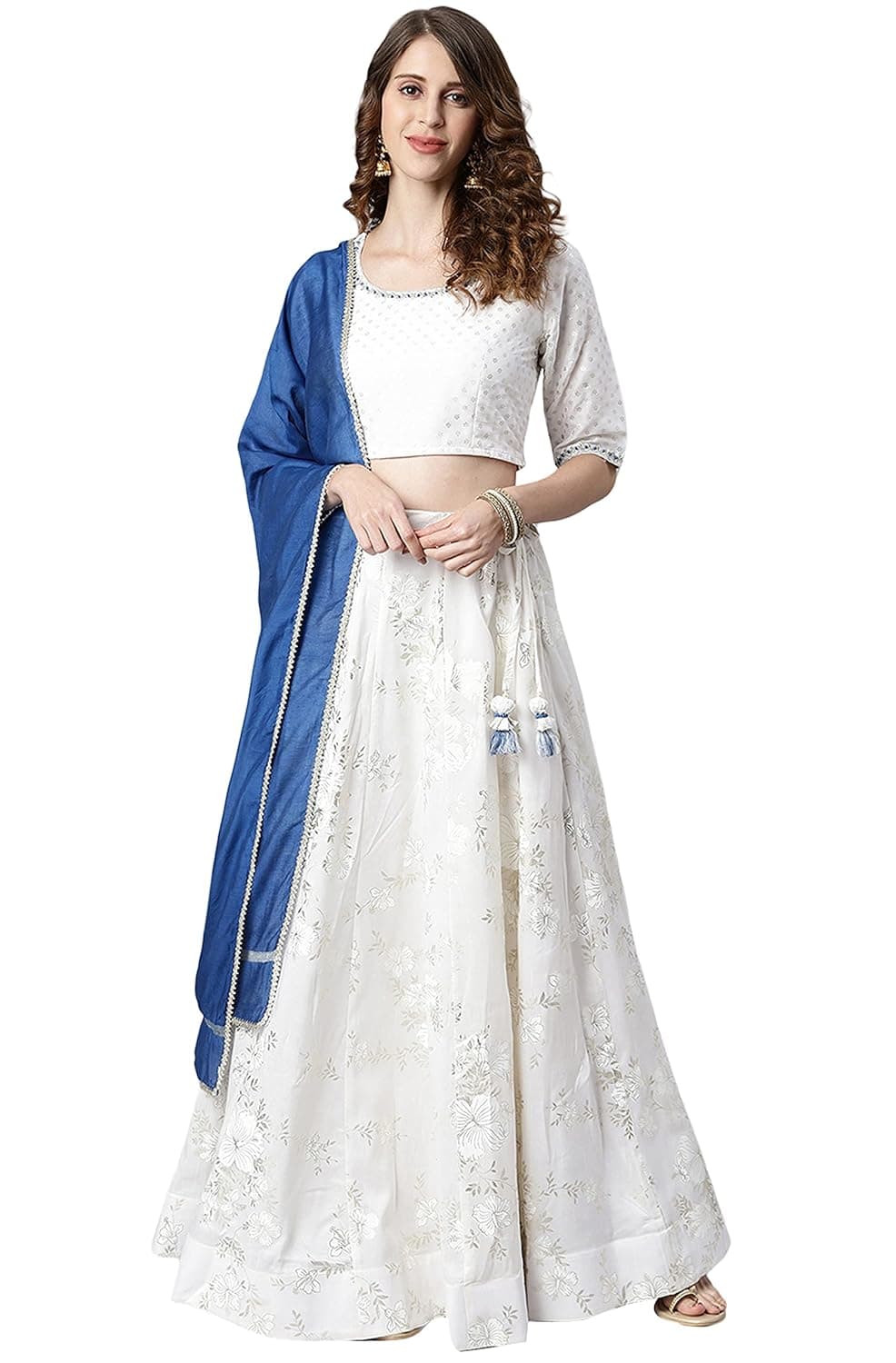
Janasya Women's White Poly Silk Lehenga Choli with Dupatta
 COD Available
janasya
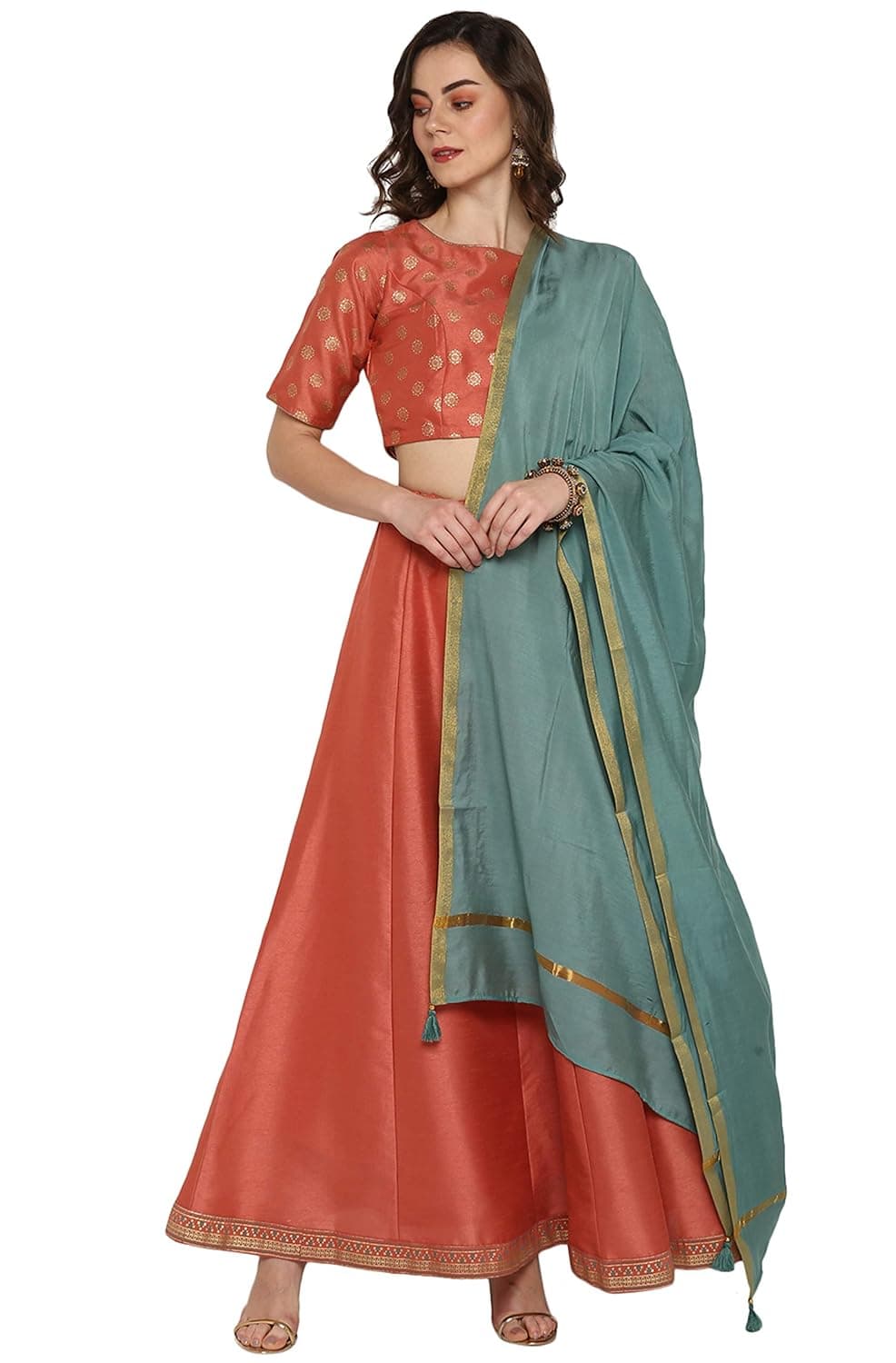
Janasya Women's Peach Silk Lehenga Choli with Gota Patti
 COD Available
m.r.p:
Women's Satin Silk Embroidery Lehenga Choli (Wedding-Party-Bridal-Lehenga-White) Free Size | Finish Type: Semi-stitched
 COD Available
m.r.p:
Women's Embroidered Georgette Crop Top Lehenga Choli For Women (Party-Wedding-Bridal-Latest-New-Stylish; Free Size)
OUR VERDICT
Trust your instincts as much as you follow any checklist. A boutique that makes you feel rushed, dismissed, or confused when you ask perfectly reasonable questions is telling you something important about how they will treat you as a customer through the entire order process. The right boutique will welcome your questions, be proud to show you their work, and make you feel confident in your purchase. If something feels off at any point — before or during an order — it is always better to lose a deposit than to lose the full amount and miss your occasion with an outfit that was never right. Your special occasion deserves a boutique that takes it as seriously as you do.