
Before You Begin: What You Need for Any Drape
- A fitted blouse (readymade or custom-stitched to your measurements)
- A matching or complementary petticoat (inskirt) at waist height
- 6 to 8 safety pins — always keep extras
- A full-length mirror
- Flat or low-heeled footwear while draping, then switch to heels
Style 1: The Nivi Drape (Most Popular)
The Nivi is the default drape for most Indian women today. It originated in Andhra Pradesh and became widespread through Bollywood and urban fashion. It works beautifully with chiffon, georgette, and silk sarees.
- Tuck the plain end of the saree into the petticoat at your right side, going all the way around once.
- Make 5 to 7 neat pleats (each about 5 inches wide) and tuck them at the center front, pleats facing left.
- Take the remaining fabric (the pallu) across your body from right to left.
- Drape the pallu over your left shoulder and let it fall behind.
- Secure the pallu to your blouse shoulder with a pin.
- Adjust pleat length — they should end just above the floor.
Style 2: The Bengali Atpoure Drape
The traditional Bengali drape requires no pins and uses the saree without a blouse in its classical form, though modern versions pair it with a blouse. The pallu is draped twice around the body.
- Wrap the saree around your body from left to right (opposite of Nivi).
- Tuck the plain end at your left side into the petticoat.
- Create pleats at the front and tuck them facing right.
- Bring the pallu around from your right, across the front of your body.
- Drape the pallu over your left shoulder, allowing a long fall in the back.
- Pin the pallu at the shoulder and secure the wrap at the waist.
Style 3: The Gujarati Seedha Pallu Drape
In the Gujarati style, the pallu drapes over the right shoulder rather than the left and is brought forward, creating a distinctive look popular at weddings and garba events.
- Tuck the saree into the petticoat starting from the right side, but leave a longer loose end.
- Make pleats facing the right side.
- Instead of bringing the pallu to the left shoulder, take it back around and over the right shoulder.
- Let the pallu fall in the front over the right side.
- Pin the pallu at your right shoulder and adjust the front drape.
Style 4: The Maharashtrian Nauvari (9-Yard) Drape
The Nauvari saree is 9 yards long and is draped dhoti-style, creating a trouser-like silhouette. It is the traditional drape for Lavani dancers and Maharashtrian women.
- Start from the center of the saree and tuck it at the back of your waist.
- Bring both ends to the front and cross them over each other.
- Pull one end between your legs and tuck it at the back, creating a dhoti shape.
- Drape the remaining fabric to form pleats at the front.
- Bring the pallu over the right shoulder and pin it in place.
Style 5: The Coorg Drape
The Kodagu (Coorg) drape from Karnataka is considered one of the most graceful regional styles, with the pallu secured at the back rather than the shoulder.
- Drape the saree around the body in the standard Nivi direction.
- Instead of draping the pallu over the shoulder, pleat it and secure it at the back left side.
- Fan out the pleats at the back, creating a peacock-tail effect.
- Pin the pallu pleats securely to your blouse at the back.
- The front remains smooth with no visible pallu.
Style 6: The Mumtaz or Retro Drape
Made famous by actress Mumtaz in 1960s Bollywood, this style features a shorter saree draped to show the midriff prominently — ideal for sheer or embellished sarees.
- Drape the saree 4–5 inches higher than normal so the hemline falls mid-calf.
- Wrap tightly around the body to emphasize the waist.
- Make very few, wide pleats at the center front.
- Bring the pallu across the body and pin it at the left shoulder.
- Allow the pallu to fall at an angle across the torso.
Style 7: The Butterfly or Lehenga Saree Drape
The butterfly drape converts your saree into a lehenga-like silhouette, perfect for brides and reception looks who want the grace of a saree with the ease of a lehenga.
- Stitch or pin the pallu end to create a ready-made drape.
- Make large, flared pleats starting from the front.
- Tuck the pleats into the petticoat so they fan out like a skirt.
- Pin the pleats individually to maintain the lehenga shape.
- Drape the pallu across one shoulder, leaving the other shoulder bare.
Style 8: The Seedha Pallu Front Drape (Pinned)
This contemporary style places the pallu in the front for maximum display of embroidery or prints. It is ideal for heavily embellished sarees.
- Complete the base Nivi drape without the pallu step.
- Instead of draping the pallu over the shoulder, pin it at the waist on your left side.
- Spread the pallu across the front of your body and pin it at the right shoulder.
- Let the decorative border of the pallu frame your front.
- Secure with multiple pins to keep the display intact.
Style 9: The Rajasthani Drape
Rajasthani women drape the saree to cover the head — the ghunghat — making it both elegant and traditional. This style requires a longer, lighter fabric.
- Complete a standard front drape similar to the Nivi.
- Bring the pallu over the left shoulder but continue it over the head.
- The pallu should be long enough to cover your head and fall below your right shoulder.
- Pin the pallu at the shoulder and at the head to keep it in place.
- Allow decorative borders to frame the face.
Style 10: The Mermaid Drape (Contemporary)
The mermaid drape is a modern fashion-forward style that creates a fitted silhouette from waist to knee, then flares out. It is ideal for fashion-conscious brides and reception looks.
- Wrap the saree tightly around your body, tucking it in firmly.
- Do not make traditional pleats — instead, wrap the fabric around your legs once for a fitted look.
- Tuck the fabric between your legs at the front to create a slight flare at the ankle.
- Drape the pallu crossbody and pin it at the shoulder.
- Use more pins along the body to maintain the fitted shape.
Draping Style Comparison: Choose Based on Your Need
| Style | Difficulty | Best For | Ideal Fabric | Body Type |
|---|---|---|---|---|
| Nivi | Easy | Daily wear, office, all occasions | Cotton, chiffon, silk | All body types |
| Bengali Atpoure | Medium | Pujas, cultural events | Cotton, tant | All body types |
| Gujarati Seedha Pallu | Medium | Weddings, garba, festivals | Silk, brocade | All body types |
| Nauvari (9-yard) | Hard | Marathwada traditions, dance | Cotton, Paithani | Athletic, petite |
| Coorg Drape | Hard | Weddings, formal events | Heavy silk | All body types |
| Butterfly/Lehenga | Medium | Bridal, receptions | Net, georgette | Curvy, tall |
| Mermaid | Medium | Fashion shoots, parties | Tissue, satin | Tall, slim |
Who Should Buy
- First-time saree wearers who want to learn the Nivi drape and wear confidently to weddings
- Women attending regional Indian weddings who want to wear the traditional drape of that community
- Brides seeking a unique bridal look with non-standard draping styles like the Coorg or butterfly
- Saree lovers who own multiple six-yards and want to style them differently for different occasions
Skip If
- You need a completely no-effort solution — consider a readymade pre-stitched saree with attached pallu instead
- You are shopping for a child — kids' ethnic wear like lehengas or salwar suits are more practical
- You have a very informal occasion where a kurta or dress would be equally appropriate and easier to manage
Shop Sarees for Every Draping Style
 COD Available
ishin
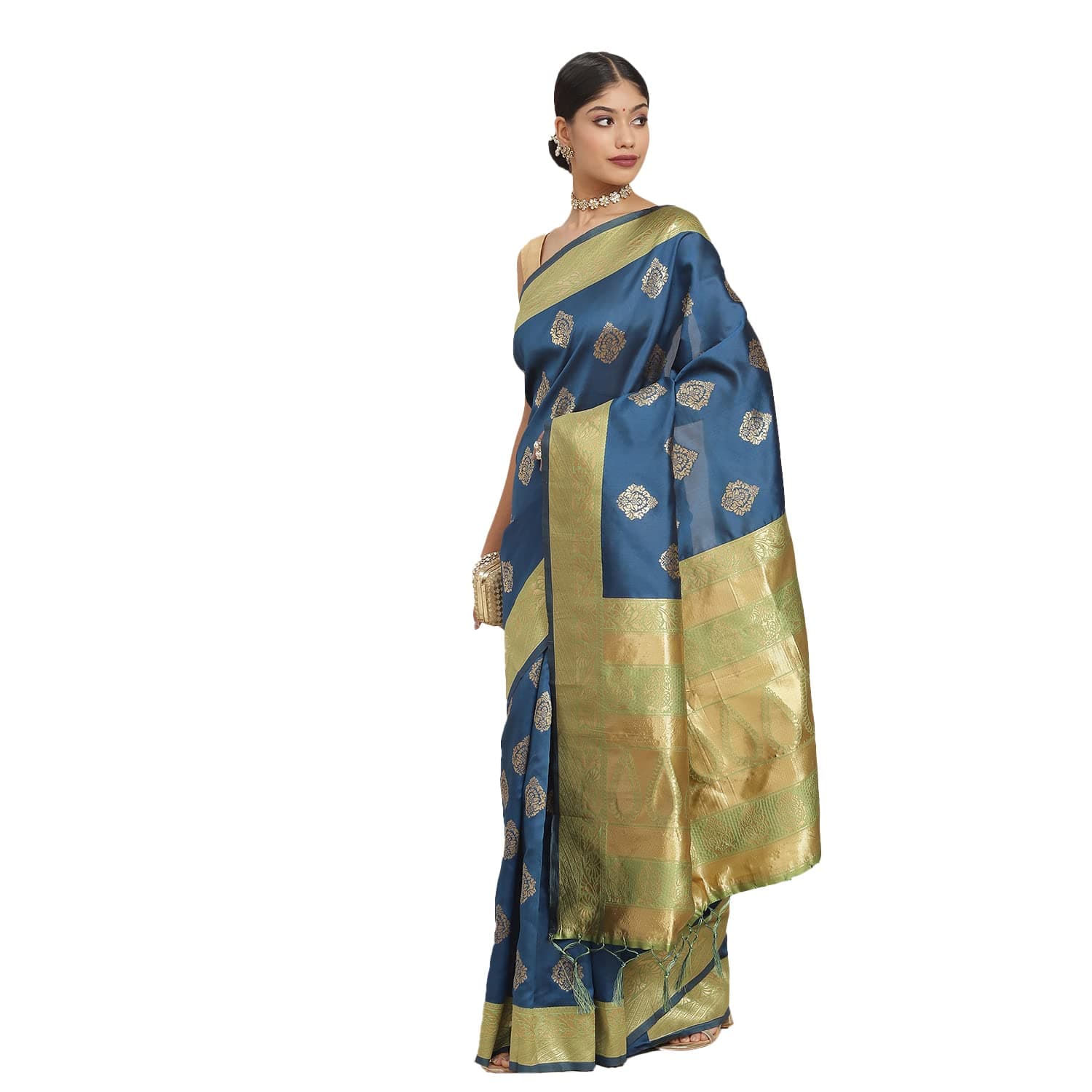
Ishin Women's Silk Blend Teal & Green Woven Design Saree with Blouse
 COD Available
ishin
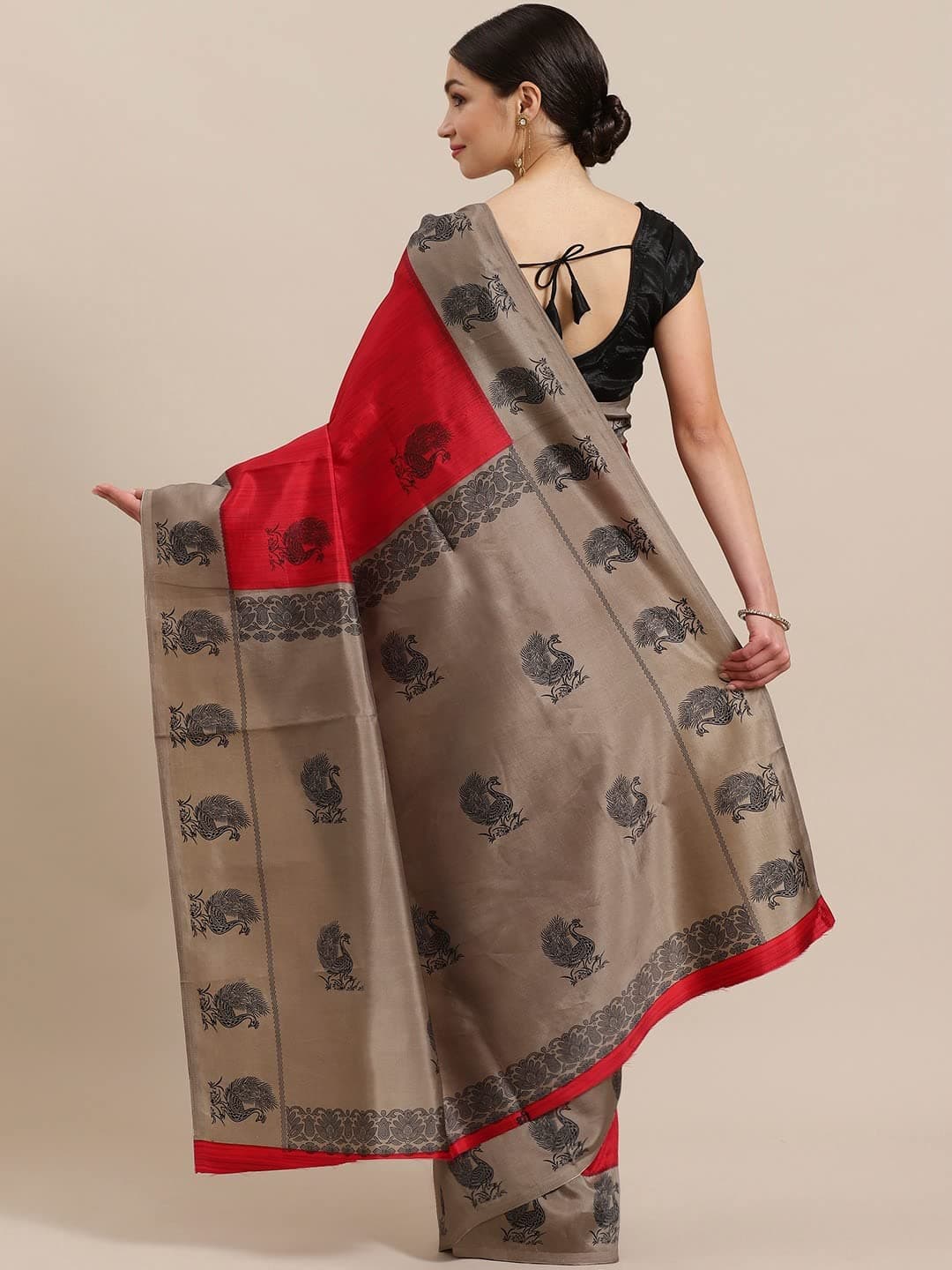
Ishin Women's Art Silk Maroon & Taupe Printed Saree
 COD Available
ishin
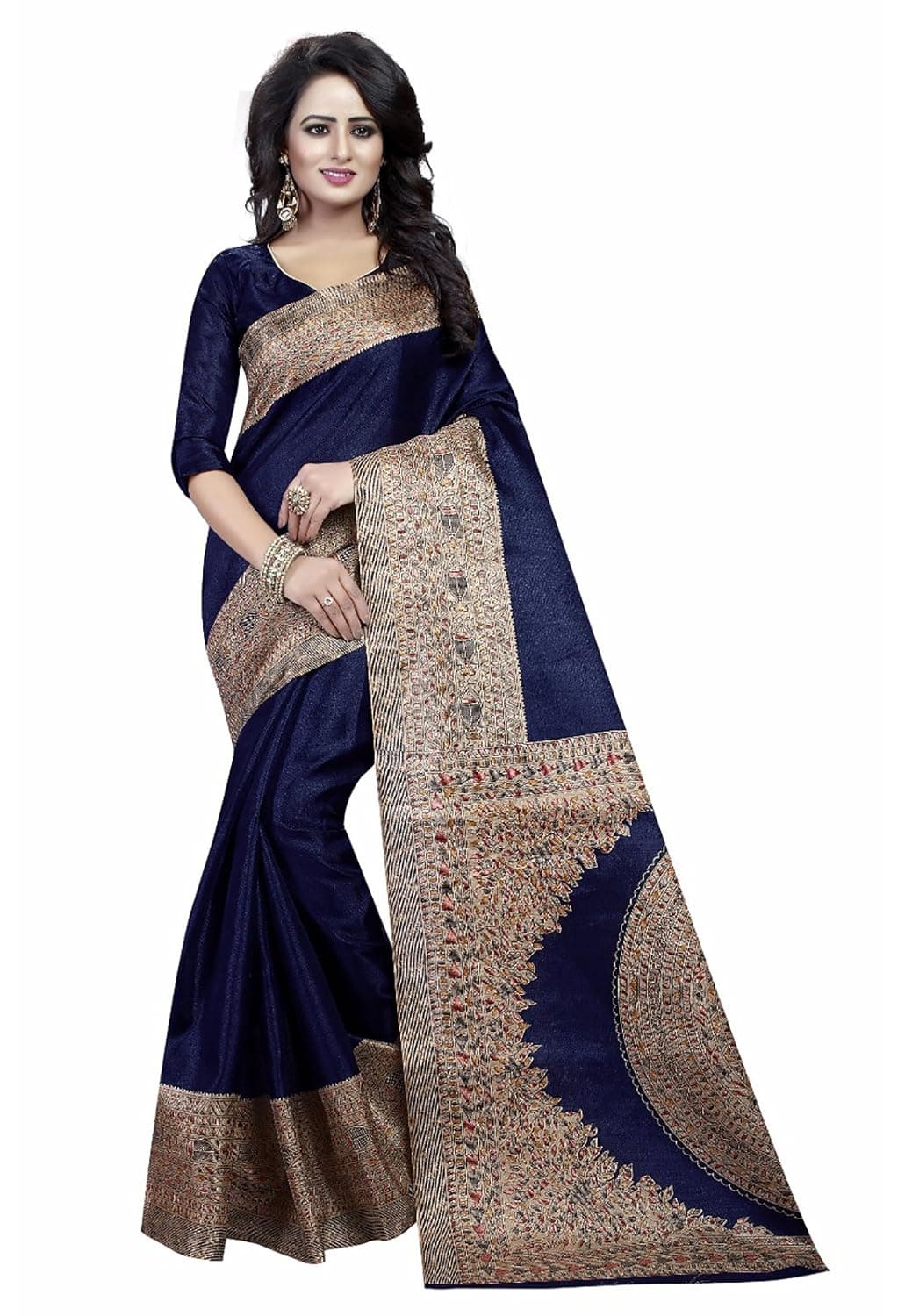
Ishin Women's Art Silk Navy Blue Saree with Blouse Piece
 COD Available
ishin
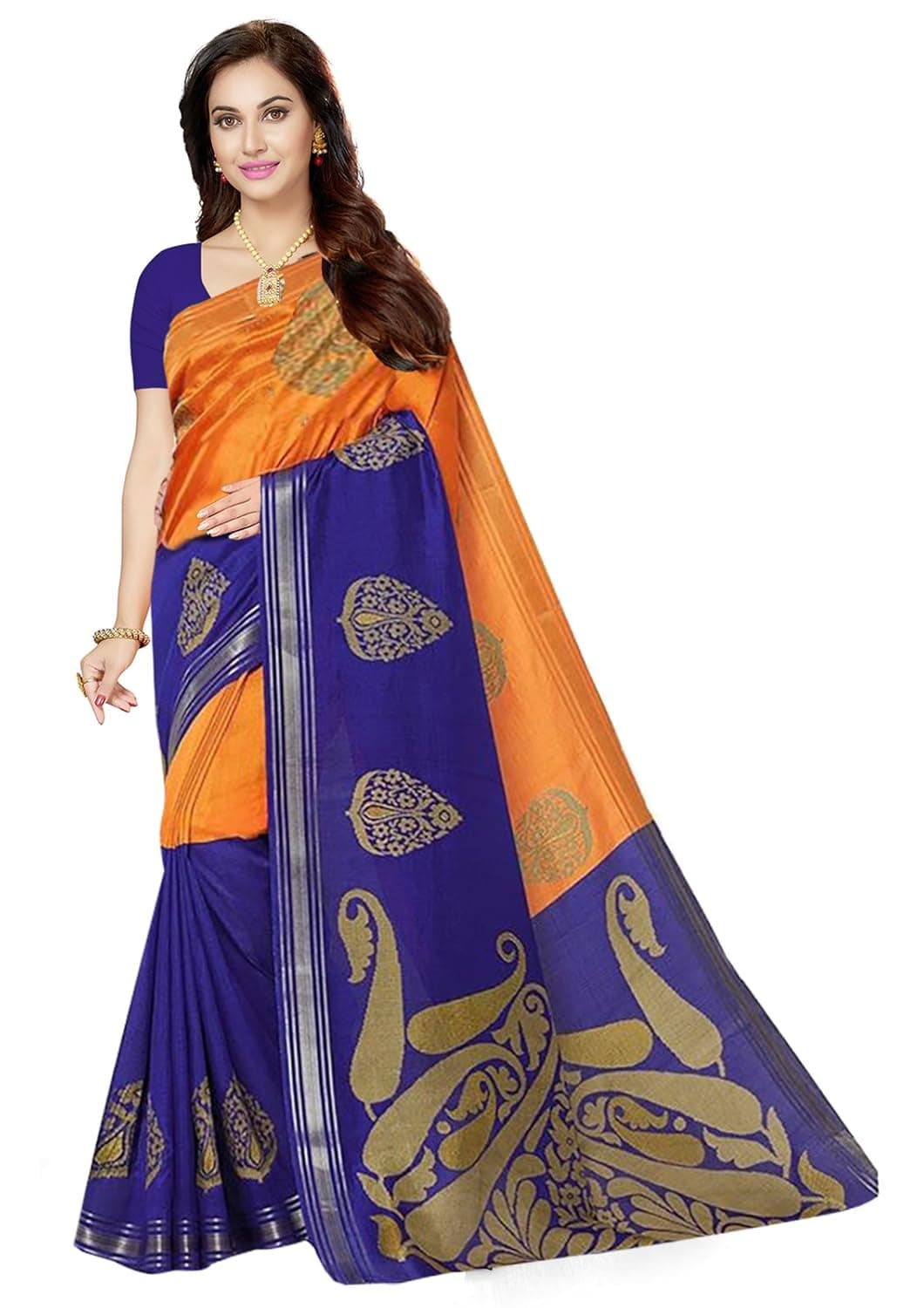
Ishin Women's Art Silk Dark Blue & Orange Saree with Blouse
OUR VERDICT
Start with the Nivi drape and practice it until you can do it in under five minutes. Once that feels natural, add the Gujarati or Bengali style to your repertoire for cultural occasions. Most Indian women need only three draping styles — one for daily wear, one for formal occasions, and one regional style that honors their heritage. Invest in at least two to three yards of extra fabric on your petticoat string by keeping it tied firmly — a loose petticoat is the single biggest cause of saree disasters mid-event.