
Test 1: The Zari Rub Test (Most Reliable At-Home Test)
Rub the zari (metallic woven thread) firmly against a white cloth for 10–15 seconds. Authentic real gold zari will not transfer any color to the white cloth. Fake chemical zari will leave a yellow, gold, or metallic residue on the cloth. This is the single most reliable test you can perform without any tools.
Test 2: The Burn Test (For Fiber Authenticity)
With the seller's permission, pull a single thread from an inconspicuous edge and burn it. Pure silk burns slowly, does not sustain a flame, and leaves a crushable black ash that smells like burnt hair (because silk is a protein fiber, similar to human hair). Artificial silk (art silk or polyester) either melts into a hard bead, burns quickly with a chemical smell, or does not extinguish itself when the flame is removed. This test is definitive for fiber identification but requires pulling a thread, so it is better done at home with a sample swatch if available.
Test 3: The Price Reality Check
A genuine handwoven Banarasi silk saree with real zari takes a skilled weaver 15 to 30 days to complete. The minimum price for an authentic piece starts at approximately Rs. 8,000 and commonly ranges from Rs. 15,000 to Rs. 80,000 depending on the weave type, design complexity, and zari content. Any saree claiming to be 'authentic Banarasi' selling for under Rs. 5,000 is either not genuine silk, not genuine zari, or not handwoven — or all three.
| Category | Real Banarasi | Art Silk / Fake |
|---|---|---|
| Price range | Rs. 8,000 – Rs. 1,50,000+ | Rs. 500 – Rs. 5,000 |
| Zari rub test | No color transfer to white cloth | Yellow or metallic stain on white cloth |
| Burn test | Burns slowly, smells like hair, crushable ash | Melts or burns fast, chemical smell, hard bead |
| Weight | Heavier due to silk density and real zari | Lighter, flimsier feel |
| Reverse side | Shows warp and weft threads cleanly | Often has a liner or uneven reverse side |
| Weave time | 15–30 days per saree | Hours on a power loom |
| GI tag | Present (though not always displayed) | Absent |
Test 4: The Reverse Side Check
Flip the saree over and examine the reverse side. In a genuine handwoven Banarasi, you will see the 'running threads' or floating threads on the reverse that correspond to the woven design on the front. These threads are part of the weaving structure. A power-loom saree or art silk fake often has a clean, liner-like reverse side or very messy cut threads that have been trimmed. The reverse side of a real Banarasi tells its entire story.
Test 5: The Touch and Weight Test
Pure silk has a distinctive smooth, cool feel — it warms to your body temperature quickly. Real Banarasi silk with zari also has a particular weight to it; the zari adds heft. Art silk (viscose or polyester) often feels clammy, lighter, or has a synthetic sheen that is too uniform. With practice, this test becomes very reliable. When shopping, always ask to hold the saree for at least 60 seconds.
Test 6: The GI Tag and Silk Mark Check
Since 2009, authentic Banarasi silk sarees have been eligible for a Geographical Indication (GI) tag. The Silk Mark Organization of India also provides a Silk Mark label that guarantees authentic silk content. Look for these labels on the saree packaging or attached label. However, note that not every genuine weaver has registered their work, so the absence of the label does not automatically mean fake — but its presence is a strong positive indicator. Always buy from a reputable seller who can provide documentation.
Test 7: The Shine Angle Test
Hold the saree at different angles in natural light. Pure silk has a characteristic luminous sheen that changes color slightly as the viewing angle changes — this is called the silk's natural luster. Art silk or synthetic fabric tends to have a flat, uniform shine that does not change much with angle. Real gold zari has a warm, subtle gleam; chemical zari often looks brassy, overly bright, or has a slight green tinge in certain lights.
Types of Authentic Banarasi Weaves
| Weave Type | Characteristic | Price Range | Best For |
|---|---|---|---|
| Katan Silk | Pure silk warp and weft, heaviest and finest | Rs. 20,000 – Rs. 1,50,000 | Bridal wear, heirlooms |
| Organza (Kora) | Stiff, sheer silk with open weave | Rs. 8,000 – Rs. 40,000 | Summer events, festive occasions |
| Georgette | Soft, lightweight silk with crinkled texture | Rs. 10,000 – Rs. 50,000 | Daily festive, receptions |
| Shattir | Mixed silk fabric, less expensive | Rs. 5,000 – Rs. 15,000 | Budget-conscious buyers |
Who Should Buy
- Anyone investing Rs. 15,000 or more in a saree who wants to ensure they are getting authentic Banarasi silk
- Women shopping for a bridal trousseau where Banarasi sarees are traditionally gifted
- Saree collectors who want to build a collection of authentic Indian handloom textiles
- Gift-givers looking for a meaningful, high-value Indian textile gift for weddings or special occasions
Skip If
- You are looking for an affordable festive saree under Rs. 5,000 — there are beautiful art silk Banarasi-print sarees that are honestly sold as such and are excellent value
- You need a saree for a one-time occasion and longevity is not a priority — a machine-woven Banarasi-style saree may serve your purpose
- You are buying online and cannot perform physical tests — in this case, buy only from verified sellers with GI-certified documentation and return policies
Shop Authentic Sarees
 COD Available
ishin
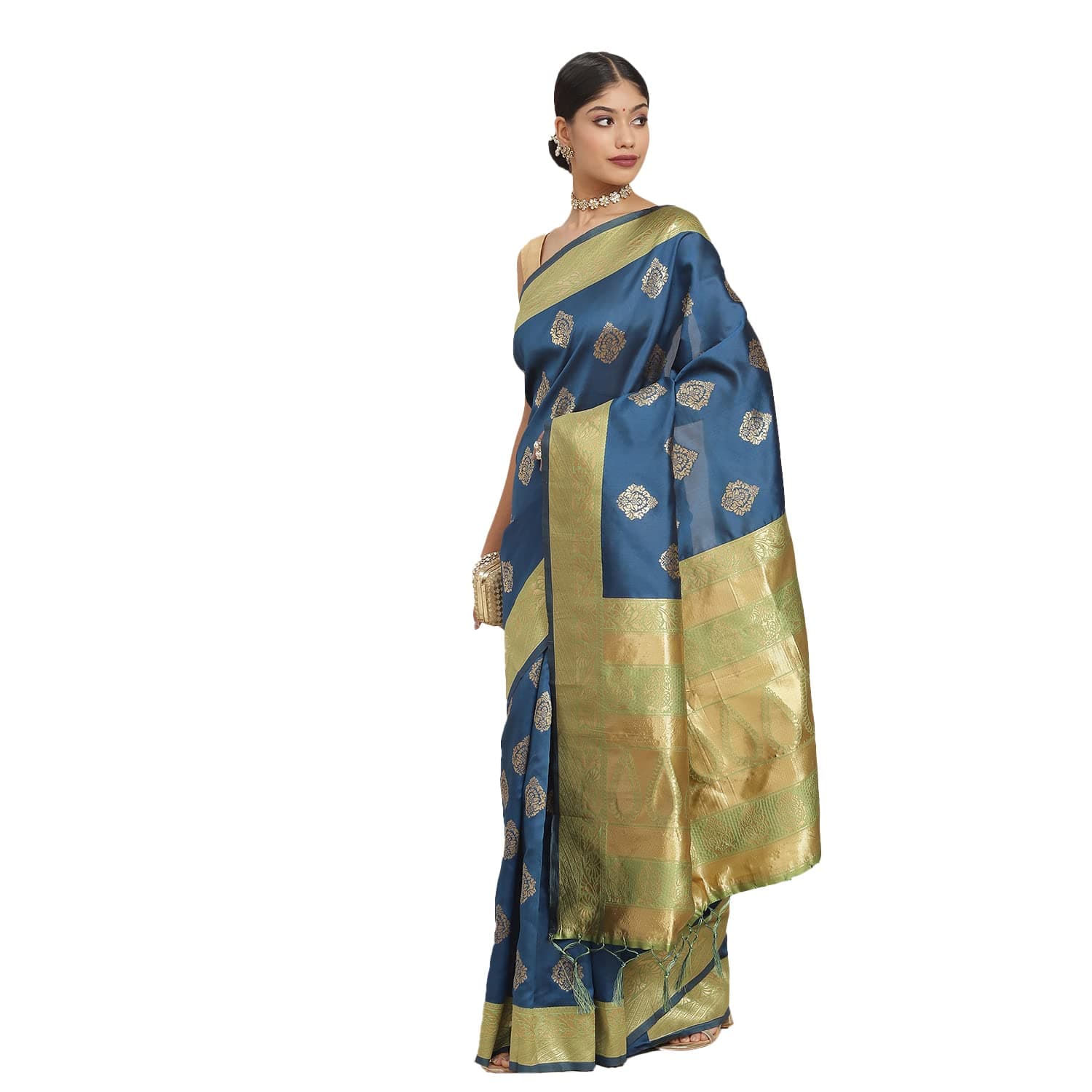
Ishin Women's Silk Blend Teal & Green Woven Design Saree with Blouse
 COD Available
ishin
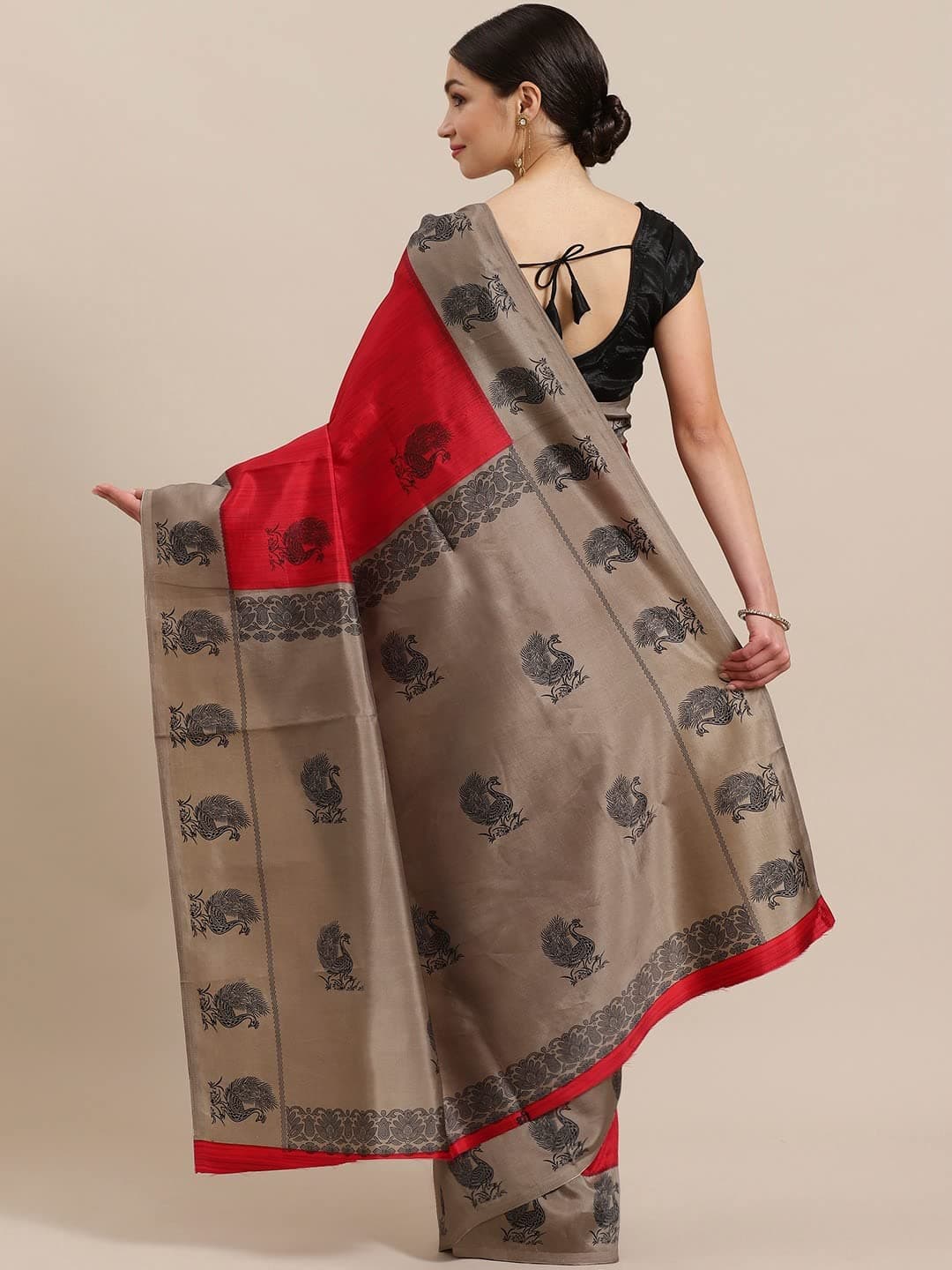
Ishin Women's Art Silk Maroon & Taupe Printed Saree
 COD Available
ishin
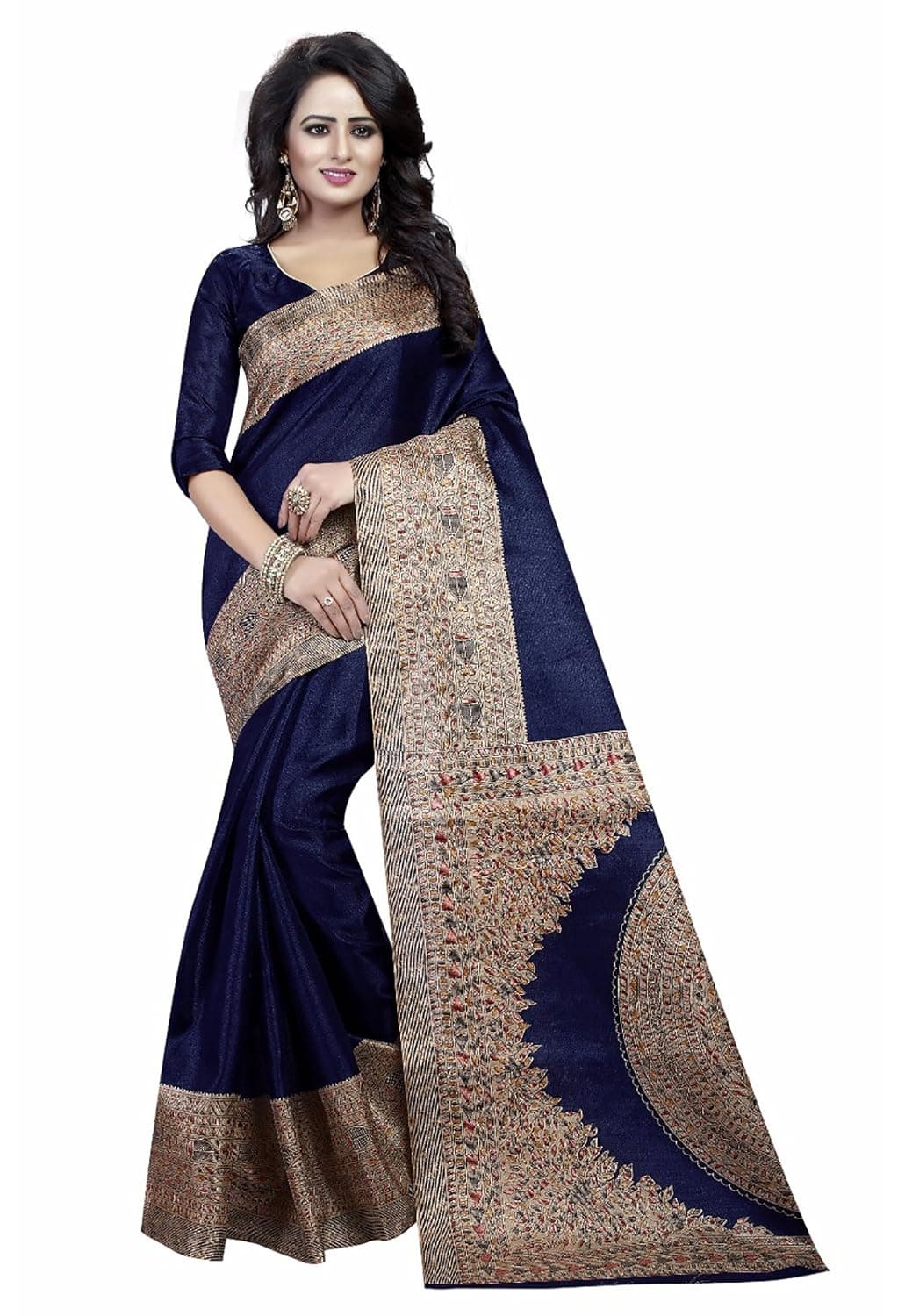
Ishin Women's Art Silk Navy Blue Saree with Blouse Piece
 COD Available
ishin
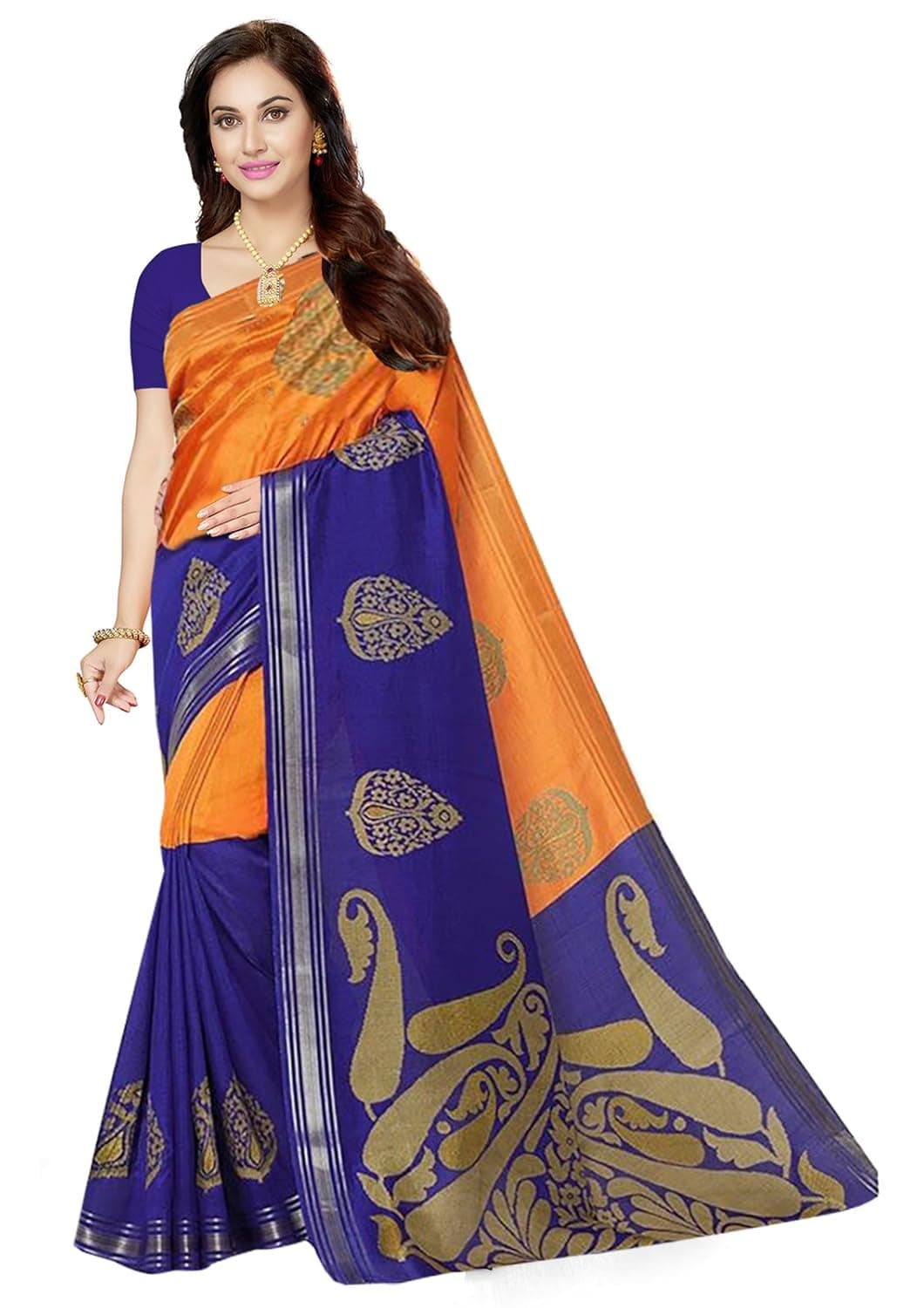
Ishin Women's Art Silk Dark Blue & Orange Saree with Blouse
OUR VERDICT
The zari rub test combined with the price reality check catches 90% of fakes. A genuine Banarasi silk saree is one of India's greatest textile investments — it appreciates in cultural value, can be passed to daughters, and improves with age. If a deal seems too good to be true, it is. There is no such thing as a Rs. 1,500 authentic Banarasi handwoven silk saree. When in doubt, buy from a weaver cooperative directly in Varanasi or a government-certified emporium that provides documentation.