
The 15 Essential Pieces
Category 1: Sarees (3 pieces)
- Piece 1 — Classic silk saree in a festive jewel tone (navy, emerald, wine, or classic red): Your go-to for weddings, formal functions, and Diwali. Invest in a good piece here — Kanjivaram or Banarasi if budget allows.
- Piece 2 — Printed cotton or linen saree in a neutral (ivory, taupe, olive, or deep navy): Daily wear, office-appropriate, and travel-friendly. This is your most-used saree — cotton breathes and holds pleats easily.
- Piece 3 — Embellished georgette or chiffon saree in a festive color: Sangeet, reception, or evening events where you need something lighter than silk but more special than cotton.
Category 2: Kurtis and Kurta Sets (4 pieces)
- Piece 4 — Long cotton kurta in a neutral solid (white, off-white, or camel): Your most versatile piece. Wear with salwar, palazzo, leggings, jeans, or layered under a jacket. Works from office to casual.
- Piece 5 — Embroidered or printed short kurta (thigh-length) in a festive color: Pairs with palazzo and salwar for semi-formal events. Chikankari, phulkari, or block print are excellent choices.
- Piece 6 — Anarkali-style floor-length kurta in silk or art silk: Your grand festive piece for Eid, Diwali parties, or formal dinners. Wear as a stand-alone dress or with churidar underneath.
- Piece 7 — Ethnic coordinate set (matching kurta + salwar or palazzo): A matching set that always looks polished without effort. Choose a versatile color that can be split and paired with other pieces.
Category 3: Bottoms (3 pieces)
- Piece 8 — Wide-leg palazzo pants in a neutral solid (black, ivory, or camel): The most versatile ethnic bottom. Pairs with every kurta in this list. In a solid neutral, it works for casual to semi-formal.
- Piece 9 — Churidar or fitted salwar in black: The classic pairing for Anarkali or formal kurtas. Black pairs with literally everything.
- Piece 10 — Embellished or embroidered salwar in a festive color: For when you want the bottom to contribute to the festive look, not just the kurta.
Category 4: Statement Pieces (3 pieces)
- Piece 11 — Lehenga in a rich festive fabric (silk, brocade, or velvet): Your wedding-wear piece. Invest in a quality lehenga that can be restyled — the choli as a blouse with a saree, the skirt as a skirt with a different top.
- Piece 12 — Long printed jacket or cape in a complementary color: A lightweight jacket transforms any simple kurta or saree blouse into a semi-formal look instantly. Choose a print that coordinates with 3+ pieces in your wardrobe.
- Piece 13 — Silk or embroidered dupatta in a statement color: A great dupatta rescues any simple outfit. Choose a color that complements most of your existing pieces — a gold dupatta with a subtle embroidered border works with most ethnic outfits.
Category 5: Accessories (2 pieces)
- Piece 14 — Gold or silver statement earrings (jhumkas or chandeliers): A single pair of high-quality jhumkas elevates any ethnic outfit from casual to festive. Choose a metal that works with your saree collection.
- Piece 15 — Embroidered or embellished potli bag in a neutral: Carries your essentials at festive events and photographs beautifully. A neutral gold or ivory potli works with 80% of ethnic outfits.
How Many Outfits Can 15 Pieces Create?
| Occasion | Outfit Formula | Pieces Used |
|---|---|---|
| Office (Monday) | Cotton kurta (P4) + black churidar (P9) + small earrings | 2 |
| Office (Wednesday) | Coordinate set (P7) worn as full set | 1 |
| Weekend casual | Short kurta (P5) + wide palazzo (P8) + flat sandals | 2 |
| Family puja | Cotton saree (P2) + matching blouse + gold earrings (P14) | 2 |
| Festival (Diwali) | Anarkali (P6) + churidar (P9) + statement earrings (P14) + potli (P15) | 4 |
| Wedding guest | Silk saree (P1) + embellished blouse + gold earrings (P14) + potli (P15) | 3 |
| Sangeet | Embellished saree (P3) + choli blouse + chandelier earrings | 2 |
| Wedding (close relative) | Lehenga (P11) + matching choli + dupatta (P13) + potli (P15) | 4 |
| Smart casual dinner | Short kurta (P5) + palazzo (P8) + jacket (P12) + jhumkas (P14) | 4 |
| Formal event | Silk saree (P1) + jacket (P12) over blouse for modern twist | 2 |
Color Strategy for Maximum Mix-and-Match
The secret to a functional capsule wardrobe is choosing colors that work together. Choose one core neutral palette (navy, black, and ivory) and one festive accent color (emerald, burgundy, or coral) that you genuinely love and that flatters your skin tone. Then buy all 15 pieces within those ranges.
| Color Category | Recommended Colors | Reason |
|---|---|---|
| Core neutral (3 pieces) | Ivory, black, navy | Pairs with everything; professional and casual |
| Festive anchor (3 pieces) | Deep emerald, wine, or royal blue | Jewel tones work for weddings and festivals |
| Accent color (2 pieces) | Gold, coral, or fuchsia | Adds personality; use for dupattas and accessories |
| Print/pattern (2 pieces) | Block print, ikat, or subtle geometric | Visual interest; choose prints that include your core colors |
Who Should Buy
- Women starting their independent wardrobe (post-graduation, new job, or after moving out) who want to build a functional ethnic collection from scratch
- Women who feel overwhelmed by their existing ethnic wardrobe and want to declutter and rebuild with intention
- Working women who attend 6–10 ethnic events per year and want to be prepared without overspending
- Women relocating to a new city and wanting to rebuild a curated, versatile ethnic wardrobe rather than packing everything
Skip If
- You attend 20+ ethnic events per year in high-profile settings where repeating outfits is socially challenging — you will need a larger wardrobe
- You are a professional dancer or performer with specific costume requirements beyond casual-to-formal ethnic wear
- You are building a bridal trousseau — that requires a different, more extensive approach focused on bridal wear categories
Shop Ethnic Wardrobe Essentials
 COD Available
biba
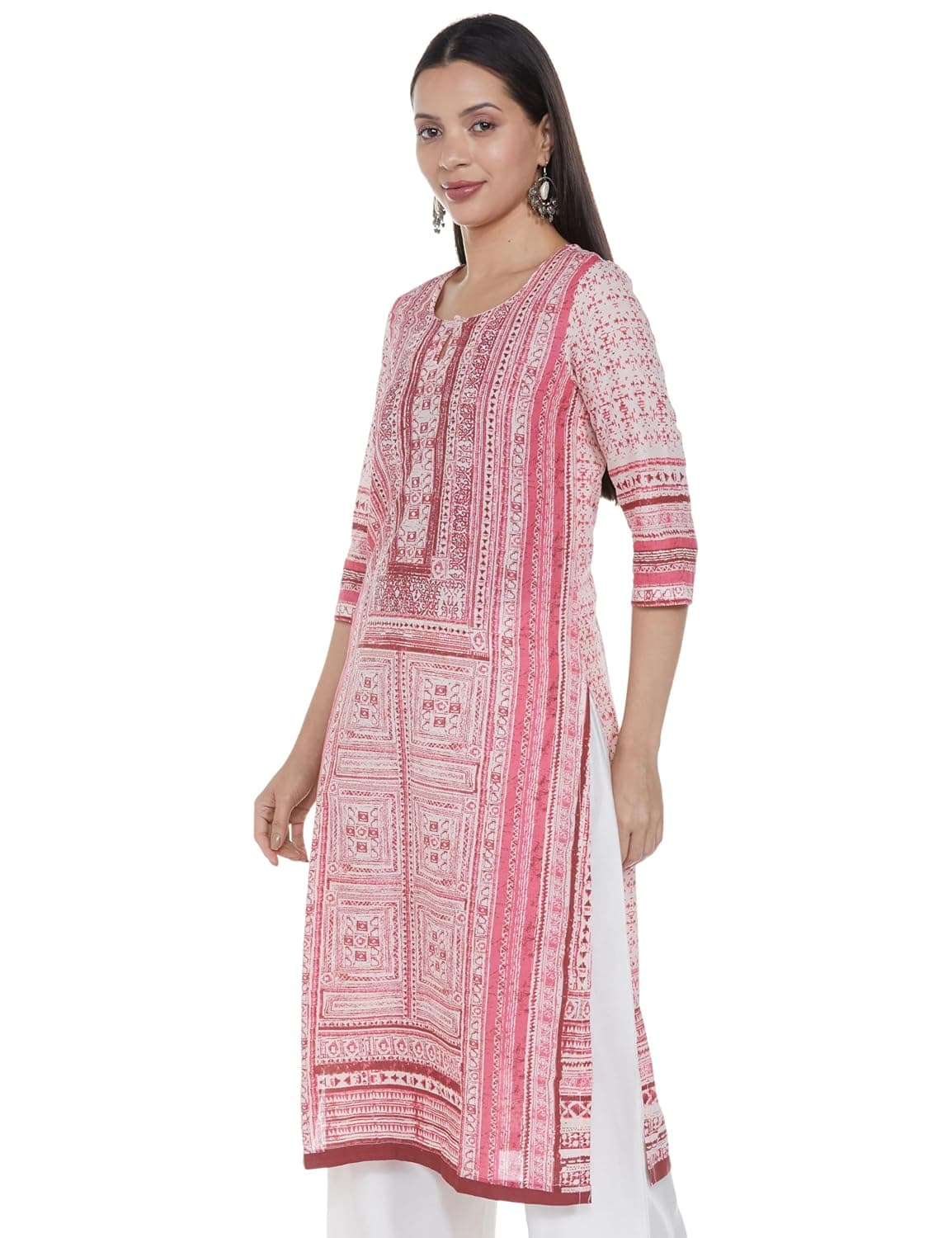
BIBA Women's Cotton Straight Printed Kurta
 COD Available
biba
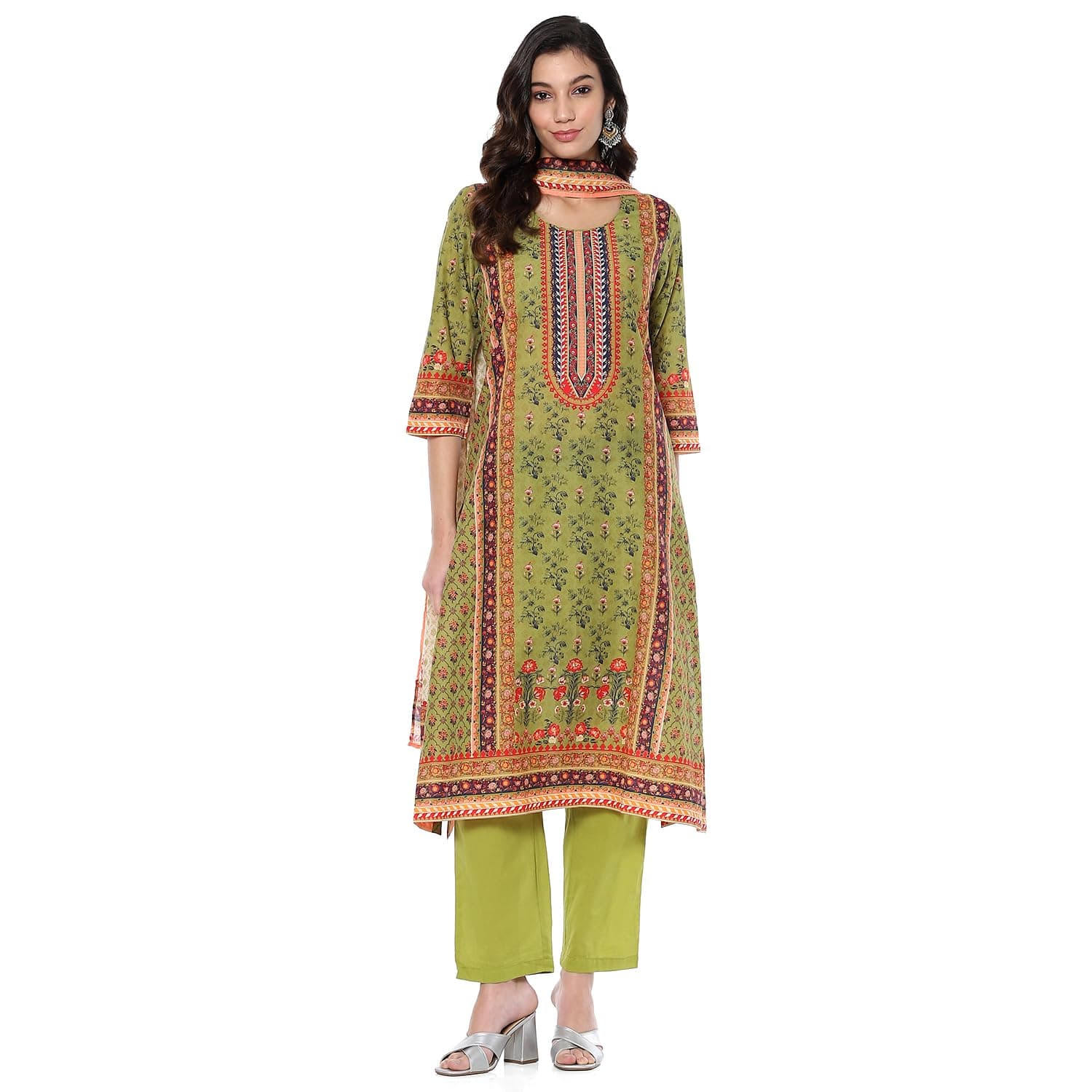
BIBA Women's Cotton Printed Kurta Set with Dupatta
 COD Available
biba
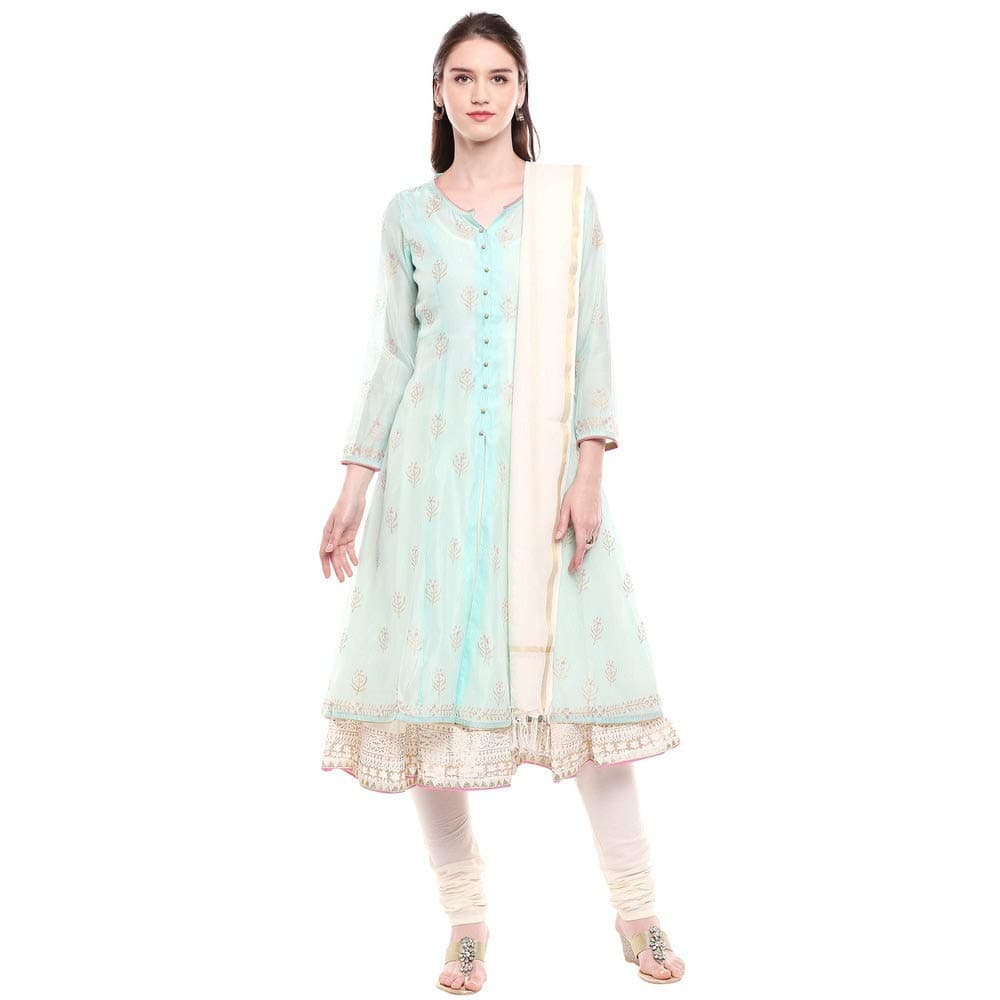
BIBA Women's Cotton A-Line Churidar Suit
 COD Available
libas
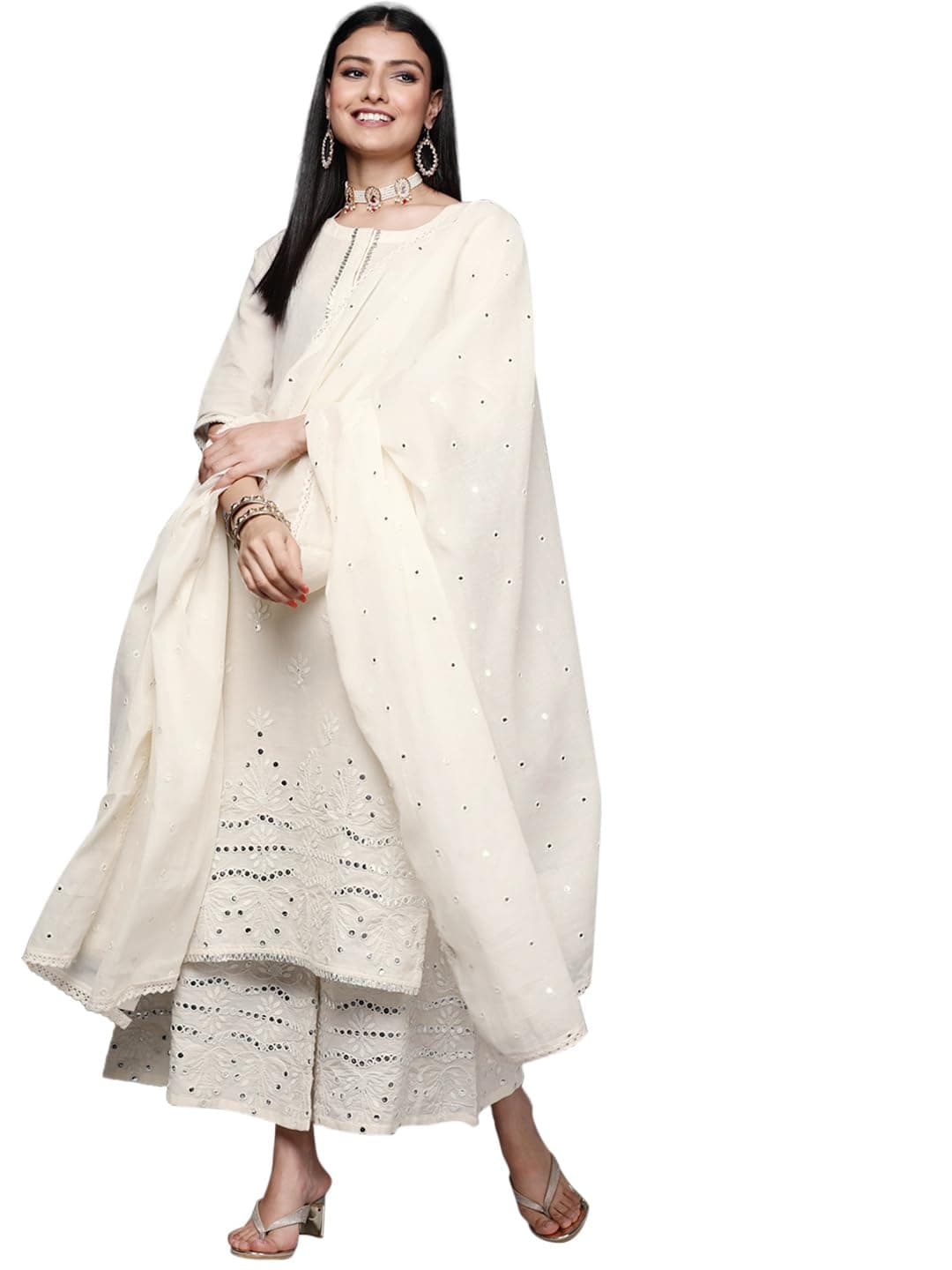
Libas Women's Embroidered Cotton Straight Kurta with Palazzos & Dupatta
OUR VERDICT
Fifteen pieces is not a limitation — it is a liberation. When your wardrobe is curated with intention, getting dressed becomes effortless rather than stressful. Start by identifying the 5 occasions you attend most frequently in a year, then ensure your 15 pieces cover each of those occasions twice over with different combinations. Quality over quantity is the core principle: one well-made silk saree will serve you for 20 years; ten cheap synthetic sarees will be unwearable in five.