
The 5 Foundation Pieces
- Kurta A: Long cotton kurta in ivory or white with subtle embroidery at the neckline — the most versatile piece in the set
- Kurta B: Printed kurta (block print, ikat, or floral) in warm tones — terracotta, rust, mustard, or olive
- Kurta C: Silk or art-silk short kurta (thigh-length) in a jewel tone — emerald, royal blue, or deep magenta
- Bottom 1: Wide-leg palazzo pants in solid black — pairs with all three kurtas
- Bottom 2: Churidar or straight salwar in beige or cream — creates a different silhouette with the same kurtas
The 20 Combinations
| Outfit # | Kurta | Bottom | Dupatta/Layer | Accessories | Occasion |
|---|---|---|---|---|---|
| 1 | Kurta A (ivory) | Black palazzo | No dupatta | Gold studs, tote | Office |
| 2 | Kurta A (ivory) | Cream churidar | Printed dupatta | Jhumkas, potli | Family gathering |
| 3 | Kurta A (ivory) | Black palazzo | Long jacket over | Statement ring | Smart casual dinner |
| 4 | Kurta A (ivory) | Cream churidar | Sheer dupatta | Kundan choker | Festival |
| 5 | Kurta A (ivory) | Black palazzo | Denim jacket (Western) | Sneakers, sling bag | Casual/campus |
| 6 | Kurta B (printed) | Black palazzo | No dupatta | Oxidized earrings, jute bag | Weekend outing |
| 7 | Kurta B (printed) | Cream churidar | Matching dupatta | Bangles, flats | Casual festive |
| 8 | Kurta B (printed) | Black palazzo | Solid dupatta (one color from print) | Jhumkas | Puja / temple |
| 9 | Kurta B (printed) | Cream churidar | No dupatta | Kolhapuri chappals | Daily wear |
| 10 | Kurta B (printed) | Black palazzo | Embroidered jacket layer | Gold hoops | Evening dinner |
| 11 | Kurta C (jewel tone) | Black palazzo | Matching dupatta | Kundan necklace + earrings | Wedding guest |
| 12 | Kurta C (jewel tone) | Cream churidar | Gold embroidered dupatta | Chandelier earrings | Festive party |
| 13 | Kurta C (jewel tone) | Black palazzo | No dupatta — belt at waist | Statement cuff | Contemporary festive |
| 14 | Kurta C (jewel tone) | Cream churidar | Cape or jacket over | Heels, clutch | Reception |
| 15 | Kurta C (jewel tone) | Black palazzo | Contrast dupatta (opposite color) | Minimal | Sangeet |
| 16 | Kurta A + Kurta C layered | Black palazzo | Let Kurta A act as inner | Bold earrings | Fashion-forward event |
| 17 | Kurta A (ivory) | Black palazzo | Chunni across shoulder | Silver jewelry | Office (elevated) |
| 18 | Kurta B (printed) | Cream churidar | Printed dupatta (different print) | Mix prints intentionally | Festival fashion-forward |
| 19 | Kurta C (jewel tone) | Black palazzo | Embellished dupatta | Polki jewelry, heels | Close family wedding |
| 20 | Kurta A (ivory) | Cream churidar | Bright festive dupatta | Colorful bangles | Garba / dance event |
The Color Logic: Why This Combination Works
This system works because it uses a neutral anchor (ivory kurta + black palazzo + cream churidar) to hold together a printed piece and a jewel-tone piece. The neutrals can go with everything; the prints and jewel tones are the personality pieces. Adding a dupatta or jacket introduces a fourth color layer that changes the mood without changing the base outfit.
Mixing Prints: When It Works and When It Does Not
| Print Combination | Works? | Why |
|---|---|---|
| Block print kurta + solid palazzo | Yes — always | Print on top, solid on bottom is the safest rule |
| Printed kurta + striped dupatta | Yes — with shared color | Stripe is a geometric, not a competing motif |
| Floral kurta + geometric dupatta | Sometimes | Works if they share a color; tricky if colors clash |
| Two different floral prints | Rarely | Two competing organic motifs create visual chaos |
| Ikat kurta + ikat dupatta (same motif) | Yes | Matching motifs create intentional repetition, not clash |
| Block print kurta + embroidered dupatta | Yes | Different techniques do not visually compete |
Who Should Buy
- Women who travel frequently and need to pack light while still having ethnic wear options for multiple occasions
- Working women who wear ethnic pieces to the office 2–3 days a week and need outfit variety without a massive wardrobe
- Budget-conscious shoppers who want to maximize value by ensuring every piece gets worn multiple ways
- Minimalism-minded women who find large wardrobes stressful and prefer intentional, curated choices
Skip If
- You attend multiple high-profile social events where wearing the same kurta even twice in a season is noticed — a larger wardrobe is the social reality for you
- You already have a large wardrobe and are looking for a specific new piece rather than a system overhaul
- You genuinely enjoy shopping and collecting ethnic pieces — this guide is for people who prefer a minimal, functional approach
Shop Versatile Kurtis
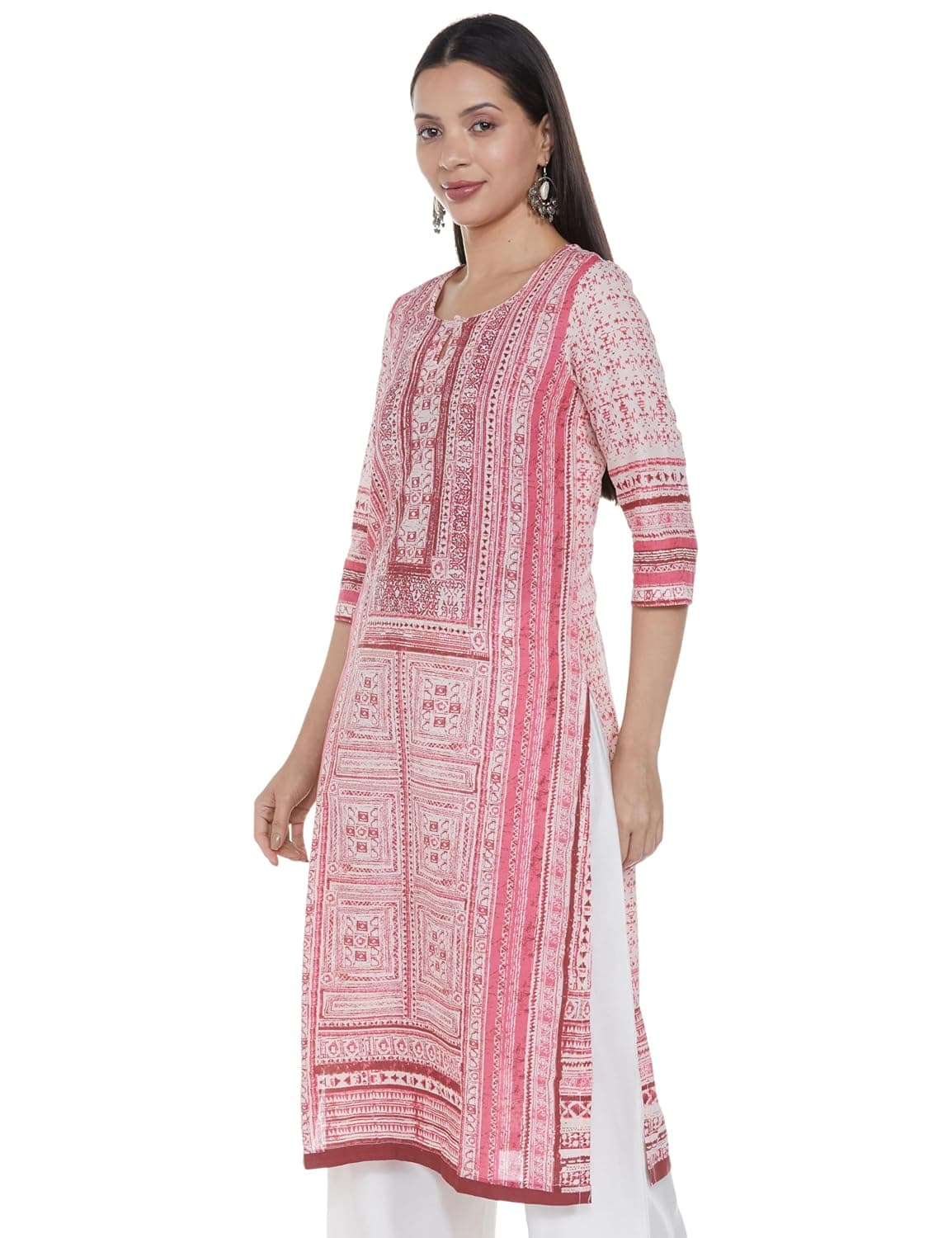 COD Available
biba
BIBA Women's Cotton Straight Printed Kurta
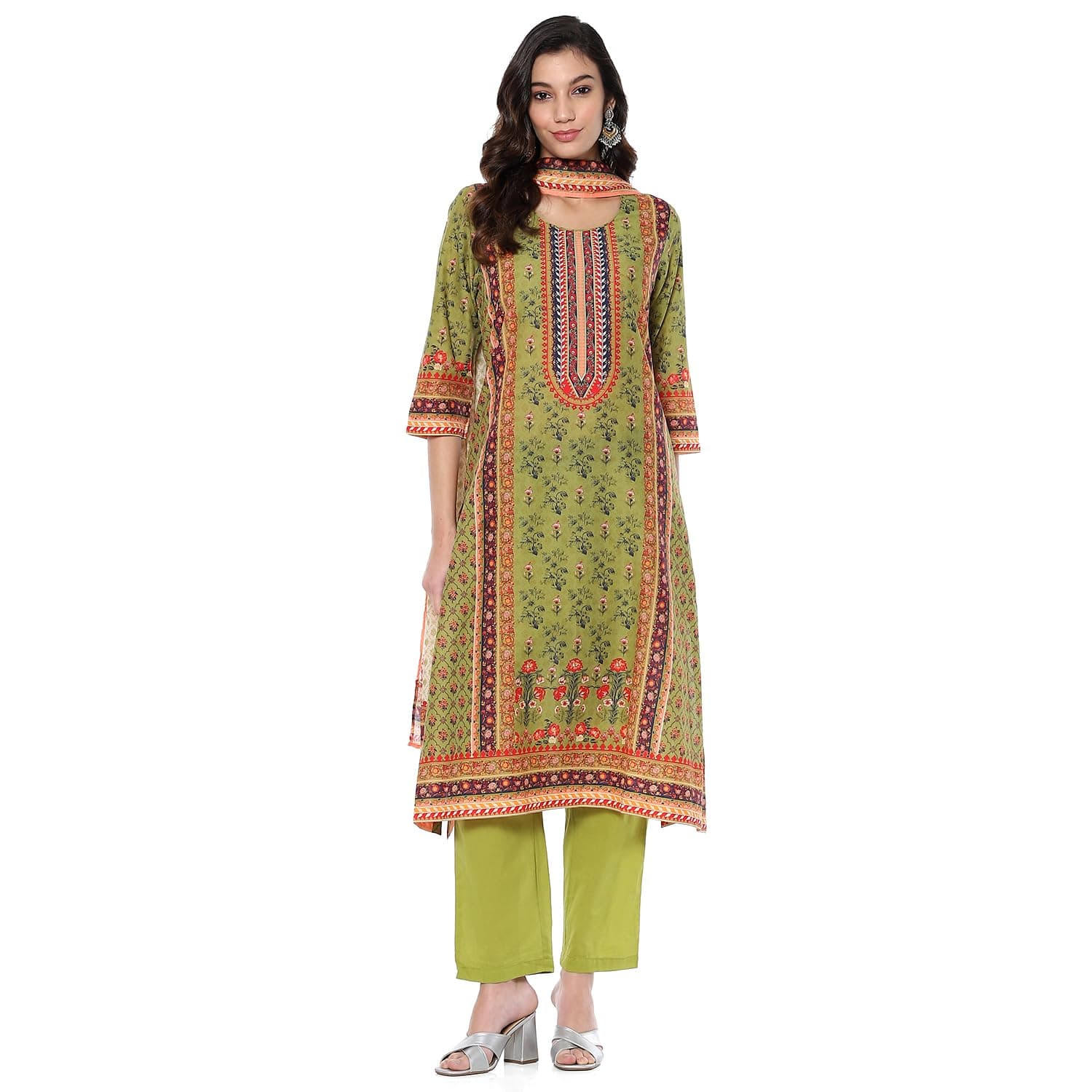 COD Available
biba
BIBA Women's Cotton Printed Kurta Set with Dupatta
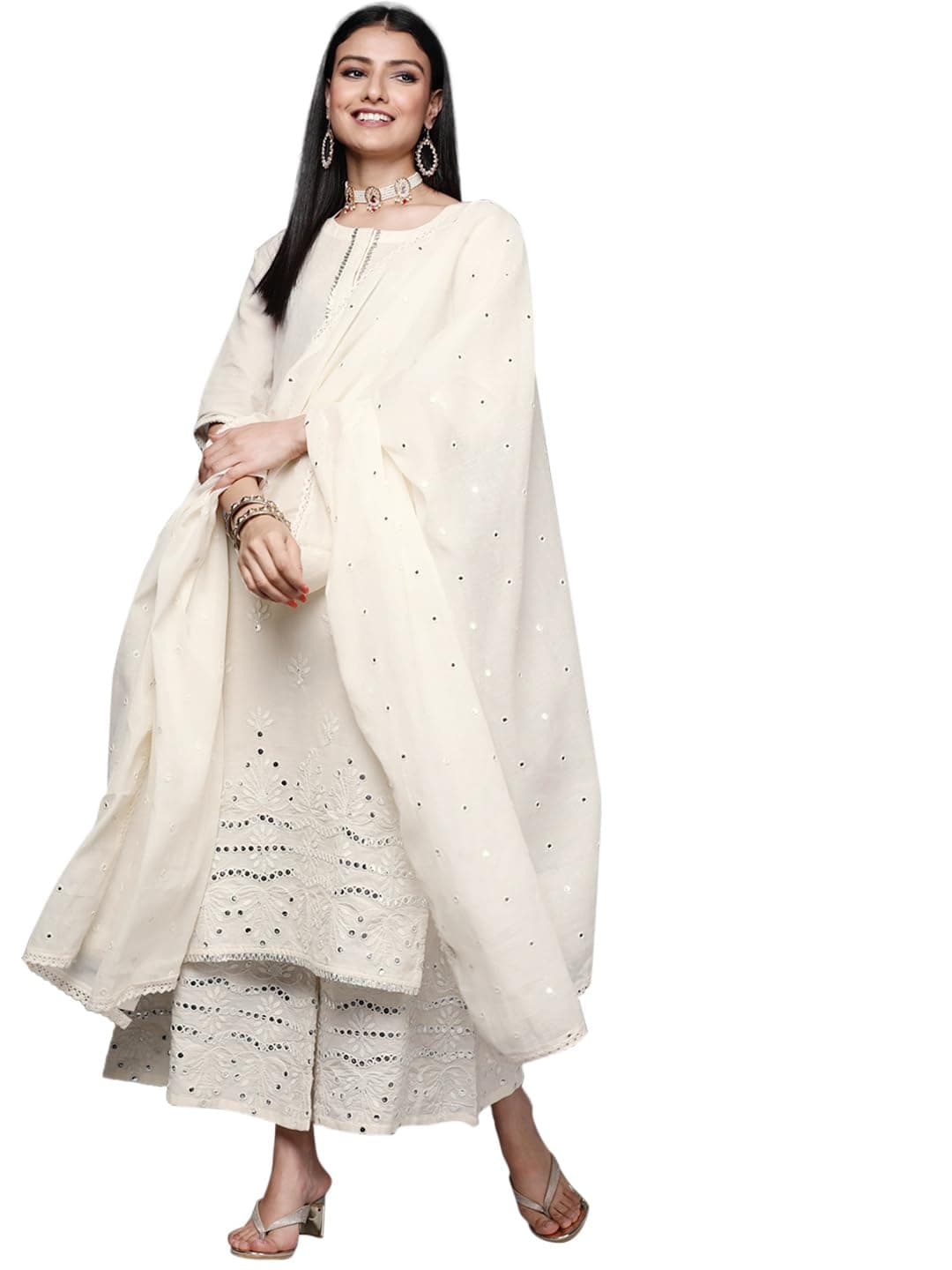 COD Available
libas
Libas Women's Embroidered Cotton Straight Kurta with Palazzos & Dupatta
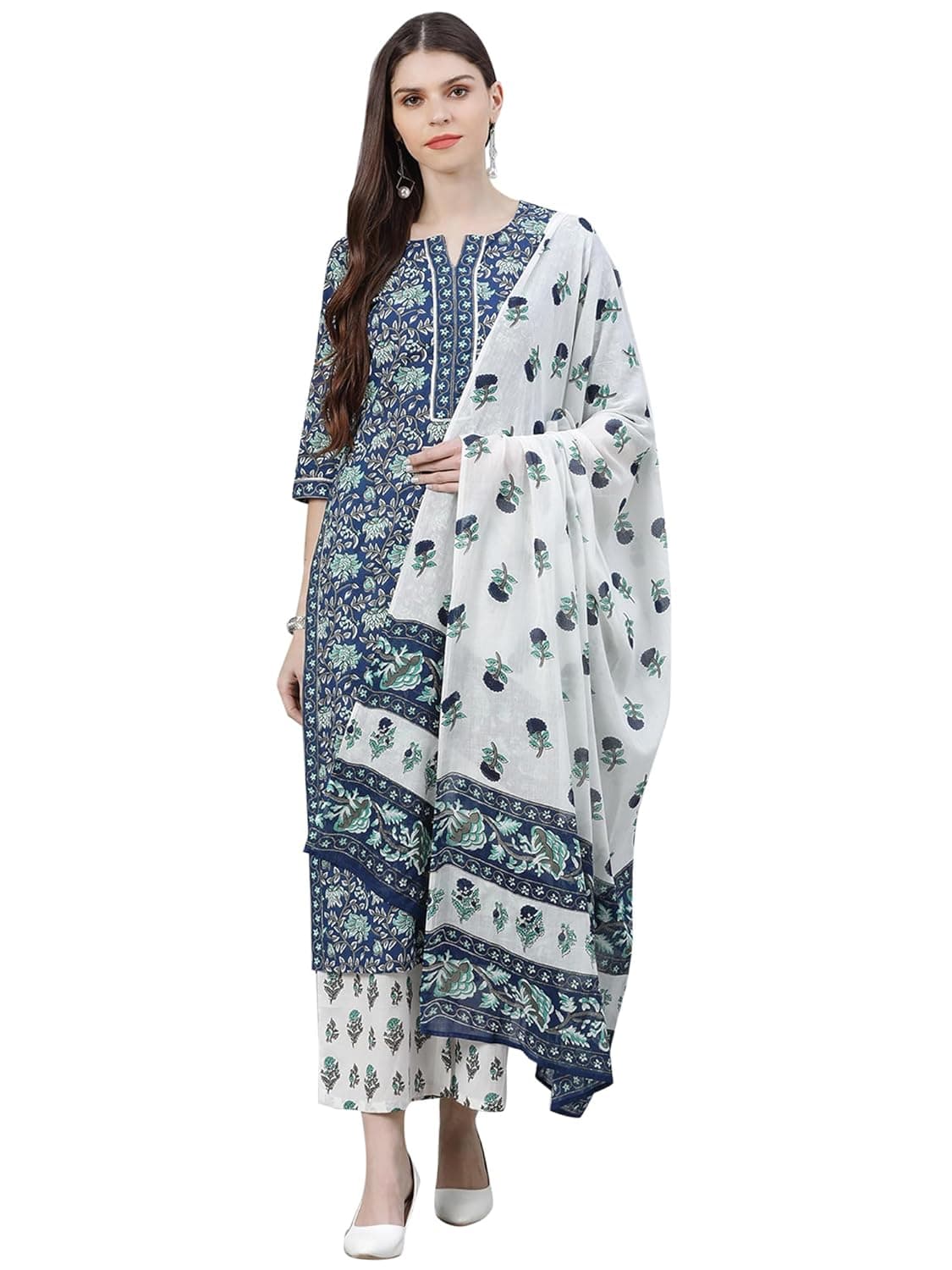 COD Available
libas
Libas Women's Cotton Printed Kurta Set Multicoloured
OUR VERDICT
Twenty outfits from five pieces is not a fantasy — it is simply a result of thoughtful buying. The next time you are tempted by an impulse ethnic buy, ask yourself: does this work with at least three pieces I already own? If yes, it earns its place in your wardrobe. If not, it will sit unworn. The magic of this system is that it removes the daily decision fatigue of 'what do I wear' while keeping you looking genuinely well-dressed for every occasion.