
| Garment Type | Buy Online? | Buy In-Store? | Reason |
|---|---|---|---|
| Casual kurti / everyday kurta | Yes — excellent value | Optional | Low stakes, easy returns, huge variety |
| Printed salwar kameez | Generally yes — with caveats | Better if colour accuracy is important | Colour can vary significantly in photos |
| Bridal or semi-bridal lehenga | Risky — not recommended | Strongly recommended | Embroidery quality, colour, and fit cannot be judged from photos |
| Kanjivaram / Banarasi silk saree | Only from very trusted sellers | Strongly recommended | Authentic silk is hard to verify online |
| Simple printed georgette saree | Yes — good value | Optional | Lower stakes purchase, easy to gauge from photos |
| Custom / stitched outfits | Very risky for first purchase | Yes — essential for fitting | Measurements and fitting require in-person expertise |
| Dupatta / stole | Yes — great value | Optional | Low stakes, easy to assess from good photos |
| Embroidered Anarkali / party wear | With caution | Preferred | Embroidery quality is very hard to assess in photos |
The Online Shopping Traps: What No One Tells You
I am not anti-online shopping — I sell online myself. But I see the same mistakes over and over, and I want to help you avoid them:
- The colour trap: Product photography is done under specific studio lighting that can make a saree look completely different from how it appears in person. A 'royal blue' online can arrive as a dark navy or a bright cobalt. For anything where colour accuracy matters (matching a specific outfit, specific ceremony colour), always prefer in-store.
- The 'heavy embroidery' lie: Photos can make simple thread embroidery look like zardozi. Always read the product description carefully — 'heavy embroidery' in the listing can sometimes mean a decorative print with a little thread work on the border.
- Fabric quality online: 'Pure silk' listings online can include art silk, semi-silk, and silk blends that look identical in photos. If you are paying Rs 5,000 or more for a 'pure silk' item online, request a close-up photo of the fabric selvedge (edge) and if possible, ask for a burn test description. At a boutique, you can touch it and test it immediately.
- The sizing issue: Indian ethnic wear sizing is notoriously inconsistent. A 'large' from one brand is a 'small' from another. Semi-stitched and readymade lehengas especially have widely varying blouse sizes. In-store try-on solves this instantly.
- Return policies: Many Indian ethnic wear sellers online — particularly smaller sellers on marketplace platforms — have very poor or non-existent return policies for stitched garments or sale items. Always read the return policy before buying anything significant.
- The Rs 500 lehenga problem: Extremely cheap lehengas (under Rs 1,500) are almost always poor quality — thin fabric, weak embroidery that will shed in a week, and often sizing that bears no relation to the stated measurements. For a function, these are a false economy.
When Online Shopping for Indian Wear Is Genuinely Excellent
- Everyday kurtis and casual kurta sets: The variety available online for casual wear is genuinely extraordinary — you will find thousands of options at every price point, and the stakes are low enough that an imperfect colour or minor quality issue is not a crisis.
- Cotton salwar suits for daily wear: Excellent value online — simple cotton suits in block prints and hand-dyed fabrics from small Indian makers are often genuinely beautiful and affordable.
- Dupatta shopping: The dupatta market online is spectacular — you can find Chikankari, bandhani, Phulkari, and printed dupattas at excellent prices that would be much harder to source locally.
- Accessories (jewellery, bangles, bindis): Great online — easy to assess from photos, low stakes, and huge variety.
- Buying a specific product you have researched: If you have seen an outfit in person (at a boutique or friend's), tried it on, confirmed the colour and quality, and are buying the same item online (because it is cheaper), that is a perfectly smart use of online shopping.
- Regional specialties: Buying a Lucknawi Chikankari kurta directly from a Lucknow-based seller, or a Rajasthani bandhani suit from a Jaipur-based seller, can get you authentic regional products that are not available in your local market.
When to Definitely Visit a Boutique
- Your wedding outfit or your close family member's wedding outfit: This is non-negotiable for most people. The stakes are too high to risk an online purchase. You need to see the actual colour, feel the actual fabric, try on the actual fit.
- Any outfit over Rs 5,000: At this price point, the risk of online disappointment is too great. A Rs 8,000 lehenga that arrives looking nothing like the photos is a painful and difficult situation to resolve.
- Silk sarees (Kanjivaram, Banarasi): Authentic silk requires in-person verification. Online silk saree fraud is common — what is described as pure silk can often be a synthetic or semi-silk blend at a fraction of the quality.
- First-time buyers of a specific garment type: If you have never worn a saree before and are buying your first one, going to a boutique means you get guidance on draping styles, blouse instructions, and fabric choices that are appropriate for your lifestyle.
- When you need specific colour matching: If you need an outfit in a very specific colour (to match a wedding family theme, to complement an existing piece), in-person shopping is the only reliable way to ensure the colour actually matches.
- When the occasion is high-stakes: A wedding, an important interview, a major ceremony — when getting it wrong has real consequences, shopping in person removes the risk.
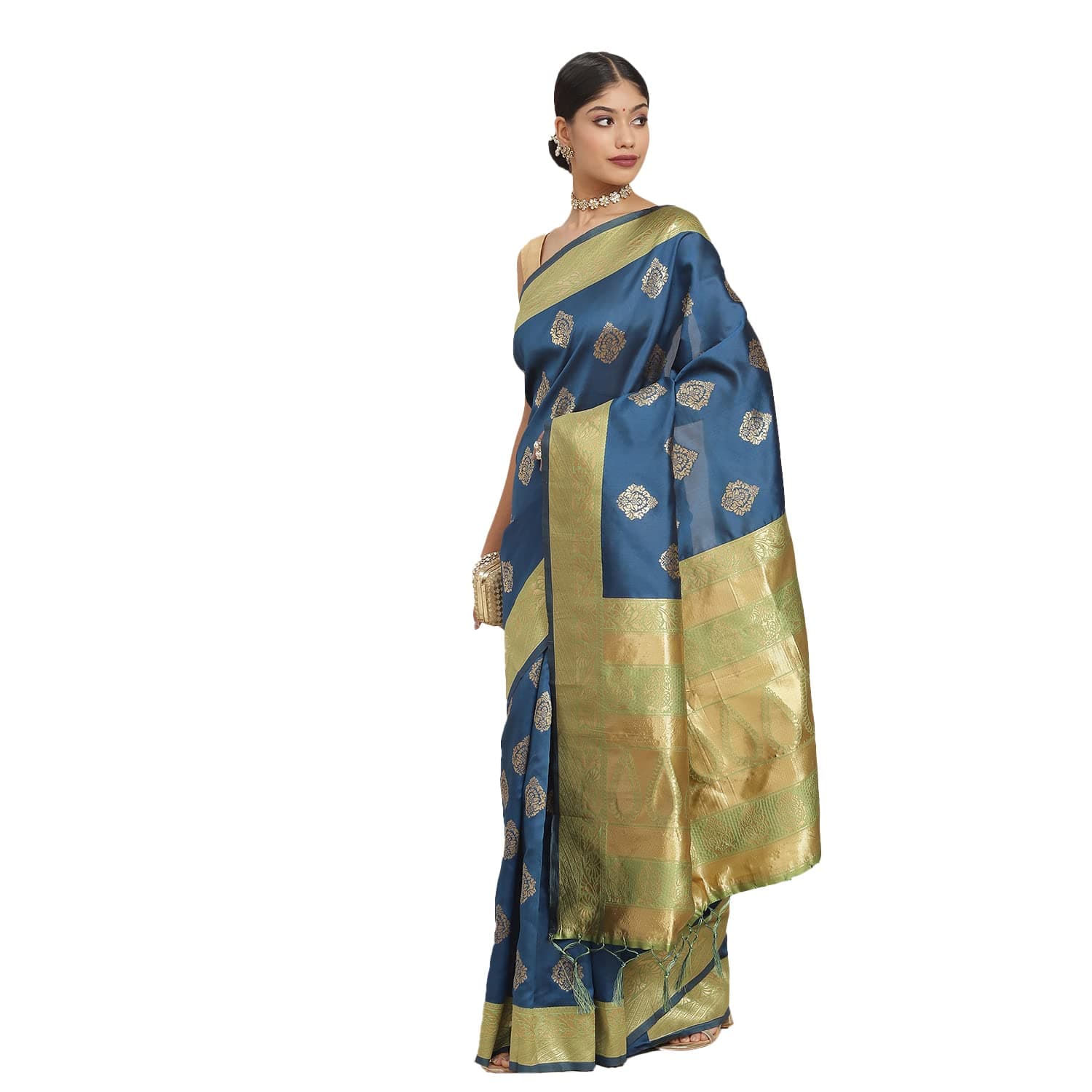 COD Available
ishin
Ishin Women's Silk Blend Teal & Green Woven Design Saree with Blouse
Only ₹499
₹999Save ₹500!
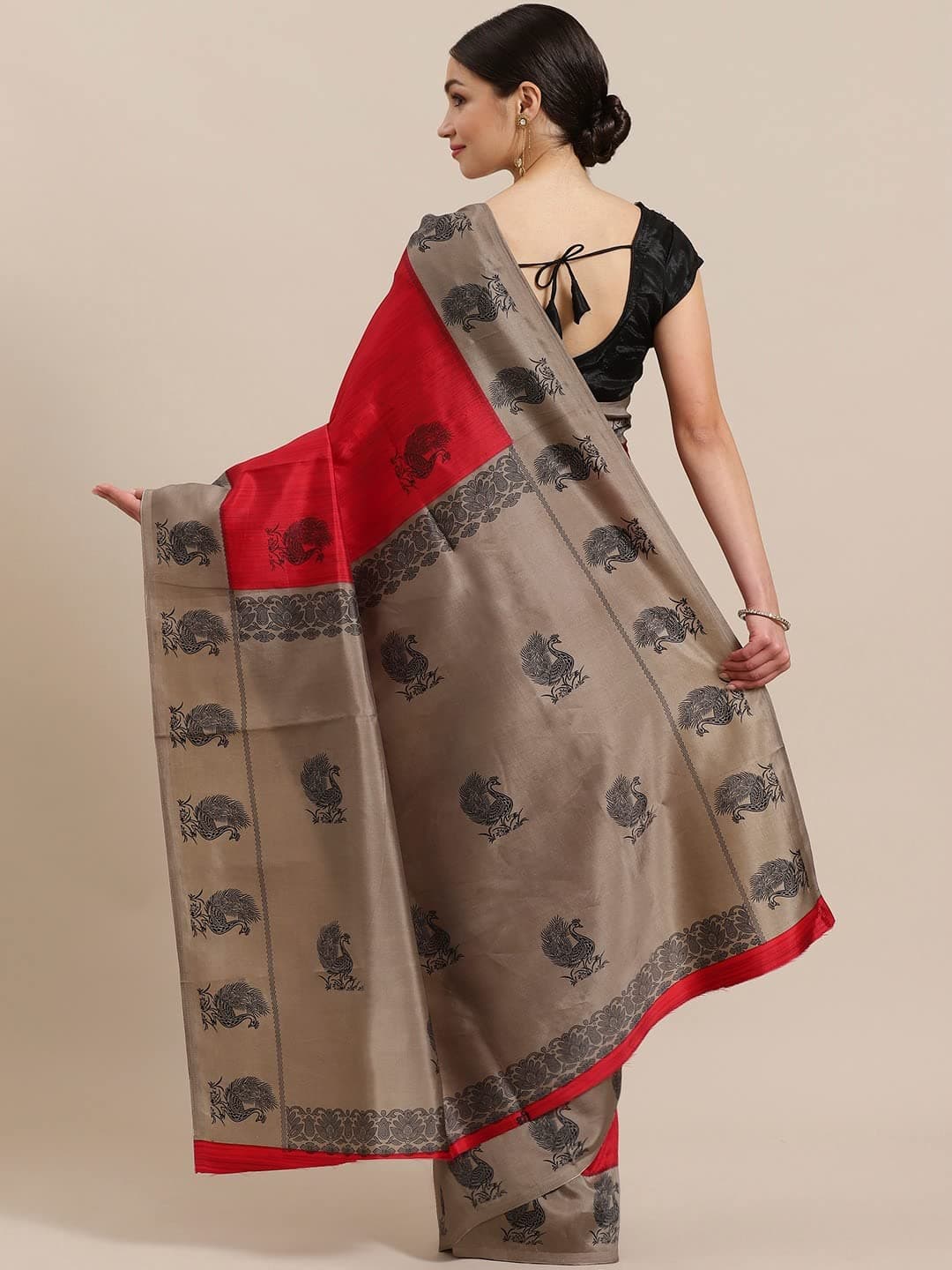 COD Available
ishin
Ishin Women's Art Silk Maroon & Taupe Printed Saree
Only ₹399
₹799Save ₹400!
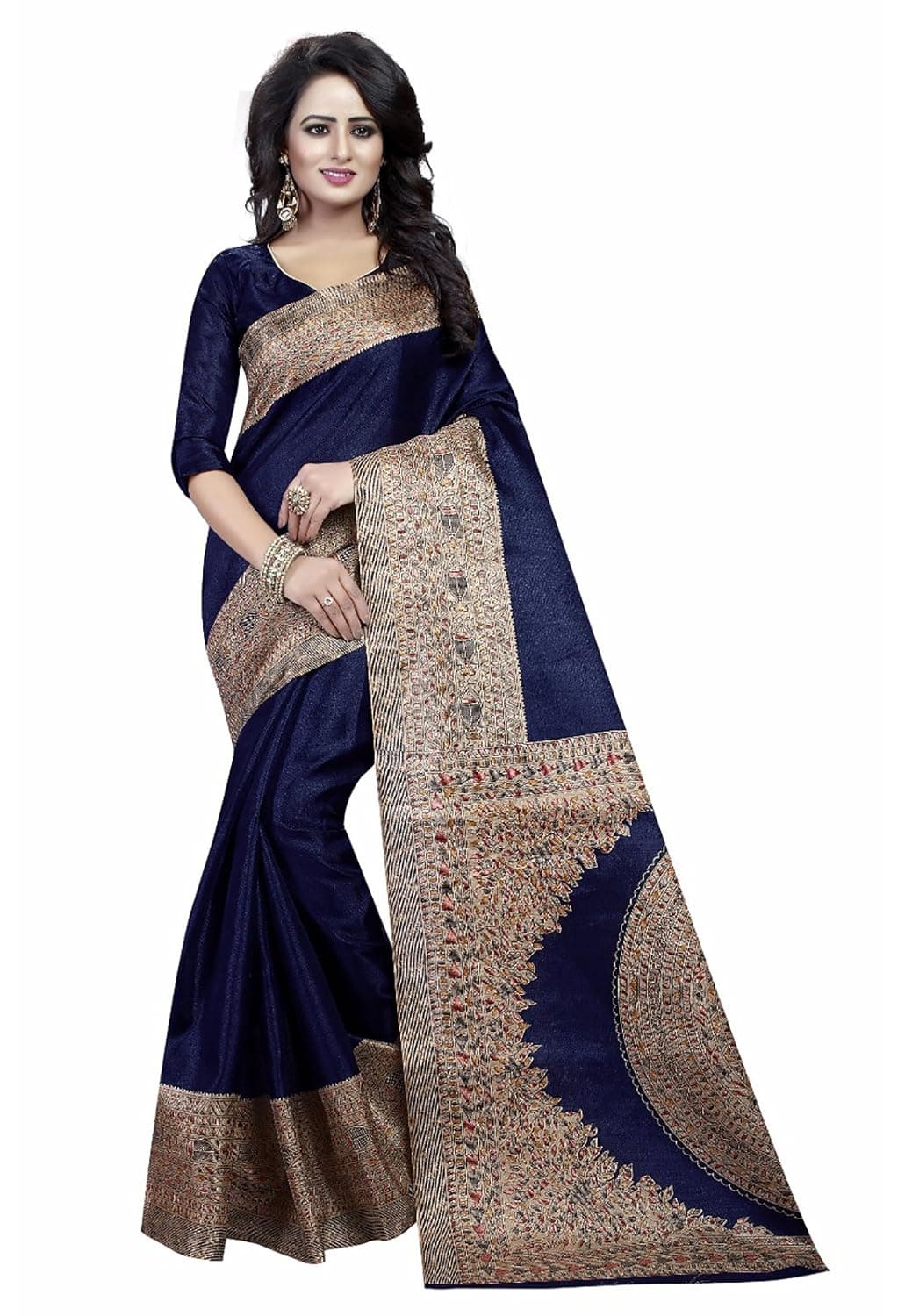 COD Available
ishin
Ishin Women's Art Silk Navy Blue Saree with Blouse Piece
Only ₹449
₹899Save ₹450!
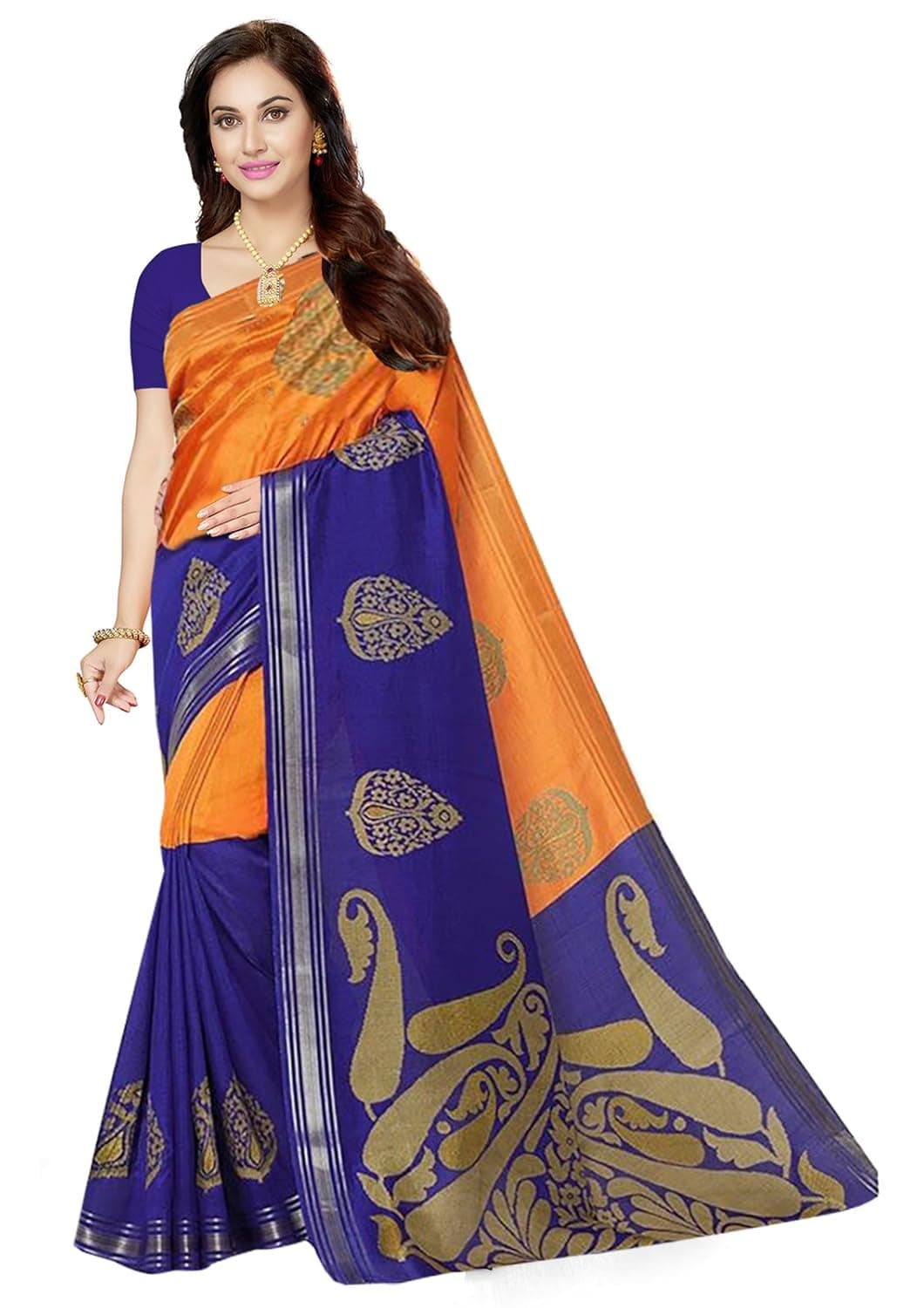 COD Available
ishin
Ishin Women's Art Silk Dark Blue & Orange Saree with Blouse
Only ₹449
₹899Save ₹450!
How to Shop Online for Indian Wear More Safely
- Read reviews carefully: Look specifically for reviews that mention fabric quality, colour accuracy, and embroidery quality — not just 'beautiful product.' Photos uploaded by reviewers are usually more accurate than seller photos.
- Look for video reviews: Video demonstrations of the garment moving, in natural light, give far more accurate colour information than product photos.
- Check the return policy first: Before adding to cart, read the return policy. For anything over Rs 2,000, only buy from sellers with a hassle-free return or exchange policy.
- Ask the seller for additional photos: Most good online sellers will respond to requests for photos in natural light or in different positions. If a seller refuses to provide additional photos, that is a red flag.
- Order during sale events carefully: Many poor-quality items are pushed during sale events. Low price is not a guarantee of value — it can also mean substandard fabric or embroidery.
- Build a relationship with trusted sellers: Once you find an online seller whose photos are accurate and whose quality is consistent, stick with them. The relationship with a trusted seller is as valuable online as it is in a boutique.
The Boutique Advantage: What You Are Actually Paying For
- Curation: A good boutique has already filtered through hundreds of garments and selected the ones worth your attention. You are paying for that expert curation.
- Fabric expertise: A boutique owner or experienced sales staff can identify silk from synthetic, authentic Chikankari from machine embroidery, and quality zardozi from cheap metallic thread — instantly, by touch.
- Styling advice: In a good boutique, you get advice about what works for your specific occasion, your body type, and your budget. This is genuinely valuable and hard to replicate online.
- Alteration services: Most boutiques offer basic alteration and tailoring — a blouse that does not fit perfectly can often be adjusted on the spot or within a few days.
- The touch test: The most important factor in ethnic wear quality is how the fabric feels — does the silk have that distinctive weight and lustre? Is the embroidery raised and textured or flat and printed? You cannot assess these things from a photo.
- Trust and accountability: If something is wrong with a boutique purchase, you can go back and resolve it face to face. Online returns — especially for stitched garments — can be complicated, slow, and frustrating.
Who Should Buy
- Everyday Indian wear shoppers who want variety and value — online is genuinely excellent for casual kurtis, simple suits, and accessories.
- Wedding shoppers looking for a lehenga or bridal-adjacent outfit — always visit a boutique, preferably more than one, and do not make a final decision without trying it on.
- Saree lovers looking for authentic silk — visit a specialist boutique or an established saree house; authentic silk sarees are worth the extra effort of in-person shopping.
- Out-of-town guests shopping for an Indian wedding outfit — if you cannot visit a local boutique, use a trusted online seller with good returns and read all the reviews carefully before buying anything expensive.
Skip If
- You are an experienced shopper who has bought from the same trusted online brand multiple times and already knows their sizing, fabric quality, and colour accuracy — your established trust makes online buying as reliable as boutique shopping.
- You are in a location with no access to good Indian ethnic wear boutiques — in that case, online shopping is your primary resource and this guide will help you navigate it more safely.
- You are shopping for someone else and have exact measurements and clear colour requirements — this is one of the higher-risk online scenarios, regardless of what this guide says.
OUR VERDICT
Online shopping for Indian ethnic wear is excellent for everyday kurtis, casual suits, dupattas, and accessories — but risky for anything where colour accuracy, fabric authenticity, or embroidery quality matters significantly. For any outfit over Rs 5,000, for wedding or semi-bridal occasions, and for silk sarees, visiting a boutique is genuinely worth the extra time. The honest truth from someone who sells both ways: your most important outfits deserve the in-person experience.