
Rakhi 2026: Key Date and Context
- Date: Wednesday, August 19, 2026
- Time for tying rakhi: Typically in the morning or early afternoon before Bhadra period
- Auspicious muhurat: Check local panchang for precise timing — the Bhadra period (inauspicious timing) must be avoided
- Weather: Mid-August in India means monsoon season — choose breathable, moisture-resistant fabrics
- Occasion type: Family celebration, typically at parents' home; can range from simple puja to full family gathering
Color Coordination Strategies
| Strategy | How It Works | Best For | Visual Effect |
|---|---|---|---|
| Same color, different shades | Sister wears deep red, brother wears light pink or maroon kurta | Traditional families who want obvious coordination | Harmonious and obviously coordinated without being identical |
| Complementary colors | Sister wears green lehenga, brother wears complementary ivory or cream kurta | Balanced, elegant family photos | Sophisticated — colors work together without matching exactly |
| Same print/fabric theme | Both wear block print in similar color; different garment styles | Families with eclectic style | Visually cohesive through texture rather than color |
| One accent color throughout | All family members wear different outfits but each has one gold or mustard accent | Large families with many siblings | Subtle coordination visible in photos without looking too planned |
| Bride-and-groom coordination style | Sister wears heavy festive, brother wears matching sherwani or kurta-set in coordinated color | Close sibling pairs who want a dramatic, memorable photo | Very impactful; works best when both dress at equal formality level |
Look 1: Classic Coordination (Sister in Saree, Brother in Kurta)
- Sister: Yellow or mustard silk saree with gold border; traditional jewelry including chandelier earrings and bangles
- Brother: Ivory or cream kurta-pajama with gold or yellow pocket square; simple gold-toned accessories
- Why it works: Yellow is auspicious for Rakhi; the sister's bright saree is balanced by the brother's neutral kurta without competing
- Photo tip: Photograph with the rakhi moment — sister tying the thread — in natural morning light
Look 2: Contemporary Festive (Sister in Lehenga, Brother in Sherwani-Set)
- Sister: Coral or deep orange lehenga with embroidered choli; hair half-up with flower accessories
- Brother: Ivory or champagne kurta with coral or orange Nehru jacket or safa (turban cloth) matching the lehenga
- Why it works: Both are festive and at equal formality levels — balanced and photographically beautiful
- Accessories: Sister with kundan earrings; brother with a simple gold kada on the wrist
Look 3: Casual Festive (Both in Matching Cotton Prints)
- Sister: Block print cotton kurta with palazzo in terracotta or indigo
- Brother: Similar block print cotton kurta-pajama in the same print or coordinating color
- Why it works: Organic, relaxed, and genuine — ideal for families who want to celebrate without over-dressing
- This look is particularly photogenic in outdoor settings, gardens, or against colorful walls
Look 4: Sisters Only Coordination (Multiple Sisters)
- Assign each sister a different color within the same color family (for example: peach, coral, and deep orange)
- All wear the same garment type (all lehengas, or all salwar suits) for visual harmony
- One sister can anchor the group in a slightly more formal or embellished piece if she is the eldest or is the sister hosting the event
- Use the same hairstyle (all half-up, or all open hair with flowers) to unify the look despite different colors
Look 5: Large Family Group Photo (Parents + Multiple Siblings)
- Choose one accent color that everyone incorporates — for example, everyone wears something with gold, or everyone wears a shade within the blue family
- Parents can wear more formal versions (saree and sherwani) while siblings wear semi-formal (lehenga and kurta)
- Avoid having one family member in highly casual wear while others are dressed formally — this creates visual imbalance in group photos
- Coordinate accessories: all women in the family wearing glass bangles in the same color creates unification even if outfits are different
Fabric Guide for August Rakhi (Monsoon Season)
| Fabric | Monsoon Suitability | Festive Quotient | Care in Humidity |
|---|---|---|---|
| Cotton (mulmul, khadi) | Excellent — absorbs moisture, breathable | Casual to semi-formal | Easy — wash and dry quickly |
| Cotton-silk blend | Good — breathable with a slight sheen | Semi-formal to formal | Moderate — hand wash gently |
| Georgette / Chiffon | Good — lightweight and quick-drying | Festive | Good — resists humidity well |
| Pure silk | Poor — heavy, susceptible to humidity damage | Very high | Difficult — humidity can cause water spots |
| Art silk / Polyester | Poor — traps heat, uncomfortable in humidity | Moderate | Easy to clean but uncomfortable to wear |
Who Should Buy
- Siblings who want a memorable, coordinated Rakhi photo that will be shared with family and on social media
- Parents organizing a family Rakhi gathering who want to coordinate the extended family's look for group photos
- Sisters who travel to meet brothers specifically for Rakhi and want the occasion to feel special and photographically memorable
- Younger siblings (teens and twenties) who want to introduce the coordinated Rakhi outfit trend to their family
Skip If
- Your Rakhi celebration is a very simple, private home affair where elaborate coordination is not the focus
- Your brother is firmly against wearing anything beyond a plain kurta or Western clothes — coordinate around his comfort level rather than forcing ethnic wear
- You are meeting virtually this Rakhi (video call) — a beautiful individual festive outfit is more appropriate than coordinated looks that cannot be seen together
Shop Festive Ethnic Wear for Rakhi
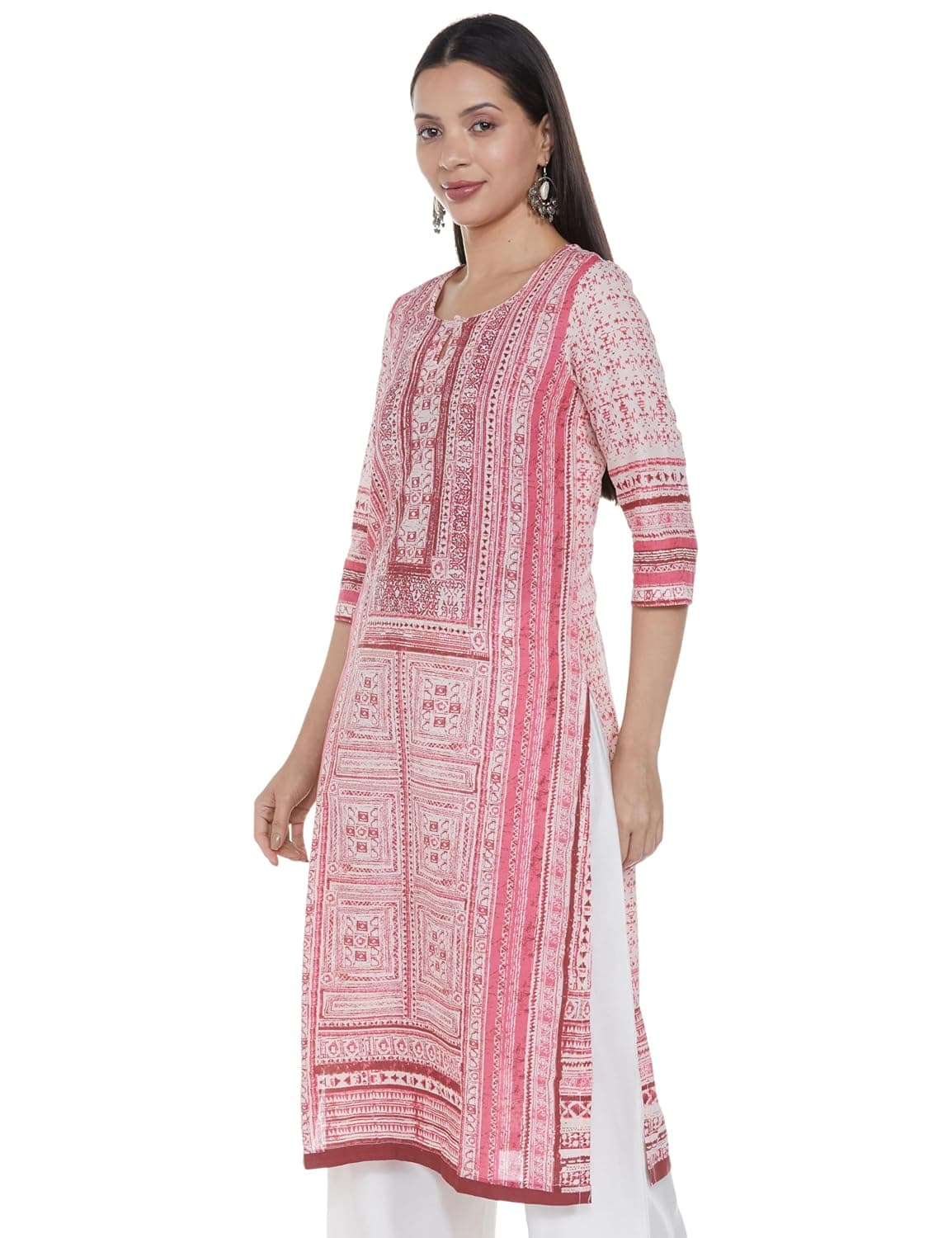 COD Available
biba
BIBA Women's Cotton Straight Printed Kurta
Only ₹599
₹1,299Save ₹700!
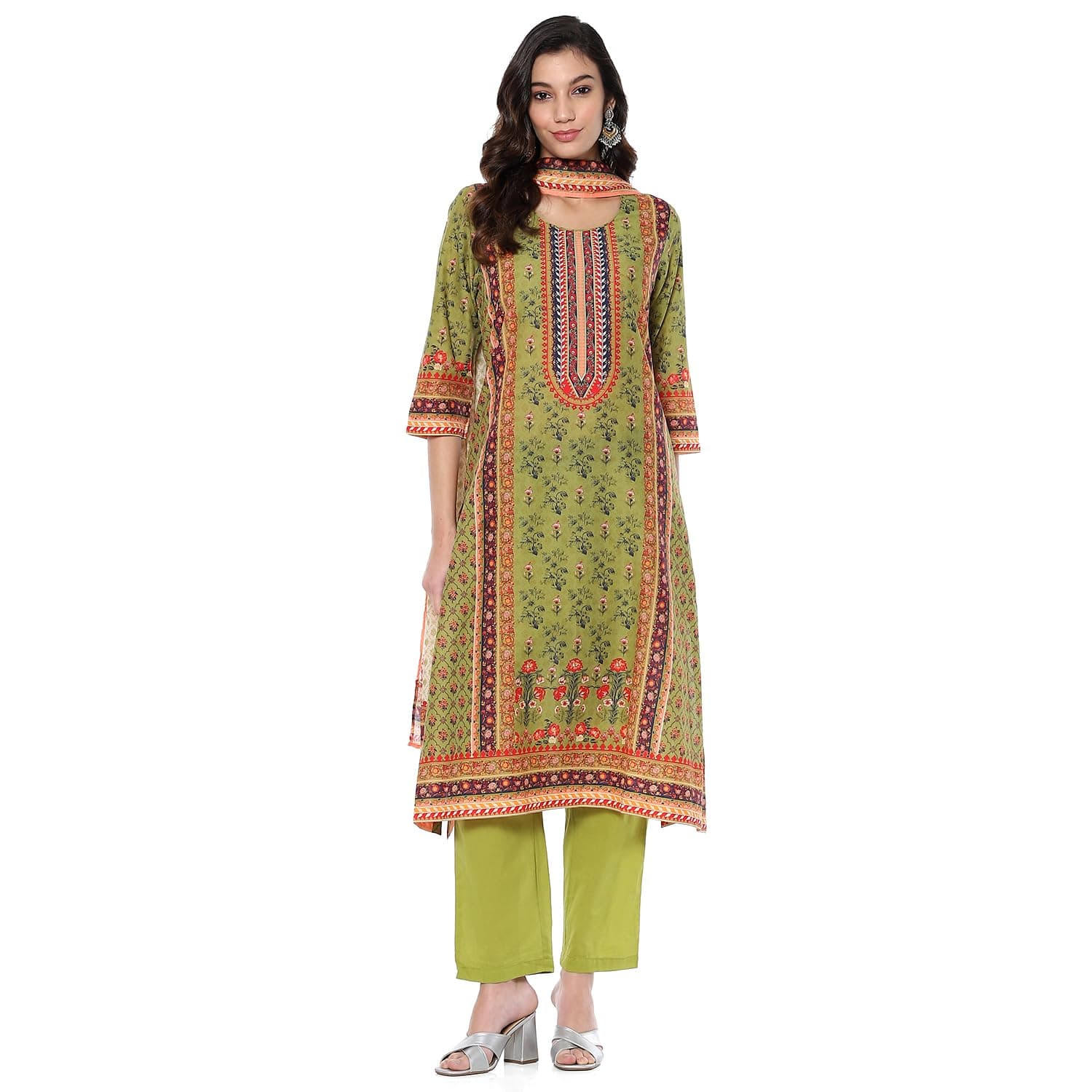 COD Available
biba
BIBA Women's Cotton Printed Kurta Set with Dupatta
Only ₹999
₹1,799Save ₹800!
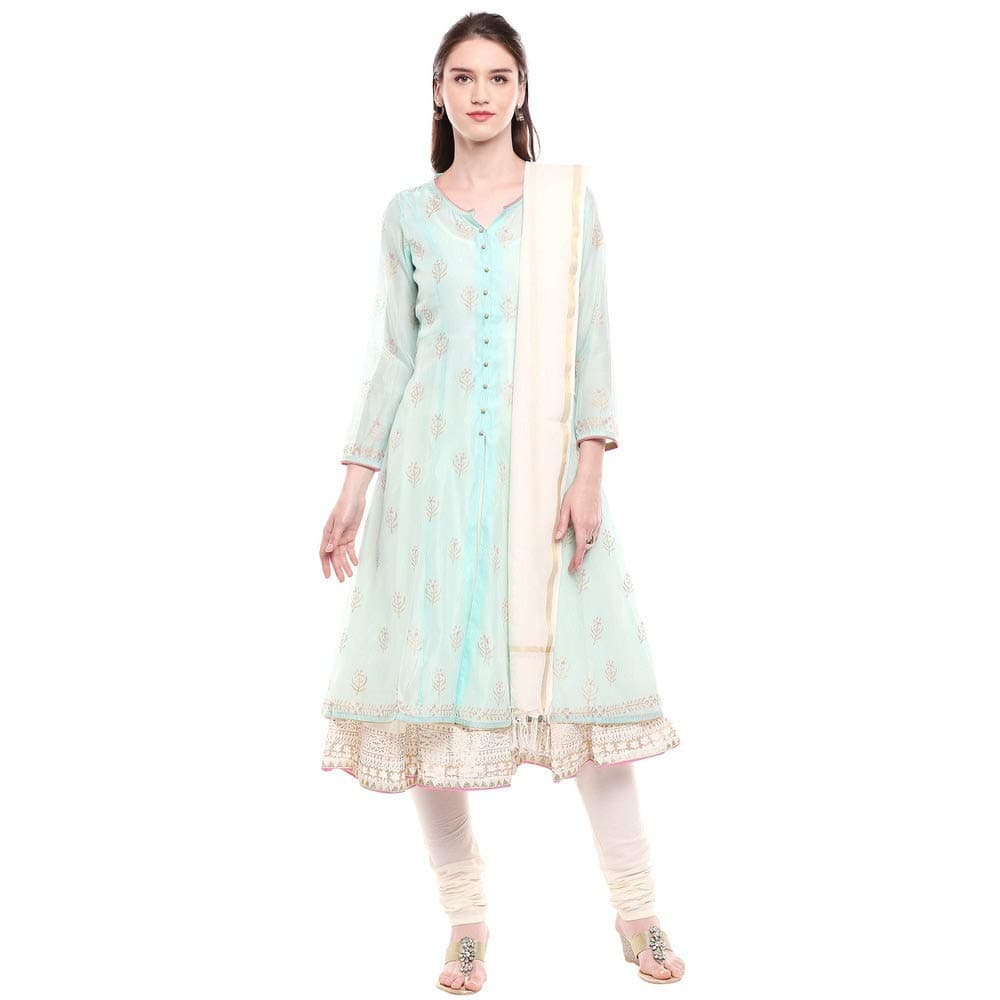 COD Available
biba
BIBA Women's Cotton A-Line Churidar Suit
Only ₹899
₹1,799Save ₹900!
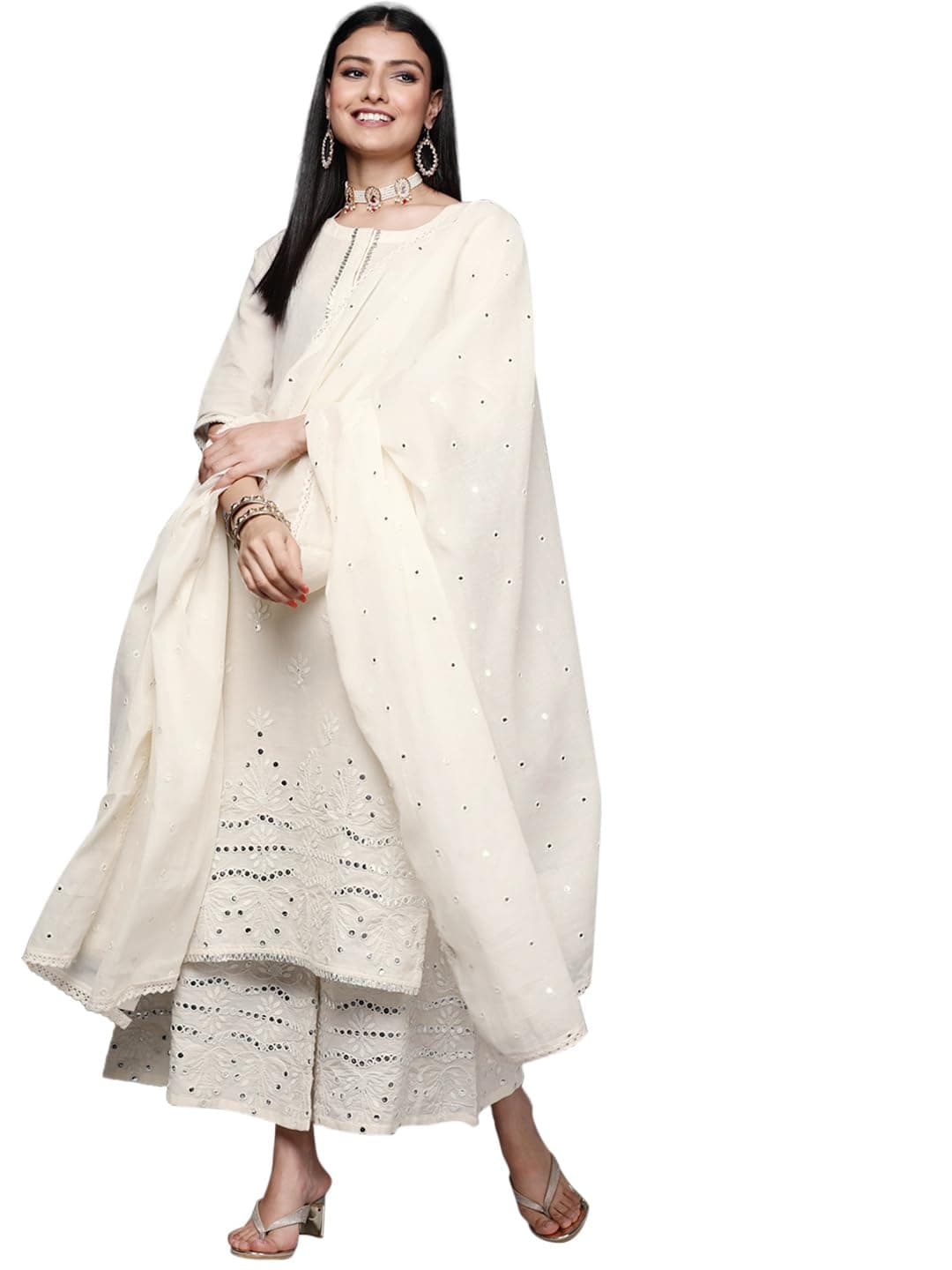 COD Available
libas
Libas Women's Embroidered Cotton Straight Kurta with Palazzos & Dupatta
Only ₹749
₹1,499Save ₹750!
OUR VERDICT
The most successful Rakhi coordinated looks are the ones that feel authentic to the family's style rather than forced. Start with a color conversation with your siblings at least two weeks before August 19th — agree on a color family or accent color, then let each person choose an outfit within that palette that they feel comfortable and beautiful in. The coordination creates the visual unity; the individual choices create the personality. A genuinely happy sibling photo in coordinated casual cotton will always be more memorable than a formal, uncomfortable one in expensive outfits that nobody enjoyed wearing.