
| Outfit Type | Budget Range | Best For | Ceremony |
|---|---|---|---|
| Printed Georgette Saree | Rs 1,500 – 3,000 | Friend's wedding, daytime function | Reception, Sangeet |
| Silk Saree (Kanjivaram / Banarasi) | Rs 5,000 – 25,000+ | Close family, traditional families | Wedding ceremony, formal reception |
| Embroidered Anarkali Suit | Rs 2,500 – 8,000 | All guests, easy to wear | Sangeet, Reception |
| Lehenga Choli | Rs 4,000 – 20,000+ | Close family, younger guests | Wedding, Grand Reception |
| Sharara Set | Rs 3,000 – 10,000 | Trendy guests, semi-formal events | Sangeet, Cocktail reception |
| Salwar Kameez (Embroidered) | Rs 1,800 – 5,000 | Daytime weddings, older guests | Haldi, Mehendi, Morning ceremony |
What to Wear by Your Relationship to the Couple
How close you are to the bride or groom should guide your outfit choice more than any other factor. Family members are expected to dress more formally and traditionally than friends or colleagues.
- Immediate family (bhabhi, maasi, chachi): Full silk saree with jewellery or elaborate lehenga — this is the minimum expectation at most traditional weddings.
- Close friends of the bride: Lehenga, net saree, or sharara — you can be more fashion-forward and playful with colour.
- Colleagues or acquaintances: A well-draped chiffon or georgette saree, or a festive Anarkali — elegant but not over-the-top.
- Out-of-town guests unfamiliar with Indian weddings: A solid-coloured or printed salwar suit is perfectly acceptable and shows effort.
- Children: Simple lehenga, ghagra, or a salwar kameez in bright colours — comfort is key for kids who will be running around.
Outfit Ideas by Budget
Indian wedding guest attire does not have to break the bank. Here is what looks great at every price point.
- Under Rs 2,000: Printed chiffon or georgette saree in jewel tones — royal blue, emerald green, magenta. Pair with a plain contrast blouse and simple gold jewellery.
- Rs 2,000 – 5,000: Embroidered Anarkali or straight suit with dupatta. Look for mirror work, zari embroidery, or sequin detailing. A well-tailored kurta with palazzo pants also works.
- Rs 5,000 – 10,000: Semi-stitched or readymade lehenga in velvet, brocade, or tissue fabric. Net sarees with embroidered borders fall in this range too.
- Rs 10,000 and above: Designer or semi-designer lehenga, pure silk Banarasi or Kanjivaram saree, hand-embroidered suits. Worth renting if you do not want to spend this amount outright.
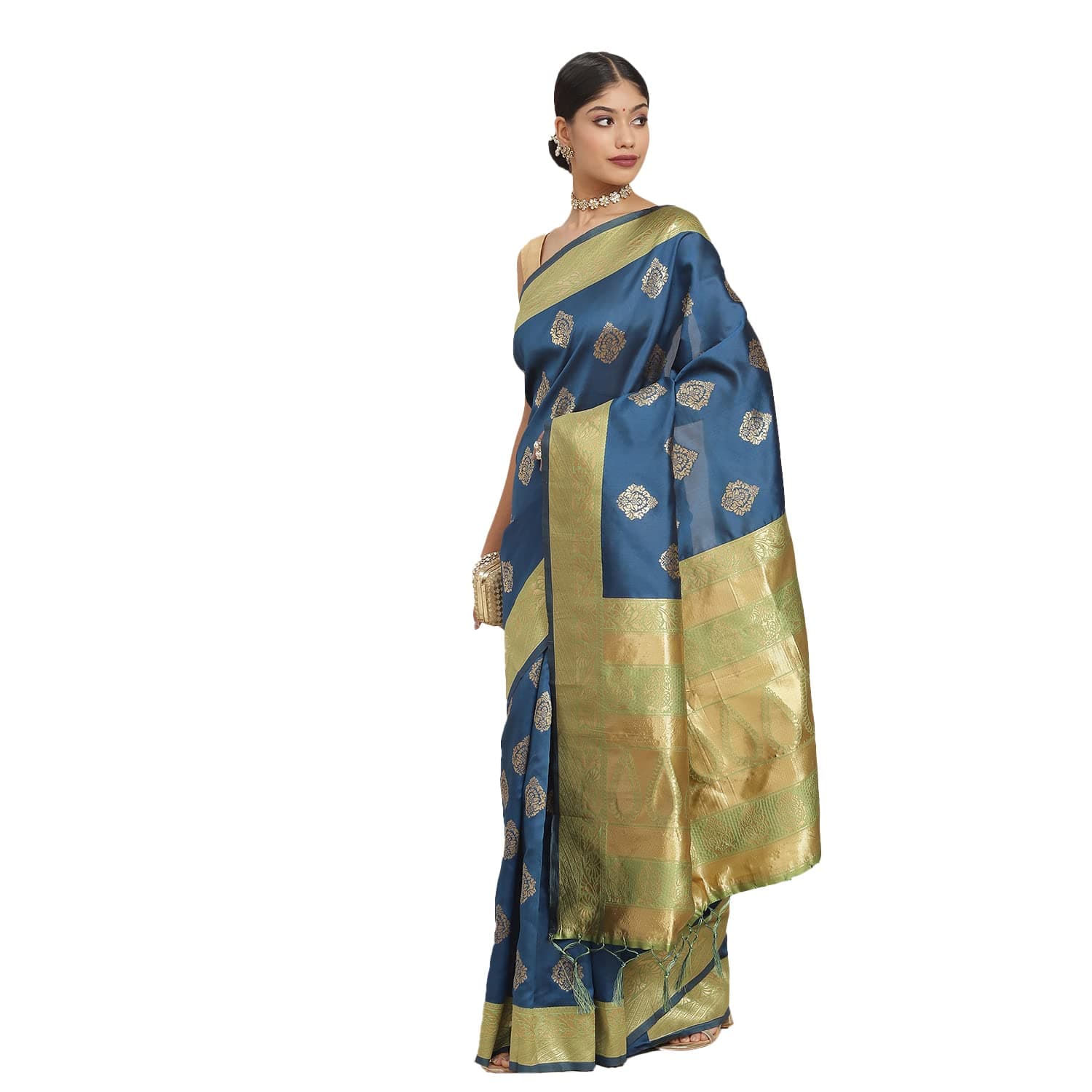 COD Available
ishin
Ishin Women's Silk Blend Teal & Green Woven Design Saree with Blouse
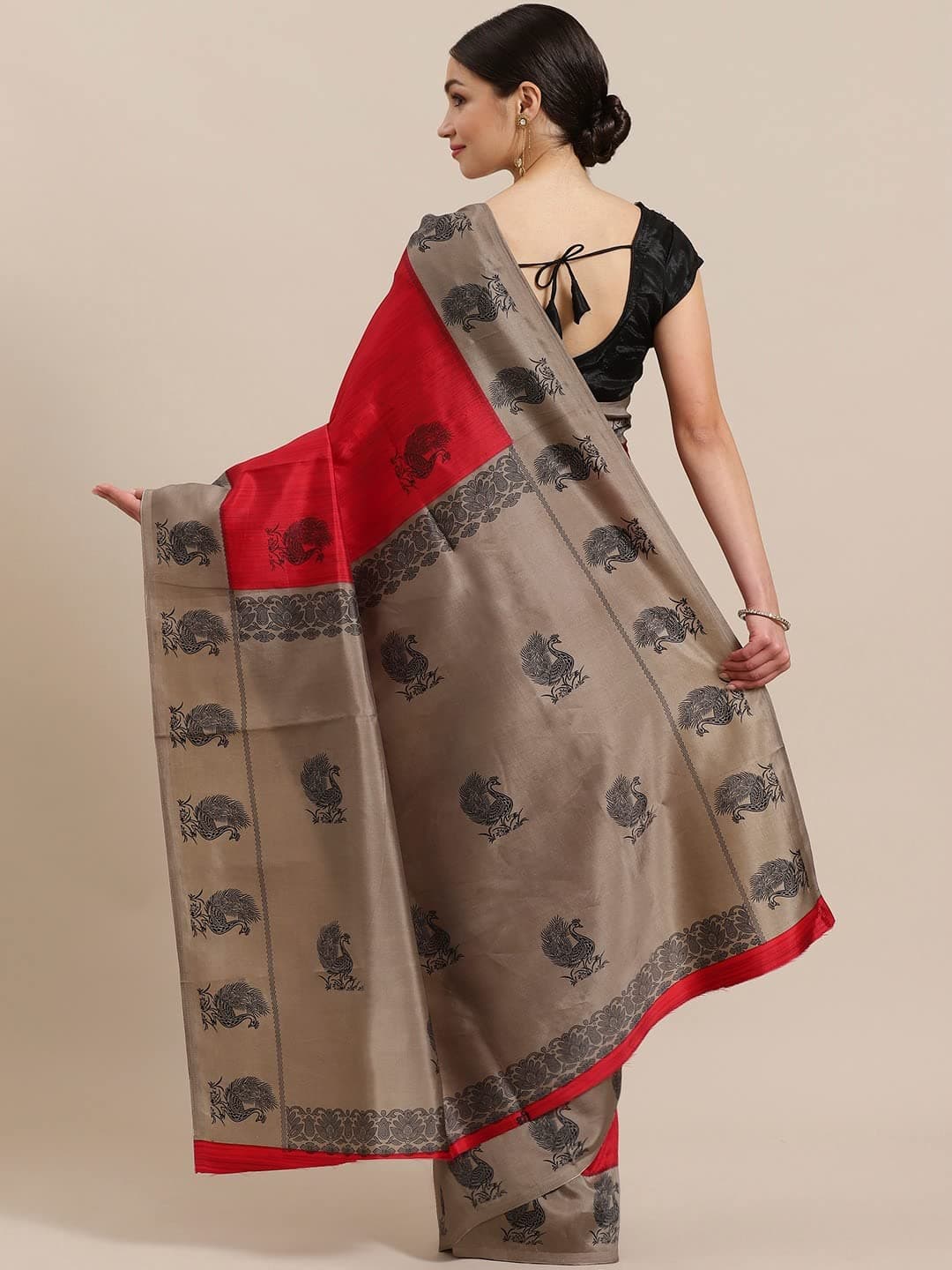 COD Available
ishin
Ishin Women's Art Silk Maroon & Taupe Printed Saree
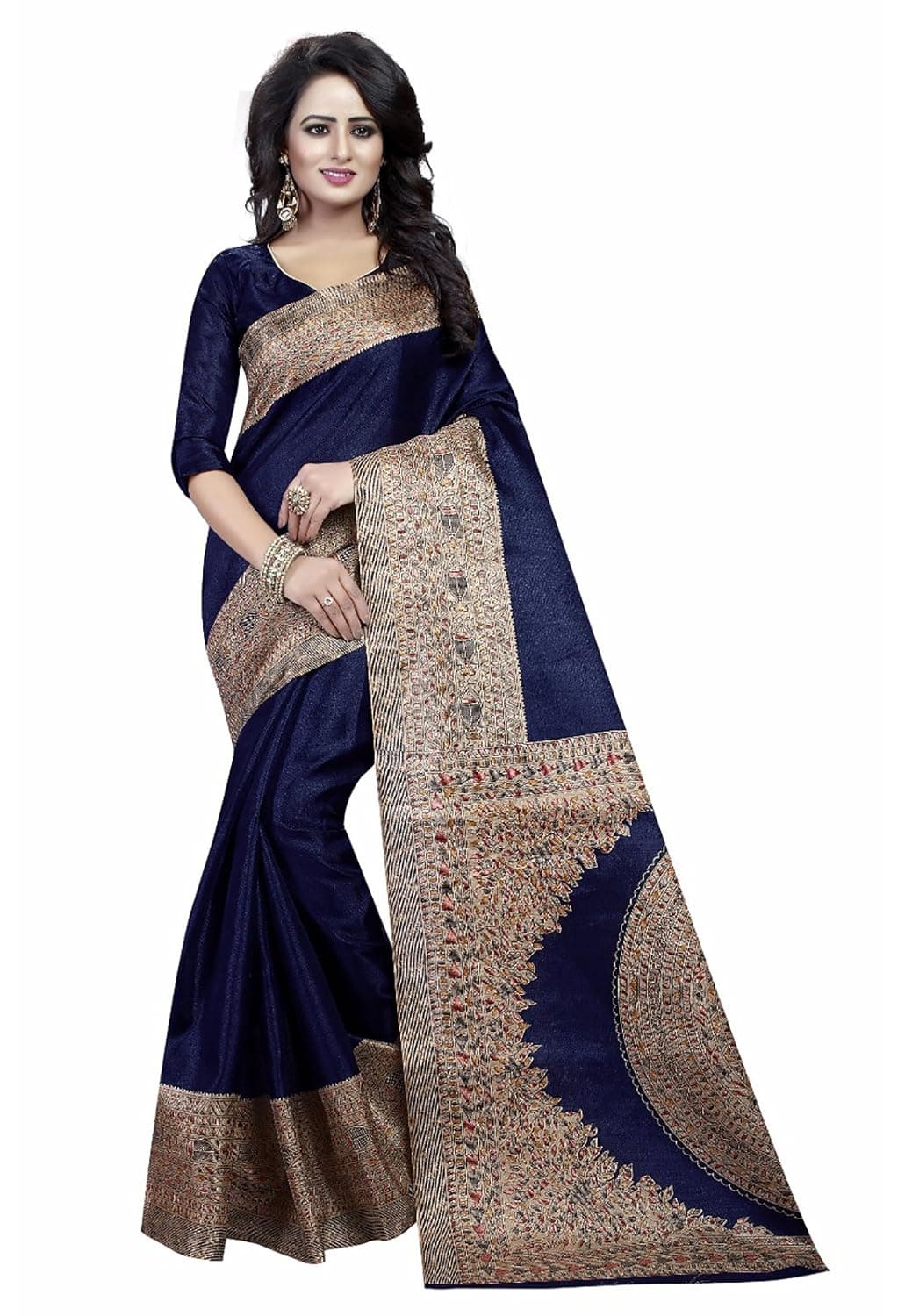 COD Available
ishin
Ishin Women's Art Silk Navy Blue Saree with Blouse Piece
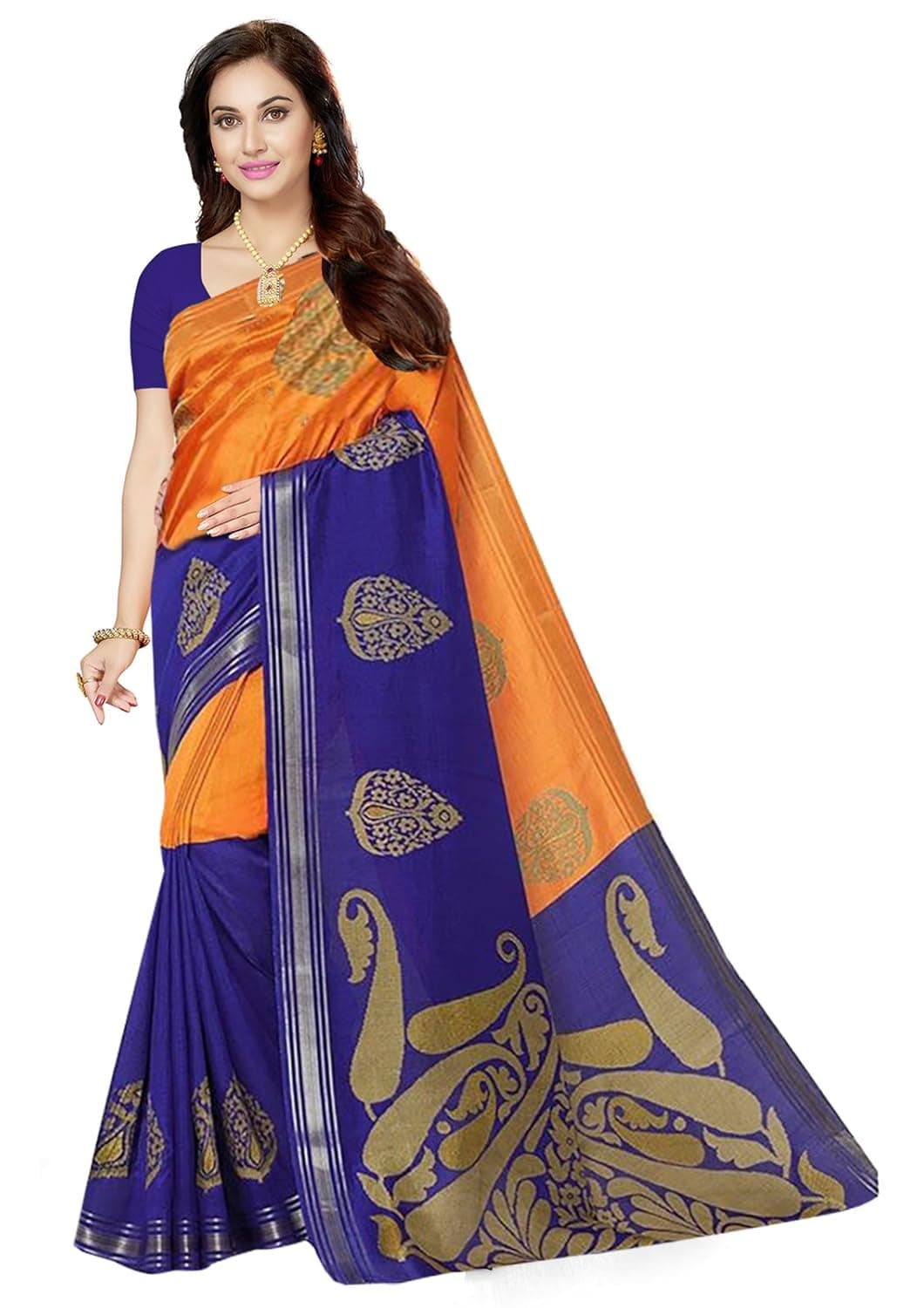 COD Available
ishin
Ishin Women's Art Silk Dark Blue & Orange Saree with Blouse
What Colours Work Best
Indian weddings are celebrations of colour. The richer and more vibrant your outfit, the better — within reason. Here are the most crowd-pleasing choices:
- WEAR: Royal blue, emerald green, mustard yellow, fuchsia pink, burnt orange, teal, burgundy, purple.
- WEAR with caution: Gold and silver (stunning but can look overdressed at daytime functions), pastels (fine at day weddings, look washed out at evening events).
- AVOID: White (associated with mourning in Hindu tradition), all-black (unless there is a pattern or embellishment), bridal red (especially if the bride is wearing red — always check in advance).
- For Sikh weddings: Avoid wearing maroon if the bride is typically wearing maroon. For Muslim weddings: Avoid heavy green as it is a religiously significant colour.
What to Avoid at an Indian Wedding
- Western clothing like jeans and a top — even a dressy one — looks very underdressed at most Indian weddings unless the invitation explicitly says cocktail or western dress code.
- Bridal-style heavy jewellery and maang tikka if you are not family — it can look like you are trying to compete with the bride.
- Very short hemlines or deep necklines — Indian weddings often include elders and religious ceremonies where modest dressing is expected.
- Overpowering perfume — you will be in close proximity to hundreds of guests for hours.
- Brand new shoes you have not broken in — you will be standing, dancing, and navigating uneven lawns for 4-8 hours.
Who Should Buy
- Guests who want to look respectful and festive without overspending — a printed saree or embroidered Anarkali is your answer.
- Family members who need to dress traditionally and make an impression — invest in a silk saree or a proper lehenga choli.
- Out-of-towners or non-desi guests who want to participate in the culture — a bright salwar suit or simple saree shows genuine appreciation.
- Fashion-forward younger guests who want to be on-trend — sharara sets, cape lehengas, or dhoti pants with a embellished top are perfect.
Skip If
- The wedding has a western or cocktail dress code — in that case, a nice Indo-western outfit or a formal western gown is more appropriate.
- You are the mother of the bride or groom — you need a much more specific and coordinated outfit plan, not a general guest guide.
- The function is a small, intimate civil wedding — casual ethnic wear is perfectly fine and you do not need to go all out.
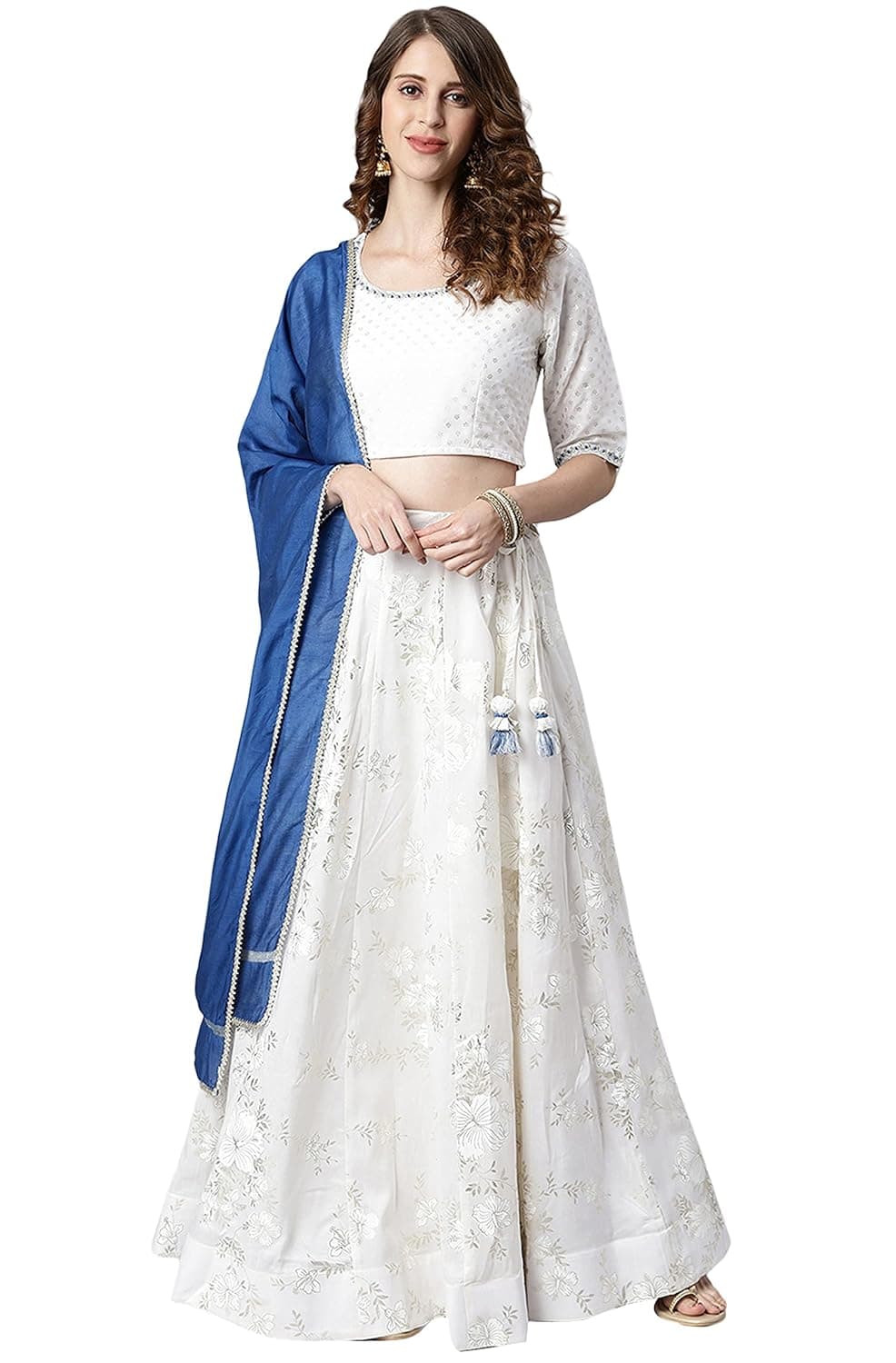 COD Available
janasya
Janasya Women's White Poly Silk Lehenga Choli with Dupatta
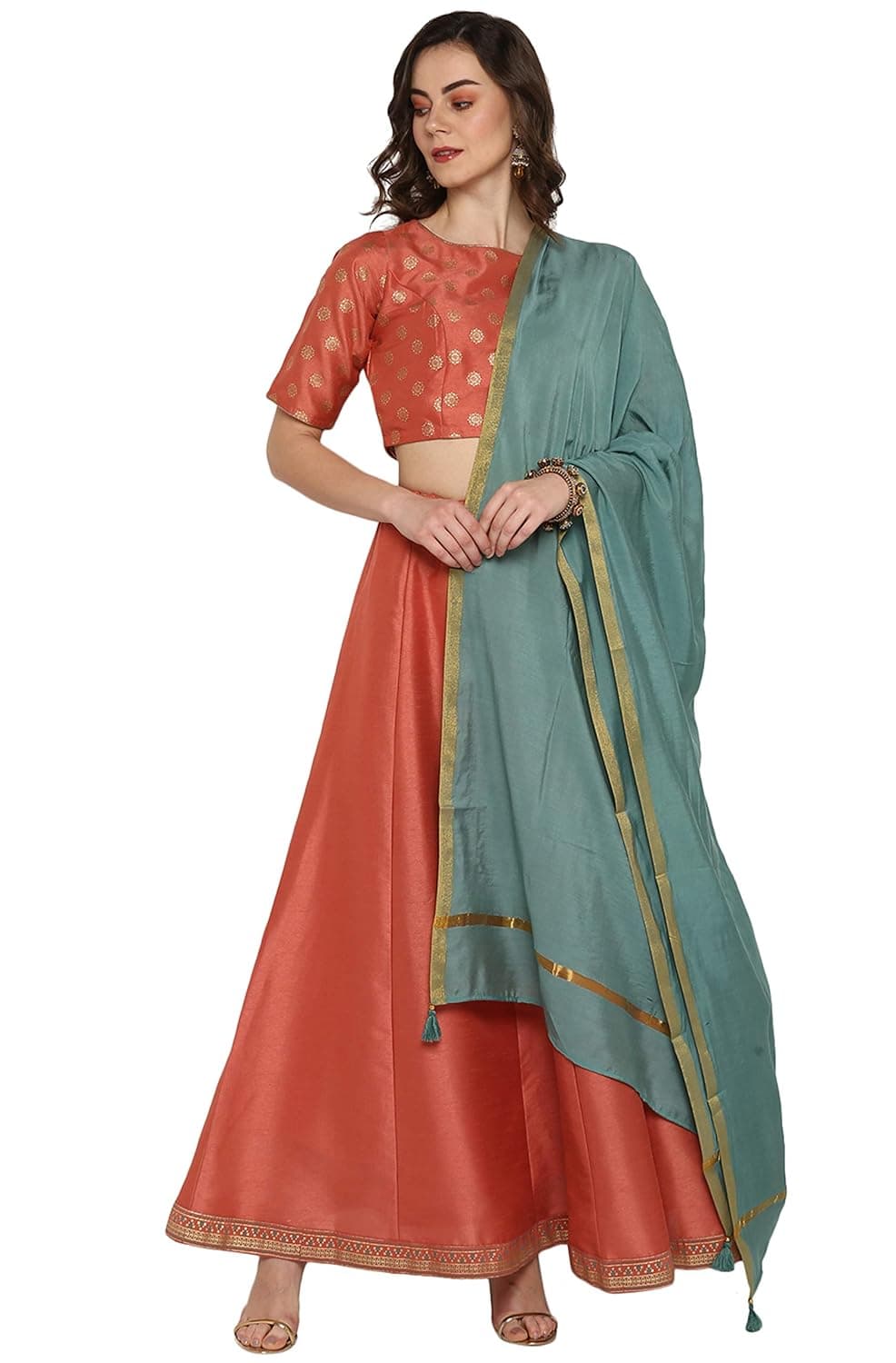 COD Available
janasya
Janasya Women's Peach Silk Lehenga Choli with Gota Patti
 COD Available
m.r.p:
Women's Satin Silk Embroidery Lehenga Choli (Wedding-Party-Bridal-Lehenga-White) Free Size | Finish Type: Semi-stitched
 COD Available
m.r.p:
Women's Embroidered Georgette Crop Top Lehenga Choli For Women (Party-Wedding-Bridal-Latest-New-Stylish; Free Size)
OUR VERDICT
For most Indian wedding guests, an embroidered Anarkali (Rs 3,000–6,000) or a printed silk-blend saree (Rs 2,500–5,000) hits the sweet spot of looking appropriately festive without overspending. If you are close family, invest in or rent a proper lehenga or Banarasi silk saree — you will wear it again and it photographs beautifully. The key rule: when in doubt, dress up rather than down.