
| Outfit Type | Appropriateness | Budget Range | Best For |
|---|---|---|---|
| Sharara Set (full sleeves / elbow length) | Excellent — traditional and festive | Rs 3,000 – 12,000 | Nikah, Walima — most appropriate |
| Anarkali Suit (floor-length, full coverage) | Excellent — elegant and covered | Rs 2,500 – 8,000 | All functions |
| Salwar Kameez with Dupatta | Very good — modest and festive | Rs 1,500 – 5,000 | Nikah, Mehendi, informal Walima |
| Silk Saree (with full sleeve blouse) | Good — traditional and elegant | Rs 3,000 – 15,000 | Walima, guests from Hindu backgrounds |
| Lehenga Choli (with full sleeve or covered blouse) | Good for Walima — less so for Nikah | Rs 4,000 – 15,000 | Walima evening receptions |
| Sleeveless or Low-Neck Outfits | Not recommended — not appropriate for the occasion | - | Not appropriate at any Muslim wedding function |
The Three Main Events and Their Dress Codes
- Nikah (the religious ceremony): The most formal and religious event. Conservative modest dress is essential — full sleeves or elbow length, floor-length hemlines, a dupatta that can be used to cover the head. Avoid overly embellished or fashion-forward outfits at a traditional Nikah.
- Walima (groom's reception, usually next day): A celebratory meal and reception. The dress code is more festive than the Nikah but still modest. A heavily embroidered Anarkali, a sharara, or a festive salwar suit is ideal. Some Walimas are very grand with event-style settings.
- Mehendi (pre-wedding women's gathering): Similar to Hindu wedding mehendi functions — bright, colourful, and celebratory. Green, yellow, and bright prints are excellent choices. The same modesty guidelines apply — cover your arms and legs.
- Barat (wedding procession): If you are attending as part of the procession, festive and well-dressed is expected. Moderate coverage with a festive outfit is the balance to strike.
Colours for Muslim Wedding Events
- EXCELLENT choices: Ivory and gold, silver, royal blue, purple, emerald green, rich pink, peacock, maroon, and burnt orange — all are festive and culturally resonant.
- Yellow and saffron: Traditional at Mehendi functions — appropriate and welcomed.
- Red: The bride's colour at many Muslim weddings (though this varies by community) — check what the bride is wearing and avoid clashing.
- AVOID heavy green: Bottle green and forest green can carry religious significance in Islamic contexts. A bright lime green or mint is perfectly fine — it is the specific shade of Islamic ceremonial green that you want to be thoughtful about.
- White: White is worn by Muslim brides in some communities (influenced by western traditions) — avoid white as a guest.
- Black: More accepted at Muslim weddings than at Hindu weddings in many contexts — but avoid all-black as it can look somber for a celebratory occasion.
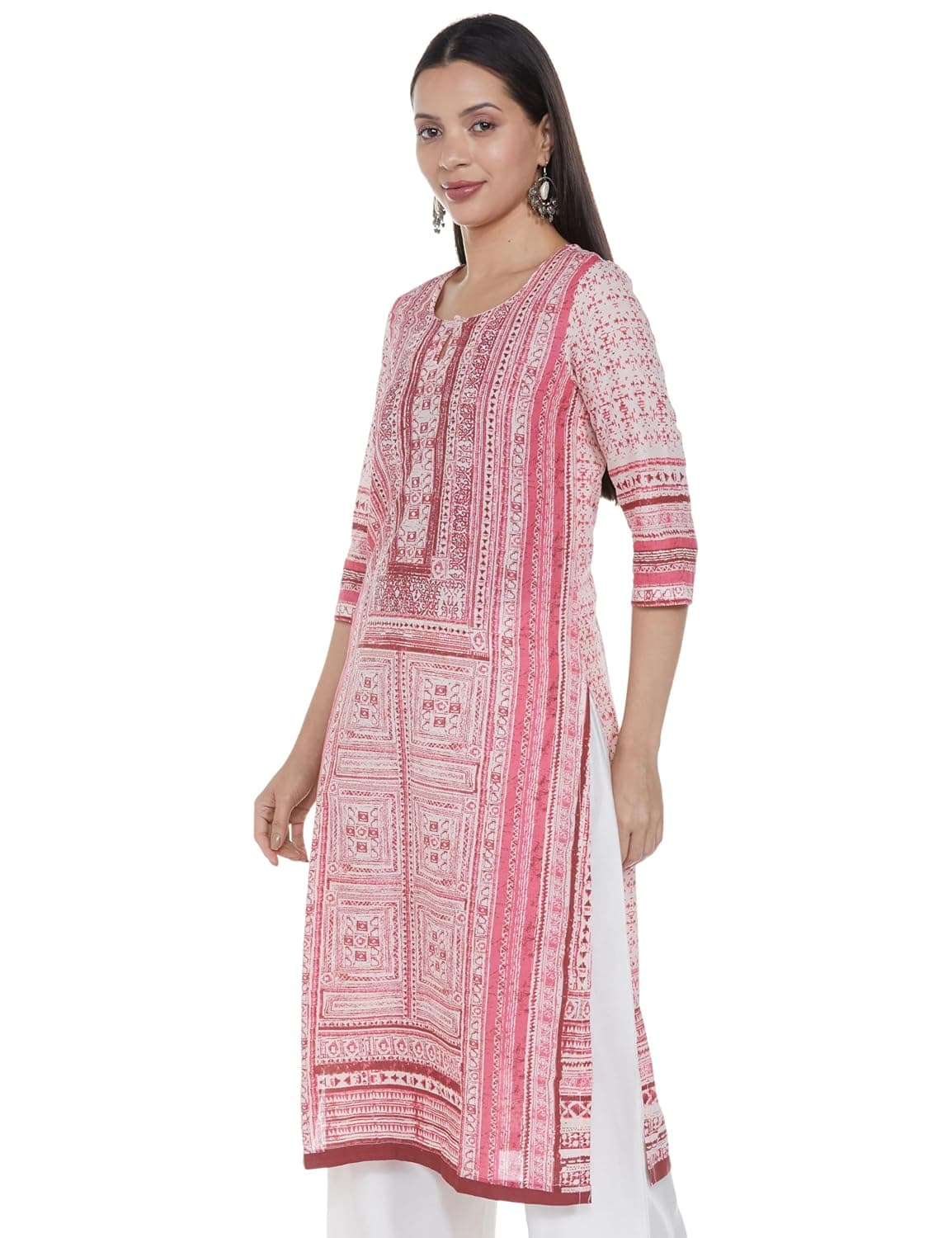 COD Available
biba
BIBA Women's Cotton Straight Printed Kurta
Only ₹599
₹1,299Save ₹700!
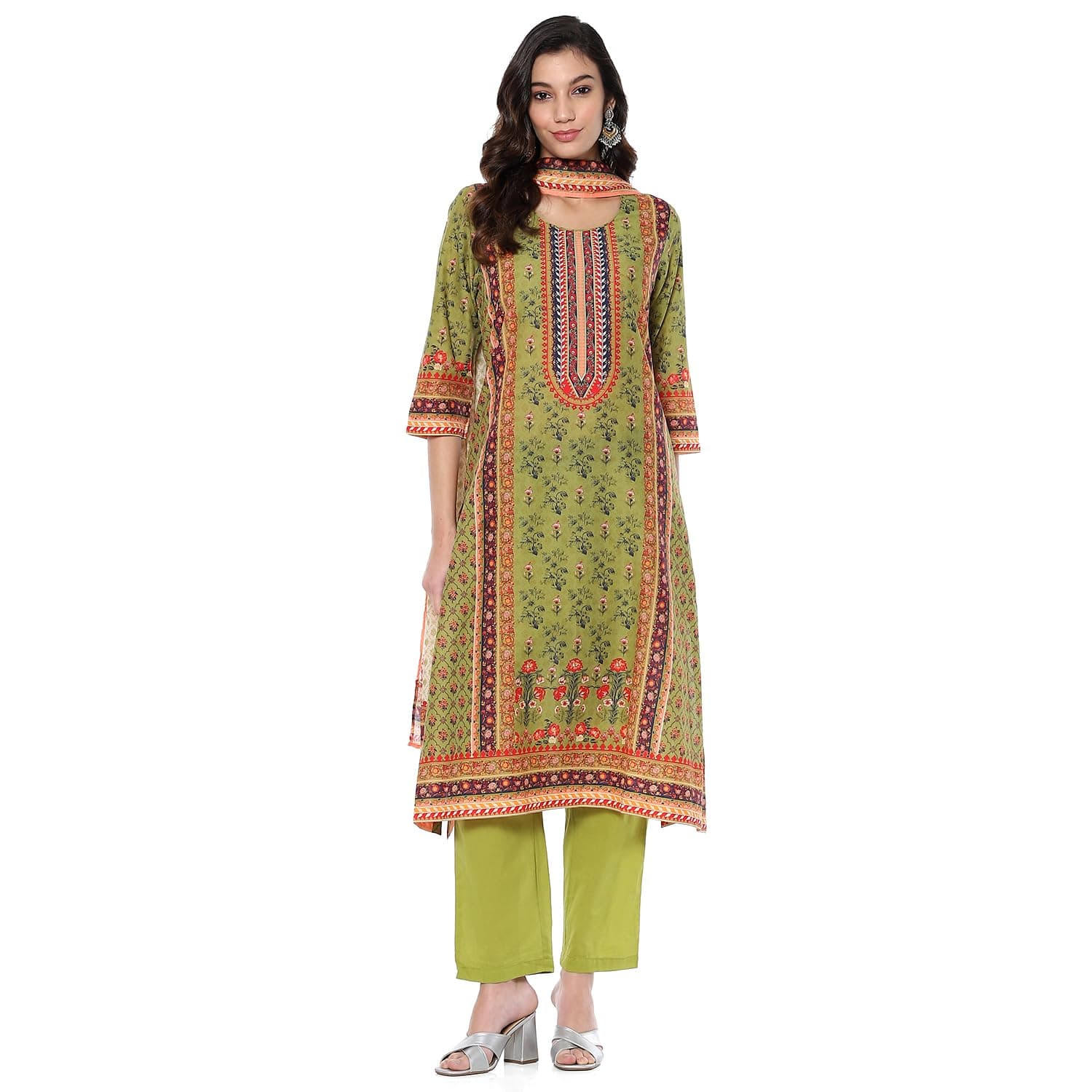 COD Available
biba
BIBA Women's Cotton Printed Kurta Set with Dupatta
Only ₹999
₹1,799Save ₹800!
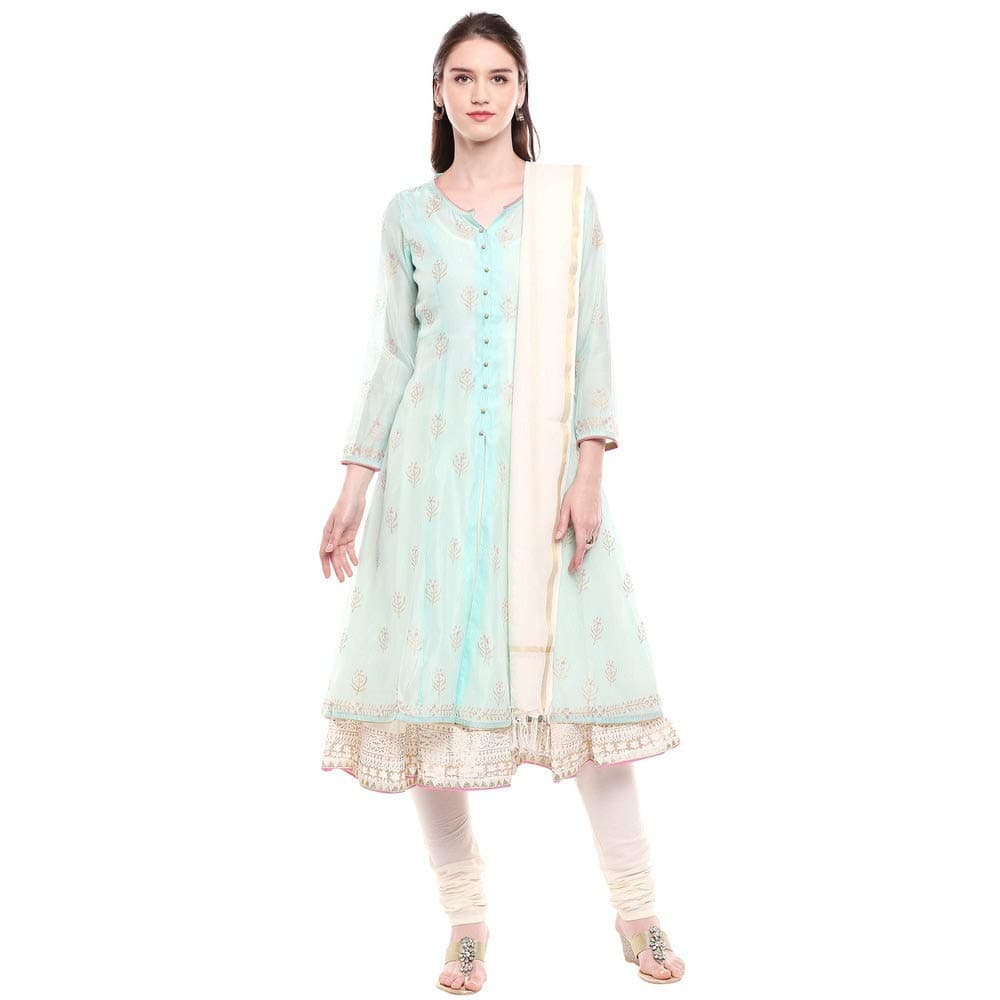 COD Available
biba
BIBA Women's Cotton A-Line Churidar Suit
Only ₹899
₹1,799Save ₹900!
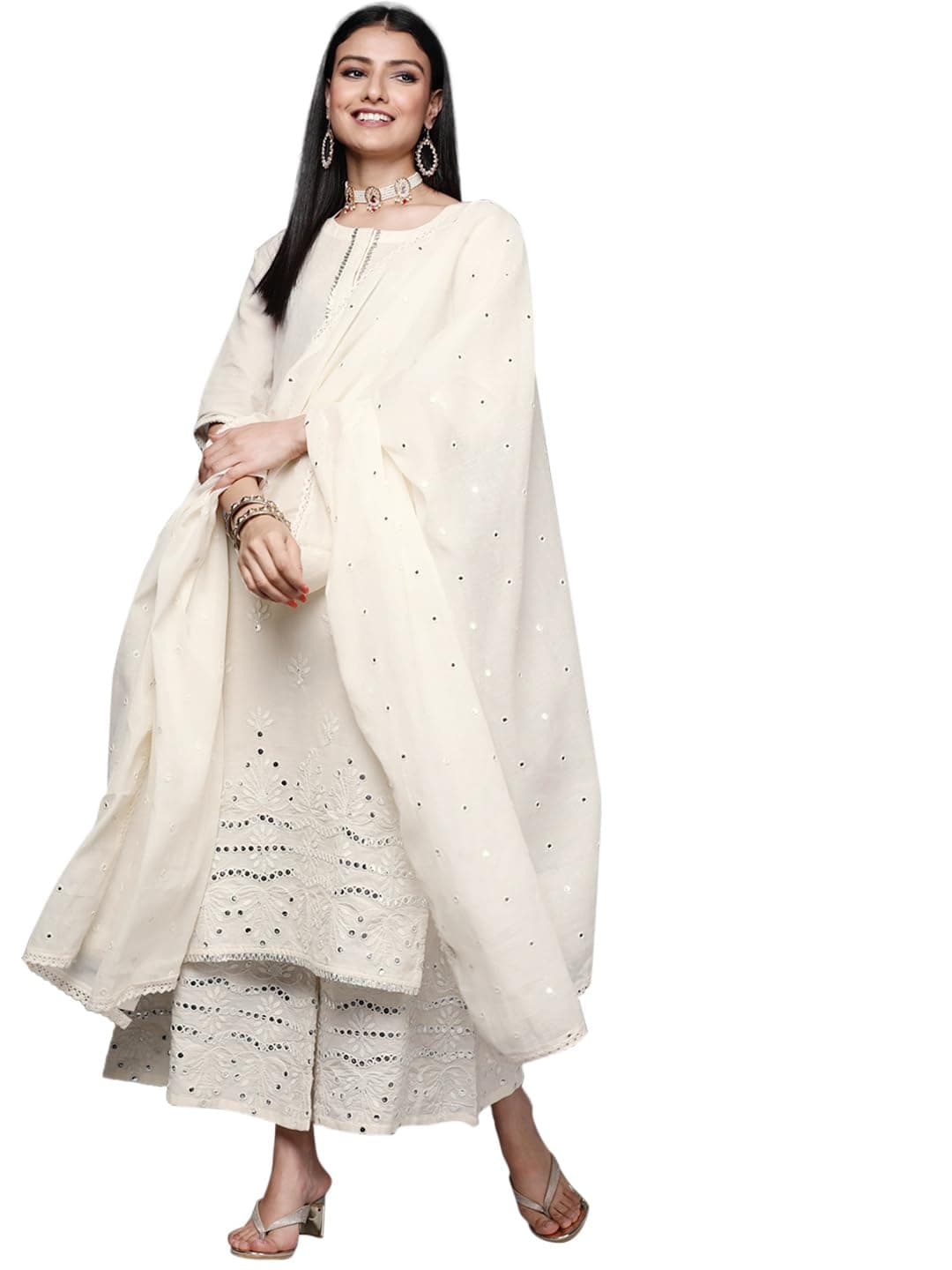 COD Available
libas
Libas Women's Embroidered Cotton Straight Kurta with Palazzos & Dupatta
Only ₹749
₹1,499Save ₹750!
Regional Variations in Muslim Wedding Dress Codes
- Hyderabadi Muslim weddings: Known for grandeur — elaborate shararas, heavy Zardozi embroidery, and very formal dressing. This is one of the most formal Muslim wedding traditions in India. Dress up significantly.
- Lucknowi Muslim weddings: Famous for Chikankari embroidery — a Chikankari salwar suit is incredibly appropriate and appreciated here.
- Kashmiri Muslim weddings: Traditional Kashmiri phirans (long gowns) and Kashmiri Pashmina shawls are worn by local women — as a guest, a heavily embroidered salwar suit is perfect.
- Mumbai / cosmopolitan Muslim weddings: Can be more modern and westernised — the dress code may be more relaxed, though modest coverage is still appreciated.
- South Indian Muslim weddings (Kerala, Tamil Nadu): Traditional dress is more conservative. A Kashmiri-style salwar suit or a covered saree is appropriate.
Non-Muslim Guests: What You Should Know
- Modesty is the most important guideline: Cover your arms, legs, and keep your neckline high. This is non-negotiable as a basic sign of respect.
- You do not need to dress in Islamic dress — you are a guest at a wedding, not a religious participant. A modest Indian ethnic outfit is perfectly appropriate.
- Carry a dupatta or stole: Even if your outfit already has one, having an extra stole allows you to easily cover your head during prayers or when entering religious spaces.
- Remove shoes if asked: If the ceremony or prayers are conducted on a carpet, you will be expected to remove shoes.
- Avoid leather accessories if entering a mosque or prayer space: Same guideline as for Hindu temples.
- Ask the family: When in doubt about any specific dress code requirement, ask a trusted family member of the couple — they will appreciate that you asked.
Who Should Buy
- Non-Muslim guests attending a Muslim wedding for the first time — an embroidered Anarkali or a salwar suit with full sleeves is the universally safe and respectful choice.
- Guests attending a Hyderabadi or Lucknowi Muslim wedding — dress at least one level above your usual wedding guest look; these are very grand occasions.
- Friends of the bride wanting to look festive and appropriate — a sharara set in ivory, gold, or royal blue is both on-trend and deeply appropriate.
- Guests attending a modern cosmopolitan Muslim wedding — the formality levels may vary; a festive salwar suit or Anarkali covers all bases.
Skip If
- The wedding invitation specifies a specific dress code or theme — follow that first.
- You are attending a Muslim wedding in a different country — dress codes vary significantly by country and community.
- The Walima is a western-style cocktail reception (some families host these) — in that case, modest western formalwear or an indo-western outfit may be more appropriate.
OUR VERDICT
For a Muslim wedding in India, a floor-length embroidered Anarkali or a sharara set in ivory, gold, royal blue, or burgundy with a dupatta for head coverage is the most universally appropriate and beautiful choice. The key difference from a Hindu wedding outfit is coverage — full sleeves or elbow length, modest neckline, floor-length hemline. Within those guidelines, you can be as festive and embellished as you like.