
| Outfit Type | Appropriateness for Gurudwara | Budget Range | Best For |
|---|---|---|---|
| Salwar Kameez with Dupatta | Excellent — traditional and complete | Rs 1,500 – 6,000 | All guests, all ages |
| Silk Saree (with dupatta or stole) | Excellent — elegant and traditional | Rs 3,000 – 20,000 | Senior women, formal guests |
| Embroidered Anarkali with Dupatta | Very good — floor-length, covered | Rs 2,500 – 8,000 | All guests, younger and older alike |
| Phulkari Salwar Suit | Excellent — culturally resonant | Rs 2,000 – 8,000 | All guests, especially shows cultural appreciation |
| Lehenga Choli (with dupatta) | Good — ensure dupatta covers head | Rs 4,000 – 15,000 | Close family, evening reception |
| Sleeveless / Short Outfits | Not permitted inside Gurudwara | - | Not appropriate for ceremony |
The Non-Negotiable Rules for the Gurudwara
The Anand Karaj ceremony takes place in the Gurudwara — a sacred space for Sikhs. Certain rules apply to everyone, regardless of faith:
- Cover your head: This is mandatory for all visitors to a Gurudwara, regardless of gender or religion. Women can use a dupatta, stole, or scarf. Men should also cover their heads — a rumal (handkerchief) or a small cloth is acceptable.
- Remove footwear: All shoes must be removed before entering the Gurudwara. The entrance will have a designated footwear area.
- Cover your legs: No shorts, mini skirts, or short dresses inside the Gurudwara. Full-length or at least knee-covering clothing is essential.
- Do not enter with alcohol or tobacco: This is a strict rule — do not attend the Gurudwara ceremony if you have recently consumed alcohol.
- Wash your hands and feet: Gurudwaras often have washing stations at the entrance. Use them — it is both respectful and hygienic.
- Sit on the floor: The congregation sits on the floor, separated by gender in some Gurudwaras. Wear an outfit that allows comfortable cross-legged sitting.
What Colours to Wear to a Sikh Wedding
- EXCELLENT: Royal blue, pink, fuchsia, orange, yellow, green, purple, teal — bright, celebratory colours are enthusiastically welcomed at Punjabi Sikh weddings.
- Phulkari colours: The traditional Punjabi embroidery (Phulkari) uses a rainbow of vibrant threads — wearing Phulkari embroidery or similar bright colour combinations is deeply culturally appropriate.
- Maroon and pink: Common bridal colours at Punjabi weddings — check what the bride is wearing before choosing.
- AVOID: All-black (inauspicious at religious celebrations) and white alone (associated with mourning in Punjabi Hindu and Sikh traditions).
- Navy blue: A notable exception — the Sikh scripture (Guru Granth Sahib) is covered in blue, and some families consider dark blue inappropriate as a guest colour. When in doubt, opt for a brighter blue or a different colour.
- Saffron (Kesri): Holds religious significance in Sikhism — it is the colour of bravery and sacrifice. Wearing saffron as a guest is generally respectful, but it is also specifically associated with the religion. Proceed with cultural sensitivity.
Phulkari: The Traditional Punjabi Embroidery to Know
Phulkari (literally 'flower work') is a traditional Punjabi embroidery technique using colourful silk threads on cotton base fabric. It has deep cultural significance in Punjab and is closely associated with weddings and celebrations. Wearing a Phulkari outfit or a saree/suit with Phulkari embroidery is a beautiful way to honour Sikh Punjabi wedding culture.
- Traditional Phulkari: Bright geometric patterns on a cotton or silk base — typically in orange, red, or pink with multi-coloured thread embroidery.
- Phulkari dupattas: One of the most beautiful and practical ways to incorporate Phulkari into your look — a Phulkari dupatta over any salwar suit looks stunning.
- Modern Phulkari fusion: Phulkari embroidery on lehengas, Anarkalis, and even saree blouses is increasingly popular and is a wonderful choice for Sikh weddings.
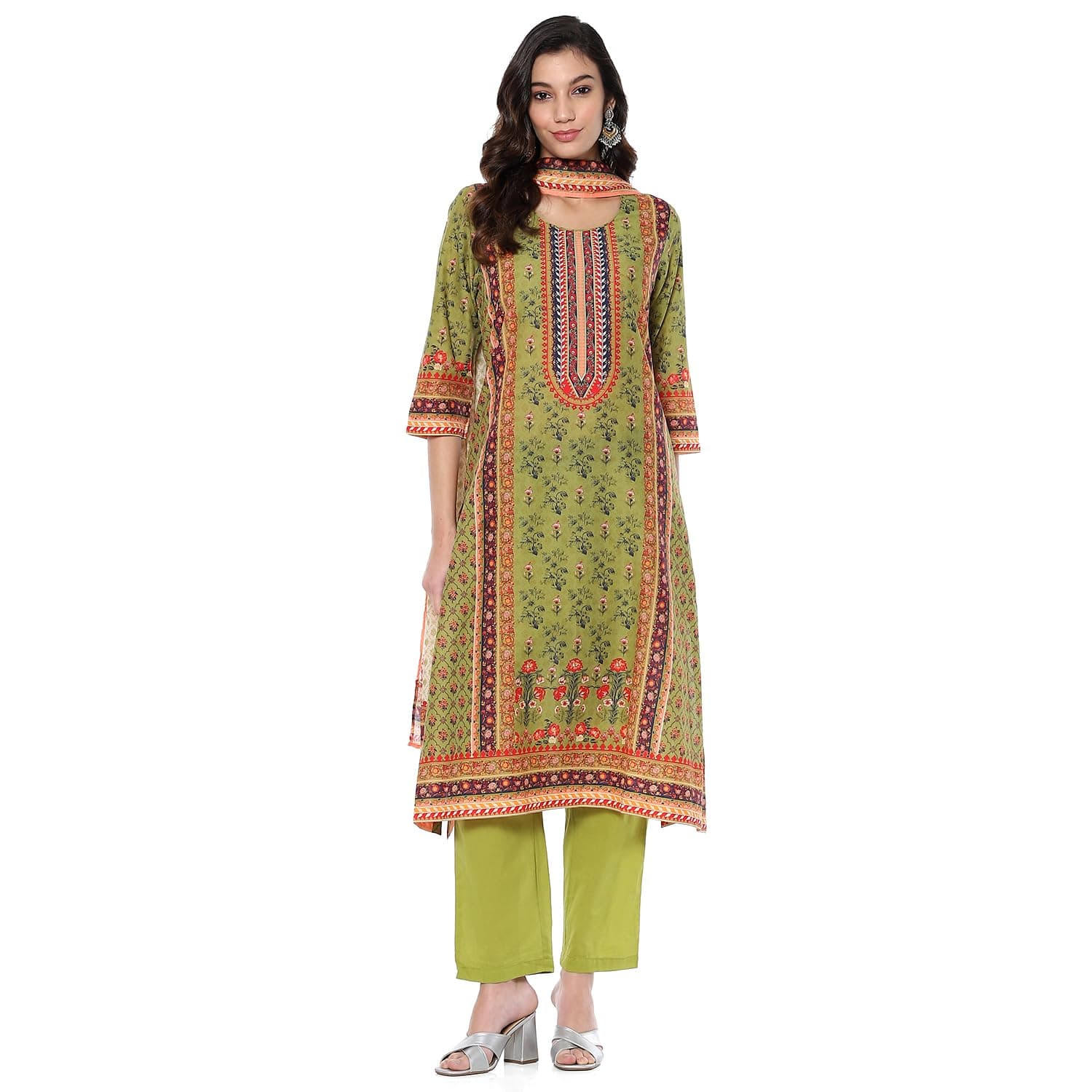 COD Available
biba
BIBA Women's Cotton Printed Kurta Set with Dupatta
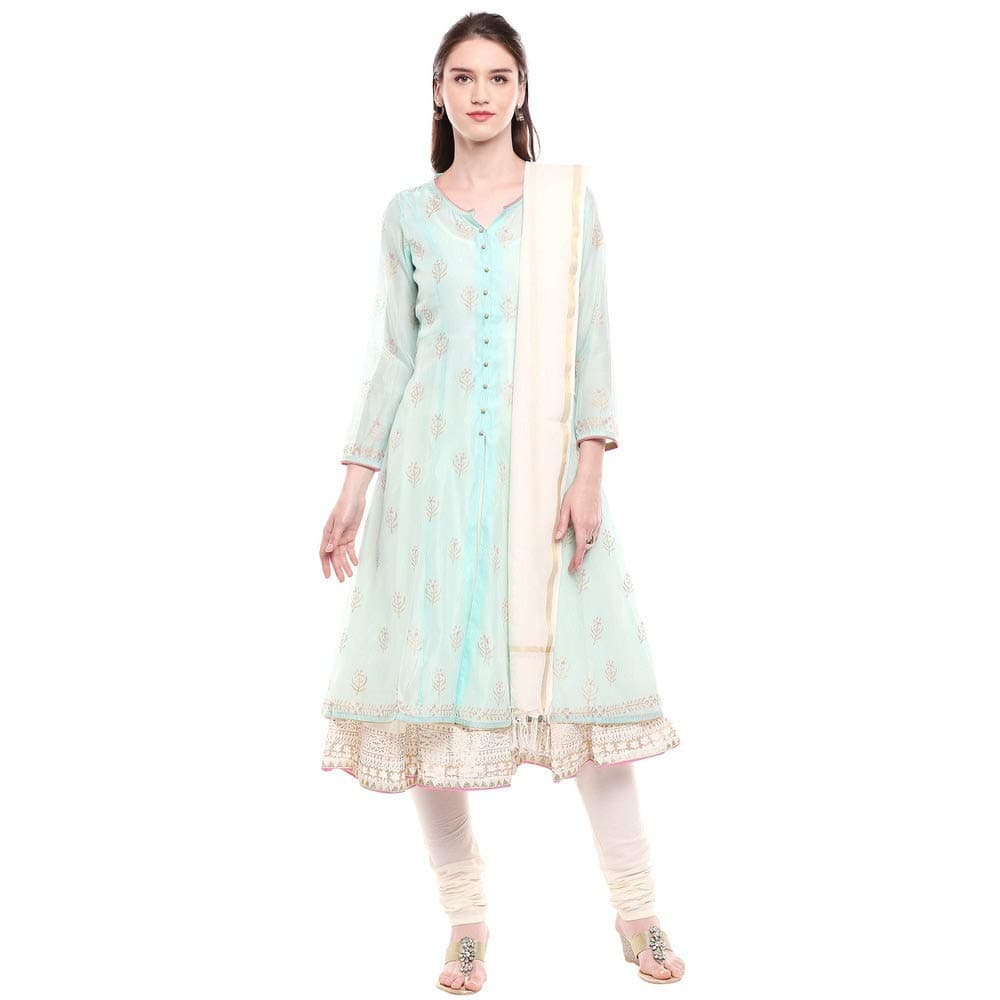 COD Available
biba
BIBA Women's Cotton A-Line Churidar Suit
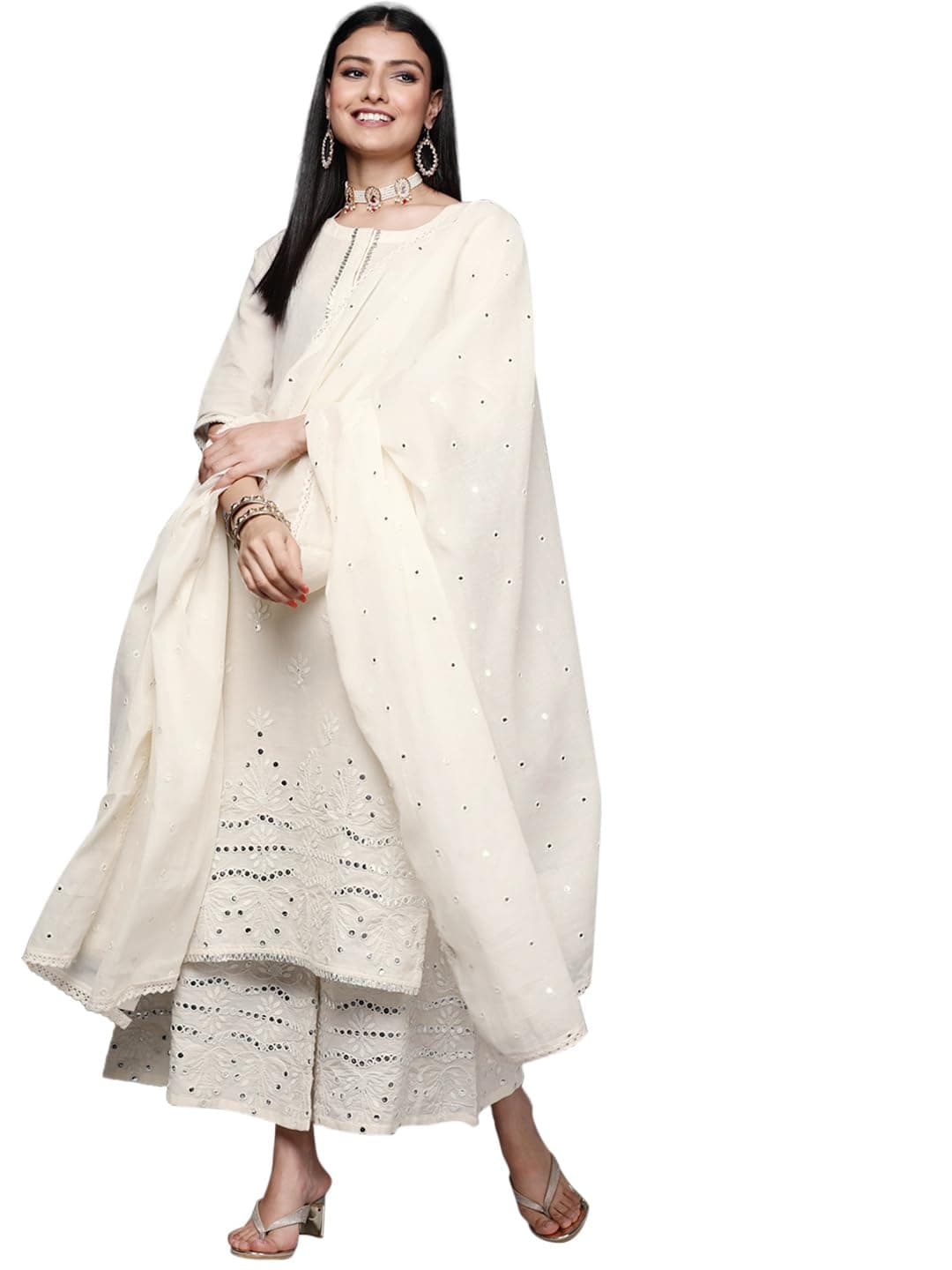 COD Available
libas
Libas Women's Embroidered Cotton Straight Kurta with Palazzos & Dupatta
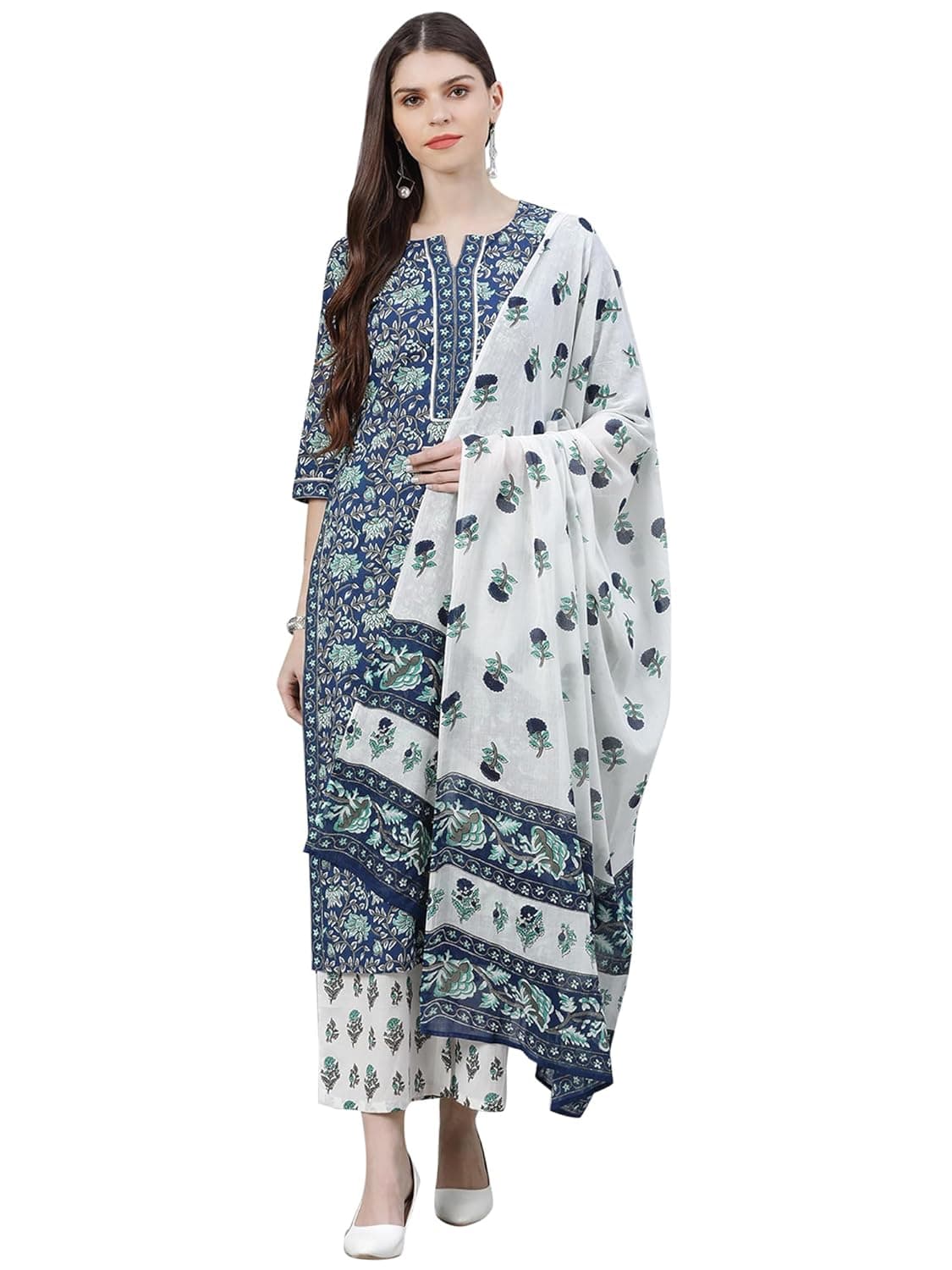 COD Available
libas
Libas Printed Silk Blend Round Neck Kurta Pant Set Pink
Anand Karaj Ceremony vs Evening Reception: Different Dress Codes
- Anand Karaj (morning, at Gurudwara): Modest, covered, with a dupatta for head covering. Comfortable for floor seating. A salwar suit or silk saree is ideal.
- Langar (community meal after ceremony): Casual and functional. You will sit on the floor in a large hall. Your ceremony outfit is perfectly appropriate — no change needed.
- Evening reception (typically at a banquet hall or garden): Much more festive and glamorous. A lehenga, a heavily embroidered Anarkali, or a grand silk saree is appropriate here. The dress code for the reception is closer to a grand Indian party.
- Cocktail reception: Some Punjabi wedding families host separate cocktail events. Check the invitation — these can have western or indo-western dress codes.
Outfit Ideas by Budget
- Under Rs 2,000: A printed cotton or georgette salwar suit in bright pink, orange, or blue with a simple Phulkari dupatta. Comfortable, appropriate, and beautiful.
- Rs 2,000 – 5,000: An embroidered salwar suit with a matching or contrasting dupatta, or a printed silk-blend saree. Enough to look festive and polished.
- Rs 5,000 – 10,000: A Phulkari-embroidered salwar suit or a well-made Anarkali in a jewel tone. Or a Banarasi silk saree for senior women. Very appropriate and beautiful.
- Rs 10,000 and above: A designer lehenga or heavily embroidered outfit for the evening reception — or a proper Kanjivaram/Banarasi silk saree for a formal ceremony attendee.
Who Should Buy
- Non-Sikh guests attending a Gurudwara wedding for the first time — a salwar kameez with a dupatta large enough to cover your head covers all the requirements.
- Guests who want to honour Punjabi culture through their outfit — a Phulkari suit or a saree with Phulkari embroidery is the most culturally resonant choice.
- Family members who need to dress up for both the ceremony and the evening reception — a silk salwar suit or saree for the morning and a lehenga change for the evening.
- Foreign or out-of-town guests unfamiliar with Sikh traditions — a bright, modest ethnic outfit with a scarf for head covering is perfectly appropriate.
Skip If
- You are attending only the evening reception and not the Gurudwara ceremony — the evening reception has a much more relaxed dress code.
- The family has specified a specific dress code or colour theme — always follow the family's guidance first.
- You are a Sikh woman who knows the traditions well — this guide is primarily for guests who are unfamiliar with Sikh wedding customs.
OUR VERDICT
For the Anand Karaj ceremony, a modest salwar kameez or silk saree in a bright colour with a large dupatta for head covering is the ideal choice. For the evening reception, dress up to a lehenga or heavily embroidered Anarkali. A Phulkari dupatta is the one accessory that works for every Punjabi wedding event and shows genuine cultural appreciation.