
| Outfit Type | Appropriateness | Budget Range | Best For |
|---|---|---|---|
| Kanjivaram / Kanchipuram Silk Saree | Most appropriate — fits tradition perfectly | Rs 5,000 – 30,000+ | All guests, especially family |
| Mysore Silk Saree | Excellent — lighter weight than Kanjivaram | Rs 3,000 – 12,000 | Guests who want lighter silk |
| Cotton-Silk Blend Saree | Very good — appropriate and practical | Rs 1,500 – 4,000 | Budget guests, summer weddings |
| Art Silk Saree (Silk-look synthetic) | Acceptable — looks like silk from a distance | Rs 800 – 2,500 | Budget guests new to South Indian weddings |
| Embroidered Anarkali Suit | Acceptable — looks slightly out of place | Rs 2,500 – 6,000 | Guests uncomfortable with sarees |
| North Indian Wedding Lehenga | Noticeable — not traditional for South Indian ceremony | Rs 4,000+ | Evening reception only, not the ceremony |
Understanding the South Indian Saree Tradition
South Indian weddings have a deep and beautiful textile tradition. Understanding a little about it helps you dress more respectfully and makes the experience richer for you as a guest:
- Kanjivaram (Kanchipuram) silk: The most prestigious South Indian silk, woven in Tamil Nadu with thick pure silk and real gold or silver zari. The weight and sheen is distinctive. This is the gold standard at South Indian weddings.
- Mysore Crepe Silk: Lighter than Kanjivaram, with a beautiful crepe texture and muted sheen. More comfortable for long ceremonies in warm weather.
- Pattu Pavadai (for girls): Traditional silk skirt and blouse for young girls — if you are bringing a daughter, this is the appropriate choice.
- Gold zari border: Traditional Kanjivaram sarees have wide gold zari borders — wearing a saree with a distinct zari border shows cultural awareness and is always appreciated.
- Draping style: South Indian sarees are sometimes draped differently (Madisar style for married women in certain communities, Coorgi style for Kodava weddings) — as a guest, the standard North Indian drape is perfectly fine.
Colours: What to Wear and What to Avoid
- WEAR: Peacock green (Krishna green), purple, royal blue, orange, red, yellow, pink — any bright, jewel-toned colour with gold zari.
- WEAR: Dual-tone silk sarees (kanchi silk traditionally features contrasting body and border colours — e.g., green body with red border).
- AVOID: White and off-white — at South Indian (especially Tamil Brahmin) weddings, white is traditionally associated with mourning and widowhood. This is a firm cultural norm.
- AVOID: Black on its own — same mourning association as white, though it is becoming more accepted in modern urban weddings.
- AVOID: Pure red as a guest — at many South Indian weddings, the bride wears red or changes into red. Check with the family.
- South Indian brides often wear yellow silk saree first, then change to red — avoid both yellow and red if possible unless the family confirms otherwise.
Regional Differences to Be Aware Of
- Tamil (Tamil Nadu) weddings: Very traditional, Kanjivaram silk is almost universal. The ceremony is typically short and morning-time. Conservative dress is strongly preferred.
- Telugu (Andhra Pradesh / Telangana) weddings: Also silk-forward. Slightly more open to modern styling. Evening receptions can be more relaxed with salwar suits and Anarkalis.
- Kannada (Karnataka) weddings: Similar to Tamil and Telugu traditions with silk sarees. Ilkal and Mysore silks are highly valued.
- Malayalam (Kerala) weddings: Often feature the Kerala Kasavu saree — cream with a gold border — as both the bride's and guests' choice. White with gold is the traditional palette here, which is opposite to North Indian norms.
- Kerala Nair wedding note: White and gold (Kasavu) sarees are traditional guest wear at Kerala Hindu weddings. This is an exception to the white-avoidance rule — context matters.
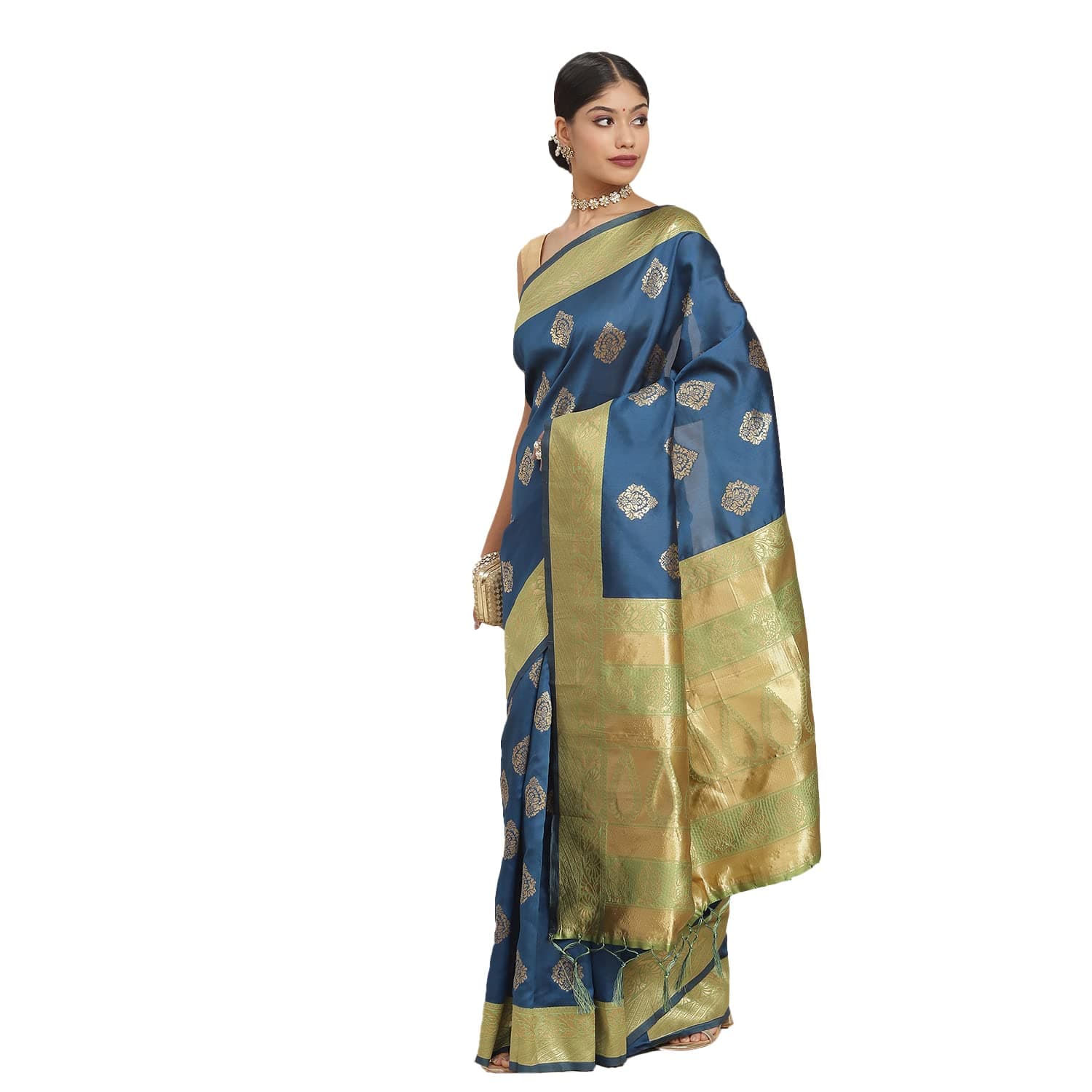 COD Available
ishin
Ishin Women's Silk Blend Teal & Green Woven Design Saree with Blouse
Only ₹499
₹999Save ₹500!
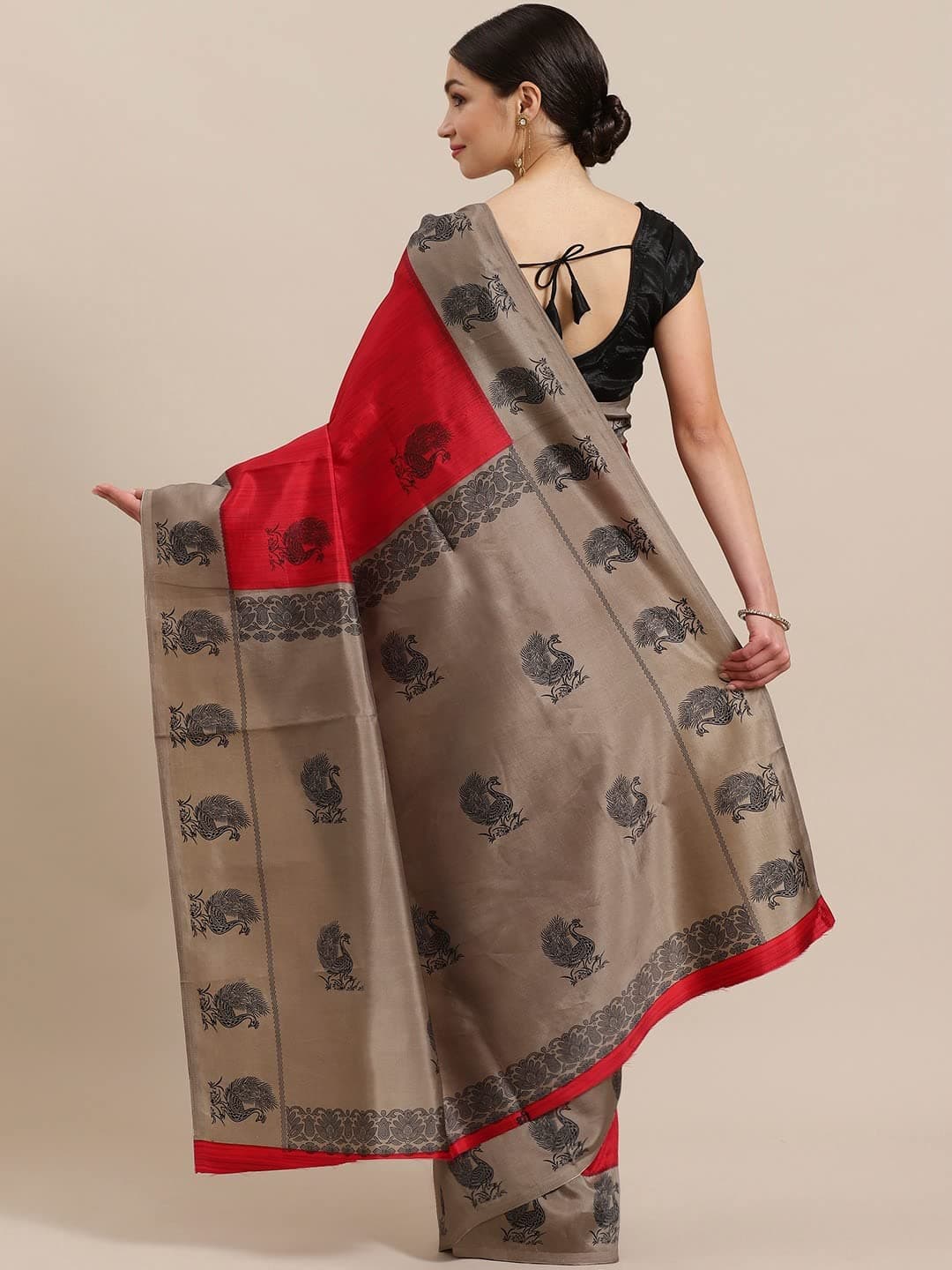 COD Available
ishin
Ishin Women's Art Silk Maroon & Taupe Printed Saree
Only ₹399
₹799Save ₹400!
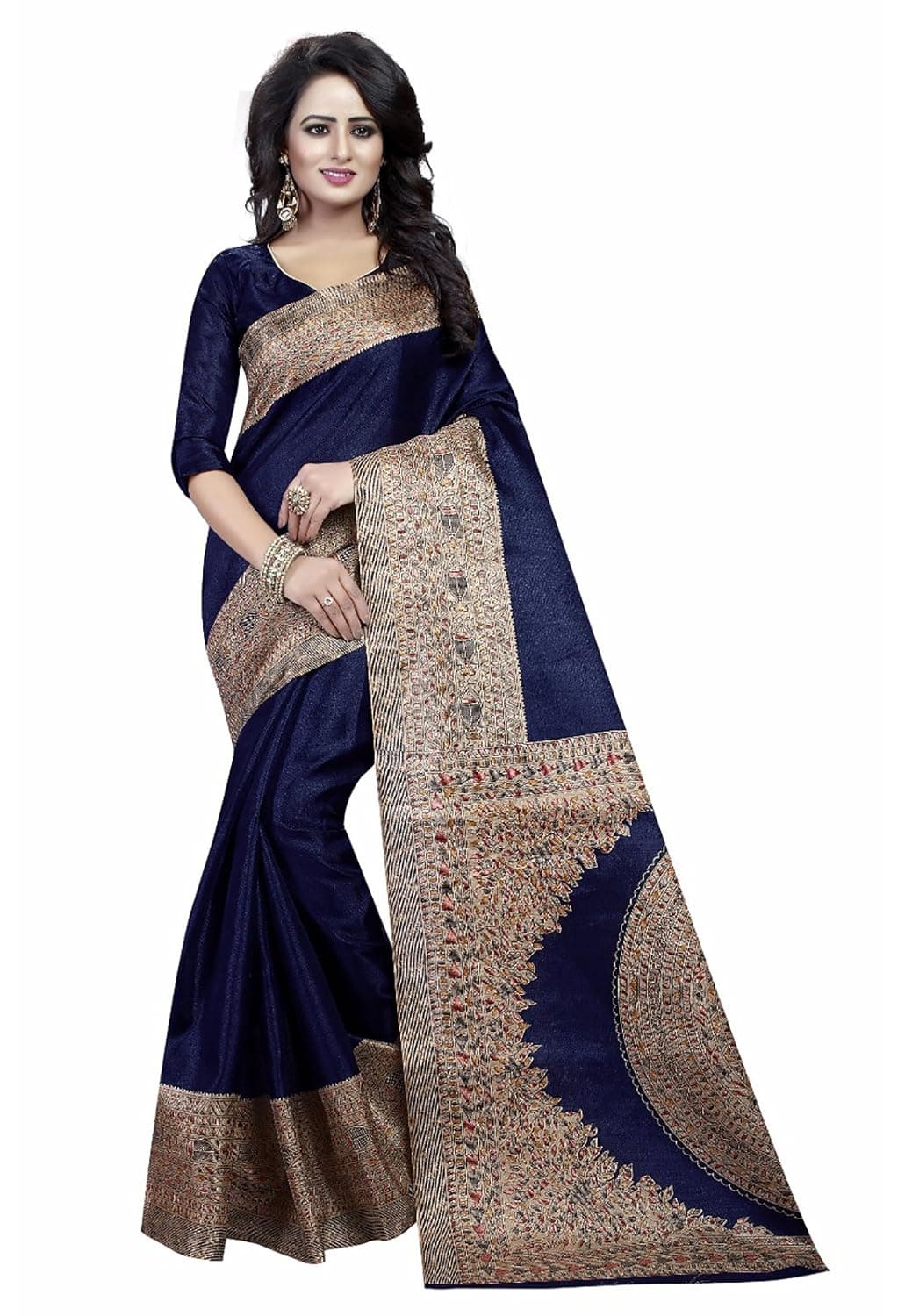 COD Available
ishin
Ishin Women's Art Silk Navy Blue Saree with Blouse Piece
Only ₹449
₹899Save ₹450!
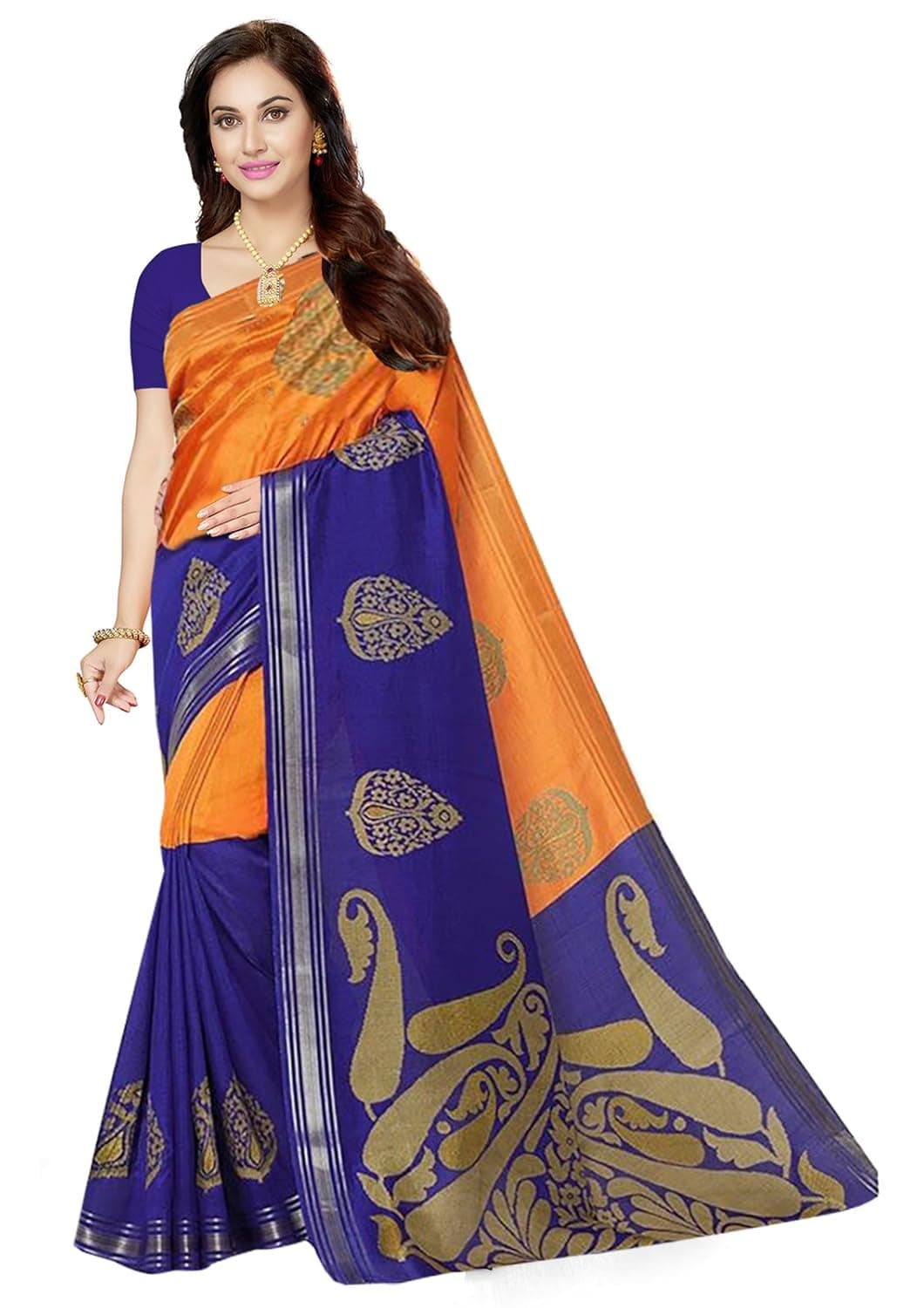 COD Available
ishin
Ishin Women's Art Silk Dark Blue & Orange Saree with Blouse
Only ₹449
₹899Save ₹450!
Jewellery for a South Indian Wedding
- South Indian temple jewellery (antique gold finish) is the most culturally resonant choice — heavy gold-tone necklaces, large jhumkas, and layered bangles.
- A maang tikka is not traditional at South Indian weddings for guests — a simple hair parting with flowers is more appropriate.
- Fresh jasmine flowers (gajra) in the hair is a beautiful and culturally appropriate choice — especially for Tamil and Kannada weddings.
- Matching stone-set jewellery (green stones with green saree, purple with purple) is a classic look.
- Avoid very modern or western jewellery — it looks out of place with a Kanjivaram silk saree.
Who Should Buy
- North Indian guests attending a South Indian wedding for the first time — a cotton-silk or art silk saree in peacock green, royal blue, or orange with a gold border is your safest and most appreciated choice.
- Guests who already own a Kanjivaram silk saree — wear it, even if it is old. It will be deeply appreciated.
- Younger guests who want to be on-trend — a Mysore silk saree in a contemporary colour with a contrast blouse is both traditional and modern.
- Guests attending a Kerala wedding — specifically look for a Kasavu saree (white and gold) to match the local tradition.
Skip If
- The South Indian wedding you are attending has a modern evening reception with a party atmosphere — in that case, the reception may follow North Indian wedding party norms and an Anarkali or lehenga is appropriate.
- The family has specified a different dress code — always follow what the family specifies over general cultural norms.
- It is a Christian South Indian wedding — Christian weddings in South India typically follow western dress codes; a saree may or may not be appropriate depending on the family.
OUR VERDICT
For a South Indian wedding, a silk saree in peacock green, purple, royal blue, or orange with a gold zari border is the single best outfit choice. A Kanjivaram silk is ideal, Mysore silk is excellent, and a cotton-silk or art silk in similar colours is a perfectly respectful budget alternative. Avoid white (except at Kerala weddings), black, and heavy North Indian bridal styling — this occasion calls for silk, gold, and understated elegance.