
| Factor | Chanderi | Maheshwari | Kota Doria |
|---|---|---|---|
| Origin | Chanderi, MP | Maheshwar, MP | Kota, Rajasthan |
| Weave structure | Silk warp, cotton weft | Silk warp, cotton weft | Cotton with silk checks (khat) |
| Fabric weight | Very light | Light to medium | Extremely light |
| Transparency | Semi-transparent, lustrous | Semi-opaque | Sheer with open weave |
| Typical price range | Rs 1,500 – Rs 25,000 | Rs 2,000 – Rs 20,000 | Rs 800 – Rs 12,000 |
| Best season | All seasons, great festive | All seasons | Summer, hot weather |
| Drape quality | Elegant, falls beautifully | Structured yet fluid | Floaty, airy |
| Care instructions | Dry clean or gentle handwash | Dry clean recommended | Handwash or dry clean |
| GI tag status | Yes | Yes | Yes |
Chanderi: The Festive Lightweight
Chanderi silk-cotton sarees have been woven in Chanderi, Madhya Pradesh for centuries and the craft remains extraordinarily refined. The weave combines a silk warp with a cotton weft, creating a fabric that is simultaneously lightweight and lustrous — you get the shimmer of silk with a breathability that pure silk doesn't offer. Chanderi sarees are identified by their characteristic shimmer, light body, and delicate butis (motifs) woven into the fabric. The borders are typically woven separately and then sewn on, with zari work being the most traditional. Prices range dramatically: a basic Chanderi can be Rs 1500, while a heavily worked Chanderi with real zari can exceed Rs 25,000. GI-tagged Chanderi is the authentic version — be wary of machine-made imitators.
Maheshwari: The Elegant All-Rounder
Maheshwari sarees, from the historic town of Maheshwar on the Narmada river, were developed by Queen Ahilyabai Holkar in the 18th century. The weave is distinctive: a reversible border (the same design visible on both sides) and a characteristic stripe-and-check body, often in silk-cotton combinations. Maheshwari fabric drapes with a structured elegance — not as floaty as Kota Doria or as shimmery as Chanderi, but beautifully balanced between the two. The double-weave border is the easiest identifier. Maheshwaris are available in pure cotton, pure silk, and silk-cotton blends. Natural-dyed Maheshwaris from established weavers are particularly prized and can hold value like art objects.
Kota Doria: The Summer Specialist
Kota Doria (or Kota Dori) is perhaps the most functional of the three fabrics — it was literally developed for Rajasthan's extreme summer heat. The fabric's defining feature is its 'khat' — a square check pattern created by intermittent silk threads in a cotton base. These squares create natural air pockets in the weave, making Kota Doria the most breathable saree fabric available. The result is an almost sheer fabric that drapes with a beautiful, airy quality. Modern Kota Doria comes in both hand-woven (from Kaithun village near Kota, the authentic source) and power-loom versions. The authentic handwoven version has a softer, more uneven texture — power-loom Kota is more uniform but lacks character.
How to Identify Authentic GI-Tagged Versions
- Chanderi: look for the Chanderi Handloom mark on the label; authentic pieces have slight irregularities in the weave visible up close
- Maheshwari: the reversible border (same pattern on both sides) is the clearest authenticator; machine-made versions have distinct front and back borders
- Kota Doria: the khat (square check) should be visible in the body fabric when held to light; authentic versions feel softer and less uniform than power-loom versions
- All three: buy from established weavers' cooperatives, NIFT-certified vendors, or platforms with GI verification claims
- Avoid pieces with bright fluorescent colours — natural and traditional dyes dominate authentic handloom production
Who Should Buy
- Choose Chanderi for festive occasions, weddings as a guest, and when you want a lightweight saree that still reads as dressy
- Choose Maheshwari for an all-season elegant wardrobe saree that transitions between daily office wear and light occasions
- Choose Kota Doria for summer functions, outdoor events, and day-to-day wear when breathability is the top priority
- Choose Maheshwari as your first investment handloom saree — it's the most versatile of the three
Skip If
- Skip Chanderi for very formal evening events — its light weight and shimmer can read as under-dressed at very formal dinners or receptions
- Skip Kota Doria for evening events in air-conditioned settings — the sheer fabric can feel too casual for formal evening occasions
- Skip machine-made versions of all three for purchase as gifts or collector pieces — the GI-tagged handloom originals are in a different quality class
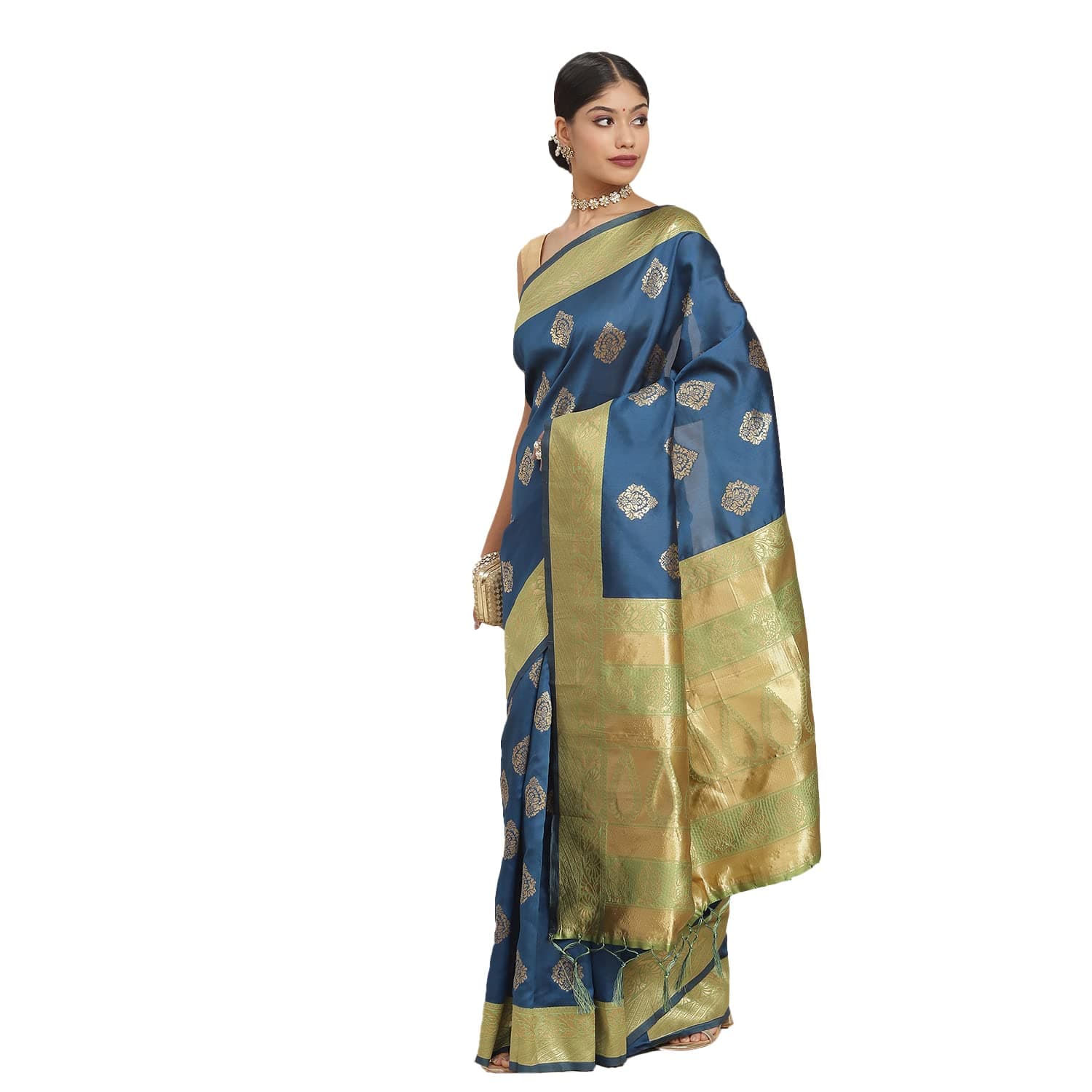 COD Available
ishin
Ishin Women's Silk Blend Teal & Green Woven Design Saree with Blouse
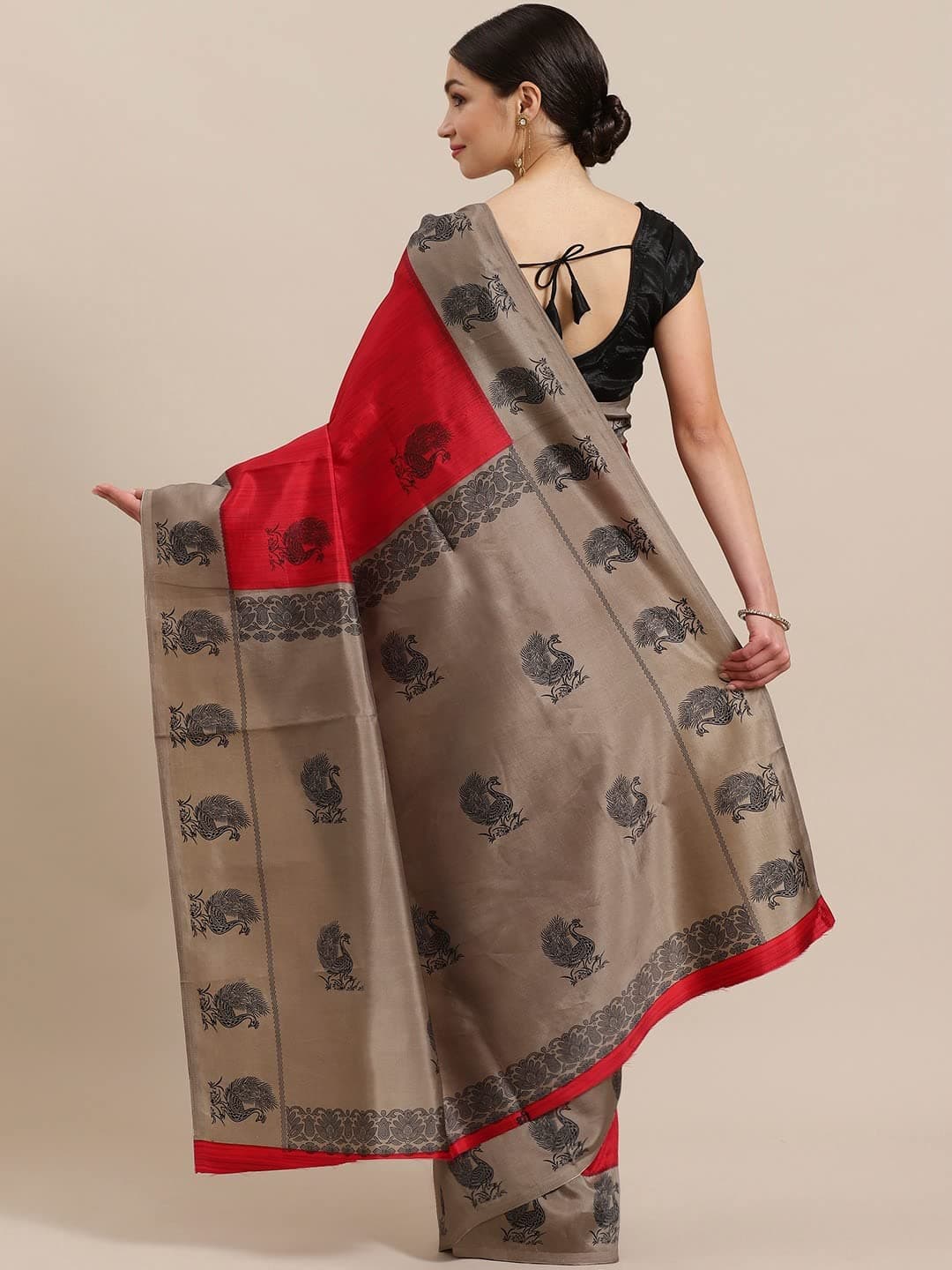 COD Available
ishin
Ishin Women's Art Silk Maroon & Taupe Printed Saree
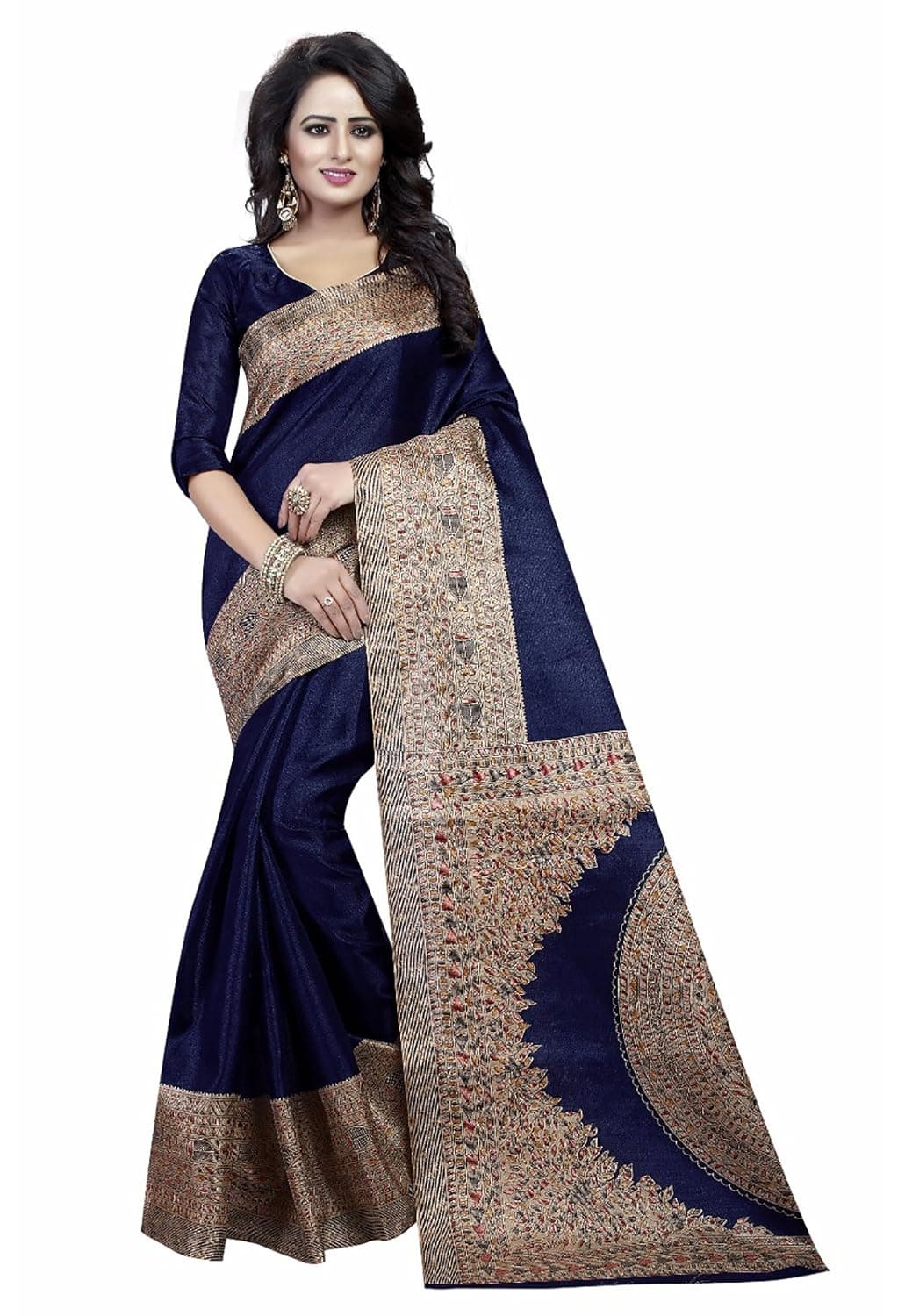 COD Available
ishin
Ishin Women's Art Silk Navy Blue Saree with Blouse Piece
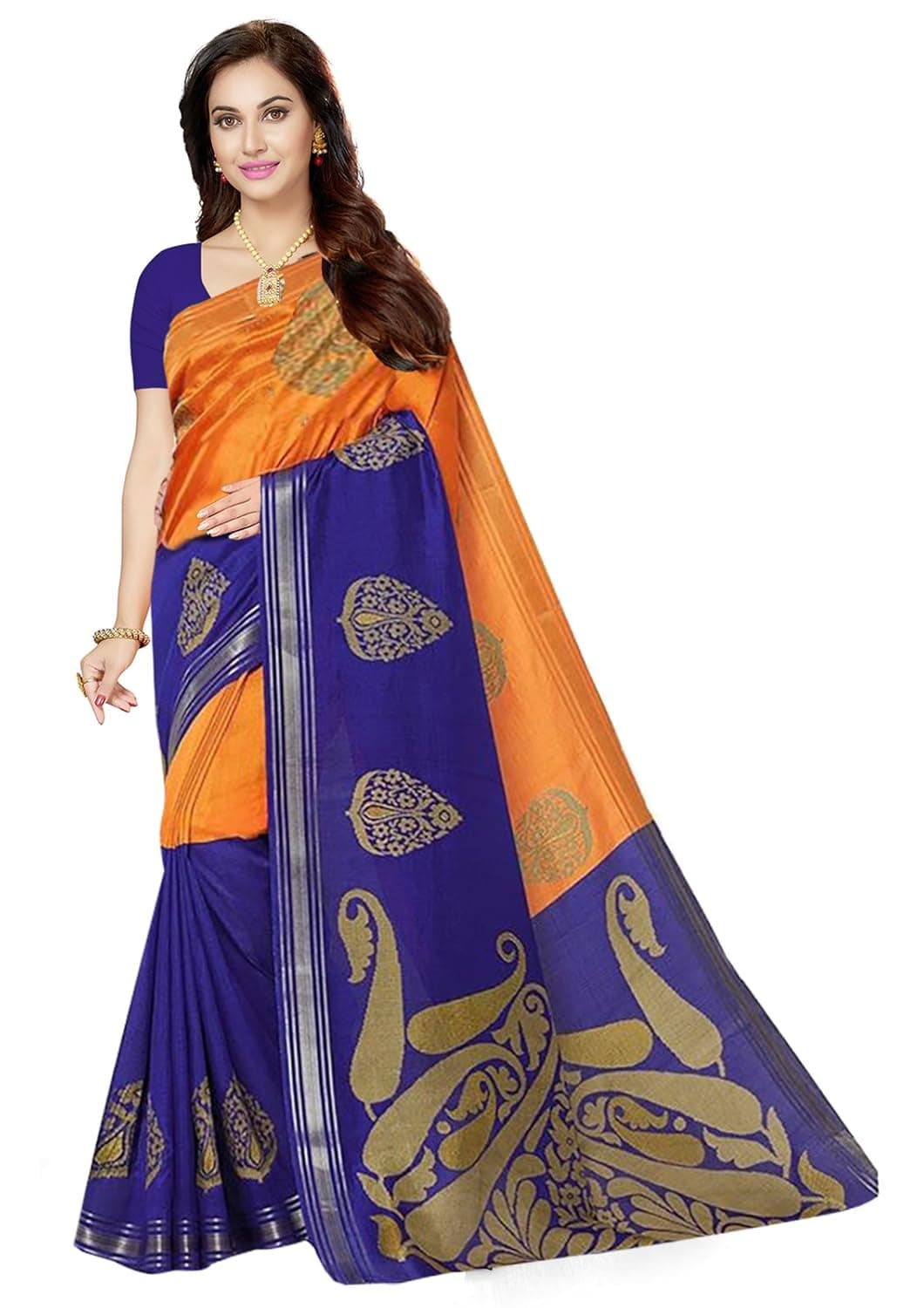 COD Available
ishin
Ishin Women's Art Silk Dark Blue & Orange Saree with Blouse
OUR VERDICT
Chanderi, Maheshwari, and Kota Doria are not competitors — they're complementary. A well-rounded saree wardrobe benefits from all three: Kota Doria for summer daily wear, Maheshwari for year-round elegance, and Chanderi for occasions that deserve shimmer without the weight of pure silk. Any of the three is a better investment than generic synthetic sarees at comparable prices.