
| Factor | Cotton | Silk | Georgette |
|---|---|---|---|
| Comfort (hot weather) | Excellent | Good (pure silk breathes) | Good |
| Drape quality | Stiff, holds pleats well | Rich, heavy drape | Fluid, floaty |
| Occasion suitability | Daily, casual, office | Weddings, festivals, formal | Parties, semi-formal, festive |
| Price range | Rs 500 – Rs 15,000 | Rs 2,500 – Rs 2,00,000+ | Rs 800 – Rs 25,000 |
| Maintenance | Easy — machine washable | Dry clean recommended | Gentle wash or dry clean |
| Longevity | Very good | Exceptional (heirloom) | Good |
| Draping ease | Moderate — needs starching | Requires practice | Easy — forgiving fabric |
| Weight | Light to medium | Medium to heavy | Very light |
Cotton Sarees: The Everyday Essential
Cotton sarees are the backbone of Indian textile culture and for good reason — they breathe beautifully in India's hot climate, they're machine washable, and they age gracefully. Handloom cotton sarees from regions like Mangalagiri (Andhra Pradesh), Pochampally (Telangana), and Tant (West Bengal) have incredibly rich weave traditions. A good handloom cotton saree in the Rs 1500–Rs 8000 range will last decades with proper care. The limitation of cotton is formal dressing: even beautiful handloom cotton looks understated at weddings or evening events. Starch your cotton sarees before wearing — it helps the pleats stay sharp and gives a cleaner silhouette.
Silk Sarees: The Occasion Essential
Silk sarees are an entirely different category of garment. Pure silk — Kanjeevaram, Banarasi, Paithani, Dharmavaram — is not just fabric, it's heritage. A well-made pure silk saree carries zari (gold or silver threads), complex woven motifs, and a weight and drape that no other fabric can replicate. Silk breathes surprisingly well (pure silk, not synthetic), but the weight and structure require practice in draping. The price range is vast: a plain silk crepe saree might be Rs 2500, while a pure Kanjeevaram with heavy zari work can be Rs 1–2 lakh. The key distinction to know: pure silk vs art silk. Art silk (polyester satin that mimics silk) is much cheaper but doesn't have the same feel, drape, or longevity.
Georgette Sarees: The Versatile Middle Ground
Georgette is the saree fabric for women who love the look of a saree without its maintenance demands. Georgette drapes with a beautiful floaty quality — it moves naturally with your body and is far more forgiving for beginners than cotton or silk. Chiffon georgette (very lightweight) and heavier georgette behave differently; the heavier varieties hold pleats better and look more formal. Georgette sarees with embellishments — zari border, sequin work, digital print — photograph exceptionally well and work across a wide range of occasions. The downside: georgette clings to itself and can be fiddly to pleat initially, and pure georgette needs careful washing to avoid shrinkage.
Fabric Blends: When the Categories Mix
Some of the best-value sarees in 2026 are blended fabrics. Cotton-silk blends (like Bhagalpuri silk-cotton) give you the comfort of cotton and some of silk's lustre at Rs 1800–Rs 5000. Georgette-chiffon blends drape more beautifully than pure georgette. Viscose-georgette has become popular for digital print sarees — it's lightweight, drapes well, and takes vibrant printing. Understanding what's in the blend helps you predict how a saree will behave, feel, and wash.
Which Saree for Which Occasion?
- Daily office wear: handloom cotton, linen, or cotton-silk blend
- Casual festive event (puja, small family function): cotton with zari border or Chanderi cotton
- Cocktail party or reception: heavy georgette or chiffon with embellishments
- Wedding as guest: Banarasi georgette, tissue silk, or Bhagalpuri silk
- As the bride: Kanjeevaram, Banarasi, or Paithani pure silk — nothing else compares
- Formal corporate event: pure silk crepe or muga silk in muted tones
Who Should Buy
- Choose cotton if you're building a daily-wear saree wardrobe for hot Indian weather
- Choose silk for weddings, bridal wear, or occasions where tradition and presence matter most
- Choose georgette if you're new to wearing sarees — it's the most forgiving fabric to drape and manage
- Choose silk-cotton blends if you want festive-appropriate sarees that still breathe well
Skip If
- Skip heavy pure silk sarees for outdoor daytime events in summer — the weight and heat are exhausting
- Skip 100% polyester 'art silk' sarees for any significant occasion — they don't photograph or drape like real silk
- Skip lightweight chiffon georgette for evening events with wind — the fabric can become hard to manage
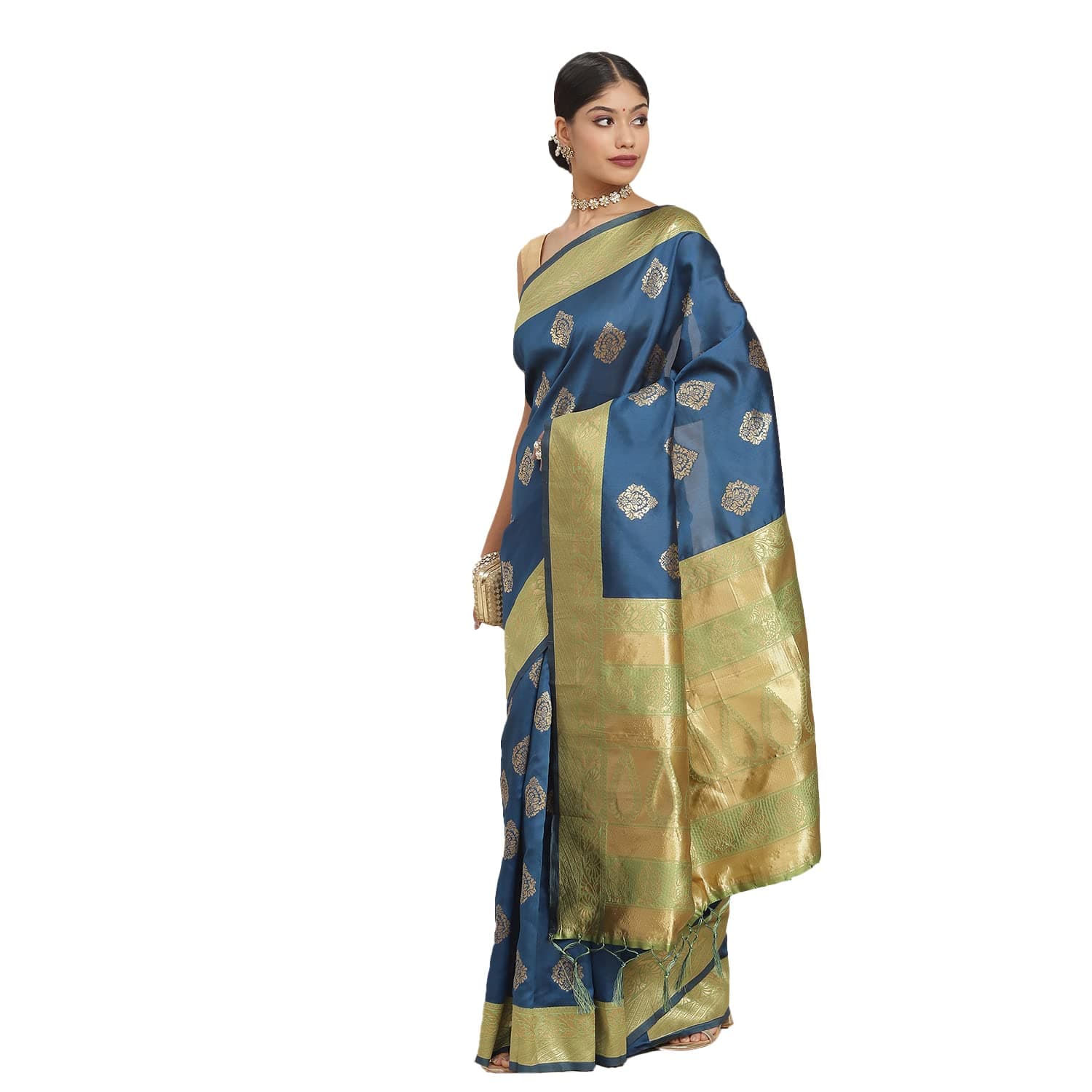 COD Available
ishin
Ishin Women's Silk Blend Teal & Green Woven Design Saree with Blouse
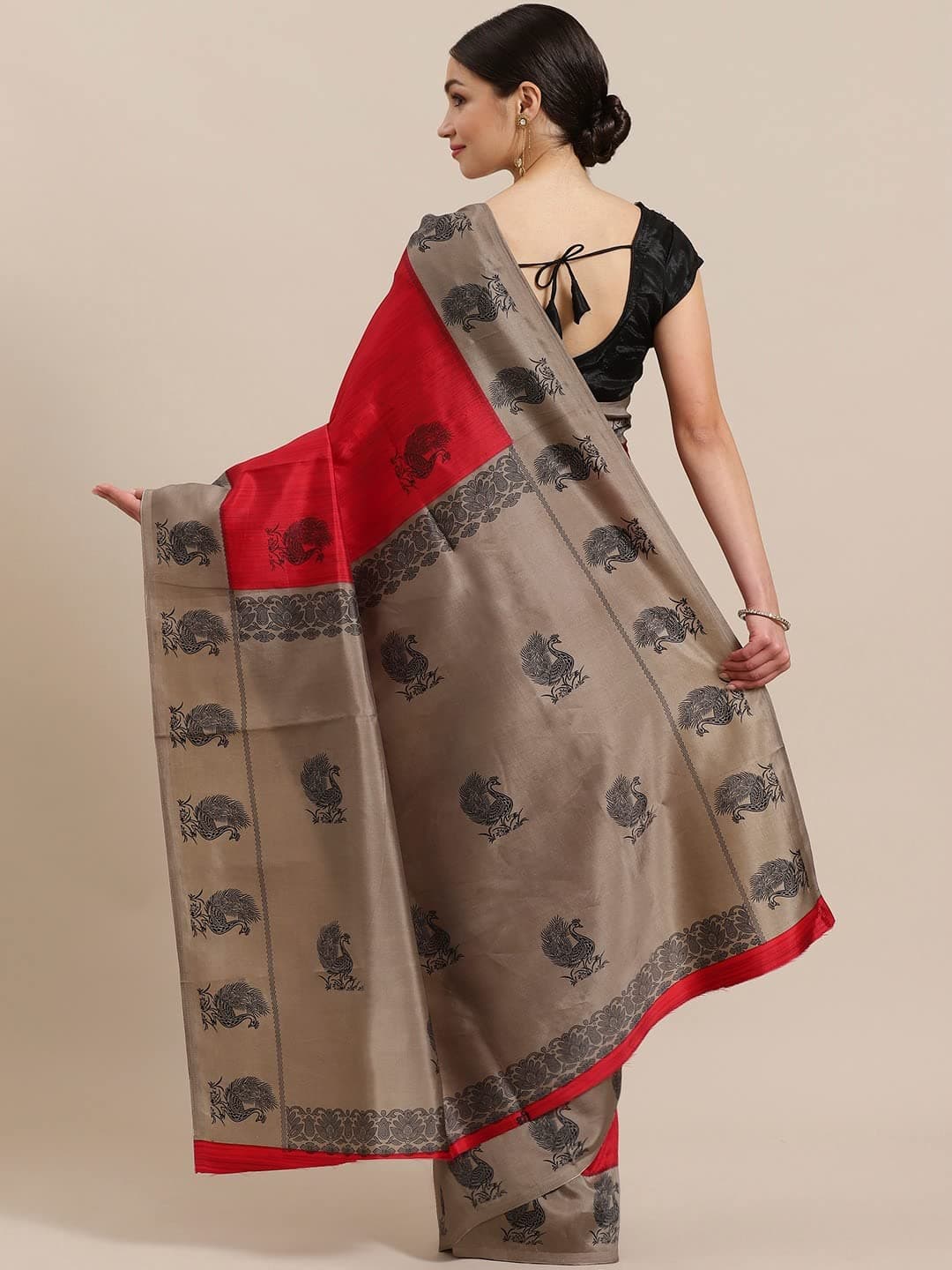 COD Available
ishin
Ishin Women's Art Silk Maroon & Taupe Printed Saree
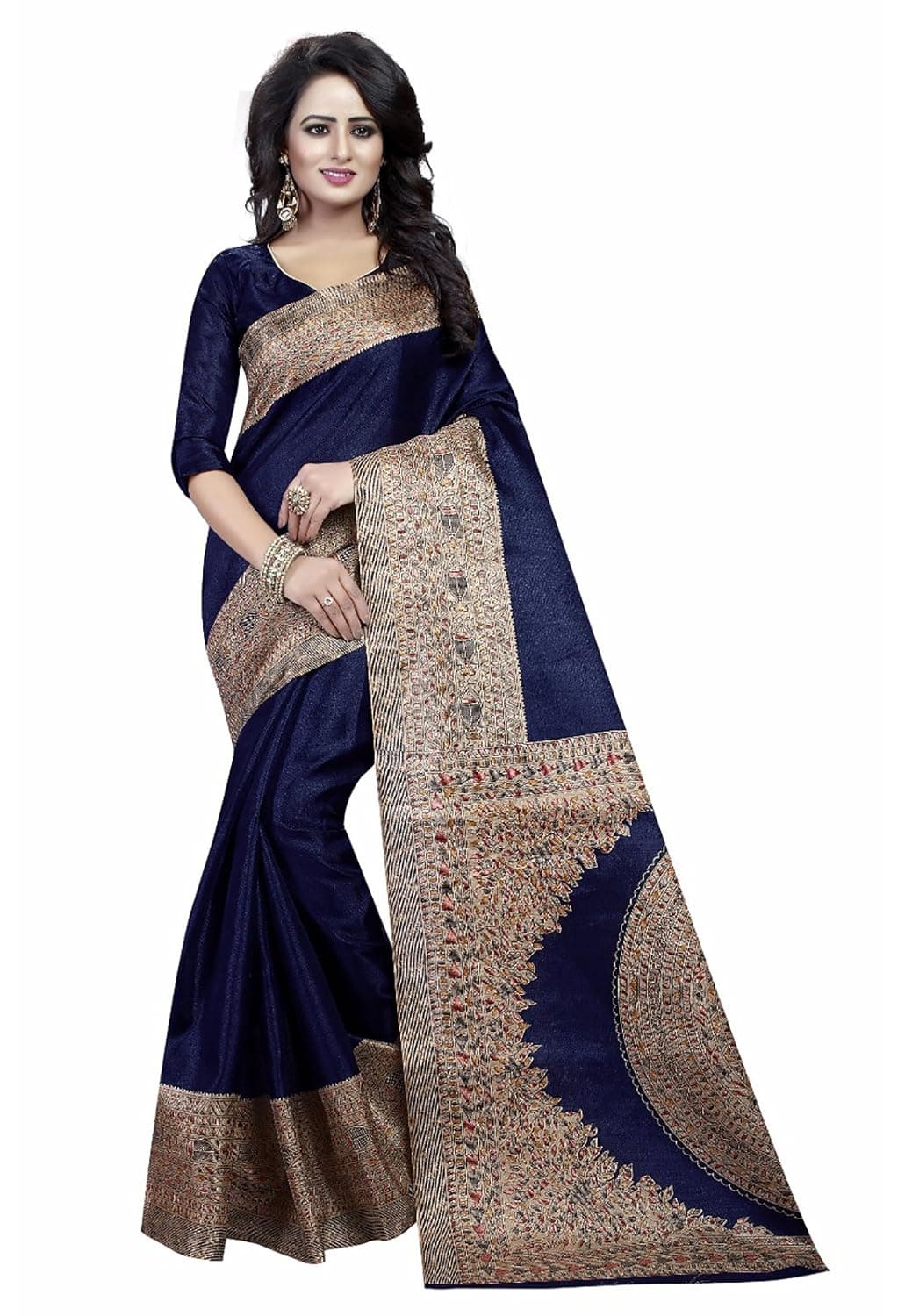 COD Available
ishin
Ishin Women's Art Silk Navy Blue Saree with Blouse Piece
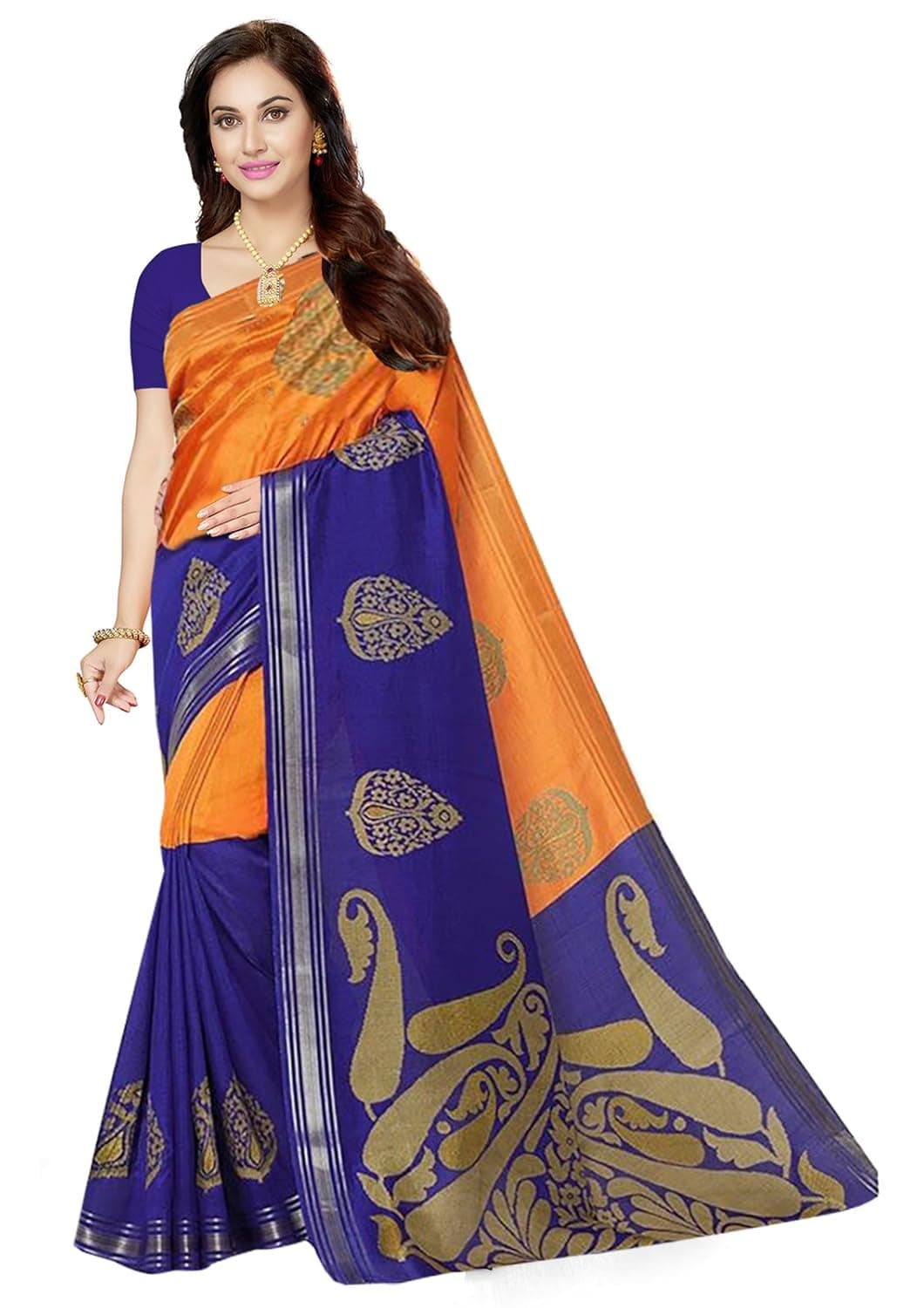 COD Available
ishin
Ishin Women's Art Silk Dark Blue & Orange Saree with Blouse
OUR VERDICT
Cotton, silk, and georgette are not interchangeable — they serve different purposes, occasions, and body types. Every Indian woman's wardrobe benefits from having at least one of each: a trusted everyday cotton, a beautiful occasion silk, and a versatile georgette for everything in between. The fabric you choose shapes not just how you look but how you feel, so understanding these differences before buying makes every rupee count more.