
| Factor | Kanjeevaram | Banarasi | Patola |
|---|---|---|---|
| Origin | Kanchipuram, Tamil Nadu | Varanasi, Uttar Pradesh | Patan, Gujarat |
| Weave technique | Korvai — body and border woven separately | Brocade — float weaving with supplementary wefts | Double ikat — both warp and weft pre-dyed |
| Weight | Very heavy (600–900g) | Medium-heavy (400–700g) | Medium (350–550g) |
| Zari type | Heavy real or copper zari | Intricate real/metallic zari brocade | Minimal/no zari — pattern is the focus |
| Price range (authentic) | Rs 8,000 – Rs 3,00,000+ | Rs 5,000 – Rs 2,50,000+ | Rs 40,000 – Rs 5,00,000+ |
| GI tag | Yes | Yes | Yes |
| Best wedding use | South Indian bridal, family heirloom | North/Central Indian bridal, reception | Gujarati bridal, rare collector heirloom |
| Longevity | Exceptional — 100+ years | Very good — 50–100 years | Exceptional — 100+ years |
Kanjeevaram: The South Indian Bridal Icon
Kanjeevaram (also spelled Kanjivaram) silk sarees are woven in Kanchipuram, Tamil Nadu, and have been the non-negotiable bridal silk for South Indian weddings for centuries. The defining characteristics: mulberry silk threads that are heavier than regular silk, a body and border woven separately and joined during weaving (the 'korvai' technique), and heavy zari work using real gold or copper-plated silver threads. A genuine Kanchipuram silk has a distinctive weight and stiffness — when you pick it up, it practically stands on its own. The colour palette is bold: deep reds, rich jewel tones, and the traditional combination of contrasting body and border colours. Prices for authentic, weaver-made Kanjeevarams range from Rs 8000 for simpler pieces to Rs 3 lakh+ for heavily worked, real-zari heritage pieces.
Banarasi: North India's Wedding Silk
Banarasi silk sarees from Varanasi represent a distinct and equally magnificent weaving tradition. Where Kanjeevaram's strength is in its weight and structural zari work, Banarasi's strength is in its extraordinarily complex brocade motifs — delicate paisleys, intricate floral jals, and Mughal-inspired patterns worked in gold and silver threads. Banarasi silk drapes more fluidly than Kanjeevaram, making it easier to manage and more comfortable for long wedding ceremonies. The range of Banarasi sarees is wide: pure silk Banarasi, organza Banarasi, Katan silk Banarasi, and georgette Banarasi — each with a different weight and drape. Authentic Varanasi-woven Banarasi carries a GI tag and is identified by the density and precision of its brocade work.
Patola: India's Most Precious Woven Textile
Patola sarees from Patan, Gujarat are in a category of their own. The double-ikat technique — where both warp and weft threads are individually tie-dyed before weaving begins — is so complex and time-consuming that only a handful of families in Patan (primarily the Salvi family) still practice it. A genuine Patan Patola can take 4–6 months to produce. The resulting fabric has a characteristic geometric interlocking pattern that looks identical on both sides of the fabric — no right or wrong side. Patola is a Gujarati bridal tradition but has become a serious collector's textile internationally. Authentic Patan Patola starts at Rs 40,000 for smaller pieces and reaches Rs 5 lakh+ for full sarees with elaborate designs. Rajkot Patola (a single-ikat imitation) is available from Rs 2000–Rs 15,000 but is a different, less precious textile.
Authenticating These Sarees: What to Look For
- Kanjeevaram: look for the Silk Mark label + GI tag; check that the border and body are woven in contrasting colours (korvai technique); real zari tarnishes slightly with age but doesn't turn green like fake zari
- Banarasi: look for the GI Handloom Mark; authentic brocade appears identical on the underside (the 'kadwa' technique) or has consistent reverse floating threads; machine-made versions have less precise motif edges
- Patola: genuine Patan Patola is identical on both sides of the fabric — run your finger along both sides of a pattern edge; Rajkot imitations are not reversible
- All three: buy from established retailers (Nalli, Pothys, Kanjivaram Silks), weaver cooperatives, or NIFT-certified vendors
- Beware of 'art silk' (polyester) versions sold with these regional names — the burn test (silk smells like hair, polyester melts) is definitive
Who Should Buy
- Choose Kanjeevaram if you're a South Indian bride, if your wedding traditions call for it, or if you want the most structured, prestige-heavy silk saree
- Choose Banarasi for North or Central Indian weddings, for brides who want beautiful embroidery with a softer drape than Kanjeevaram
- Choose Patola if you're from Gujarat or want a one-in-a-lifetime collector textile that will last generations
- Choose Banarasi for gifting — it's the most widely gifted and appreciated of the three across India's diverse regional traditions
Skip If
- Skip heavily priced versions without a GI tag or Silk Mark from unverified sellers — the counterfeit market for all three is substantial
- Skip Kanjeevaram if you want a lightweight bridal saree — the weight is genuinely significant for a long ceremony day
- Skip buying any of the three without seeing in person first for purchase above Rs 25,000 — fabric, colour accuracy, and zari quality cannot be fully assessed from photographs
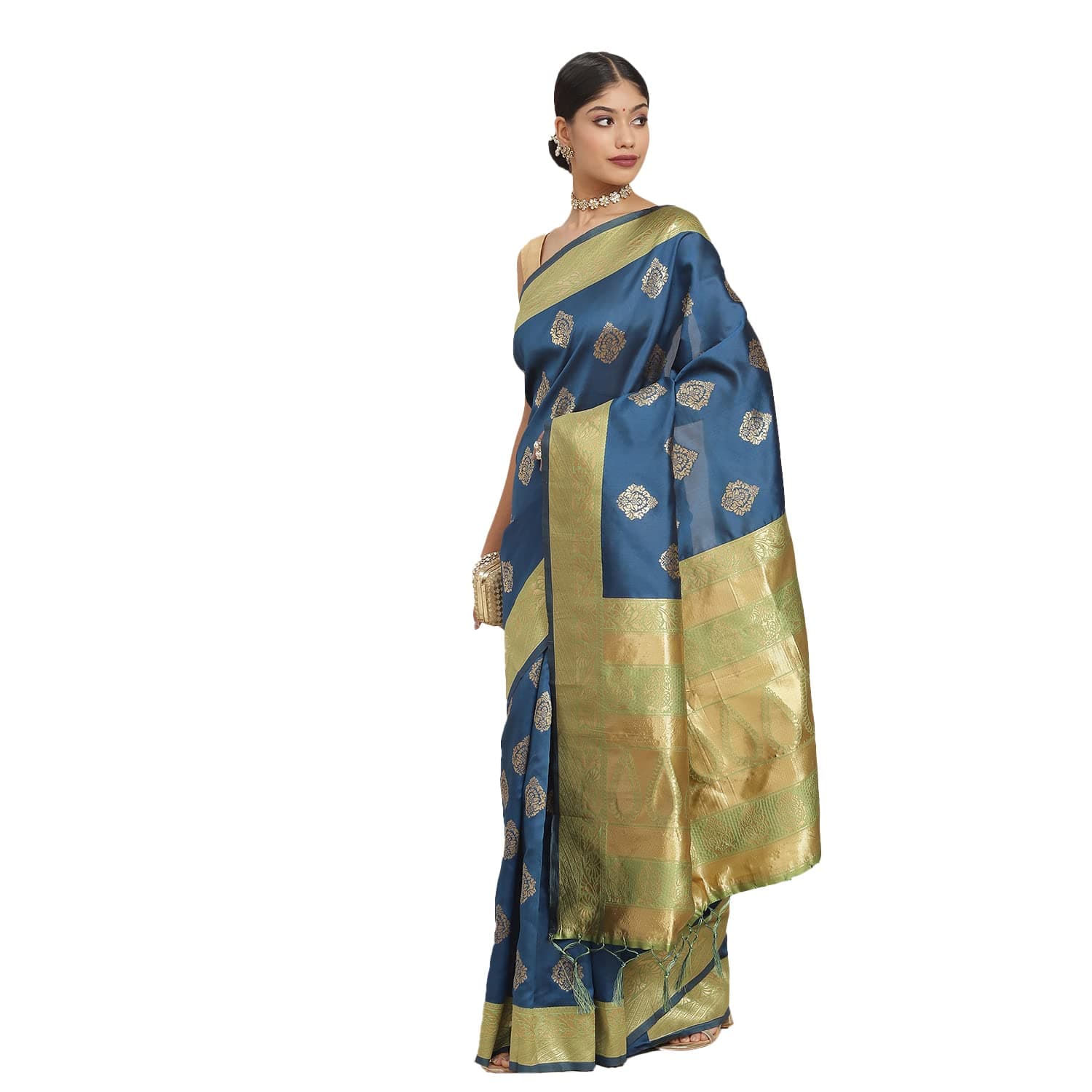 COD Available
ishin
Ishin Women's Silk Blend Teal & Green Woven Design Saree with Blouse
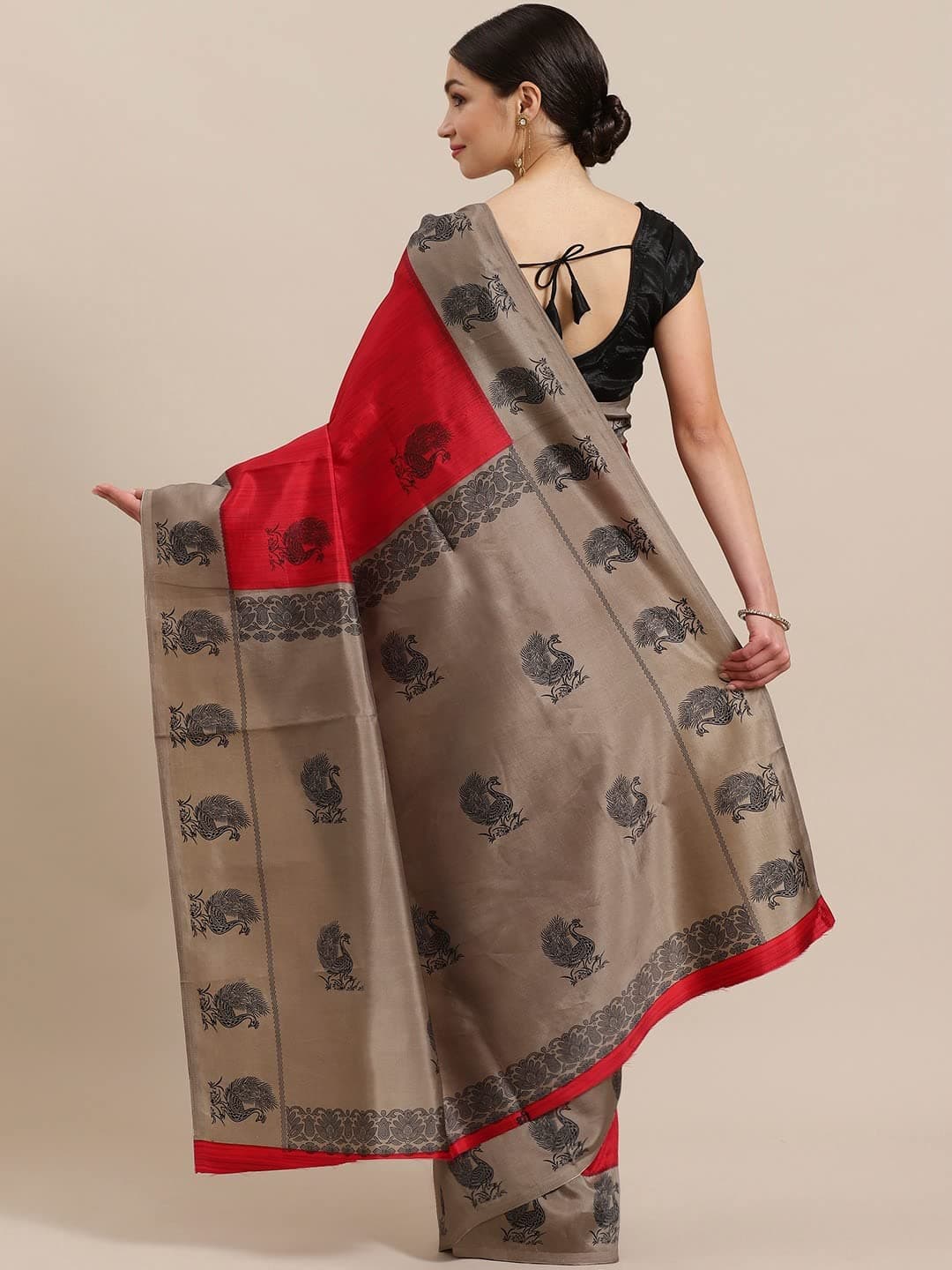 COD Available
ishin
Ishin Women's Art Silk Maroon & Taupe Printed Saree
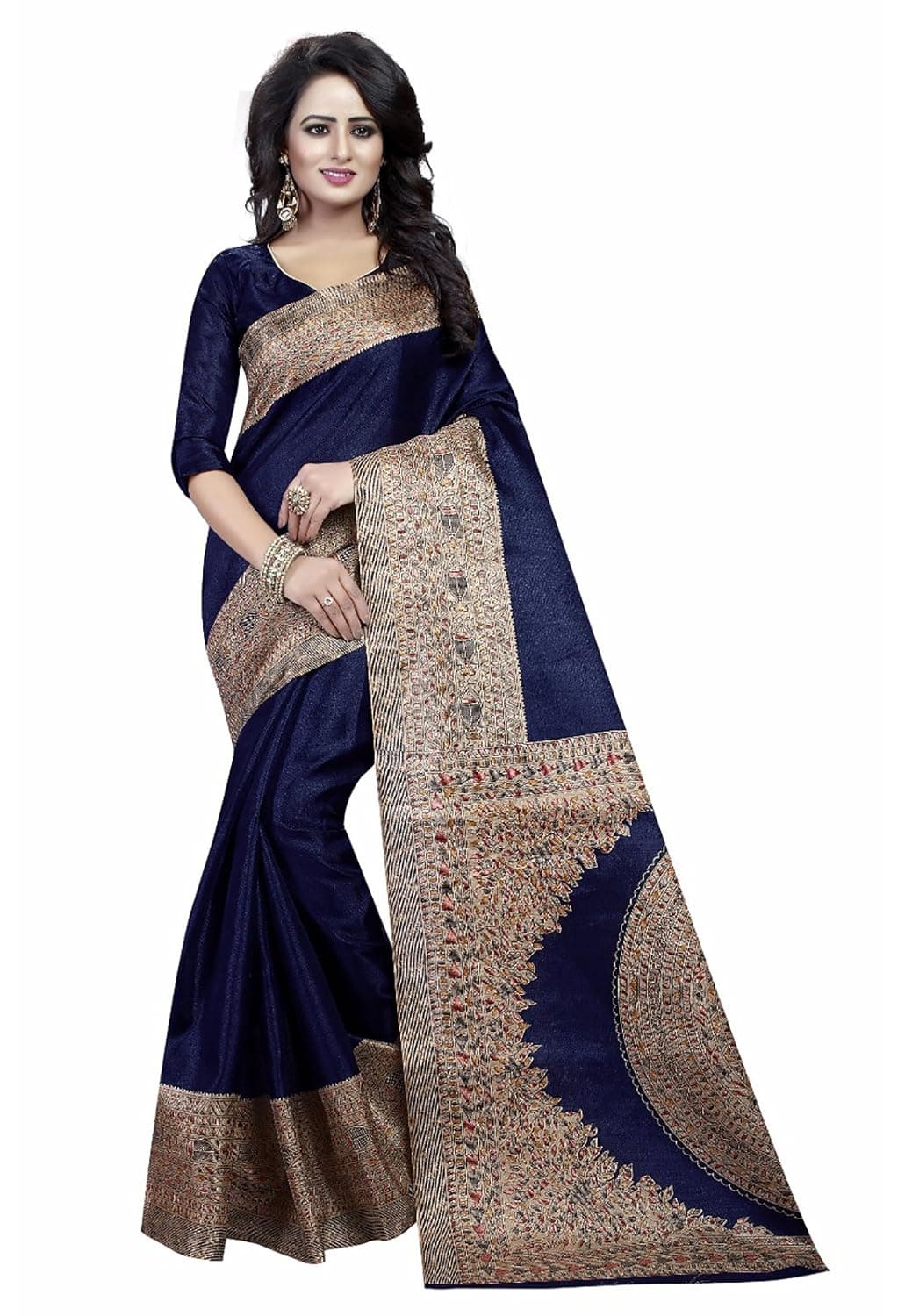 COD Available
ishin
Ishin Women's Art Silk Navy Blue Saree with Blouse Piece
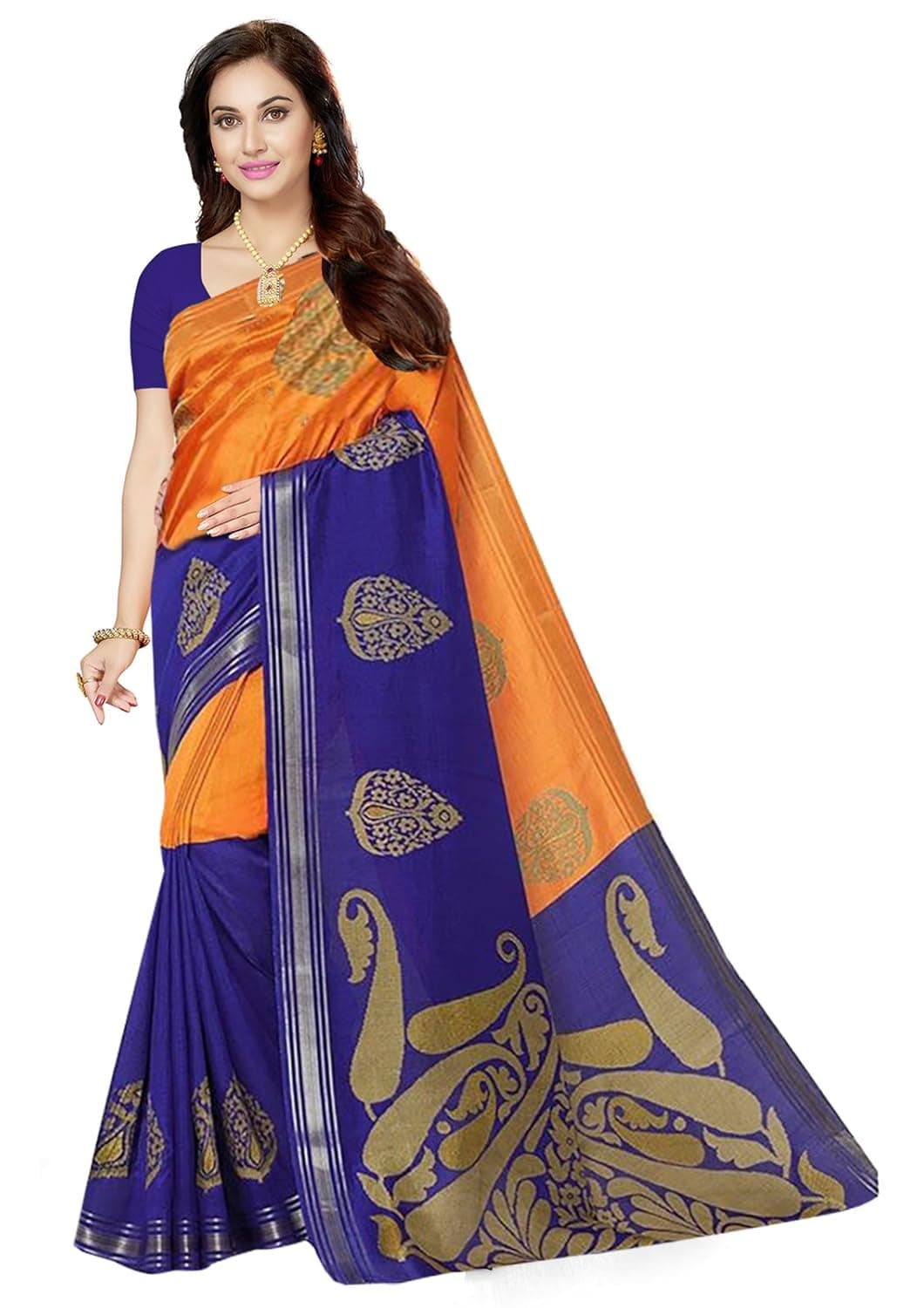 COD Available
ishin
Ishin Women's Art Silk Dark Blue & Orange Saree with Blouse
OUR VERDICT
Kanjeevaram, Banarasi, and Patola are not comparable in any simple ranking — they represent three distinct peaks of Indian weaving tradition. Kanjeevaram for the South Indian bride seeking structural grandeur. Banarasi for the North Indian bride wanting intricate beauty with a softer drape. Patola for anyone seeking India's most precious woven heirloom. Any of the three, purchased authentically, is not just a saree — it is a cultural inheritance.