
| Fabric | Type | Breathability | Drape | Typical Price (saree) | Best Occasion |
|---|---|---|---|---|---|
| Banarasi Silk | Natural silk | Moderate | Excellent | Rs 3,000–50,000+ | Weddings, religious |
| Kanjivaram Silk | Natural silk | Moderate | Heavy, structured | Rs 8,000–1,00,000+ | Weddings, formal |
| Tussar Silk | Wild silk | Good | Natural, textured | Rs 2,000–15,000 | Casual, office |
| Mulmul/Muslin | Natural cotton | Exceptional | Fluid, light | Rs 400–1,500 | Daily, summer |
| Kota Doria | Cotton-silk blend | Excellent | Light, open-weave | Rs 900–3,000 | Daily, summer, casual |
| Chiffon | Synthetic (usually) | Moderate | Flowing, lightweight | Rs 400–2,000 | Evening, party |
| Georgette | Synthetic (usually) | Low-Moderate | Good, holds shape | Rs 400–3,000 | Festive, all-day |
| Crepe | Synthetic | Low | Structured | Rs 600–2,500 | Office, formal |
SILK FABRICS: The Royal Category
Banarasi Silk
Banarasi silk, woven in Varanasi, Uttar Pradesh, is India's most celebrated saree fabric. The distinctive feature is the woven zari (gold or silver metal thread) work creating floral, paisley, and architectural motifs. Real Banarasi silk has a GI (Geographical Indication) tag — always ask for it when buying expensive pieces. At Rs 3,000–8,000, you're getting art silk (synthetic) or thin-silk Banarasi; genuine heavy pure silk Banarasi starts at Rs 15,000–20,000. Both look beautiful — just don't pay pure-silk prices for art silk.
Kanjivaram (Kanchipuram) Silk
Kanjivaram silk from Tamil Nadu is the heaviest Indian silk — these sarees can weigh 800–1200 grams, compared to a cotton saree's 300–400 grams. The distinctive feature is the independently woven body and border (you can see the join if you look closely). Real Kanjivaram starts at Rs 8,000 and extends to Rs 1,00,000+ for museum-quality pieces. Sub-Rs 5,000 'Kanjivarams' are always synthetic prints — beautiful but not the real thing.
Tussar (Tasar) Silk
Tussar is wild silk — cocoons from wild silkworms rather than farmed ones — which gives it a distinctive natural, textured appearance and a slightly coarser hand compared to cultivated silk. It has natural earth tones and takes colour differently from cultivated silk — the results are uniquely organic-looking. More breathable than cultivated silk and easier to care for. Excellent for office and casual occasions at Rs 2,000–8,000.
Chanderi and Maheshwari
Chanderi (from Chanderi, Madhya Pradesh) and Maheshwari (from Maheshwar, MP) are siblings — both are cotton-silk blends with a distinct transparency and subtle sheen. Chanderi has a slightly glossier, more delicate texture; Maheshwari is slightly more structured and has characteristic gold border work. Both are perfect for office and semi-formal occasions. Price: Rs 1,000–4,000 for authentic pieces.
COTTON FABRICS: The Working Wardrobe
Mulmul (Muslin)
Mulmul is the world's finest cotton fabric — at its peak in Dhaka muslin, a single saree could pass through a ring. Modern mulmul at Rs 400–1,000 is not that fine but retains the essential quality: extreme lightness and breathability. It wrinkles easily and needs regular pressing but is incomparably comfortable in heat. Best for daily summer wear and casual occasions.
South Cotton and Kerala Cotton
South cotton sarees (predominantly from Tamil Nadu and Andhra Pradesh) are medium-weight, tightly woven cotton sarees known for their durability and machine washability. Kerala cotton (kasavu sarees) have the distinctive white fabric with gold zari border — traditional and dignified for daily and formal traditional wear. Both are excellent daily-wear choices at Rs 500–1,200.
Khadi
Khadi is hand-spun, hand-woven cotton — the fabric of India's independence movement. It has a distinctive slightly rough, textured hand that softens with each wash. Genuinely breathable, durable, and the only truly sustainable fabric on this list. Supports artisan livelihoods. Price: Rs 600–2,000 for sarees, Rs 400–1,200 for kurta fabric. The texture is not for everyone but khadi enthusiasts are famously devoted.
SYNTHETIC FABRICS: The Practical Options
Georgette
Georgette is typically polyester (sometimes silk) with a slightly crepe-like surface texture created by twisting yarns in opposite directions. It has good drape, resists wrinkles, and holds embellishments well — which is why most embroidered and printed festive sarees and kurtas use georgette. It's less breathable than cotton but is the best all-day festive fabric if you're going from function to function. Price: Rs 400–3,000 for synthetic, Rs 3,000–15,000+ for silk georgette.
Chiffon
Chiffon is a sheer, lightweight plain-weave fabric — usually polyester, occasionally silk. It's floaty, delicate-looking, and beautiful for evening and party wear. The sheer quality means most chiffon sarees need a petticoat and blouse that contribute to the overall opacity. It's more delicate than georgette and should be hand-washed. Price: Rs 400–2,000 for polyester, Rs 4,000–20,000 for pure silk chiffon.
Rayon and Viscose
Rayon and viscose are semi-synthetic fabrics made from processed plant cellulose — they behave somewhere between cotton and synthetics. They drape well, have a slight sheen, and feel comfortable in moderate heat. At Rs 300–800 per kurta, they represent excellent value for daily wear. The downside: they wrinkle more than polyester, shrink if not cared for carefully, and degrade faster than cotton with frequent washing.
Who Should Buy
- First-time saree or ethnic wear buyers who want to understand what they're buying before investing
- Anyone who has been disappointed by online ethnic wear purchases and wants to understand why
- Fashion content creators and boutique owners who want to give informed product descriptions
- Gift buyers who want to purchase meaningful fabric-specific items rather than just 'a saree'
Skip If
- You already know your fabrics thoroughly — this guide is a foundation level reference
- You only wear one specific type of outfit and fabric — the breadth here may not be relevant
- You prefer to learn fabric properties through touching physical samples — no written guide fully replaces handling real fabric
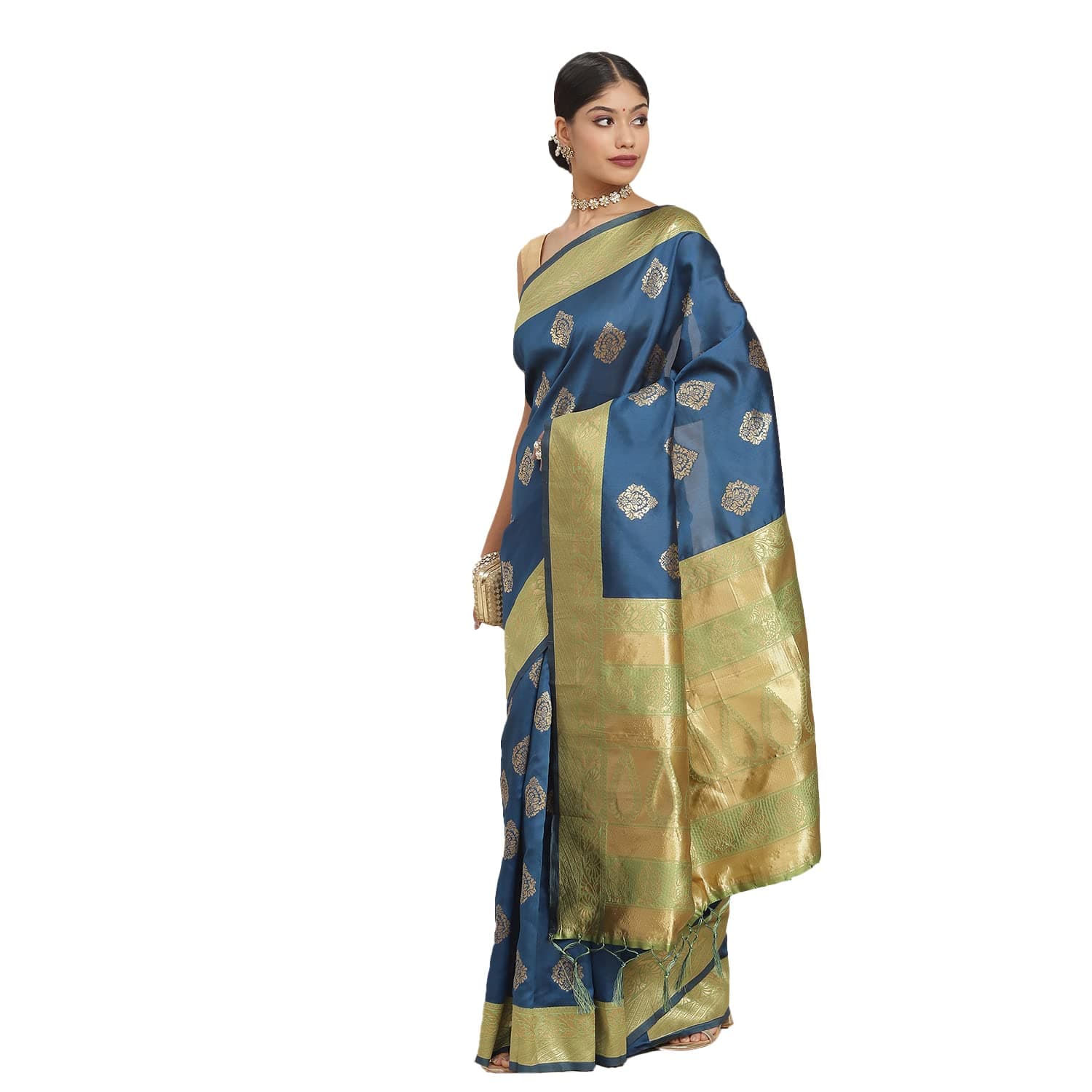 COD Available
ishin
Ishin Women's Silk Blend Teal & Green Woven Design Saree with Blouse
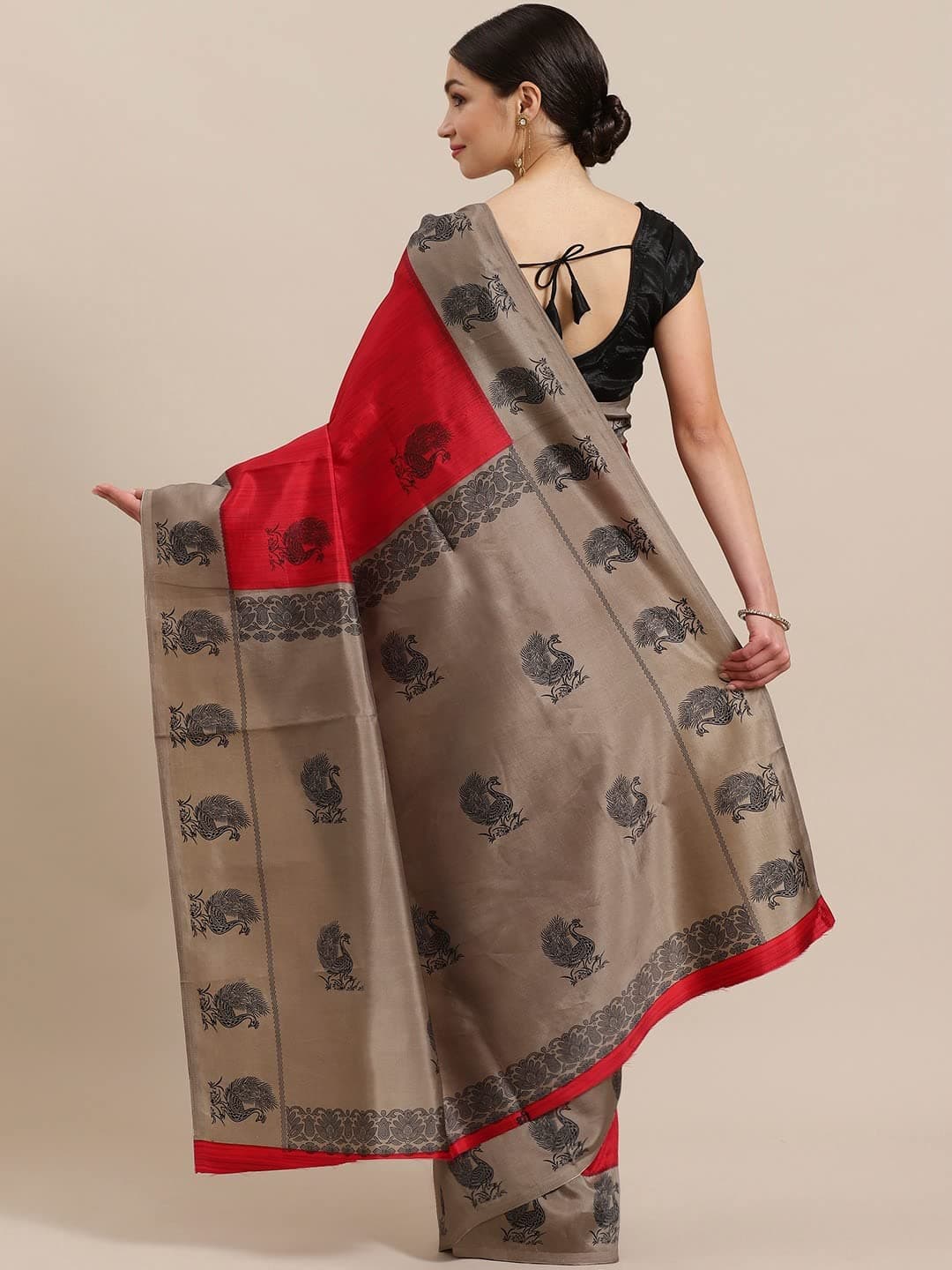 COD Available
ishin
Ishin Women's Art Silk Maroon & Taupe Printed Saree
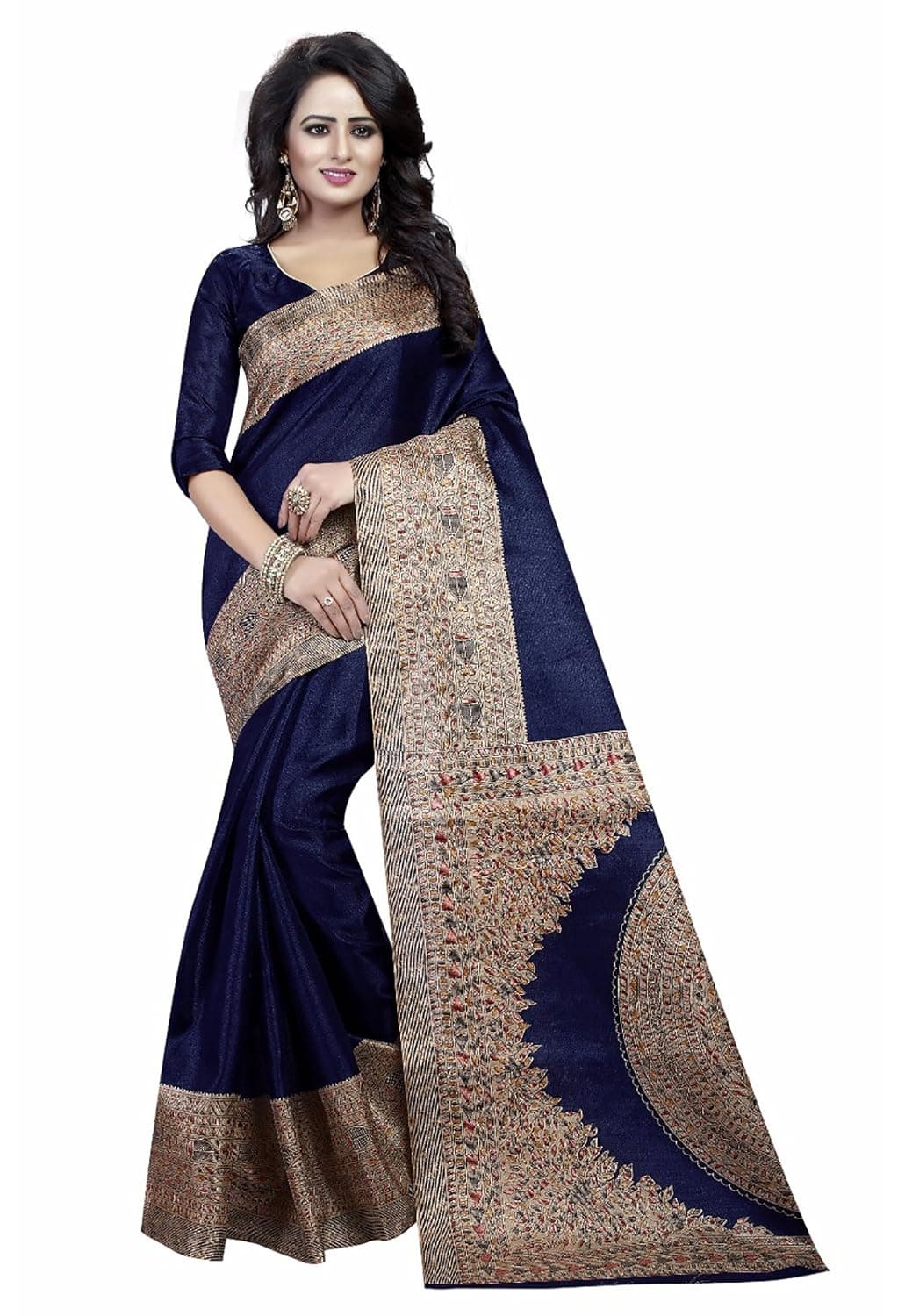 COD Available
ishin
Ishin Women's Art Silk Navy Blue Saree with Blouse Piece
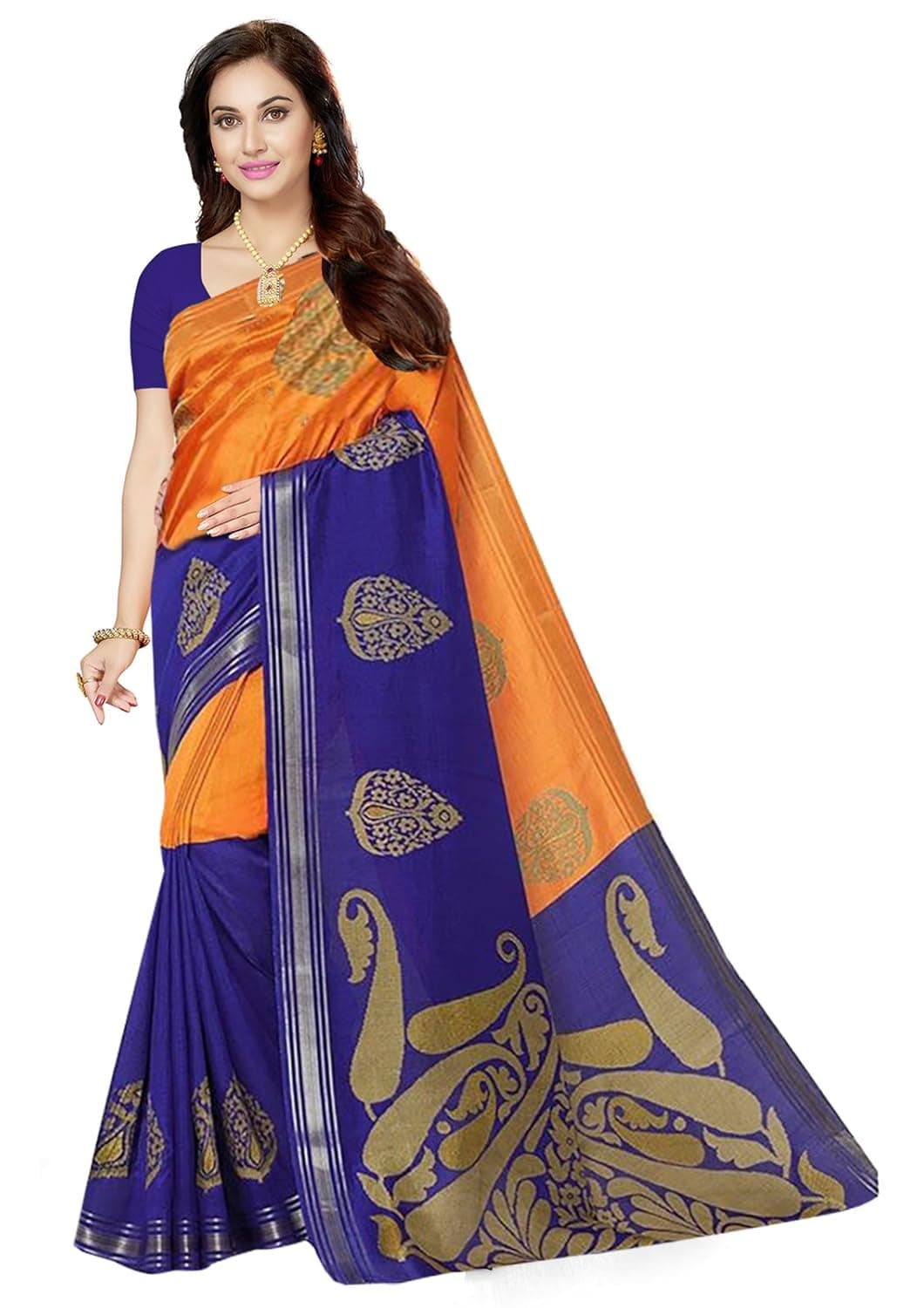 COD Available
ishin
Ishin Women's Art Silk Dark Blue & Orange Saree with Blouse
Fabric Care Quick Reference
- Pure silk — dry clean always, or extremely gentle hand wash with mild shampoo in cold water
- Cotton (most types) — machine washable on gentle cycle, cold water, shade dry
- Georgette and chiffon — hand wash in cold water, never wring, flat dry
- Rayon and viscose — hand wash only, cold water, don't soak, shade dry
- Khadi — gentle machine or hand wash, softens with every wash
- Banarasi and embroidered silks — dry clean or very careful cold hand wash, never iron on zari directly
OUR VERDICT
The Indian textile tradition is one of the world's richest and most diverse. Understanding even the basics of silk vs cotton vs synthetic transforms your shopping — you'll spend less, waste less, and own pieces you actually love. Start with understanding the difference between natural fibres (silk, cotton) and synthetics (georgette, chiffon), then go deeper into the specific weaves and regional variations that make Indian textiles unique. Every fabric has its best occasion and price point — the skill is matching the three.