
| Fabric | Dries Fast? | Mould Resistant? | Comfort in Humidity | Rain Performance | Rating |
|---|---|---|---|---|---|
| Polyester georgette | Yes (1-2 hrs) | Yes | Moderate | Excellent | 5/5 |
| Synthetic chiffon | Yes (1-2 hrs) | Yes | Good | Excellent | 4.5/5 |
| Cotton-linen blend | Moderate (3-4 hrs) | Moderate | Very Good | Good | 4/5 |
| Pure cotton | No (6-8 hrs) | Poor | Excellent | Poor | 3/5 |
| Pure silk | No | Very Poor | Moderate | Avoid | 1/5 |
| Rayon | Moderate | Poor | Good when dry | Poor | 2.5/5 |
The Monsoon Fabric Hierarchy: What Works and Why
Monsoon in India runs June through September across most regions and October in coastal areas. During this period, the core fabric requirement changes: breathability matters less, and quick-dry and moisture resistance matter most. The fabrics that work best are synthetics — not because they're better quality, but because polyester and nylon fibres don't absorb water, don't develop mould, and dry quickly when splashed.
Best Fabrics for Monsoon Sarees
- Synthetic georgette — drapes beautifully, dries fast, doesn't wrinkle badly when wet
- Crepe — holds shape through rain, low water absorption, easy care
- Polyester chiffon — lightweight, quick-dry, looks almost identical to pure chiffon
- Pre-draped/pre-stitched sarees in synthetic — remove the rain-stress of draping a wet saree
- Nylon mesh sarees — modern, ultra-quick drying, experimental but practical
Best Fabrics for Monsoon Kurtas and Suits
For daily monsoon wear, polyester-blend kurtas in solid colours are the most practical. A Rs 400–800 polyester-blend kurta that dries in 90 minutes is infinitely more practical than a Rs 1,500 pure cotton one that takes 8 hours. Cotton-linen is the best 'natural' choice for monsoon — the linen content (20–40%) adds structure and reduces absorption compared to pure cotton. On drizzly days when you won't get soaked, cotton-linen works well for office.
- Polyester-blend straight kurta — Rs 300–700, monsoon daily wear workhorse
- Cotton-linen kurta — Rs 500–1,200, best natural fibre for drizzly days
- Georgette Anarkali — Rs 600–1,200, drapes beautifully, dries quickly
- Viscose kurta — moderate drying time, comfortable in humidity, avoid heavy rain
- Crepe palazzo kurta set — Rs 700–1,400, polished look that survives light rain
Fabrics to Absolutely Avoid in Monsoon
- Pure silk — water spots and warping are permanent; even a few drops can ruin the drape
- Pure cotton in light colours — shows water marks, takes hours to dry, develops mildew smell if stored damp
- Heavy embroidery pieces — embellishments trap water and can rust (metal threadwork) or bleed colour
- Suede or velvet blouses — absorbs water immediately, impossible to wear in any rain
- Net fabric sarees or dupattas — traps water and tears easily when wet and heavy
Who Should Buy
- Women who commute by auto or public transport during monsoon months and need practical ethnic wear
- Office workers with ethnic dress codes who need outfits that survive the journey to work on rainy days
- Anyone in coastal or highly humid regions (Mumbai, Kolkata, Chennai, Kochi) where monsoon lasts longer
- Women who attend outdoor events like Ganesh Puja, Navratri pandals, or temple festivals during rainy season
Skip If
- You work from home or use personal transport exclusively — the rain concern is minimal in this case
- You live in low-rainfall regions like Rajasthan or Gujarat where monsoon is mild and brief
- You're attending indoor wedding functions — a dry venue removes all fabric restrictions
 COD Available
biba
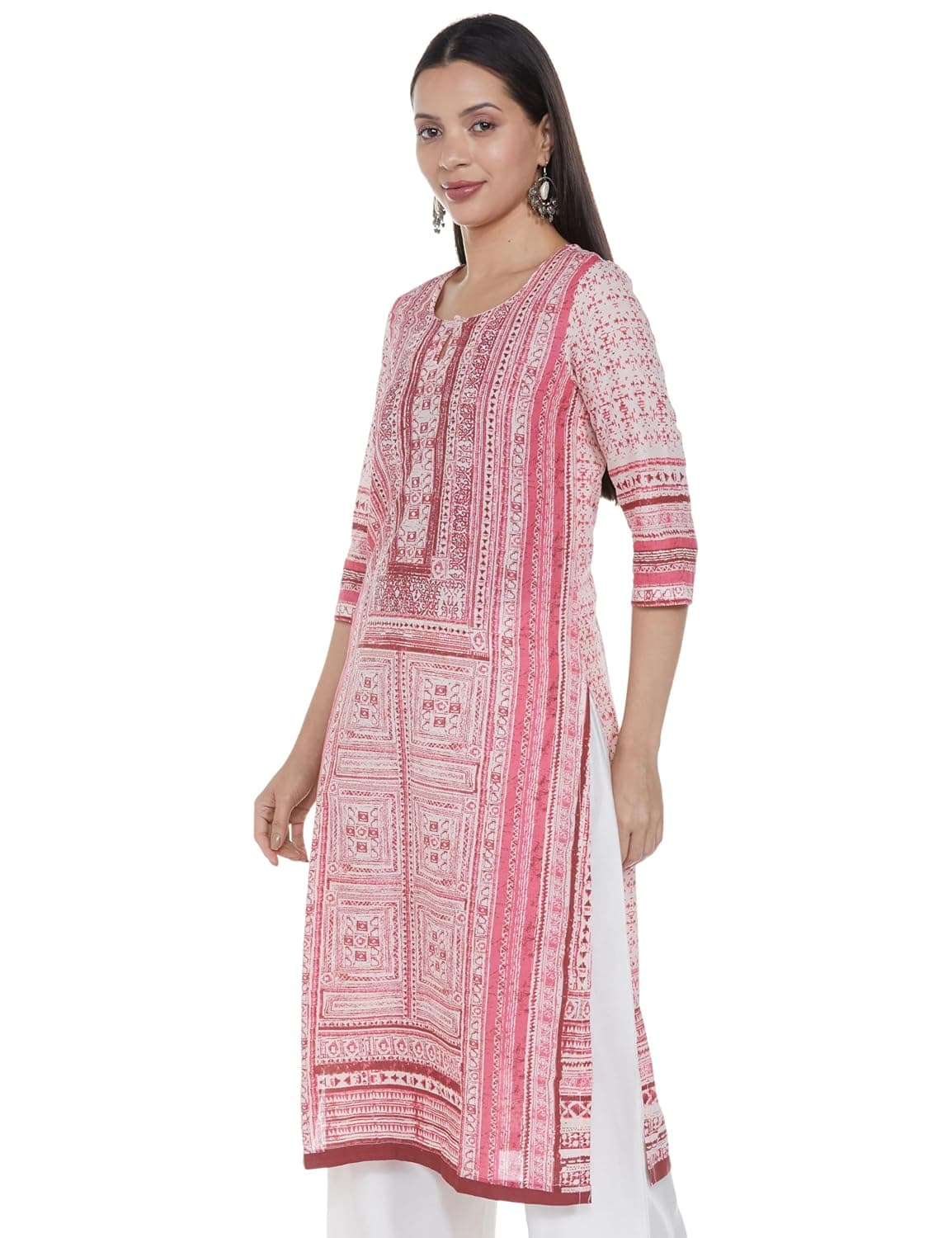
BIBA Women's Cotton Straight Printed Kurta
 COD Available
biba
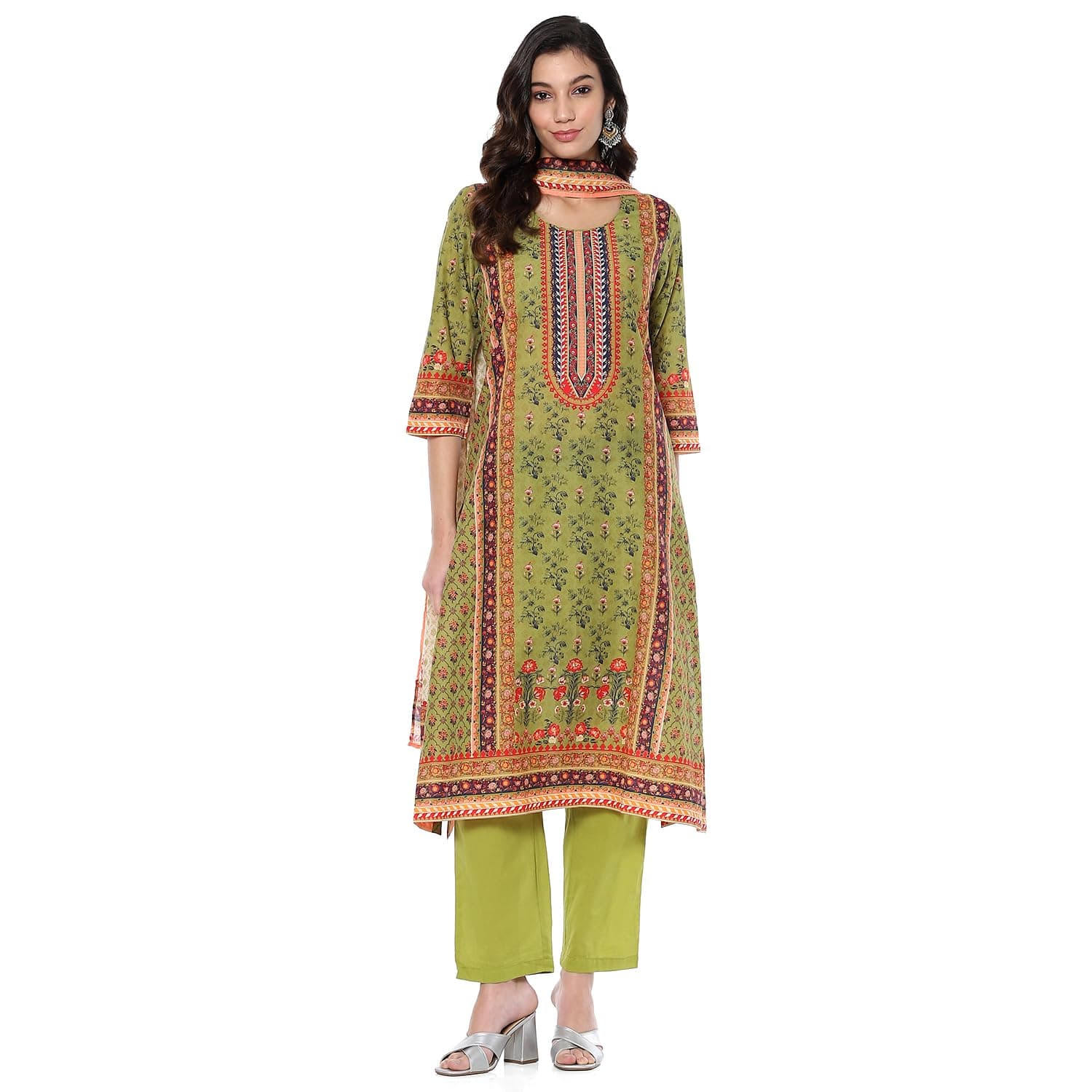
BIBA Women's Cotton Printed Kurta Set with Dupatta
 COD Available
biba
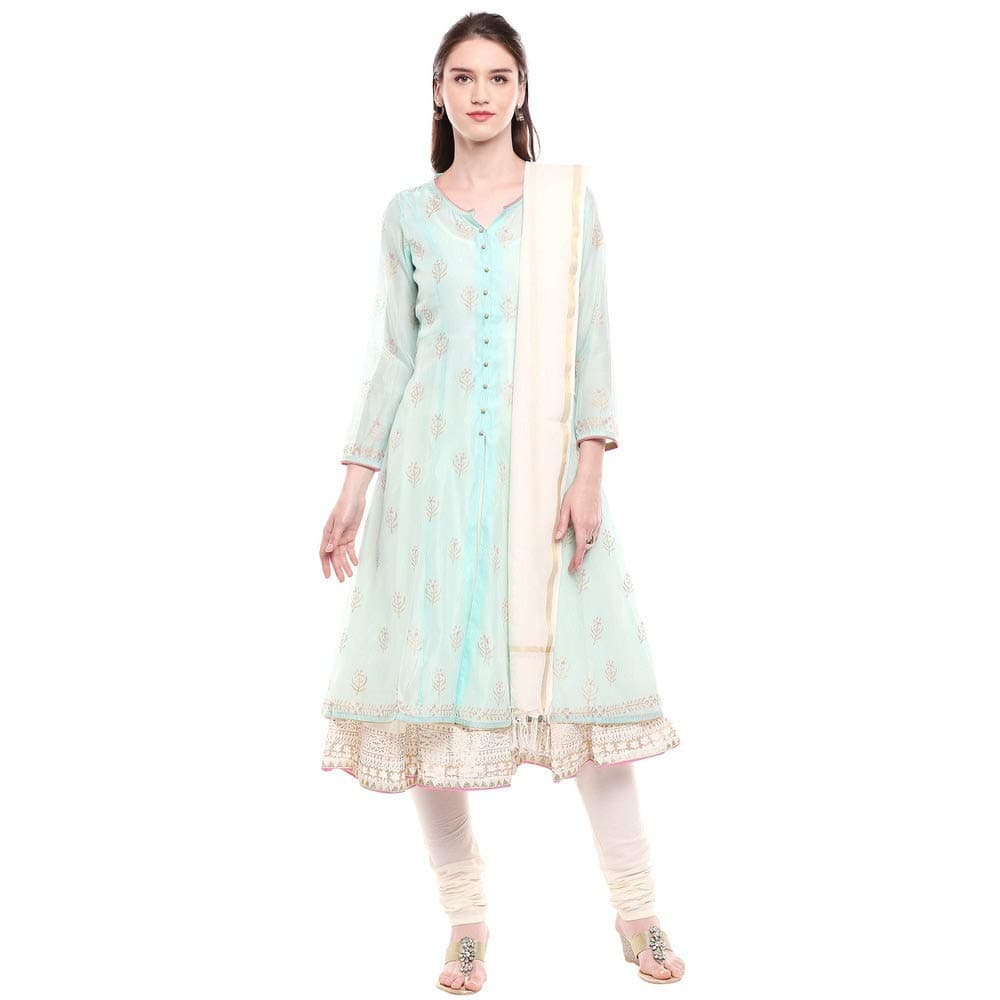
BIBA Women's Cotton A-Line Churidar Suit
 COD Available
libas
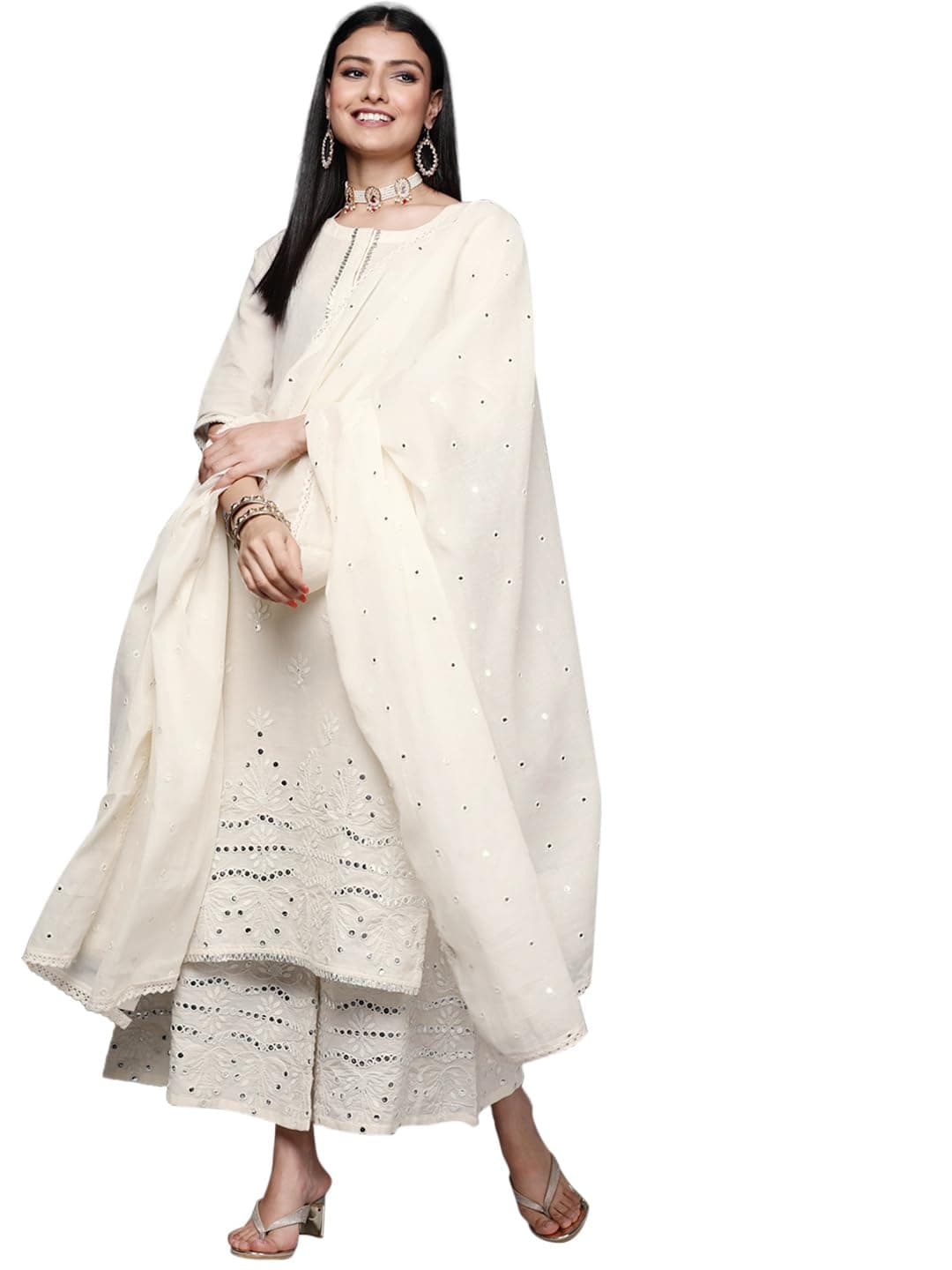
Libas Women's Embroidered Cotton Straight Kurta with Palazzos & Dupatta
Monsoon Footwear and Accessory Considerations
Your outfit choices in monsoon are only half the equation. Footwear matters enormously: kolhapuri sandals and mojaris are beautiful but get ruined in rain — switch to rubber-soled flats or waterproof sandals. For jewellery, avoid anything with metal that can rust — stick to plastic, acrylic, or well-sealed metals. Your bag should be synthetic or coated — fabric totes absorb rain immediately. Small practical changes like these protect your ethnic wear investment during the monsoon season.
OUR VERDICT
For Indian monsoon ethnic wear, synthetic georgette and polyester-blend fabrics are the practical winners — embrace them without guilt. Cotton-linen is the best natural compromise for moderate rain days. Silk, heavy embroidery, and pure cotton should be reserved for dry indoor occasions only. The smartest monsoon wardrobe is built around 5–6 quick-dry polyester or georgette outfits that you rotate freely without worry.