
| Fabric | Breathability | Weight | Best For | Price Range | Summer Score |
|---|---|---|---|---|---|
| Mulmul / Muslin | Exceptional | Very Light | Daily wear, casual | Rs 300–800 | 10/10 |
| Kota Doria | Excellent | Light | All occasions | Rs 900–1,800 | 9.5/10 |
| Chanderi cotton | Very Good | Light-Medium | Office, semi-formal | Rs 800–2,000 | 9/10 |
| South cotton | Very Good | Medium | Daily, traditional | Rs 400–900 | 8.5/10 |
| Khadi cotton | Good | Medium | Casual, daytime | Rs 600–1,500 | 8/10 |
| Linen blend | Good | Medium | Office | Rs 600–1,400 | 7.5/10 |
| Rayon | Moderate | Light | Evening, casual | Rs 300–800 | 6/10 |
| Georgette (synthetic) | Poor | Light | Evening events only | Rs 400–1,200 | 4/10 |
Live Deal: Amazon Vacation Wear Fest — Women's Brands (Ends Apr 12)
Sale ends April 12, 2026
| Product | Was | Now | Off | |
|---|---|---|---|---|
| Vero Moda — Min 40% off + Extra 5% off | Buy → | |||
| Tokyo Talkies — Min 65% off + Extra 5% off | Buy → | |||
| ONLY — Min 40% off + Extra 5% off | Buy → | |||
| Bewakoof — Min 40% off + Extra 5% off | Buy → | |||
| Kotty — Min 70% off + Extra 3% off | Buy → |
Prices as of April 9, 2026. Affiliate links — we earn a commission at no extra cost to you.
The Science of Breathable Ethnic Wear
Fabric breathability depends on two factors: fibre type and weave structure. Natural fibres (cotton, linen) absorb moisture from skin and wick it to the surface for evaporation. Synthetic fibres (polyester, nylon) repel moisture and trap heat. Weave structure matters too — open weaves like mulmul and Kota Doria allow air circulation even in dense natural fibres. The most breathable fabrics in the world are all natural, open-weave textiles, which is why traditional Indian handlooms developed in hot climates are still unmatched in summer performance.
Summer Kurtas: Best Picks Under Rs 1000
- Mulmul (muslin) straight kurta in white or ivory — Rs 400–700, the coolest kurta you can own
- Linen kurta in solid muted colours — Rs 500–900, office-appropriate and breathable
- South cotton block-print kurta — Rs 400–750, casual summer staple
- Khadi kurta in earthy tones — Rs 600–1,000, feels better as the day warms up
- Embroidered cotton short kurta for college and casual — Rs 350–650
Summer Sarees: What Works in 40°C Heat
The saree choice in summer should be governed entirely by fabric weight. Kota Doria is the undisputed summer saree queen — the open checkered weave creates natural ventilation and the weight is almost nothing. Mulmul sarees (Rs 400–800) are even lighter but wrinkle easily and need frequent pressing. South cotton at Rs 500–900 is the daily-wear practical choice. Chanderi cotton-silk at Rs 800–2,000 is the best office choice — formal enough for professional settings, light enough for all-day comfort.
- Kota Doria cotton-silk saree — Rs 900–1,600, the summer saree gold standard
- Mulmul cotton saree — Rs 400–700, lightest option, beautiful drape
- Tant Bengali cotton saree — Rs 600–1,000, classic thin weave
- Chanderi cotton for office — Rs 800–2,000, professional and cool
- Kerala cotton for daily traditional wear — Rs 700–1,100, dignified and comfortable
2026 Summer Ethnic Colour Trends
- Sage green and muted olive — refreshing without being intense
- Dusty rose and blush pink — soft, cooling tones popular in 2026
- Terracotta and clay — earthy warmth that works in summer
- Powder blue and sky blue — classic summer ethnic palette
- Natural ecru and raw white — always right, always cool-looking
- Soft lavender — trending 2026, works beautifully in light fabrics
Summer Ethnic Wear by Occasion
Office
Chanderi cotton kurtas or linen-blend sarees are the best office ethnic choices in summer. Pair with a fitted satin or silk blouse (keeps the look professional even with a casual fabric). Stick to solid colours or minimal patterns. Avoid rayon in summer office settings — it clings to the body as the day heats up.
Casual and Daily Wear
Mulmul, south cotton, and khadi kurtas are your daily summer companions. In extreme heat (above 42°C), mulmul is the only fabric that feels genuinely cool. Keep 5–6 mulmul or south cotton kurtas in rotation for summer — wash and wear the same evening if needed. Pair with cotton leggings or cotton palazzo pants, never with synthetic bottoms.
Summer Festivals and Events
For summer festivals (Ram Navami, Akshaya Tritiya, Eid when it falls in summer months), you still want to look festive without melting. Kota Doria sarees in festive colours, chanderi cotton-silk kurta sets, and light embroidered cotton kurtas with sequin work are the right balance of festive and breathable. Avoid net, velvet, and heavy embroidery — they become uncomfortable within an hour in summer heat.
Who Should Buy
- Women in hot, dry climate cities like Delhi, Jaipur, Ahmedabad, and Lucknow where summer lasts 5–6 months
- Office workers with ethnic dress codes who need to look professional through the summer commute
- Women in their 40s and above who find synthetic fabrics increasingly uncomfortable in heat
- Anyone transitioning from Western to ethnic wear who needs a summer-appropriate starting wardrobe
Skip If
- You live in an air-conditioned environment all day — fabric choice matters less if you're rarely in natural heat
- You're buying for winter or festive season occasions that fall in cooler months — different fabric priorities apply
- You prefer Western wear in summer — this guide is exclusively for ethnic wear contexts
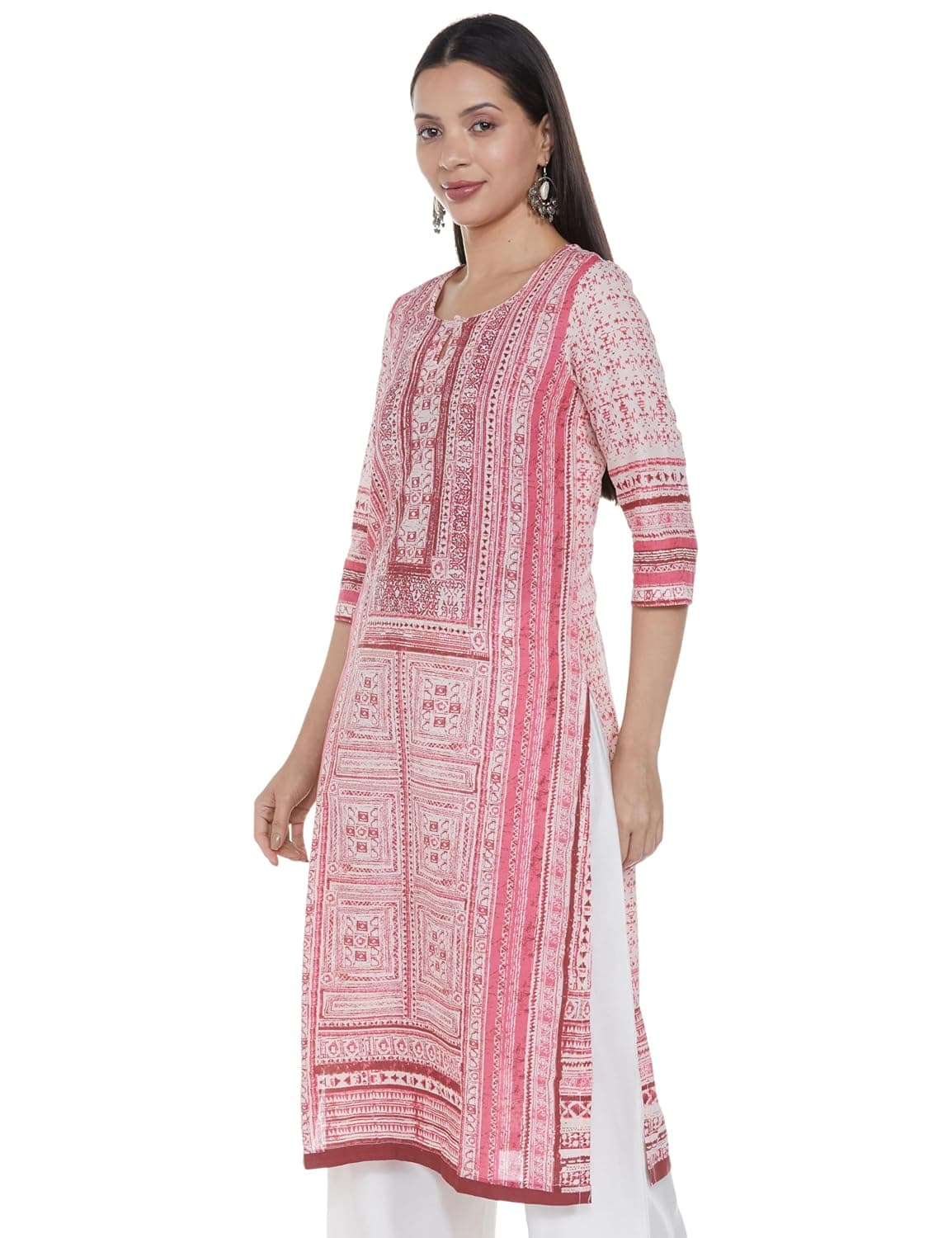 COD Available
biba
BIBA Women's Cotton Straight Printed Kurta
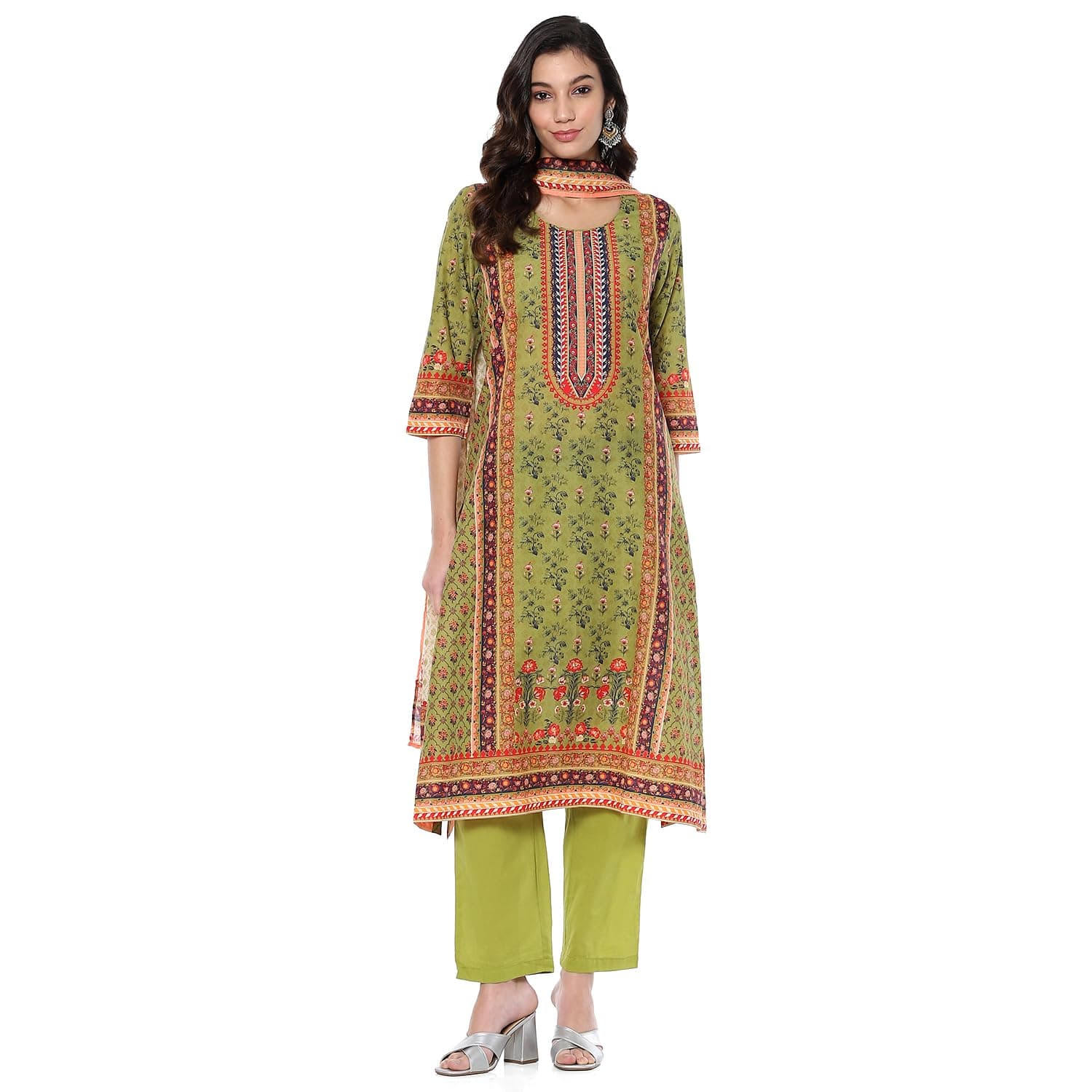 COD Available
biba
BIBA Women's Cotton Printed Kurta Set with Dupatta
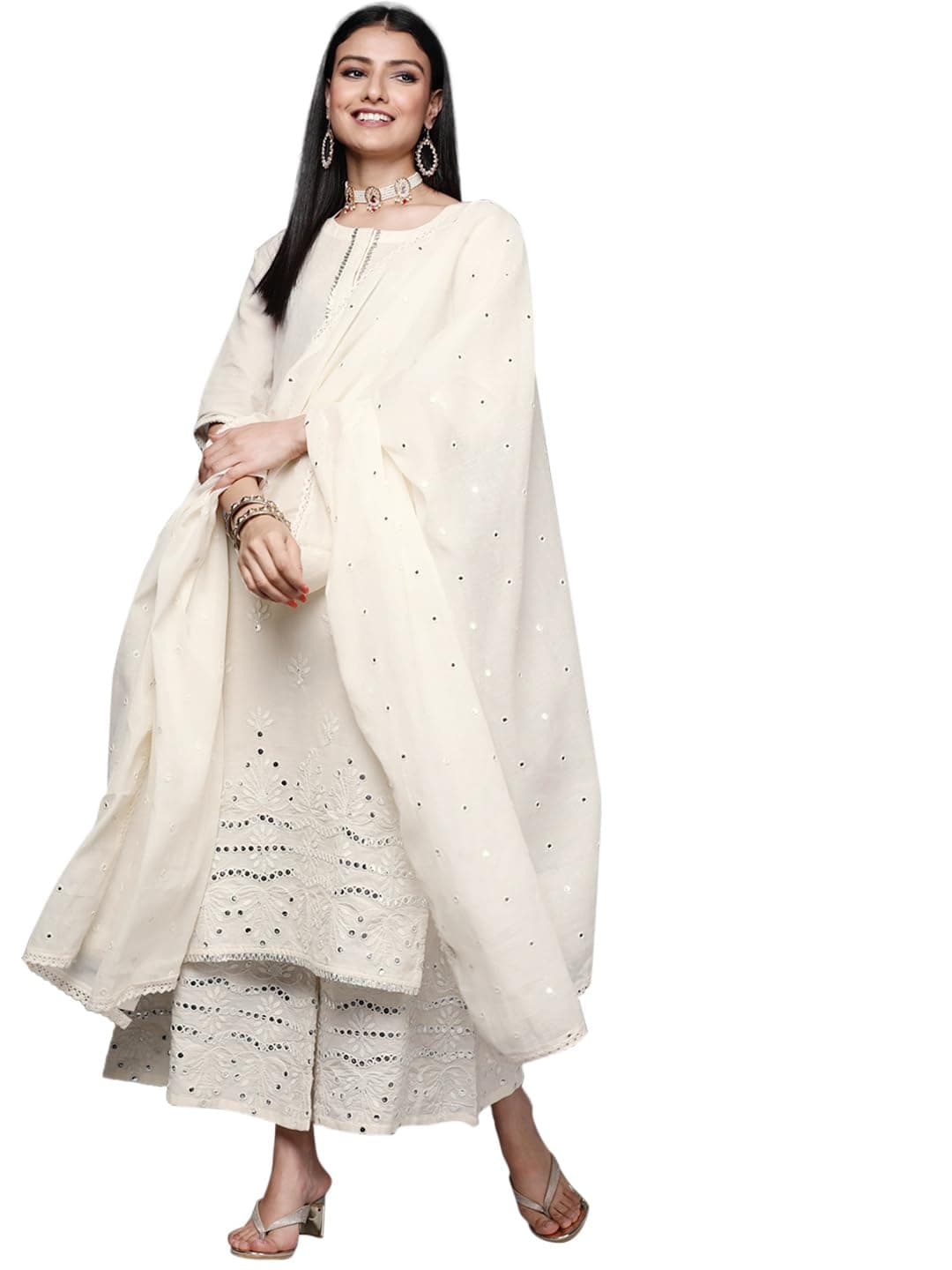 COD Available
libas
Libas Women's Embroidered Cotton Straight Kurta with Palazzos & Dupatta
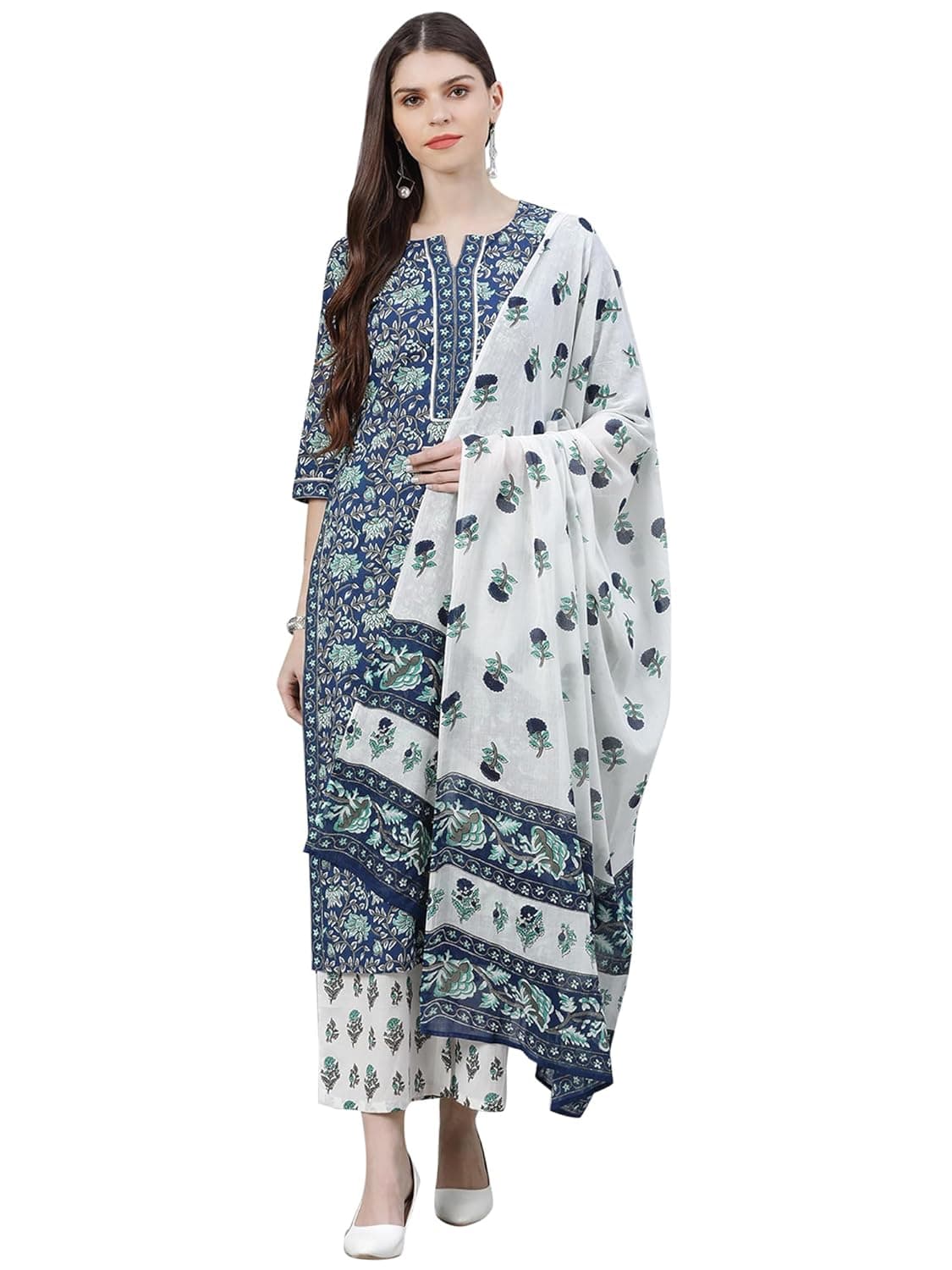 COD Available
libas
Libas Women's Cotton Printed Kurta Set Multicoloured
OUR VERDICT
In Indian summer 2026, build your ethnic wardrobe around mulmul, Kota Doria, south cotton, and linen-blend fabrics. White, ivory, sage, and powder blue are your colour palette. Avoid synthetic fabrics except for evening events in air-conditioned venues. A Rs 500 mulmul kurta or Rs 900 Kota Doria saree will make summer ethnic dressing genuinely enjoyable rather than a test of endurance.