
| Function | Dress Code | Budget Pick | Premium Pick | Colour Notes |
|---|---|---|---|---|
| Haldi | Casual, bright colours | Rs 400–800 cotton kurta | Rs 1,000–1,500 bandhani set | Yellow, orange — avoid white |
| Mehndi | Festive casual, colourful | Rs 700–1,200 printed anarkali | Rs 1,500–2,500 mirror work set | Green, yellow, hot pink |
| Sangeet | Party festive, evening | Rs 1,200–2,000 lehenga or sharara | Rs 3,000–5,000 heavy embroidered | Jewel tones, metallics |
| Baraat/Wedding | Formal festive | Rs 1,800–3,000 silk-blend saree | Rs 4,000–7,000 lehenga | Avoid red (bride's colour) |
| Reception | Formal, evening | Rs 2,000–3,500 anarkali or saree | Rs 5,000–9,000 designer look | Metallics, deep tones |
The 5-Outfit Wedding Season Strategy
Rather than buying a new outfit for every function, strategic Indian wedding dressing is about building a 5-outfit core wardrobe that mixes and matches across functions. The key: two sarees (one daytime, one evening), one anarkali that works for mehndi through sangeet, one lehenga for reception and big evening functions, and one casual cotton set for haldi and pre-wedding events. With accessory changes and blouse swaps, this covers 10–15 wedding functions without repeating.
October-November: Pre-Wedding Season Weather
October weddings are often still warm in North India — choose lighter fabrics. Georgette, chanderi, and cotton-silk are perfect. Heavily embroidered pieces can be uncomfortably warm at outdoor October functions. By late November, Delhi and North India cool down significantly — add a Nehru jacket, pashmina, or embellished stole over your outfit. South India remains warm through November.
- October outdoor functions — georgette or chanderi only, no velvet or heavy embroidery
- November indoor functions — any fabric works in air-conditioned banquet halls
- November outdoor North India — add pashmina or embellished shawl to evening outfits
- November South India — still warm, stick to lighter fabrics for all functions
December-February: Peak Wedding Season
This is the best season for wearing your statement festive pieces — velvet lehengas, heavy embroidered sarees, brocade salwar suits. The cooler weather makes heavy fabrics comfortable. This is also when premium wedding photography happens most often — invest in pieces that photograph well in cool-weather outdoor settings.
What NOT to Wear as a Wedding Guest
- White — traditionally inauspicious at Indian weddings; avoid entirely
- Heavy red with bride-style makeup — never try to compete with or mirror the bride's look
- All-black at traditional/religious families' weddings — some families consider it inauspicious
- Overly casual Western wear (jeans, shorts) — unless explicitly told the dress code is casual
- Overly revealing outfits for traditional joint family weddings — read the room and respect family culture
- Designer bags that outshine the bride — practical is appropriate, flashy is not
Who Should Buy
- Working professionals attending 5–15 weddings this season who need an outfit strategy not just outfit shopping
- People new to Indian weddings (intercultural couples, expat returnees) learning what is and isn't appropriate
- Women building their first proper wedding-going wardrobe after marriage when social obligations multiply
- Anyone wanting to maximise their wardrobe's per-rupee value across a full wedding season
Skip If
- You're attending only one wedding this season — a single quality investment piece is sufficient
- Your social circle has extremely casual weddings where kurta-jeans is acceptable — the formality advice here won't apply
- You're the bride or groom — this guide is exclusively for guests
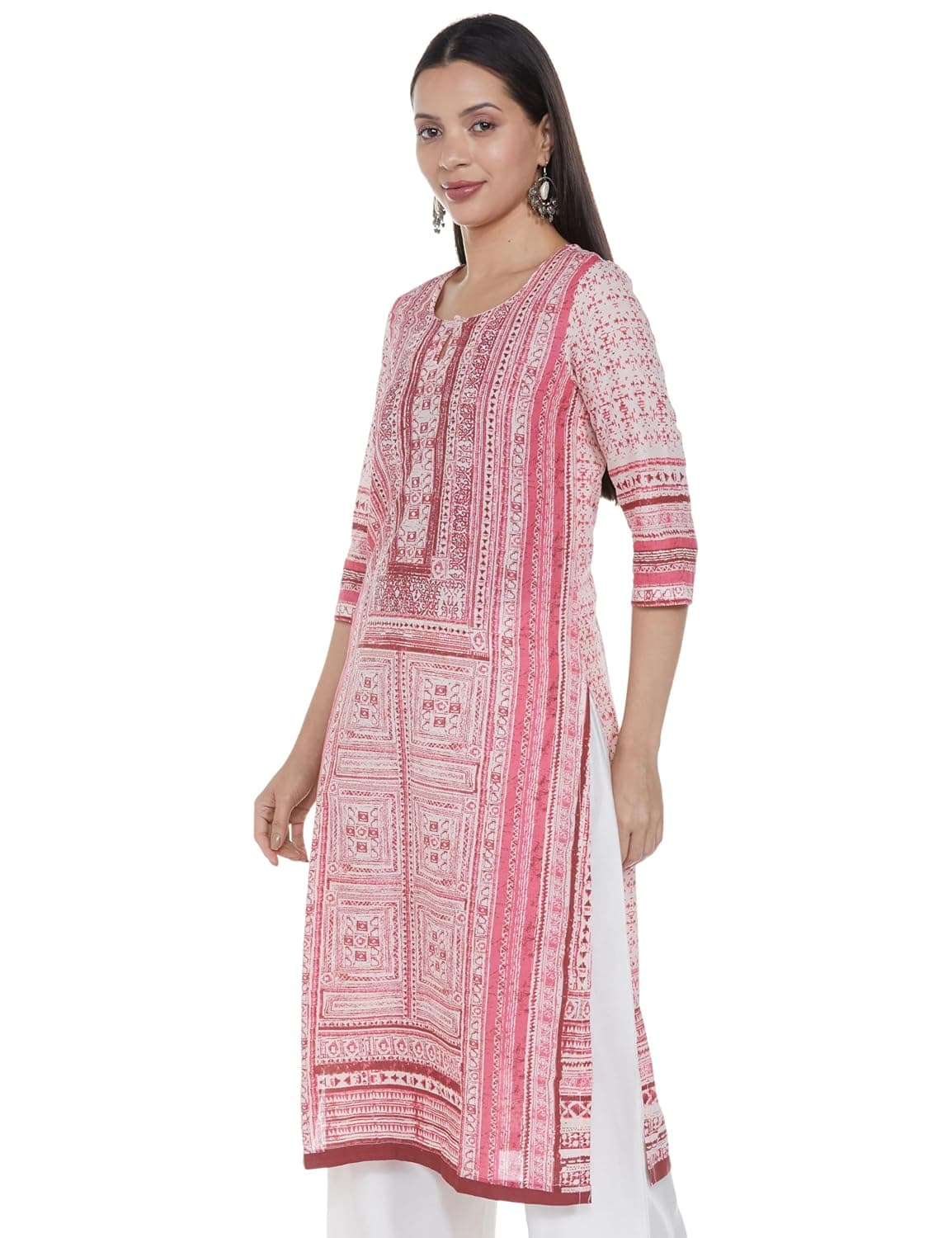 COD Available
biba
BIBA Women's Cotton Straight Printed Kurta
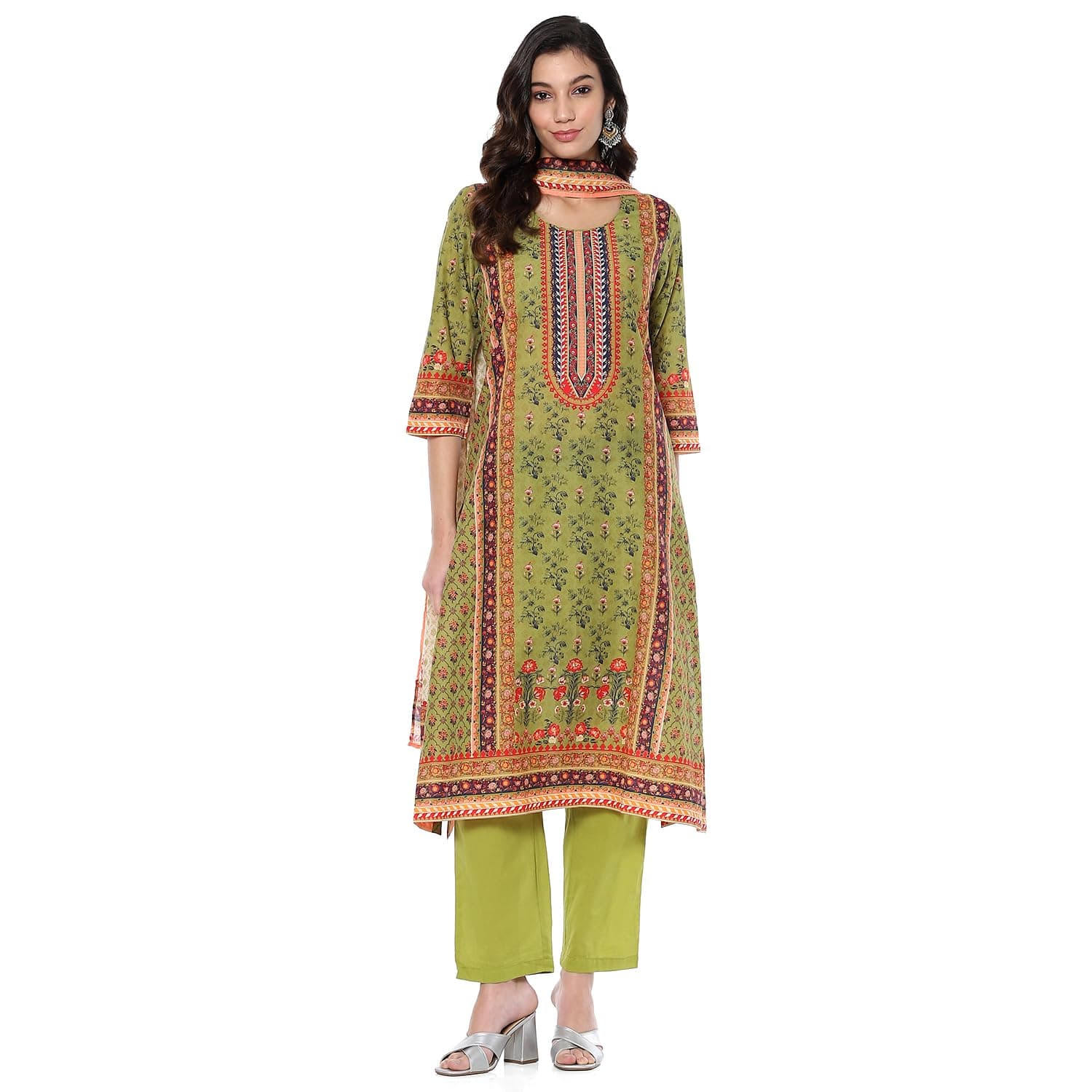 COD Available
biba
BIBA Women's Cotton Printed Kurta Set with Dupatta
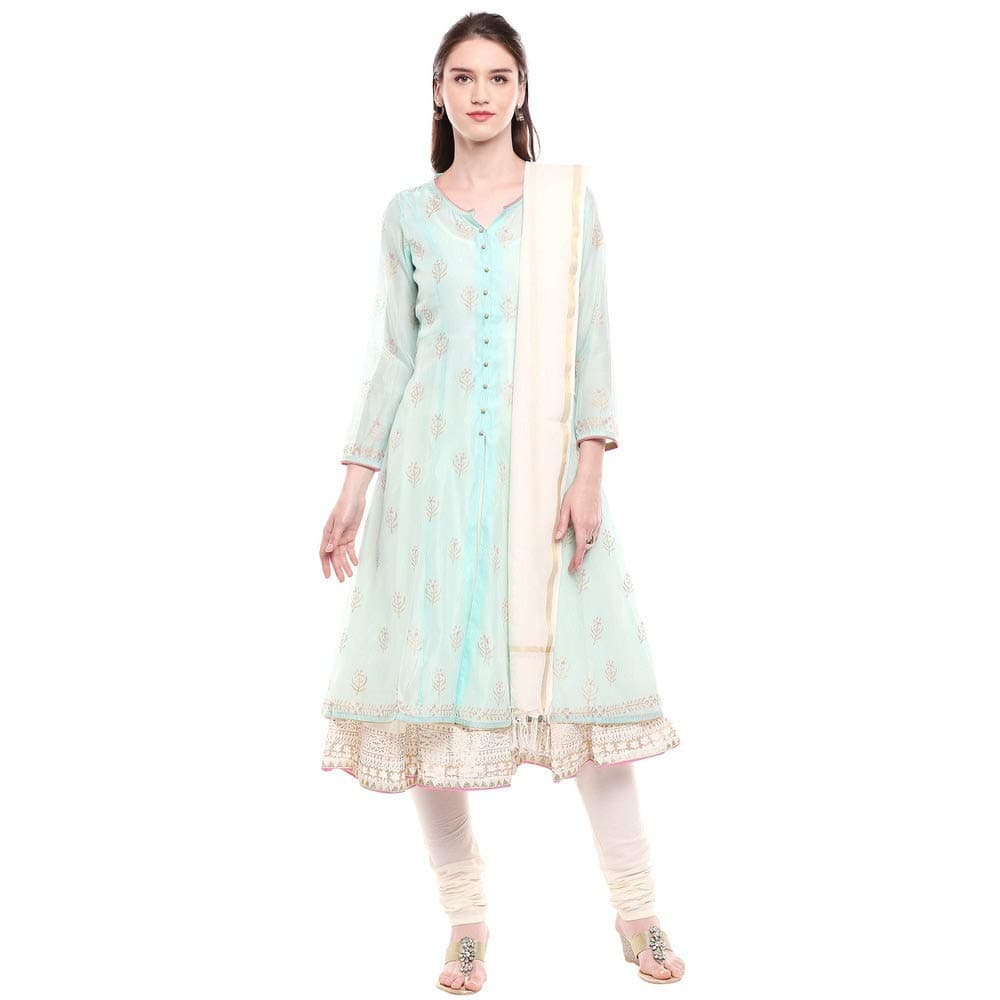 COD Available
biba
BIBA Women's Cotton A-Line Churidar Suit
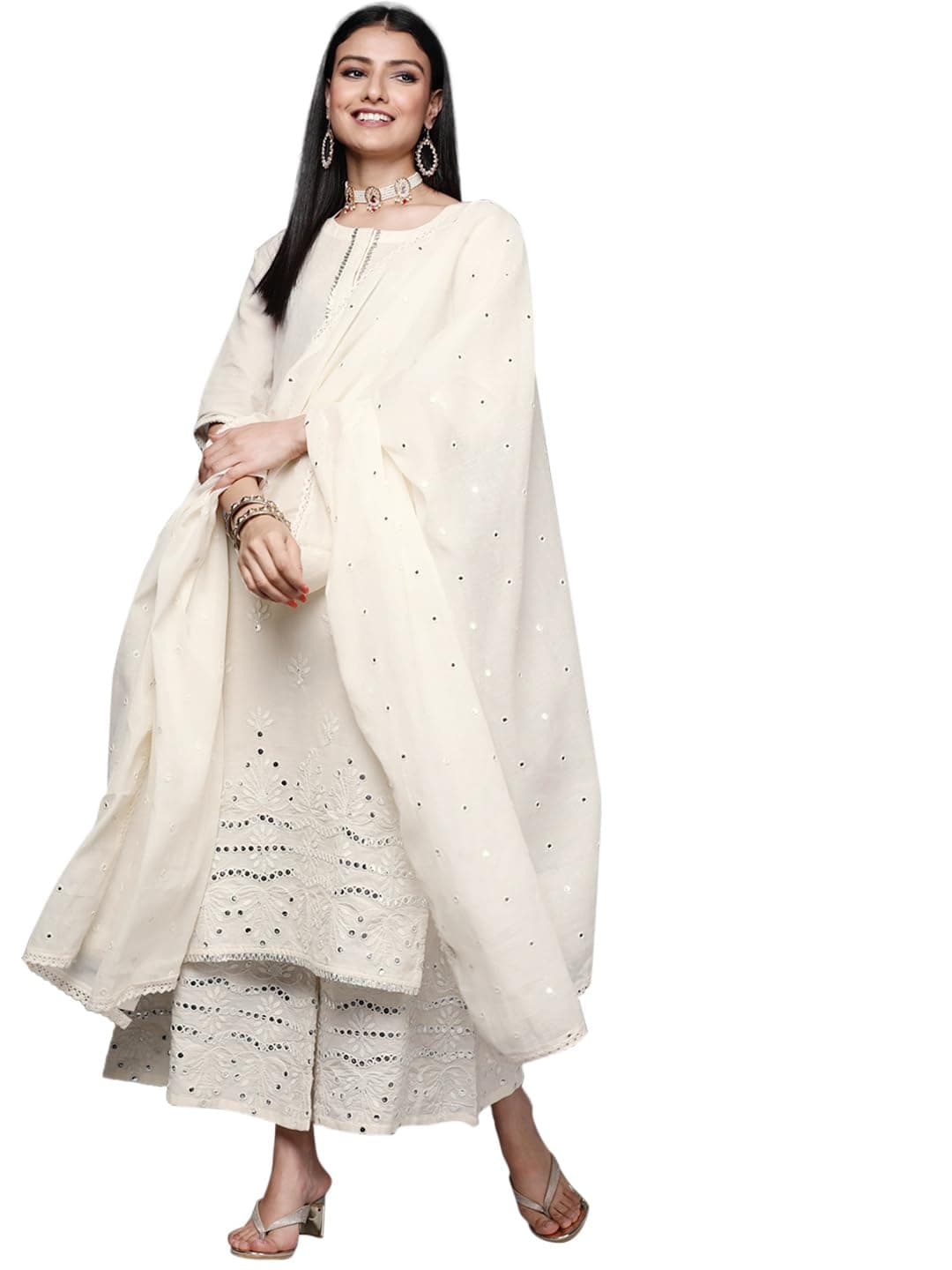 COD Available
libas
Libas Women's Embroidered Cotton Straight Kurta with Palazzos & Dupatta
The Best Bang-for-Buck Wedding Season Outfits
For Rs 10,000–15,000 total, you can build a wedding season wardrobe covering 12–15 functions: one quality embroidered anarkali (Rs 2,500–3,500), one daytime silk-blend saree (Rs 1,800–2,800), one evening georgette saree with sequin work (Rs 2,000–3,000), one lehenga for major evening functions (Rs 3,500–5,000), and two budget Meesho outfits for haldi/mehndi (Rs 700–1,200 total). Supplemented with shared accessories and clever restyling, this wardrobe carries a full wedding season with confidence.
OUR VERDICT
The 2026 wedding season calls for a planned wardrobe strategy, not impulse buying. Five core pieces cover all functions. Invest most in the piece you'll wear to the main ceremony and reception — that's where the photographs happen. Spend minimally on haldi and pre-wedding events. Follow the weather-based fabric guide for October vs December purchases. Most importantly: outfit confidence comes from knowing you're appropriately and intentionally dressed, not from spending the most.