
Suta launched in 2016 and grew primarily through Instagram, where their aesthetic — natural dyes, earthy palettes, relaxed drapes, and artisan stories — resonated deeply with urban millennial buyers rediscovering Indian sarees. Their price range is Rs 2,500-12,000+ for most pieces, with hand-painted styles typically starting at Rs 3,500. I ordered a hand-painted cotton saree, a hand-dyed linen saree, and a more affordable block-print cotton to see how the range holds up across price points.
| Saree | Technique | Price (Rs) | Quality (1-10) | Uniqueness | Worth the Price? |
|---|---|---|---|---|---|
| Hand-Painted Cotton Saree (indigo + mustard) | Hand painting on cotton | 4,800 | 9 | Very high — no two identical | Yes, for the right buyer |
| Hand-Dyed Linen Saree (tie-dye) | Hand shibori dyeing | 3,900 | 8 | High | Yes |
| Block Print Cotton Saree | Hand block print | 2,500 | 7 | Moderate — sold in multiples | Marginal — similar quality available cheaper |
The Good
The hand-painted cotton saree is genuinely exceptional. I've examined hand-painted sarees from multiple artisan sources — Kutch natural dye painters, Odisha pattachitra artists — and Suta's piece holds up to comparison with dedicated craft producers. The painting is done in multiple sessions with natural pigments, and you can see the layering in the design. No two Suta hand-painted sarees are identical because the hand of the painter varies with each piece. The cotton base is 100-count, which drapes softly and is comfortable for extended wear. This is a genuine art piece that you happen to wear.
The linen shibori saree was the comfortable middle ground — a clearly hand-dyed fabric with the irregular, organic quality that distinguishes real shibori from printed imitations, on a linen weave that is breathable and ages beautifully. I wore it to a creative work event and it was genuinely one of the better-received pieces I've worn this year. Linen sarees are underrepresented in the Indian market, and Suta's version is among the best I've seen at this price point.
Suta's packaging deserves mention. The sarees arrived folded on mulberry paper, in a simple cotton bag, with a handwritten note about the technique and the artisan workshop. This is not essential, but it contributes to the overall experience and signals that the brand takes its craft positioning seriously. The care instructions (hand wash in cold water, dry in shade) were specific and practical, not generic.
The Bad
The block print cotton saree at Rs 2,500 is where Suta's value proposition starts to strain. Block print cotton sarees of comparable quality — good 100-count cotton, clean hand-block printing, stable natural dyes — are available from Jaipur block-print cooperatives and Sanganer artisan collectives for Rs 1,200-1,800. Suta charges a meaningful premium for this technique, and some of that premium is the brand's Instagram presence rather than unique craft execution. The saree itself is good, but it's not Rs 2,500 good compared to what's available from less-marketed sources.
Colour fastness on the hand-painted saree requires careful management. The natural pigments used in hand painting are more susceptible to colour bleed in the first few washes than synthetic dyes. I soaked the saree in cold water for 30 minutes before the first use (as the care card instructed) and still had some indigo transfer to the test cloth. Natural dye bleed is normal and expected, but first-time natural dye buyers may be surprised. Suta's website discusses this, but more upfront communication at the product page level would prevent disappointment.
Suta's availability for returns and exchanges is limited. Their policy allows exchange only for defects, not preference changes, and their website acknowledges that natural dye variation means no exact replacements are possible. For a Rs 4,800 purchase, this is a meaningful commitment to ask of buyers. I understand the craft logic — you can't produce an identical hand-painted replacement — but it's a real limitation compared to buying from platforms with easier return policies.
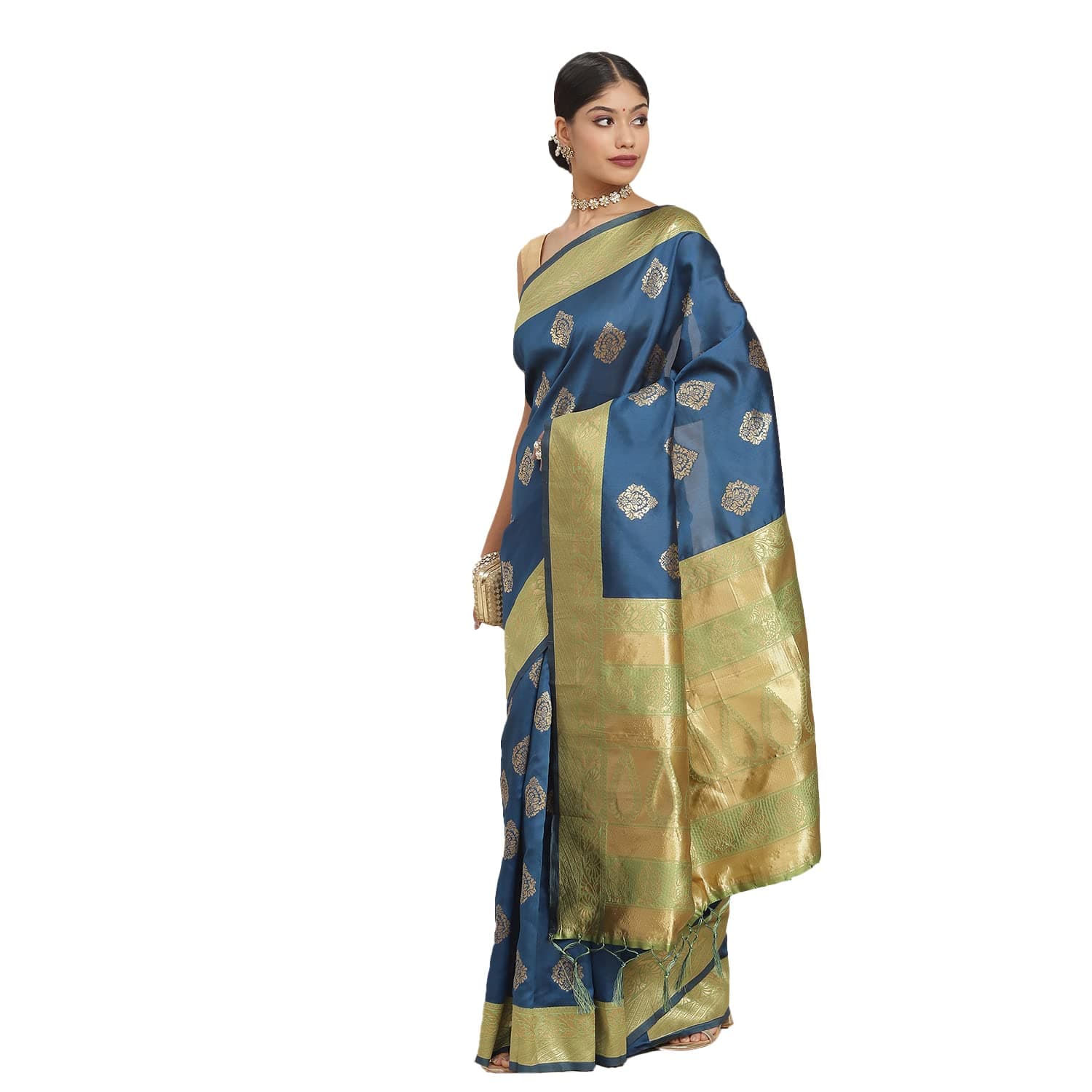 COD Available
ishin
Ishin Women's Silk Blend Teal & Green Woven Design Saree with Blouse
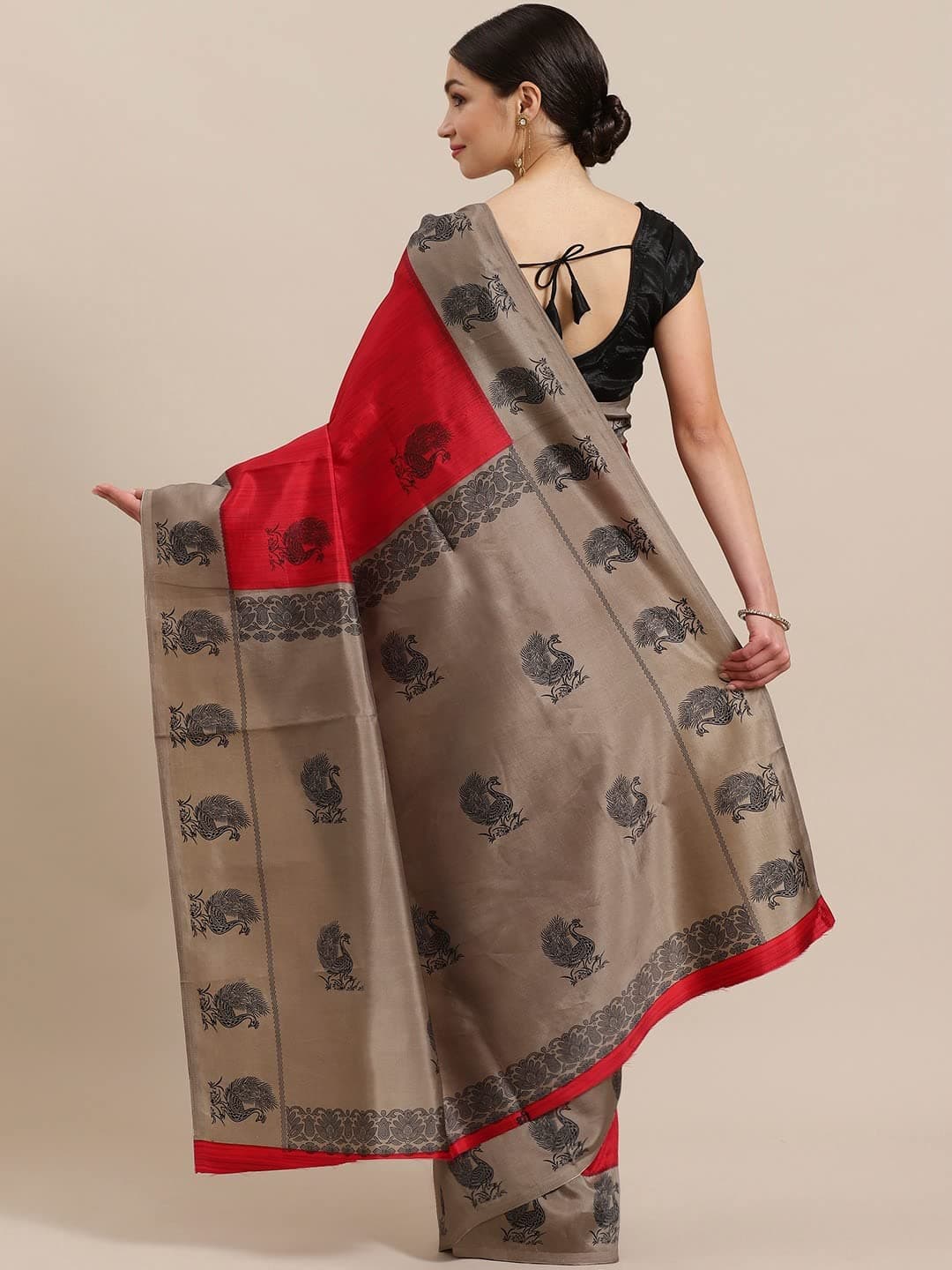 COD Available
ishin
Ishin Women's Art Silk Maroon & Taupe Printed Saree
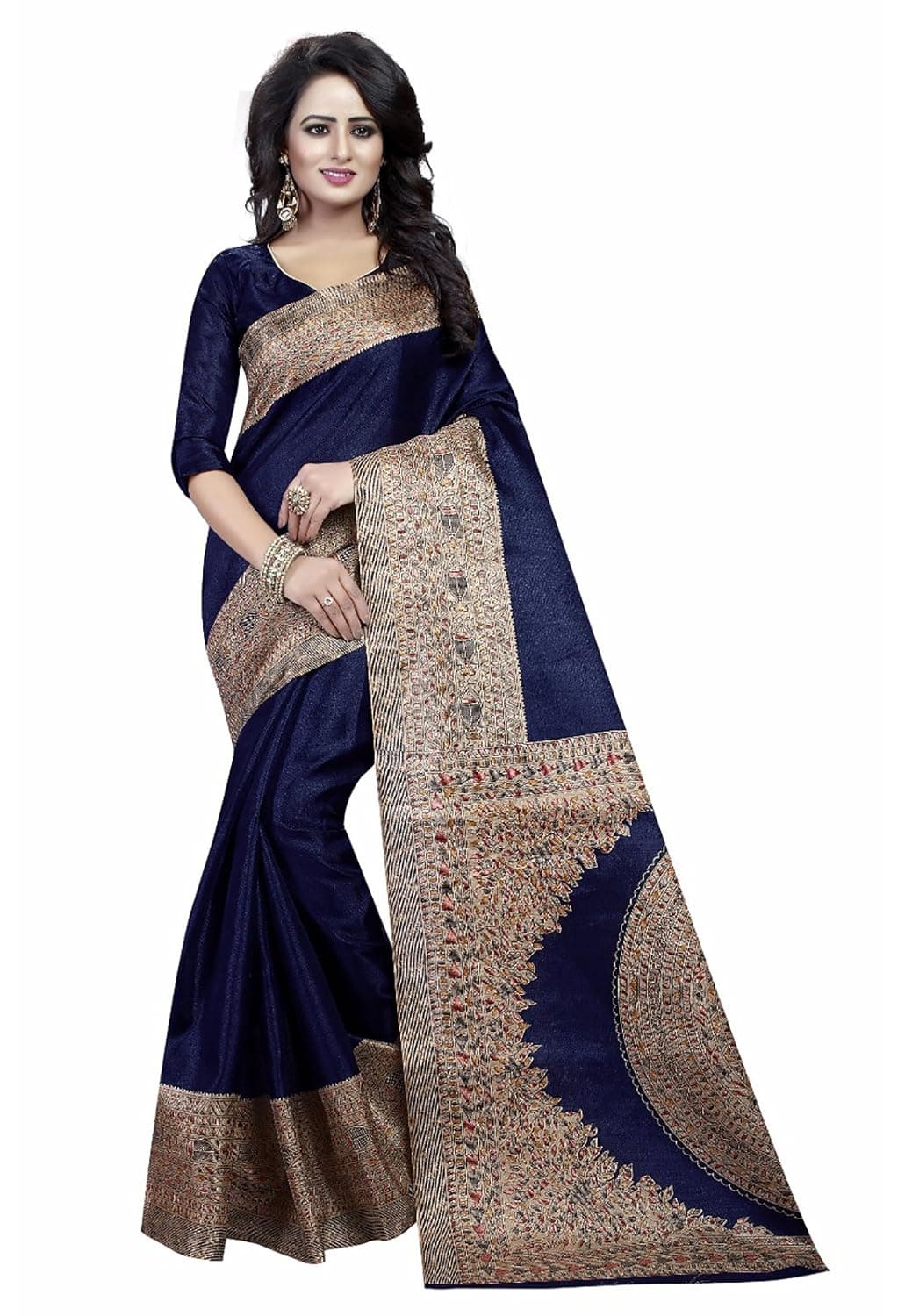 COD Available
ishin
Ishin Women's Art Silk Navy Blue Saree with Blouse Piece
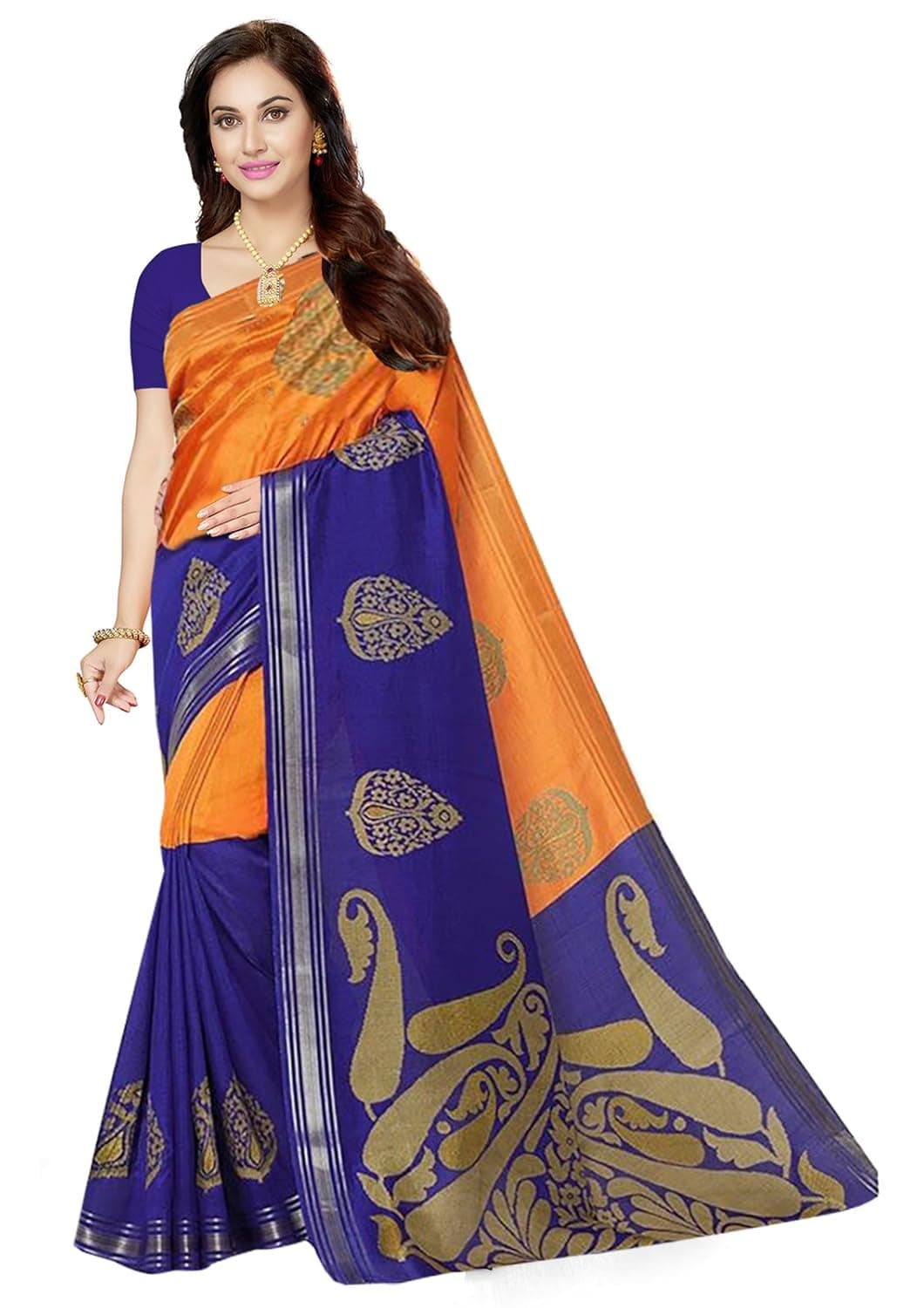 COD Available
ishin
Ishin Women's Art Silk Dark Blue & Orange Saree with Blouse
Value for Money
Suta's hand-painted and hand-dyed signature pieces are genuine value for the technique — you cannot find comparable art-on-fabric work at Rs 3,500-5,000 from many other organised retail sources. Their block print and more standard offerings are priced at a brand premium that's less defensible. The overall brand is worth engaging with for their specialised techniques; it's a good but not exceptional choice for their commodity products.
Who Should Buy
- Women who genuinely love Indian craft and want to own unique, one-of-a-kind pieces where slight variations are features, not flaws
- Those comfortable with natural dye care requirements — slightly more delicate washing, some initial bleed, colours that evolve beautifully over time
- Buyers looking for a memorable gift for saree-loving women who appreciate artisan provenance over brand logos
- Saree enthusiasts building a curated collection who want pieces representing specific Indian craft techniques not found in mainstream retail
Skip If
- You're new to wearing sarees and want something practical and easy to maintain — Suta's hand-painted pieces require more care and confidence to wear well
- You need something for a specific formal occasion like a wedding where consistent colour and finish matters — natural dye variations are beautiful but unpredictable
- You want block print or standard cotton sarees at the best possible value — there are equally good artisan sources at meaningfully lower prices
OUR VERDICT
Suta earns its reputation for their hand-painted and shibori-dyed signature pieces — these are genuinely beautiful, unique objects with real craft value at their price point. Their block print and standard cotton range is good quality but priced at a brand premium that exceeds what the craft alone justifies. Buy Suta for their special techniques; shop craft cooperatives for their everyday styles at better value.