
W (W for Woman) is part of the TCNS Clothing group, which also runs Aurelia. They've built a strong urban working-woman customer base by focusing on Indian silhouettes adapted for contemporary professional settings — office-appropriate kurtas that don't look dowdy. Their design language is consistent and tasteful, and their sizing has historically been reliable. I wanted to see if recent growth had affected quality.
| Kurta Style | Fabric | Price (Rs) | Quality (1-10) | Office Appropriate? | Worth It? |
|---|---|---|---|---|---|
| Chanderi Straight Kurta | Chanderi cotton | 1,595 | 8 | Yes | Strongly yes |
| Printed A-Line Kurta | Rayon crepe | 1,195 | 8 | Yes | Yes |
| Embroidered Straight Kurta | Cotton silk blend | 1,795 | 7 | Yes | Yes for special days |
| Festive Anarkali Set | Georgette | 1,995 | 6 | Occasion only | Marginal |
| Linen Tunic | Linen blend | 1,295 | 7 | Yes | Yes |
| Print Palazzo Set | Rayon | 1,495 | 7 | Smart casual | Yes |
| Heavy Embellished Festive Kurta | Net + base | 2,460 | 5 | No | No |
The Good
W's chanderi straight kurta is the brand at its best. Chanderi fabric — that distinctive lightweight weave from Madhya Pradesh — requires precise cutting to prevent fraying, and W's production team gets this right. The neckline embroidery on my piece was machine-done but detailed and accurately applied. The kurta held its shape through six wears and hand washes with minimal colour bleed. At Rs 1,595, this is exactly the kind of piece that justifies a slight premium over Biba — the fit quality and fabric choice is meaningfully better.
The rayon crepe A-line kurta at Rs 1,195 was my most-worn piece from this test. Rayon crepe has a texture that photographs and looks richer than its price suggests — it falls beautifully and doesn't crumple badly in an office chair. The print on this piece was a geometric block pattern in a muted palette, and it's versatile enough to pair with both ethnic and western bottoms. W consistently makes good decisions in print design — restraint and colour palette work.
W's sizing is the most consistent I've encountered at this price tier. Across six out of seven pieces, size M (as measured: bust 36", waist 30") fitted exactly as their chart promised. The kurta lengths are consistent — typically 43-46 inches depending on the style — and the placket finishing is always neat. When a brand does this right consistently, it's a genuine competitive advantage and worth calling out.
The Bad
The heavy embellished festive kurta at Rs 2,460 was a significant disappointment and confirms a pattern I see in W's festive expansion. The base fabric was a rough net that felt uncomfortable against skin even with the lining. The embellishments — a combination of zardosi work and thread embroidery — were unevenly distributed, with two patches where the density dropped noticeably. For Rs 2,460, I expect the quality consistency that W's everyday range maintains, and this piece didn't come close.
The festive anarkali at Rs 1,995 had a different problem: the georgette was genuinely thin and required wearing an inner slip (petticoat) to avoid being transparent. The dupatta that came with the set was barely wider than a scarf. At Rs 1,995, a festive set should include a proper, usable dupatta — 60-65 cm is the minimum for a dupatta to function as one. This piece felt rushed, like W's design team approved it without a realistic wear trial.
W's website photography has become more aspirational and less accurate over the past year. The embroidered straight kurta I received was a warm beige in real life — the product photos showed what looked like a crisp off-white. The embroidery itself was quality work, but the colour difference was jarring on arrival. W's photography lighting consistently skews cooler and brighter than their actual fabrics, and for a brand built on tasteful, muted palettes, this creates a gap between expectation and reality.
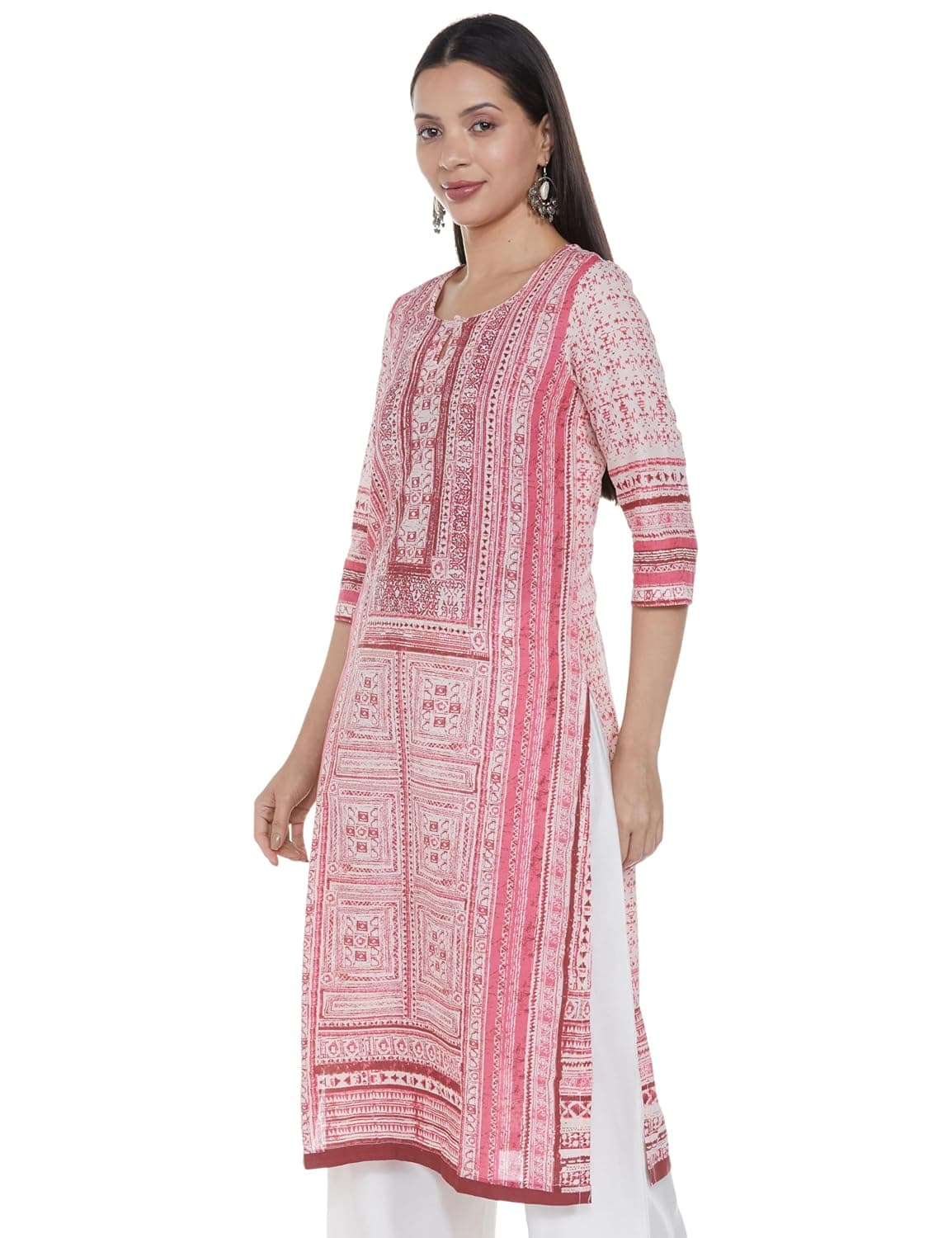 COD Available
biba
BIBA Women's Cotton Straight Printed Kurta
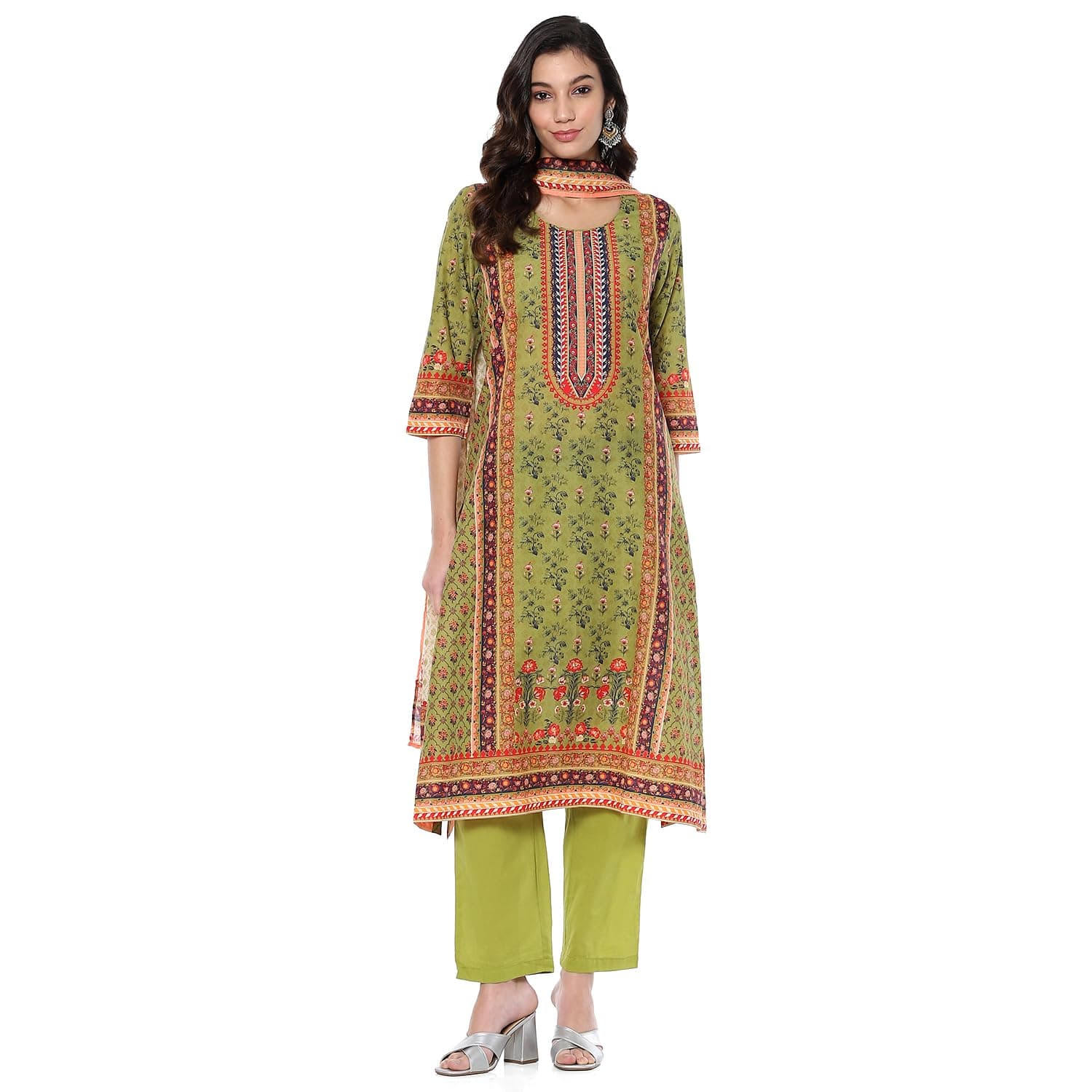 COD Available
biba
BIBA Women's Cotton Printed Kurta Set with Dupatta
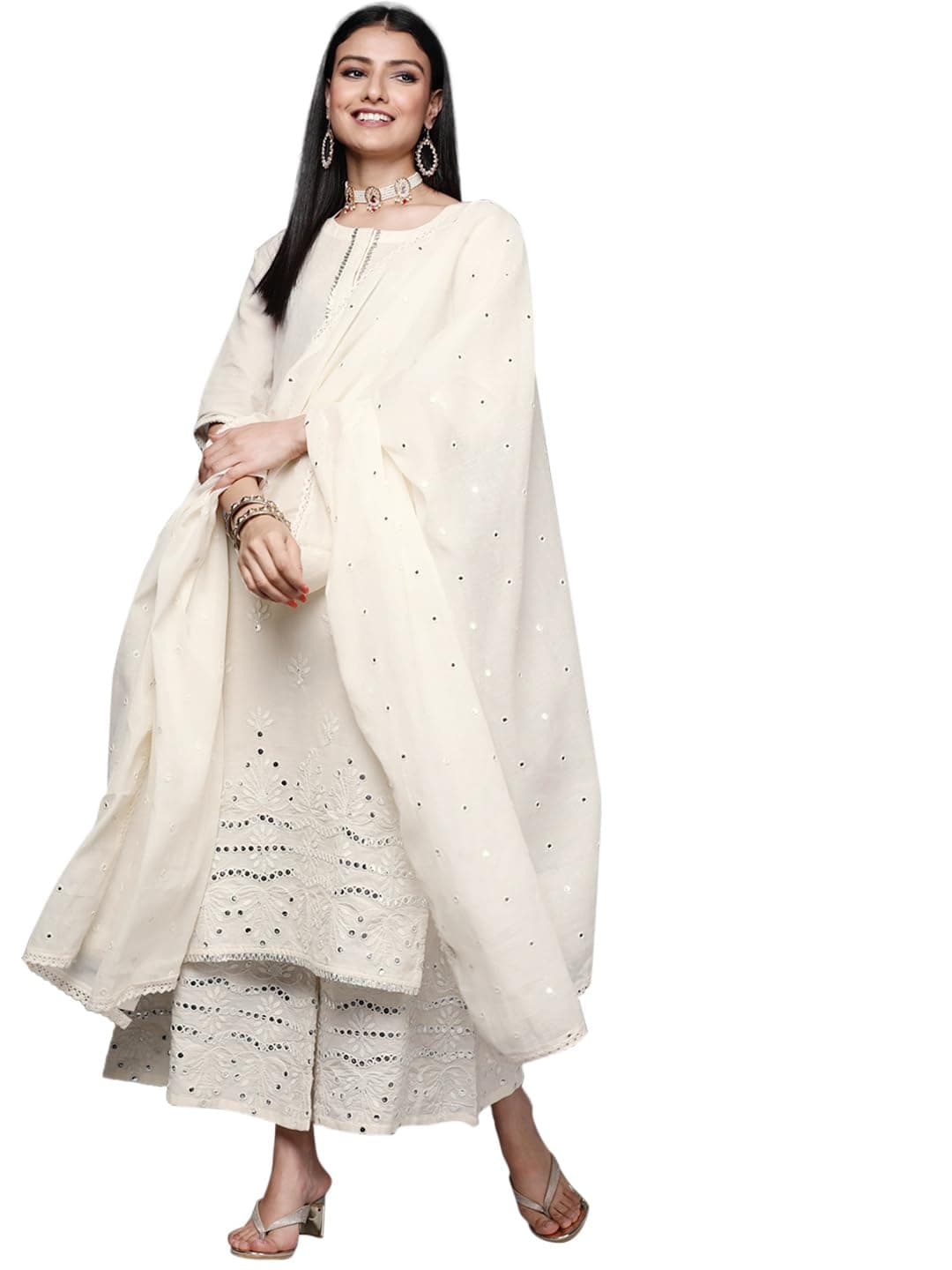 COD Available
libas
Libas Women's Embroidered Cotton Straight Kurta with Palazzos & Dupatta
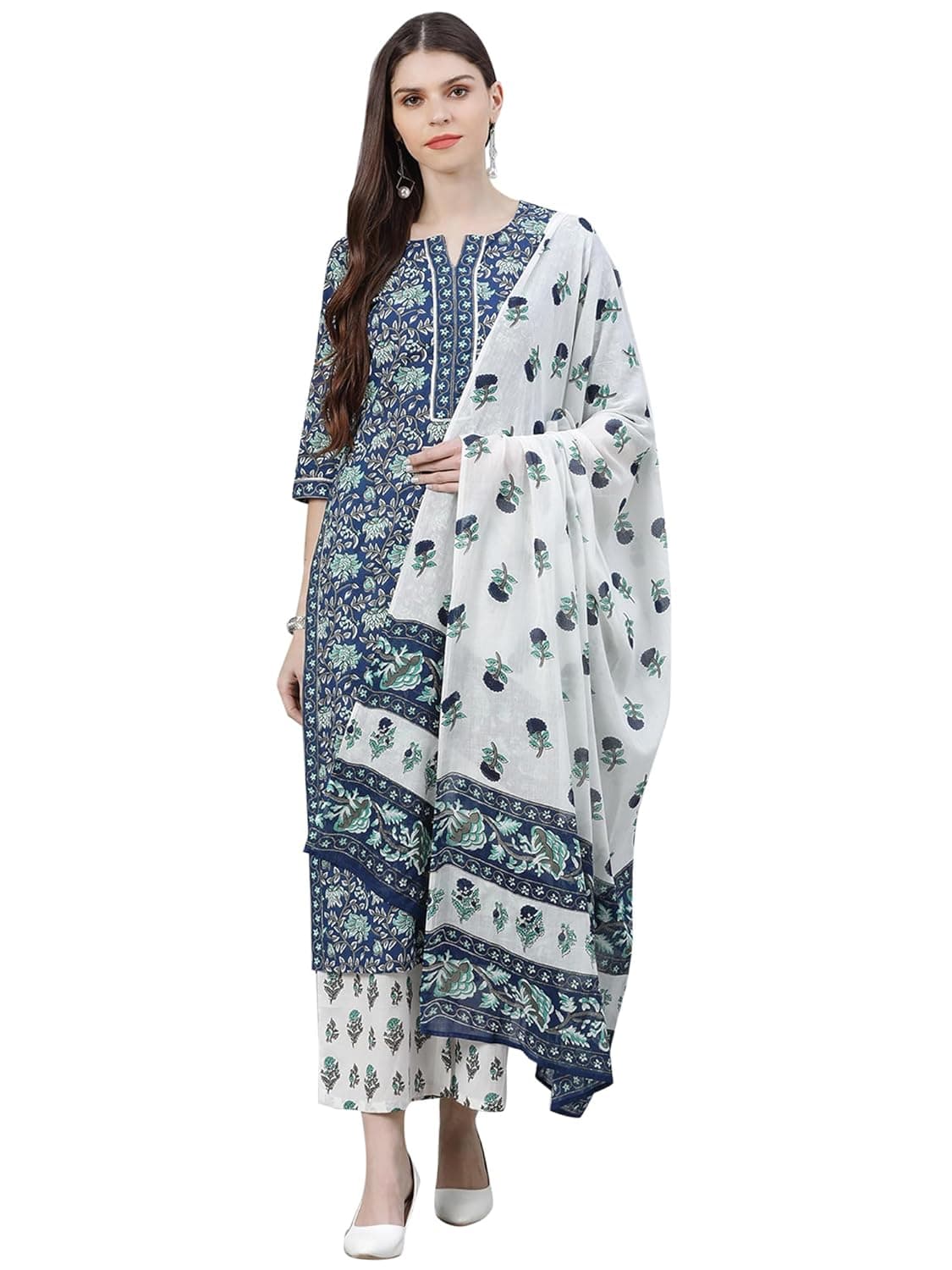 COD Available
libas
Libas Women's Cotton Printed Kurta Set Multicoloured
Value for Money
W's Rs 1,000-1,600 range for everyday and workwear kurtas offers excellent value — you're getting genuinely better fabric, cut, and stitching than Biba for a Rs 200-400 premium that's worth paying. Above Rs 1,800, the value equation starts to weaken as their festive range doesn't match their everyday quality standards. The best W value strategy: shop their non-festive range at regular price, and watch for Myntra or Ajio sale pricing on their chanderi and printed pieces, which frequently drop 40-50%.
Who Should Buy
- Working professionals who want ethnic wear appropriate for Indian corporate or semi-formal settings — W's cuts and design language are specifically calibrated for this
- Anyone building a reliable ethnic workwear capsule wardrobe: 3-4 W kurtas in muted prints and solid chanderis will serve nearly every work occasion
- Shoppers who are tired of Biba's level and want a step up in fabric quality and design sophistication without moving to FabIndia prices
- Women in the 5'2"-5'6" range — W's length calibration works particularly well for this height group
Skip If
- You need festive or heavily embellished kurtas — W's festive range is consistently their weakest category and Rs 1,800+ here is poor value compared to INDYA or Aks
- You are tall (5'7" or above) — W's kurta lengths, while generous for average height, may be ankle-grazing rather than floor-length on taller frames in their anarkali styles
- You prefer natural, artisan fabrics — W's fabric sourcing is quality industrial rather than artisan; for handloom or hand-block prints, FabIndia is the right choice
OUR VERDICT
W brand is my top recommendation for Indian working-woman ethnic wear in the Rs 1,000-1,600 range — they hit a reliable quality standard that justifies the premium over Biba and is competitive with FabIndia at a lower price point. The festive range is the exception and should be avoided. Buy W for your office and smart-casual ethnic rotation; shop elsewhere for celebrations.