
Quick Reference: Best Saree Choices by Body Type
| Body Type | Best Fabric | Ideal Draping Style | Recommended Blouse | Avoid |
|---|---|---|---|---|
| Pear Shape | Georgette, chiffon | Nivi drape with pallu spread over shoulder | Boat neck, off-shoulder, embellished | Heavy stiff fabrics on lower body |
| Apple Shape | Crepe, soft silk | Seedha pallu (Gujarati style) | V-neck, deep round neck | Heavily pleated drapes at waist |
| Hourglass | Silk, satin, tissue | Classic Nivi with defined pleats | Fitted blouse, sweetheart neck | Very loose or boxy draping |
| Petite (under 5'2") | Georgette, chiffon, mul mul cotton | Nivi with fewer pleats, shorter pallu | High neck, three-quarter sleeves | Heavy borders, large prints, stiff fabrics |
| Tall (5'7" and above) | Banarasi silk, Kanjeevaram, chanderi | Any — tall frames carry all drapes well | Full sleeves, high neck, or halter | Very thin or flimsy fabrics that lack structure |
| Plus Size | Georgette, crepe, soft cotton | Nivi with pallu draped loosely over shoulder | V-neck or sweetheart with elbow sleeves | Very shiny fabrics, horizontal stripes, stiff petticoats |
Pear Shape: Drawing Attention Upward
A pear-shaped body has narrower shoulders and wider hips. The goal with saree styling is to create visual balance by adding volume and interest to the upper body while keeping the lower half streamlined. Lightweight, flowing fabrics like georgette and chiffon skim over the hips without adding bulk.
- Choose sarees with heavy pallu work — zari borders, embroidered pallus, or contrast-coloured pallus draw the eye upward
- Opt for boat neck, off-shoulder, or heavily embellished blouses to add volume to the shoulder area
- Avoid stiff fabrics like raw silk or heavy cotton that add width to the hip area
- Darker colours on the lower drape and lighter or brighter pallu create a flattering contrast
- A medium-width border (2-3 inches) works better than a very heavy 6-inch border that widens the hem
Apple Shape: Creating a Defined Waistline
An apple-shaped body carries weight around the midsection with slimmer legs and arms. The saree is actually one of the most flattering garments for this body type because the draping naturally creates a streamlined silhouette. The key is choosing fabrics that drape smoothly without clinging.
- Crepe and soft silk fall beautifully around the midsection without clinging or bunching
- The Gujarati-style (seedha pallu) drape with the pallu in front covers the midsection elegantly
- V-neck and deep round neck blouses elongate the torso and draw the eye vertically
- Vertical prints, pinstripes, and lean geometric patterns create a slimming visual line
- Dark, solid colours (navy, black, deep maroon) in the body of the saree with a contrasting pallu are universally flattering
- Avoid gathering too many pleats at the waist — 4-5 neat, flat pleats work better than 7-8 bulky ones
Hourglass: Celebrating Your Natural Proportions
An hourglass figure with balanced bust and hips and a defined waist is naturally suited to the saree. Almost every fabric and draping style works, but the most flattering approach is to choose styles that highlight the waist rather than hide it. Fitted draping with a well-tailored blouse will always look exceptional.
- Silk, satin, and tissue fabrics drape close to the body and showcase the natural silhouette
- Classic Nivi drape with well-defined pleats at the waist is the most flattering style
- Fitted blouses with sweetheart or princess necklines complement the proportions
- You can carry bold prints, heavy borders, and statement embroidery equally well
- A belt or kamar bandh (waist chain) over the saree accentuates the defined waist beautifully
Petite Women: Creating Height and Proportion
Women under 5 feet 2 inches need sarees that elongate the frame and avoid overwhelming a smaller stature. The right fabric and print scale make a dramatic difference. Lightweight fabrics with minimal border width and small-to-medium prints are the most flattering choices.
- Georgette, chiffon, and mul mul cotton are ideal — they add zero bulk and flow with your movements
- Keep the pallu length moderate (not sweeping the floor) so it does not visually shorten your frame
- Small prints, delicate embroidery, and thin borders (1-2 inches) maintain proportion
- Vertical prints and pinstripes create the illusion of added height
- Wear heels (2-3 inches) to add length, or choose a slightly shorter saree length that shows your footwear
- Monochrome sarees or tone-on-tone colour combinations create an unbroken vertical line
Tall Women: Commanding Presence with Bold Choices
Tall women (5 feet 7 inches and above) have the advantage of being able to carry heavy, structured fabrics that would overwhelm a petite frame. Banarasi silk, Kanjeevaram, and chanderi with wide borders look regal on taller frames. Bold prints, large motifs, and dramatic pallus are all fair game.
- Heavy silks like Banarasi and Kanjeevaram drape beautifully on taller frames
- Wide borders (4-6 inches) and large motifs are proportionate to a longer frame
- Full-length pallu draped to the knee or below adds drama and elegance
- Horizontal stripes and wide checks work well — they do not shorten the frame
- Double-pallu draping styles and Maharashtrian-style drapes look particularly striking on tall women
Plus Size: Comfort, Confidence, and Flattering Drapes
Plus-size women look stunning in sarees — the six yards of fabric can be draped to flatter every curve. The most important factors are fabric choice (it must drape, not cling) and blouse fit (never too tight). Georgette, crepe, and soft cotton are the most forgiving and comfortable fabrics for all-day wear.
- Georgette and crepe flow over curves without adding visual bulk — these are the safest fabric choices
- Dark, solid colours are slimming, but do not be afraid of prints — medium-scale prints in dark colourways are equally flattering
- V-neck and sweetheart blouses elongate the neckline and torso
- Elbow-length sleeves are the most flattering sleeve length for most women
- Avoid very shiny fabrics (satin, tissue) as they reflect light and can add visual size
- Choose a well-fitted petticoat — too tight creates visible lines, too loose creates bunching
Fabric Weight Guide for Every Body Type
| Fabric | Weight Category | Best For | Price Range (INR) | Comfort Level |
|---|---|---|---|---|
| Georgette | Light | Pear, petite, plus size | 800 - 5,000 | Very high — breathable, easy to drape |
| Chiffon | Light | Pear, petite, hourglass | 600 - 4,000 | High — but can be slippery |
| Crepe | Medium | Apple, plus size | 1,000 - 6,000 | High — holds shape well |
| Soft Silk (tussar, mysore) | Medium | Apple, hourglass, tall | 2,000 - 15,000 | Medium — requires careful draping |
| Banarasi Silk | Heavy | Tall, hourglass | 5,000 - 50,000+ | Lower — heavy for extended wear |
| Mul Mul Cotton | Very Light | Petite, plus size, all types in summer | 500 - 3,000 | Highest — extremely breathable |
Shop Sarees for Your Body Type
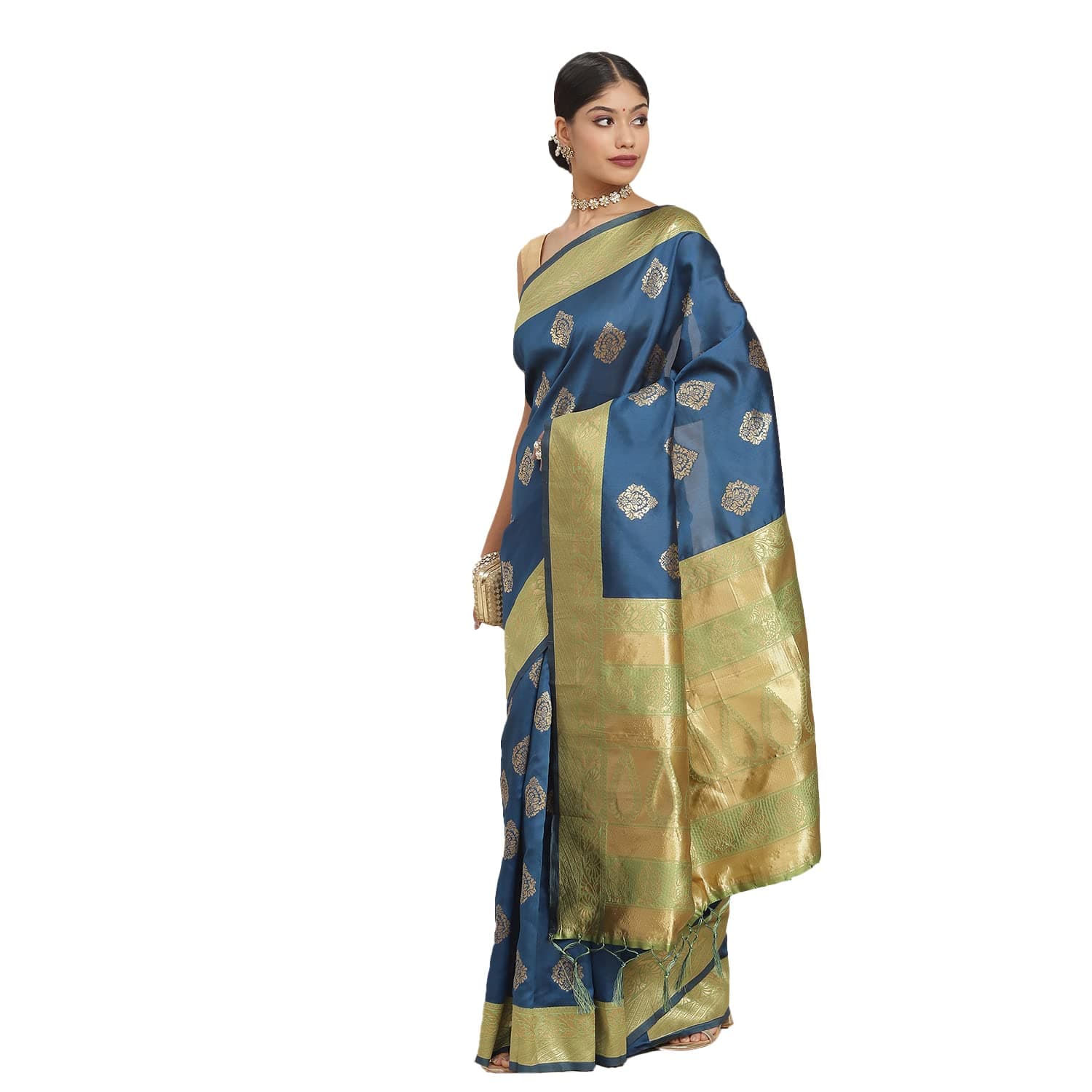 COD Available
ishin
Ishin Women's Silk Blend Teal & Green Woven Design Saree with Blouse
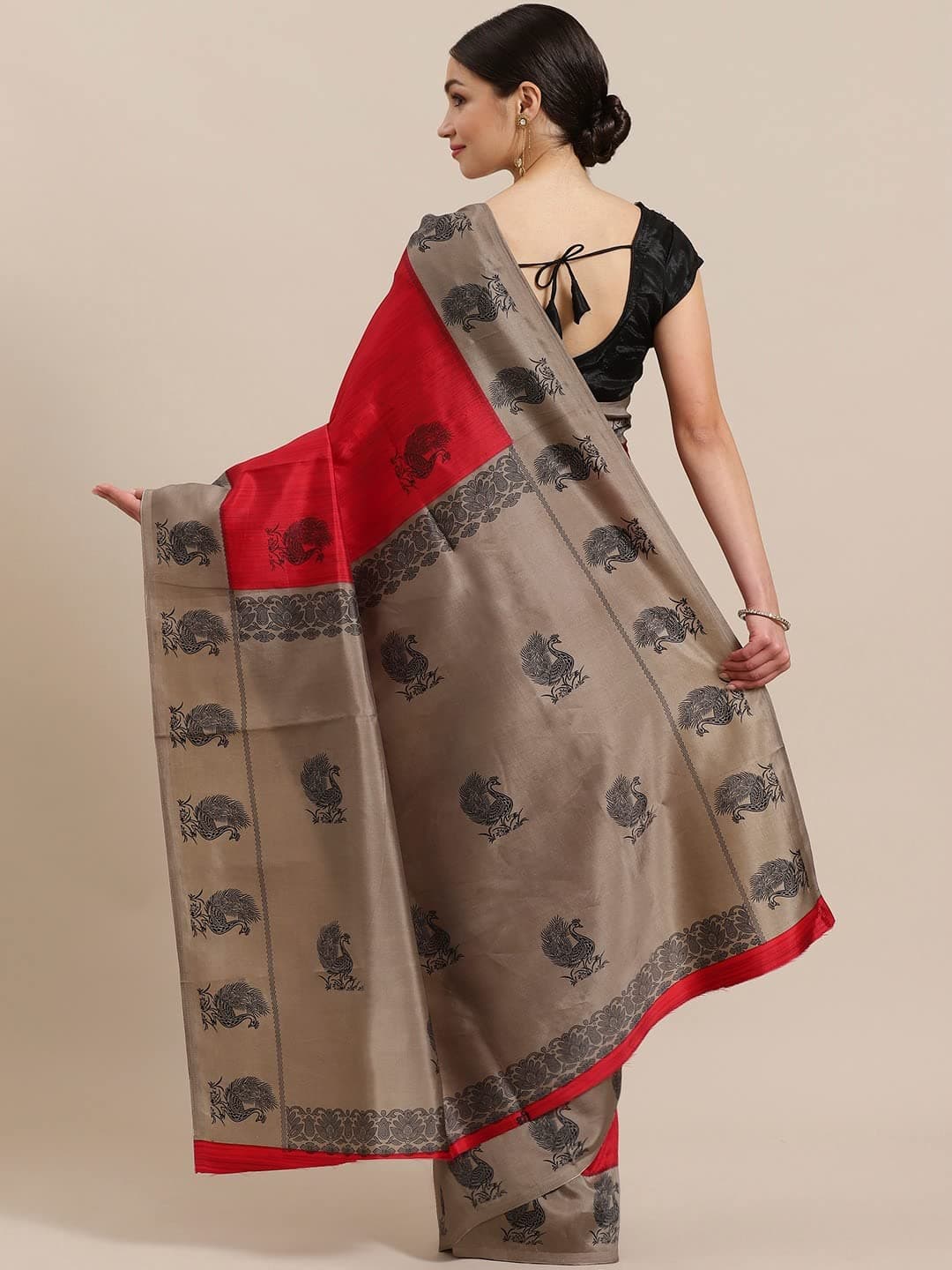 COD Available
ishin
Ishin Women's Art Silk Maroon & Taupe Printed Saree
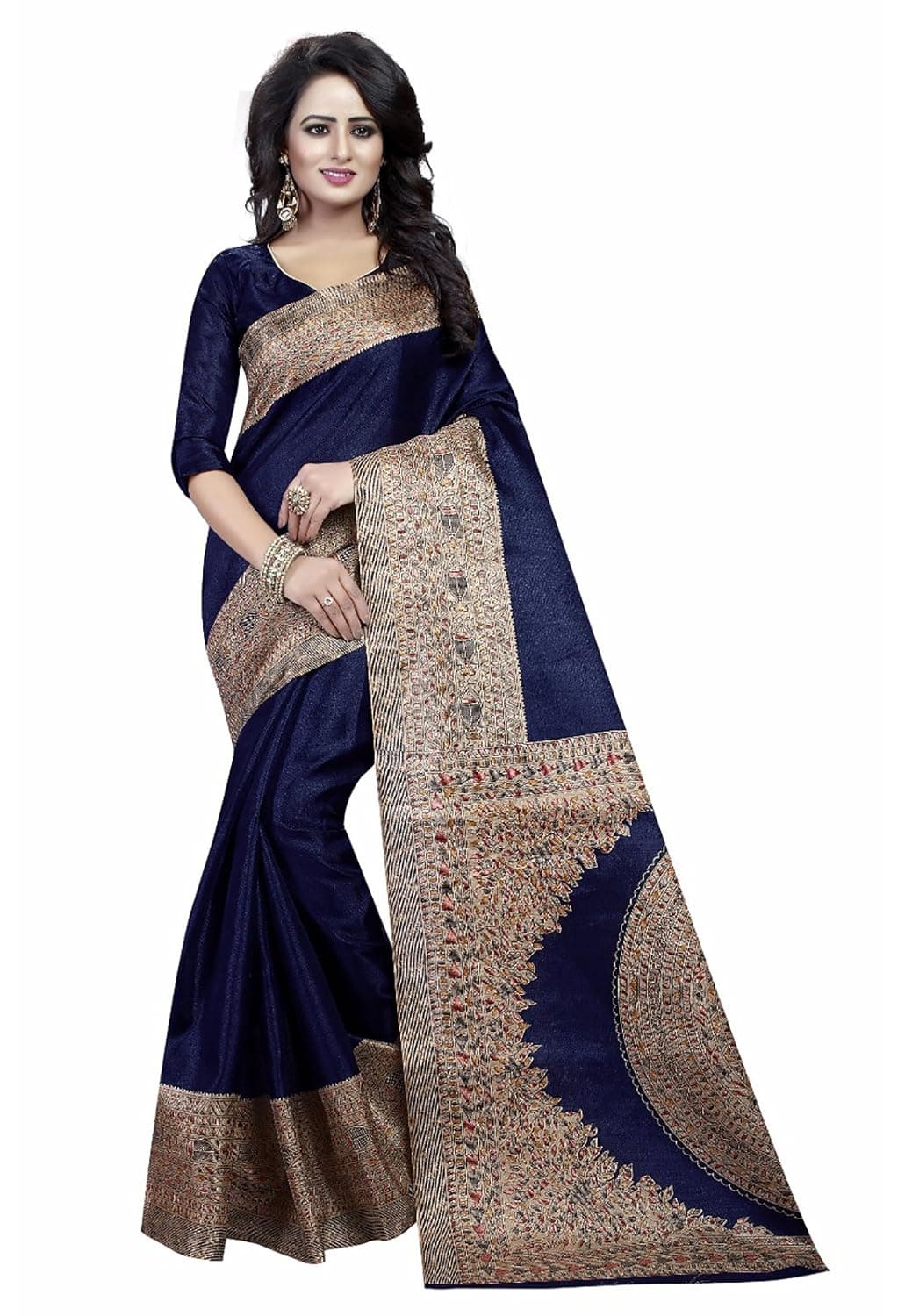 COD Available
ishin
Ishin Women's Art Silk Navy Blue Saree with Blouse Piece
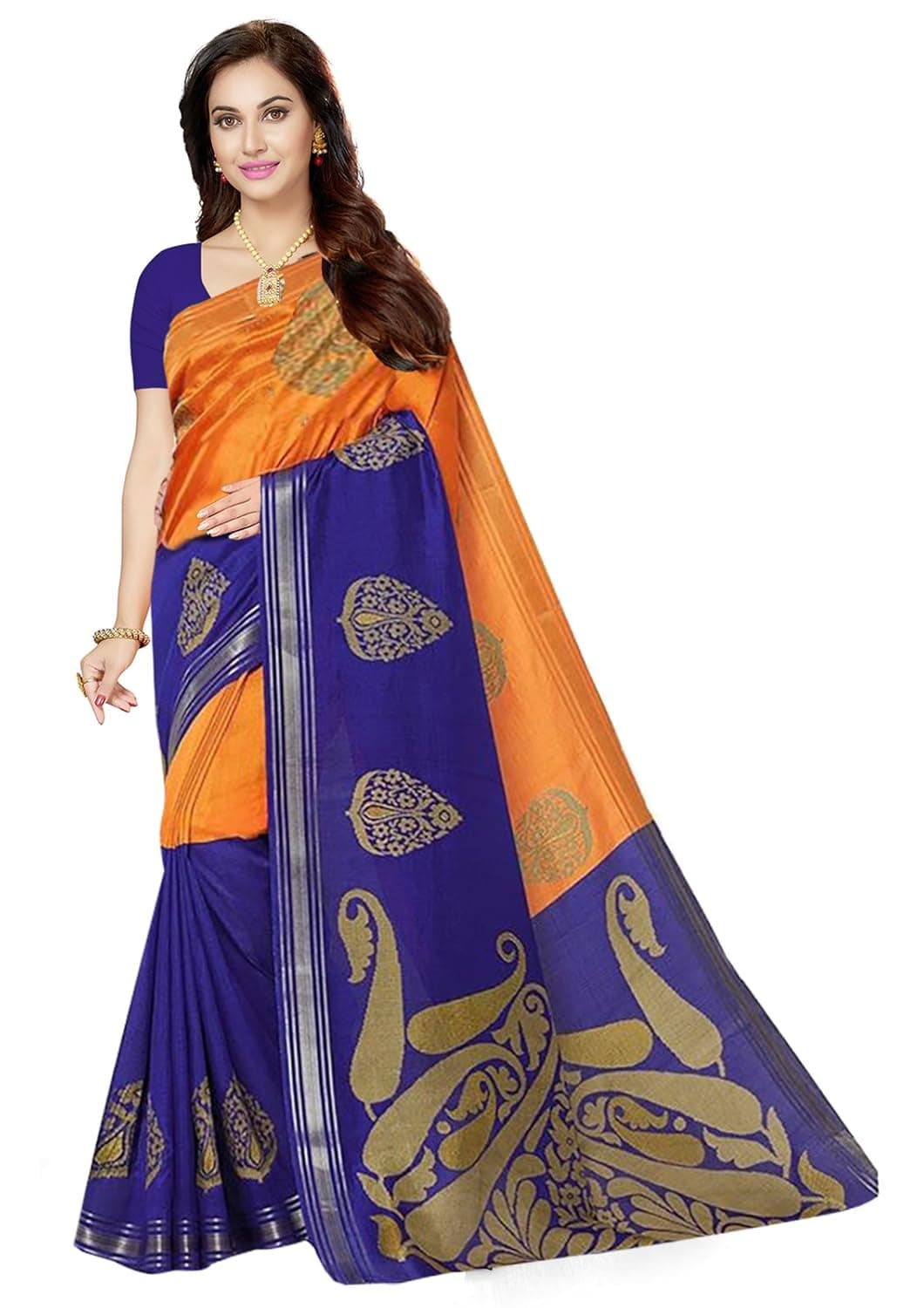 COD Available
ishin
Ishin Women's Art Silk Dark Blue & Orange Saree with Blouse
OUR VERDICT
Every body type looks beautiful in a saree — the secret is choosing the right fabric and draping style for your proportions. Lightweight fabrics like georgette and chiffon are the safest choice for most body types, while heavy silks are best reserved for tall and hourglass figures. Invest in a well-fitted blouse (INR 500-1,500 for tailoring) and spend time finding the right petticoat fit. At Barkha Boutique, our team can help you select the most flattering saree for your body type and occasion — whether you visit our stores in Kishangarh or Makrana, or shop our curated collection online.