
2026 Lehenga Colour Trends at a Glance
| Colour | Trend Status | Best For | Skin Tone Match | Price Range (INR) | Top Fabric |
|---|---|---|---|---|---|
| Sage Green | Peak trending | Engagement, reception, mehendi | Medium to dark skin tones | 15,000 - 1,50,000 | Organza, georgette |
| Lavender | Rising fast | Sangeet, engagement, bridesmaid | Fair to medium skin tones | 12,000 - 1,00,000 | Net, organza, tissue |
| Dusty Rose | Established favourite | Bridal, reception, engagement | All skin tones | 18,000 - 2,00,000 | Raw silk, velvet, georgette |
| Champagne Gold | Luxury trending | Bridal, reception | Warm skin tones | 25,000 - 3,00,000 | Tissue, silk, satin |
| Powder Blue | Growing | Sangeet, engagement, mehendi | Fair to medium skin tones | 10,000 - 80,000 | Georgette, organza, net |
| Classic Red | Timeless | Bridal, wedding day | All skin tones | 15,000 - 5,00,000+ | Raw silk, velvet, Banarasi |
| Emerald Green | Strong | Reception, nikah, sangeet | Medium to dark skin tones | 15,000 - 1,50,000 | Velvet, silk, satin |
| Ivory/Off-White | Niche trending | Intimate weddings, court marriages, receptions | All skin tones | 12,000 - 1,50,000 | Raw silk, organza, tissue |
Sage Green: The Colour of the Year
Sage green has been steadily climbing since 2024 and has reached peak popularity for 2026. This muted, grey-toned green is sophisticated without being dramatic — it photographs beautifully in both natural and artificial light. The colour gained mainstream traction after several celebrity brides chose sage green lehengas for their engagement or reception ceremonies.
- Best for: Engagement ceremonies, reception, mehendi, and daytime weddings
- Skin tone: Looks exceptional on medium to dark Indian skin tones. Fair-skinned women should choose a slightly deeper sage rather than very pale sage
- Fabric: Organza and georgette in sage green have a naturally elegant, fluid drape. Avoid heavy silk in this colour as it can look dull
- Embroidery: Gold zari and sequin work on sage green creates a striking contrast. Silver thread work gives a more contemporary feel
- Jewelry: Gold jewelry (polki, kundan) elevates sage green beautifully. Avoid silver or oxidized jewelry
- Price range: Quality sage green lehengas start at INR 15,000 for georgette with machine embroidery and go up to INR 1,50,000 for heavy organza with hand embroidery
Lavender: The Romantic Statement
Lavender — a soft, muted purple — is the breakout colour for 2026 sangeet and engagement lehengas. It is youthful, romantic, and distinctly modern. Unlike traditional purples and violets that can feel heavy, lavender has an airy, dreamy quality that works especially well for daytime ceremonies and outdoor celebrations.
- Best for: Sangeet, engagement, bridesmaid outfits, and cocktail parties
- Skin tone: Most flattering on fair to medium skin tones. Women with deeper skin tones should choose a slightly richer lilac shade rather than very pale lavender
- Fabric: Net and organza create the ethereal quality that makes lavender special. Tissue adds a subtle shimmer. Avoid heavy satin, which can make lavender look washed out
- Embroidery: Silver and pearl work are the most harmonious with lavender. Rose gold sequins are a modern alternative. Avoid heavy gold zari, which can clash
- Jewelry: Diamond, pearl, or rose gold jewelry complements lavender. Kundan in pastel enamel is another beautiful option
- Price range: INR 12,000-1,00,000 depending on fabric and handwork
Dusty Rose: The Universally Flattering Choice
Dusty rose (a muted, pinkish mauve) became a bridal favourite after Anushka Sharma's wedding and has remained consistently popular. Its staying power comes from universal flattery — dusty rose works on every Indian skin tone from very fair to deep brown. It is warm enough to feel bridal but soft enough to feel modern. For 2026, the shade is being paired with deeper contrast borders and heavier embroidery for a more grounded look.
- Best for: Bridal lehenga (main ceremony or reception), engagement, and formal weddings
- Skin tone: Universally flattering — one of the very few colours that genuinely suits all skin tones
- Fabric: Raw silk and velvet give dusty rose a rich, bridal weight. Georgette creates a softer, more casual feel suitable for guests
- Embroidery: Gold zari and sequins are the classic pairing. Resham (silk thread) embroidery in tonal shades creates a subtle, textured look
- Jewelry: Polki, uncut diamond, and gold kundan jewelry in traditional styles pair perfectly with dusty rose
- Price range: INR 18,000-2,00,000, with bridal dusty rose lehengas averaging INR 60,000-1,00,000
Champagne Gold: Understated Luxury
Champagne gold is a warm, soft gold that feels regal without the heaviness of bright gold. It is emerging as a luxury bridal colour for women who want something different from red or pink but equally significant. The colour has a natural luminosity that reduces the need for heavy embellishment — the fabric itself glows.
- Best for: Bridal lehenga (phera or reception), and high-end wedding guest outfits
- Skin tone: Most flattering on warm skin tones. Women with cool undertones should choose a more silver-toned champagne
- Fabric: Tissue and silk are the ideal fabrics — they carry the metallic warmth naturally. Satin in champagne gold has a liquid, glamorous quality
- Embroidery: Tone-on-tone gold thread work creates a rich, textured surface. Pearl and crystal embellishments add dimension without competing with the colour
- Jewelry: Gold and polki jewelry in warm tones. Avoid silver jewelry, which creates a cold contrast
- Price range: INR 25,000-3,00,000 — champagne gold is typically at the higher end due to the fabric quality required
Powder Blue: Fresh and Unexpected
Powder blue is gaining popularity for sangeet and mehendi lehengas in 2026. It is fresh, youthful, and unexpected in Indian wedding wear — which is exactly why younger brides are drawn to it. The colour works particularly well for daytime outdoor ceremonies where it catches natural light beautifully.
- Best for: Sangeet, mehendi, engagement, and daytime wedding guest outfits
- Skin tone: Most flattering on fair to medium complexions. Women with darker skin tones should pair powder blue with gold embroidery for warmth
- Fabric: Georgette and organza maintain the light, airy quality of the colour. Net with delicate embroidery is another excellent choice
- Embroidery: Silver sequins, pearl work, and icy blue resham embroidery are the most cohesive pairings. Gold work adds warmth if needed
- Jewelry: Diamond, pearl, or silver jewelry keeps the palette cool and cohesive. Light blue meenakari work is a stunning match
- Price range: INR 10,000-80,000, making it one of the more accessible trending colours
Classic Red: Still the Bridal Gold Standard
Despite the pastel wave, classic red remains the most popular bridal lehenga colour across India, and 2026 is no exception. The shift is in the shade — 2026 brides are choosing deeper, more complex reds like vermillion (sindoori), wine red, and tomato red over the traditional bright red. Red lehengas with contrasting dupatta colours (peach, gold, or ivory) are a major trend for the year.
How to Choose Between Trending Colours
| If You Want | Choose | Avoid |
|---|---|---|
| A colour that suits all skin tones | Dusty rose or classic red | Very pale lavender or powder blue if you have a deep skin tone |
| Maximum Instagram impact | Sage green or champagne gold | Pale pastels that can wash out in photos |
| Family-approved bridal look | Classic red or dusty rose | Ivory or powder blue (may face resistance from traditional families) |
| To stand out as a guest | Emerald green or lavender | Red (traditionally reserved for the bride) or white/ivory |
| A colour that ages well in photos | Dusty rose, sage green, or champagne gold | Bright, highly saturated colours that can look dated in a few years |
| Best value for the price | Powder blue or classic red (widely available) | Champagne gold (requires premium fabrics to look good) |
Shop Trending Lehengas
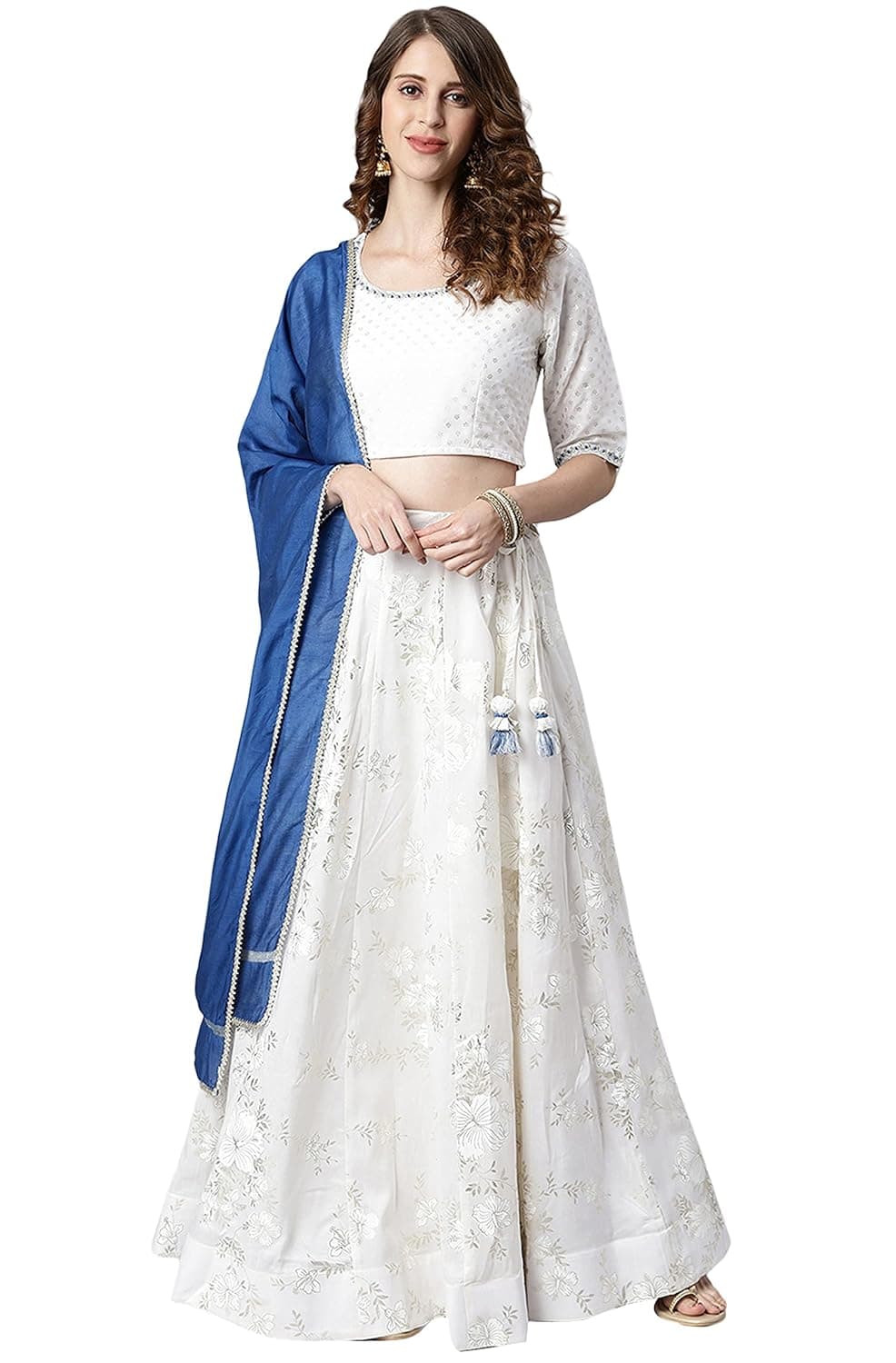 COD Available
janasya
Janasya Women's White Poly Silk Lehenga Choli with Dupatta
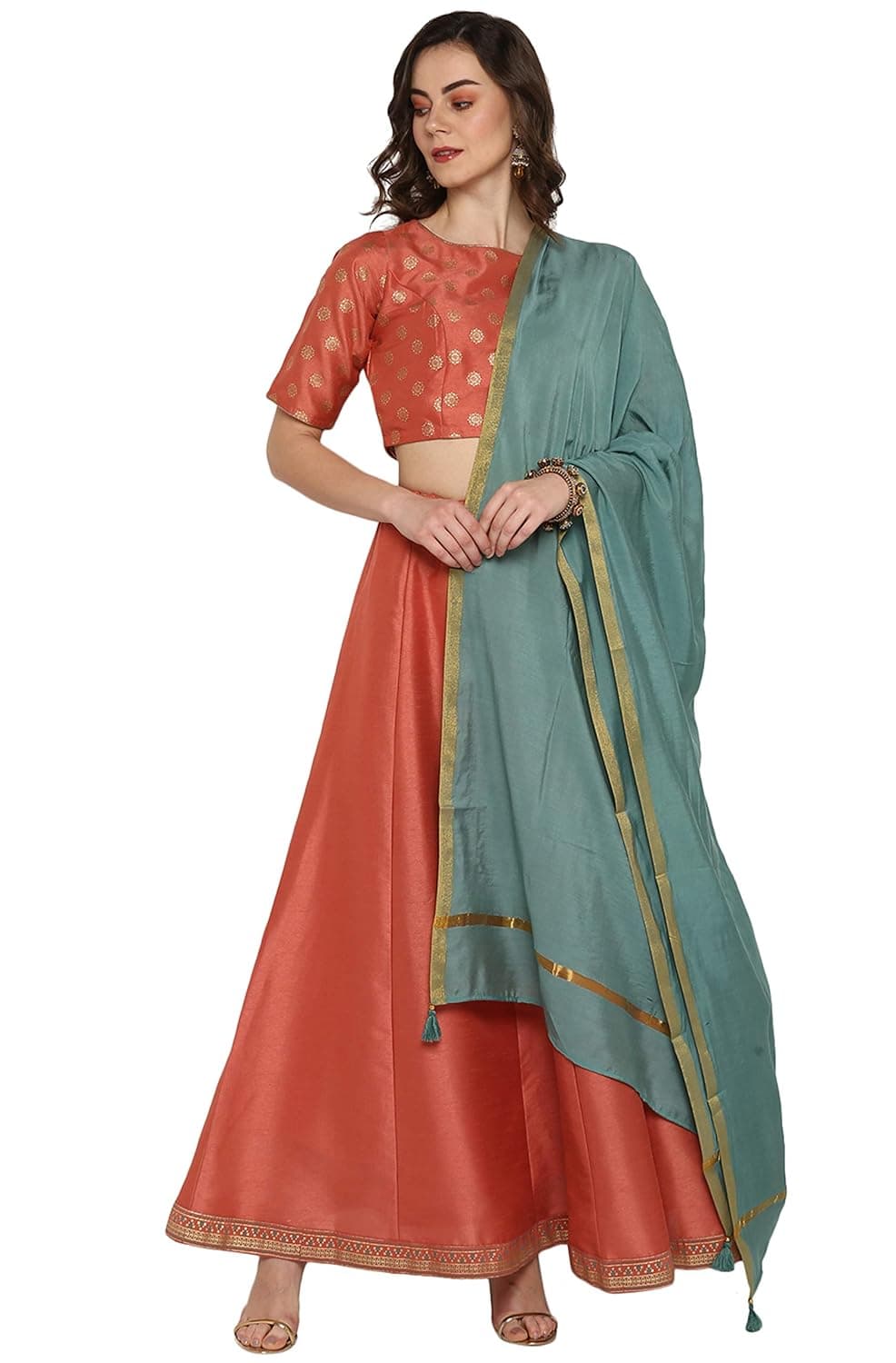 COD Available
janasya
Janasya Women's Peach Silk Lehenga Choli with Gota Patti
 COD Available
m.r.p:
Women's Satin Silk Embroidery Lehenga Choli (Wedding-Party-Bridal-Lehenga-White) Free Size | Finish Type: Semi-stitched
 COD Available
m.r.p:
Women's Embroidered Georgette Crop Top Lehenga Choli For Women (Party-Wedding-Bridal-Latest-New-Stylish; Free Size)
OUR VERDICT
The 2026 lehenga colour palette offers something for every bride and wedding guest. If you are choosing a bridal lehenga, dusty rose and classic red remain the safest choices that photograph beautifully and age well. For engagement and sangeet, sage green and lavender are the most current choices that will feel fresh and fashion-forward. Champagne gold is the luxury dark horse — expensive to execute well but stunning when done right. Regardless of colour, always prioritize fabric quality and embroidery craftsmanship over colour trend alone — a well-made lehenga in any shade will outshine a poorly constructed one in the most trending colour.