
| Event Type | Recommended Outfit | Why It Works | Industry Context |
|---|---|---|---|
| Client-facing meeting / pitch | Structured kurta-pant or formal western | Projects authority and confidence | All industries |
| Industry conference / seminar | Silk saree, formal Anarkali, or western formal | Looks polished and memorable | All industries |
| Annual company party | Smart festive ethnic or cocktail western | Balances professional and celebratory | All industries |
| International client meeting | Structured western or power saree | Projects cultural identity or global professionalism | Finance, consulting, law |
| Government / PSU function | Silk saree or formal salwar suit | Traditional Indian dress preferred | Government, public sector |
| Tech / startup town hall | Smart casual — kurta with jeans or neat western | Matches casual professional culture | Technology, startups |
When Ethnic Wear Is the Better Choice
- Indian government or public sector events: Sarees and formal salwar suits are the norm and strongly preferred. Western wear can look out of place or insufficiently formal.
- Traditional or legacy Indian companies: Many established businesses (family-run conglomerates, traditional industries) have a culture that values ethnic dressing. A saree signals understanding of and respect for that culture.
- Festive corporate events (Diwali, Navratri parties): Always choose ethnic for Indian festival celebrations at work — it is the only appropriate choice.
- Cultural or national occasions (Republic Day, Independence Day): Indian dress is strongly preferred at formal national occasions.
- Senior women who want to project authority: A well-chosen silk saree or formal Anarkali can project authority, gravitas, and cultural confidence more powerfully than western formalwear in many Indian contexts.
- Representing India to international audiences: Many senior Indian professionals deliberately wear ethnic dress at international events to project a confident Indian cultural identity.
When Western Wear Is the Better Choice
- International companies / MNCs: Many multinational companies in India operate with a western professional dress culture. A formal western outfit aligns with this and may feel more natural.
- Finance, consulting, law (especially client-facing roles): These industries have historically western-influenced dress codes. A structured suit or formal western attire can project the sharpest professional image.
- Tech and startup culture: Very casual western dress is the norm at most tech companies and startups in India. An overly formal ethnic look can feel out of place at a coding sprint.
- International travel for business: Western formal wear is practical for multi-country travel without the complexity of managing saree draping in different hotel rooms.
- Industries where your personal brand is deliberately modern and global: Fashion, media, technology — industries where image is partly about being globally connected.
The Power Saree: India's Most Authoritative Professional Outfit
The 'power saree' concept is worth understanding: a silk or structured fabric saree in muted, authoritative colours, draped neatly, with minimal jewellery and a structured blouse, is one of the most commanding professional outfits in Indian corporate culture:
- Colours for power sarees: Deep teal, navy blue, charcoal with a contrast border, forest green, burgundy, and deep plum.
- Fabrics: Silk, Kanjivaram, Chanderi, and raw silk all project quiet authority. Avoid synthetic fabrics or overly shiny fabrics in formal corporate settings.
- Blouse: A structured, well-fitted blouse with a modest neckline — no bejewelled or fashion-forward blouses for formal corporate events.
- Drape: Neatly pinned, no loose pallu flying — a tightly draped, pinned saree looks deliberate and authoritative.
- Jewellery: Minimal — small studs, a simple necklace, a watch. No jhumkas or heavy jewellery for a formal professional meeting.
- Why it works: It projects cultural pride, feminine authority, and demonstrates that you do not need to adopt western forms of power to be taken seriously.
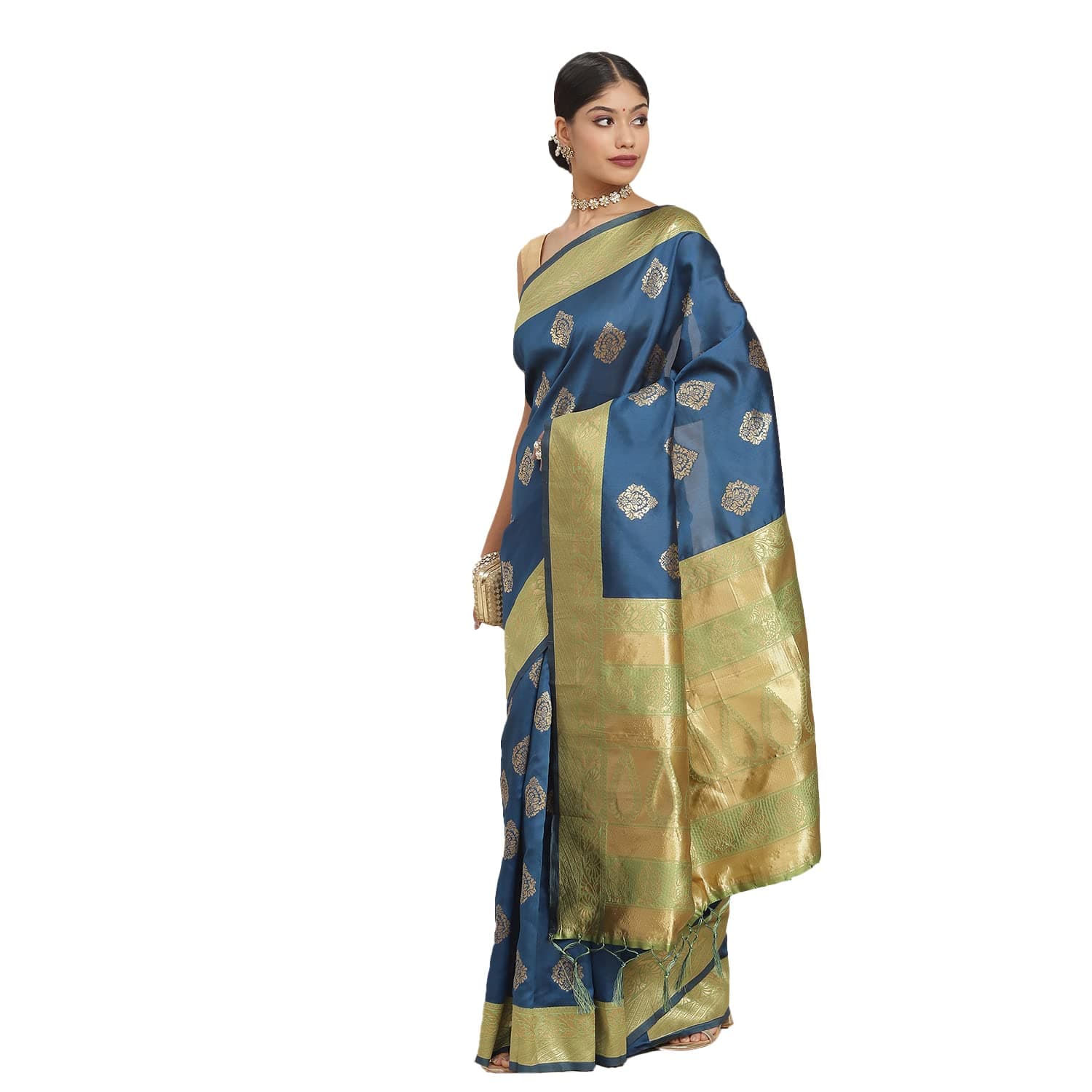 COD Available
ishin
Ishin Women's Silk Blend Teal & Green Woven Design Saree with Blouse
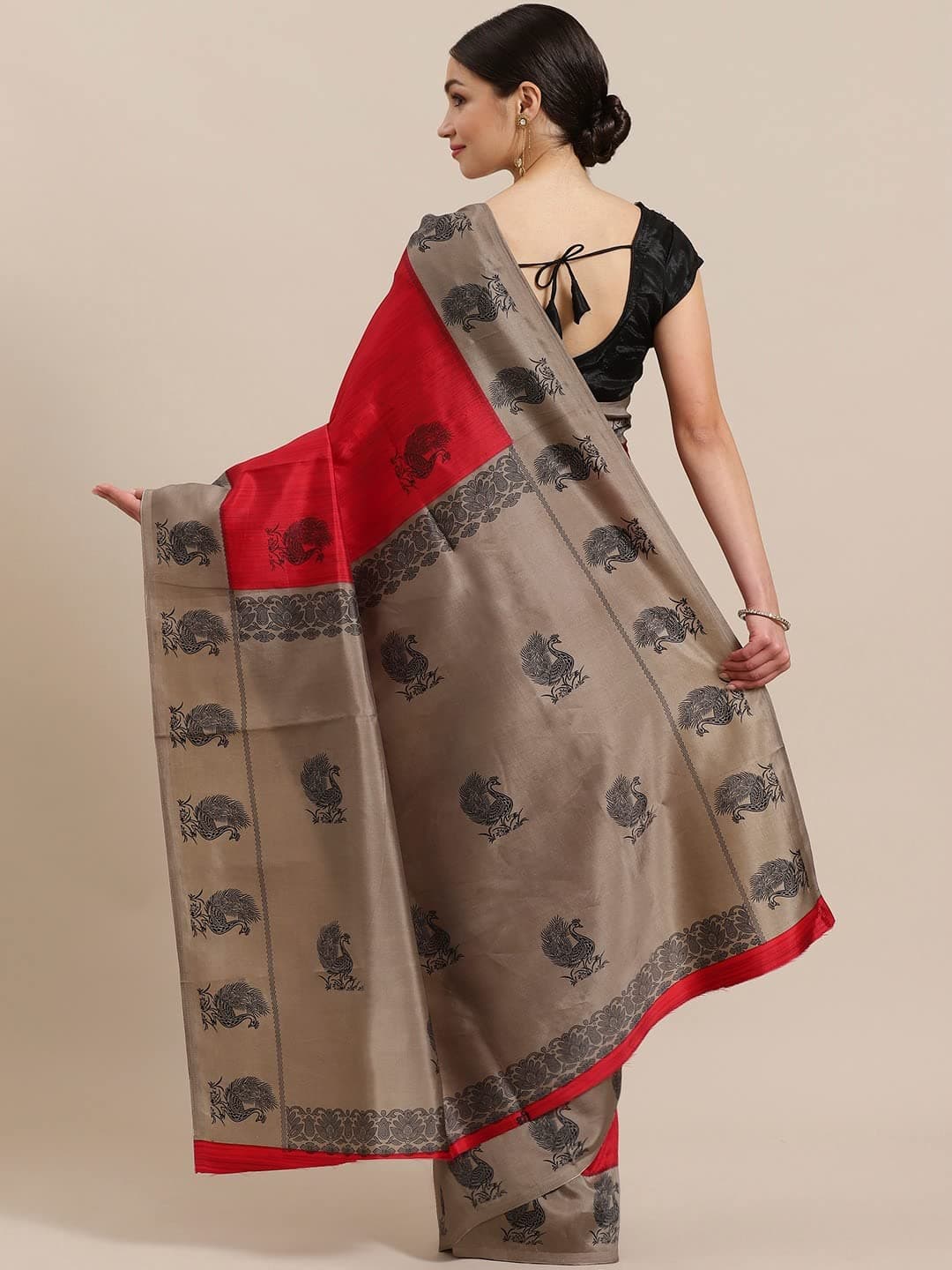 COD Available
ishin
Ishin Women's Art Silk Maroon & Taupe Printed Saree
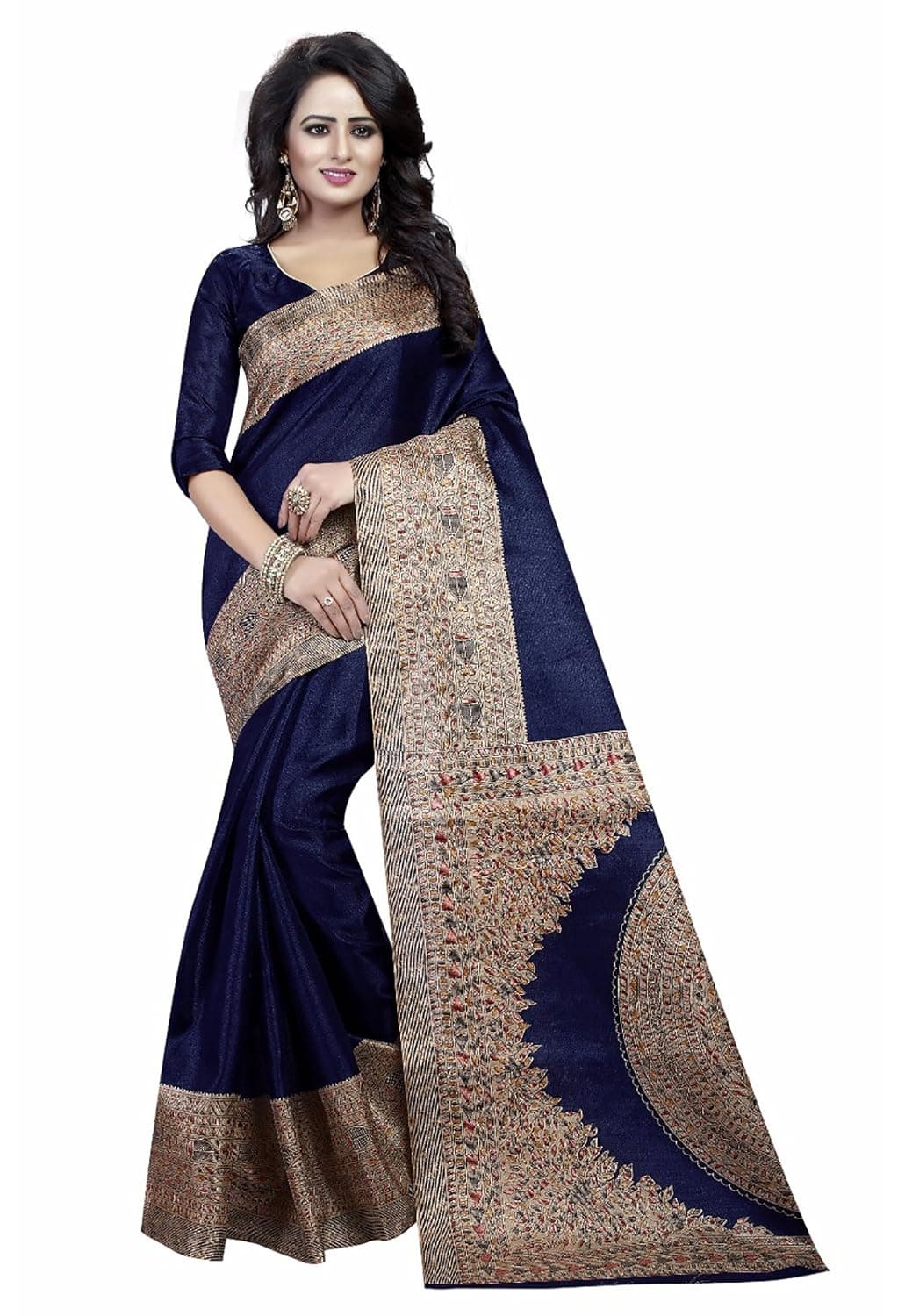 COD Available
ishin
Ishin Women's Art Silk Navy Blue Saree with Blouse Piece
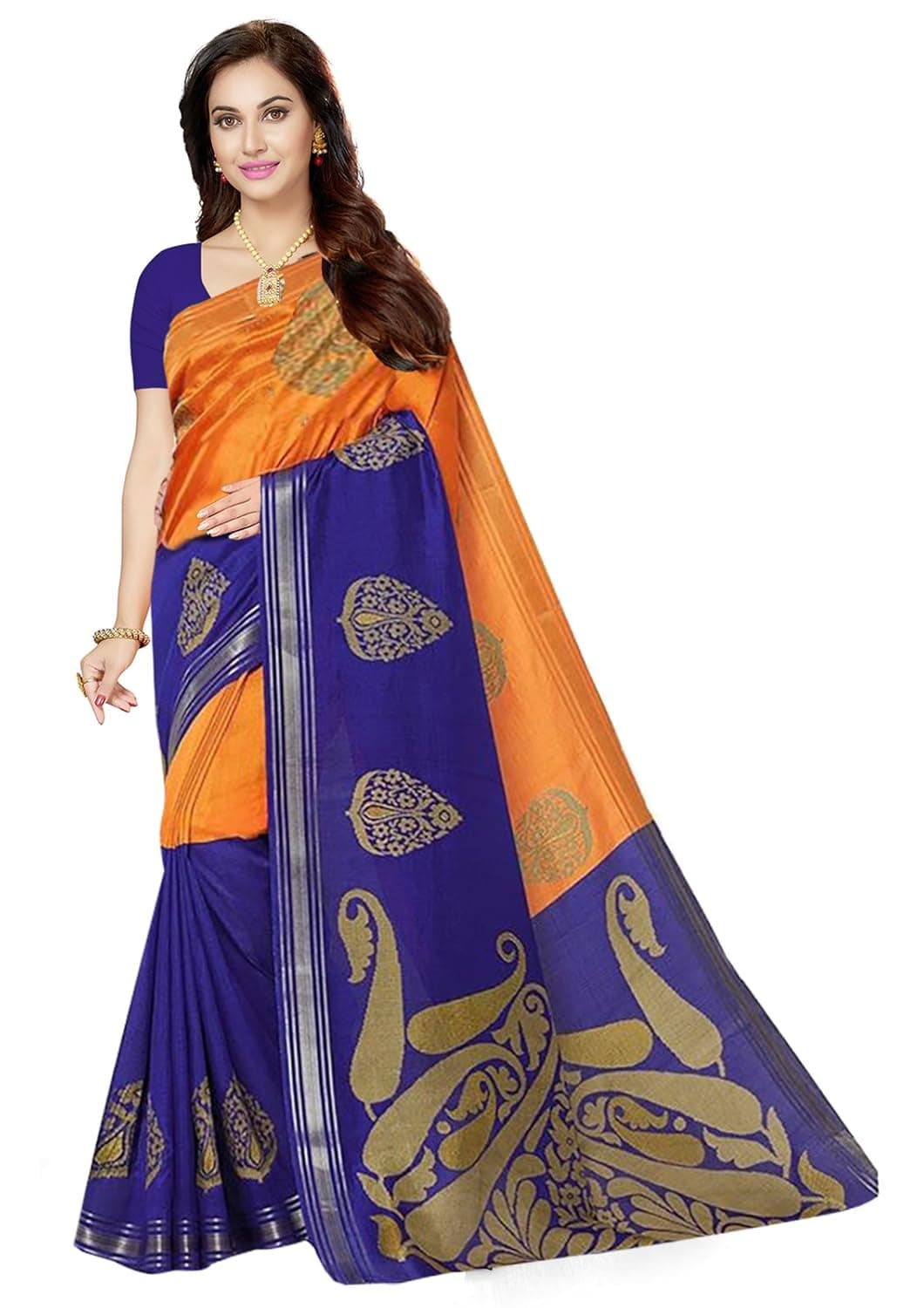 COD Available
ishin
Ishin Women's Art Silk Dark Blue & Orange Saree with Blouse
Smart Ethnic: The Best of Both
For many corporate events, smart ethnic wear — a kurta set in structured fabric, or an Anarkali with a minimal aesthetic — offers the best of both worlds:
- Kurta with cigarette pants: One of the most versatile and appropriate corporate outfits — ethnic, structured, and modern. Works from a startup to a traditional company.
- Straight kurta with a formal blazer: The blazer takes an ethnic kurta into corporate territory immediately. A very effective smart-ethnic hybrid.
- Churidar suit in Chanderi or linen: Structured, clean-lined, and very professional-looking. Choose muted or mid-tone colours.
- Silk Anarkali in deep tones: Commands attention in a boardroom while still being entirely ethnic.
- Bandhgala jacket with a kurta-pant: A powerful formal ethnic option that requires zero compromise on cultural identity.
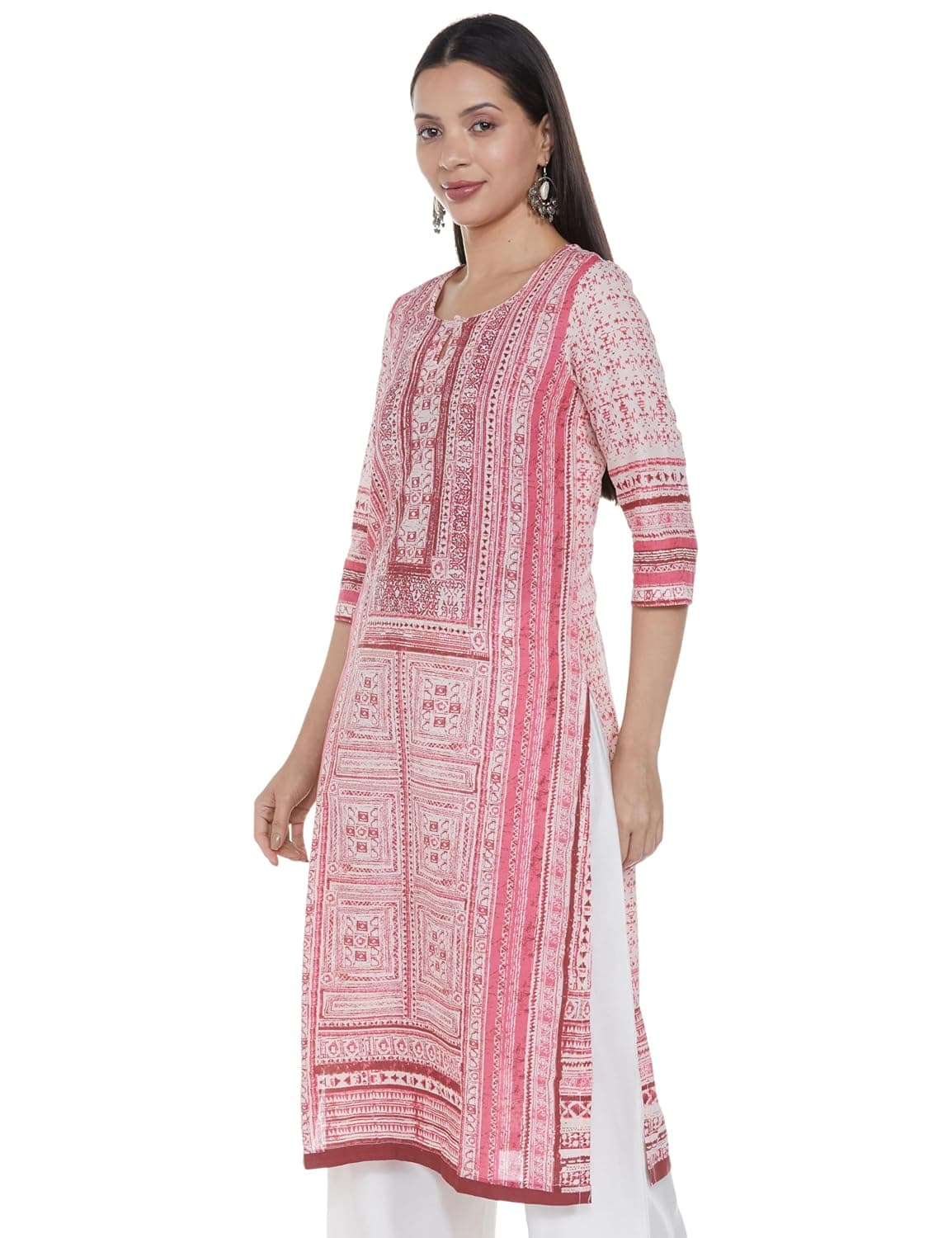 COD Available
biba
BIBA Women's Cotton Straight Printed Kurta
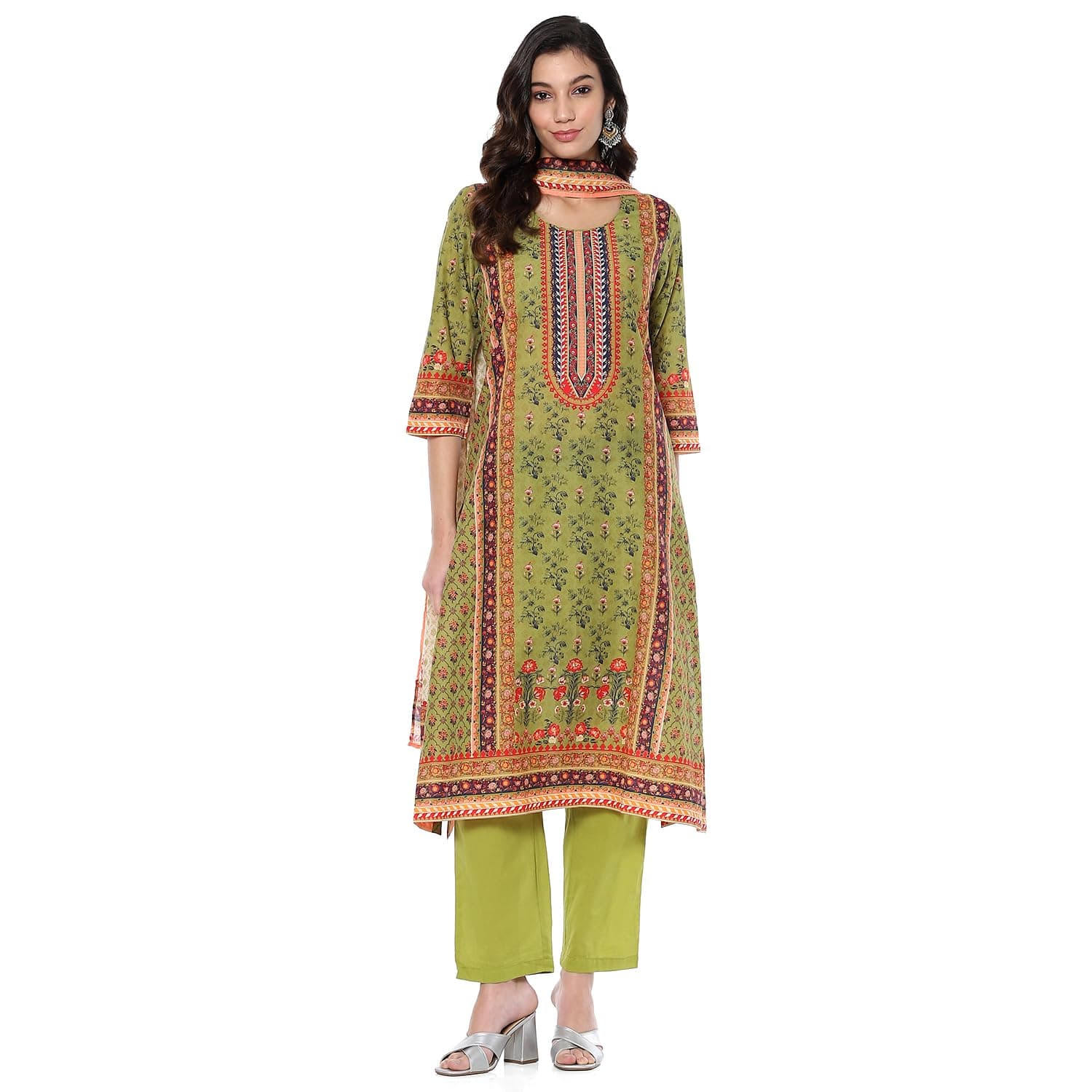 COD Available
biba
BIBA Women's Cotton Printed Kurta Set with Dupatta
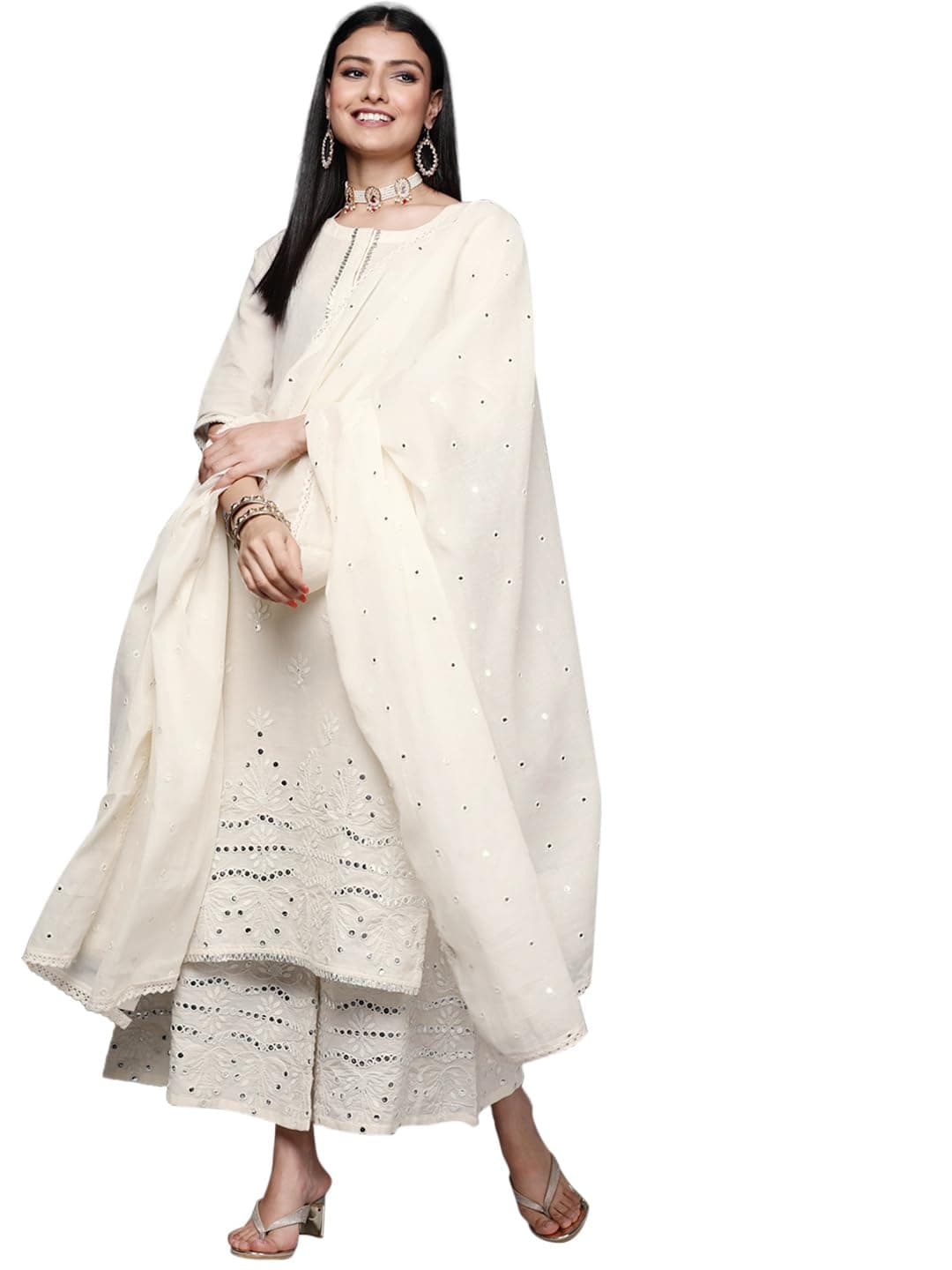 COD Available
libas
Libas Women's Embroidered Cotton Straight Kurta with Palazzos & Dupatta
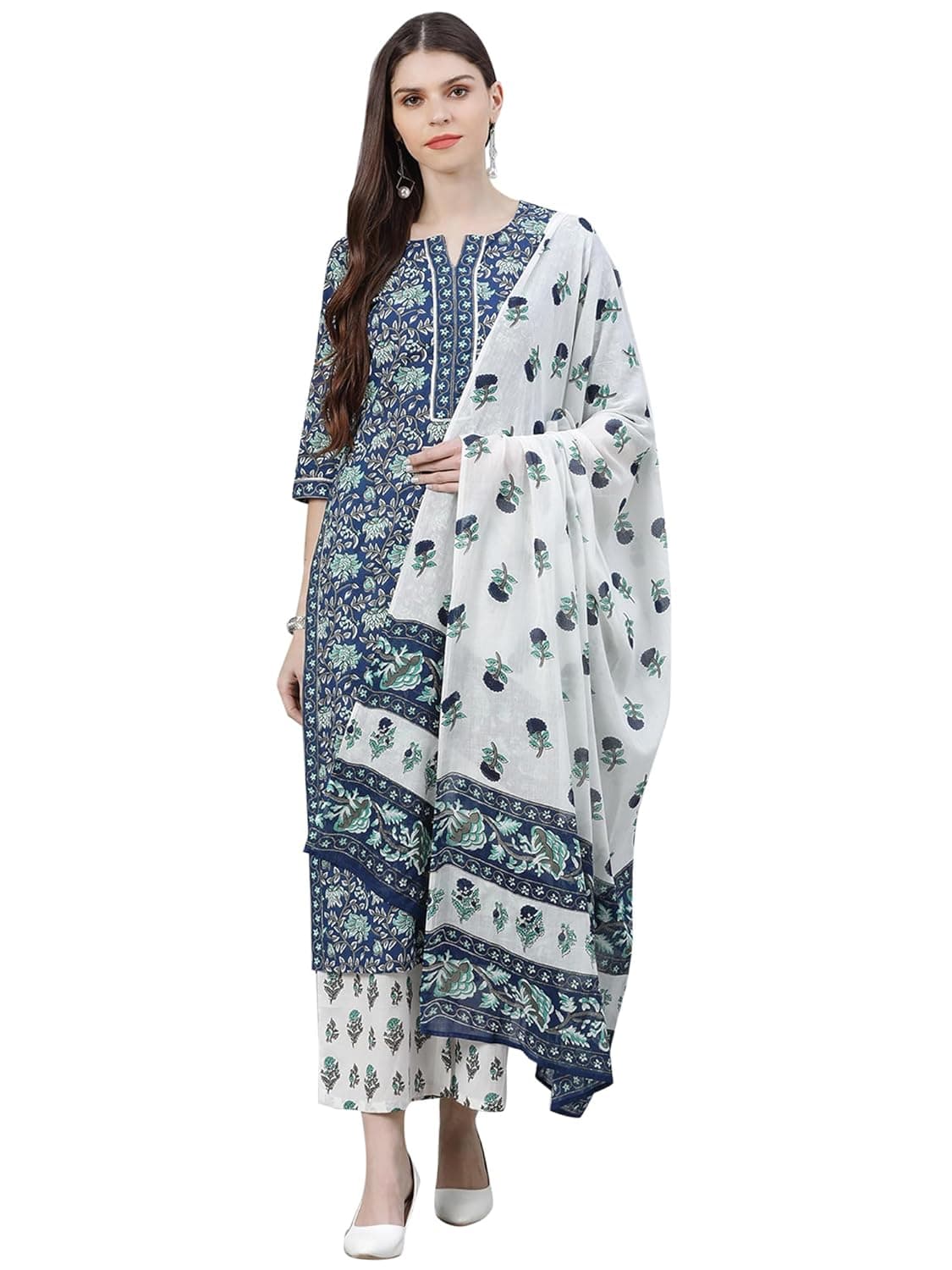 COD Available
libas
Libas Women's Cotton Printed Kurta Set Multicoloured
Who Should Buy
- Women navigating a corporate environment where both ethnic and western are accepted — a structured kurta set or a power saree gives you authority in either context.
- Professionals in traditional Indian industries (government, PSU, established corporates) who want the most respected and appropriate option — a silk saree is always right.
- Young professionals in modern companies who want to dress ethnically without looking informal — a kurta with cigarette pants and a blazer is the answer.
- Senior women who want to project cultural authority and confidence — a power saree in deep tones with minimal jewellery is the most powerful professional statement you can make.
Skip If
- Your company has a specific uniform or dress code policy — always follow company policy first.
- You are attending a corporate event in a different country on behalf of your company — research the local dress code norms for that country.
- The event is a casual team outing — in that case, smart casual (jeans with a kurta, or casual western) is entirely appropriate.
OUR VERDICT
For most corporate events in India, smart ethnic wear — a well-fitted kurta set, a structured Anarkali, or a silk saree in professional tones — is a completely valid and often more culturally authoritative choice than western formalwear. Choose ethnic when in doubt for Indian government, traditional corporate, or festive events. Choose western for international client meetings, MNC environments, and global contexts. And choose smart-ethnic hybrid (kurta with blazer, churidar suit) when you want the professional authority of both.