
| Outfit Type | Best For | Budget Range | When to Wear |
|---|---|---|---|
| Sharara Set (embroidered) | Women, all ages — most traditional | Rs 3,000 – 12,000 | Eid day, family gatherings, Eid parties |
| Anarkali Suit (floor-length) | Women — elegant and modest | Rs 2,500 – 8,000 | All Eid functions |
| Embroidered Salwar Kameez | Women — classic and comfortable | Rs 1,500 – 5,000 | Eid Namaz, family visits, casual Eid |
| Kurta-Pyjama (silk/cotton) | Men — traditional and respectful | Rs 1,000 – 5,000 | Eid Namaz, family visits |
| Sherwani | Men — formal and grand | Rs 3,000 – 15,000 | Grand Eid celebrations, formal occasions |
| Kids' Lehenga / Ghagra (girls) | Girls up to age 12 | Rs 700 – 3,500 | Eid day, family visits |
Eid ul Fitr vs Eid ul Adha: Different Moods, Different Looks?
- Eid ul Fitr (Meethi Eid): The sweeter, more jubilant of the two Eids — celebrated at the end of Ramadan with great joy. The mood is festive and celebratory. Bright colours and elaborate outfits are perfect.
- Eid ul Adha (Bakri Eid): A more sombre spiritual occasion focused on sacrifice and generosity. The festivity is still present, but the mood is slightly more measured. Rich, elegant colours — gold, ivory, deep green — are particularly appropriate.
- Both Eids: New clothes are traditional for both, and wearing something clean, beautiful, and festive is the Sunnah for both occasions.
- Eid Namaz (morning prayers): For the morning prayers at the mosque or Eidgah, dress is more conservative — full coverage, modest, and neat. After Namaz, you can dress up more for celebrations and family visits.
Eid Colours: Traditional and Trending for 2026
- Ivory and gold: The classic and most universally appropriate Eid combination — elegant, timeless, and deeply festive.
- Pastel green: Soft mint, sage, and pistachio green are beautiful for Eid and have a gentle association with the colour of Islam.
- Royal blue and navy: Majestic and celebratory — works beautifully for both men and women.
- Peach and blush: Popular for Eid ul Fitr especially — light, sweet, and festive.
- Dusty rose: A trending colour for 2025-2026 Muslim festivities — sophisticated and beautiful.
- Avoid: Black for Eid day is traditionally discouraged in many communities as it is associated with mourning. White is worn by many women (as Eid is also a spiritually pure occasion) — check local tradition.
- Green: A beautiful choice for Eid with religious significance. All shades are appropriate — from pale mint to emerald.
Eid Outfits for Women by Age and Setting
- Teen girls (13-18): A festive Anarkali or a colourful lehenga in trending Eid colours. Keep it modest — full coverage with a dupatta.
- Young women (18-35): A sharara set in ivory, dusty rose, or royal blue with heavy embroidery. Or an elaborate Anarkali in a jewel tone. The Eid party look can be more glamorous.
- Women 35-50: A beautifully embroidered salwar kameez or a silk saree (South Indian Muslim communities often wear sarees for Eid). Elegant and moderate.
- Senior women: A classic salwar suit or saree in gold, ivory, or deep jewel tones. Timeless and dignified.
- For Eid Namaz specifically: A modest, full-coverage outfit — floor-length Anarkali, sharara with long kurta, or a salwar suit with large dupatta for head covering.
Eid Outfits for Men
- Kurta-pyjama: The most traditional and universally appropriate Eid outfit for men. A new kurta in white, ivory, light blue, or green is perfect for Eid Namaz.
- Sherwani: A more formal look, appropriate for grand Eid celebrations and family gatherings. Paired with a churidar and Kolhapuri shoes or juttis.
- Pathani suit: A long kurta with wide-legged salwar — traditional and comfortable, associated with Afghan and Pashtun style but widely worn across Indian Muslim communities.
- Nehru jacket over kurta: A smart, slightly formal option that is less formal than a sherwani but more polished than a plain kurta-pyjama.
- Colour guidance for men: White, ivory, sky blue, light grey, and light green are traditional Eid colours for men. Avoid all-black.
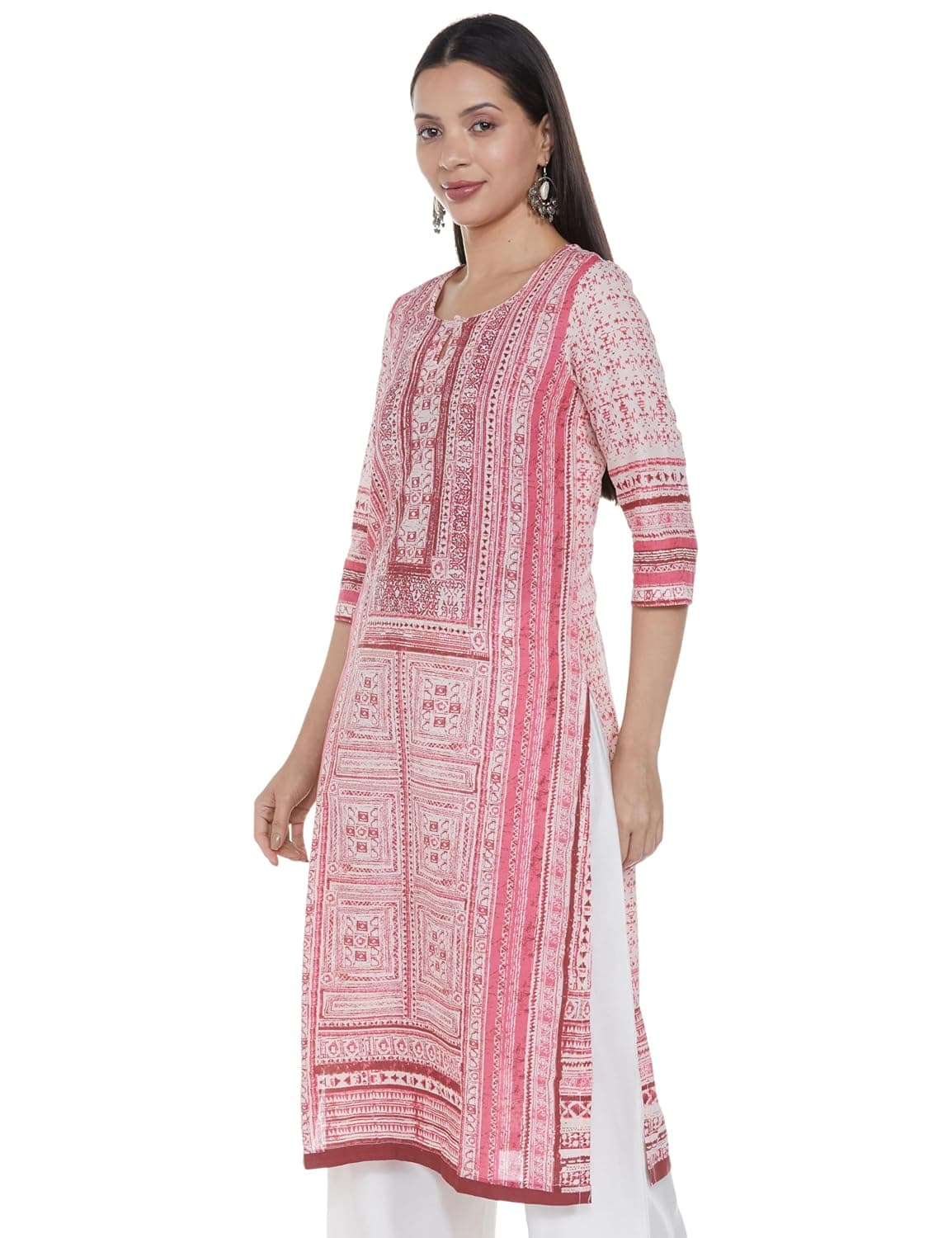 COD Available
biba
BIBA Women's Cotton Straight Printed Kurta
Only ₹599
₹1,299Save ₹700!
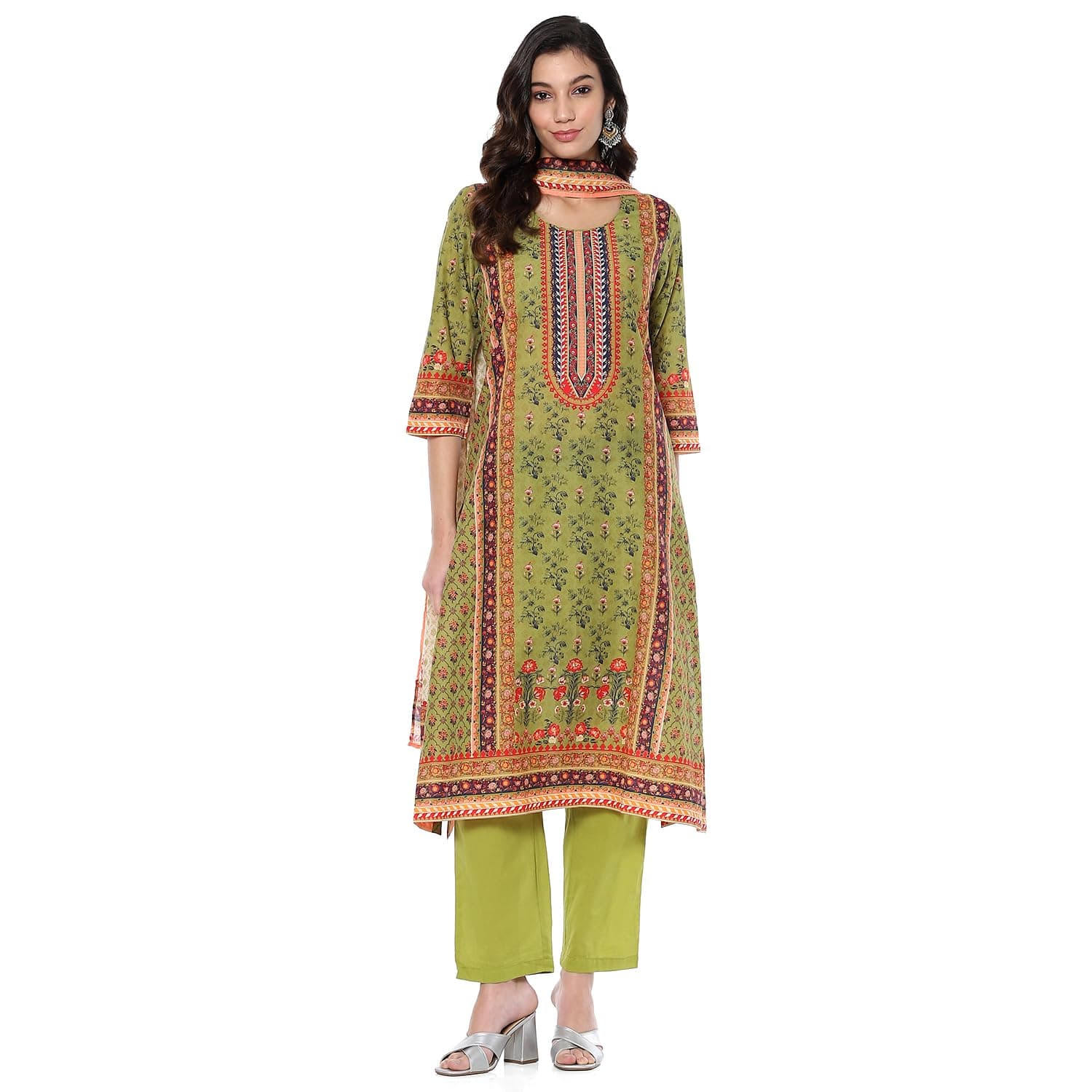 COD Available
biba
BIBA Women's Cotton Printed Kurta Set with Dupatta
Only ₹999
₹1,799Save ₹800!
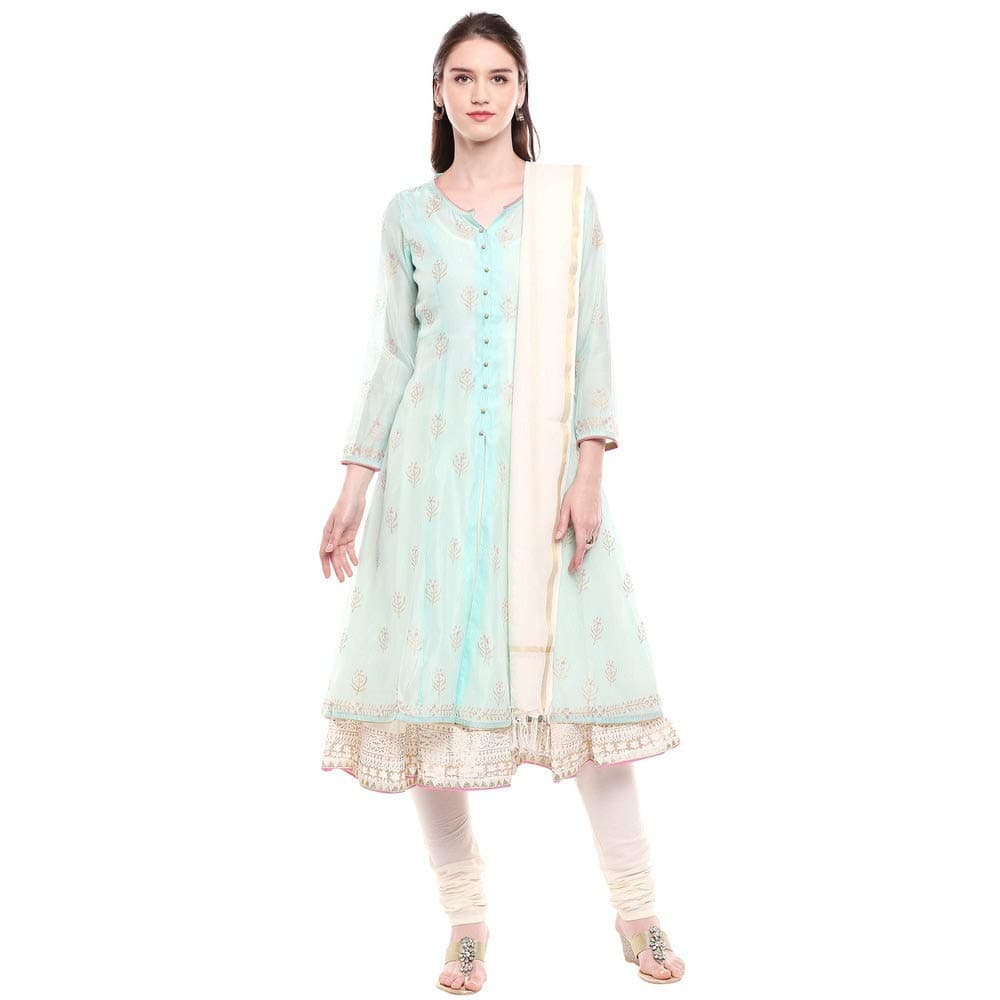 COD Available
biba
BIBA Women's Cotton A-Line Churidar Suit
Only ₹899
₹1,799Save ₹900!
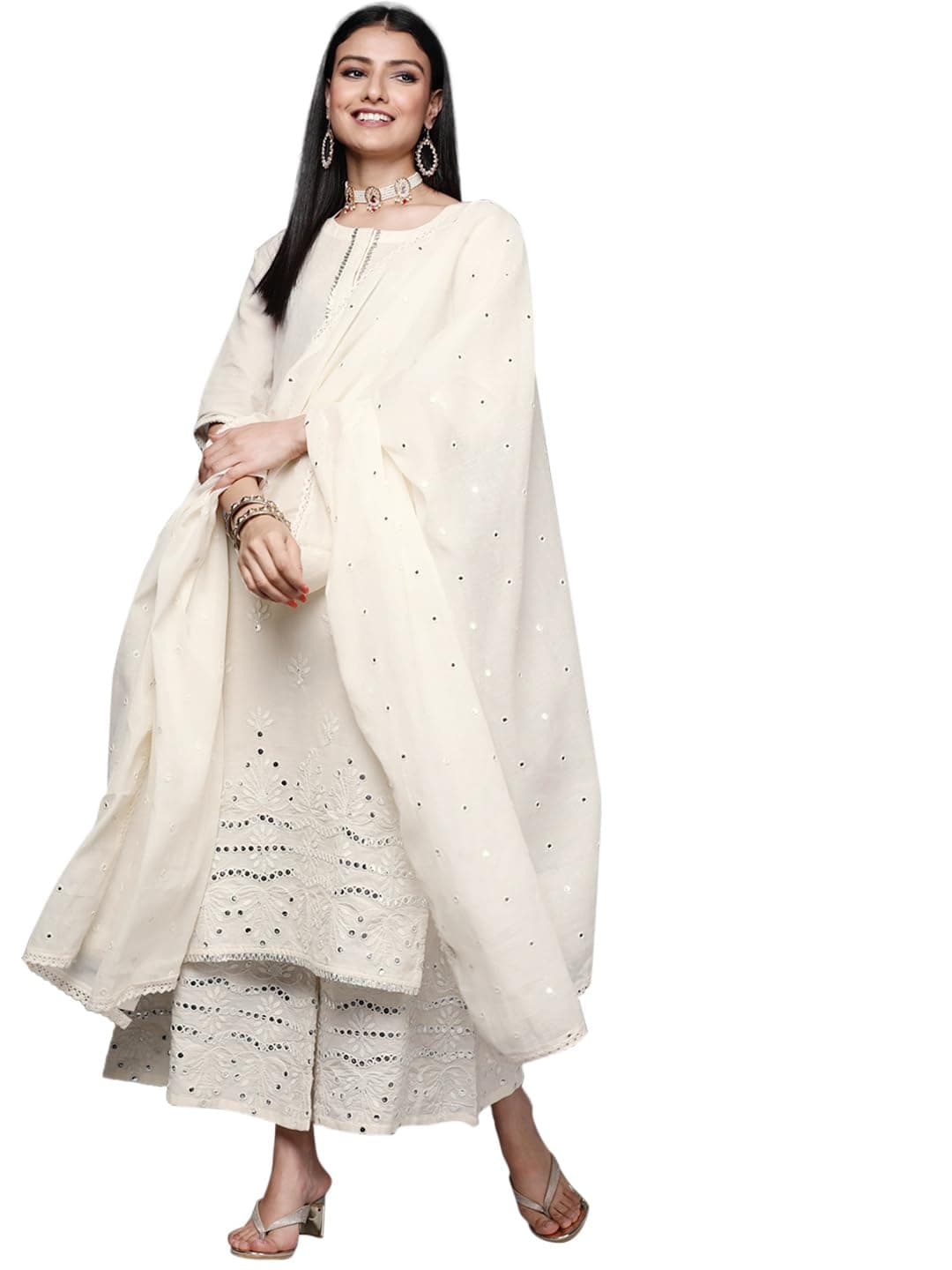 COD Available
libas
Libas Women's Embroidered Cotton Straight Kurta with Palazzos & Dupatta
Only ₹749
₹1,499Save ₹750!
Eid Outfits for Kids
- Girls: A colourful lehenga or ghagra in bright colours, or a festive Anarkali. Comfort is key — avoid heavy embroidery that scratches skin for young children.
- Boys: A kurta-pyjama or Pathani suit in white, light blue, or green. A small Topi (cap) is a traditional and beautiful touch for boys attending Eid Namaz.
- Toddlers: Keep it very simple — a soft cotton kurta for boys, a printed cotton suit or lehenga for girls. Avoid anything with lots of buttons, pins, or heavy embellishments.
- Matching family outfits: Coordinating family outfits on Eid — all in cream, or all in a particular colour — is a beautiful and popular tradition.
Outfit Ideas by Budget
- Under Rs 2,000: A printed georgette or chiffon salwar kameez with embroidery — for women. A plain cotton kurta-pyjama — for men. A simple cotton ghagra for kids.
- Rs 2,000 – 5,000: An embroidered Anarkali or a sharara set in festive colours for women. A silk blend kurta with churidar for men.
- Rs 5,000 – 10,000: A fully embroidered sharara with heavy zardozi or resham work, or a Chikankari suit in a festive colour. A Nehru jacket with kurta for men.
- Rs 10,000 and above: A designer-style lehenga or heavily worked sharara for women. A full sherwani set with churidar and accessories for men.
Who Should Buy
- Women who want to look traditionally Eid-appropriate — a sharara set or embroidered Anarkali in ivory, gold, or dusty rose is the quintessential Eid look.
- Men who want to honour the Sunnah of dressing in new clothes for Eid — a new kurta in white or light blue for Eid Namaz followed by a sherwani for celebrations.
- Families who want to coordinate matching Eid outfits — an ivory or pale blue family theme looks stunning in Eid photos.
- Non-Muslim guests visiting Muslim friends or family on Eid — modest ethnic wear in festive colours is the perfect and most appreciated choice.
Skip If
- You are attending a western-influenced Eid party with a cocktail dress code — modest western formalwear may be appropriate in that context.
- You are in a region with a very specific local Eid dress tradition — follow local practice (e.g., Kashmiri Phirans, Kerala Kasavu sarees) over this general guide.
- The Eid gathering is a very small, private family affair — simpler everyday ethnic wear is perfectly appropriate.
OUR VERDICT
For Eid 2026, a sharara set or embroidered Anarkali in ivory, dusty rose, royal blue, or pastel green is the most beautiful and appropriate look for women. For men, a new white or ivory kurta-pyjama for Eid Namaz and a more formal sherwani for celebrations. New clothes, modest coverage, and festive colours are the three principles that make every Eid outfit right.