
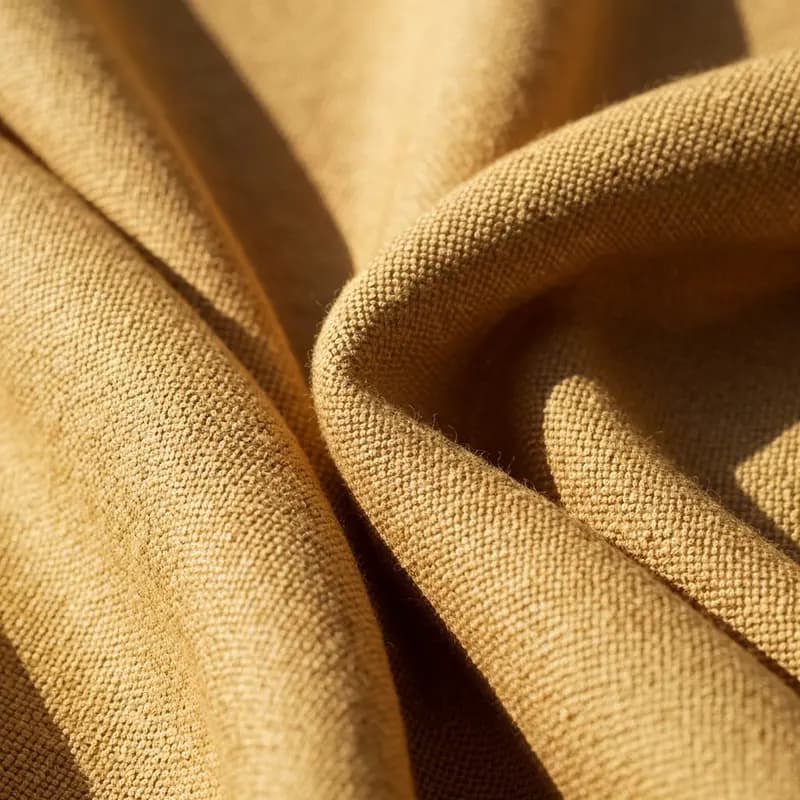
History & Origin
Tussar silk has been harvested from wild forest silkworms for centuries by tribal communities across Eastern India. The silk is extracted from cocoons of the Antheraea mylitta silkworm — a completely different species from the cultivated Bombyx mori (mulberry silkworm). This wild origin gives Tussar its characteristic rougher texture and naturally golden colour that cannot be replicated by any cultivated silk.
Bhagalpur in Bihar earned the nickname 'Silk City' largely through Tussar weaving, producing both plain and printed Tussar fabrics that are exported worldwide. In tribal Jharkhand, Tussar weaving is an important livelihood for indigenous communities, and the government has supported numerous cooperative projects to protect and promote this heritage craft.
How to Identify Authentic Tussar Silk
- Natural colour — genuine Tussar has a warm honey-gold, cream, or off-white base. If the base colour is pure stark white or has an artificial brightness, it is likely blended or synthetic.
- Slub texture — real Tussar has natural irregular thickening (slubs) in the yarn which create a slightly uneven surface texture. This is a feature, not a defect.
- Matte finish — Tussar is not shiny like mulberry silk. If a 'Tussar' saree has high sheen, it is blended with synthetic or mulberry silk.
- Burn test — Tussar silk burns slowly with a smell of burning hair, leaving crushable grey ash. Synthetic imitations melt and smell of burnt plastic.
- Feel test — Tussar has a slightly rough, dry hand feel compared to the smooth hand of mulberry silk. This is entirely normal and desirable.
Types of Tussar Silk
| Type | Weight | Price Range | Best For |
|---|---|---|---|
| Pure Tussar (Plain) | Light-Medium | Rs 1,500 – Rs 8,000 | Daily ethnic, office wear |
| Printed Tussar | Light-Medium | Rs 2,000 – Rs 15,000 | Festive, casual occasions |
| Embroidered Tussar | Medium | Rs 4,000 – Rs 30,000 | Festive, semi-formal |
| Kosa Silk (Chattisgarh variant) | Medium | Rs 3,000 – Rs 20,000 | Occasions, gifting |
Best Brands for Tussar Silk
On Amazon, brands like Handloom Weavers, Odisha Weaves, and Mirraw offer good Tussar options. Satrani and Mimosa carry Tussar-blend sarees at accessible prices. For genuine handloom Tussar, look for government-supported weavers cooperative listings which often carry the Handloom Mark.
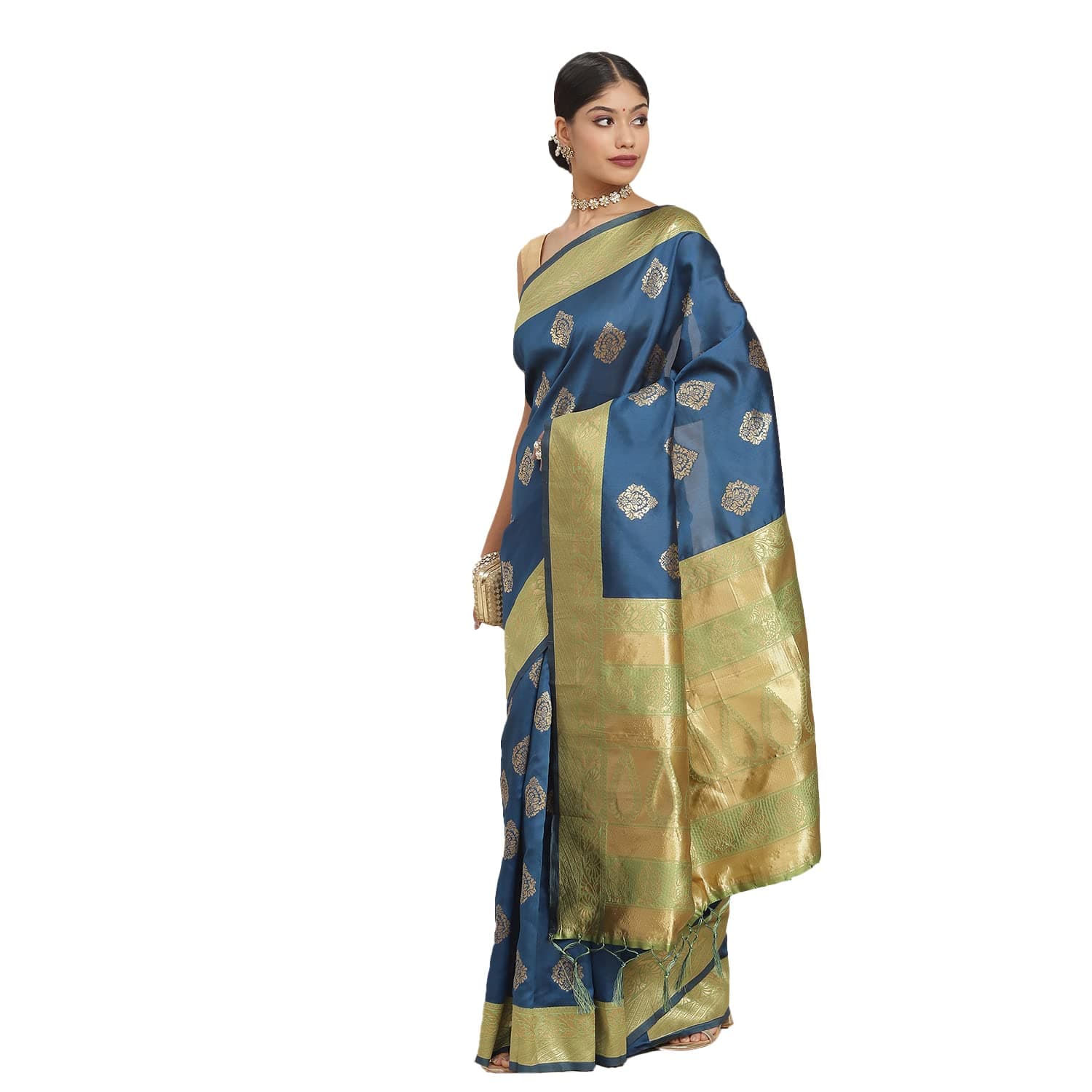 COD Available
ishin
Ishin Women's Silk Blend Teal & Green Woven Design Saree with Blouse
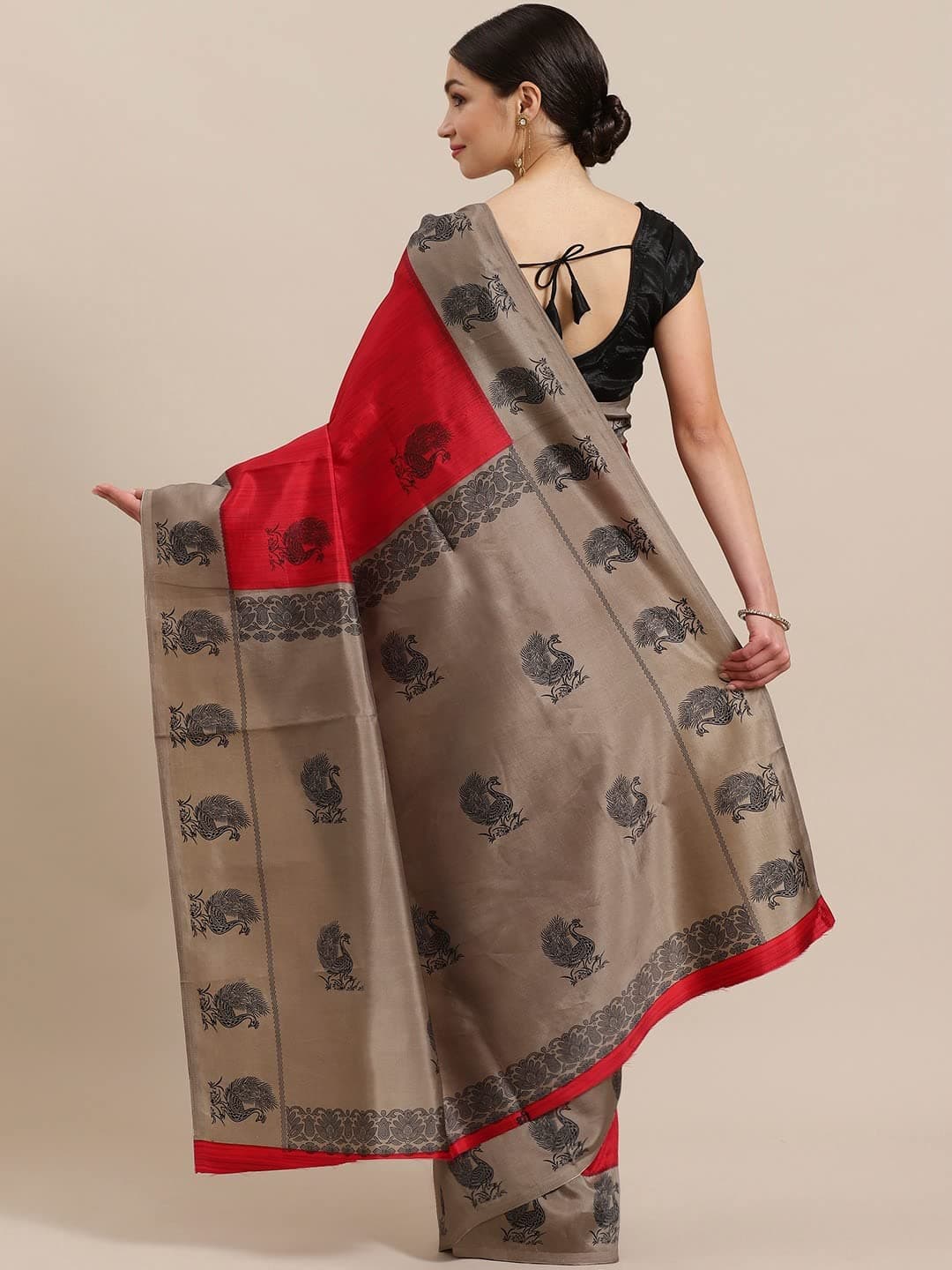 COD Available
ishin
Ishin Women's Art Silk Maroon & Taupe Printed Saree
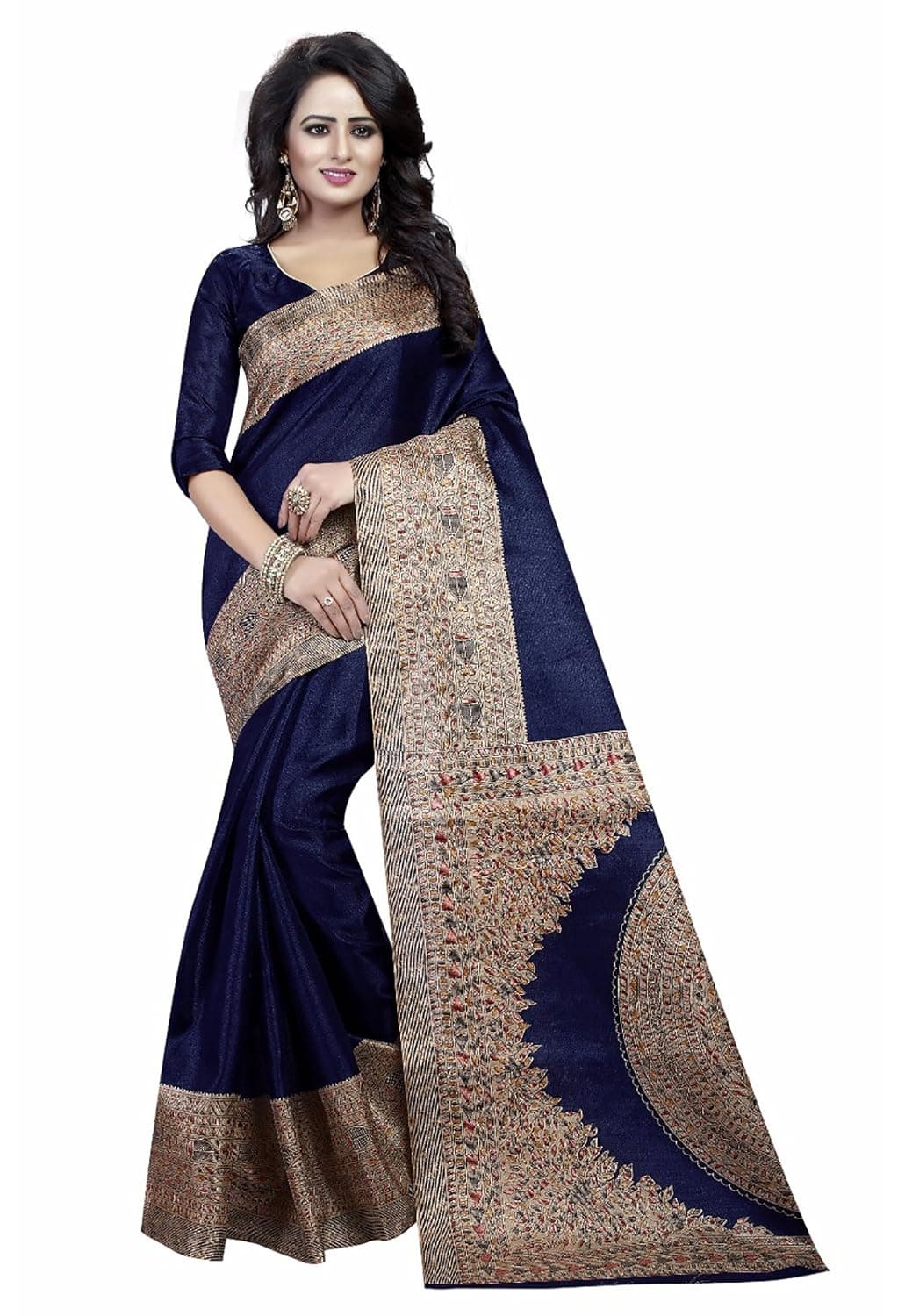 COD Available
ishin
Ishin Women's Art Silk Navy Blue Saree with Blouse Piece
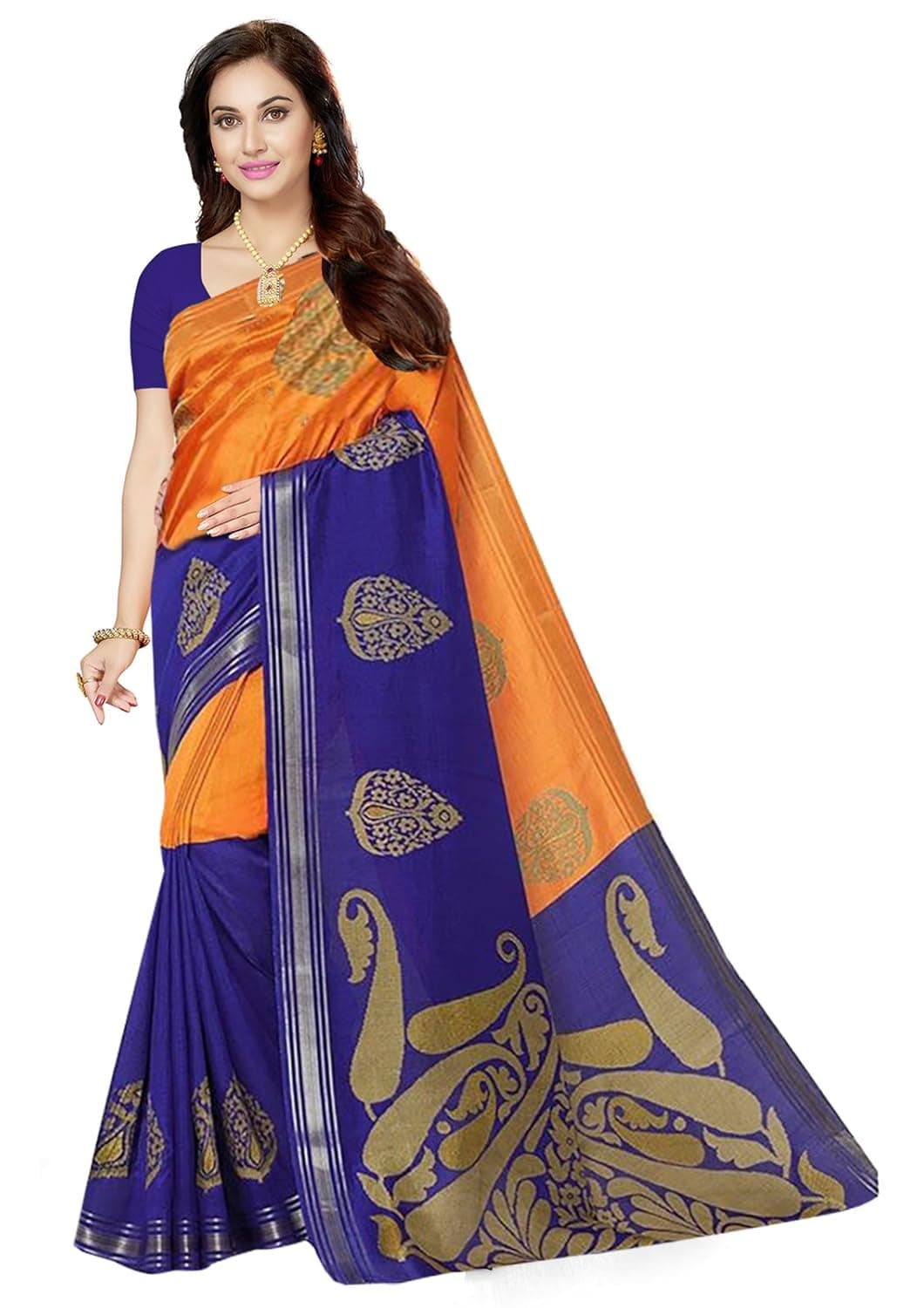 COD Available
ishin
Ishin Women's Art Silk Dark Blue & Orange Saree with Blouse
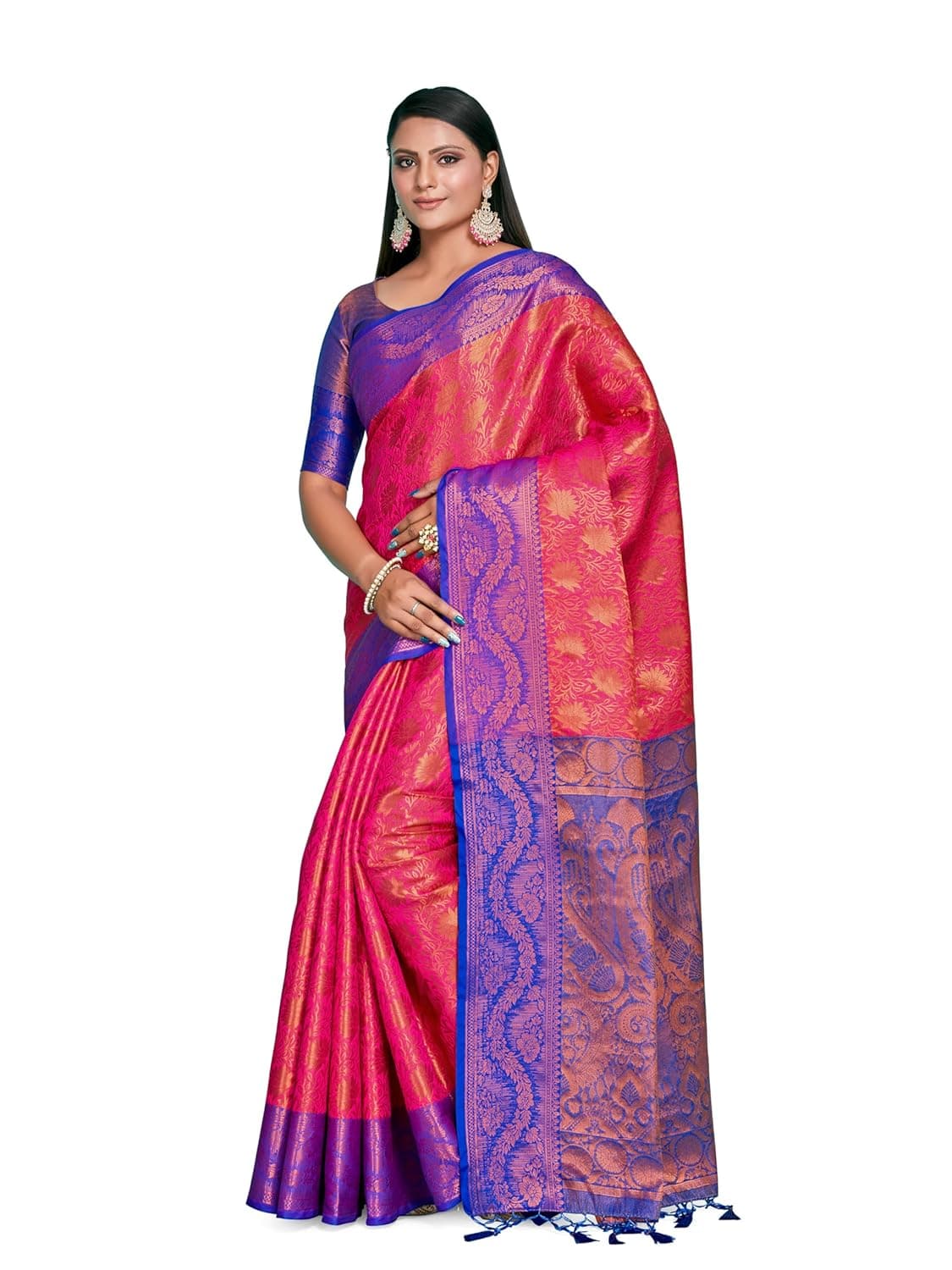 COD Available
mimosa
MIMOSA Women's Woven Design Kanjivaram Art Silk Saree Rani
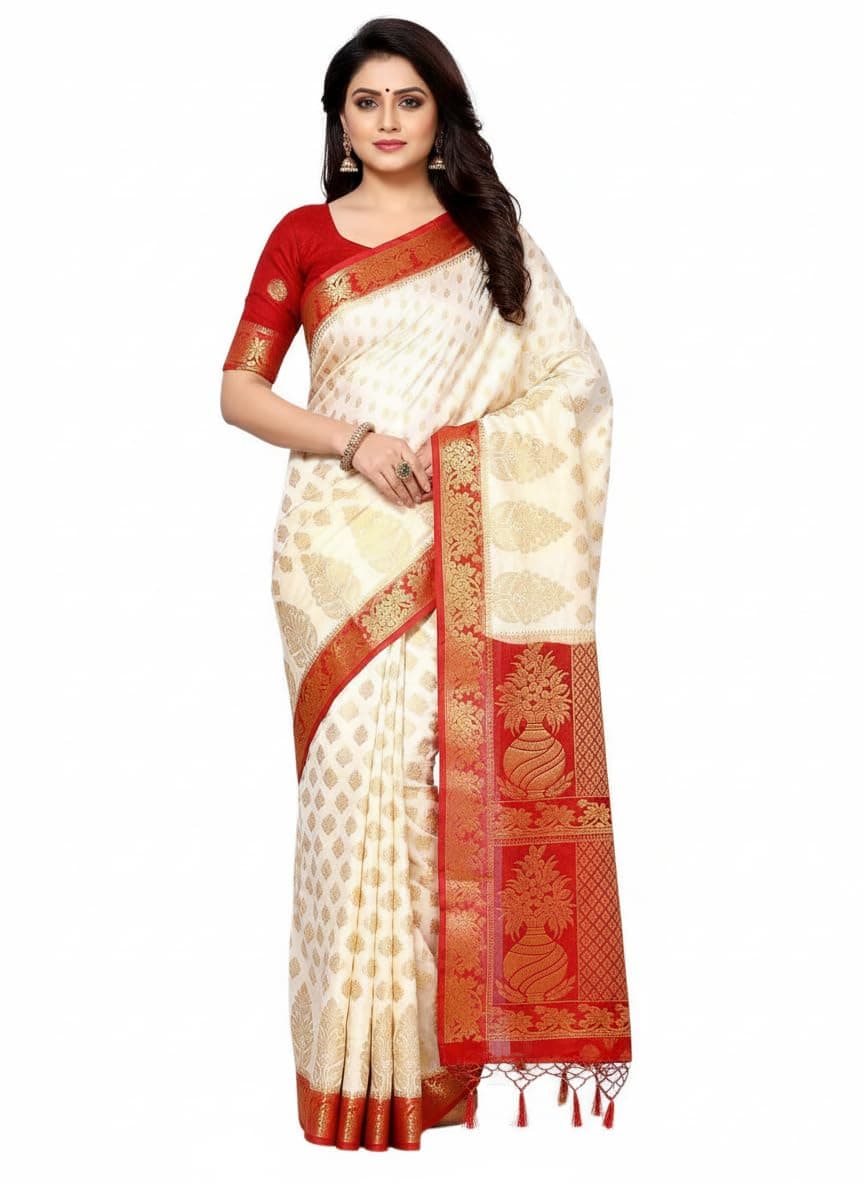 COD Available
mimosa
MIMOSA Women's Art Silk Saree Kanjivaram Style Beige
Price Guide
| Tier | Price Range | What You Get |
|---|---|---|
| Budget | Rs 1,500 – Rs 4,000 | Plain or printed Tussar; machine-printed designs; good for daily wear |
| Mid-Range | Rs 4,000 – Rs 12,000 | Handloom Tussar with block prints or natural dyes; excellent quality for festive |
| Premium | Rs 12,000 – Rs 30,000+ | Hand-embroidered or naturally-dyed pure Tussar; artisan pieces with Kantha or Chikankari work |
Care & Maintenance
- Dry-clean for embroidered or printed Tussar; plain Tussar can be gently hand-washed in cold water with mild silk-specific detergent.
- Never wring or twist — press out excess water gently and dry flat in the shade.
- Iron at medium heat while slightly damp or through a damp cotton cloth.
- Store folded in muslin cloth; Tussar is slightly more robust than mulberry silk but still benefits from breathable storage.
Styling Tips
Tussar's earthy, matte tones are incredibly versatile — they pair beautifully with oxidised silver jewellery, wooden or terracotta accessories, and natural-dyed cotton blouses. The fabric has a global, bohemian appeal that works for art events, cultural gatherings, and office wear equally well. Block-printed Tussar sarees with a linen blouse is one of the most effortlessly stylish ethnic looks you can put together.
OUR VERDICT
Tussar silk is the most accessible and versatile of all Indian silks. It is easier to wear, easier to maintain, and easier on the wallet than Banarasi or Kanchipuram — making it the perfect everyday silk for working women who love ethnic wear. Start here if you are new to silk sarees.