
History & Origin
Eri silk weaving is deeply embedded in the culture of indigenous communities across Assam, Meghalaya, Nagaland, and parts of Bihar. The word 'Eri' comes from the Assamese word 'era' meaning castor, the primary food of the Eri silkworm. This silk has been woven for centuries by Bodo, Mising, and other tribal communities as part of their daily textile tradition — unlike celebratory silks like Muga, Eri was the practical fabric of everyday life.
Because the Eri cocoon is open-ended (the moth exits naturally), the silk filament is short and staple-like rather than continuous. This means Eri silk is spun rather than reeled — giving it a texture similar to wool or cotton rather than the smooth filament of conventional silk. This unique production method also means Eri is naturally hypoallergenic and biodegradable, making it popular with eco-conscious consumers worldwide.
How to Identify Authentic Eri Silk
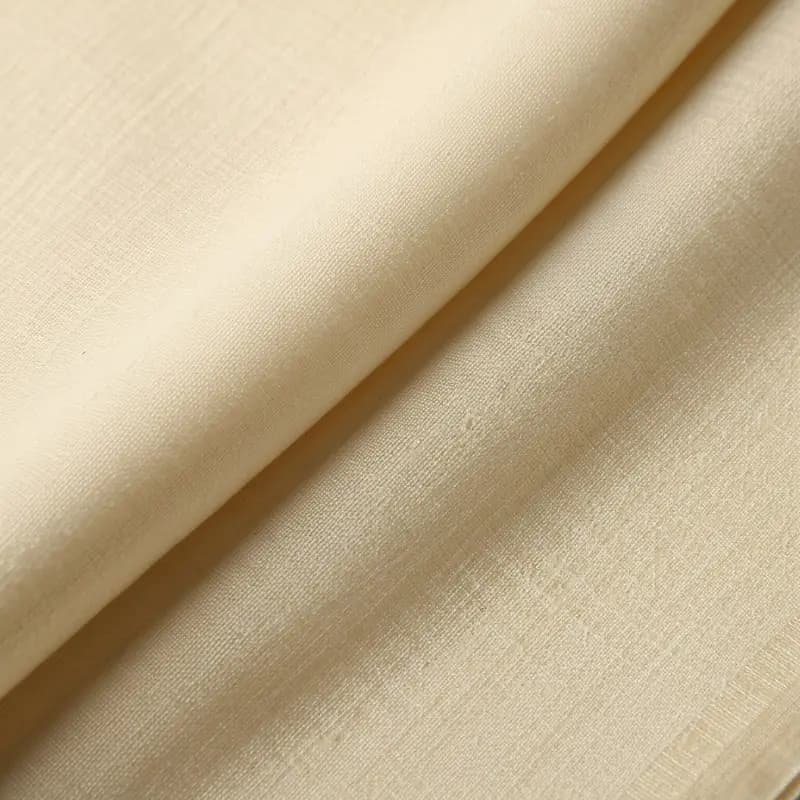
- Texture — Eri has a distinctly woolly, slightly nubby texture unlike the smooth surface of mulberry silk. It resembles a warm, medium-weight fabric closer to a fine cotton.
- Natural colour — undyed Eri is off-white to warm cream, not the golden tone of Muga. It accepts natural dyes beautifully.
- Weight and warmth — Eri is notably heavier and more insulating than other silks, making it feel quite different from mulberry or Muga.
- Look for Assam Silk Mark or handloom certification; Eri is a domestic product, so check for government handloom labels.
- Ask the seller — any legitimate Eri silk seller will readily confirm the Ahimsa/peace silk nature of the fabric. This is a selling point they are proud of.
Types of Eri Silk
| Type | Weight | Price Range | Best For |
|---|---|---|---|
| Natural Undyed Eri | Medium-Heavy | Rs 2,000 – Rs 10,000 | Casual ethnic, eco-wear, puja |
| Naturally Dyed Eri | Medium-Heavy | Rs 3,000 – Rs 18,000 | Festive, gifting, conscious fashion |
| Eri Shawl / Stole | Medium | Rs 1,500 – Rs 8,000 | Winter wear, gifting |
| Eri Woven Dupatta | Light-Medium | Rs 1,200 – Rs 6,000 | Everyday ethnic styling |
Best Brands for Eri Silk
Eri silk is largely sold by small artisan and tribal cooperative sellers on Amazon and Flipkart. Look for sellers from Assam and Meghalaya. Government-backed brands through North Eastern Handicrafts and Handlooms Development Corporation (NEHHDC) are reliable. Satrani occasionally carries Eri-blend sarees.
 COD Available
ishin
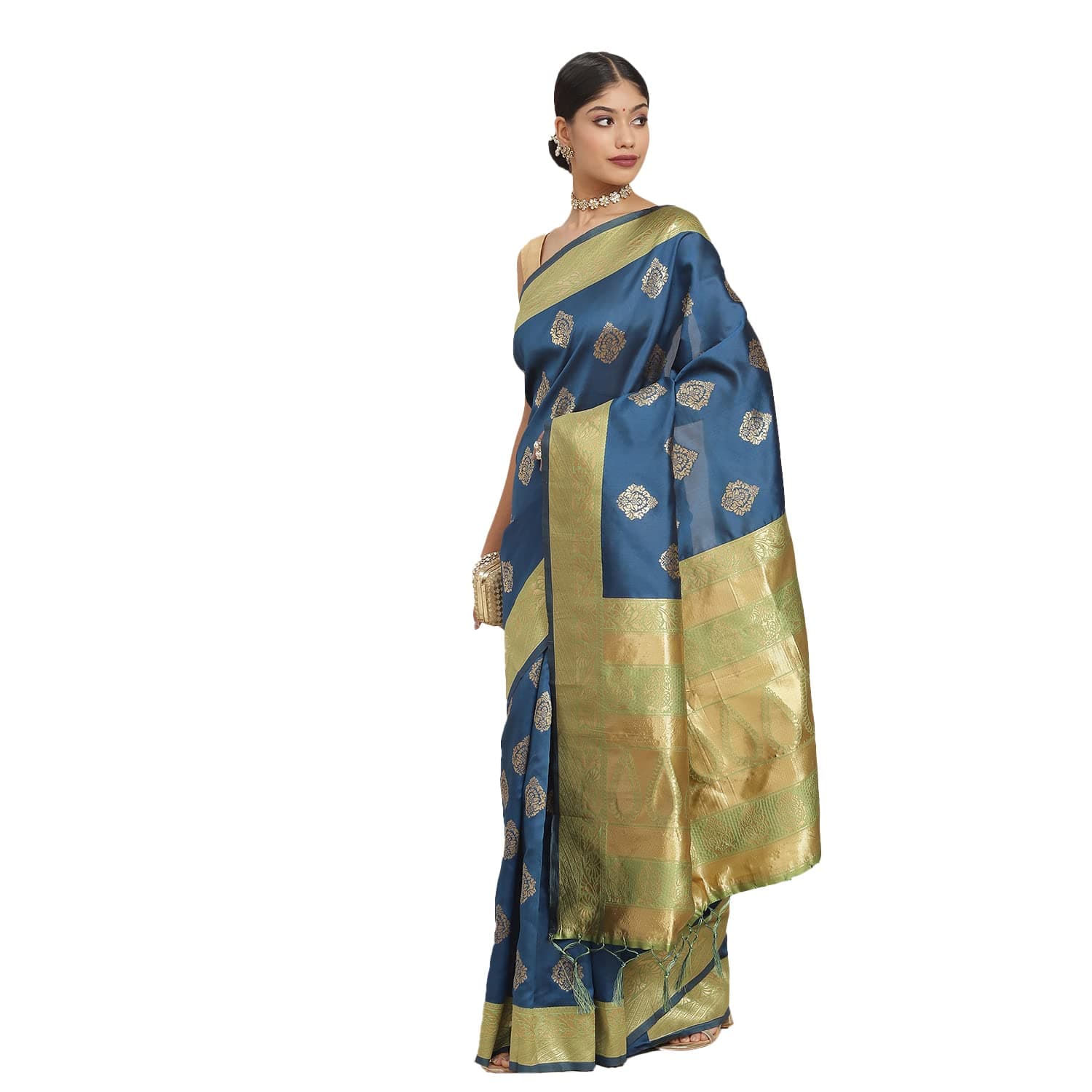
Ishin Women's Silk Blend Teal & Green Woven Design Saree with Blouse
 COD Available
ishin
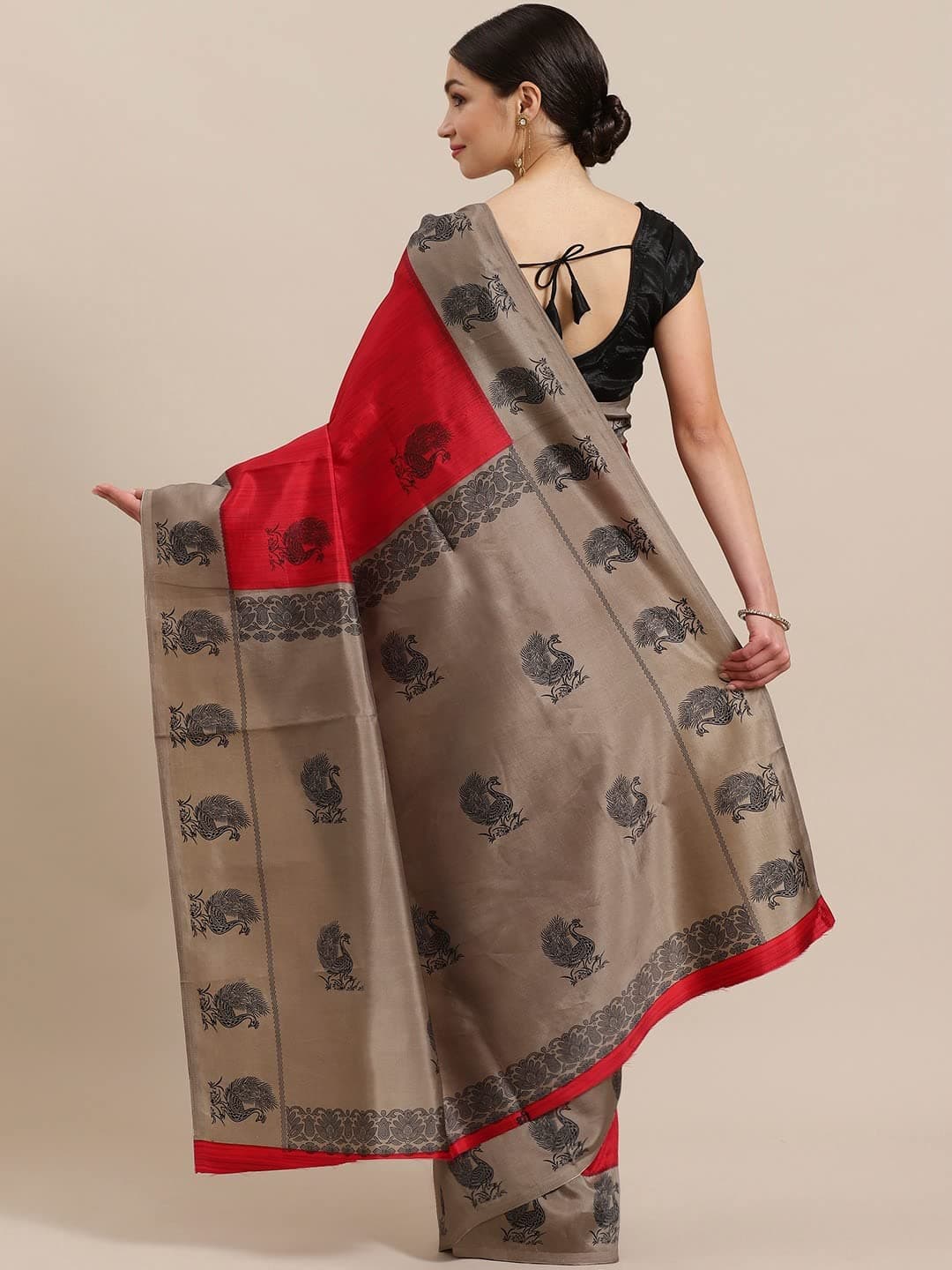
Ishin Women's Art Silk Maroon & Taupe Printed Saree
 COD Available
ishin
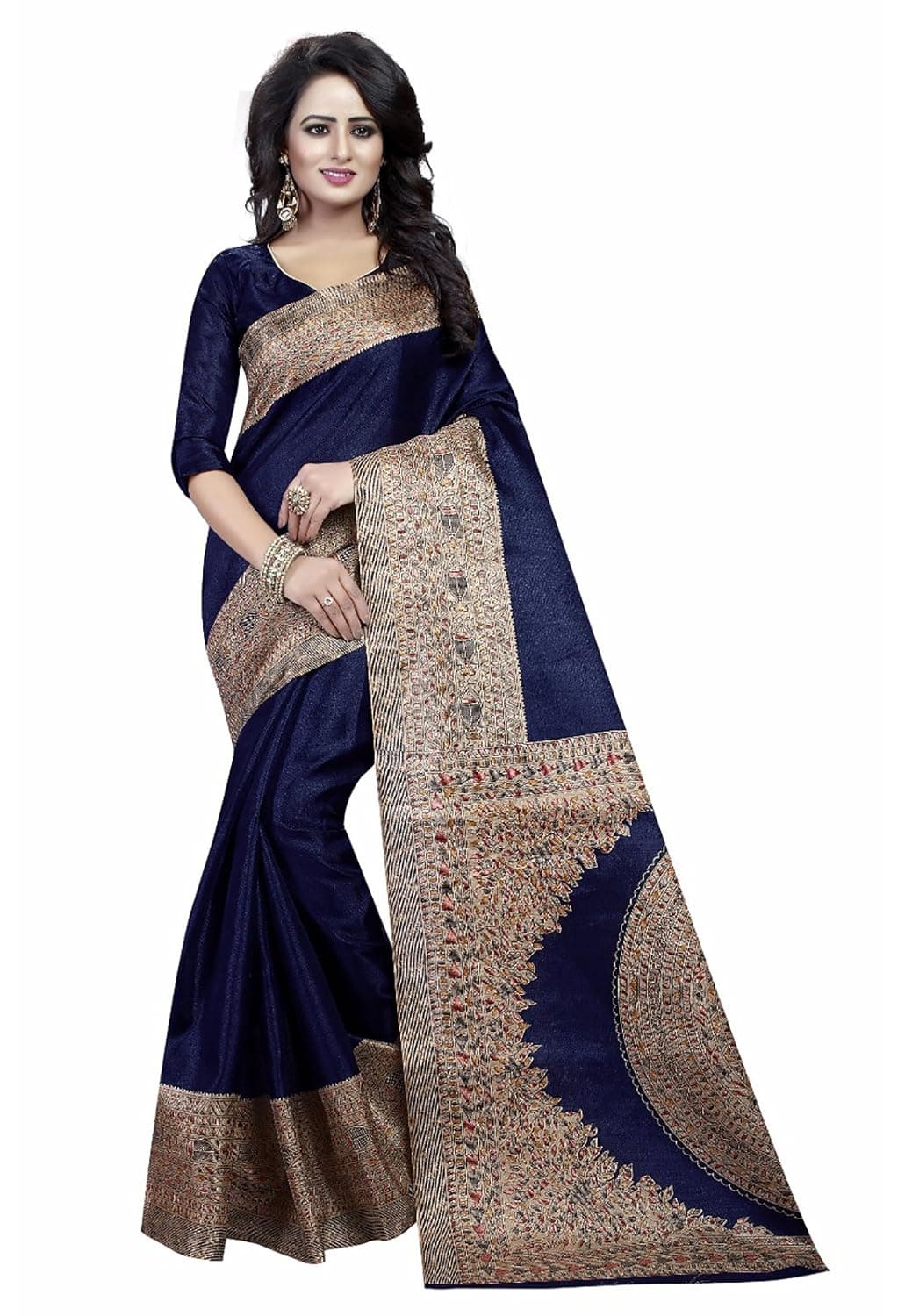
Ishin Women's Art Silk Navy Blue Saree with Blouse Piece
 COD Available
ishin
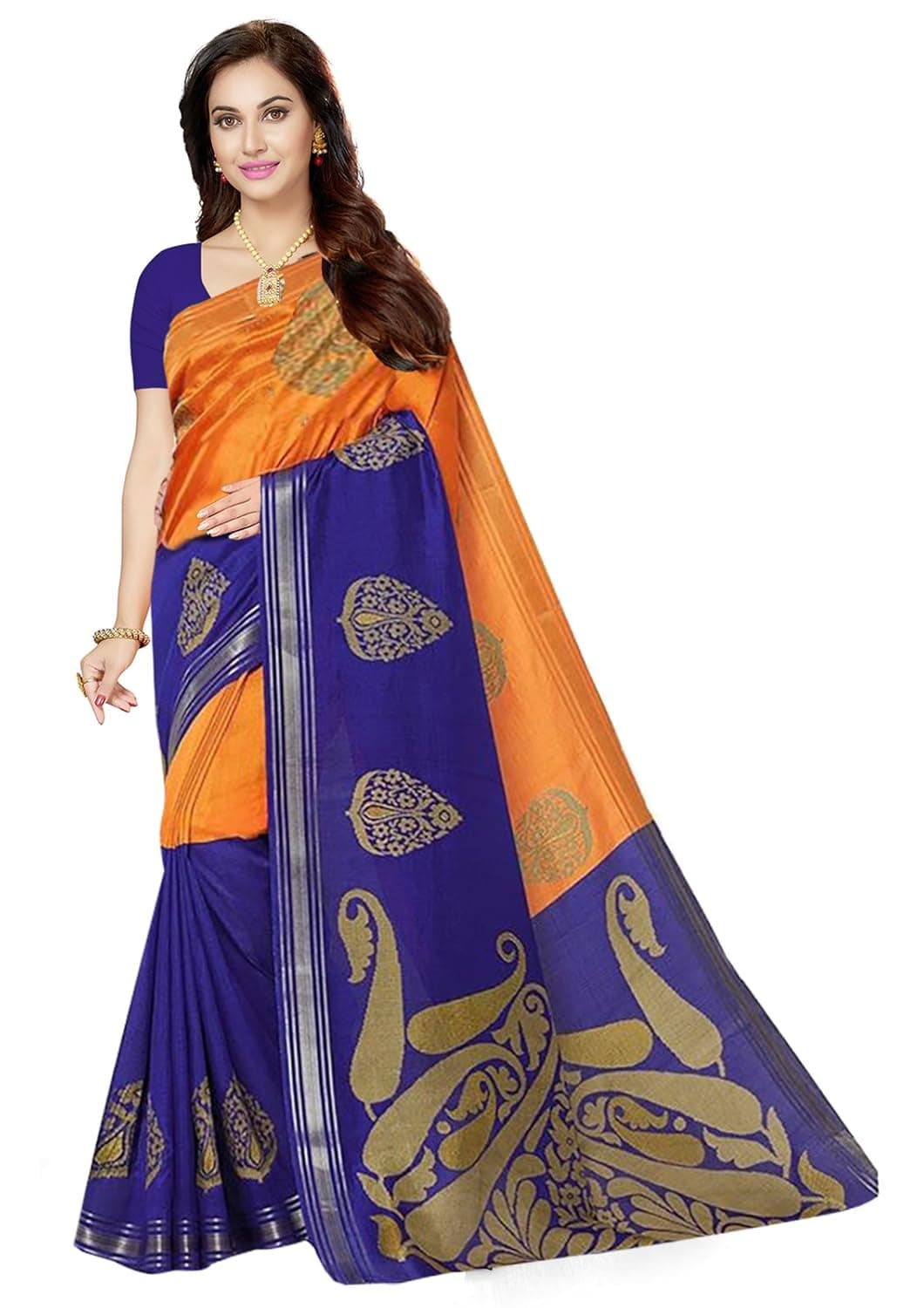
Ishin Women's Art Silk Dark Blue & Orange Saree with Blouse
 COD Available
mimosa
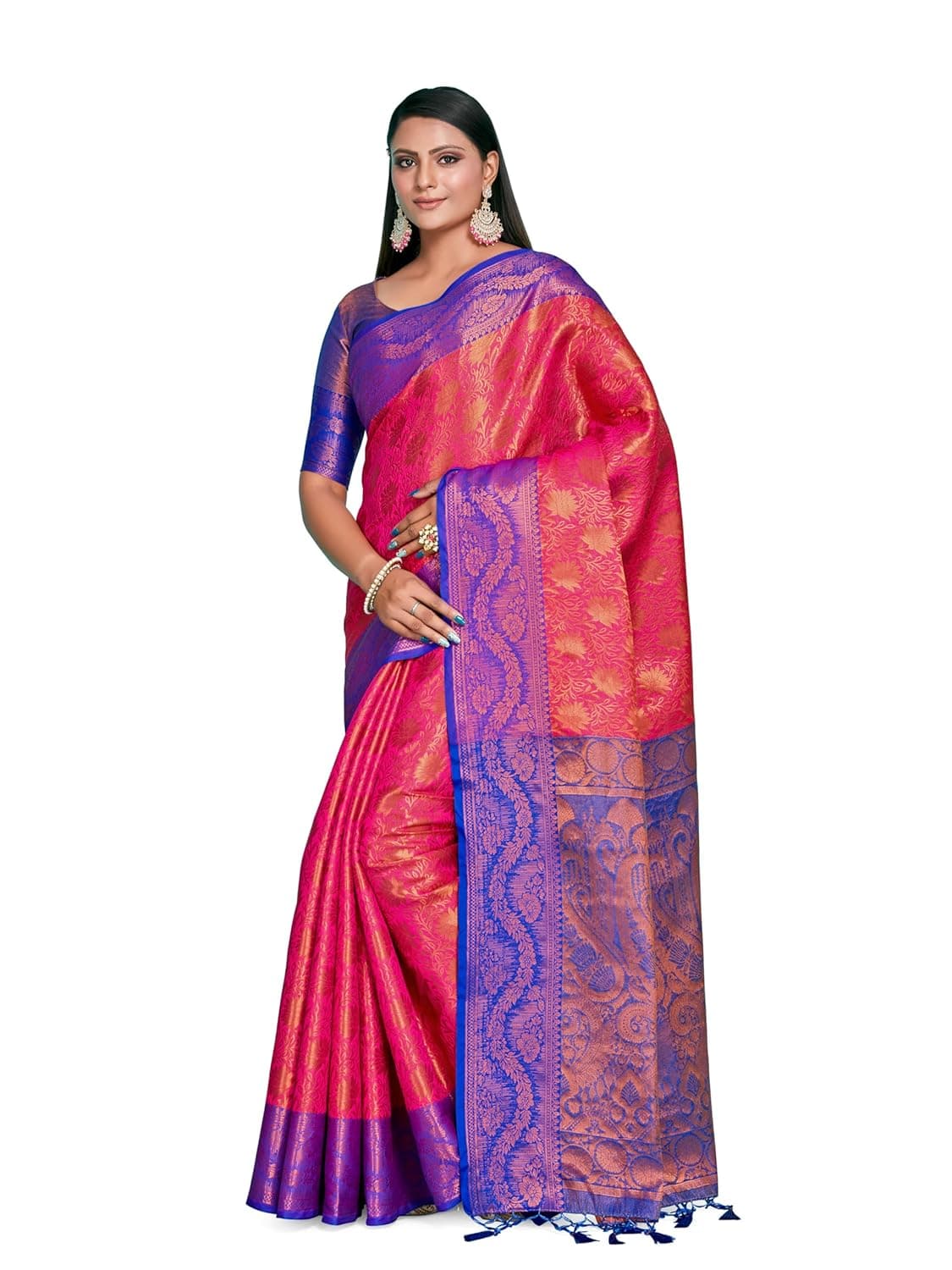
MIMOSA Women's Woven Design Kanjivaram Art Silk Saree Rani
 COD Available
mimosa
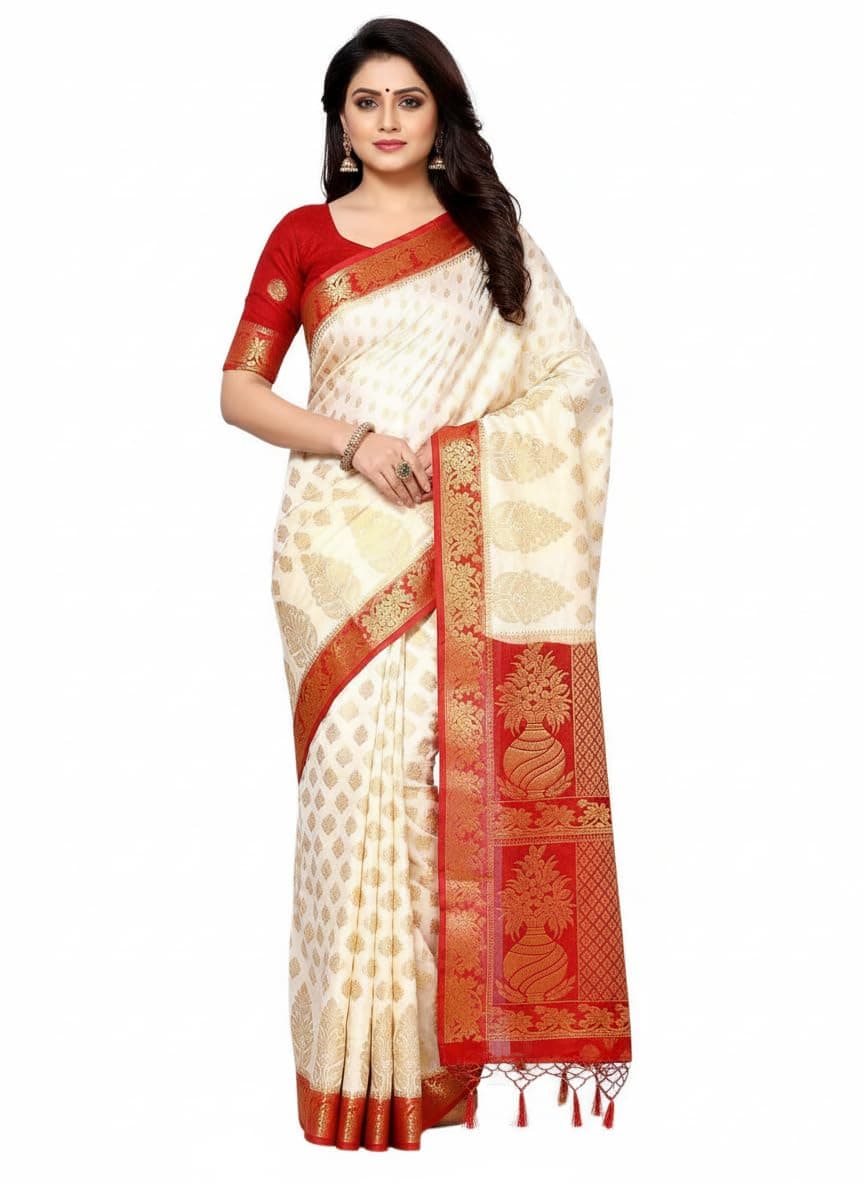
MIMOSA Women's Art Silk Saree Kanjivaram Style Beige
Price Guide
| Tier | Price Range | What You Get |
|---|---|---|
| Budget | Rs 2,000 – Rs 5,000 | Plain or simple Eri saree or dupatta; natural undyed or simple colour |
| Mid-Range | Rs 5,000 – Rs 12,000 | Naturally dyed handloom Eri saree; artisan-made with traditional motifs |
| Premium | Rs 12,000 – Rs 25,000+ | Master weaver Eri saree with intricate weave patterns; collectible artisan pieces |
Care & Maintenance
- Eri silk can be gently hand-washed in cool to lukewarm water — it is more washable than conventional silk.
- Use a mild, natural detergent; avoid bleach and harsh chemicals that can damage the delicate spun fibre.
- Dry flat in the shade; the fabric retains its shape well if dried horizontally.
- Iron at medium heat; Eri responds well to moderate warmth unlike delicate mulberry silk.
Styling Tips
Eri silk's warm, soft texture makes it an excellent winter and transitional wear silk. Style it with earthy natural accessories — wooden beads, jute bags, terracotta jewellery — for a conscious, artisanal look. Eri shawls are particularly versatile and can transform even a simple kurta into an elegant festive outfit. For those who appreciate understated, sustainable luxury, Eri silk hits every note.
OUR VERDICT
Eri silk is the choice for the conscious Indian fashion lover — ethical, eco-friendly, warm, and genuinely beautiful. It is particularly meaningful as a gift for people who care about sustainable fashion or do not wear conventional silk for ethical reasons. Support tribal artisans by buying authentic Eri from Northeast India cooperatives.