
History & Origin
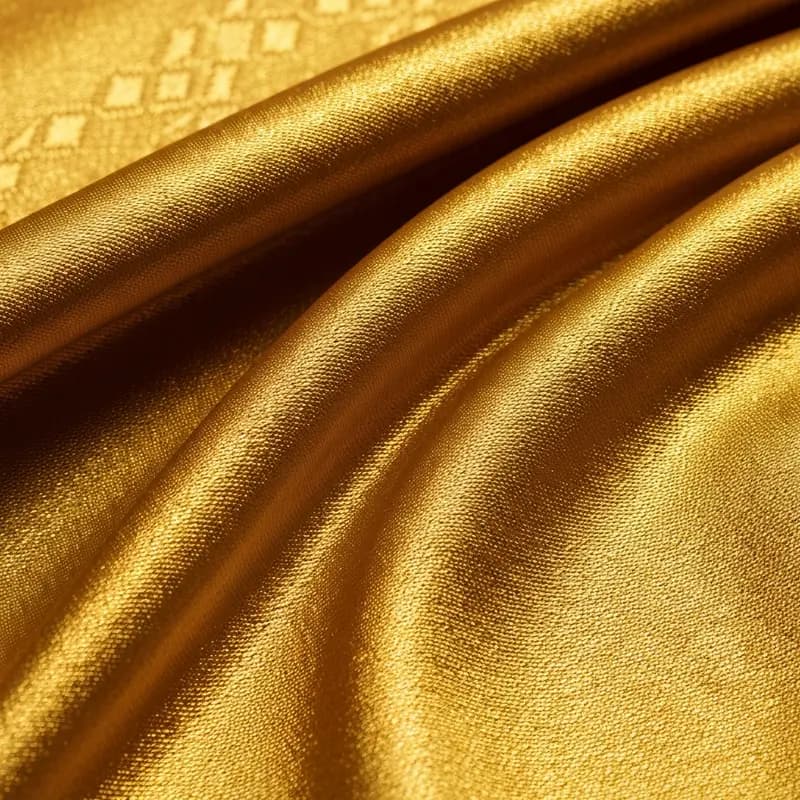
Muga silk has been produced in Assam for over 2,000 years — references to it appear in ancient Sanskrit texts and it was traded along early silk routes. The word 'Muga' comes from the Assamese word for amber, describing the silk's distinctive golden hue. The Ahom kings of Assam treasured Muga and it was historically reserved for royalty and temple use. Sualkuchi, a town 35 km from Guwahati, remains the heartland of Muga and Eri silk weaving.
What makes Muga extraordinary from a natural science perspective is its self-reinforcing lustre — the silk contains high levels of sericin protein in a particular molecular structure that causes the fabric to gain shine rather than lose it with washing. This 'anti-ageing' property means a well-maintained Muga silk saree can be passed down through generations and become more beautiful over time.
How to Identify Authentic Muga Silk
- Natural golden colour — genuine Muga has a warm, deep golden-amber tone. It cannot be exactly replicated by dyeing; dyed 'golden' silks have a different, more uniform yellow look.
- Lustre that deepens with washing — this is Muga's defining trait. Ask sellers about this property; they should confirm it confidently.
- GI tag — look for the GI certification and Assam Silk Mark label on the saree.
- Texture — Muga is slightly coarser than mulberry silk but has a distinctive warm lustre; smoother than Tussar but less glassy than Mysore silk.
- Buy from Assam sources — the most reliable authentication is purchasing from Assamese weavers cooperatives, Sualkuchi shops, or verified Assam government-backed sellers.
Types of Muga Silk
| Type | Weight | Price Range | Best For |
|---|---|---|---|
| Muga Mekhela Chador | Medium | Rs 8,000 – Rs 1,00,000 | Bihu, Assamese weddings, festivals |
| Muga Saree (plain) | Medium | Rs 5,000 – Rs 30,000 | Festive, occasions |
| Muga with Pat Silk blend | Medium-Heavy | Rs 6,000 – Rs 40,000 | Weddings, gifting |
| Muga Dupatta / Stole | Light | Rs 2,000 – Rs 12,000 | Gifting, casual styling |
Best Brands for Muga Silk
Look for sellers from Assam on Amazon — Assam Silk House, Sualkuchi Silk, and government cooperative listings are reliable. Many genuine Muga sellers are small artisan businesses on Amazon and Flipkart with strong ratings. Satrani and Mimosa may carry Muga-inspired sarees but confirm authenticity before purchase.
 COD Available
ishin
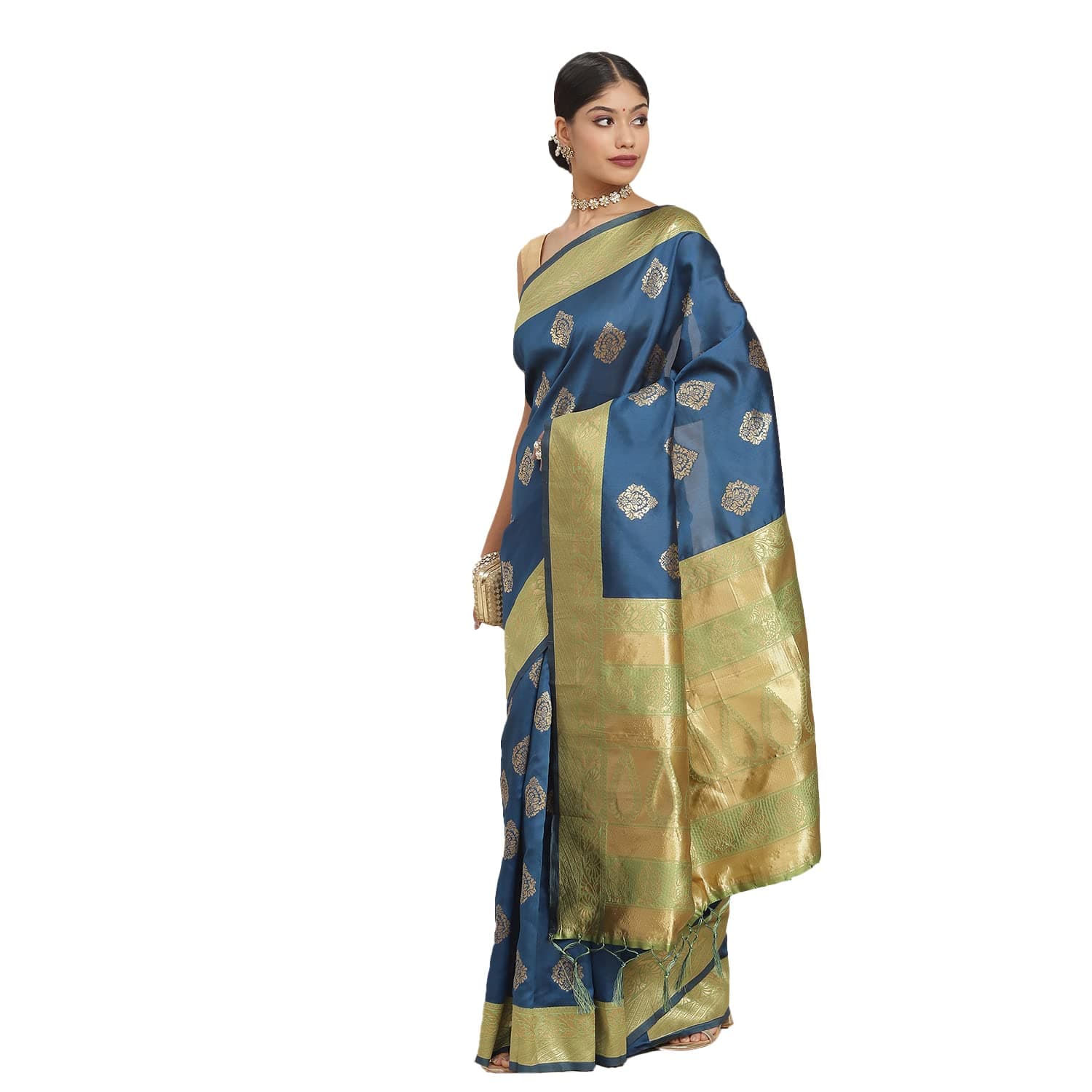
Ishin Women's Silk Blend Teal & Green Woven Design Saree with Blouse
 COD Available
ishin
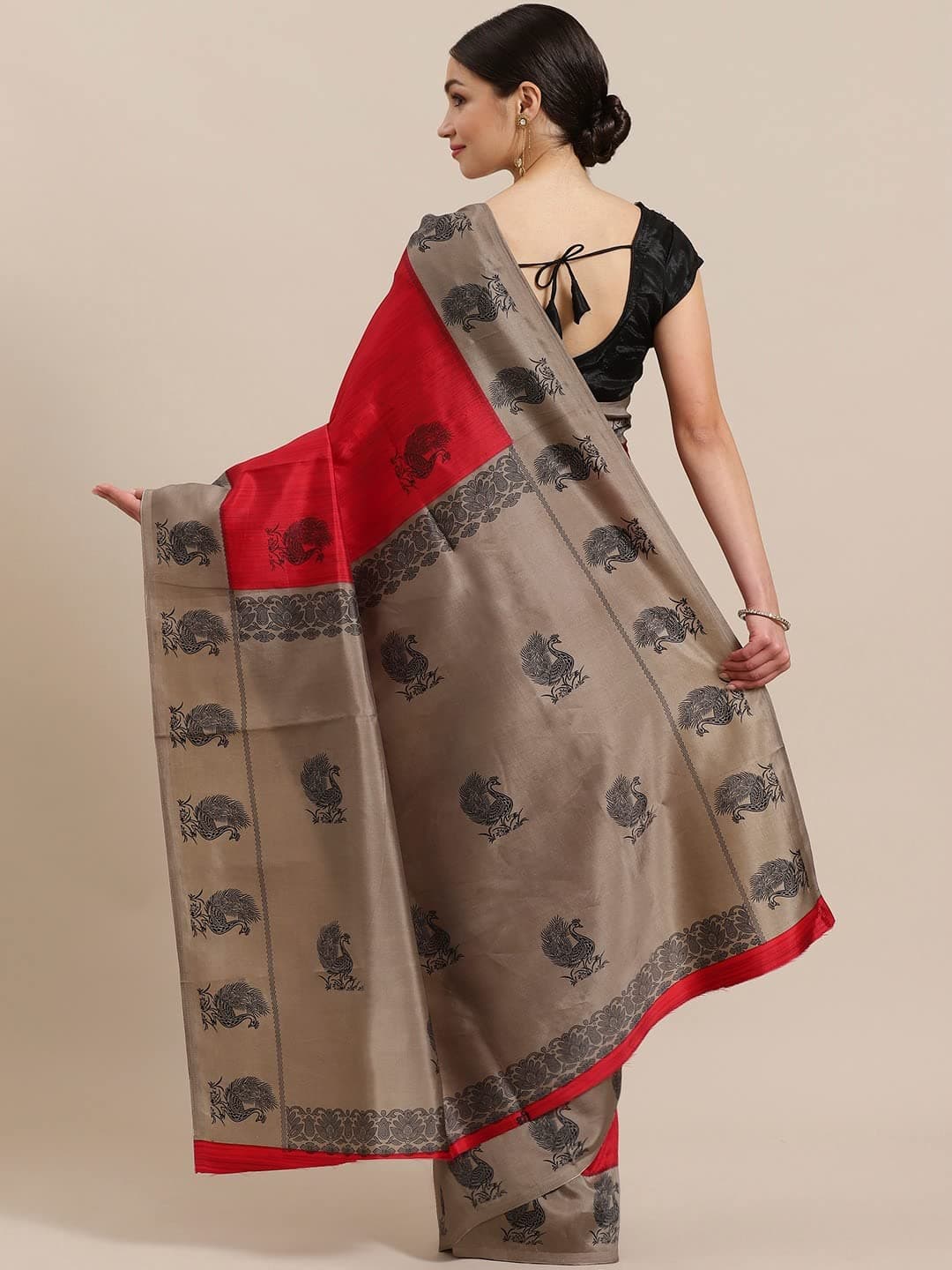
Ishin Women's Art Silk Maroon & Taupe Printed Saree
 COD Available
ishin
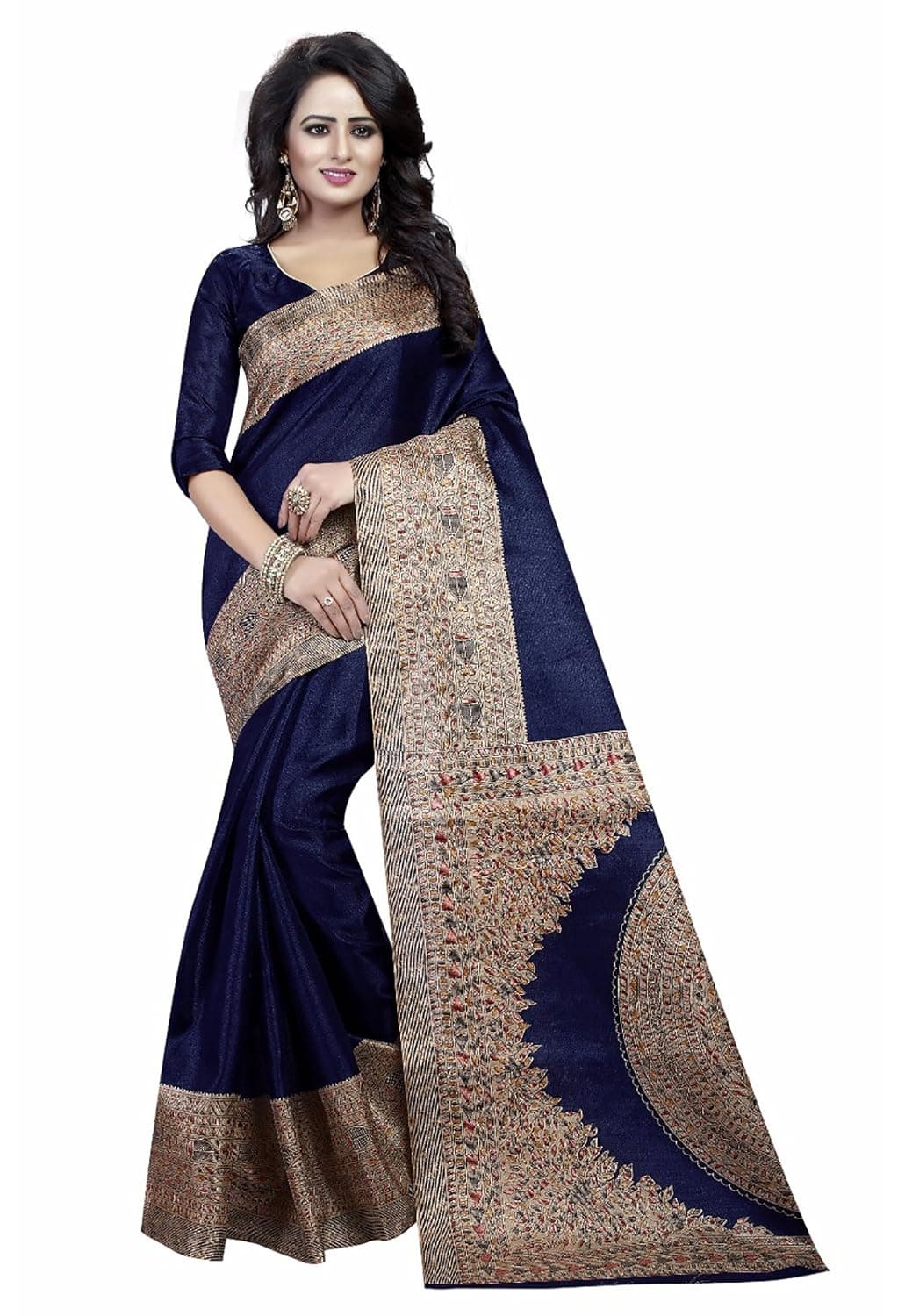
Ishin Women's Art Silk Navy Blue Saree with Blouse Piece
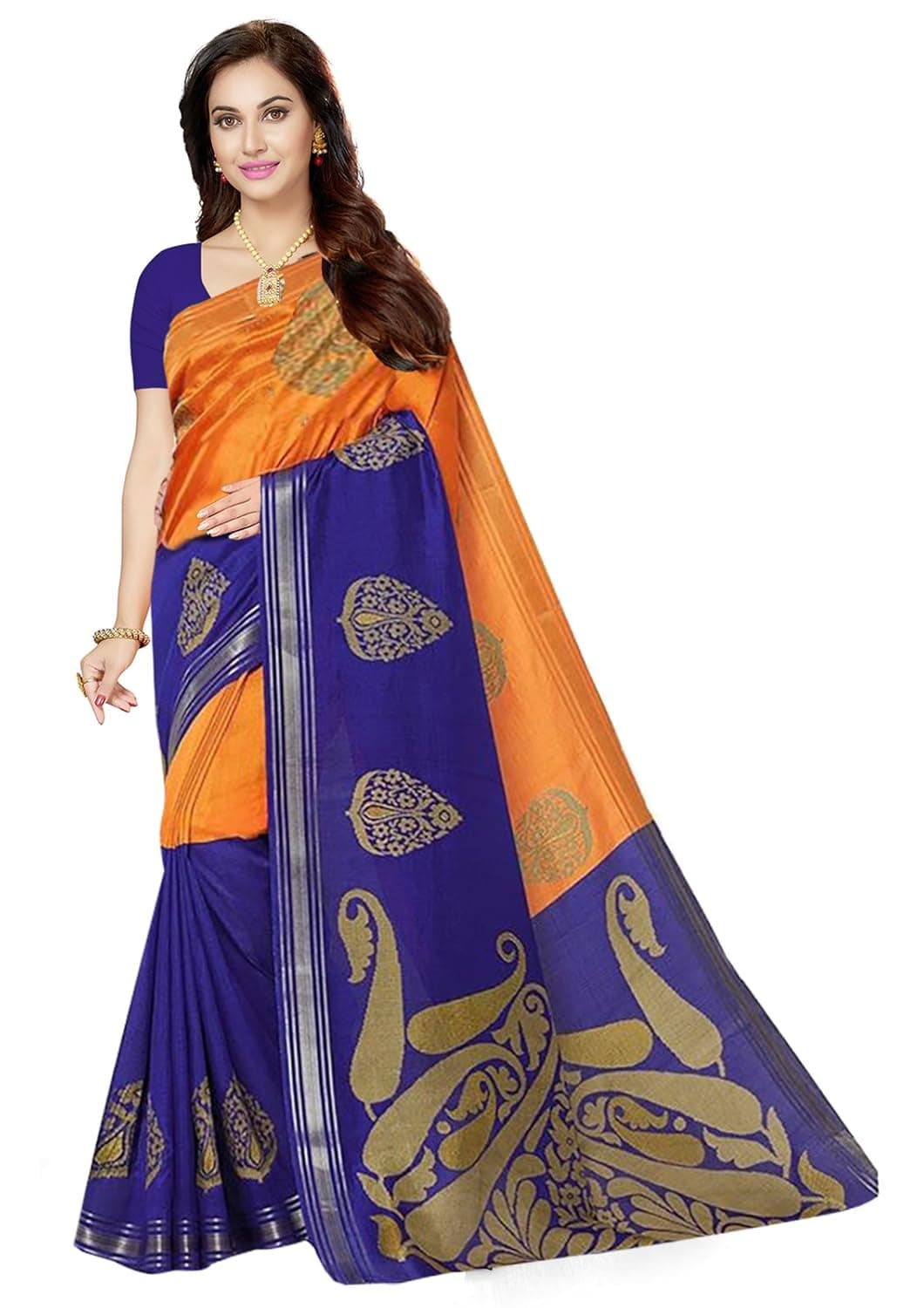 COD Available
ishin
Ishin Women's Art Silk Dark Blue & Orange Saree with Blouse
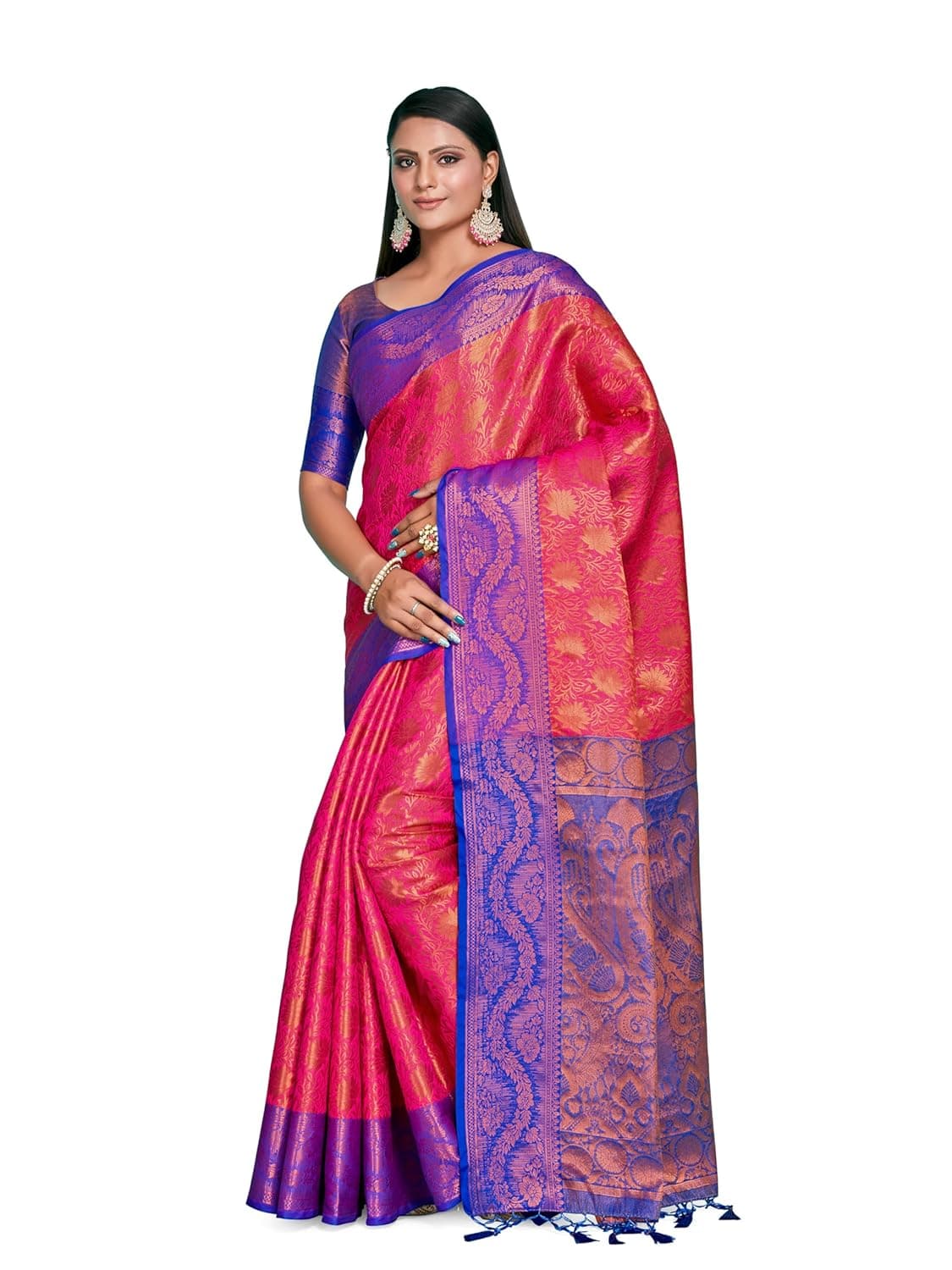 COD Available
mimosa
MIMOSA Women's Woven Design Kanjivaram Art Silk Saree Rani
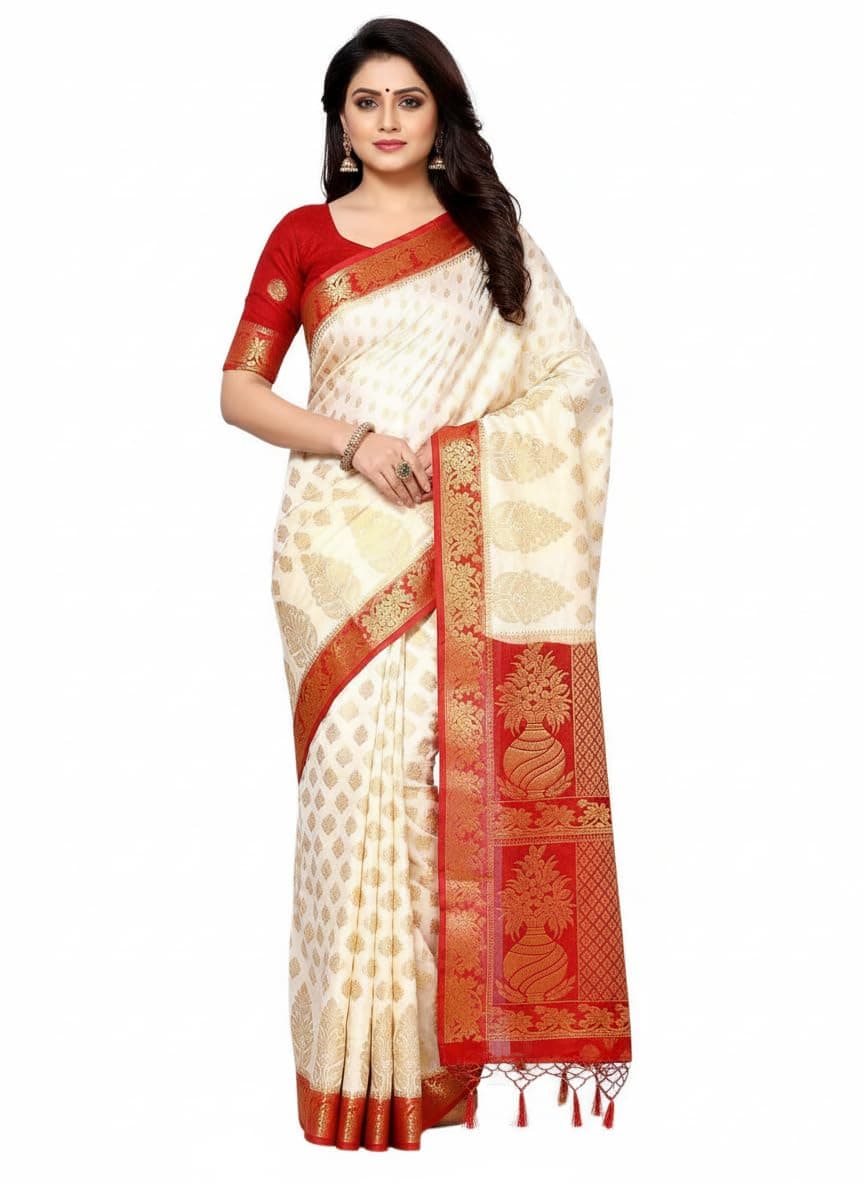 COD Available
mimosa
MIMOSA Women's Art Silk Saree Kanjivaram Style Beige
Price Guide
| Tier | Price Range | What You Get |
|---|---|---|
| Budget | Rs 5,000 – Rs 12,000 | Simpler Muga weave, possibly blended; small stoles or dupattas in pure Muga |
| Mid-Range | Rs 12,000 – Rs 40,000 | Pure Muga saree or Mekhela Chador with traditional motifs; handloom certified |
| Premium | Rs 40,000 – Rs 1,00,000+ | Master weaver pieces with intricate Assamese motifs; heirloom quality Muga |
Care & Maintenance
- Unlike most silks, Muga can be carefully hand-washed in cool water — its lustre actually improves with gentle washing.
- Use a mild, pH-neutral detergent or even plain cool water for rinsing.
- Never use harsh detergents, bleach, or hot water; always air-dry flat in the shade.
- Iron at low heat with a pressing cloth; never steam press as moisture can cause water spots on the golden silk.
Styling Tips
Muga's natural golden tone is its greatest styling asset — it pairs with nearly every jewellery metal but looks most spectacular with traditional Assamese jewellery like Junbiri and Gaam Kharu. For a pan-Indian festival look, drape a Muga saree in the traditional style with a silk blouse in deep jewel tones (maroon, emerald, royal blue). The Mekhela Chador form is worth trying for those who want an authentic Assamese look for Bihu or cultural events.
OUR VERDICT
Muga silk is one of the most extraordinary natural textiles in the world — its self-intensifying golden lustre is a phenomenon you have to see to believe. If you are building a serious Indian textile collection, Muga is a must-have. Invest in one good piece from a verified Assamese source.