
ETHNIC WEAR TRADITIONS
Ethnic Wear in Andada
Discover 9 traditional craft traditions from Andada, Gujarat — with curated products, buying guides, and 4-6-day delivery.
4-6-Day Delivery
Fast delivery to Andada and xxx pin codes
Free Shipping
On all orders above Rs 999
Easy Returns
7-day hassle-free returns
CRAFT HERITAGE
Andada stands at the heart of Gujarat's textile heritage, where the craft traditions of Bandhani (बांधनी) and Mirrorwork (शीशा कढ़ाई) have been passed down through generations of skilled artisans. Bandhani and Ajrakh and Patola and Kutch Bandhani and Tangaliya carry the coveted GI tag — India's geographical indication protecting authentic craftsmanship. Whether you're shopping for a wedding, festival, or everyday elegance, Andada's craft traditions offer authentic, handcrafted options across every price range.
Bandhani in Andada
GI TAGGEDबांधनी · बांधणो
Bandhani is one of India's oldest textile arts, involving the precise tying of thousands of tiny knots on fabric before immersion in vibrant natural dyes. The knots resist the dye, creating intricate dot patterns — circles, squares, and waves — that reveal themselves only when the ties are removed. Originating in Rajasthan and Gujarat over 5,000 years ago, Bandhani is synonymous with celebration, worn at weddings, Teej, and Navratri across northwestern India.
BUYING GUIDE — WHAT TO LOOK FOR
- Presence of tiny, evenly spaced raised dot impressions on the fabric surface even after ironing
- Slight colour bleeding or gradient at knot edges due to hand-dipping in natural or reactive dyes
- Irregular dot sizes in handmade pieces — machine-made prints have perfectly uniform dots
- Reverse side of authentic Bandhani shows matching raised texture — printed imitations are flat on reverse
₹299 — ₹25,000
weddings, teej, navratri, haldi-ceremony, mehndi-ceremony, festivals
Mirrorwork in Andada
शीशा कढ़ाई · आभलो भरत
Mirrorwork, known in Rajasthan as Abhla Bharat (from the Sanskrit word for glass), is an embroidery technique in which small circular mirrors are anchored onto fabric using colourful buttonhole and herringbone stitches. Concentrated in the desert districts of Barmer and Jaisalmer, the craft has deep roots in Rajput and pastoral communities who believed the mirrors would ward off the evil eye. The resulting textiles have a joyful, light-catching brilliance that makes them iconic in both traditional and contemporary Indian fashion.
BUYING GUIDE — WHAT TO LOOK FOR
- Each mirror is individually stitched with visible thread loops running around the circumference — glued mirrors fall off with washing
- The embroidery thread around each mirror shows variations in stitch tension — machine embroidery is perfectly even
- Authentic mirrors are slightly convex and uneven in size — machine-cut mirrors are perfectly flat and uniform
- The reverse of the fabric shows the knotted thread ends securing each mirror mount — no knots indicates adhesive fixing
₹499 — ₹45,000
navratri, garba, festivals, beach-wear, casual-ethnic, weddings
Ajrakh in Andada
GI TAGGEDअजरख
Ajrakh is one of the subcontinent's most ancient and technically complex textile traditions, practised by the Khatri community in Barmer (Rajasthan) and Bhuj (Gujarat). The craft involves up to 16 stages of natural dyeing and block printing using indigo, alizarin, and resist pastes made from lime and gum. The resulting deep blue, red, and cream geometric designs carry cosmological symbolism — the word Ajrakh is believed to derive from the Arabic 'Azrak' meaning blue. GI-tagged to protect this irreplaceable heritage craft.
BUYING GUIDE — WHAT TO LOOK FOR
- Identical block print pattern on both sides of the fabric — single-sided printing is not authentic Ajrakh
- Deep indigo blue that is achieved through multiple dye baths — single-dip synthetic indigo has a flat, uniform tone
- Natural dye alizarin red has a warm, slightly orange-red quality — synthetic red appears cooler and brighter
- Slight variations in block alignment visible at repeat boundaries — hallmark of hand-printing rather than rotary printing
₹699 — ₹35,000
casual-ethnic, everyday-wear, sustainable-fashion, gifting, home-decor
Patola in Andada
GI TAGGEDपटोला
Patola is a double-ikat silk weaving tradition from Patan, Gujarat, considered one of the most technically demanding textile arts in the world. Both warp and weft threads are resist-dyed before weaving so the pattern emerges perfectly aligned on both faces of the fabric. Historically worn by royalty and traded across Southeast Asia, Patola sarees carry GI protection and are produced by only a handful of Salvi family weavers in Patan. A single saree can take six months to a year to complete.
BUYING GUIDE — WHAT TO LOOK FOR
- Identical pattern on both sides of the fabric — single-ikat and printed imitations are one-sided
- Pattern edges are crisp with no blurring or halo — achieved only through precise pre-dyeing of both yarn sets
- Genuine Patan Patola comes with a certificate from the Salvi family or registered cooperative
- The weight and sheen of pure silk warp and weft — synthetic Patola-look fabrics feel lighter and less lustrous
₹5,000 — ₹5,00,000
weddings, bridal, navratri, festive, gifting, heirloom
Kutch Bandhani in Andada
GI TAGGEDकच्छी बांधनी
Kutch Bandhani is the distinctive tie-dye tradition of the Kutch region of Gujarat, practised primarily by the Khatri community of Bhuj and surrounding villages. While related to Rajasthani Bandhani, the Kutch variety is distinguished by its use of gajji silk, richer colour combinations, and bolder dot formations including the iconic Shikargah (hunting) and Panchrangi (five-colour) patterns. GI-tagged and recognised as a UNESCO intangible heritage, Kutch Bandhani is central to bridal and festive dressing in Gujarat.
BUYING GUIDE — WHAT TO LOOK FOR
- Raised dot texture persists even after washing — printed Bandhani dots are flat on the fabric surface
- Gajji silk used in authentic Kutch Bandhani has a distinctive cool lustre distinct from polyester imitations
- Slight colour gradients within each dot where dye seeped partially under the tie — machine prints show uniform dots
- Reverse side shows matching raised dot pattern — printed fabrics are plain on reverse
₹599 — ₹40,000
navratri, garba, weddings, festivals, bridal, gifting
Gamthi in Andada
गमथी
Gamthi is a traditional embroidery style from the villages of Kutch, Gujarat, characterised by dense geometric filling stitches worked in vivid thread colours on cotton or wool ground fabrics. Distinct from the broader Kutch embroidery tradition, Gamthi features a specific vocabulary of interlocking triangles, chevrons, and diamond forms created primarily using double running stitch and herringbone. Practised by women of the Rabari and Ahir pastoral communities, Gamthi embroidery adorns everyday garments, dowry textiles, and ceremonial odhnis.
BUYING GUIDE — WHAT TO LOOK FOR
- Both faces of the fabric show embroidery — double running stitch is reversible, machine embroidery is one-sided
- Dense geometric fill with minimal ground fabric visible — machine versions often leave large areas unembroidered
- Slight irregularity in triangle and diamond sizes — perfect uniformity indicates machine embroidery
- Thread tension variations create subtle surface texture across the geometric fills
₹799 — ₹25,000
navratri, festivals, casual-ethnic, gifting, home-decor
Tangaliya in Andada
GI TAGGEDतांगलिया
Tangaliya is a GI-tagged handloom weaving tradition from the Surendranagar district of Gujarat, practised exclusively by the Dangasia weaver community. The defining feature is raised dot motifs (called 'dana') created by wrapping extra weft threads around groups of warp threads during weaving, producing a distinctive three-dimensional texture on wool and cotton fabric. Tangaliya shawls were historically used as status garments by the Bharwad pastoral community. The craft faced near-extinction and has been revived with government support.
BUYING GUIDE — WHAT TO LOOK FOR
- Raised three-dimensional dot pattern visible and tactile — printed dot imitations are completely flat
- The dana dots are firm and do not flatten easily under pressure — woven structure maintains shape
- GI-tagged Tangaliya pieces carry certification from the Dangasia Weavers Society of Surendranagar
- Wool or wool-blend ground fabric with a warm hand-feel distinct from synthetic shawl imitations
₹1,200 — ₹18,000
winter, gifting, casual-ethnic, festivals, sustainable-fashion
Mashru in Andada
मशरू
Mashru is a traditional satin-weave fabric with a silk warp and cotton weft, developed in medieval India to allow Muslim wearers to wear silk-like fabric while observing the religious injunction against pure silk touching the skin. The silk floats on the surface create a lustrous sheen while cotton remains against the body. Historically produced in Patan and Ahmedabad, Mashru is woven in striking stripes and is used for garments, furnishings, and accessories. Its distinctive lustre and practical comfort make it enduringly popular.
BUYING GUIDE — WHAT TO LOOK FOR
- Fabric face has a pronounced silk sheen while the reverse is matte cotton — both sides should be distinctly different
- Bold vertical stripes in the warp direction — Mashru stripes are woven-in, not printed
- The silk float structure makes the fabric slightly stiff and structured compared to plain cotton
- Authentic Mashru has a characteristic rustling sound when the fabric moves — absent in printed imitations
₹699 — ₹12,000
navratri, casual-ethnic, festive, everyday-wear, gifting
Chaniya Choli in Andada
चनिया चोली
Chaniya Choli is Gujarat's iconic three-piece festive outfit comprising a flared skirt (chaniya), a short blouse (choli), and a dupatta, worn especially during Navratri garba and dandiya celebrations. The outfit is traditionally crafted from mirror-worked, embroidered, or bandhani fabric and features elaborate decoration including Gota ribbon, sequins, and glass bead work. Ahmedabad is the principal hub of contemporary Chaniya Choli production, where both traditional hand-embroidered and fashion-forward versions are made.
BUYING GUIDE — WHAT TO LOOK FOR
- Hand-embroidered pieces show slight stitch irregularities and dimensional threadwork — machine pieces are flat and uniform
- Mirror pieces are individually stitched with thread loops — glued mirrors indicate lower quality
- Traditional Chaniya Choli uses natural fabric bases like cotton, silk, or bandhani — synthetic bases indicate commercial production
- The skirt circumference in authentic pieces is at least 3 metres for proper garba movement
₹999 — ₹35,000
navratri, garba, dandiya, festivals, weddings, bridal
Occasion Guide — Andada
Regional Textile Glossary
Common terms you'll encounter when shopping for ethnic wear in Andada
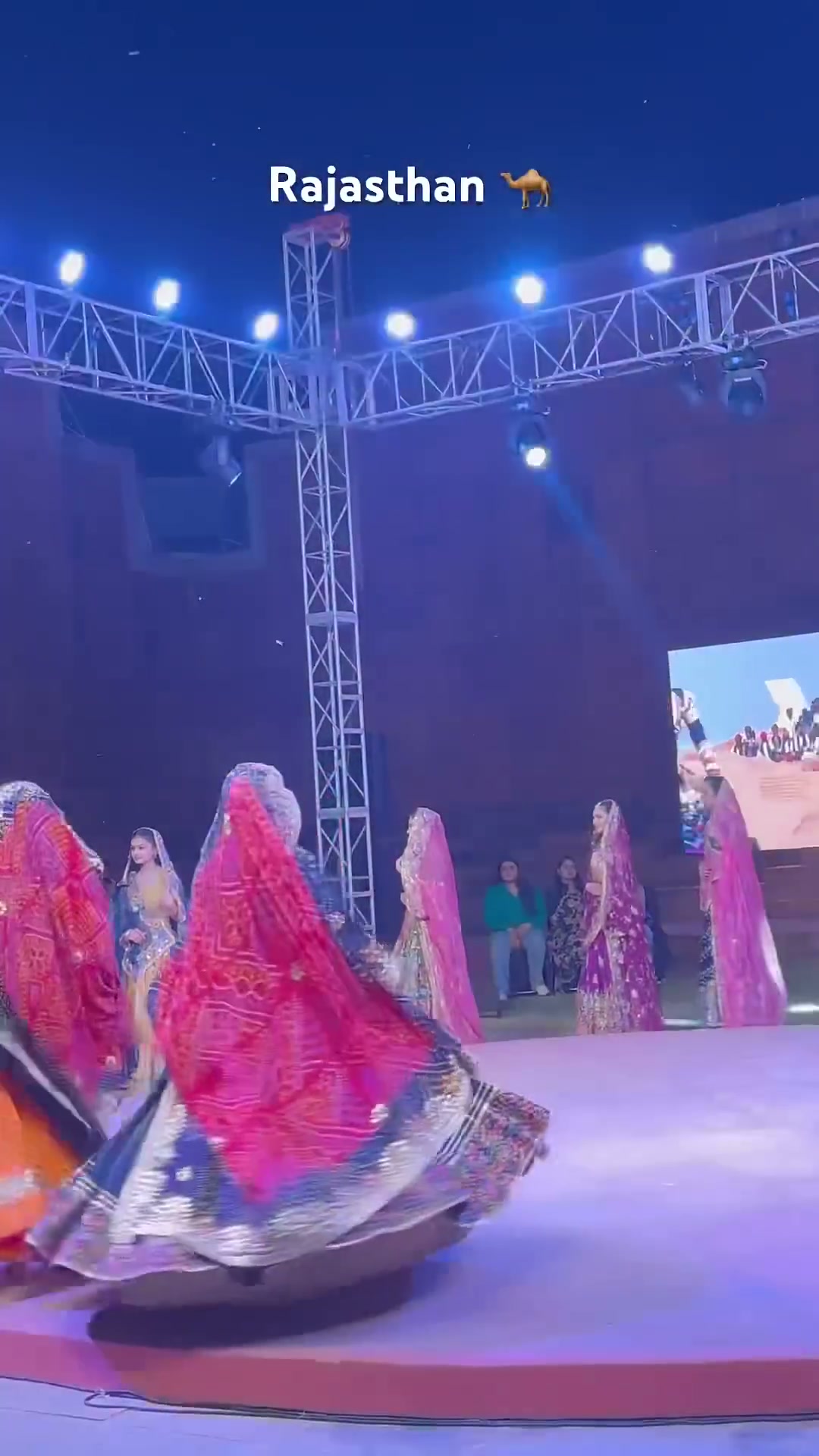
Reels from Andada
See all →


Popular in Andada
Top Picks for Andada
Curated picks with 4-6-day delivery to Andada
 COD Available
janasya
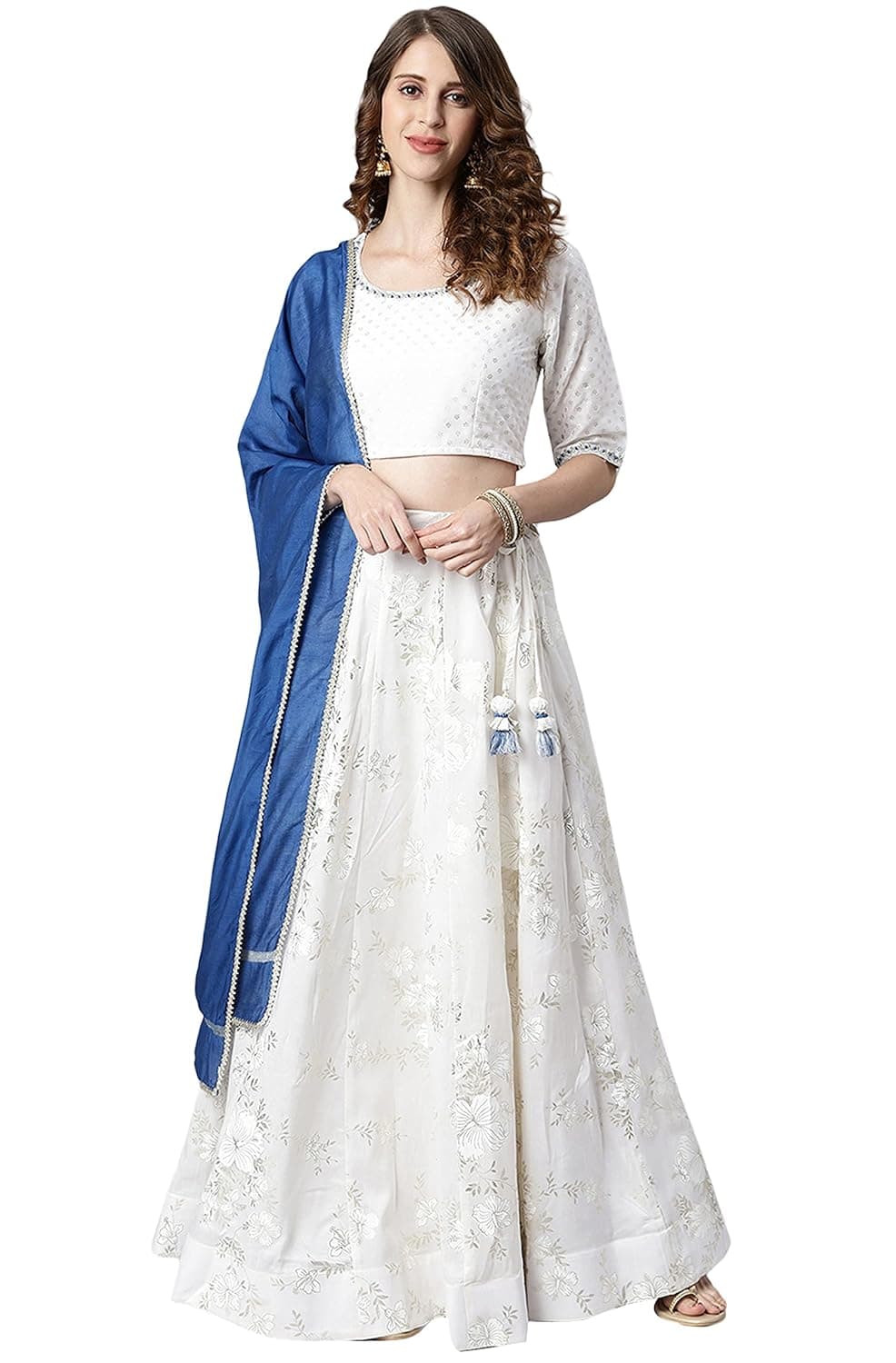
Janasya Women's White Poly Silk Lehenga Choli with Dupatta
 COD Available
janasya
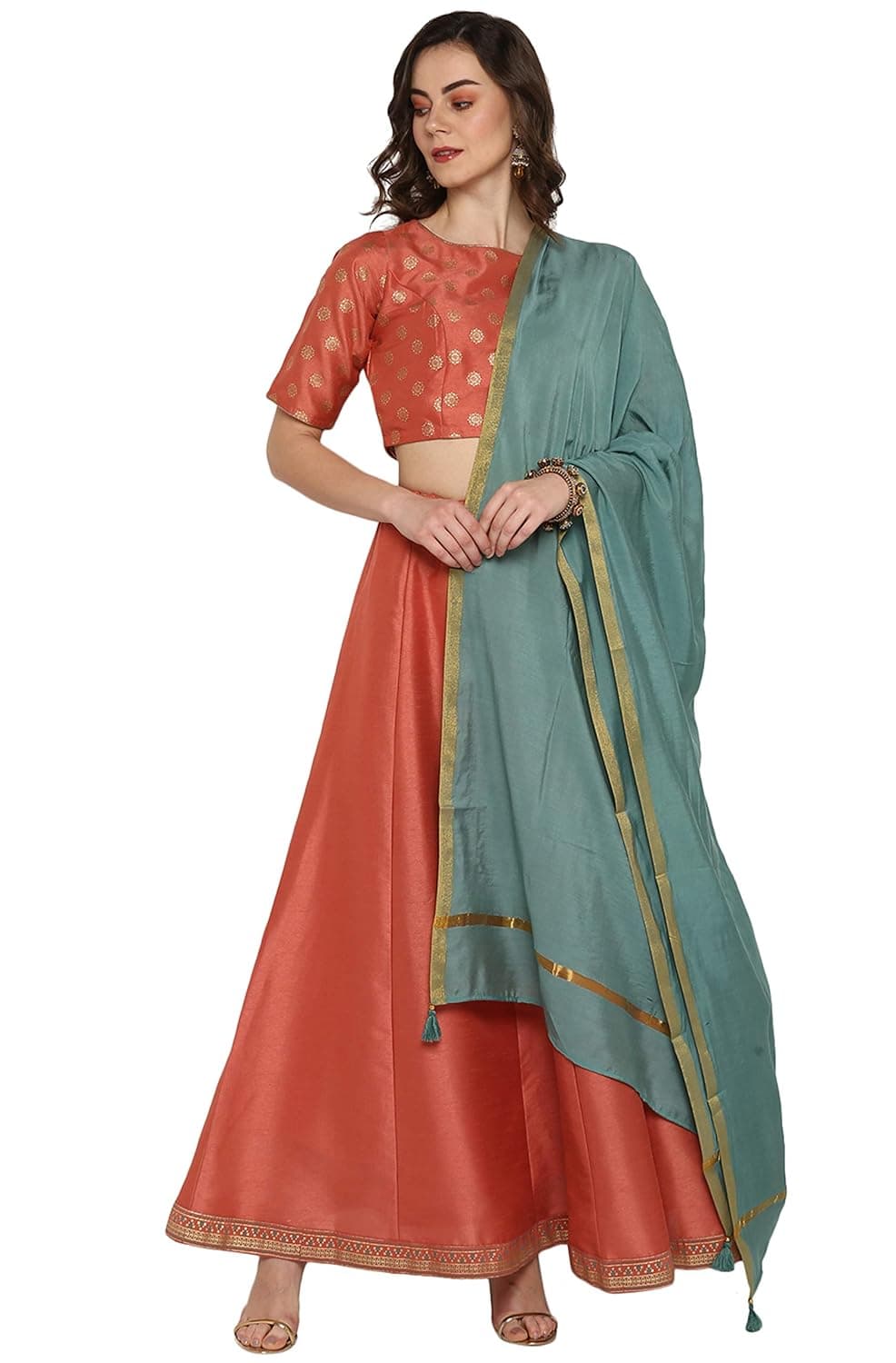
Janasya Women's Peach Silk Lehenga Choli with Gota Patti
 COD Available
m.r.p:
Women's Satin Silk Embroidery Lehenga Choli (Wedding-Party-Bridal-Lehenga-White) Free Size | Finish Type: Semi-stitched
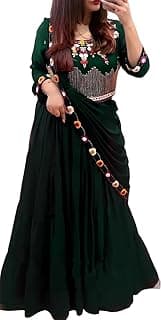 COD Available
m.r.p:
Women's Embroidered Georgette Crop Top Lehenga Choli For Women (Party-Wedding-Bridal-Latest-New-Stylish; Free Size)
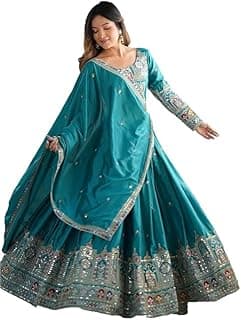 COD Available
m.r.p:
Women's sanjivani lehenga chinon febric lehenga embroidery Design Wedding Lehega (free size)
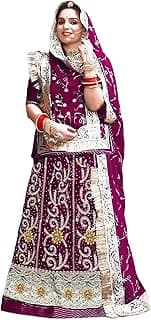 COD Available
m.r.p:
Fancy Heavy Embroidery And Sequins Work Shimmer Silk Semi-stitched Rajasthani Poshak || Rajputi Lehenga Choli For Women || Lehenga choli for women
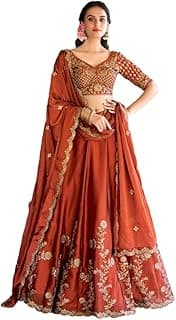 COD Available
200+ bought in past month
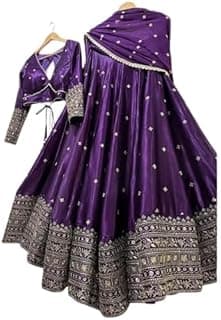
Women's Orange Sequence Embroidery Work Silk Semi-Sttiched Lehenga Choli-JH290ORG
 COD Available
m.r.p:
Women’s Chinon Embroidered Semi-Stitched Lehenga Choli | Heavy Embroidery Bridal Lehenga Set with Dupatta
Aksar Poochhe Jaane Wale Sawaal
General GuideFrequently Asked Questions
What is the traditional ethnic wear of Andada?
Andada in Gujarat is known for Bandhani, Mirrorwork, Ajrakh and 6 more craft traditions. Bandhani is one of India's oldest textile arts, involving the precise tying of thousands of tiny knots on fabric before immersion in vibrant natural dyes.
Where to buy authentic Bandhani in Andada?
Authentic Bandhani from Andada is available online through Barkha Boutique's curated Amazon selection. Look for presence of tiny, evenly spaced raised dot impressions on the fabric surface even after ironing to verify authenticity.
Best ethnic wear in Andada under ₹2000?
Affordable options include Bandhani (from ₹299), Mirrorwork (from ₹499), Ajrakh (from ₹699). Shop online for home delivery.
What to wear to a wedding in Andada?
Traditional wedding wear in Andada includes Bandhani, Mirrorwork, Patola. Wedding season peaks during November to February.
Does Barkha Boutique deliver to Andada?
Yes! We deliver to Andada, Gujarat within 4-6 days. Free shipping on orders above Rs 999.
What can I buy online from Barkha Boutique in Andada?
You can shop sarees, lehengas, kurtis, salwar suits, dresses, co-ord sets, and western wear online with delivery to Andada.
Kya Barkha Boutique Andada mein delivery karta hai?
Haan! Barkha Boutique Andada, Gujarat mein 4-6 din mein delivery karta hai. Rs 999 se upar ke order pe free shipping.
Explore Nearby
EXCITING NEWS
Barkha Boutique in Andada — Coming Soon
We're expanding! Until our Andada store opens, shop our full collection online with 4-6-day delivery. WhatsApp us to get notified when we open.
Get Notified on WhatsAppShopping Guides for Andada
Best Ethnic Wear Online in Andada
Best ethnic wear online guide for Andada, Gujarat
Buy Sarees Online in Andada
Buy sarees online guide for Andada, Gujarat
Wedding Lehenga Shopping in Andada
Wedding lehenga shopping guide for Andada, Gujarat
Best Kurtis Online in Andada
Best kurtis online guide for Andada, Gujarat
Western Wear Online in Andada
Western wear online guide for Andada, Gujarat
As an Amazon Associate, Barkha Boutique earns from qualifying purchases.