
ETHNIC WEAR TRADITIONS
Ethnic Wear in Barmer
Discover 16 traditional craft traditions from Barmer, Rajasthan — with curated products, buying guides, and 1-3-day delivery.
1-3-Day Delivery
Fast delivery to Barmer and 344xxx pin codes
Free Shipping
On all orders above Rs 999
Easy Returns
7-day hassle-free returns
CRAFT HERITAGE
Barmer stands at the heart of Rajasthan's textile heritage, where the craft traditions of Mirrorwork (शीशा कढ़ाई) and Ajrakh (अजरख) have been passed down through generations of skilled artisans. Ajrakh and Bandhani and Sanganeri Print and Bagru Print and Kota Doria carry the coveted GI tag — India's geographical indication protecting authentic craftsmanship. Whether you're shopping for a wedding, festival, or everyday elegance, Barmer's craft traditions offer authentic, handcrafted options across every price range.
Mirrorwork in Barmer
शीशा कढ़ाई · आभलो भरत
Mirrorwork, known in Rajasthan as Abhla Bharat (from the Sanskrit word for glass), is an embroidery technique in which small circular mirrors are anchored onto fabric using colourful buttonhole and herringbone stitches. Concentrated in the desert districts of Barmer and Jaisalmer, the craft has deep roots in Rajput and pastoral communities who believed the mirrors would ward off the evil eye. The resulting textiles have a joyful, light-catching brilliance that makes them iconic in both traditional and contemporary Indian fashion.
BUYING GUIDE — WHAT TO LOOK FOR
- Each mirror is individually stitched with visible thread loops running around the circumference — glued mirrors fall off with washing
- The embroidery thread around each mirror shows variations in stitch tension — machine embroidery is perfectly even
- Authentic mirrors are slightly convex and uneven in size — machine-cut mirrors are perfectly flat and uniform
- The reverse of the fabric shows the knotted thread ends securing each mirror mount — no knots indicates adhesive fixing
₹499 — ₹45,000
navratri, garba, festivals, beach-wear, casual-ethnic, weddings
Ajrakh in Barmer
GI TAGGEDअजरख
Ajrakh is one of the subcontinent's most ancient and technically complex textile traditions, practised by the Khatri community in Barmer (Rajasthan) and Bhuj (Gujarat). The craft involves up to 16 stages of natural dyeing and block printing using indigo, alizarin, and resist pastes made from lime and gum. The resulting deep blue, red, and cream geometric designs carry cosmological symbolism — the word Ajrakh is believed to derive from the Arabic 'Azrak' meaning blue. GI-tagged to protect this irreplaceable heritage craft.
BUYING GUIDE — WHAT TO LOOK FOR
- Identical block print pattern on both sides of the fabric — single-sided printing is not authentic Ajrakh
- Deep indigo blue that is achieved through multiple dye baths — single-dip synthetic indigo has a flat, uniform tone
- Natural dye alizarin red has a warm, slightly orange-red quality — synthetic red appears cooler and brighter
- Slight variations in block alignment visible at repeat boundaries — hallmark of hand-printing rather than rotary printing
₹699 — ₹35,000
casual-ethnic, everyday-wear, sustainable-fashion, gifting, home-decor
Marwari Embroidery in Barmer
मारवाड़ी कढ़ाई · मारवाड़ी काढणो
Marwari Embroidery encompasses the diverse needlework traditions of the Marwar region of western Rajasthan — covering Jodhpur, Barmer, Jaisalmer, and Pali districts. It blends multiple embroidery styles including chain stitch, satin stitch, and surface embroidery with silver and gold thread, worked on silk, wool, and cotton. Marwari embroidery often incorporates geometric desert motifs, stylised animals, and the iconic Rajput court imagery. The craft is especially prominent on phulkari-style odhnis, ceremonial turbans, and wedding garments of the region.
BUYING GUIDE — WHAT TO LOOK FOR
- Chain stitch worked with a hand needle shows a slightly looped texture on the surface — machine chain stitch is flat
- Metallic thread couching shows irregular spacing along curves — machine couching is perfectly even
- The back of hand-embroidered pieces shows a systematic knotting and running thread pattern characteristic of skilled craftswomen
- Thread tension variations in hand embroidery create subtle surface dimensionality — machine embroidery is uniformly flat
₹599 — ₹40,000
weddings, teej, festivals, bridal, gifting, cultural-events
Bandhani in Barmer
GI TAGGEDबांधनी · बांधणो
Bandhani is one of India's oldest textile arts, involving the precise tying of thousands of tiny knots on fabric before immersion in vibrant natural dyes. The knots resist the dye, creating intricate dot patterns — circles, squares, and waves — that reveal themselves only when the ties are removed. Originating in Rajasthan and Gujarat over 5,000 years ago, Bandhani is synonymous with celebration, worn at weddings, Teej, and Navratri across northwestern India.
BUYING GUIDE — WHAT TO LOOK FOR
- Presence of tiny, evenly spaced raised dot impressions on the fabric surface even after ironing
- Slight colour bleeding or gradient at knot edges due to hand-dipping in natural or reactive dyes
- Irregular dot sizes in handmade pieces — machine-made prints have perfectly uniform dots
- Reverse side of authentic Bandhani shows matching raised texture — printed imitations are flat on reverse
₹299 — ₹25,000
weddings, teej, navratri, haldi-ceremony, mehndi-ceremony, festivals
Gota Patti in Barmer
गोटा पट्टी · गोटो पट्टी
Gota Patti is Rajasthan's signature metallic appliqué craft, in which strips of zari ribbon — traditionally made from real gold and silver thread — are folded, cut, and stitched onto fabric to create elaborate floral and geometric motifs. A royal Jaipur tradition dating to Mughal patronage, Gota Patti transforms even simple fabrics into opulent bridal and festive garments. It is the defining embellishment of the Rajasthani Poshak and remains central to wedding fashion across North India.
BUYING GUIDE — WHAT TO LOOK FOR
- Real Gota ribbon has a woven texture visible under magnification — cheap imitations use printed foil
- Authentic pieces have stitched edges on each Gota motif — machine work shows glued or heat-bonded edges
- Handmade Gota shows slight variations in petal sizes and spacing — perfection indicates machine processing
- The reverse of the fabric shows the actual stitching thread used to attach each piece — glued pieces have no thread marks
₹799 — ₹1,50,000
weddings, teej, sangeet, mehndi-ceremony, engagement, festivals
Leheriya in Barmer
लहरिया · लहेरियो
Leheriya — from the Hindi word 'lehar' meaning wave — is a Rajasthani resist-dye technique that creates bold diagonal stripes and chevron patterns on lightweight fabrics. The cloth is rolled diagonally and tied before dyeing, producing the characteristic undulating wave motif. When the technique creates a criss-cross diamond pattern instead of diagonal stripes, it is called Mothda. Leheriya in yellow and red is the iconic fabric of Teej, when Rajasthani women dress in their finest for the monsoon festival.
BUYING GUIDE — WHAT TO LOOK FOR
- Diagonal striping that continues consistently from selvage to selvage without misalignment
- Slight colour overlap at the wave peaks where two dye baths meet — absent in printed imitations
- Both sides of the fabric show the pattern — screen-printed Leheriya is one-sided
- Natural imperfections in stripe spacing are normal in handcrafted pieces — machine regularity indicates screen printing
₹399 — ₹15,000
teej, festivals, monsoon-wear, casual-ethnic, gifting
Sanganeri Print in Barmer
GI TAGGEDसांगानेरी प्रिंट · सांगानेरी छपाई
Sanganeri Print is a centuries-old hand block-printing tradition originating in Sanganer, a town near Jaipur. Renowned for its fine floral motifs on white or pastel backgrounds, the craft uses hand-carved wooden blocks and natural dyes including indigo, lac, and turmeric. The distinctive feature is its delicate, repeating floral and paisley patterns that convey elegance and refinement. GI-tagged to protect the genuine craft, Sanganeri Print became internationally famous through its adoption by European textile designers in the 18th century.
BUYING GUIDE — WHAT TO LOOK FOR
- Slight misalignment of repeat patterns visible under close inspection — machine prints are perfectly aligned
- Visible wood grain texture embedded in the print where the block surface has natural grain
- Colour bleeds fractionally along fabric weave lines — digital and screen prints have hard edges
- The back of the fabric shows faint colour penetration — genuine block prints seep through the weave
₹299 — ₹18,000
everyday-wear, office-wear, summer, gifts, home-decor
Bagru Print in Barmer
GI TAGGEDबगरू प्रिंट · बगरू छपाई
Bagru Print is an earthy, bold variant of Rajasthani hand block printing originating in the village of Bagru, near Jaipur. Unlike the delicate florals of Sanganeri printing, Bagru is characterised by deep indigo blues, earthy reds, and black geometric and floral motifs on natural-toned cotton. The printing uses natural dyes including indigo, pomegranate rind, and iron-based black (called Syahi), and the process involves multiple stages of mordanting, printing, and sun-drying that lend the colours their distinctive muted richness. GI-tagged by the Government of India.
BUYING GUIDE — WHAT TO LOOK FOR
- Natural dye Bagru pieces show colour variation in the same batch — synthetic dyes produce uniform colour
- The hari mitti pre-treatment gives authentic pieces a slight earthy smell before washing
- Bold geometric borders with slight ink bleed at edges — not present in screen-printed imitations
- Indigo blue in authentic Bagru fades to a beautiful pale blue with washing — chemical indigo fades unevenly
₹399 — ₹12,000
casual-ethnic, everyday-wear, gifting, sustainable-fashion, home-decor
Kundan in Barmer
कुंदन · कुन्दन
Kundan is Rajasthan's ancient art of setting uncut gemstones and glass stones into gold foil on fabric, jewellery, and accessories. On textiles, Kundan work involves embedding faceted stones — traditionally polished glass or semi-precious gems — into gold thread lattices or directly onto velvet and silk backgrounds. Originating in the royal ateliers of Jaipur and Bikaner during the Mughal era, Kundan embellishment represents the highest tier of Indian bridal craft, combining jewellery-making precision with textile artistry.
BUYING GUIDE — WHAT TO LOOK FOR
- Stones have a slight depth and faceting visible from an angle — flat printed stones are clearly two-dimensional
- Each stone sits in a distinct setting with a visible gold wire border — machine-set pieces have plastic mounts
- Lac adhesive gives stones a warm, slightly translucent base visible at the stone edges
- Handmade Kundan shows minor variations in stone placement — perfect uniformity indicates machine assembly
₹1,499 — ₹5,00,000
weddings, engagement, sangeet, reception, bridal, festive
Dabu Print in Barmer
डाबू प्रिंट · डाबू छपाई
Dabu Print is a mud-resist hand block-printing technique unique to Rajasthan, in which a paste of black clay, wheat chaff, and lime is applied through carved wooden blocks to mask areas of fabric before dyeing. Wherever the thick dabu paste sits, the dye cannot penetrate, creating the characteristic cream or light-coloured motifs against dyed backgrounds. The resist is then washed off to reveal the pattern. The craft produces an organic, slightly textured finish that cannot be replicated by any mechanical process.
BUYING GUIDE — WHAT TO LOOK FOR
- Slight raised or roughened texture in the undyed areas where the mud resist was applied and washed off
- Occasional mud-resist crackle lines in the undyed areas — a natural result of the thick paste drying before dyeing
- The dyed areas penetrate unevenly at the edges of motifs, creating a soft 'bleeding' halo — absent in digital prints
- Sawdust texture sometimes embedded in the undyed zones visible under magnification
₹449 — ₹14,000
everyday-wear, casual-ethnic, summer, gifting, sustainable-fashion
Blue Pottery Motif in Barmer
ब्लू पॉटरी मोटिफ · नीली पोतेरी मोटिफ
Blue Pottery Motif textiles translate Jaipur's iconic blue pottery aesthetic — its distinctive cobalt blue, turquoise, and white geometric and floral patterns — into woven and printed fabrics. Jaipur's blue pottery tradition itself dates to the 14th century, introduced via Persian and Central Asian craft routes. When these motifs appear on textiles through block printing or weaving, they create an unmistakably Jaipuri aesthetic: bold symmetrical flowers, geometric latticework, and stylised peacock and fish motifs in the signature blue-white palette.
BUYING GUIDE — WHAT TO LOOK FOR
- True blue pottery motif prints use cobalt-derived pigments with a characteristic cool, vivid blue — cheap alternatives use warm navy tones
- Authentic block-printed pieces show visible wood grain marks within the printed areas
- The symmetrical repeat pattern may have minor registration shifts at the seam points — machine prints are seamlessly continuous
- Motifs directly reference known blue pottery forms: the eight-petalled flower, stylised fish, and geometric lattice
₹349 — ₹8,000
everyday-wear, gifting, home-decor, office-wear, casual-ethnic
Zari Work in Barmer
जरी काम
Zari Work involves the use of metallic threads — traditionally spun from real gold or silver wrapped around a silk core — in embroidery and weaving to create lustrous designs on fabric. In Jaipur, Zari work takes two primary forms: Zardozi embroidery (where metal threads are couched and worked in relief) and Zari weaving (where metallic threads are woven into the ground fabric). The craft reached its zenith under Mughal patronage and remains the definitive embellishment for Indian bridal and ceremonial textiles.
BUYING GUIDE — WHAT TO LOOK FOR
- Real Zari thread has a silky texture and does not tarnish the same way as copper-based fake Zari
- Authentic Zari work shows a dimensional, raised surface where threads are couched in multiple layers
- The metallic thread catches light differently from multiple angles — printed gold foil appears flat and one-dimensional
- Genuine silver-core Zari, when tested with nitric acid, shows a reaction — the test is used by experts to distinguish real from imitation
₹999 — ₹2,00,000
weddings, bridal, engagement, reception, sangeet, festive
Pichwai Print in Barmer
पिछवाई प्रिंट · पिछवाई छपाई
Pichwai Print translates the devotional painting tradition of Nathdwara — where large cloth backdrops (Pichwais) depicting Lord Shrinathji and his divine pastimes have been created for over 400 years — into wearable textile prints. The original Pichwai paintings feature intricate lotus motifs, cows, gopis, and the dark-complexioned form of Shrinathji surrounded by seasonal flowers. When transferred to fabric, these sacred motifs create textiles of extraordinary spiritual and aesthetic richness, strongly associated with Vaishnava devotion in Rajasthan.
BUYING GUIDE — WHAT TO LOOK FOR
- Authentic Pichwai-inspired prints feature the distinctive dark blue or black complexion of Shrinathji with layered floral surrounds
- The lotus motifs use the traditional concentric petal arrangement found in Nathdwara paintings
- Fine hand-detailing is visible in facial features of figures — machine prints reduce all facial features to solid shapes
- The colour palette is restricted to the traditional five Pichwai colours: deep blue, gold, coral, cream, and emerald green
₹699 — ₹30,000
janmashtami, festive, puja, gifting, temple-visits, casual-ethnic
Kota Doria in Barmer
GI TAGGEDकोटा डोरिया · कोटा डोरियो
Kota Doria is a GI-tagged ultra-lightweight handloom fabric from Kota, Rajasthan, woven on traditional pit looms in a distinctive square check pattern (khat) using alternating cotton and silk threads. The result is a fabric of extraordinary translucency and lightness — often called the 'woven air' of Rajasthan — that drapes beautifully and is extraordinarily comfortable in the subcontinent's intense summer heat. The craft has been practiced in the Kaithoon village near Kota for over 300 years, sustained by the same weaving families across generations.
BUYING GUIDE — WHAT TO LOOK FOR
- The distinctive square khat check pattern is visible when the fabric is held up to light — absent in imitation fabrics
- Genuine Kota Doria is so lightweight that a full saree (5.5 metres) weighs under 200 grams
- The fabric feels simultaneously cool and smooth due to the silk-cotton weave — pure cotton or pure silk feels different
- GI-tagged Kota Doria from Kaithoon village comes with a certification label from the Kota Doria weavers society
₹699 — ₹22,000
summer, everyday-wear, office-wear, teej, casual-ethnic, gifting
Mojari Craft in Barmer
मोजड़ी
Mojari (also spelled Mojdi) is Rajasthan's traditional handcrafted footwear, made from genuine leather and embellished with intricate embroidery, metal thread, and mirrored accents. The craft involves hand-stitching the upper and sole using an awl and waxed thread, with the pointed-toe form being the most iconic silhouette. Jaipur's Mojari artisans — primarily from the Mochi (cobbler) community — are renowned for their elaborate Zari and Gota embroidery on the leather upper, creating footwear that complements Rajasthani bridal and festive wear and has a global following for its artisanal quality.
BUYING GUIDE — WHAT TO LOOK FOR
- Genuine Mojari is made from full-grain leather — the back of the shoe shows natural leather grain, not a smooth synthetic texture
- Hand-stitching on the sole perimeter shows slight irregularities in stitch spacing — machine-stitched soles are perfectly uniform
- The embroidery on authentic Mojari is done before assembly, so it wraps correctly around the toe curve
- Pressing the sole reveals the hand-hammered flat finish without any visible adhesive seam at the welt edge
₹399 — ₹8,000
weddings, festivals, teej, diwali, mehndi-ceremony, gifting
Zardozi in Barmer
ज़रदोज़ी
Zardozi is Lucknow's opulent metallic embroidery tradition in which gold and silver threads, sequins, metal wires, and semi-precious stones are worked onto velvet, silk, and satin to create richly sculptural designs. The craft was the defining embellishment of Mughal court garments and remains central to Indian bridal fashion. Lucknow's Zardozi artisans, primarily concentrated in the Chowk and Aminabad areas, are renowned for the fineness of their metalwork and the density of their designs. The embroidery is worked on a stretched frame using a hook needle.
BUYING GUIDE — WHAT TO LOOK FOR
- Dimensional, raised embroidery with padded sections that stand above the fabric surface — printed gold is completely flat
- Metal threads retain their shape and do not unravel — cheap metallic thread frays at cut ends
- The weight of authentic Zardozi pieces is noticeably heavier due to the density of metal thread and stones
- Reverse side of the embroidery shows systematic couching thread — no reverse stitching indicates glued decoration
₹1,499 — ₹3,00,000
weddings, bridal, engagement, reception, sangeet, festive
Occasion Guide — Barmer
Barmer Festival
Festival-ready ethnic wear
- Mirrorworkfrom ₹499
- Marwari Embroideryfrom ₹599
- Bandhanifrom ₹299
Regional Textile Glossary
Common terms you'll encounter when shopping for ethnic wear in Barmer
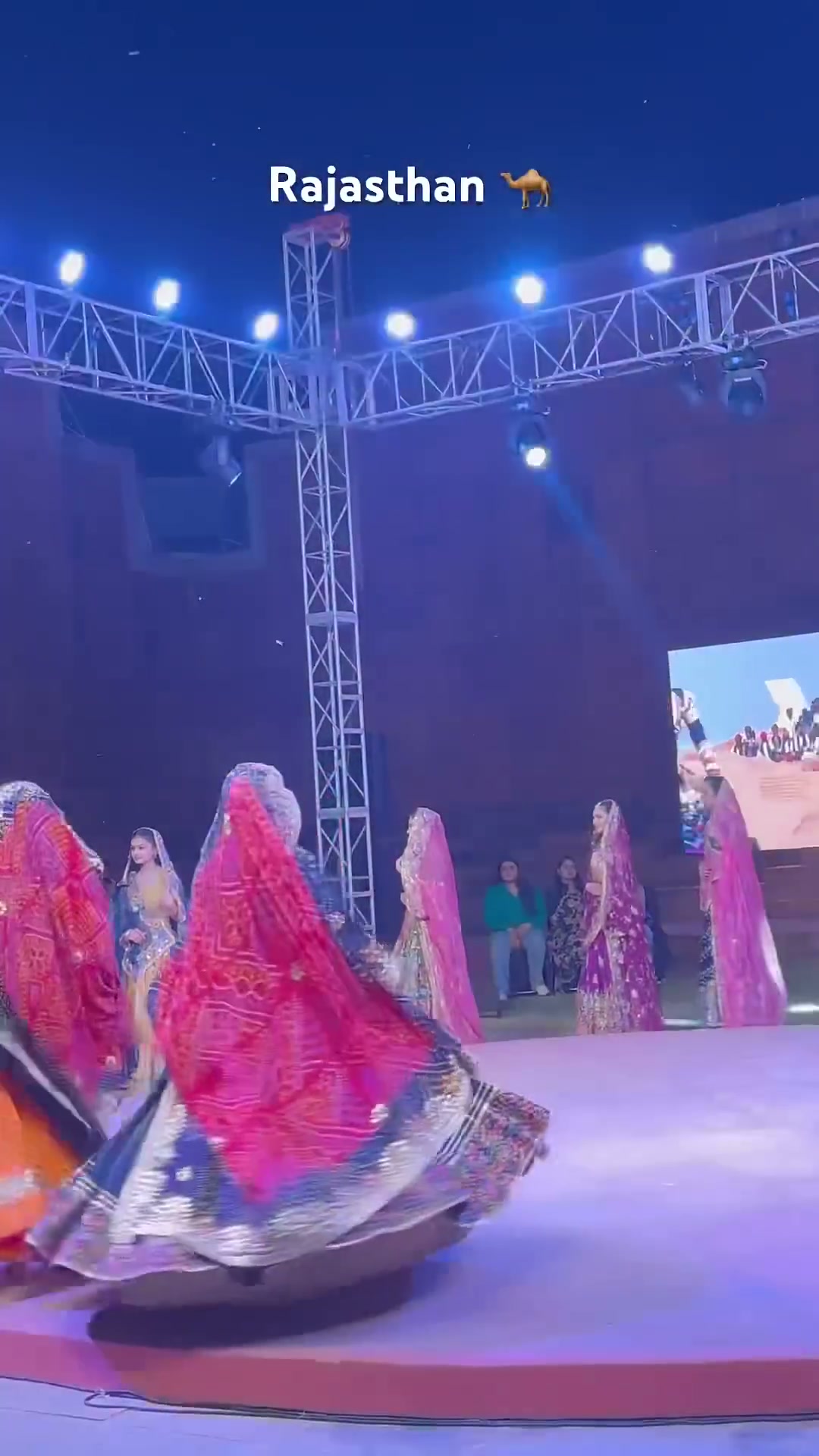
Reels from Barmer
See all →


Popular in Barmer
Top Picks for Barmer
Curated picks with 1-3-day delivery to Barmer
 COD Available
biba
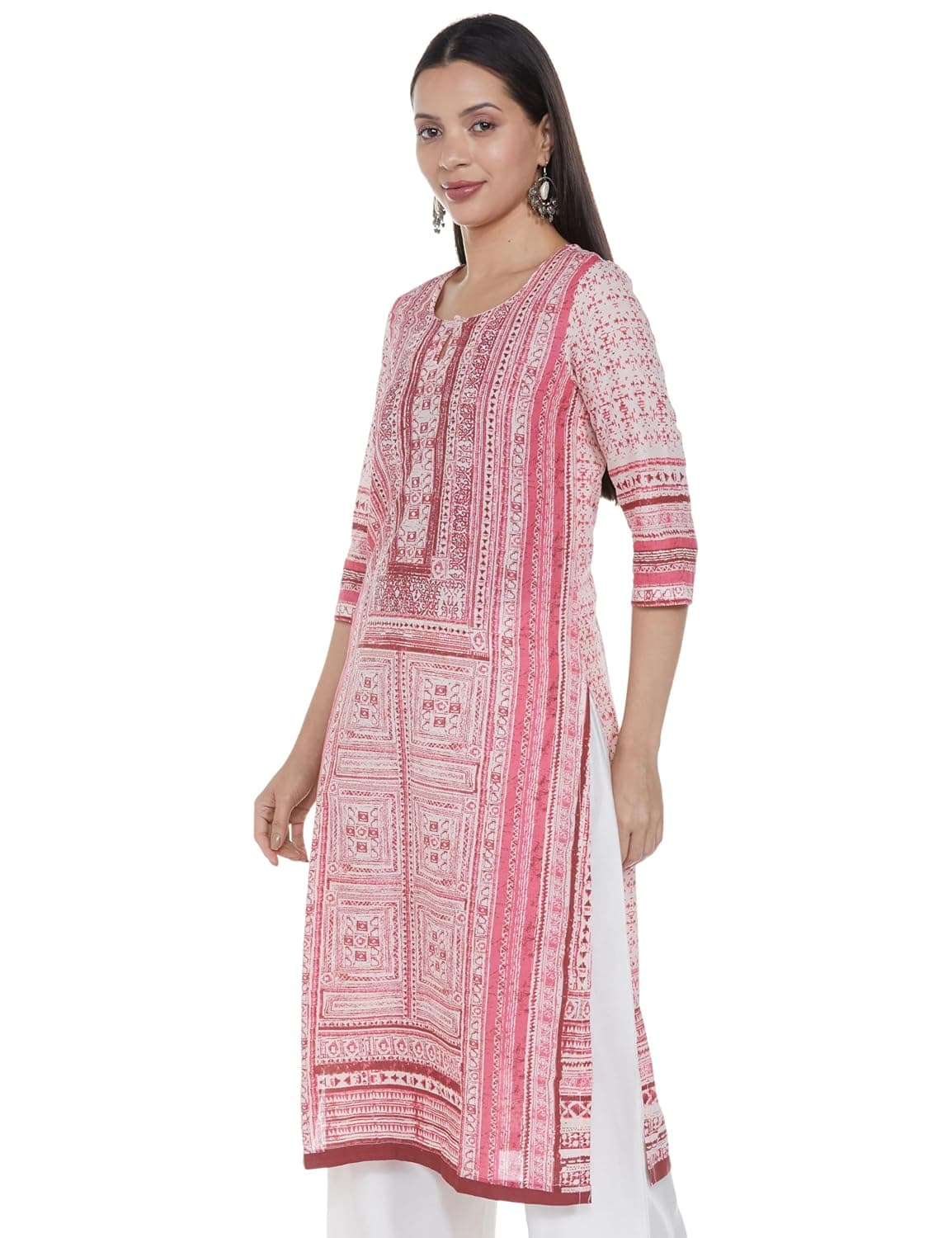
BIBA Women's Cotton Straight Printed Kurta
 COD Available
biba
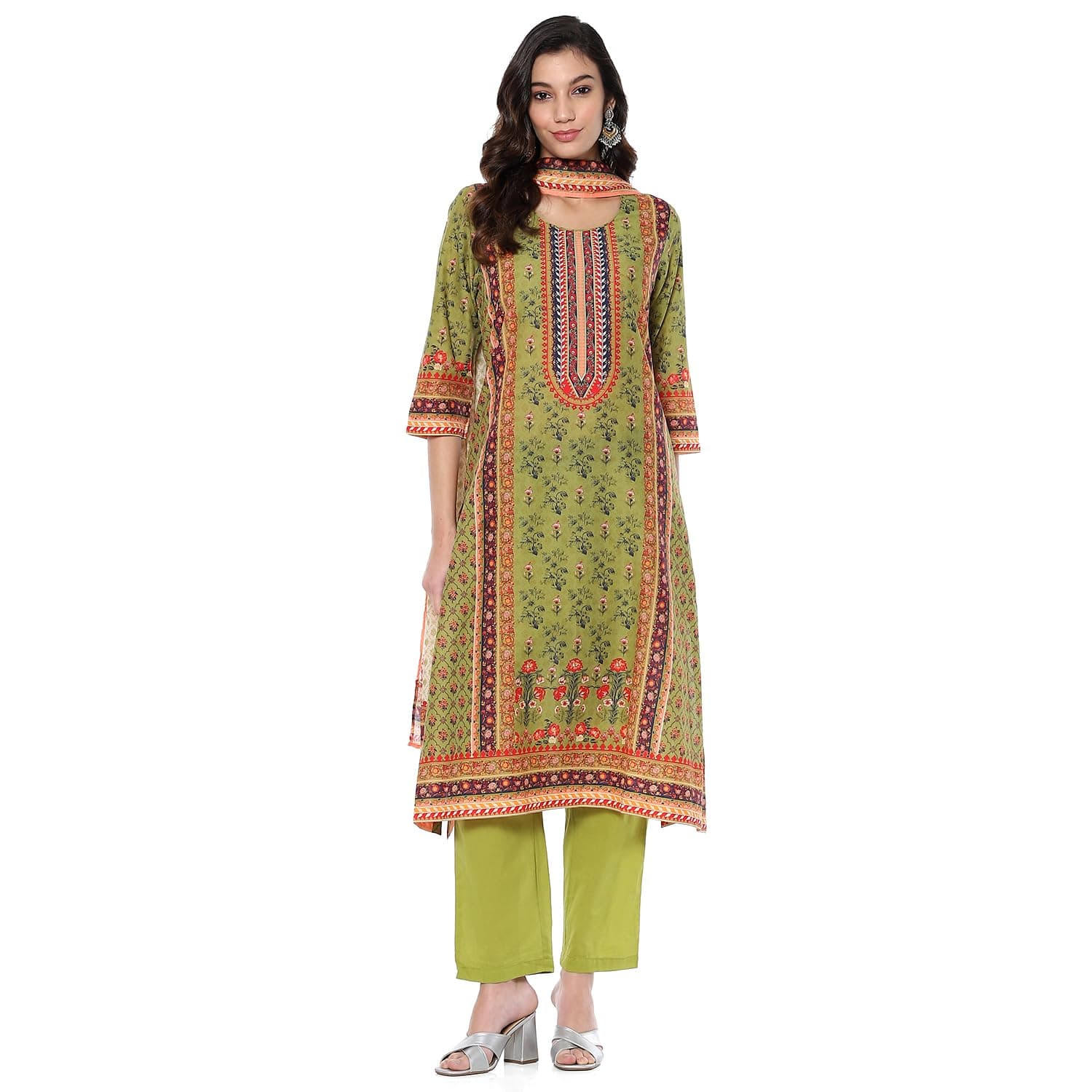
BIBA Women's Cotton Printed Kurta Set with Dupatta
 COD Available
biba
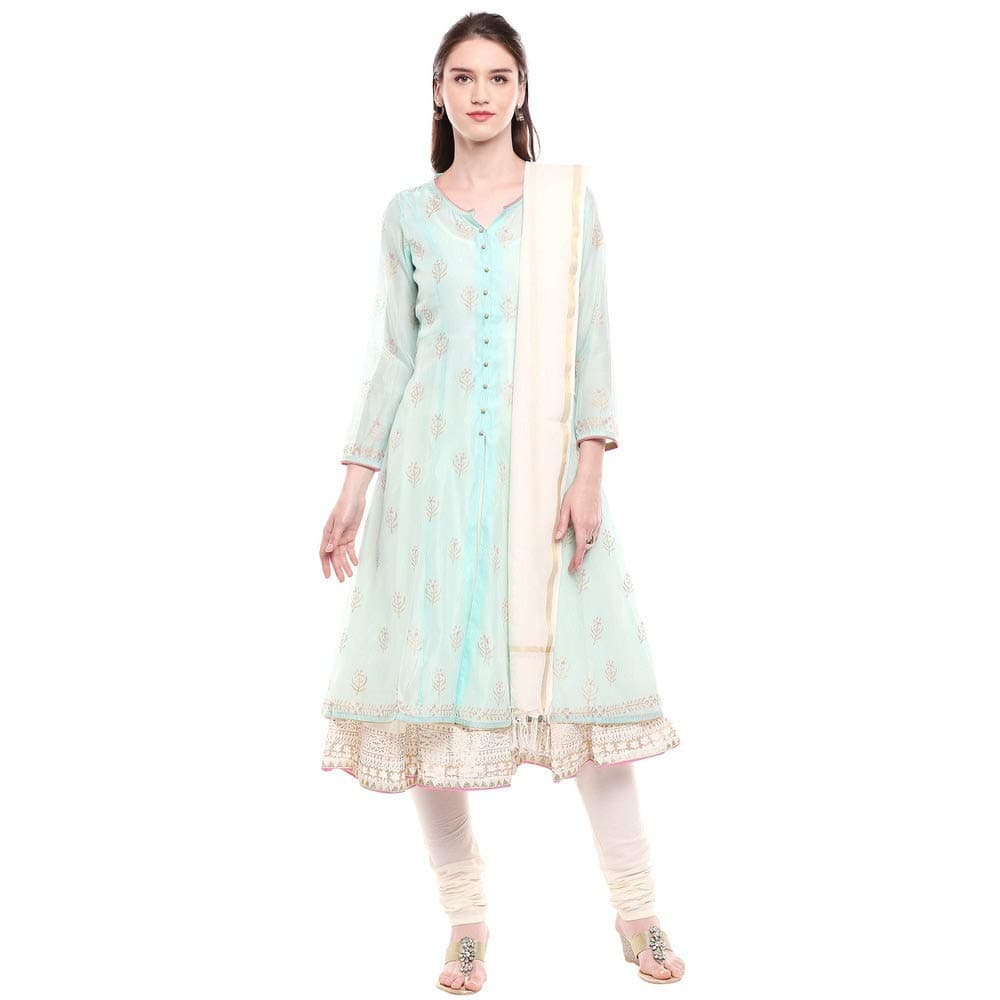
BIBA Women's Cotton A-Line Churidar Suit
 COD Available
libas
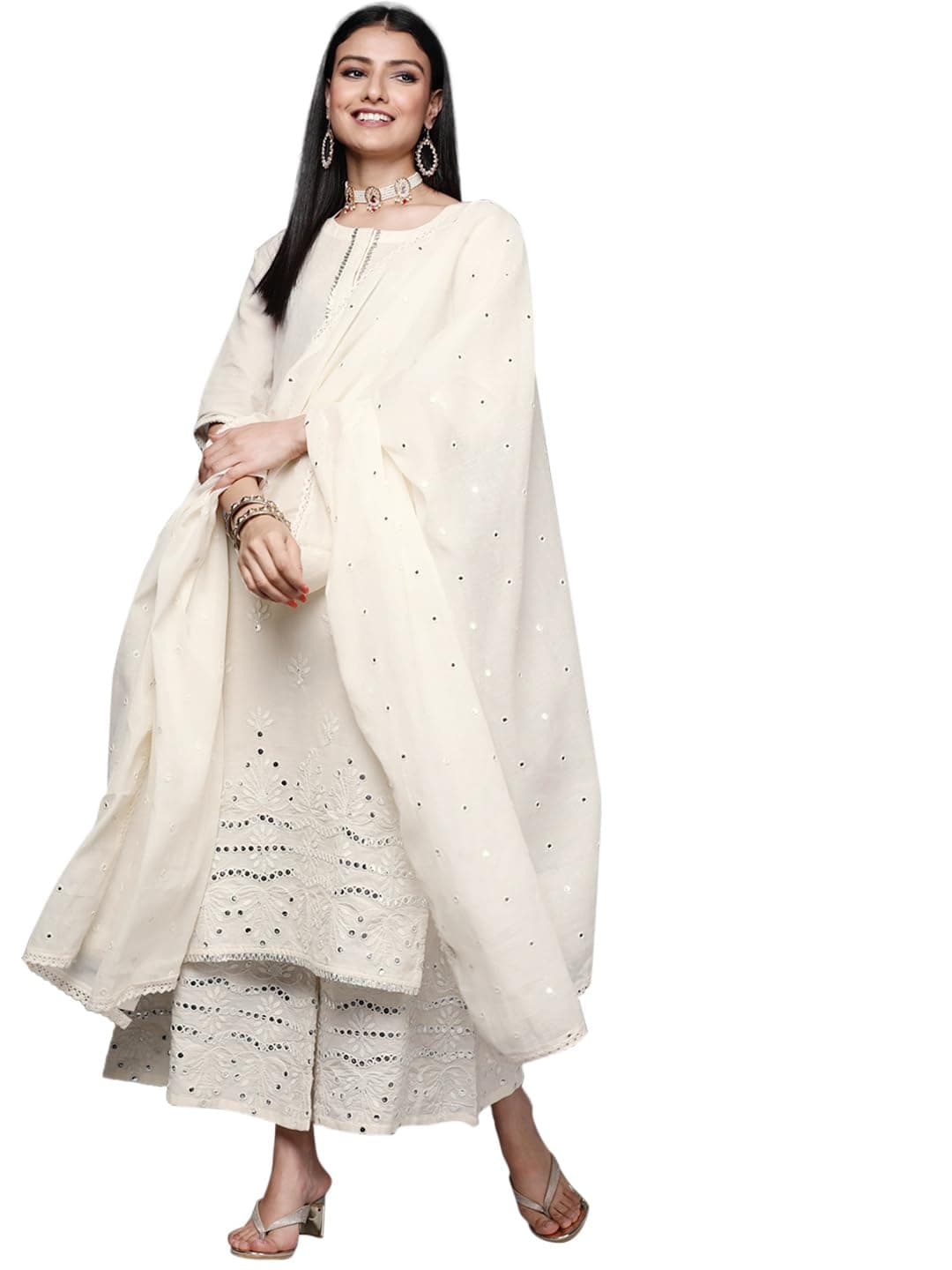
Libas Women's Embroidered Cotton Straight Kurta with Palazzos & Dupatta
 COD Available
libas
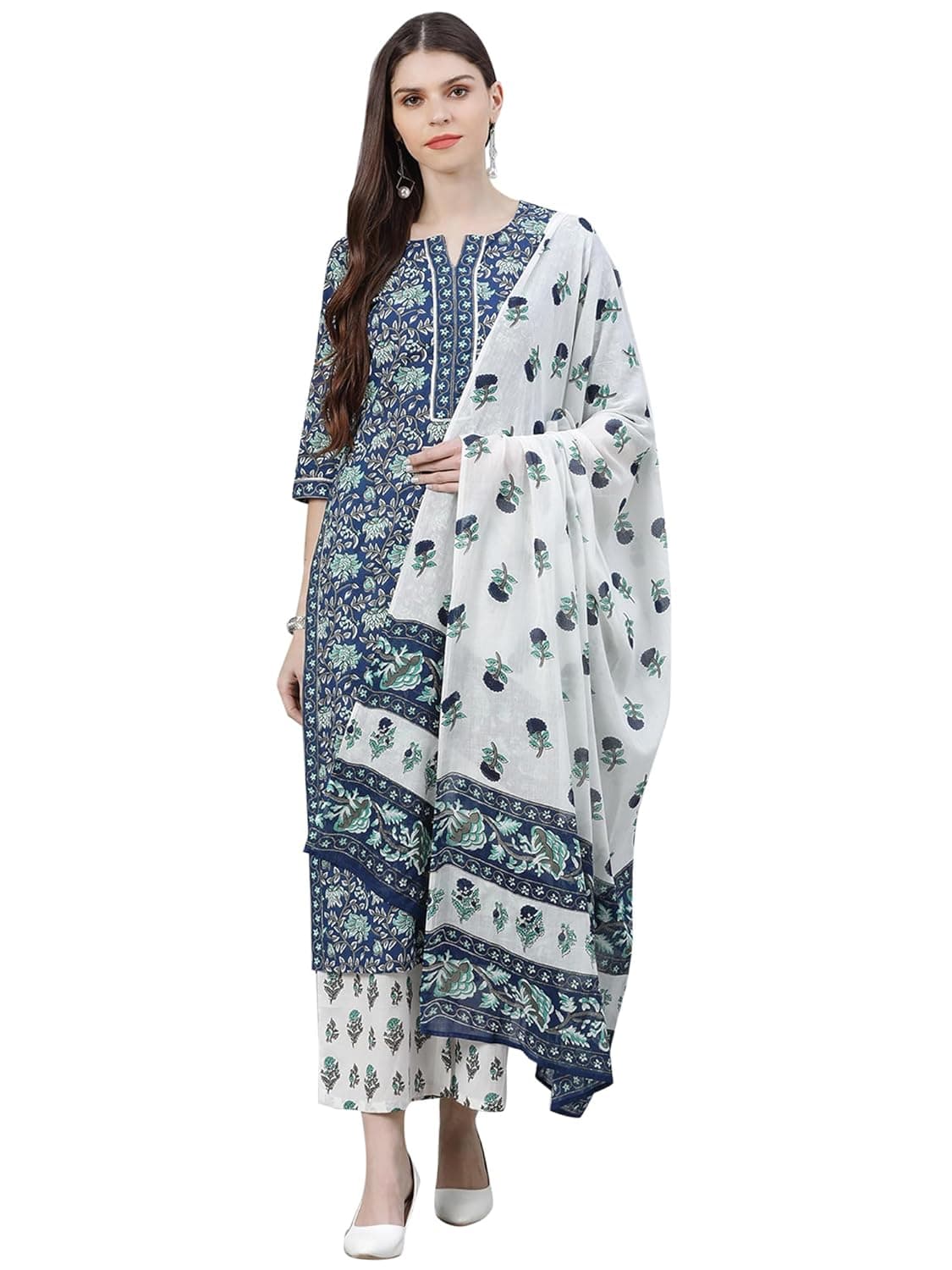
Libas Women's Cotton Printed Kurta Set Multicoloured
COD Availablelibas
Libas Printed Silk Blend Round Neck Kurta Pant Set Pink
 COD Available
ishin
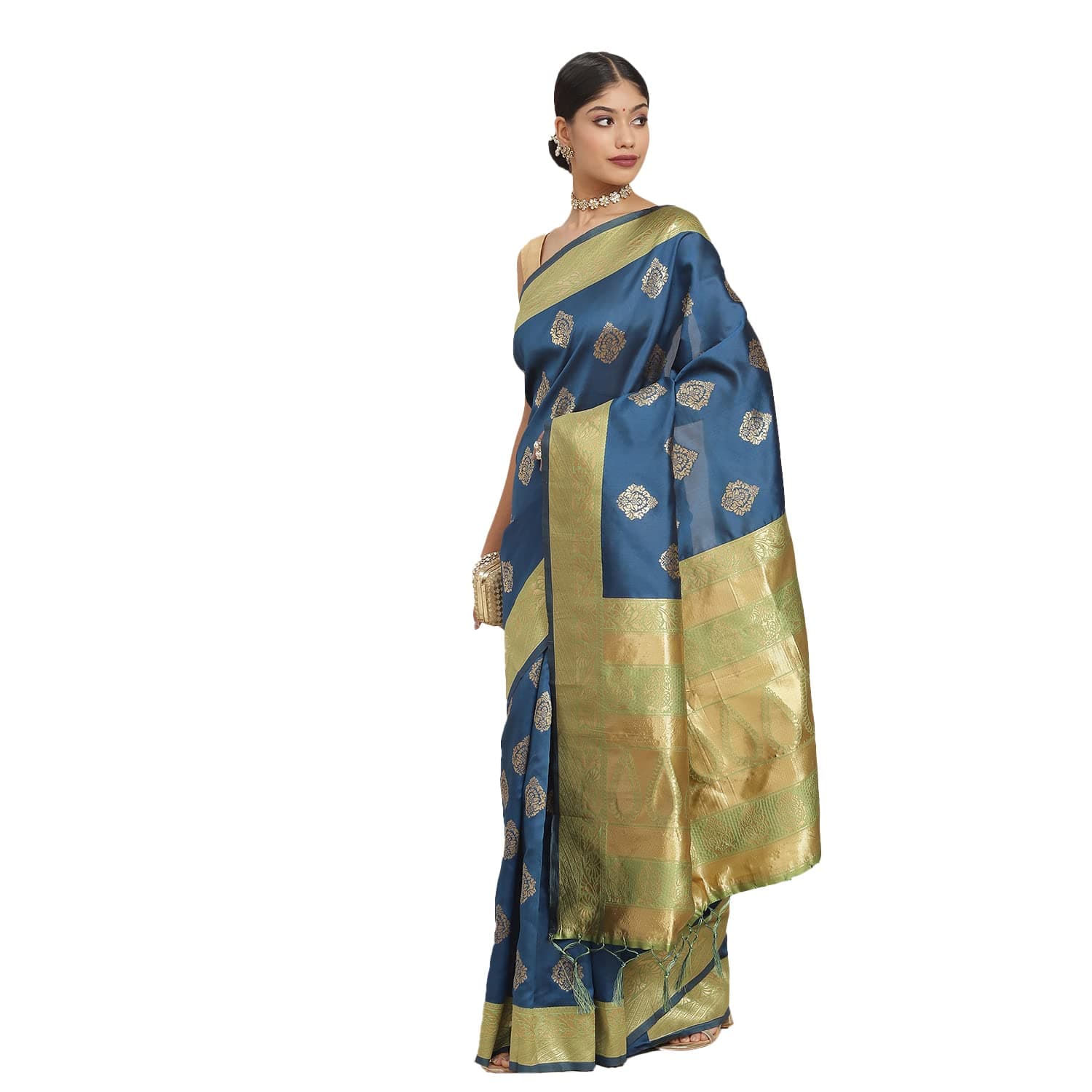
Ishin Women's Silk Blend Teal & Green Woven Design Saree with Blouse
 COD Available
ishin
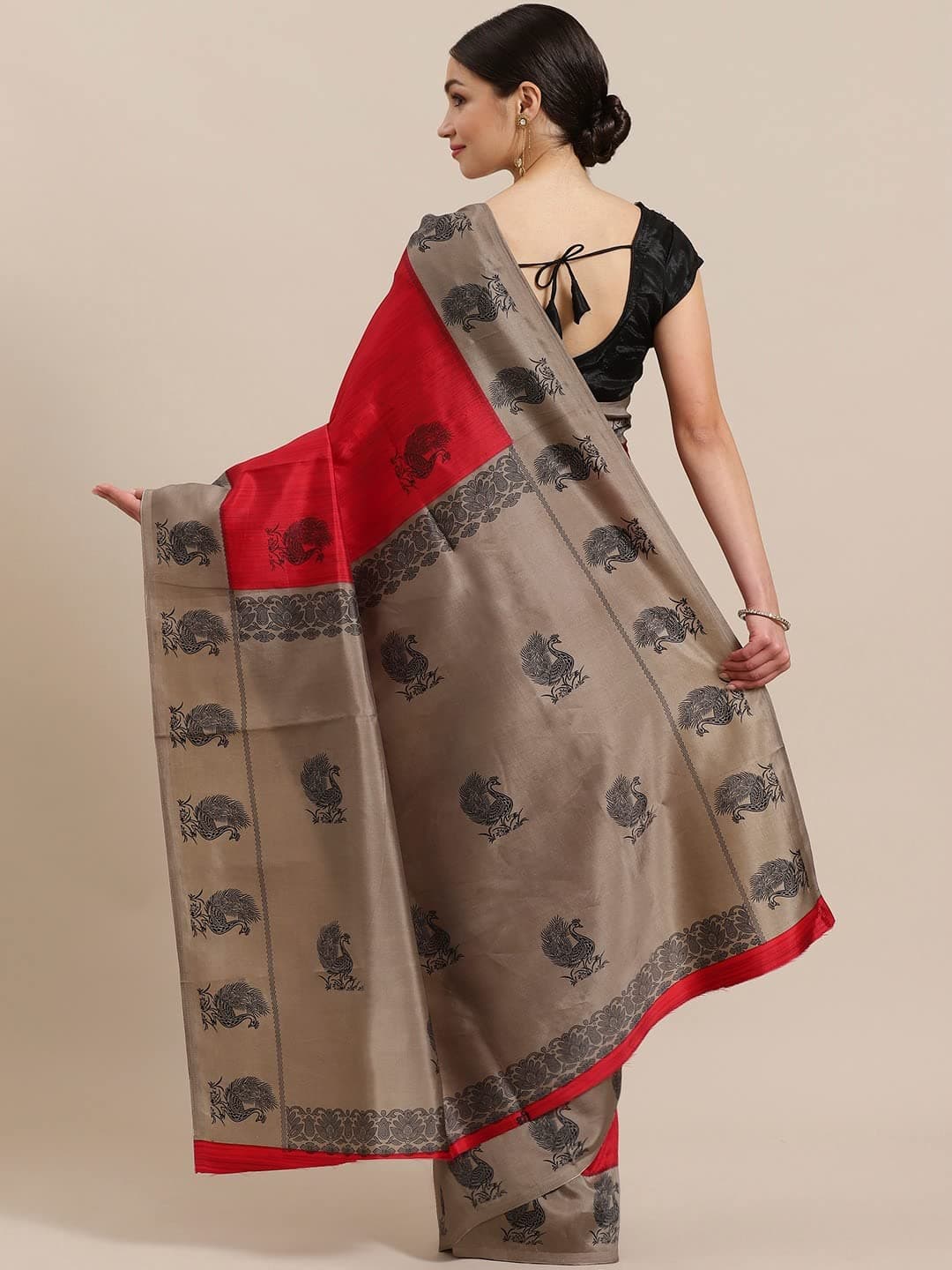
Ishin Women's Art Silk Maroon & Taupe Printed Saree
Shopping Guide for Barmer
Where to shop in Barmer: Barmer City Market, Jalori Gate Bazaar, Sadar Bazaar are the most popular areas for ethnic wear shopping.
Barmer is known for Barmer embroidery — a distinct style of applique and mirror work used on ghagras and odhnis. The local textile tradition is one of the most visually distinctive in Rajasthan, with bold geometric patterns on bright fabrics.
LOCAL TIP
Barmer's local markets are excellent for authentic Barmer embroidery pieces — ghagras, dupattas, and odhnis at source prices. For contemporary ethnic wear and bridal lehengas, online ordering is the most convenient option with 1-3 day delivery.
Aksar Poochhe Jaane Wale Sawaal
General GuideFrequently Asked Questions
What is the traditional ethnic wear of Barmer?
Barmer in Rajasthan is known for Mirrorwork, Ajrakh, Marwari Embroidery and 13 more craft traditions. Mirrorwork, known in Rajasthan as Abhla Bharat (from the Sanskrit word for glass), is an embroidery technique in which small circular mirrors are anchored onto fabric using colourful buttonhole and herringbone stitches.
Where to buy authentic Mirrorwork in Barmer?
Authentic Mirrorwork from Barmer is available online through Barkha Boutique's curated Amazon selection. For local shopping, visit Barmer City Market, Jalori Gate Bazaar, Sadar Bazaar. Look for each mirror is individually stitched with visible thread loops running around the circumference — glued mirrors fall off with washing to verify authenticity.
Best ethnic wear in Barmer under ₹2000?
Affordable options include Mirrorwork (from ₹499), Ajrakh (from ₹699), Marwari Embroidery (from ₹599). Shop online for home delivery.
What to wear to a wedding in Barmer?
Traditional wedding wear in Barmer includes Mirrorwork, Marwari Embroidery, Bandhani. Wedding season peaks during November to February.
Does Barkha Boutique deliver to Barmer?
Yes! We deliver to Barmer, Rajasthan within 1-3 days. Free shipping on orders above Rs 999.
What can I buy online from Barkha Boutique in Barmer?
You can shop sarees, lehengas, kurtis, salwar suits, dresses, co-ord sets, and western wear online with delivery to Barmer.
Kya Barkha Boutique Barmer mein delivery karta hai?
Haan! Barkha Boutique Barmer, Rajasthan mein 1-3 din mein delivery karta hai. Rs 999 se upar ke order pe free shipping.
Explore Nearby
EXCITING NEWS
Barkha Boutique in Barmer — Coming Soon
We're expanding! Until our Barmer store opens, shop our full collection online with 1-3-day delivery. WhatsApp us to get notified when we open.
Get Notified on WhatsAppShopping Guides for Barmer
Best Ethnic Wear Online in Barmer
Best ethnic wear online guide for Barmer, Rajasthan
Buy Sarees Online in Barmer
Buy sarees online guide for Barmer, Rajasthan
Wedding Lehenga Shopping in Barmer
Wedding lehenga shopping guide for Barmer, Rajasthan
Best Kurtis Online in Barmer
Best kurtis online guide for Barmer, Rajasthan
Western Wear Online in Barmer
Western wear online guide for Barmer, Rajasthan
As an Amazon Associate, Barkha Boutique earns from qualifying purchases.