
History & Origin
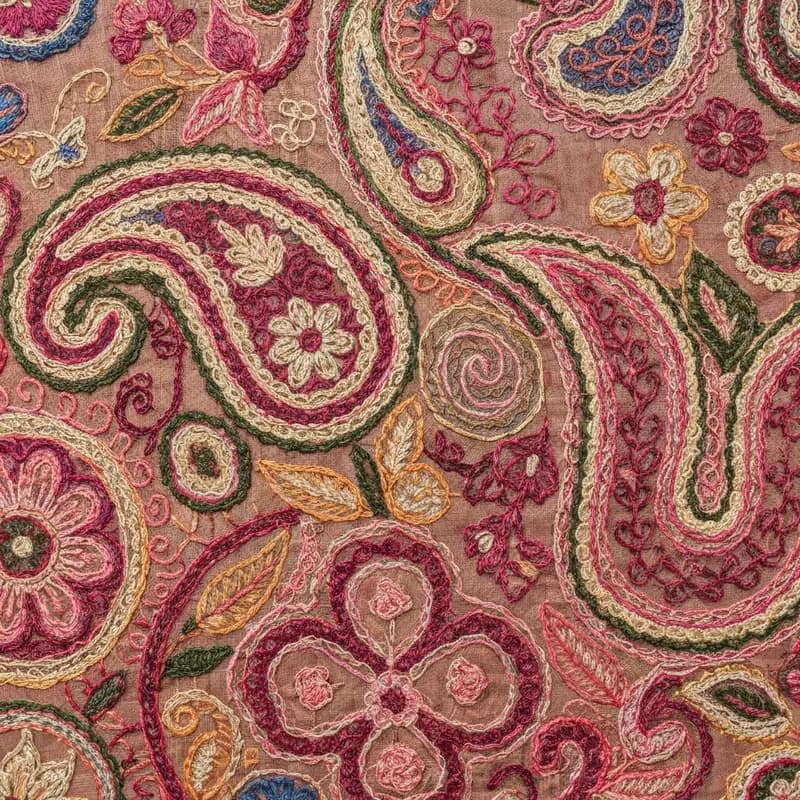
The aari hook — a thin pointed implement resembling a crochet hook with a longer shaft — is used across several Indian embroidery traditions. In Lucknow, aari work is closely related to chikankari workshops, where both techniques are often practised by the same artisans. In Kashmir, aari embroidery (known locally as 'crewel' or 'namda' work in specific applications) creates the dense floral designs found on shawls, carpets, and wall hangings. In Mumbai and Surat, aari work is used to apply sequins and beads at extraordinary speed compared to needle-threading.
The aari's speed advantage over conventional embroidery needles makes it economically significant — an experienced aari worker completes fine chain stitch work 3–5 times faster than conventional needlework. This has kept aari work commercially viable and explains why it dominates Indian fashion industry embroidery from bridal wear to ready-to-wear kurtis. The technique's delicacy and curvilinear capability make it ideal for floral motifs, paisley patterns, and border work.
How to Identify Authentic Aari Work
- Stitch magnification — genuine aari chain stitch is a linked chain of loops; under magnification each loop is distinct; machine chain stitch appears mechanically identical in every unit
- Reverse examination — hand aari shows a single running thread on the reverse; machine embroidery shows dense, tangled backing threads
- Curve quality — aari's hook tool creates naturally smooth curves; machine chain stitch follows pre-programmed digital curves that, on close inspection, have slight stepped artificiality
- Density variation — skilled aari workers vary their stitch density for fill effects; machine work maintains constant density throughout
- Thread ends — look at motif starting and finishing points; hand aari shows carefully secured thread ends; machine work has clean mechanical cut ends
Types & Varieties
| Type | Characteristic | Price Range | Best For |
|---|---|---|---|
| Lucknow aari | Fine chain stitch on cotton, often with chikankari integration | Rs 1,200–15,000 | Festive kurtis, formal occasions |
| Kashmir aari | Dense wool or silk on wool base, floral designs | Rs 3,000–40,000 | Shawls, statement pieces, occasion wear |
| Sequin aari | Aari hook used to apply sequins and beads in patterns | Rs 2,000–20,000 | Wedding wear, party outfits, festive garments |
| Aari zari work | Metal thread (zari) applied with aari hook in chain stitch | Rs 2,500–25,000 | Bridal wear, formal events, luxury kurtis |
Best Brands
Lucknow's chikankari clusters (Aminabad, Chowk) produce excellent aari work in combination with chikankari — labels like Seva Craft and UP government's UPICA stores carry authentic pieces. For Kashmiri aari on wool and silk, Craft Development Institute Srinagar and authentic Kashmir shawl retailers are the best sources. In the mainstream fashion market, Meena Bazaar, Manyavar, and many boutique labels use quality aari work for their festive collections.
 COD Available
biba
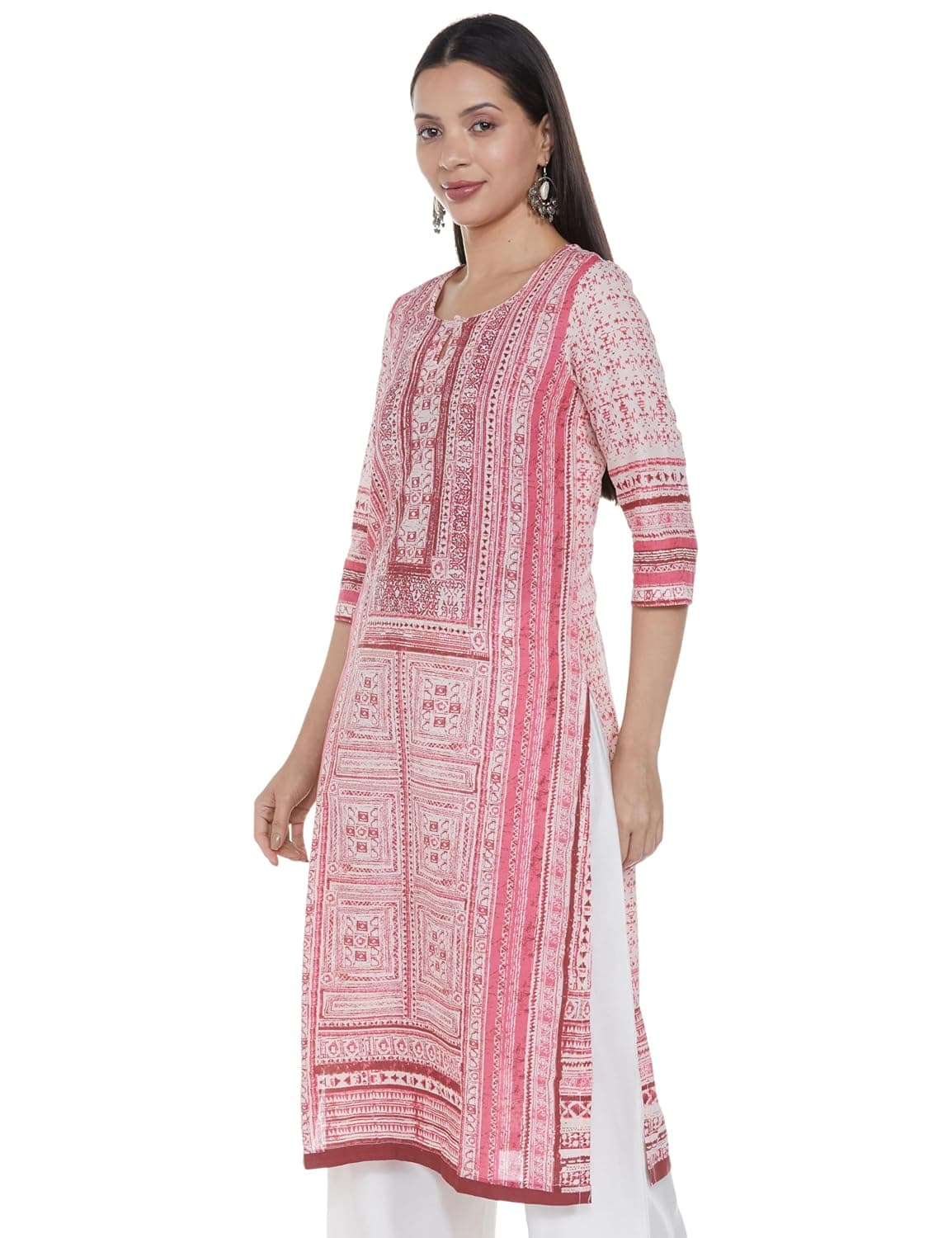
BIBA Women's Cotton Straight Printed Kurta
 COD Available
biba
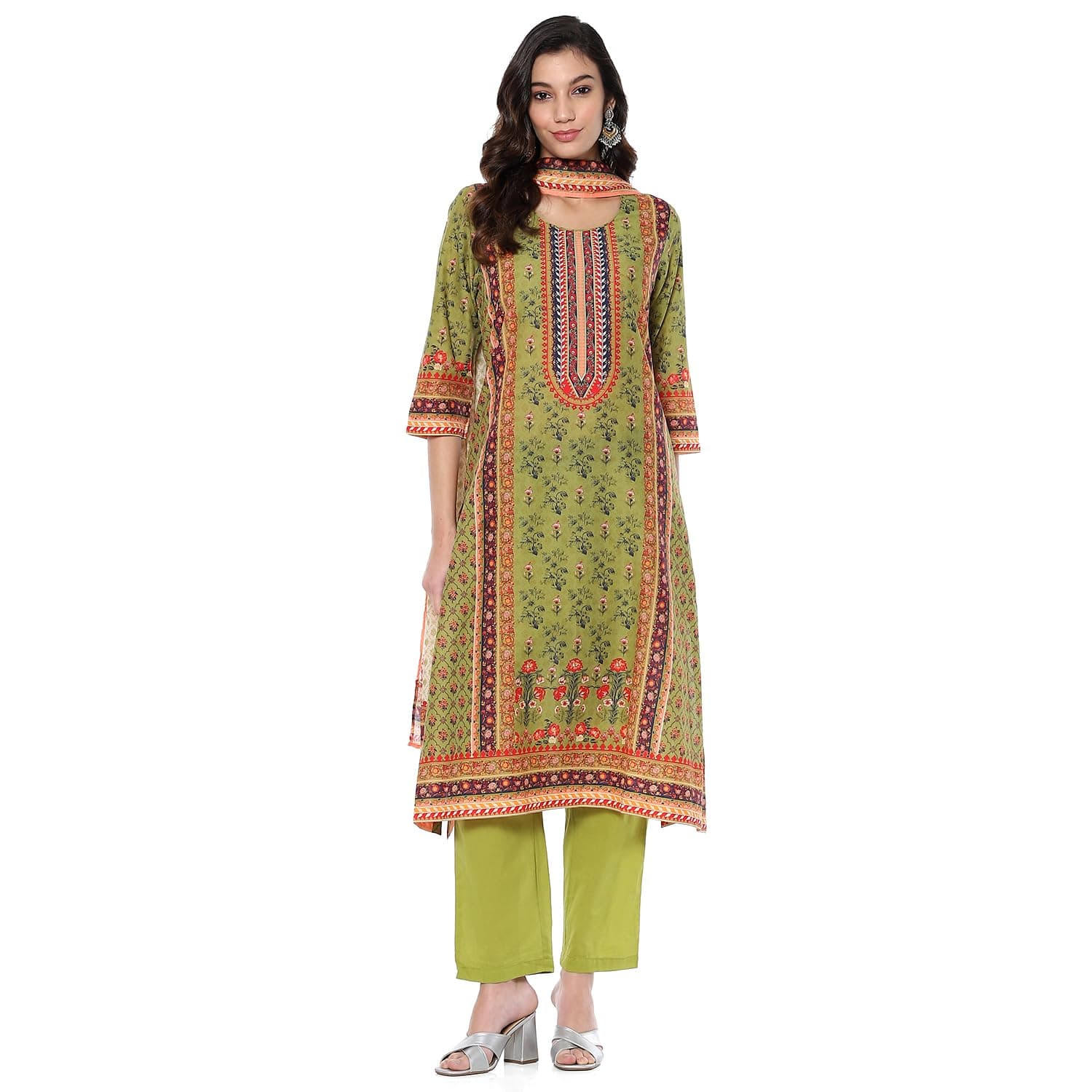
BIBA Women's Cotton Printed Kurta Set with Dupatta
 COD Available
biba
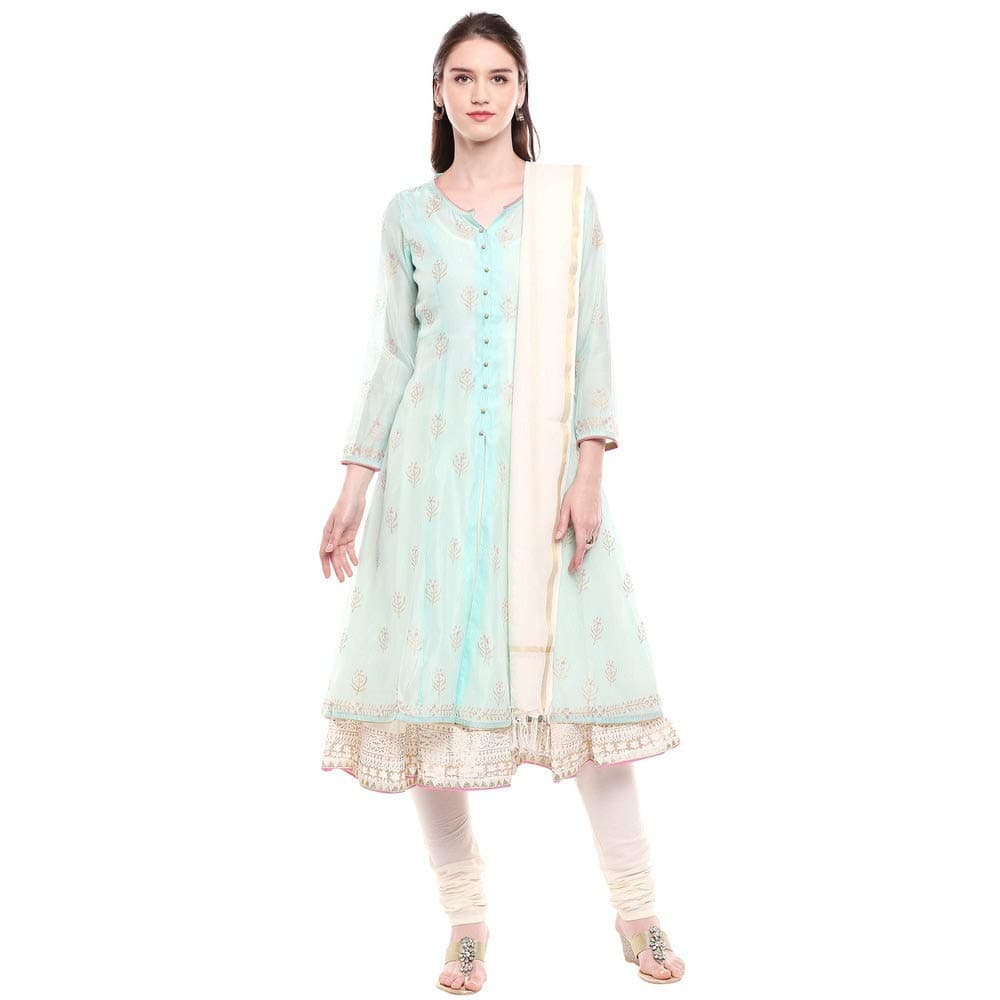
BIBA Women's Cotton A-Line Churidar Suit
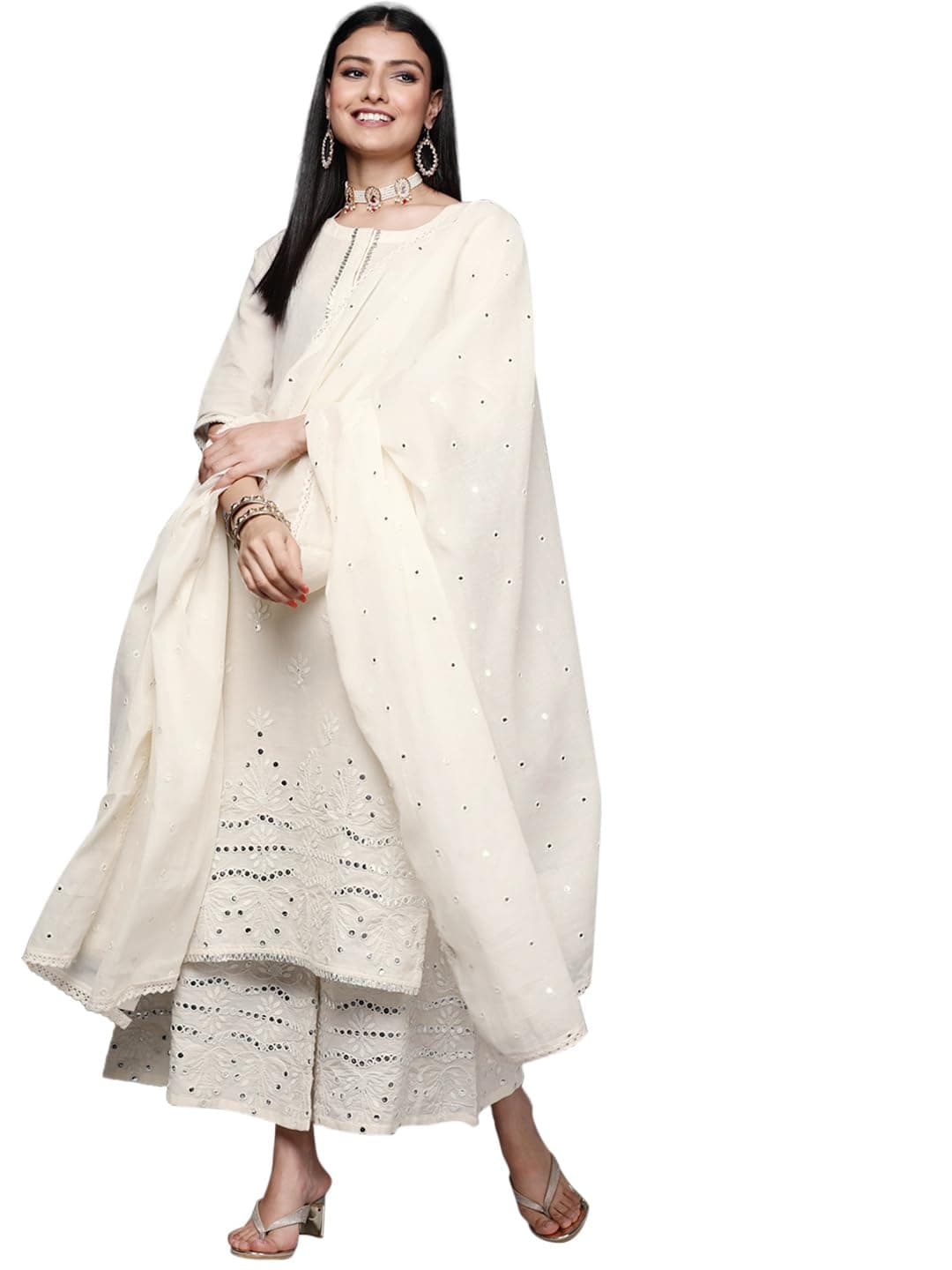 COD Available
libas
Libas Women's Embroidered Cotton Straight Kurta with Palazzos & Dupatta
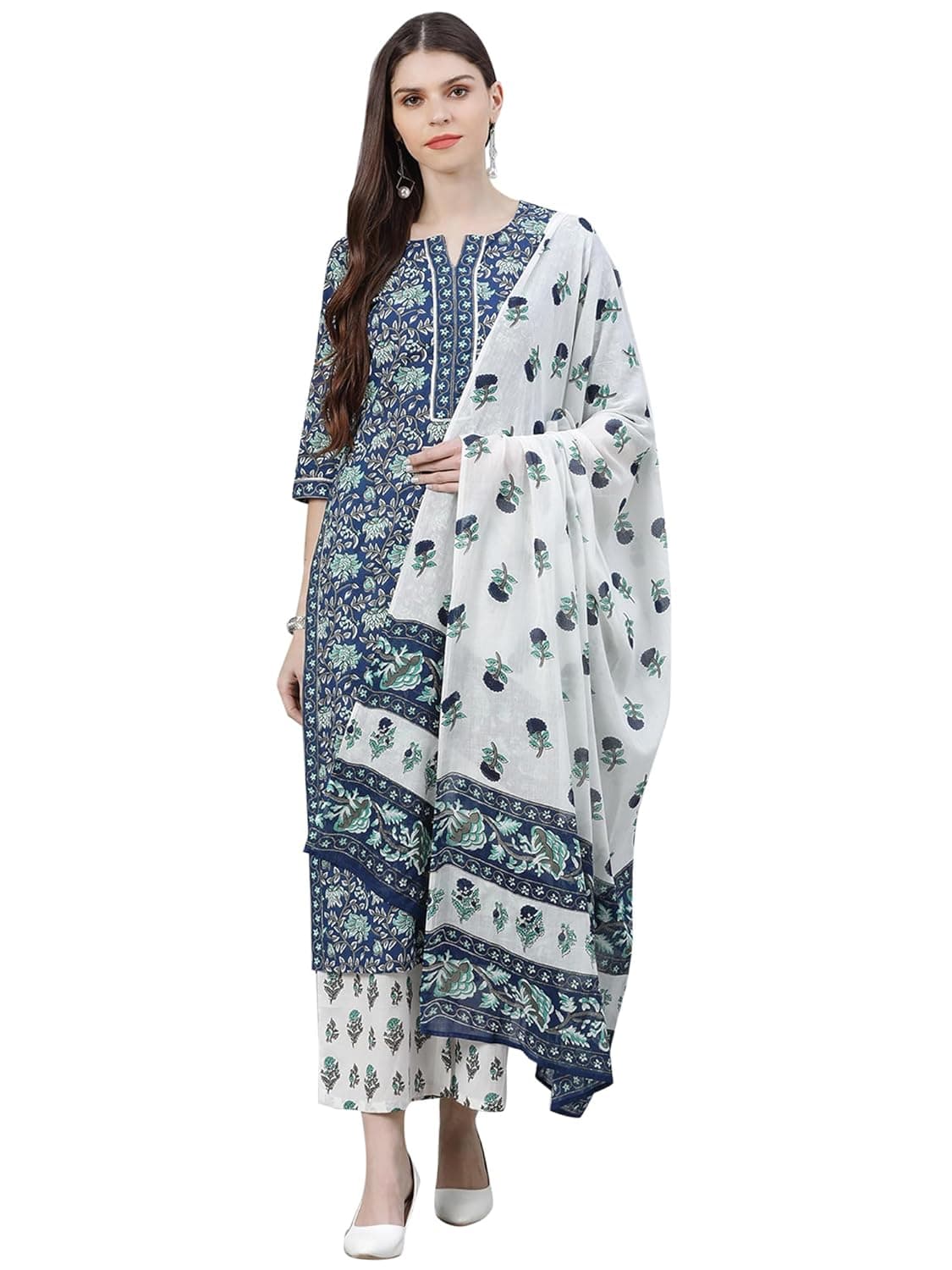 COD Available
libas
Libas Women's Cotton Printed Kurta Set Multicoloured
COD Availablelibas
Libas Printed Silk Blend Round Neck Kurta Pant Set Pink
Price Guide
| Tier | Price Range | What You Get |
|---|---|---|
| Entry | Rs 1,200–3,500 | Border or panel aari work on kurta, simple chain stitch patterns |
| Quality occasion | Rs 3,500–12,000 | All-over aari embroidery, quality thread, boutique standards |
| Premium/bridal | Rs 12,000–40,000+ | Dense aari with sequin and zari, designer quality, Kashmir shawls |
Care & Maintenance
- Dry clean for valuable aari work pieces — washing can loosen chain stitch links if water softens thread adhesion
- If hand washing, use cold water and zero agitation — soak and rinse gently
- Never wring — the chain stitch structure can pull loose when twisted under pressure
- Iron from the reverse on low heat — direct ironing on chain stitch can flatten and distort the embroidery texture
- Store folded with embroidery inside or protected — surface chain stitch can snag on rough surfaces
Styling Tips
Aari work's fine, curvilinear quality makes it natural on flowing silhouettes — anarkalis, kurtas with flared hemlines, and georgette dupattas with aari border work all show the embroidery at its best. The technique's ability to fill large areas with dense chain stitch makes it popular for all-over embroidery on heavy festive kurtas. Pair aari-embroidered pieces with clean, simple accessories — the embroidery's intricate quality fills the visual space completely.
OUR VERDICT
Aari work is the workhorse embroidery of Indian fashion — fast enough to be economically viable, delicate enough to compete with any hand embroidery tradition, and flexible enough to be used from simple kurtis to bridal lehengas. Understanding what authentic aari looks like lets you make genuinely informed purchasing decisions in a market crowded with machine-embroidered imitations. Always check the reverse — and pay accordingly for the real thing.