
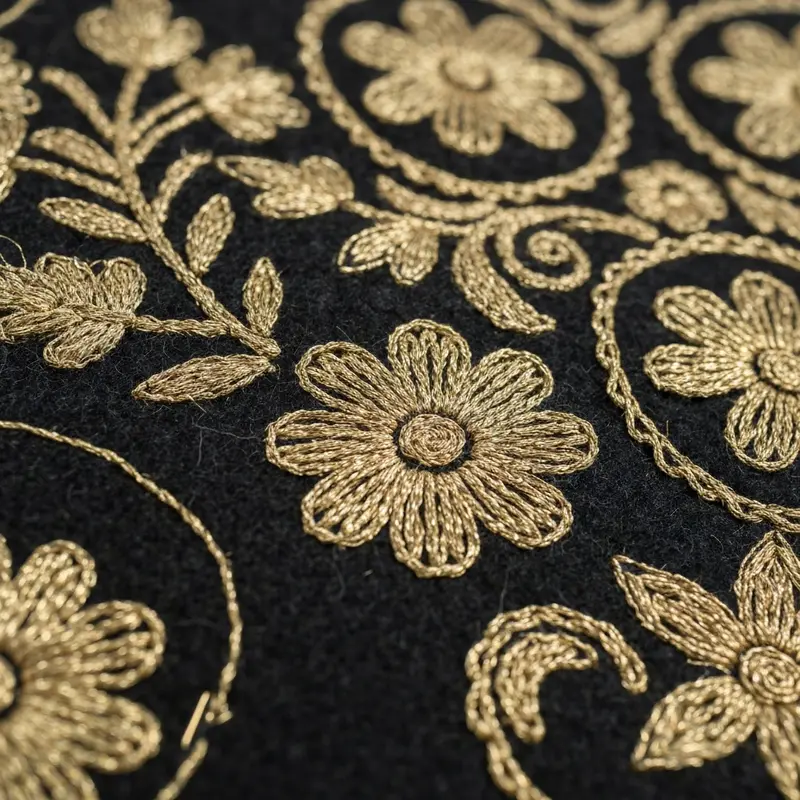
History & Origin
Kashmir's embroidery heritage is inseparable from the valley's extraordinary textile tradition built on pashmina wool from Changthangi goats and silk from mulberry cultivation. Mughal emperors were passionate patrons — Akbar standardised the weights, supervised the workshops, and recorded shawl production in imperial accounts. The intricate paisley and cone (kairi) motifs that define Kashmiri embroidery were developed in the Mughal era and remain central to the tradition today.
Sozni embroidery is the most prestigious form — the same design worked in embroidery and woven in twill creates a fascinating comparison; the embroidered version commands higher prices because each stitch is individual artistic decision-making. European traders in the 18th–19th centuries created such demand for 'cashmere' shawls (the English spelling of Kashmir) that the Scottish town of Paisley began machine-weaving imitations — inadvertently giving the paisley motif its globally recognised name.
How to Identify Authentic Kashmiri Embroidery
- Sozni stitch quality — genuine sozni uses a satin stitch so fine it resembles painting; each petal and leaf shows gradations of colour created by thread colour changes, not dye
- Reverse check — authentic sozni shows clean thread runs on the reverse with no knots visible; the reverse of a good piece is almost as clean as the front
- Motif complexity — traditional Kashmiri motifs (chinar leaf, lotus, cone/kairi) have micro-detail in their interior fill that only hand embroidery achieves
- Base fabric — genuine sozni is on pashmina or fine wool; 'Kashmiri embroidery' on acrylic or polyester is a commercial imitation
- Documentation — for significant purchases, request GI certification or weaver's cooperative documentation; Kashmir Govt has official embroidery certification programs
Types & Varieties
| Type | Characteristic | Price Range | Best For |
|---|---|---|---|
| Sozni | Fine needle satin stitch on pashmina/wool, landscape and floral motifs | Rs 5,000–1,00,000 | Collector pieces, winter occasions, gifting |
| Tilla work | Gold/silver metallic thread embroidery on silk or velvet | Rs 3,000–40,000 | Bridal phirans, wedding garments |
| Crewel | Thick wool chain stitch on cotton canvas, bold colours | Rs 2,000–15,000 | Jackets, upholstery, home textiles, statement pieces |
| Papier-mache style | Commercial painted or machine-embroidered 'Kashmiri' souvenirs | Rs 400–2,000 | Gifting, casual wear — NOT authentic |
Best Brands
Kashmir Government Arts Emporium has branches across India and carries certified authentic Kashmiri embroidery at regulated prices. Craft Development Institute (CDI) Srinagar trains artisans and sells certified pieces. For contemporary fashion using Kashmiri embroidery, Ritu Kumar and Manish Malhotra have used tilla and sozni extensively. Shepherd (a Srinagar brand) and Shawl Craft are reliable for authentic pashmina sozni shawls.
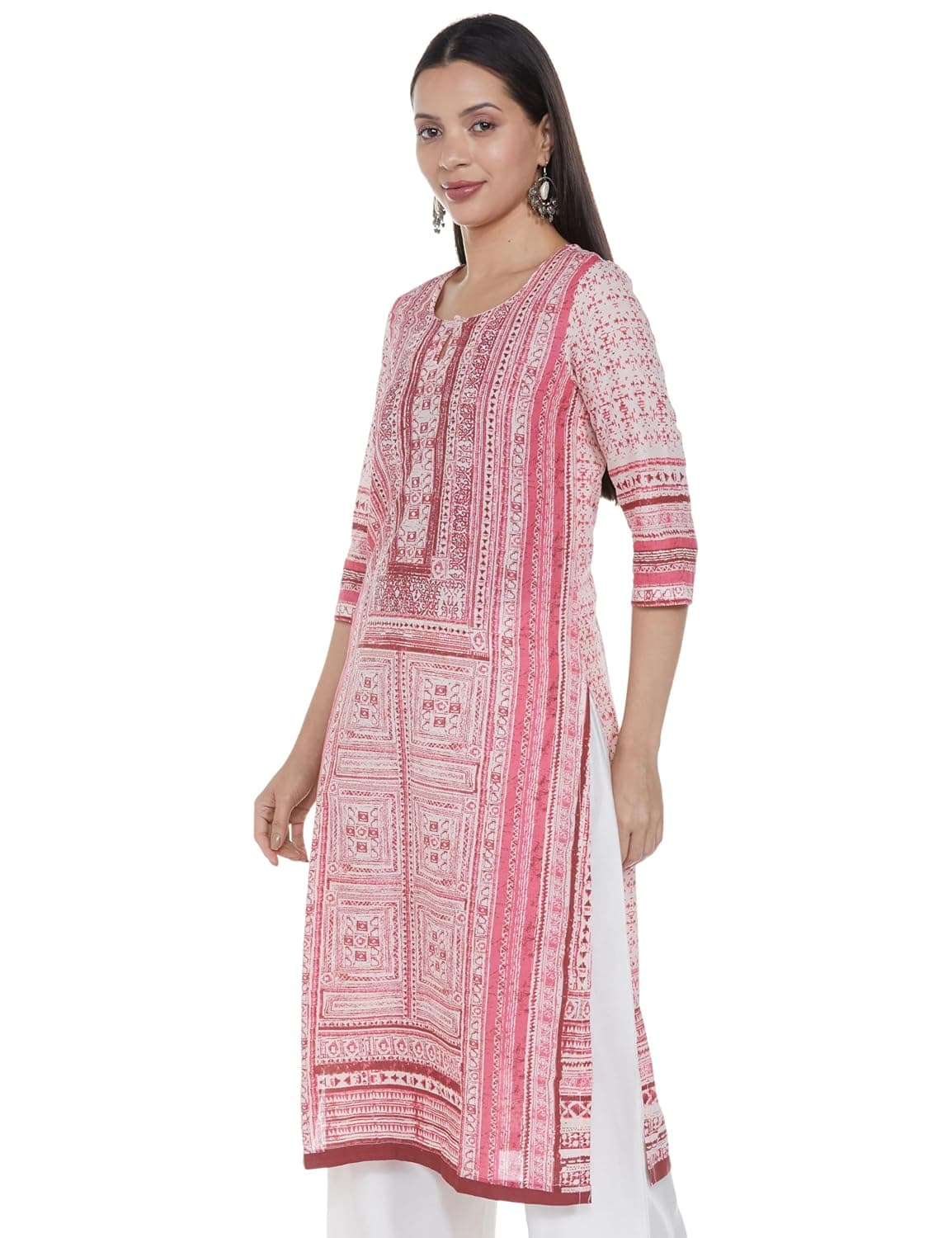 COD Available
biba
BIBA Women's Cotton Straight Printed Kurta
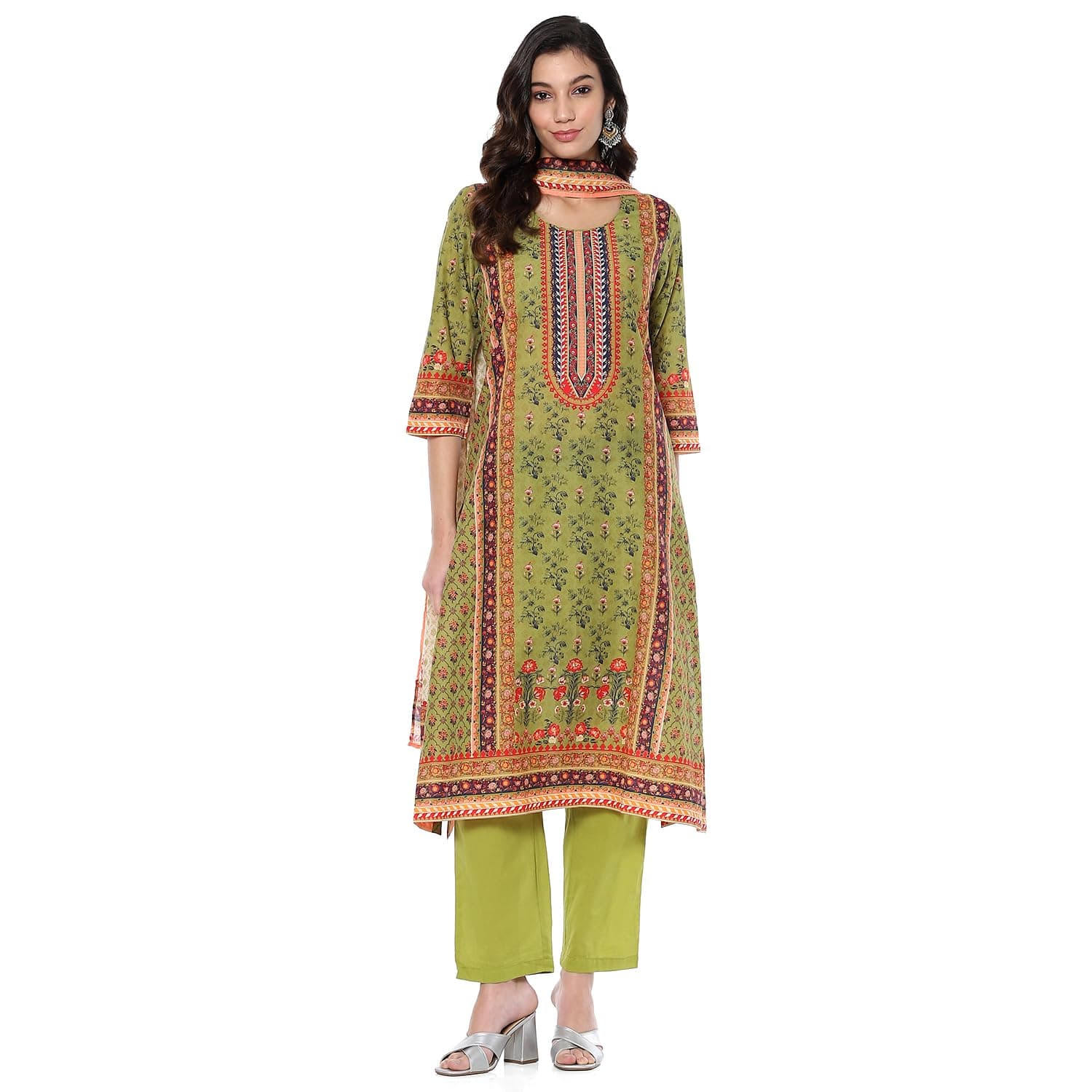 COD Available
biba
BIBA Women's Cotton Printed Kurta Set with Dupatta
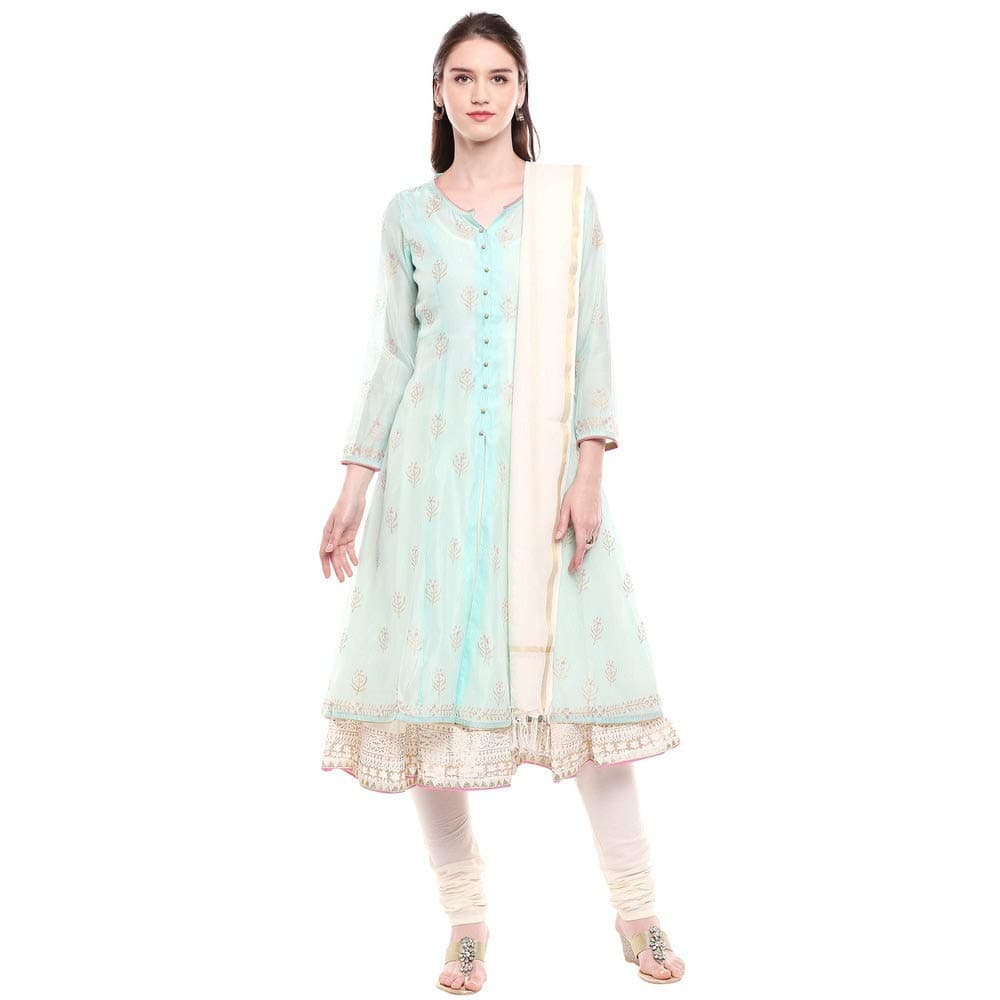 COD Available
biba
BIBA Women's Cotton A-Line Churidar Suit
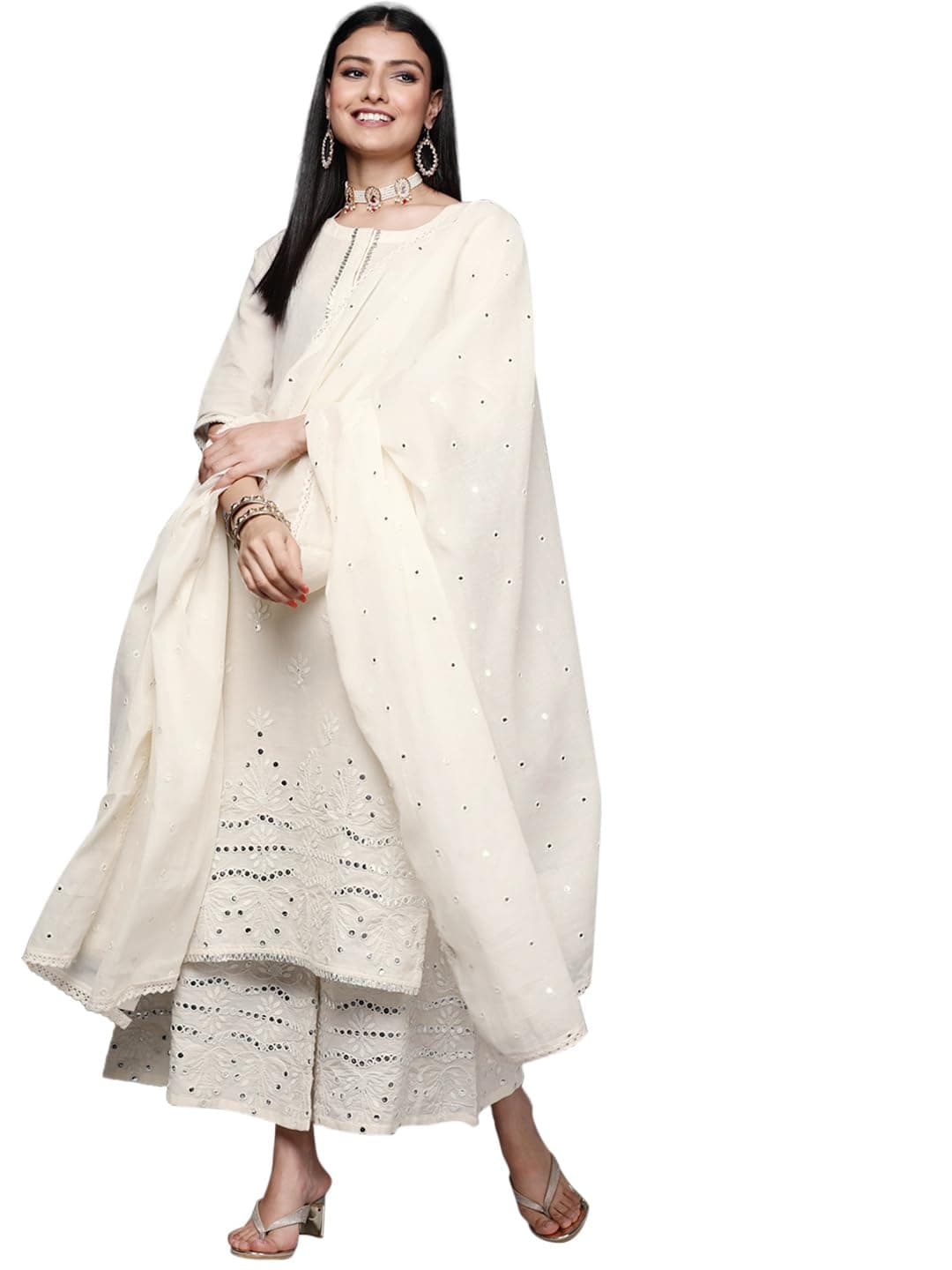 COD Available
libas
Libas Women's Embroidered Cotton Straight Kurta with Palazzos & Dupatta
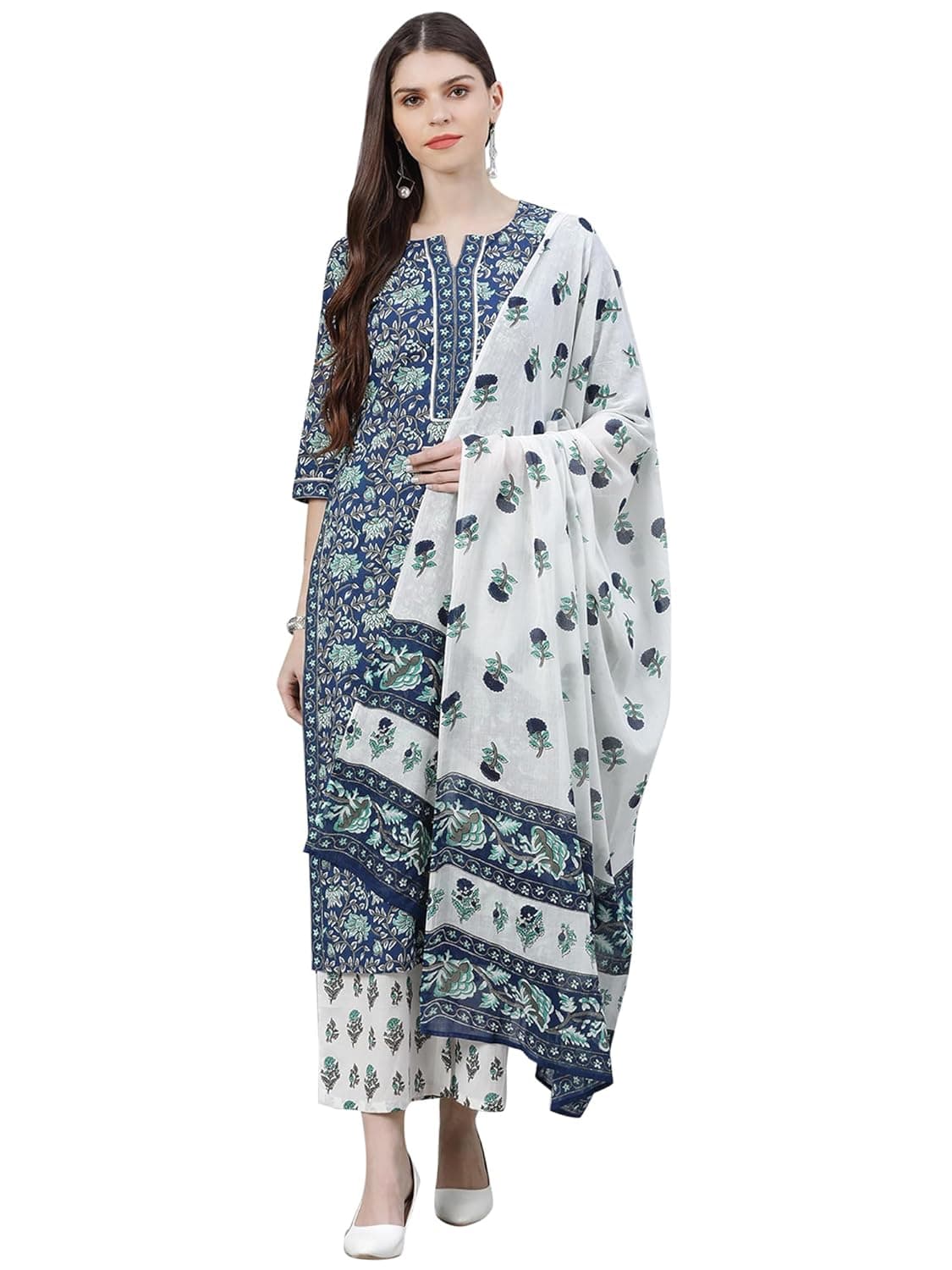 COD Available
libas
Libas Women's Cotton Printed Kurta Set Multicoloured
COD Availablelibas
Libas Printed Silk Blend Round Neck Kurta Pant Set Pink
Price Guide
| Tier | Price Range | What You Get |
|---|---|---|
| Entry | Rs 2,000–6,000 | Crewel jacket or stole, simple tilla work kurti |
| Authentic sozni | Rs 6,000–30,000 | Sozni embroidered shawl, tilla bridal pieces |
| Heirloom/master | Rs 30,000–1,00,000+ | All-over sozni on pashmina by master soznikar, months of work |
Care & Maintenance
- Dry clean only for sozni on pashmina — wool and silk embroidery do not survive home washing intact
- Air rather than wash between occasional wearings — pashmina naturally resists odour and requires infrequent cleaning
- Store folded in acid-free tissue in a cool, dry, dark space — cedar balls or lavender sachets deter moths without chemical moth balls that damage fibres
- Never hang pashmina shawls — the weight causes elongation of the wool fibres
- Professional restoration only for loose or damaged embroidery — Kashmiri soznikar craftspeople do restoration work
Styling Tips
A sozni-embroidered pashmina shawl is one of those complete-an-outfit accessories — drape it over a plain silk kurta or even a Western dress and it instantly elevates both. The rich paisley and floral motifs of Kashmiri embroidery work beautifully with jewel-tone backgrounds. Tilla-embroidered phirans are best worn in the traditional Kashmiri way — over a salwar or pyjama, as a standalone garment that needs no dupatta.
OUR VERDICT
Authentic Kashmiri embroidery — especially sozni on pashmina — is among the finest handwork produced anywhere in the world. Buying authentic supports one of India's most imperilled craft traditions, where master soznikars are aging without enough apprentices. Even a modest authentic piece is an investment in both personal wardrobe and cultural preservation. Start with a quality crewel jacket or a partial-sozni shawl and you'll understand immediately why these pieces are treasured.