
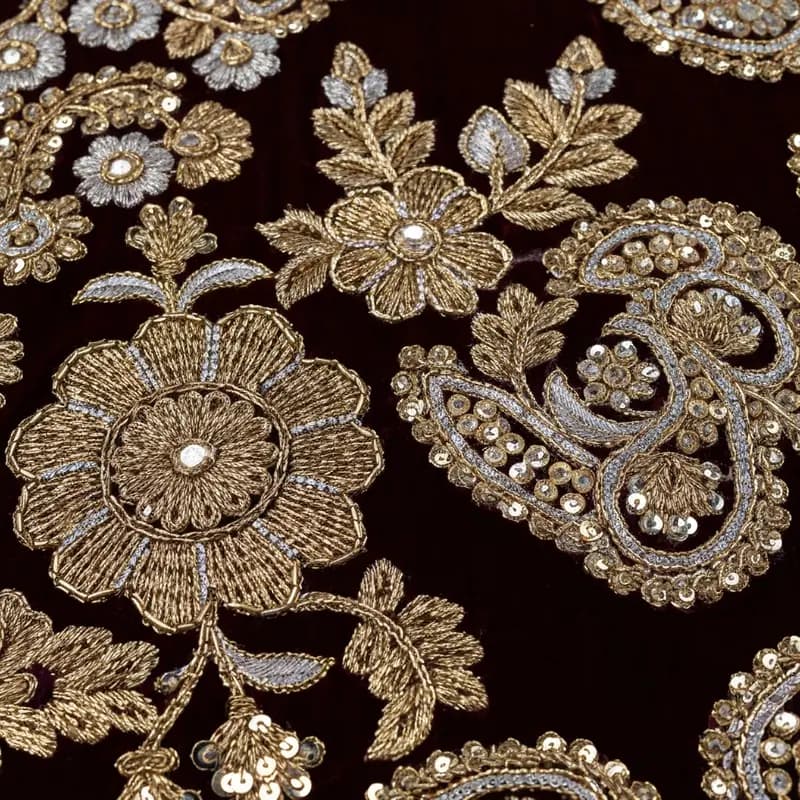
History & Origin
Zardozi came to India with the Mughal court, introduced by artisans from Persia and Central Asia in the 16th century. Under Akbar's imperial workshops (karkhanas), zardozi reached extraordinary refinement — robes, elephant harnesses, tent linings, and court furnishings were all embroidered in gold thread. Agra and Lucknow became the twin centres, each developing slightly different styles: Agra zardozi tends toward heavier relief work, while Lucknow integrates zardozi with the lighter chikankari tradition.
The 1857 uprising and British colonialism devastated the craft — royal patronage evaporated and artisan karkhandars struggled to survive. Post-Independence revival came slowly through government craft programs and, decisively, through the Indian bridal fashion boom of the 1980s–2000s. Today Lucknow's Aminabad and Chowk neighbourhoods remain major zardozi production centres. The industry is entirely concentrated in UP, with Agra adding significant capacity for export-oriented production.
How to Identify Authentic Zardozi
- Weight test — genuine heavy zardozi uses real metal wire (brass or silver-plated copper); the embroidery area feels notably heavier than the surrounding fabric
- Tarnish check — real metal-thread zardozi tarnishes slightly over time; acrylic/polyester 'zardozi-look' maintains perfect shine indefinitely and often looks cheap-shiny
- Relief height — authentic zardozi raises 1–5mm above fabric surface through padding underneath metalwork; machine embroidery lies flat
- Thread texture — run a finger over genuine zardozi and feel the metal coil (real wire twisted to create texture); fake version is smooth
- Price reality — zardozi intensive enough to cover a lehenga panel requires 60–90 days of artisan work; a fully worked bridal lehenga below Rs 20,000 is statistically impossible as authentic
Types & Varieties
| Type | Characteristic | Price Range | Best For |
|---|---|---|---|
| Classic gold zardozi | Heavy gold wire, sequins, seed beads on silk or velvet | Rs 5,000–1,50,000 | Bridal lehenga, anarkali, formal occasion |
| Silver zardozi | Silver wire embroidery, cooler palette | Rs 4,000–80,000 | Bridal wear, formal events |
| Light zardozi | Smaller motifs, less density, lighter garment weight | Rs 3,000–15,000 | Wedding guests, semi-formal events |
| Zardozi-chikankari fusion | White thread work combined with gold metallic accents | Rs 4,000–25,000 | Eid, festive occasions, sophisticated events |
Best Brands
For the finest zardozi bridal wear, Manish Malhotra, Tarun Tahiliani, and Falguni Shane Peacock are the definitive designer names — expect six-figure price points for their fully embroidered lehengas. For quality zardozi at accessible prices, Manyavar's sister brand Mohey and Meena Bazaar offer well-crafted pieces. Lucknow's own Habib & Sons and Ram Chandra Krishan Chandra are century-old karkhanas producing museum-quality zardozi that serious buyers seek out.
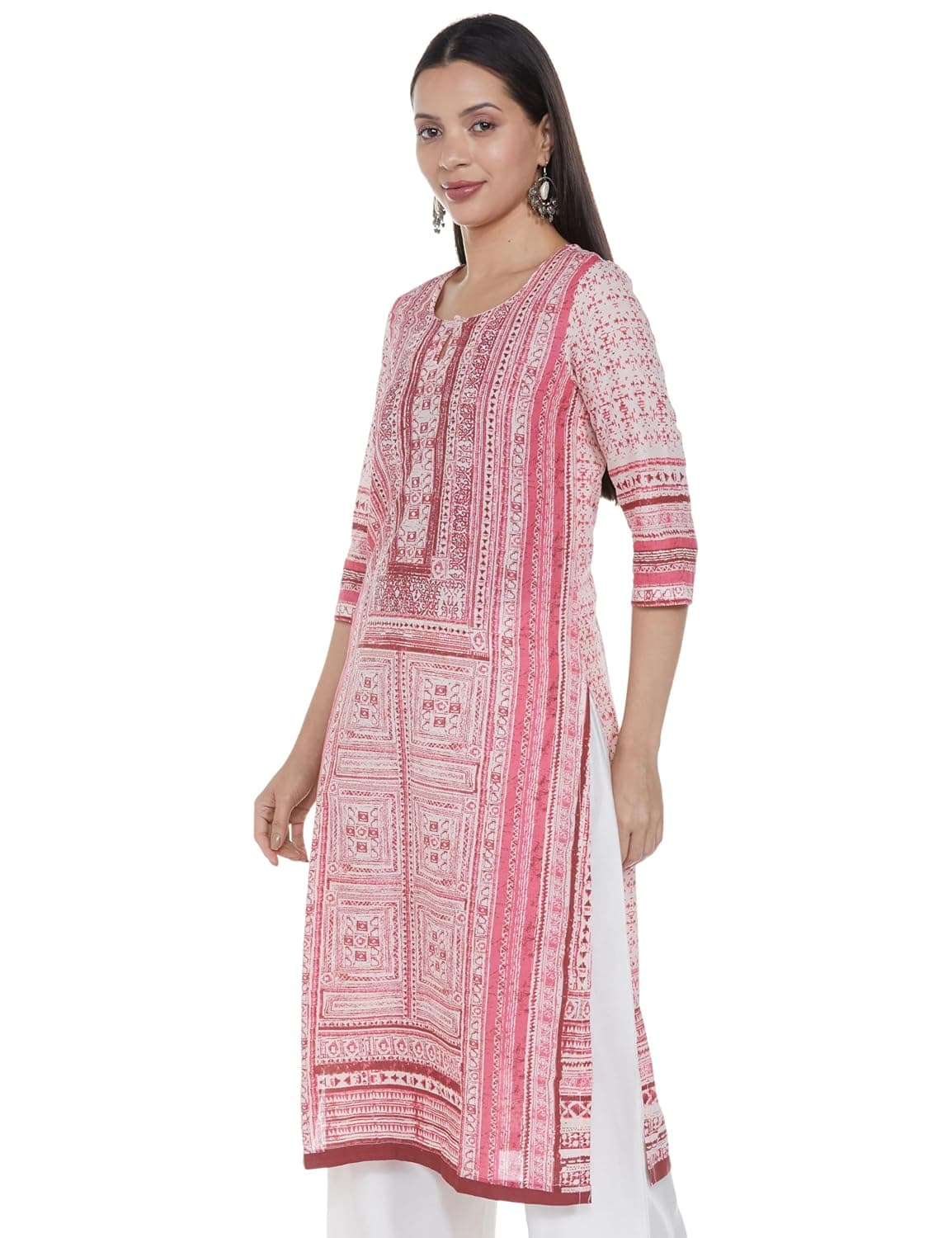 COD Available
biba
BIBA Women's Cotton Straight Printed Kurta
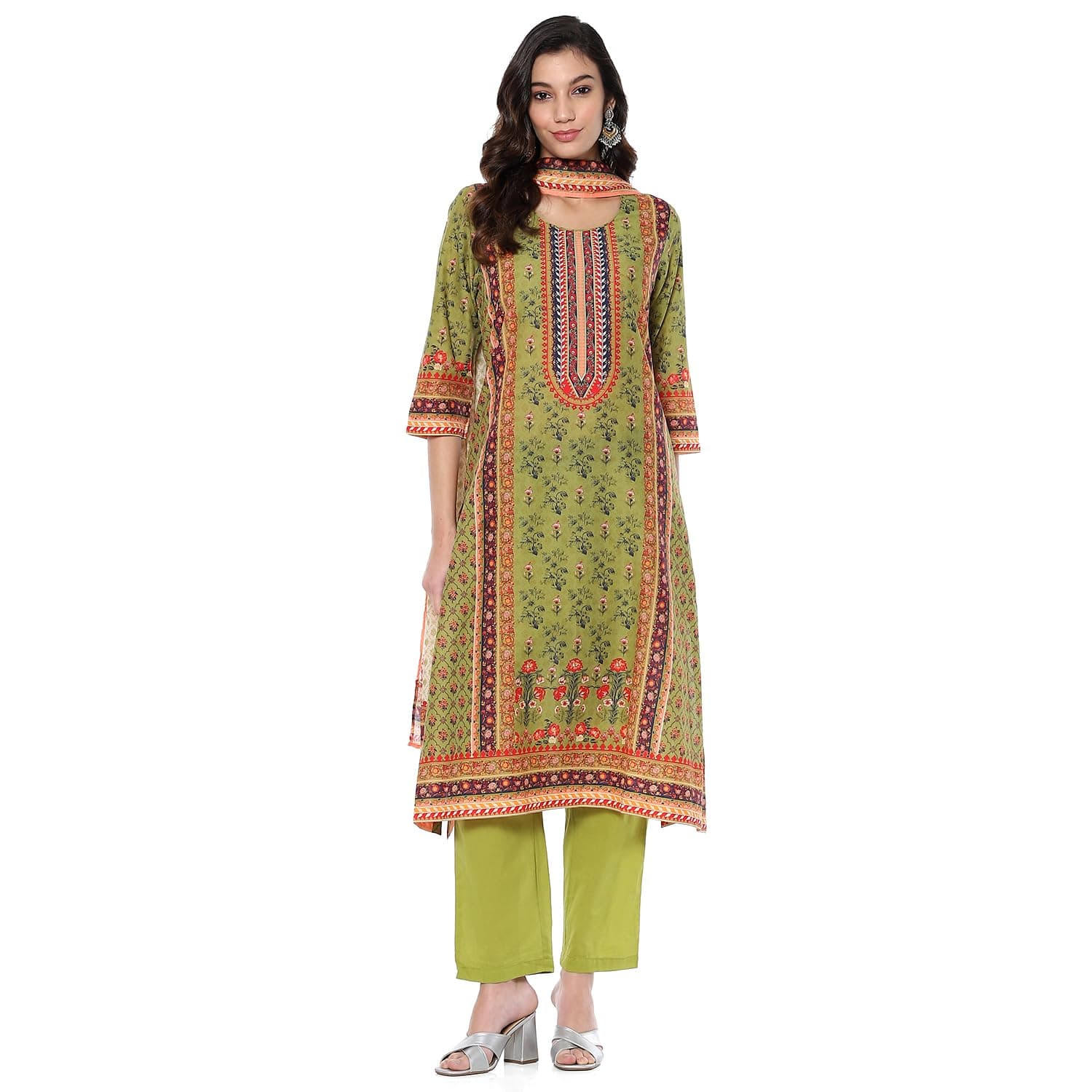 COD Available
biba
BIBA Women's Cotton Printed Kurta Set with Dupatta
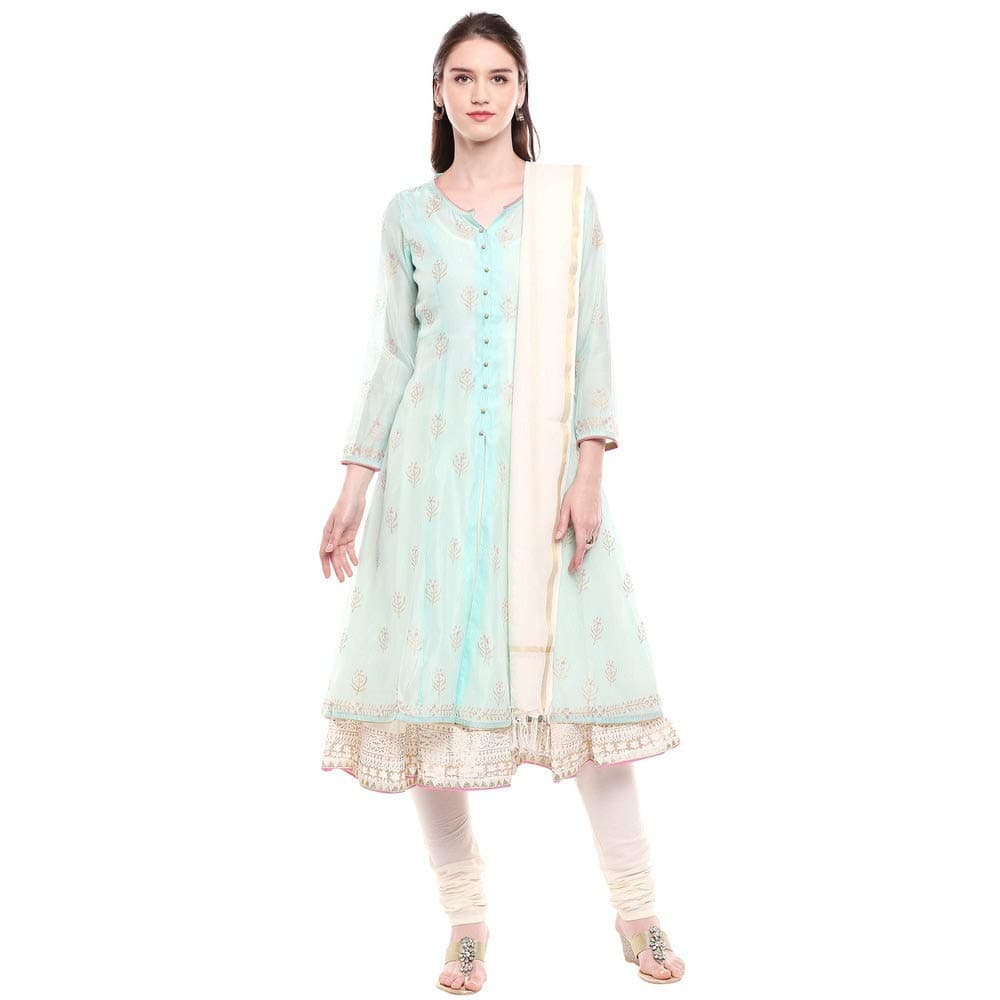 COD Available
biba
BIBA Women's Cotton A-Line Churidar Suit
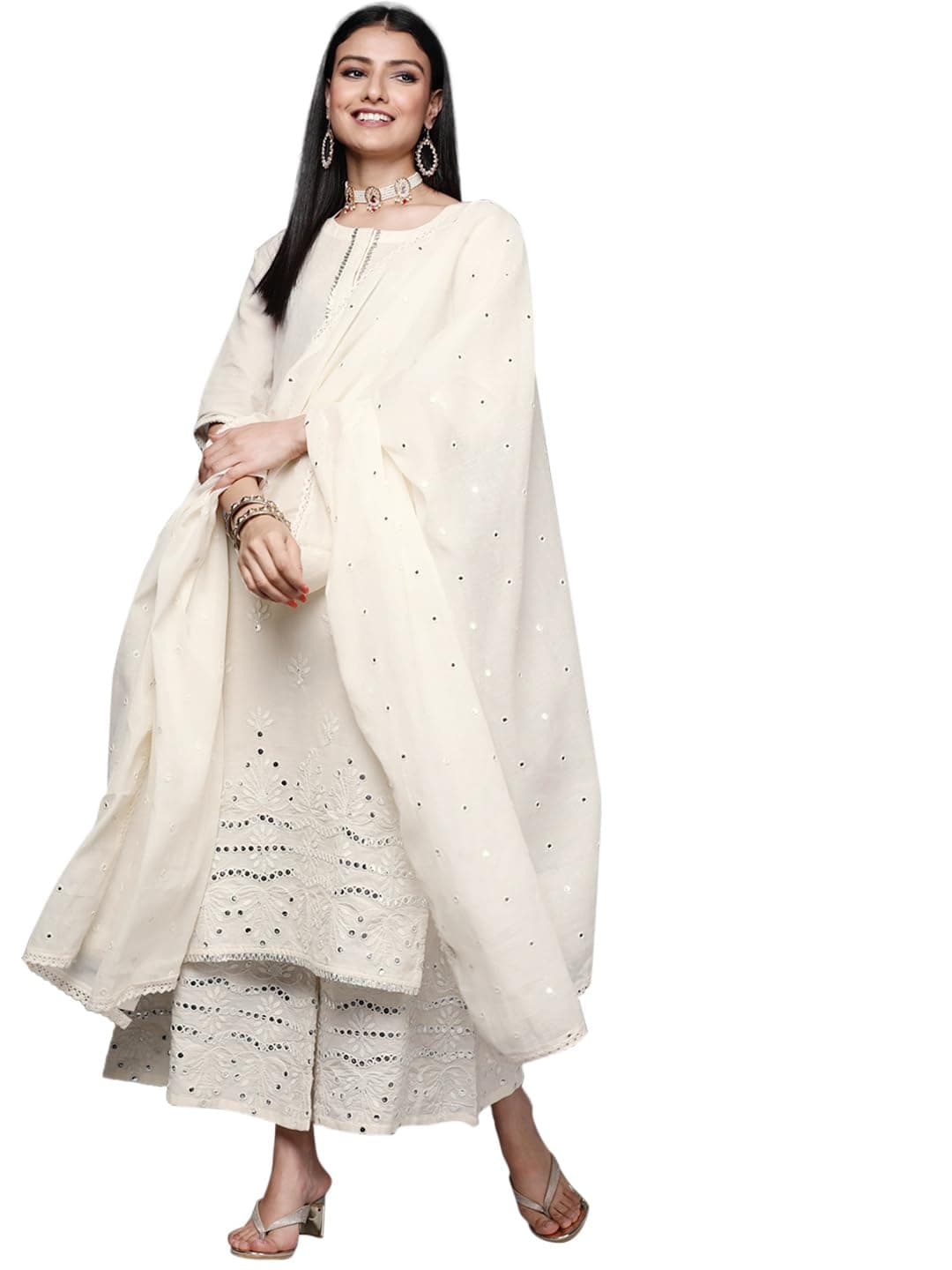 COD Available
libas
Libas Women's Embroidered Cotton Straight Kurta with Palazzos & Dupatta
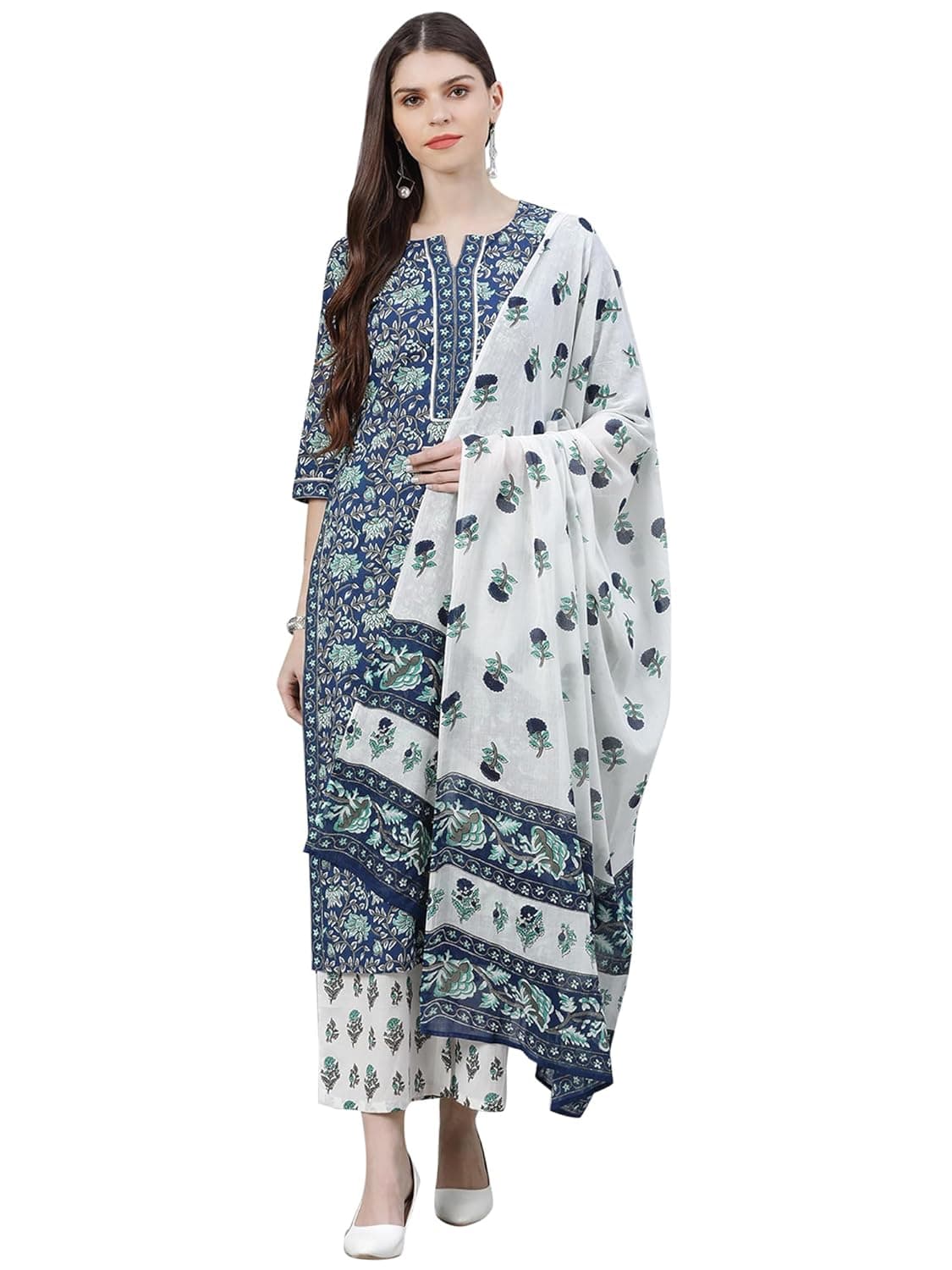 COD Available
libas
Libas Women's Cotton Printed Kurta Set Multicoloured
COD Availablelibas
Libas Printed Silk Blend Round Neck Kurta Pant Set Pink
Price Guide
| Tier | Price Range | What You Get |
|---|---|---|
| Light occasion | Rs 3,000–12,000 | Zardozi border or panel on kurta/suit, ready-to-wear quality |
| Wedding guest | Rs 12,000–50,000 | Semi-heavy zardozi lehenga or anarkali, boutique quality |
| Bridal/designer | Rs 50,000–1,50,000+ | Heavy all-over zardozi, real metal wire, designer or master karkhana |
Care & Maintenance
- Dry clean only — water and agitation damage metal wire zardozi, causing tarnish, loosening, and wire distortion
- Store flat or carefully rolled — hanging heavy zardozi garments stresses the embroidery's weight against the fabric
- Wrap in muslin or acid-free tissue before storage — avoid plastic which can accelerate tarnish on metal threads
- Keep in a cool, dark, dry space — humidity tarnishes metal threads, heat can loosen adhesive padding under motifs
- Professional restoration for loose metalwork — do not attempt to reattach falling wire at home
Styling Tips
Zardozi is categorically occasion wear — it belongs at weddings, receptions, and formal galas. A heavily embroidered zardozi lehenga needs only a plain or minimally worked blouse; let the skirt command the room. For lighter zardozi on kurtas or suits, pair with solid silk or satin bottoms and avoid competing embellishments. Jewellery should be significant but not competing — choose between a statement necklace or statement earrings, never both.
OUR VERDICT
Zardozi represents one of the peak achievements of Indian craft — centuries of Mughal refinement encoded into gold wire and silk. A properly made zardozi bridal lehenga is not just a garment; it is an heirloom that passes to the next generation. Buy the best quality your budget allows and store it with care — genuine zardozi improves aesthetically with careful age, developing the patina that only real metal achieves.