
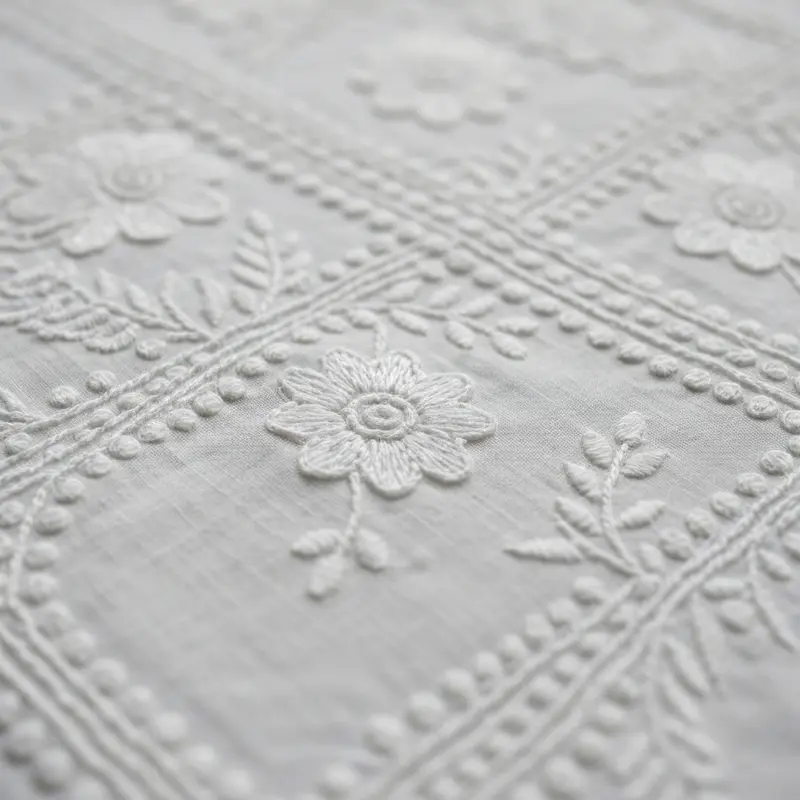
History & Origin
Chikankari's origins are traced to the Mughal empress Noor Jehan, who is said to have introduced the Persian shadow-work technique to Lucknow's artisans in the 17th century. Lucknow's unique Nawabi court culture — defined by refinement, leisure, and artistic patronage — created ideal conditions for the embroidery to flourish. Artisan women (karkhana workers) in Lucknow's old quarters developed a repertoire of over 32 stitches, each with its own name, technique, and visual effect.
British colonialism reduced chikankari to a cottage industry producing cheap goods for export, but post-Independence government craft programs and growing middle-class demand revived it. The Geographical Indication tag awarded to Lucknow Chikankari in 2008 legally protects the craft. Today approximately 2.5 lakh artisans — predominantly women — work in Lucknow's chikankari value chain, making it one of India's largest craft employment sectors.
How to Identify Authentic Chikankari
- Check the reverse — authentic hand-embroidered chikankari shows nearly as much work on the fabric reverse; machine embroidery has a messy, looped back
- Stitch variety — genuine chikankari uses multiple stitch types (shadow work, backstitch, chain stitch) in a single piece; machines replicate only 2–3 stitch types
- Thread texture — authentic white-on-white chikankari uses hand-pulled cotton thread that has slight variation in thickness; machine thread is perfectly uniform
- Motif precision — paradoxically, slightly imperfect motif spacing indicates handwork; machine-perfect symmetry signals mechanisation
- GI documentation — Lucknow Chikankari has a GI tag; for purchases above Rs 3,000 ask for certification or buy from UPICA or verified chikankari clusters
Types & Varieties
| Type | Characteristic | Price Range | Best For |
|---|---|---|---|
| Traditional white-on-white | White thread on white/off-white base, subtle shadow work | Rs 800–5,000 | Office, Eid, subtle festive |
| Coloured chikankari | Coloured thread or coloured fabric base | Rs 900–6,000 | Parties, weddings, contemporary wear |
| Mukaish/mixed-technique | Chikankari with added sequin or zari accents | Rs 2,000–12,000 | Wedding functions, heavy festive |
| Chikankari saree | Six-metre drape with all-over chikankari | Rs 3,000–25,000 | Weddings, grand occasions |
Best Brands
Fabindia stocks reliable mid-range chikankari kurtis with consistent quality. For authentic, artisan-sourced Lucknow chikankari, Seva Craft and Aiza (Lucknow-based labels) are exceptional. Designer chikankari from Tarun Tahiliani, Manish Malhotra, and Sabyasachi commands premium prices with extraordinary craftsmanship. For accessible authentic chikankari, the UP government's UPICA stores in Delhi and Lucknow are trustworthy and price-regulated.
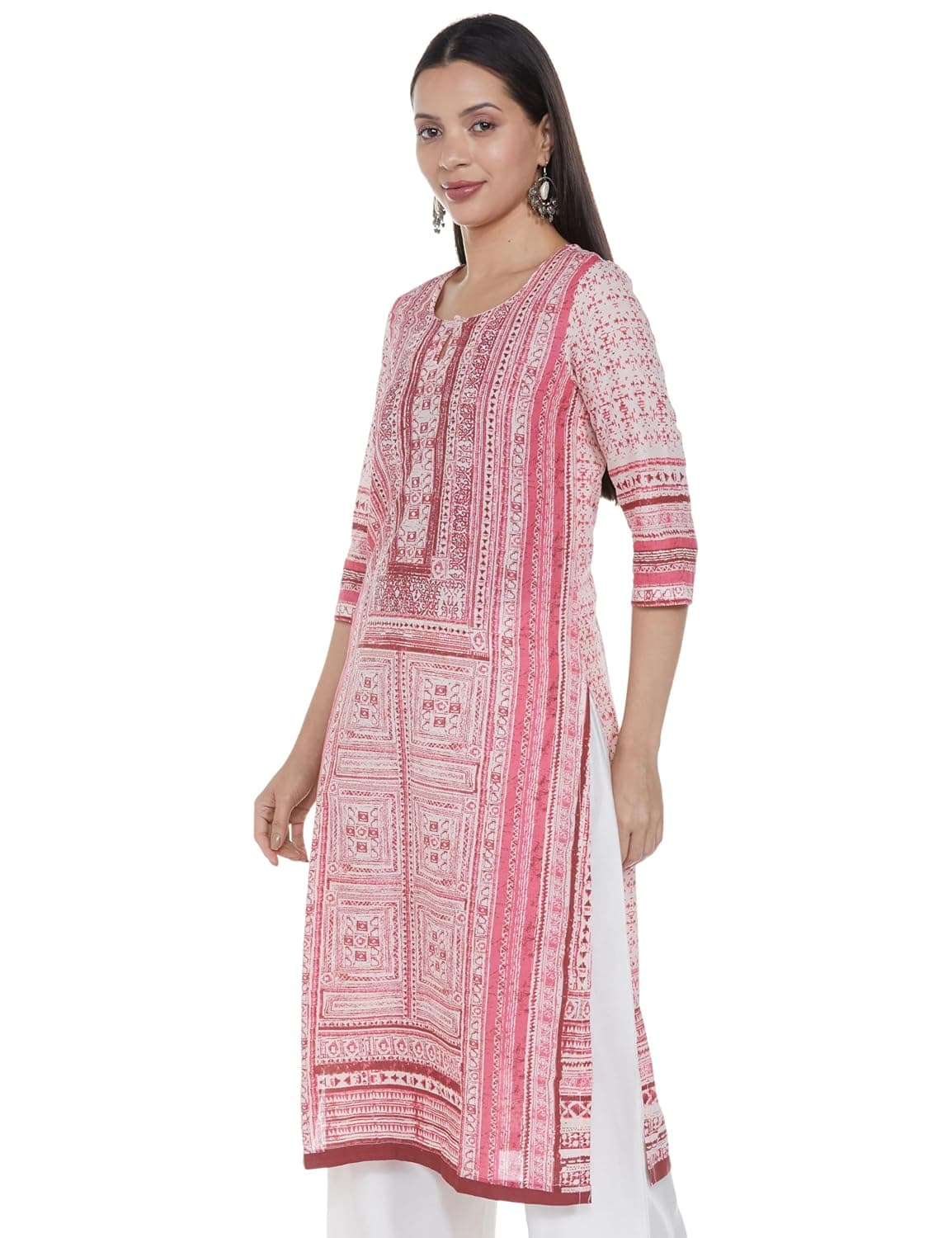 COD Available
biba
BIBA Women's Cotton Straight Printed Kurta
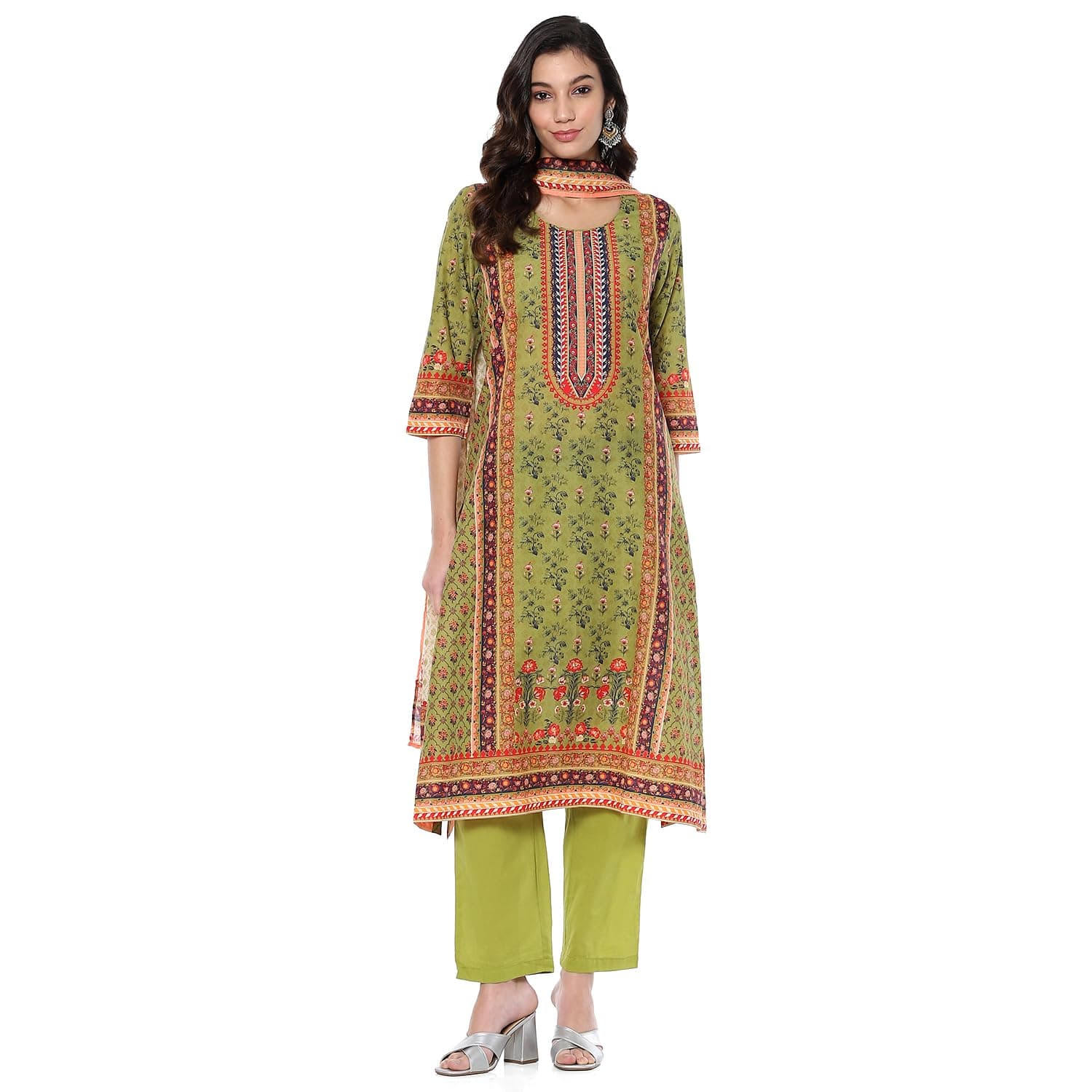 COD Available
biba
BIBA Women's Cotton Printed Kurta Set with Dupatta
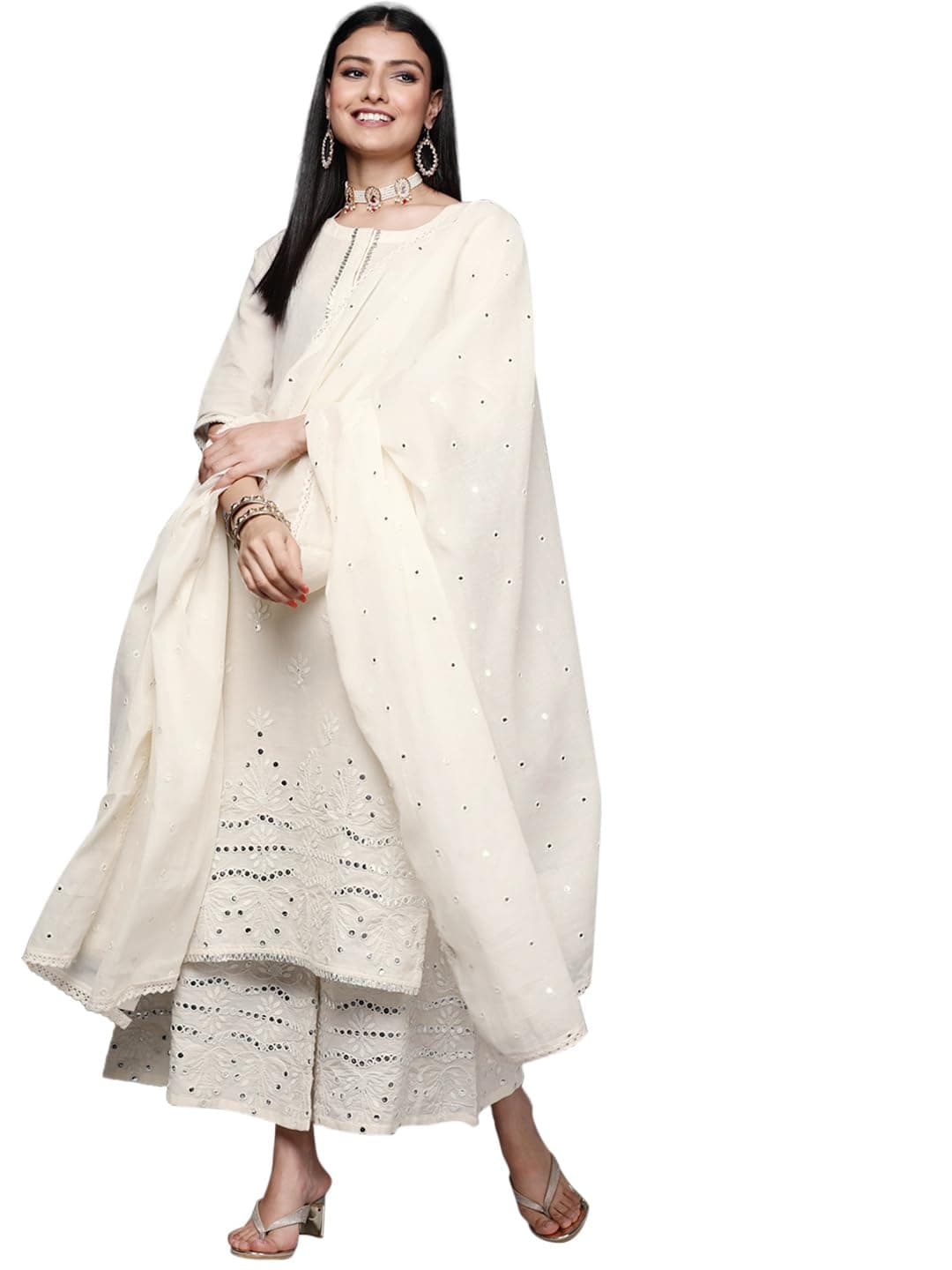 COD Available
libas
Libas Women's Embroidered Cotton Straight Kurta with Palazzos & Dupatta
 COD Available
libas
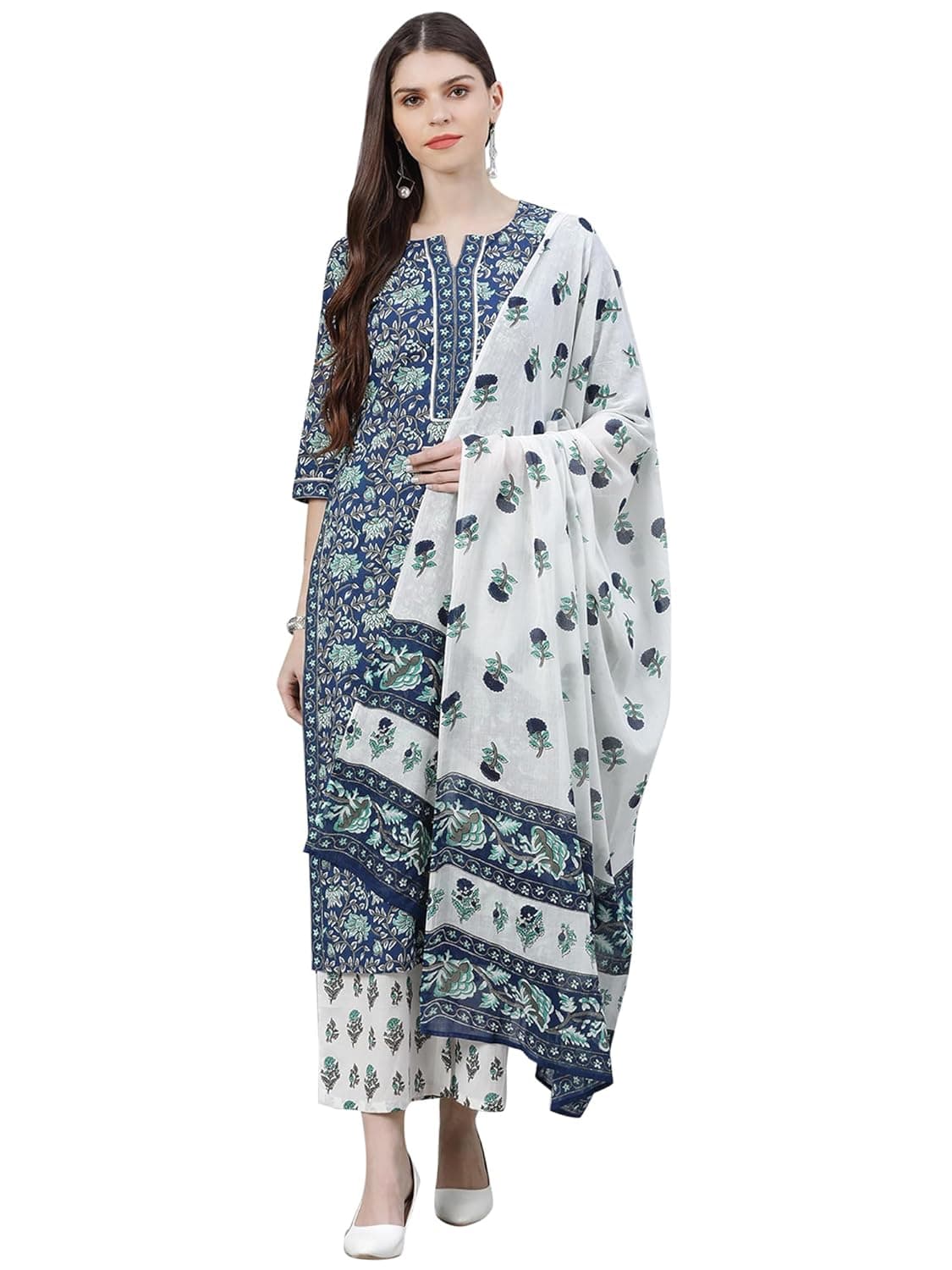
Libas Women's Cotton Printed Kurta Set Multicoloured
COD Availablelibas
Libas Printed Silk Blend Round Neck Kurta Pant Set Pink
 COD Available
m.r.p:
Women’s Kurta Set with Dupatta | 3 Piece Kurta Pant Set for Women | Ethnic Printed Kurta Suit | Cotton Blend Traditional Kurta Set | Festive, Casual
Price Guide
| Tier | Price Range | What You Get |
|---|---|---|
| Budget | Rs 800–1,800 | Simple chikankari, fewer stitch types, may include machine work |
| Authentic mid-range | Rs 1,800–6,000 | Pure hand embroidery, multiple stitch types, quality fabric base |
| Designer/heirloom | Rs 6,000–25,000+ | Master craftsperson work, all-over embroidery, bridal quality |
Care & Maintenance
- Hand wash gently in cold water with mild detergent — the embroidery threads can loosen under machine wash agitation
- Never rub or wring — gently press out water and roll in a clean towel
- Dry in shade, spread flat — direct sun yellows white thread chikankari
- Iron at low-medium heat from the reverse side to protect embroidery texture
- Store folded carefully in muslin — avoid plastic bags that trap moisture and promote thread mildew
Styling Tips
White-on-white chikankari is one of the few garments that works equally for Eid morning, office presentations, and evening parties — the embroidery elevates the simplicity of white into something quietly luxurious. Pair with a contrast bottom: dusty rose, powder blue, or sage palazzos beneath a white chikankari kurta is a classic combination. For occasion wear, a heavily embroidered chikankari suit in ivory with minimal jewellery reads as understated luxury.
OUR VERDICT
Chikankari is possibly the most versatile embroidery in Indian fashion — seasonless, occasion-spanning, and universally flattering. Every Indian wardrobe needs at least one authentic piece. The difference between a Rs 400 machine-embroidered 'chikankari' and a Rs 2,500 hand-embroidered original is visible, tactile, and worth the investment. Buy authentic, buy less, and those pieces will outlast a dozen fast-fashion equivalents.