
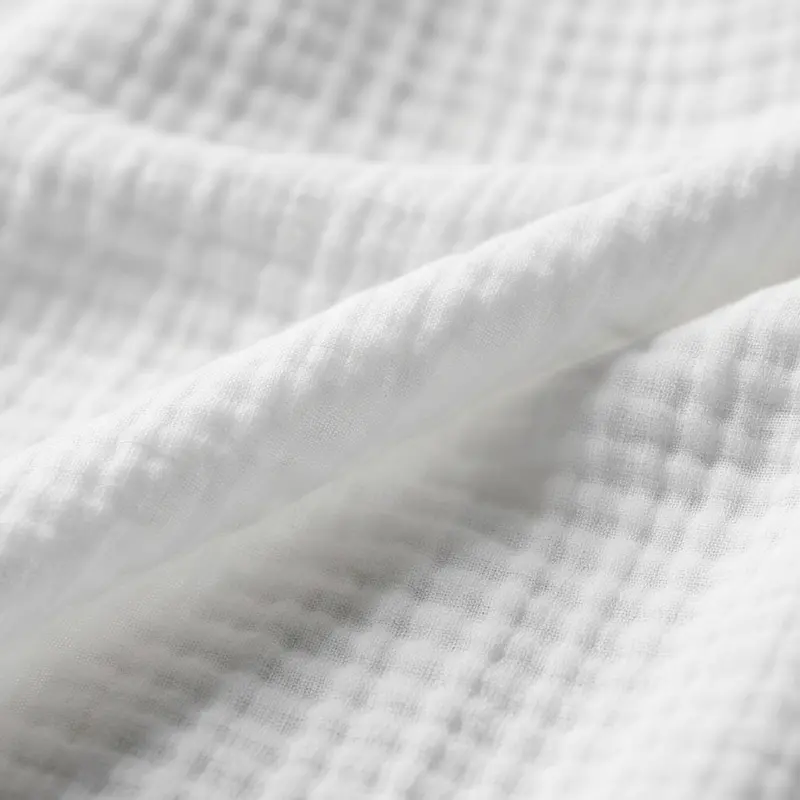
History & Origin
Mul mul descends from the Dhaka muslin tradition of Bengal — so sheer it was called 'woven air' by Mughal emperors and 'evening dew' by European traders. The finest Dhaka muslin (Woven by the Dhakai Jamdani weavers) had thread counts exceeding 1,200 per inch, a tradition nearly lost under British colonial industrialisation. Modern mul mul is a more accessible descendant — typically 60–100 thread count per inch — but retains the signature lightness that made the original legendary.
Today mul mul is produced commercially across Rajasthan (especially Jaipur and Sanganer for block-printed versions), West Bengal, and Maharashtra. It is the fabric of choice for Rajasthani block printers because the open weave absorbs natural dyes beautifully and the flowing drape shows off print designs at their best.
How to Identify Authentic Mul Mul
- Weight test — hold a one-metre piece and it should feel almost weightless, like holding a single layer of tissue paper
- Transparency — genuine mul mul is semi-transparent when held to light; if it's opaque, it's a heavier cotton sold under the wrong name
- Drape — mul mul falls in soft, liquid folds and doesn't hold sharp creases; stiffer 'mul mul' is blended with synthetic
- Touch — should feel instantly cool against skin, not just neutral; that cooling sensation comes from the open weave structure
- Price reality — pure fine mul mul below Rs 80/metre is likely a synthetic lookalike; quality starts Rs 120–200/metre
Types & Varieties
| Type | Characteristic | Price Range | Best For |
|---|---|---|---|
| Plain mul mul | Sheer, lightweight, natural off-white | Rs 80–200/m | Dupattas, underlining, summer tops |
| Block-print mul mul | Hand-stamped with natural/Jaipur dyes | Rs 200–500/m | Summer kurtis, anarkalis, beach covers |
| Embroidered mul mul | Chikankari or mirror work on mul mul base | Rs 500–2,500/m | Festive kurtis, occasion wear |
| Double mul mul | Two-layer construction for modesty | Rs 300–700/m | Ready-to-wear kurtis needing no lining |
Best Brands
Jaipur-based brands like Anokhi and Ritu Kumar's block-print line do exceptional mul mul kurtis with quality natural dye prints. Suta makes beautiful mul mul sarees and kurtas with minimal designs that let the fabric breathe. For affordable everyday mul mul, local Jaipur exporters on Meesho and the Jaipuri wholesale cluster on Amazon India offer good value. Fabindia stocks reliable mul mul kurtas year-round.
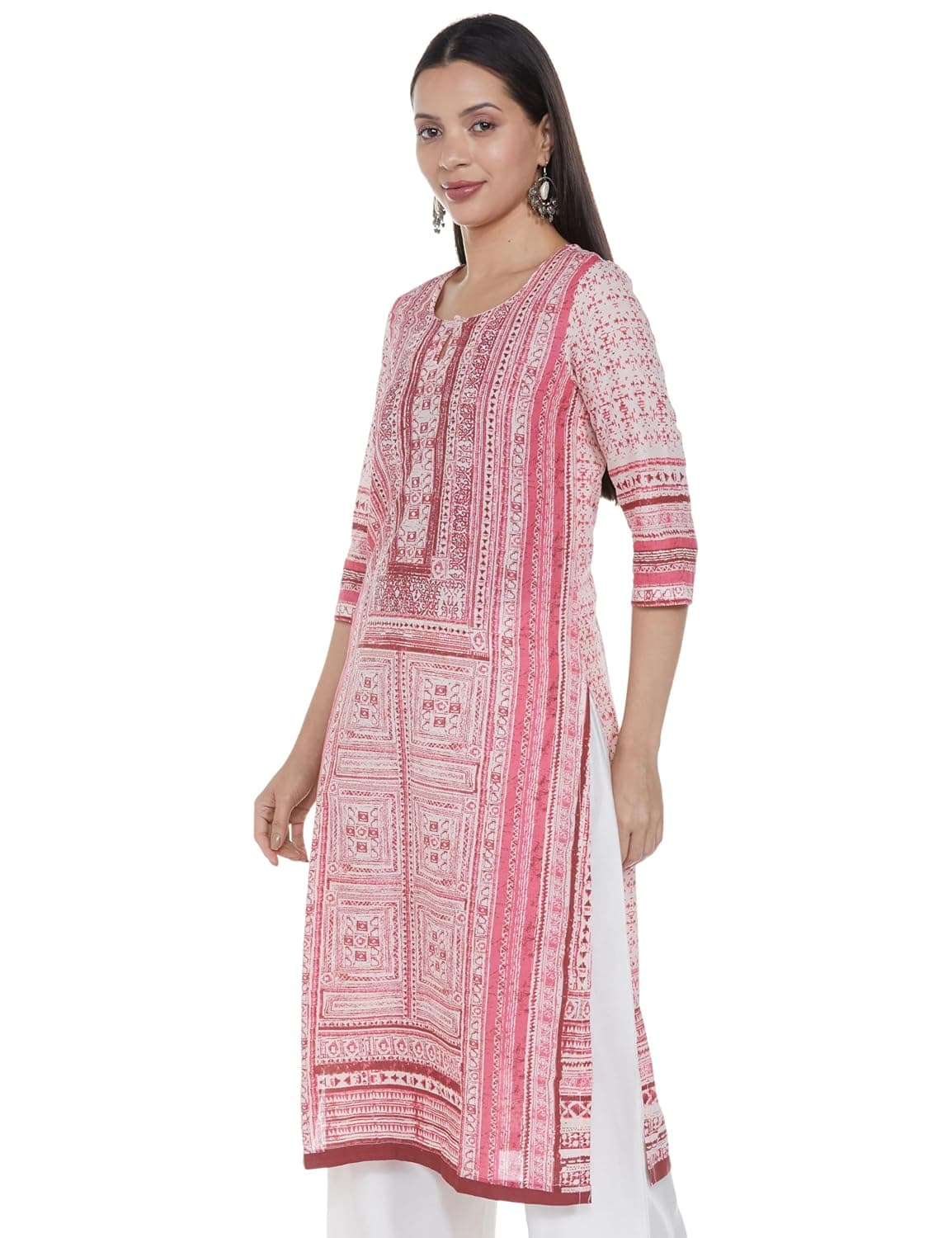 COD Available
biba
BIBA Women's Cotton Straight Printed Kurta
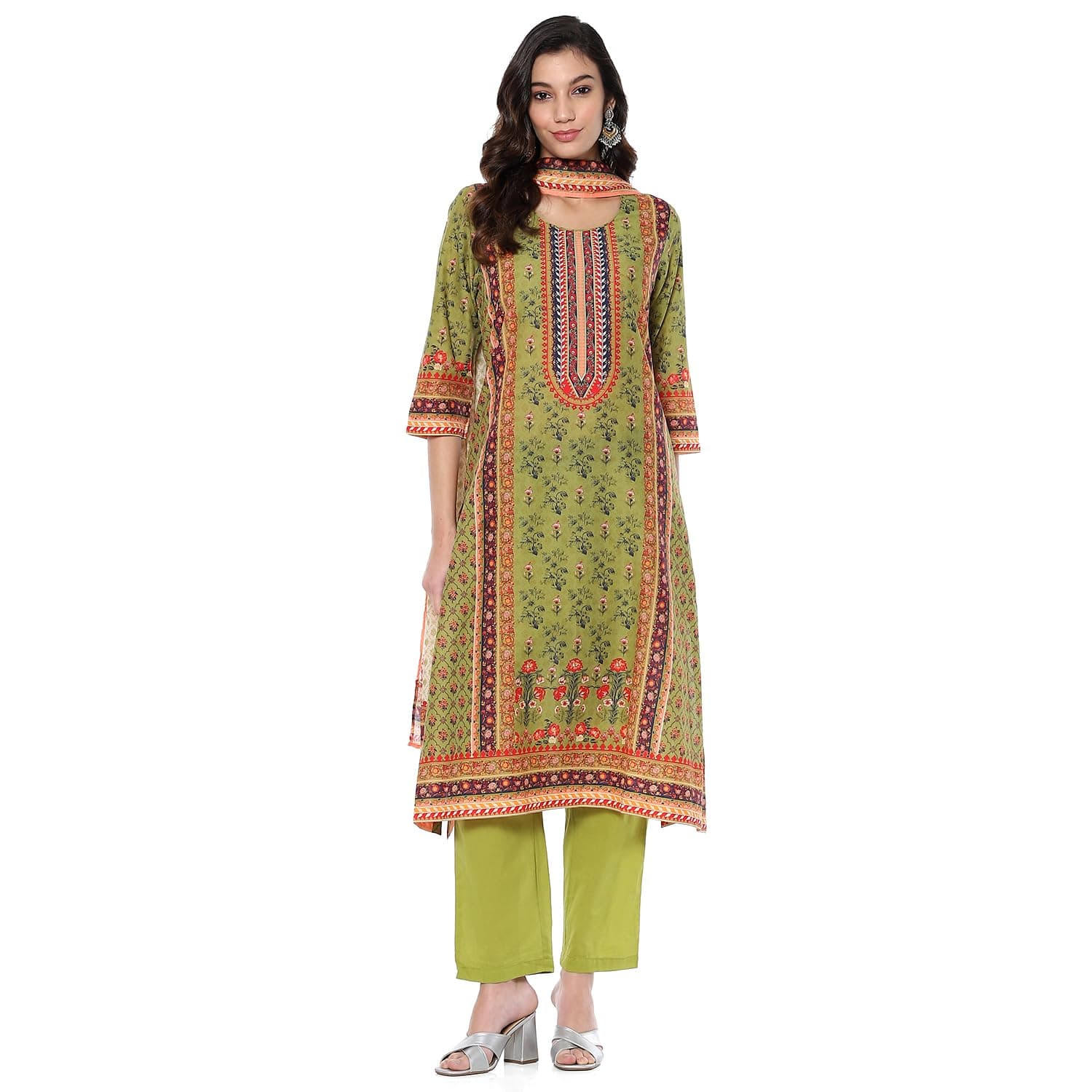 COD Available
biba
BIBA Women's Cotton Printed Kurta Set with Dupatta
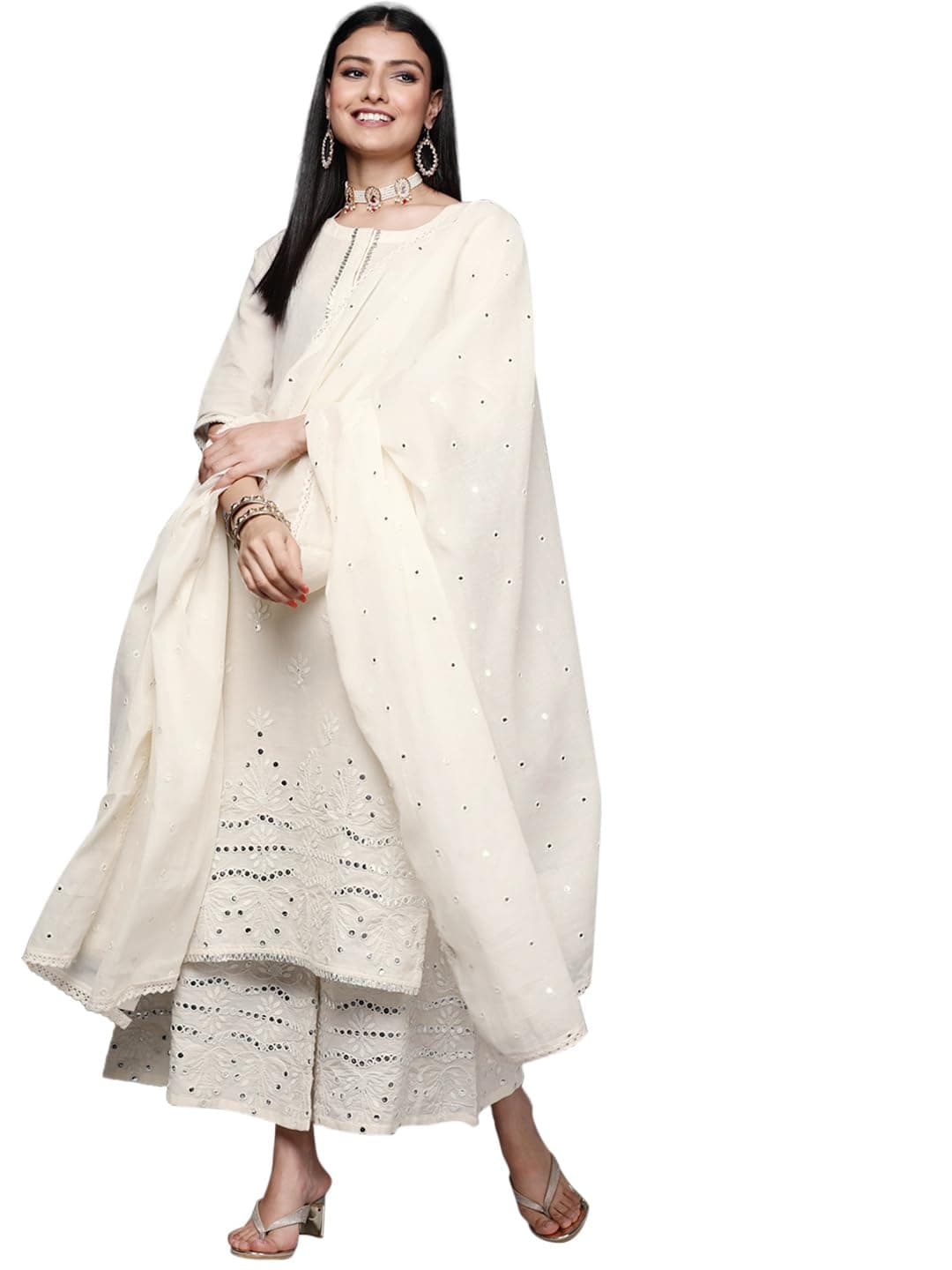 COD Available
libas
Libas Women's Embroidered Cotton Straight Kurta with Palazzos & Dupatta
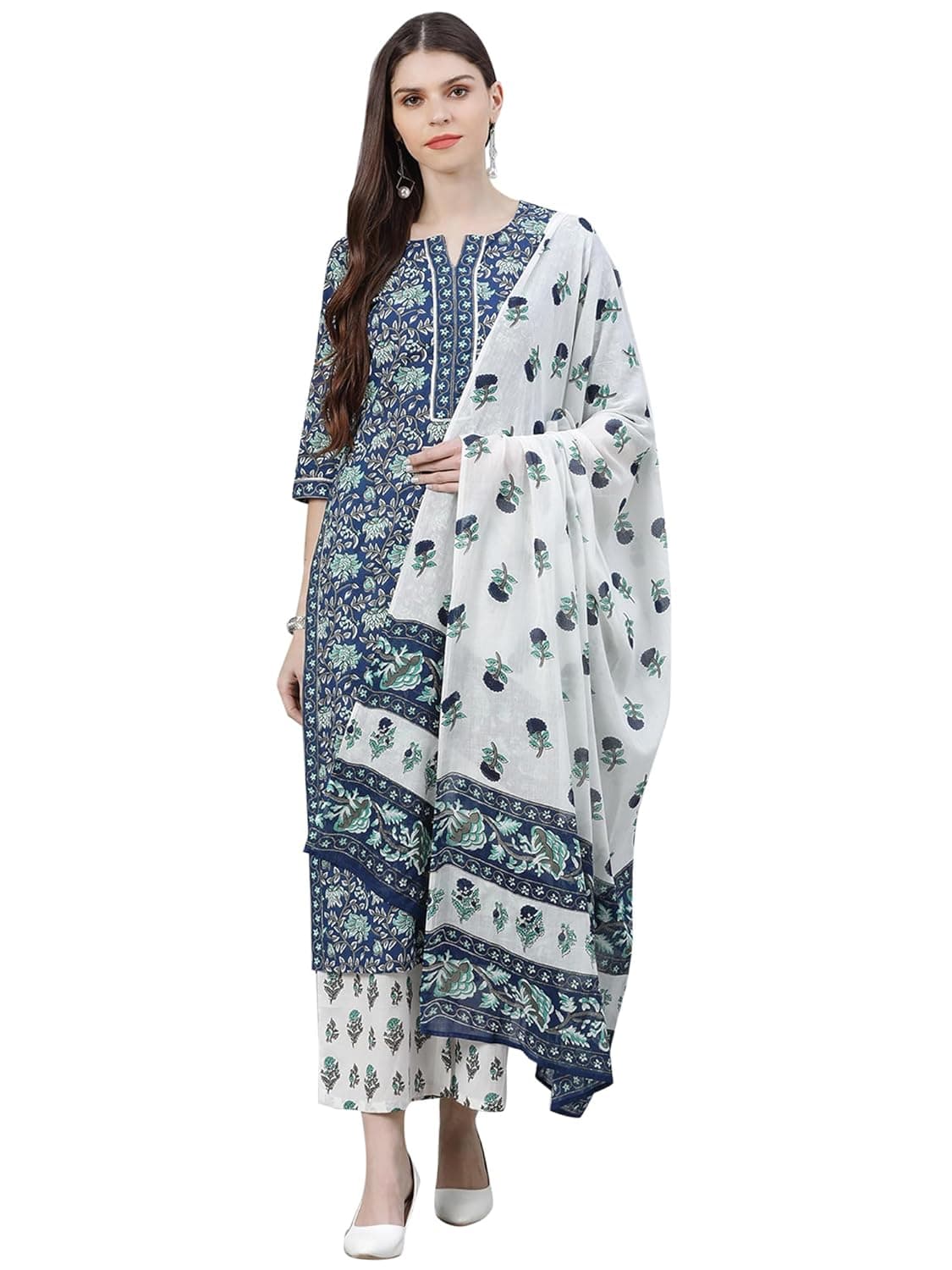 COD Available
libas
Libas Women's Cotton Printed Kurta Set Multicoloured
COD Availablelibas
Libas Printed Silk Blend Round Neck Kurta Pant Set Pink
 COD Available
m.r.p:
Women’s Kurta Set with Dupatta | 3 Piece Kurta Pant Set for Women | Ethnic Printed Kurta Suit | Cotton Blend Traditional Kurta Set | Festive, Casual
Price Guide
| Tier | Price Range | What You Get |
|---|---|---|
| Budget | Rs 300–700 | Simple block print or plain mul mul kurta, basic finishing |
| Mid-range | Rs 700–1,500 | Quality block print, better lining, brand kurtis |
| Premium | Rs 1,500–2,500+ | Chikankari on mul mul, designer labels, natural dye prints |
Care & Maintenance
- Hand wash cold — the open weave distorts easily in machine wash; if machine washing, use mesh bag and gentlest cold cycle
- Never wring — press between towels and hang immediately to prevent creasing
- Dry in shade — sun bleaches block prints and weakens fine cotton fibres with prolonged exposure
- Iron at low-medium heat while still slightly damp — mul mul wrinkles dramatically when bone dry
- Store loosely folded — avoid compression which sets permanent creases in fine weave
Styling Tips
Mul mul is at its best when styled loose and breezy. An A-line or flared mul mul kurta with palazzos or wide-leg pants creates effortless summer elegance. Layer a printed mul mul jacket over a plain cotton kurta for dimension without heat. For evenings, a mul mul kurta with chikankari embroidery needs no other embellishment — the delicacy of the fabric and embroidery together read as quietly luxurious.
OUR VERDICT
If you live anywhere in India where summer means 40°C+ temperatures, mul mul isn't a nice-to-have — it's essential. No other Indian fabric beats it for heat survival while still looking put-together. Invest in 2–3 quality mul mul kurtis for your summer wardrobe and you'll reach for them on autopilot every year.