
History & Origin
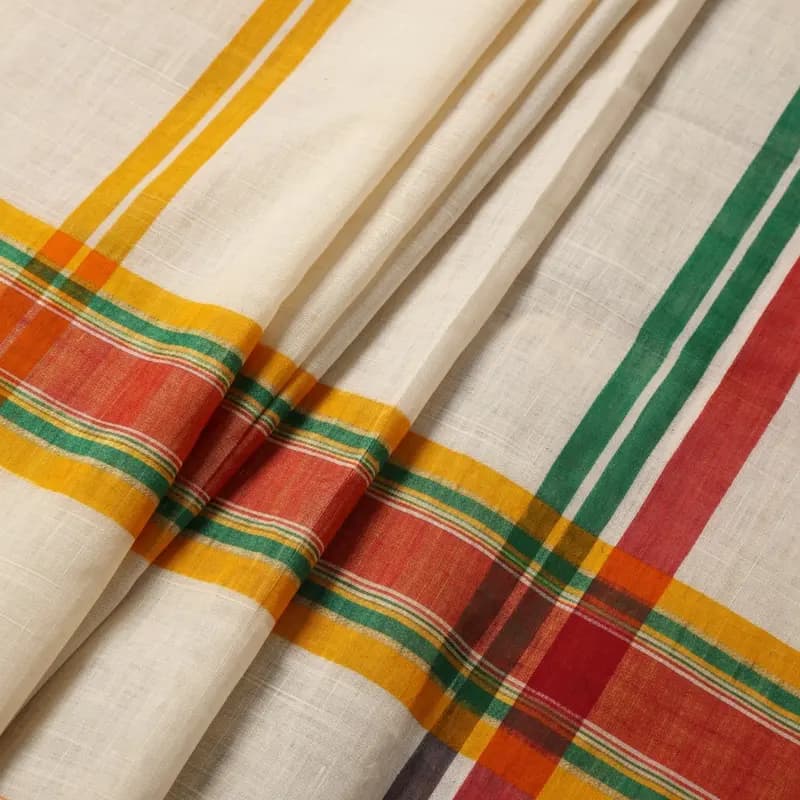
Tant weaving in Bengal dates to at least the 13th century, centred in the Hooghly district where river access, cotton supply, and weaving communities coincided. The word 'tant' itself comes from the Bengali for 'loom.' Tant weavers — belonging to the Tanti community — have passed the craft through family lines for generations, with each weaving cluster developing slightly distinct border designs and colour traditions.
Unlike Jamdani, which is a luxury art textile, tant was always democratic — affordable, practical, and worn daily across class lines. Rabindranath Tagore's paintings frequently depicted Bengali women in tant sarees, cementing its place in Bengal's cultural iconography. Today, tant saree clusters in Dhaniakhali (Hooghly), Shantipur, Fulia, and Bishnupur each produce their own recognisable style, though modern tant is also produced in small power-loom variants.
How to Identify Authentic Tant
- Crispness — authentic tant has a characteristic stiffness from starch sizing that no other cotton replicates; it softens with washing but retains body
- Border quality — handloom tant borders are woven as part of the fabric (not attached); check that the border weave continues seamlessly from the body
- Thread count — tant is typically 60s to 80s thread count, giving it a semi-transparent delicacy rather than a heavy cotton feel
- Price check — a genuine handloom tant saree below Rs 400 is suspicious; authentic pieces with decent borders start Rs 500–700
- Regional variation — Dhaniakhali tant has fine white base with coloured borders; Shantipur tant often has richer colour fields; knowing the sub-type helps verify
Types & Varieties
| Type | Characteristic | Price Range | Best For |
|---|---|---|---|
| Dhaniakhali tant | White/cream base, bold coloured border, classic look | Rs 500–2,000 | Daily wear, traditional Bengali occasions |
| Shantipur tant | Richer colours, delicate motifs, finer weave | Rs 600–3,500 | Puja, cultural programs, semi-formal |
| Korial tant | White saree with white on white pattern, minimal | Rs 400–1,500 | Rituals, Saraswati Puja, religious occasions |
| Jamdani-tant fusion | Tant base with supplementary weft motifs | Rs 2,000–8,000 | Durga Puja, festive special occasions |
Best Brands
Tantuja (West Bengal State Handloom Corporation) is the go-to institutional source for authentic tant at fair, regulated prices across their Bengal network of stores. For curated, design-forward tant sarees, Anavila Misra and several Kolkata-based boutiques like Suta offer handpicked pieces. Online, Weavers Studio and the Craft Council Bengal selection are reliable. Local Kolkata markets like New Market and Gariahat have authentic tant at competitive prices.
 COD Available
biba
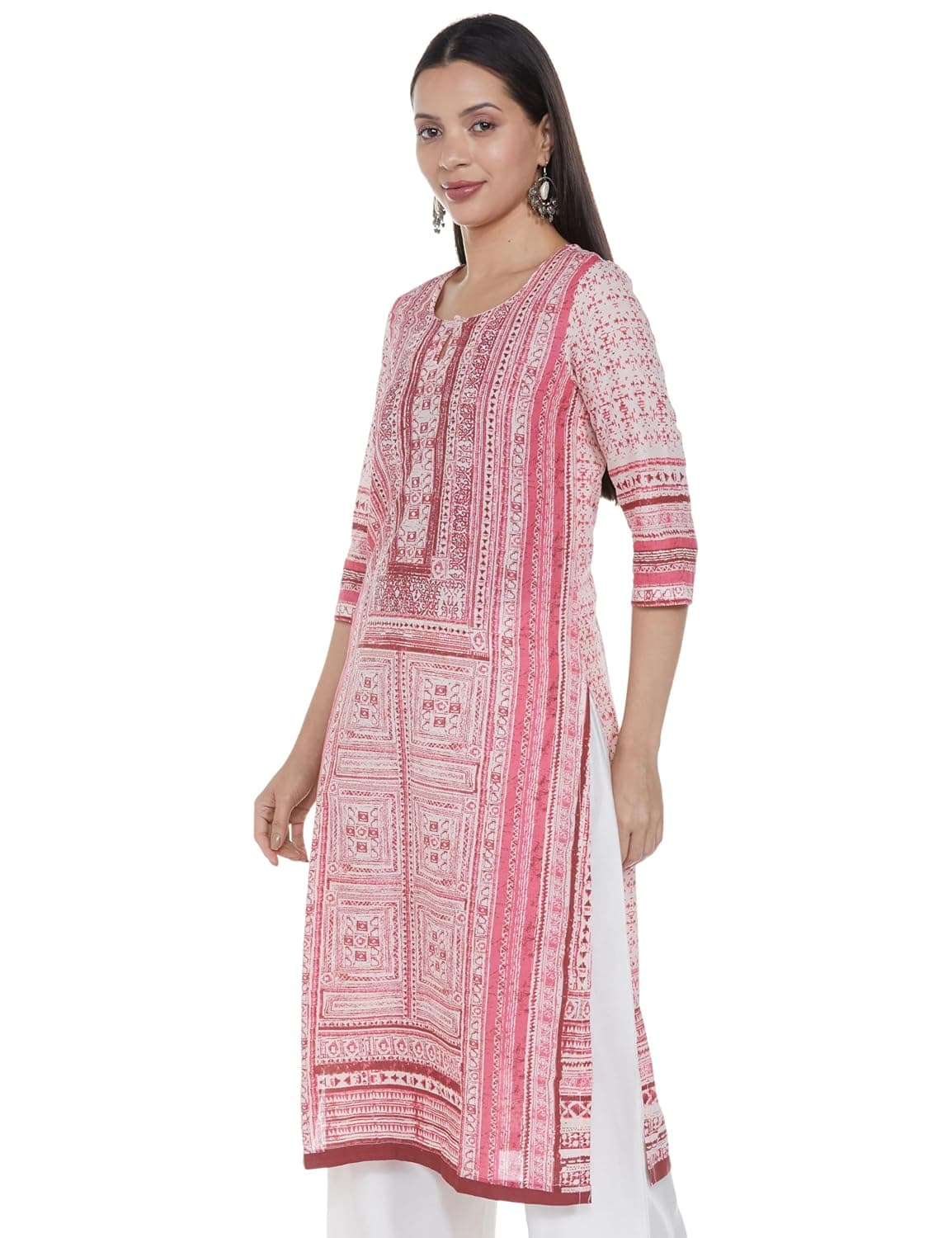
BIBA Women's Cotton Straight Printed Kurta
 COD Available
biba
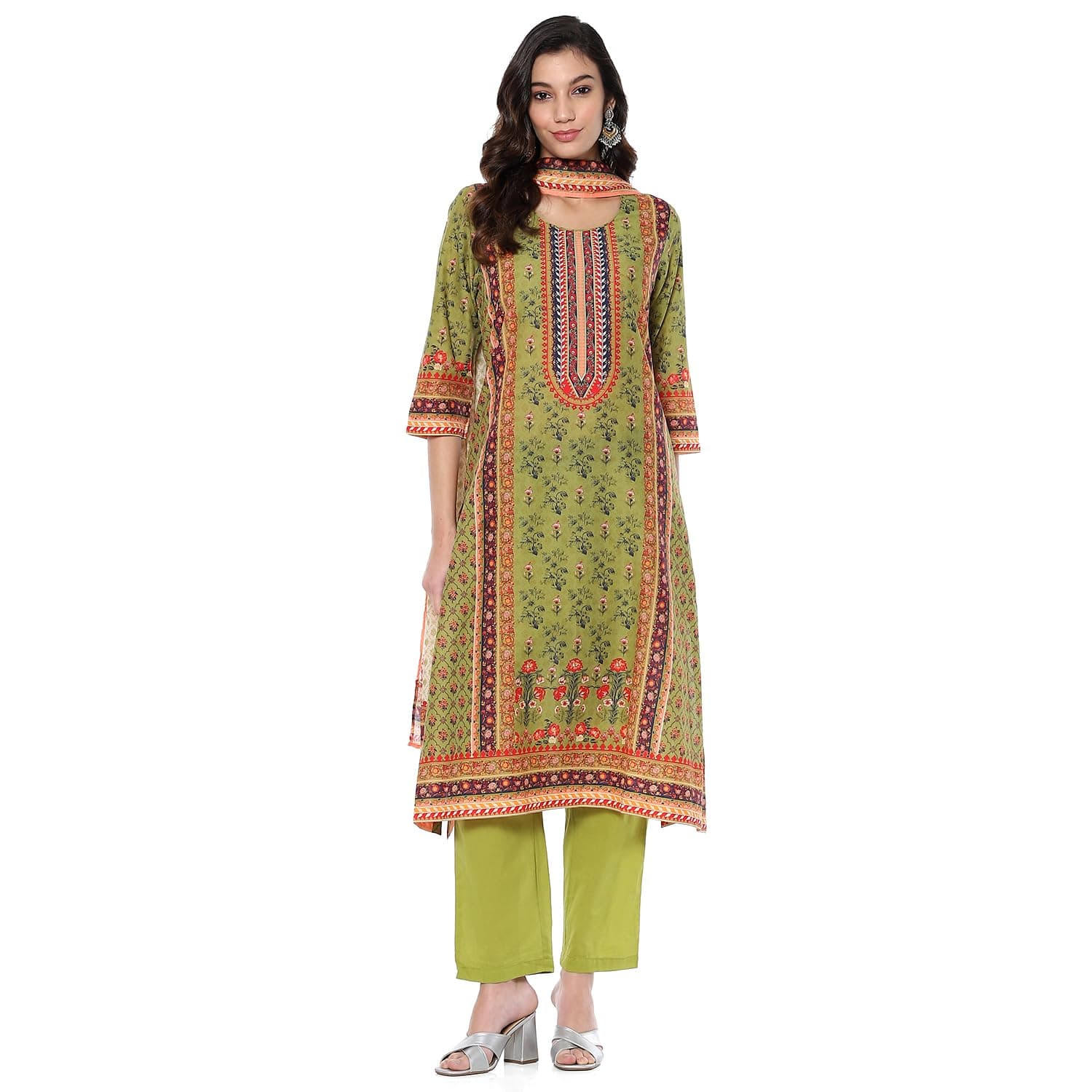
BIBA Women's Cotton Printed Kurta Set with Dupatta
 COD Available
libas
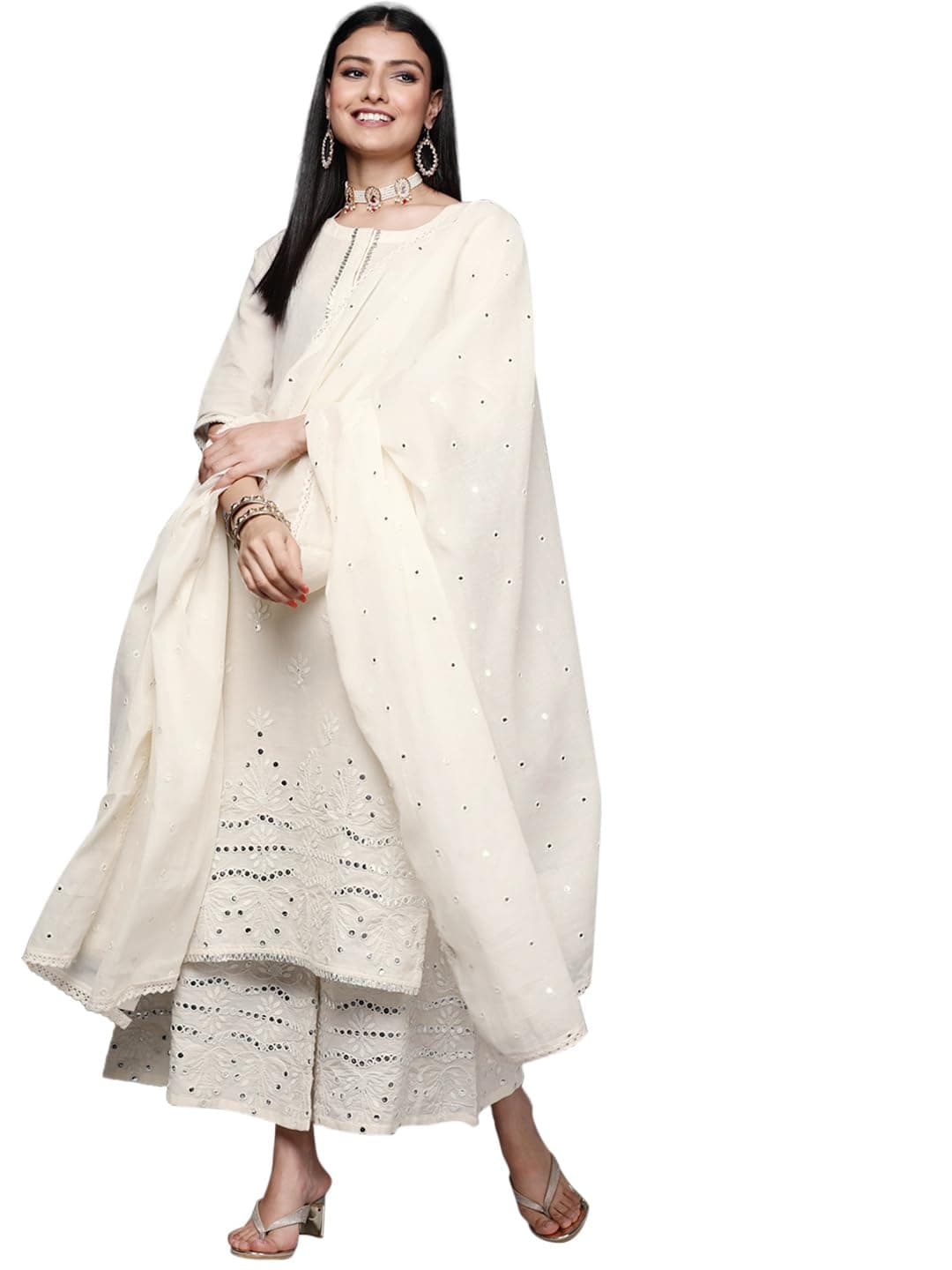
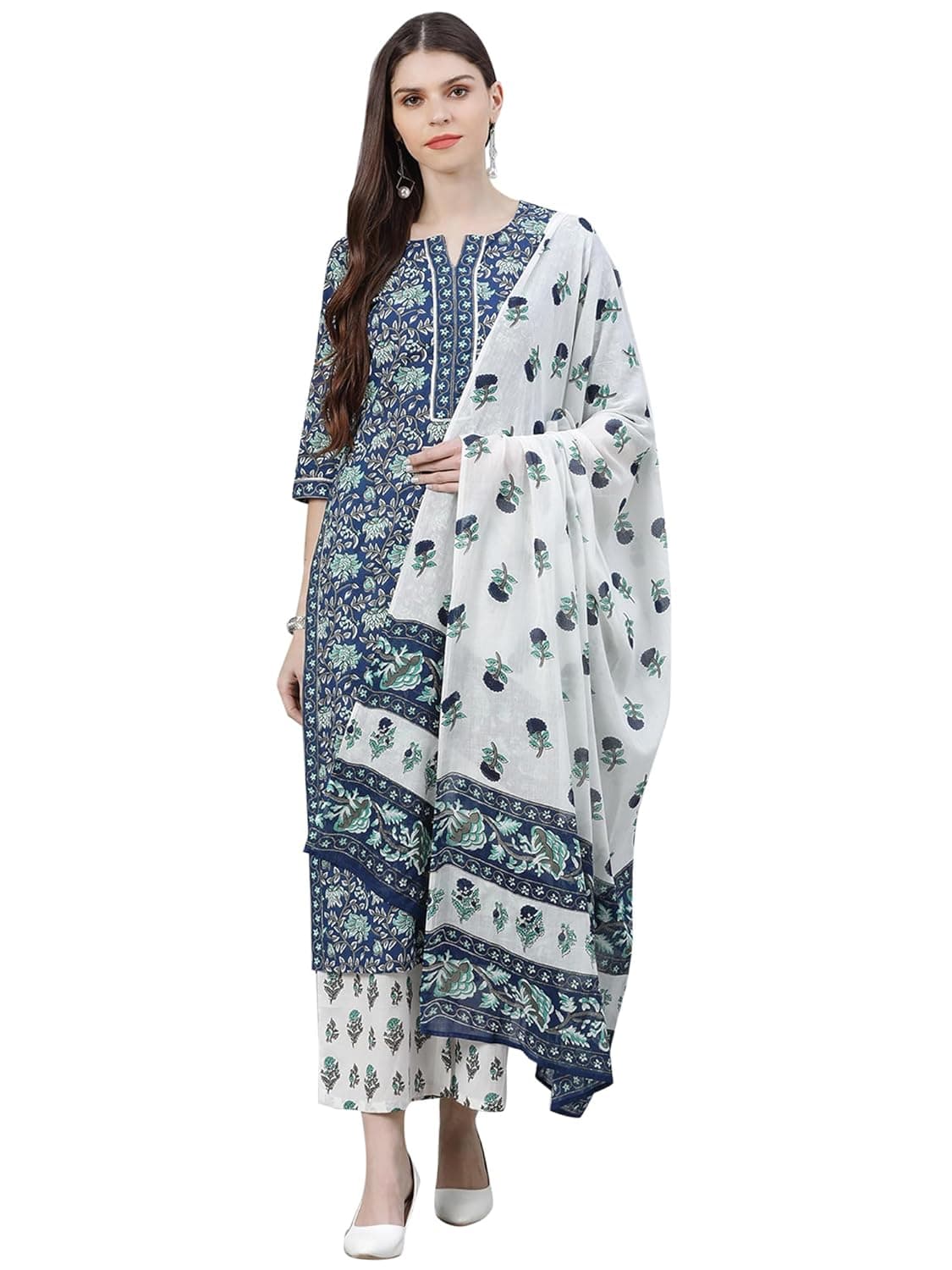
Libas Women's Embroidered Cotton Straight Kurta with Palazzos & Dupatta
 COD Available
libas
Libas Women's Cotton Printed Kurta Set Multicoloured
COD Availablelibas
Libas Printed Silk Blend Round Neck Kurta Pant Set Pink
 COD Available
m.r.p:
Women’s Kurta Set with Dupatta | 3 Piece Kurta Pant Set for Women | Ethnic Printed Kurta Suit | Cotton Blend Traditional Kurta Set | Festive, Casual
Price Guide
| Tier | Price Range | What You Get |
|---|---|---|
| Daily wear | Rs 400–900 | Simple tant, basic borders, power-loom quality |
| Quality handloom | Rs 900–3,000 | Handloom tant, traditional weaving centres, richer borders |
| Collector/designer | Rs 3,000–8,000+ | Jamdani-tant fusion, signature weaver pieces, heritage quality |
Care & Maintenance
- Hand wash or gentle machine wash in cold water — tant is more durable than other fine cottons but benefits from gentle handling
- Wash separately first time — tant dyes, especially bold reds and blues, may bleed slightly in the first wash
- Do not tumble dry — hang spread to dry to preserve the crisp body of the weave
- Iron at medium-high cotton setting while slightly damp — starch lightly for the characteristic tant crispness
- Fold along existing crease lines to prevent new, unwanted fold marks in the stiff cotton
Styling Tips
Tant is traditionally draped in the Bengali style (with the pleats tucked in at the back without a pin), which shows off the saree's fluid body and border simultaneously. For non-Bengali occasions, tant works beautifully in a standard Nivi drape. Pair with a sleeveless or half-sleeve blouse in a matching border colour for the classic look. Minimal jewellery — a pair of gold earrings and thin bangles — suits tant's honest elegance. Avoid heavy embellishments that compete with the weave.
OUR VERDICT
Tant is the working woman's luxury — affordable enough for daily wear, beautiful enough for Durga Puja, and genuinely handmade. It is the saree equivalent of a well-cut white cotton shirt: always appropriate, never wrong, and improving with every wash. Every wardrobe benefits from a tant or two, regardless of whether you're from Bengal.