
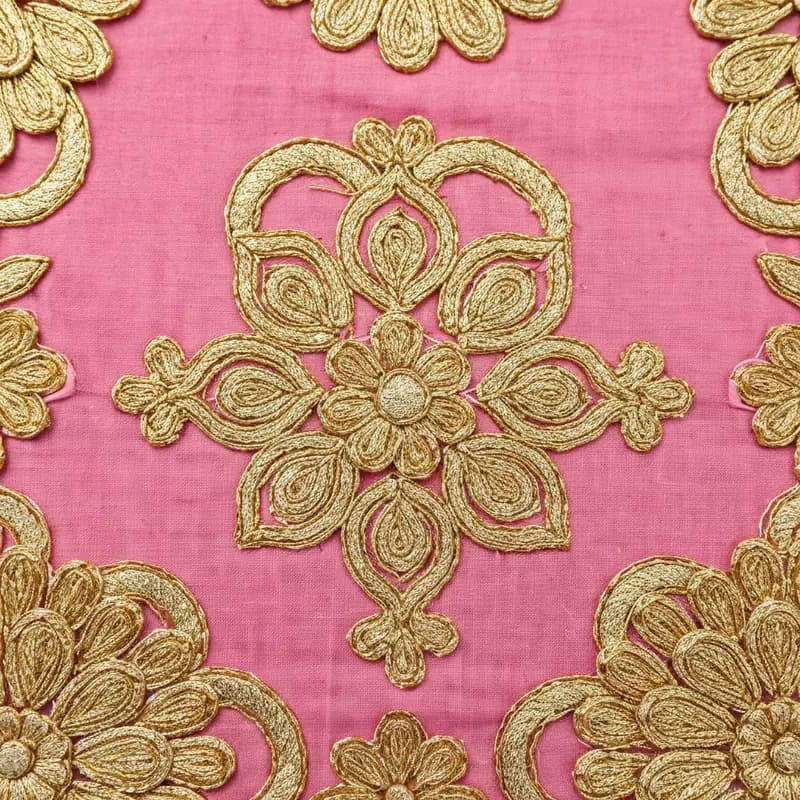
History & Origin
Gota patti developed under the Rajput courts of Rajasthan, particularly Jaipur's Kachwaha rulers who were among its most lavish patrons. The craft is associated with the royal households and court ladies who wore gota-embellished lehengas and odhnis for durbar ceremonies and festivals. Jaipur's proximity to major trade routes meant artisans had access to imported gold ribbon (originally from Middle Eastern and Central Asian traders), which was gradually replaced by locally produced metal-thread ribbon.
Traditional gota work used real gold thread woven into the ribbon, making antique pieces genuinely valuable as precious metal objects as well as craft. Contemporary gota uses predominantly brass ribbon (with gold plating) or polyester ribbon in metallic finishes. The craft remains centred in Jaipur's Ramganj bazaar and Chandpole neighbourhoods, where gota artisans (primarily women working from home) supply both local bridal markets and national fashion brands.
How to Identify Authentic Gota Patti
- Material test — real gota ribbon has a slight textile texture (it is woven metallic fabric, not plastic film); press a piece between fingers — plastic gota feels stiff and crinkly
- Three-dimensionality — authentic hand-stitched gota patti creates fully three-dimensional petal folds you can lift off the fabric surface; machine-attached flat gota ribbon is entirely two-dimensional
- Petal precision — each gota leaf or flower is individually folded and secured; look for slight natural variation between petals that indicates handwork
- Weight — real metal-thread gota adds notable weight; polyester imitation is dramatically lighter for the same visual density
- Backing — turn the garment inside out; hand-applied gota shows individually stitched threads; machine application shows a continuous chain stitch along ribbon edges
Types & Varieties
| Type | Characteristic | Price Range | Best For |
|---|---|---|---|
| Lappe gota | Small folded petals in dense floral patterns | Rs 1,500–8,000 | Festive kurtis, dupattas, border work |
| Kinari gota | Border trim using folded ribbon strips | Rs 800–3,000 | Saree borders, dupatta edges, kurti hems |
| Gota lehenga | Heavy all-over gota work on bridal lehenga | Rs 8,000–80,000 | Rajasthani weddings, destination weddings |
| Gota on cotton | Lighter gota work on cotton kurtas for everyday festive | Rs 1,500–5,000 | Navratri, Diwali, casual occasions |
Best Brands
Anita Dongre's label is the definitive fine gota patti brand for contemporary fashion — she has elevated the craft into a globally recognised luxury. Her Grassroot and main labels both feature gota work. Ritu Kumar has used Rajasthani gota extensively throughout her career. For accessible gota patti kurtis and suits, Biba, BAWRI, and numerous Jaipur-based boutiques offer quality pieces. Jaipur's Johari Bazaar has artisan-direct gota kurtas that undercut retail significantly.
 COD Available
biba
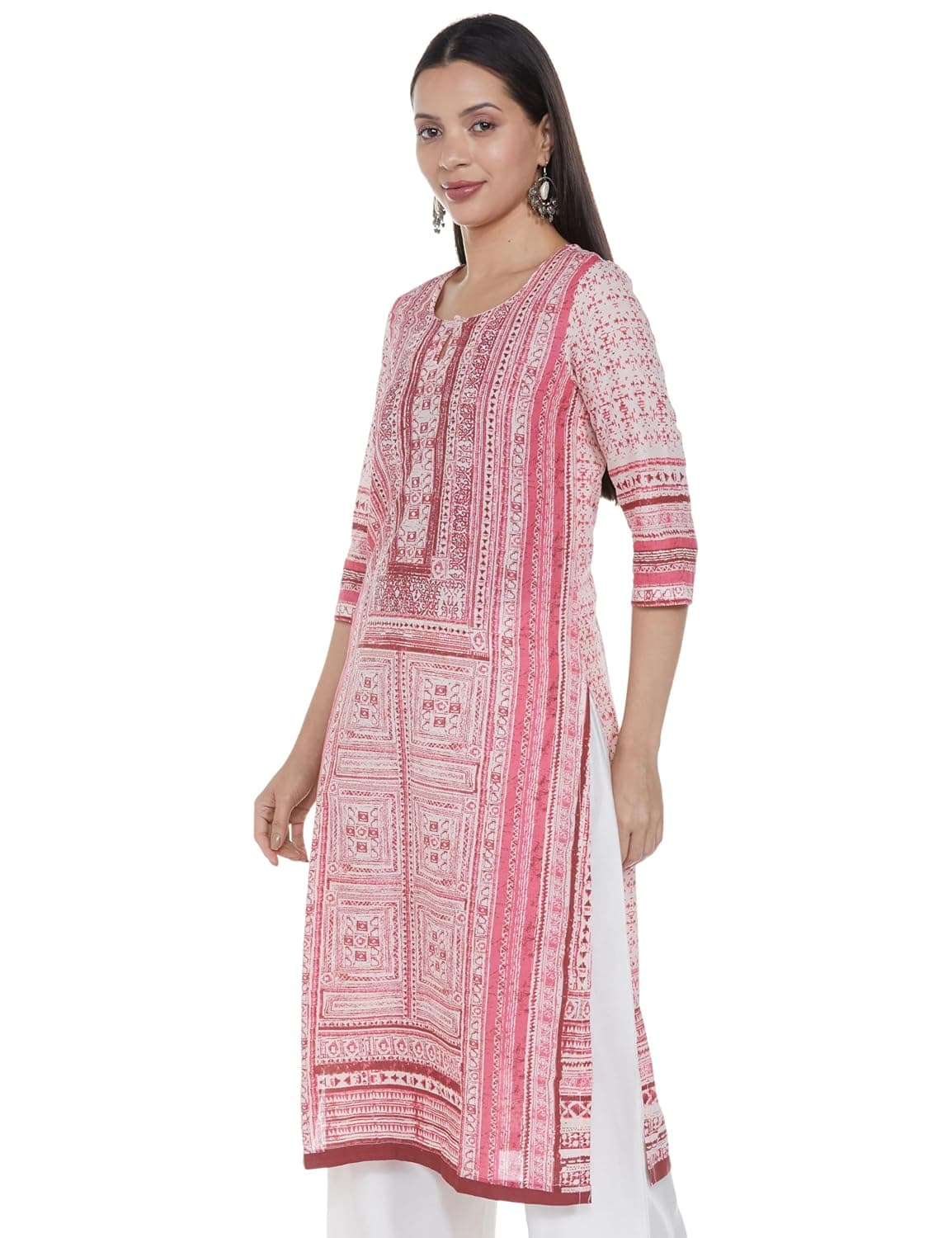
BIBA Women's Cotton Straight Printed Kurta
 COD Available
biba
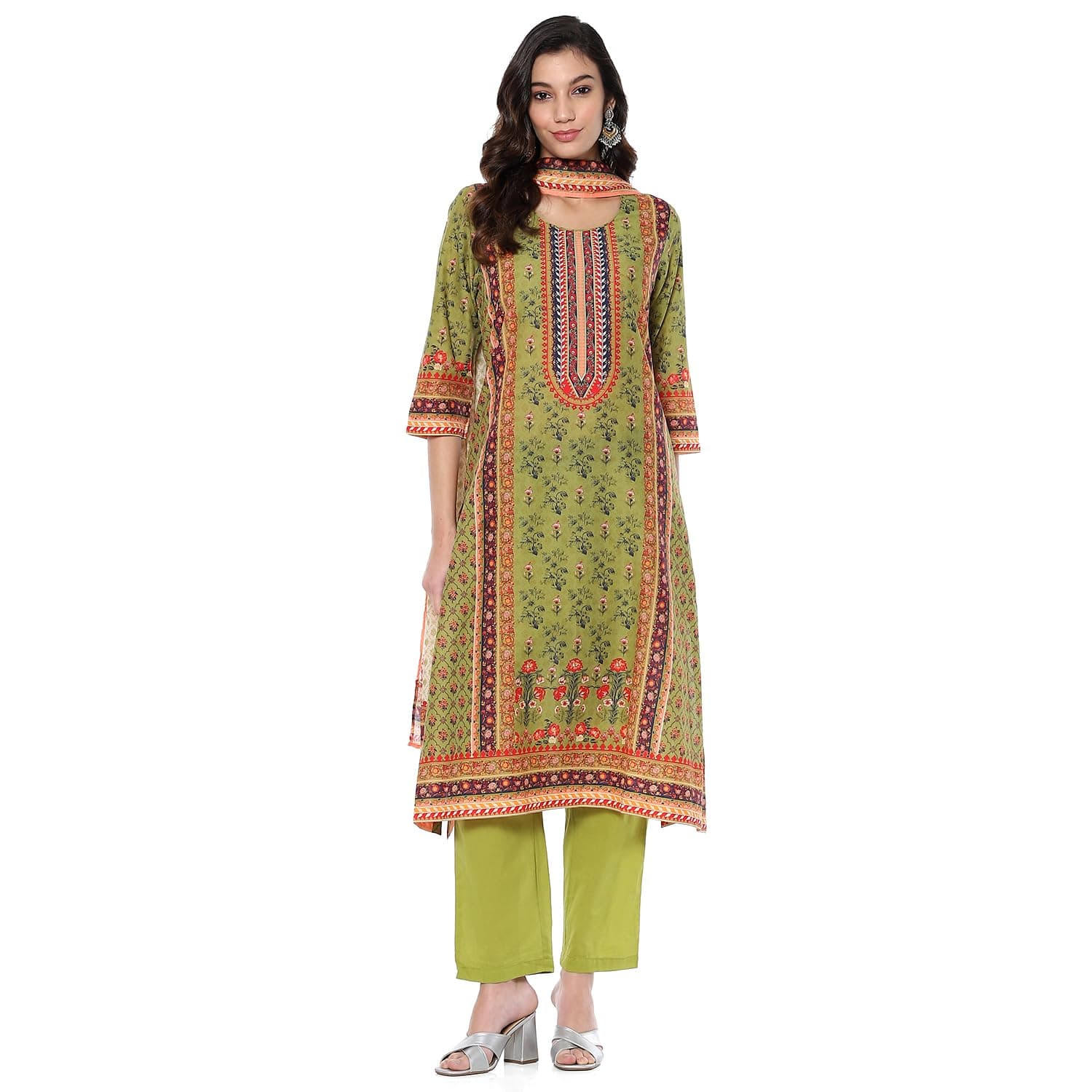
BIBA Women's Cotton Printed Kurta Set with Dupatta
 COD Available
biba
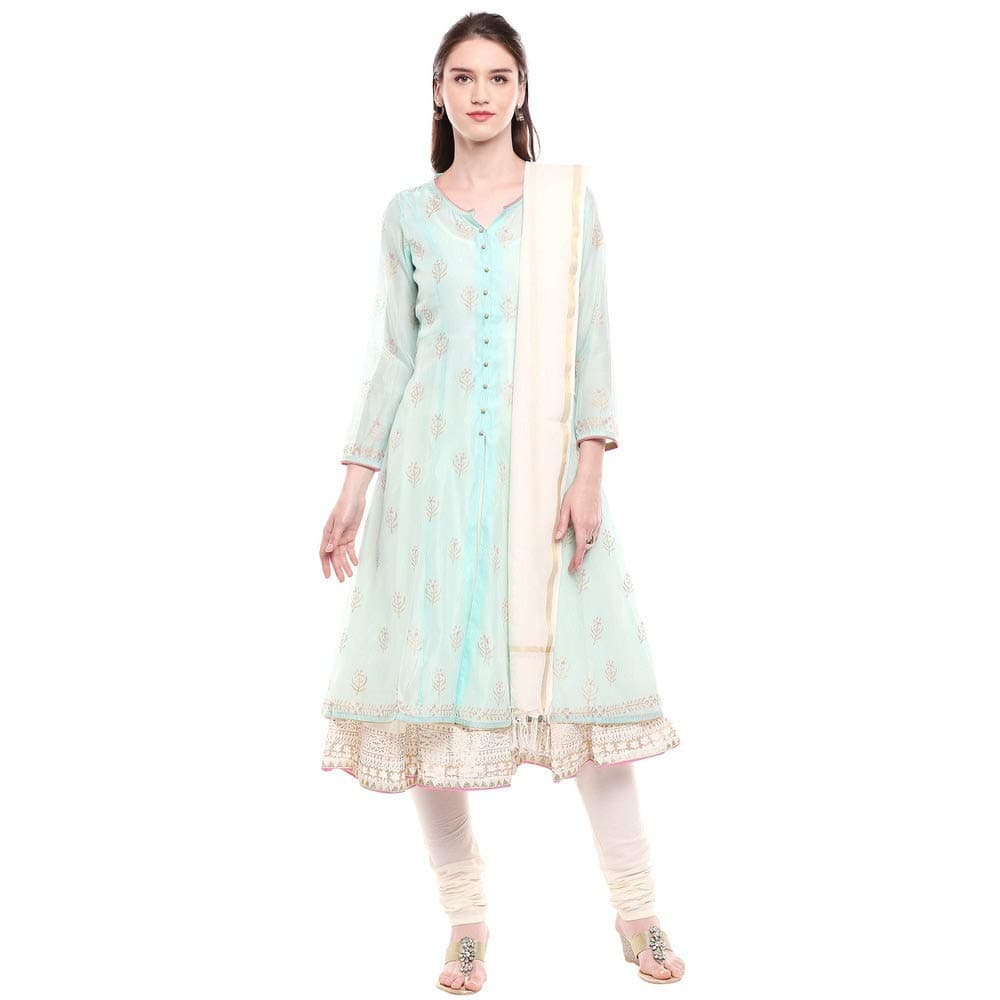
BIBA Women's Cotton A-Line Churidar Suit
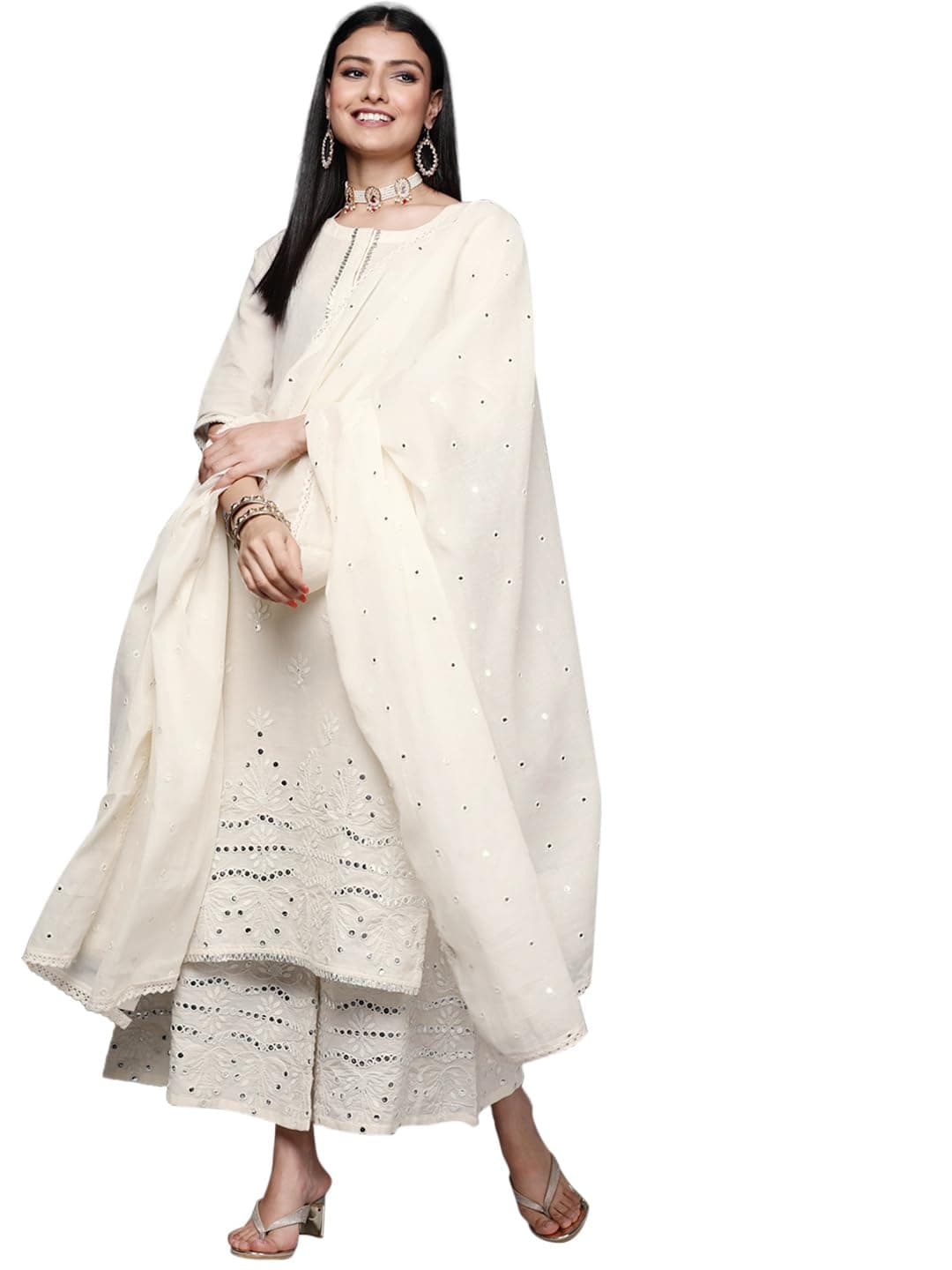 COD Available
libas
Libas Women's Embroidered Cotton Straight Kurta with Palazzos & Dupatta
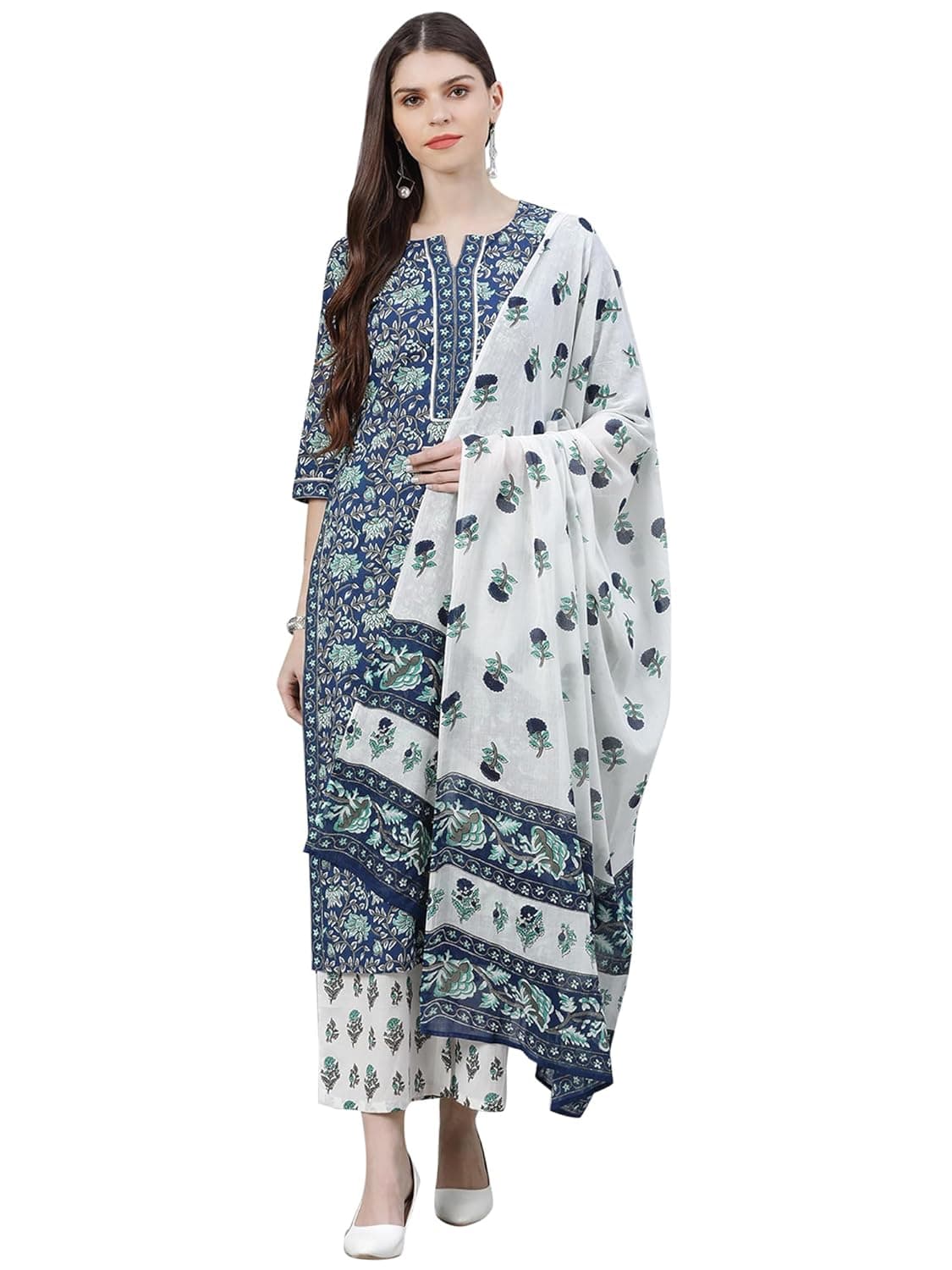 COD Available
libas
Libas Women's Cotton Printed Kurta Set Multicoloured
COD Availablelibas
Libas Printed Silk Blend Round Neck Kurta Pant Set Pink
Price Guide
| Tier | Price Range | What You Get |
|---|---|---|
| Festive casual | Rs 1,500–4,000 | Gota border kurtas, dupattas, cotton base |
| Occasion wear | Rs 4,000–20,000 | Heavy gota suits, lehenga sets, quality boutique pieces |
| Bridal/designer | Rs 20,000–80,000+ | All-over gota bridal lehenga, designer label, metal-thread gota |
Care & Maintenance
- Dry clean only — water causes metal gota to tarnish and polyester gota to lose its metallic finish
- Store flat — do not crush or compress gota patti; the three-dimensional petal shapes flatten and cannot be fully restored
- Wrap in soft cotton or muslin when storing — avoid rubbing surfaces together which abrades the gota ribbon
- Keep away from moisture and humidity — metal gota tarnishes quickly in damp conditions
- Professional pressing only — iron never touches gota patti directly; steam from above is safer but consult a professional for expensive pieces
Styling Tips
Gota patti is inherently Rajasthani and looks most at home on silhouettes from that tradition — anarkalis, lehengas, and straight long kurtas in georgette or soft silk. For contemporary fusion, a cotton kurta with a gota patti border at the hem paired with white palazzo and juttis is a modern take on traditional craft. The gold of gota complements both jewel-toned backgrounds (emerald, burgundy, royal blue) and softer pastels (blush, ivory, sage).
OUR VERDICT
Gota patti is one of those crafts that photographs spectacularly and wears even better — the three-dimensional ribbon work catches light dynamically in ways that no print or flat embroidery can match. For festive occasions where you want to look distinctly Indian and distinctly special, gota patti delivers every time. Invest in at least one good gota kurta for your Diwali and wedding-season wardrobe — you'll reach for it year after year.