
History & Origin
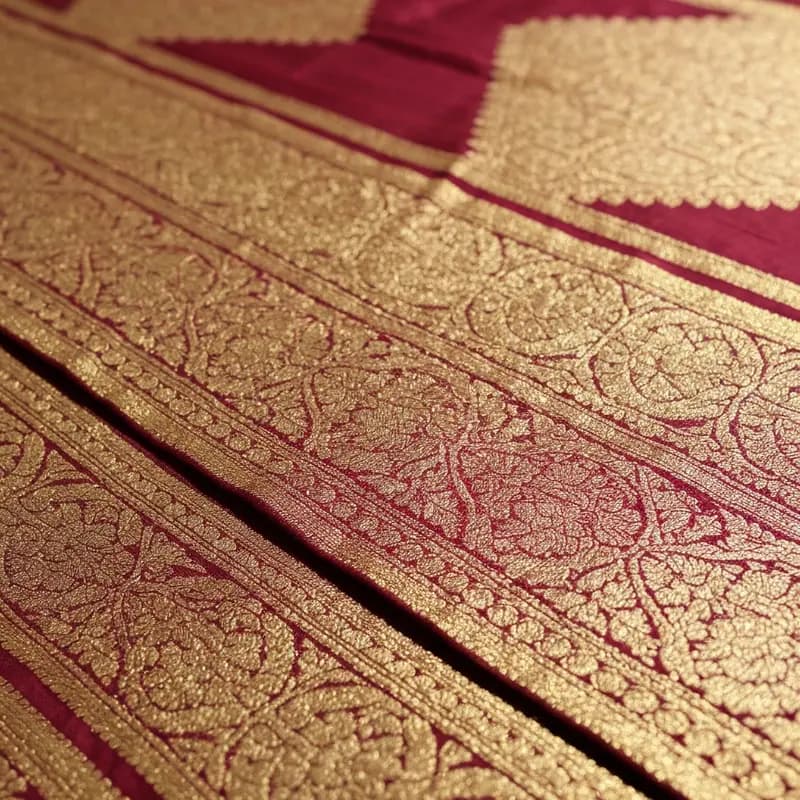
Banarasi silk weaving dates back over 2,000 years, flourishing under Mughal patronage from the 16th century onwards. The Mughal emperors brought Persian weaving techniques to Varanasi, blending them with local Indian artistry to create the distinctive brocade work we recognize today. The city of Varanasi, sitting on the banks of the Ganga, became the undisputed capital of Indian silk weaving.
The craft is woven into the cultural fabric of Varanasi — multigenerational weaver families (most famously the Ansari community) pass down intricate pattern knowledge through generations. In 2009, Banarasi silk received its GI tag, providing legal protection to the artisans and certifying authenticity. Owning a genuine Banarasi is not just fashion — it is a piece of living heritage.
How to Identify Authentic Banarasi Silk
- Check the zari — real Banarasi uses genuine silver/gold wrapped thread; it will not be uniformly shiny but has a slightly uneven, rich gleam. Fake zari looks too perfect and metallic.
- Examine the reverse side — authentic handloom Banarasi shows loose floating threads on the back called 'kadwa' or 'cutwork' depending on style. Machine-made sarees have a cleaner, more uniform back.
- Look for the GI tag or silk mark label — genuine Banarasi sellers will have these certifications. Ask specifically.
- Feel the weight — real Banarasi silk is heavier than it looks. Pure silk with real zari has a distinctive hand feel that synthetics cannot replicate.
- The rub test — rub the fabric between your fingers. Genuine silk generates warmth; synthetic feels cool and slightly slippery.
Types of Banarasi Silk
| Type | Weight | Price Range | Best For |
|---|---|---|---|
| Pure Katan Silk (Satin) | Heavy | Rs 15,000 – Rs 2,00,000 | Weddings, heirloom pieces |
| Organza (Kora) | Light-Medium | Rs 5,000 – Rs 50,000 | Summer weddings, daytime events |
| Georgette Banarasi | Light | Rs 3,000 – Rs 25,000 | Office parties, casual festive |
| Shattir (Tussar blend) | Medium | Rs 4,000 – Rs 30,000 | Festive, puja occasions |
Best Brands for Banarasi Silk
On Amazon India, look for sellers like Mitera, Weavers Villa, and Pothys who carry verified Banarasi sarees with silk marks. For affordable everyday Banarasi, Satrani and Mimosa offer decent quality in the Rs 3,000–8,000 range with honest product descriptions.
 COD Available
ishin
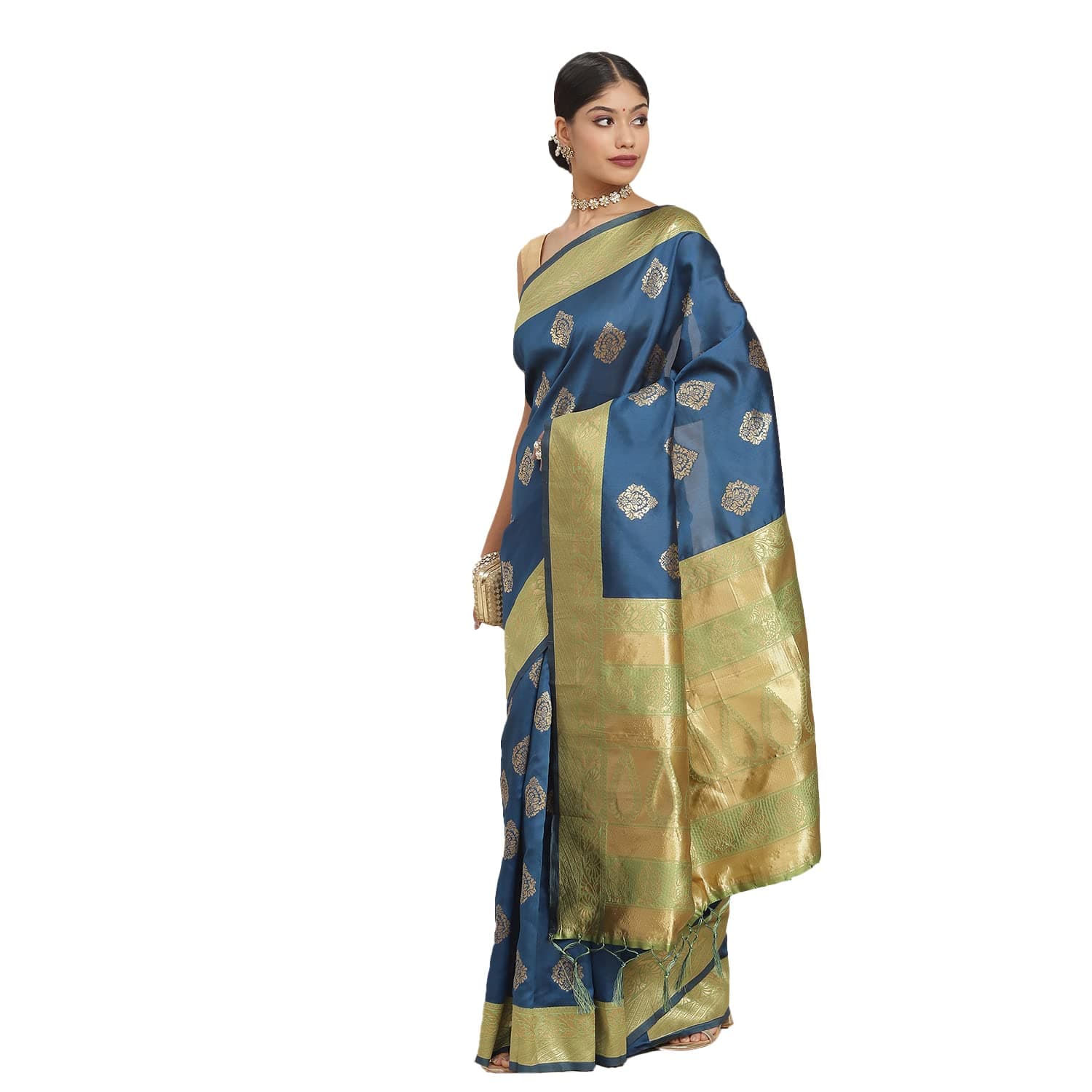
Ishin Women's Silk Blend Teal & Green Woven Design Saree with Blouse
 COD Available
ishin
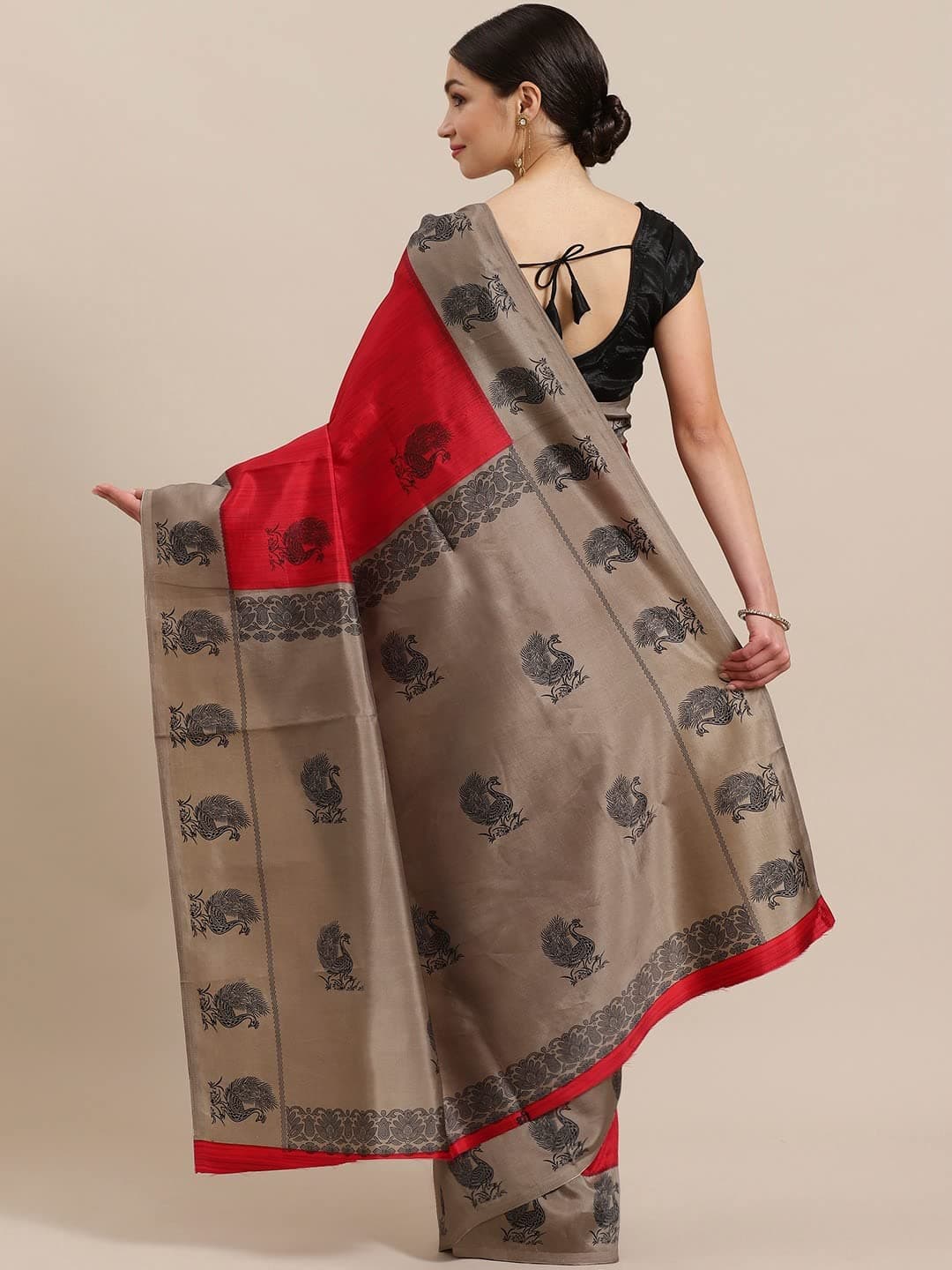
Ishin Women's Art Silk Maroon & Taupe Printed Saree
 COD Available
ishin
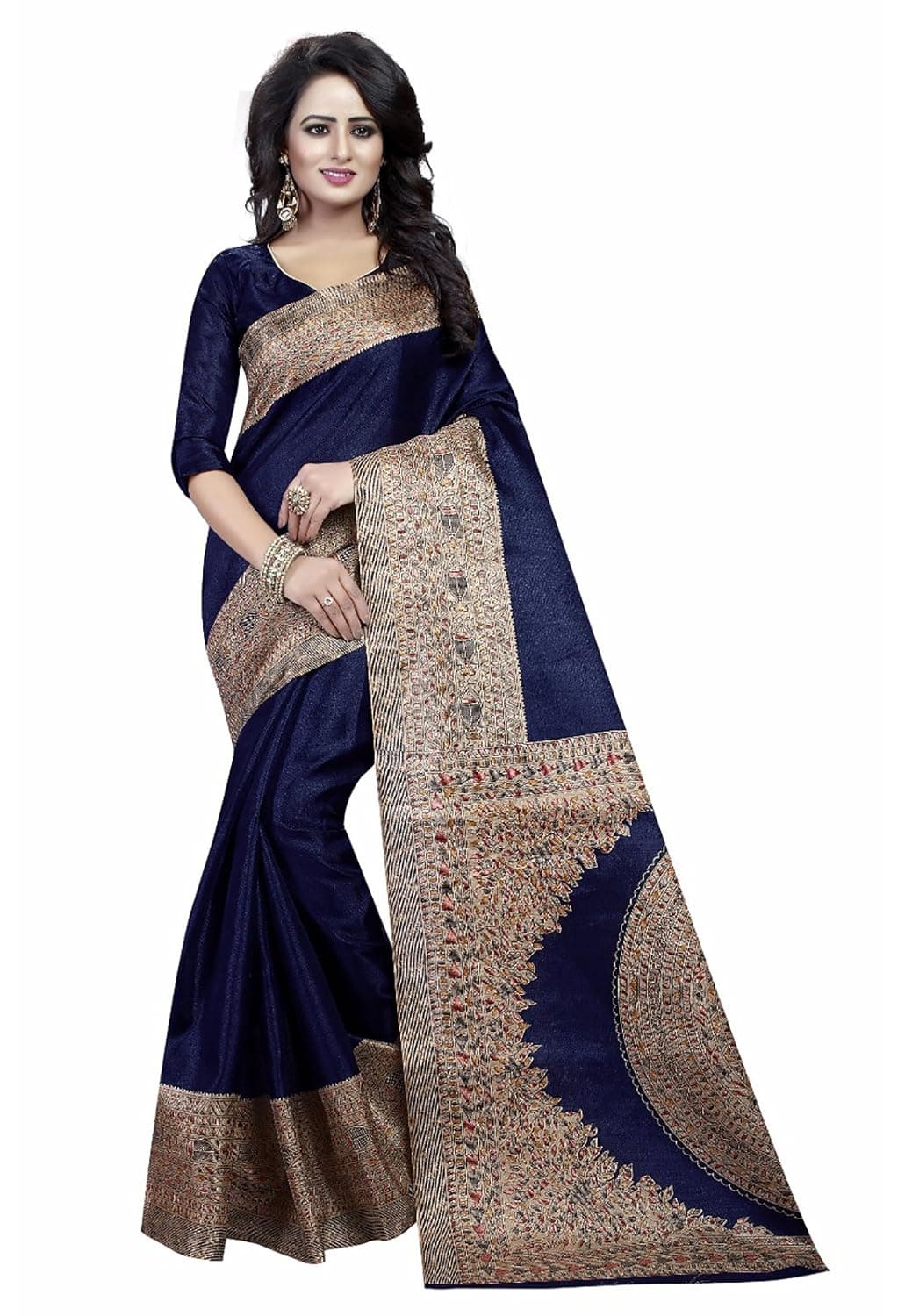
Ishin Women's Art Silk Navy Blue Saree with Blouse Piece
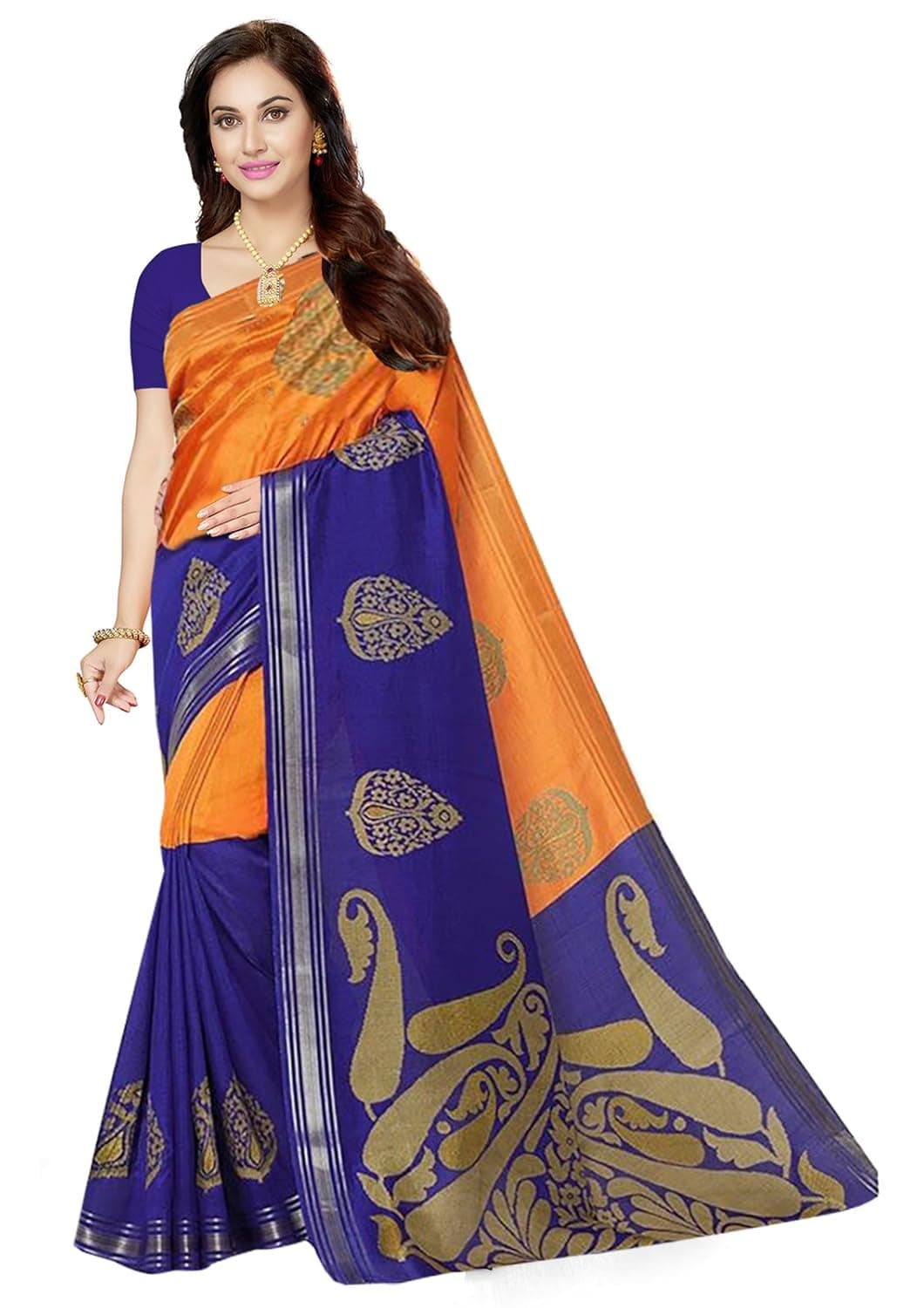 COD Available
ishin
Ishin Women's Art Silk Dark Blue & Orange Saree with Blouse
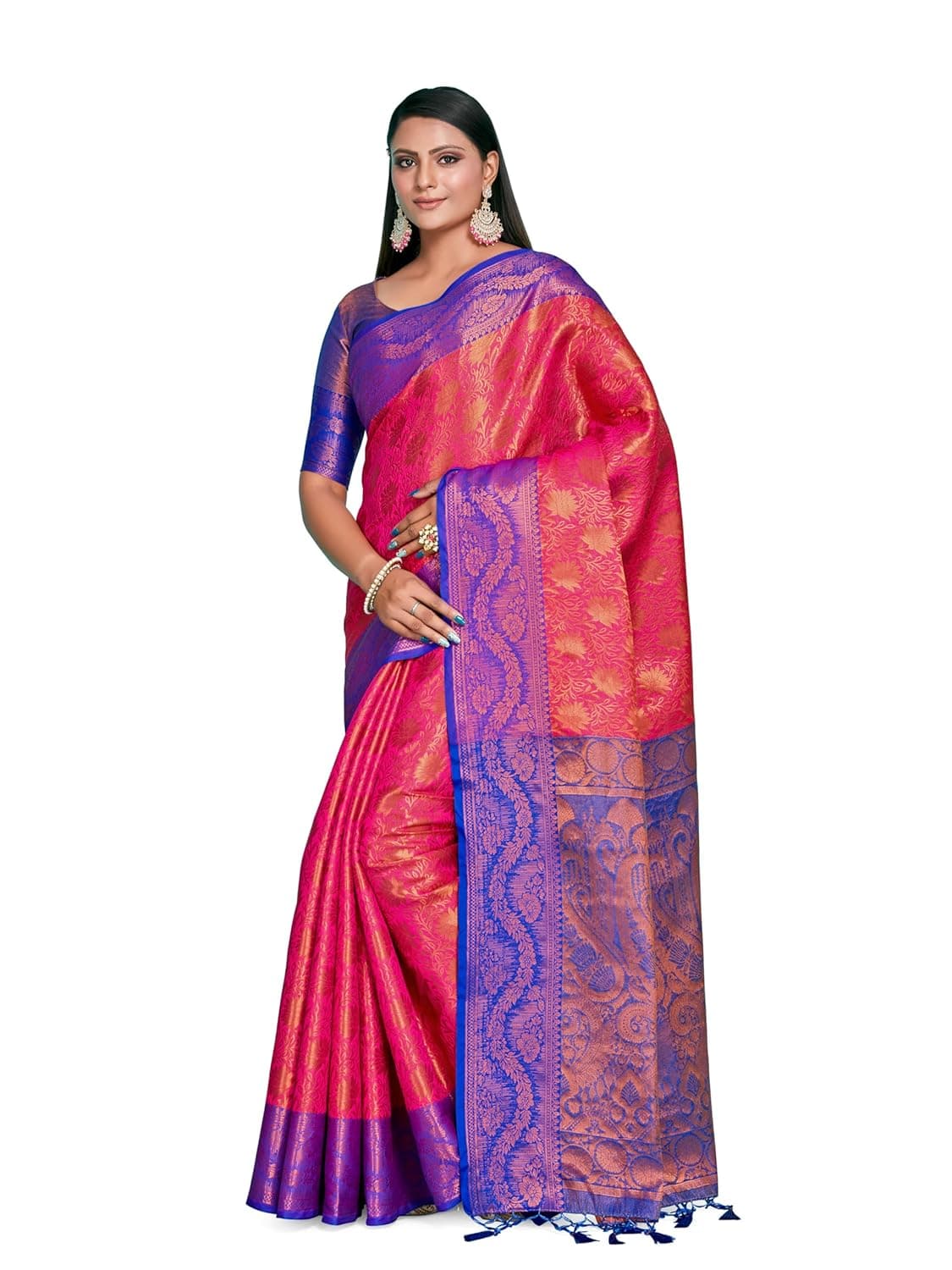 COD Available
mimosa
MIMOSA Women's Woven Design Kanjivaram Art Silk Saree Rani
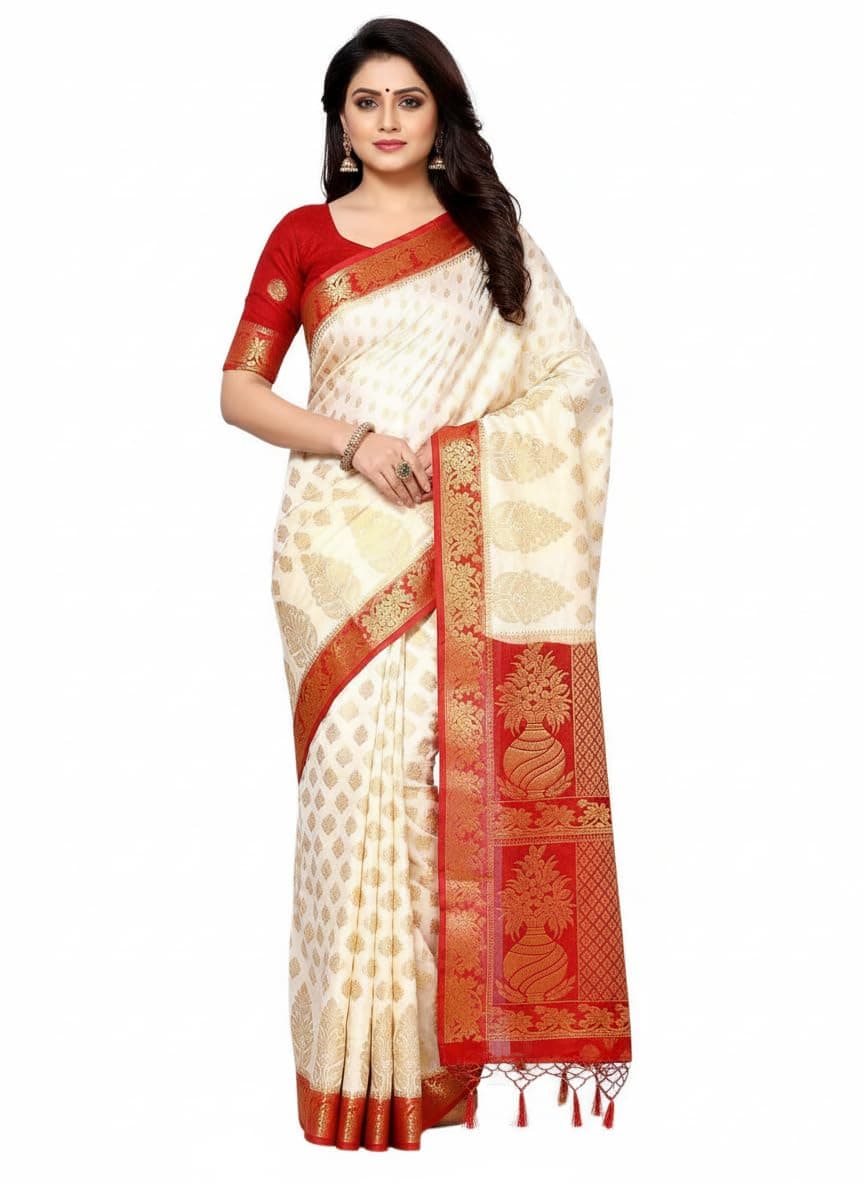 COD Available
mimosa
MIMOSA Women's Art Silk Saree Kanjivaram Style Beige
Price Guide
| Tier | Price Range | What You Get |
|---|---|---|
| Budget | Rs 3,000 – Rs 8,000 | Georgette or blended Banarasi with zari work; good for daily festive wear |
| Mid-Range | Rs 8,000 – Rs 40,000 | Pure silk with good zari work; handloom certified; suitable for weddings as a guest |
| Premium | Rs 40,000 – Rs 2,00,000+ | Pure Katan silk with genuine gold/silver zari, master weaver pieces, heirloom quality |
Care & Maintenance
- Always dry-clean your Banarasi saree — never machine wash or hand wash, as water can damage the zari and cause it to tarnish.
- Store wrapped in a muslin cloth (never plastic); place a neem leaf or silica gel packet to prevent moisture and insects.
- Refold along different lines every 6 months to prevent permanent crease marks along the zari borders.
- When not in use for long periods, air the saree every 3 months in the shade — never in direct sunlight, which fades the zari.
- Steam pressing is preferred over ironing; if ironing, always press on the reverse side through a cotton cloth.
Styling Tips
A Banarasi saree does most of the visual work — keep your jewellery elegant but not overwhelming. Polki or Kundan sets complement the zari beautifully. For brides, a heavy Banarasi in jewel tones (deep red, royal blue, forest green) with a contrasting blouse in silk or velvet is timeless. For guests, opt for lighter georgette Banarasi in pastels with minimal gold jewellery to avoid clashing with the bride.
OUR VERDICT
Banarasi silk is a non-negotiable investment for any Indian wardrobe. Start with one good mid-range piece (Rs 10,000–25,000) from a certified seller before splurging on premium. A genuine Banarasi, properly cared for, will outlast trends and can be passed down as a family heirloom.