
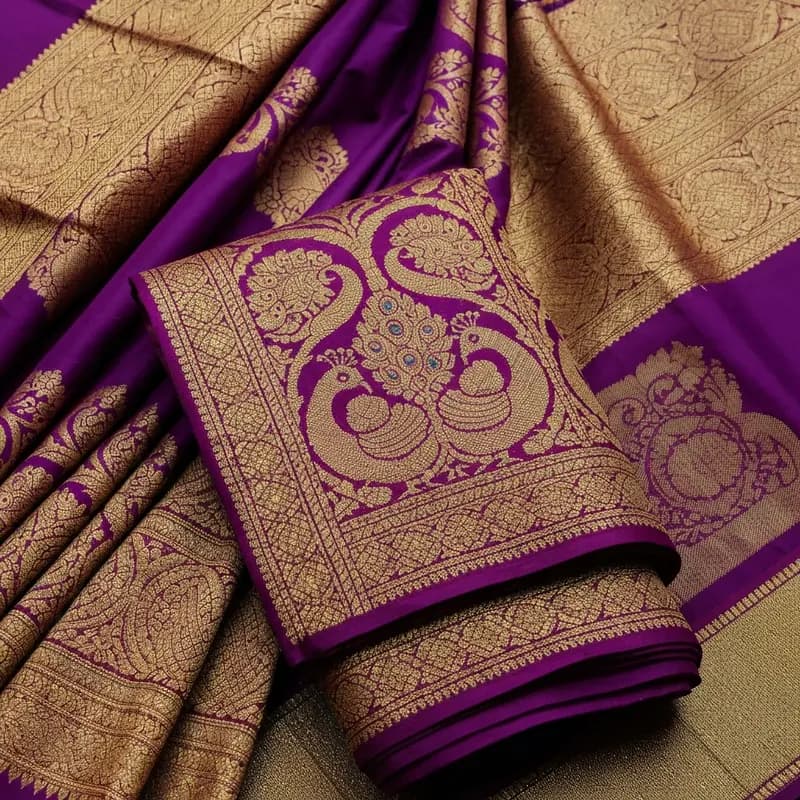
History & Origin
Paithan (ancient Pratishthana) was the capital of the Satavahana dynasty, and silk weaving here dates back over 2,000 years. The weaving technique is believed to have been influenced by Central Asian and Persian tapestry traditions brought along ancient trade routes. Paithani reached its zenith of artistry during the Peshwa period (18th century) when the weavers of Paithan were royal patronage holders and produced sarees with real gold and silver zari.
The oblique interlocking technique of Paithani is what makes it a tapestry rather than a conventional saree — motifs are literally built thread by thread into the fabric using separate butterfly bobbins of coloured silk. This means the design is integral to the weave, not embroidered or printed on. A complex Paithani can take 18 months to complete, which explains its extraordinary price.
How to Identify Authentic Paithani Silk
- The border check — authentic Paithani has a distinct oblique pattern on the border woven in zari, and the body is a rich plain silk in a jewel tone. The contrast should be sharp and integral, not applied.
- Pallu motifs — look for traditional Paithani motifs: Muniya (parrot), Asavali (flowering vine), Bangdi Mor (bangle peacock). These should be woven in, not printed.
- GI tag — genuine Paithani from Paithan carries GI certification. Ask for it.
- Reverse of the pallu — like tapestry, Paithani's pallu shows floating threads on the reverse where different coloured silks interlace; look for this construction sign.
- The 'shedding test' — rub the border lightly. Genuine zari in Paithani should not shed or leave metallic residue on your fingers.
Types of Paithani Silk
| Type | Weight | Price Range | Best For |
|---|---|---|---|
| Pure Paithani (Real Zari, Paithan) | Heavy | Rs 50,000 – Rs 5,00,000 | Bridal, heirloom |
| Yeola Paithani (GI certified) | Medium-Heavy | Rs 8,000 – Rs 60,000 | Weddings, festive occasions |
| Paithani with Tested Zari | Medium | Rs 5,000 – Rs 20,000 | Festive, guest at weddings |
| Paithani Dupatta | Light-Medium | Rs 2,000 – Rs 15,000 | Festive styling, lehenga pairing |
Best Brands for Paithani Silk
Look for Maharashtra government handicraft board-certified sellers on Amazon. Reputable online options include Paithani Bazaar and Weavers Villa which carry genuine GI Paithani. Satrani and Mimosa offer Paithani-inspired sarees at accessible price points for those wanting the aesthetic at a lower budget.
 COD Available
ishin
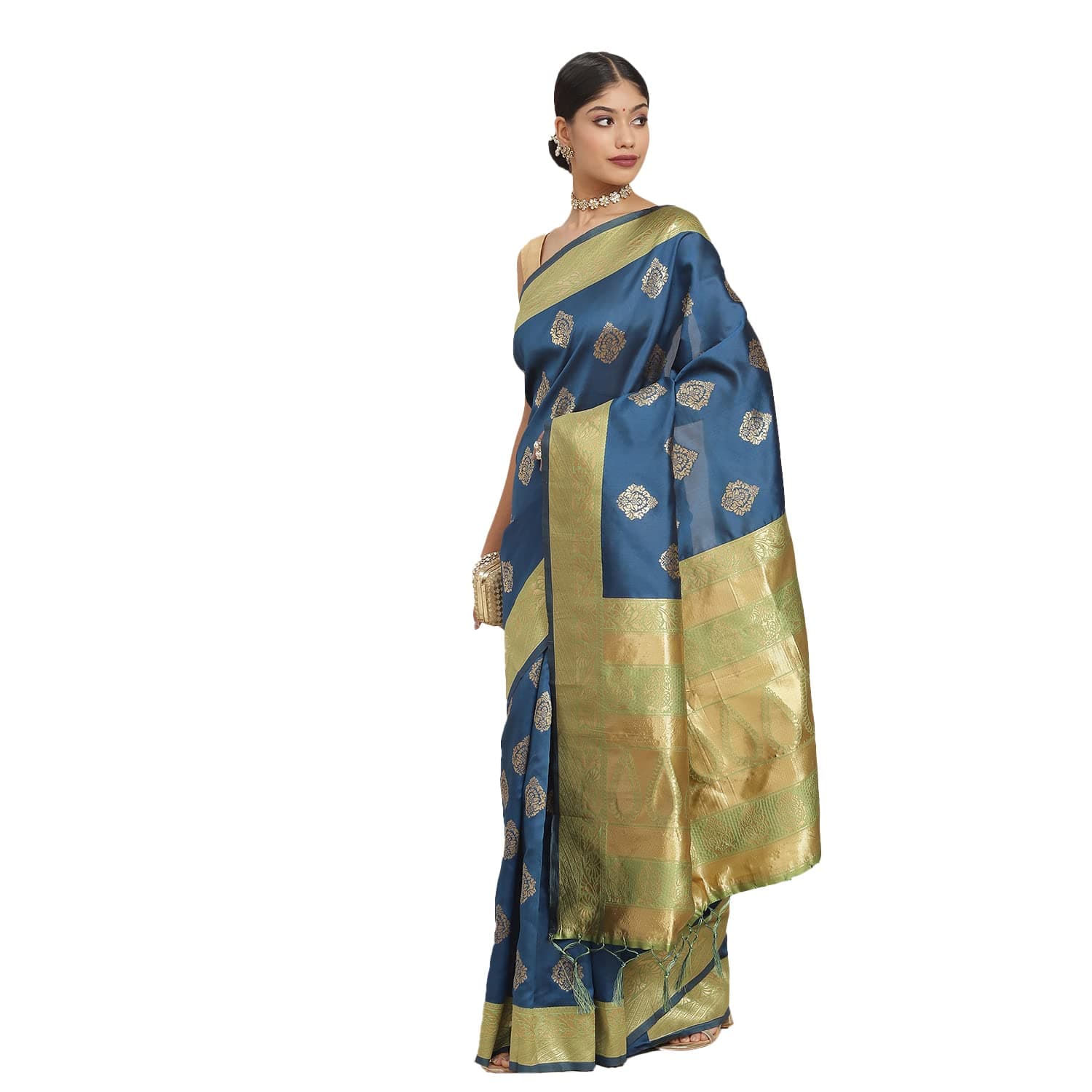
Ishin Women's Silk Blend Teal & Green Woven Design Saree with Blouse
 COD Available
ishin
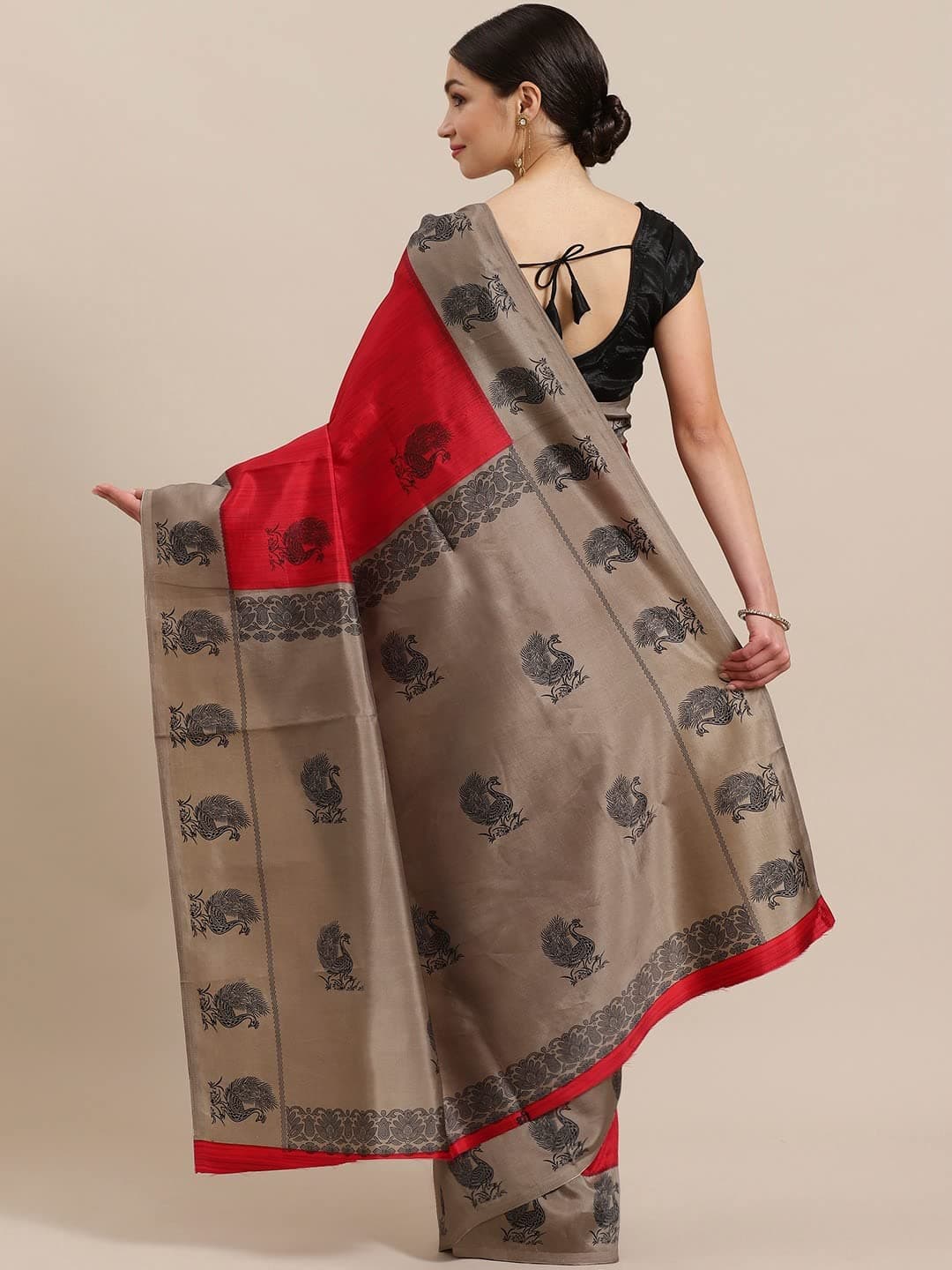
Ishin Women's Art Silk Maroon & Taupe Printed Saree
 COD Available
ishin
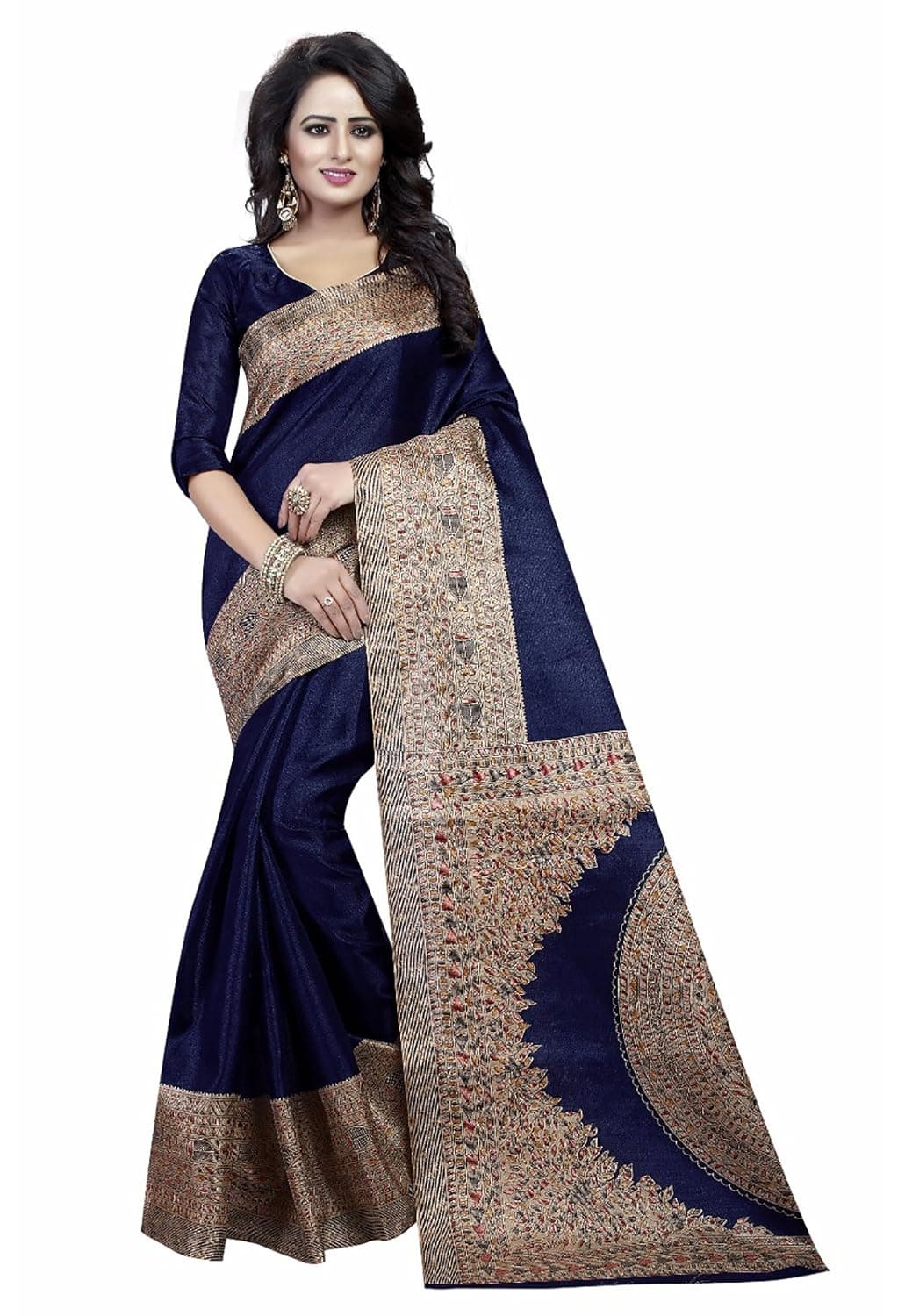
Ishin Women's Art Silk Navy Blue Saree with Blouse Piece
 COD Available
ishin
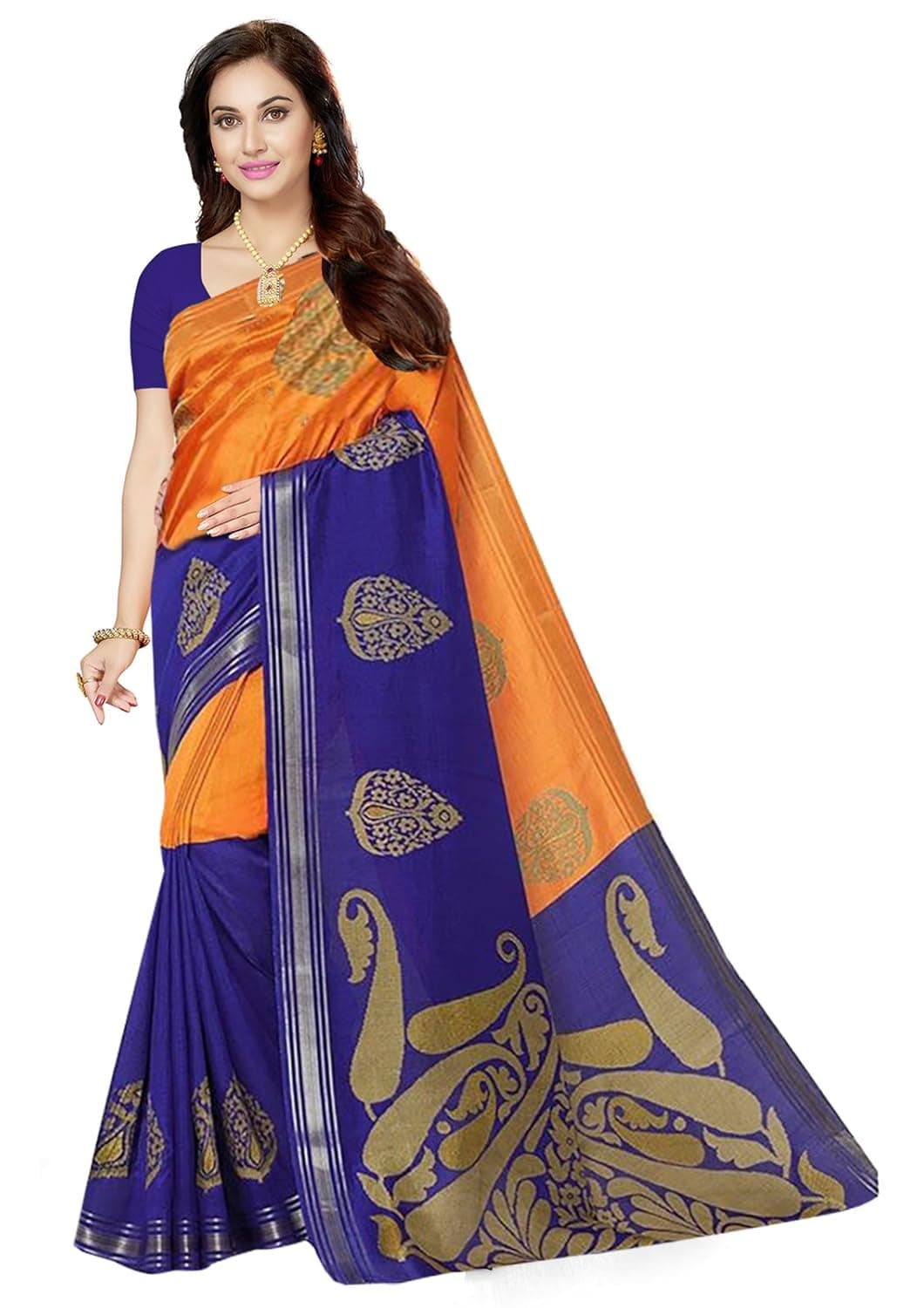
Ishin Women's Art Silk Dark Blue & Orange Saree with Blouse
 COD Available
mimosa
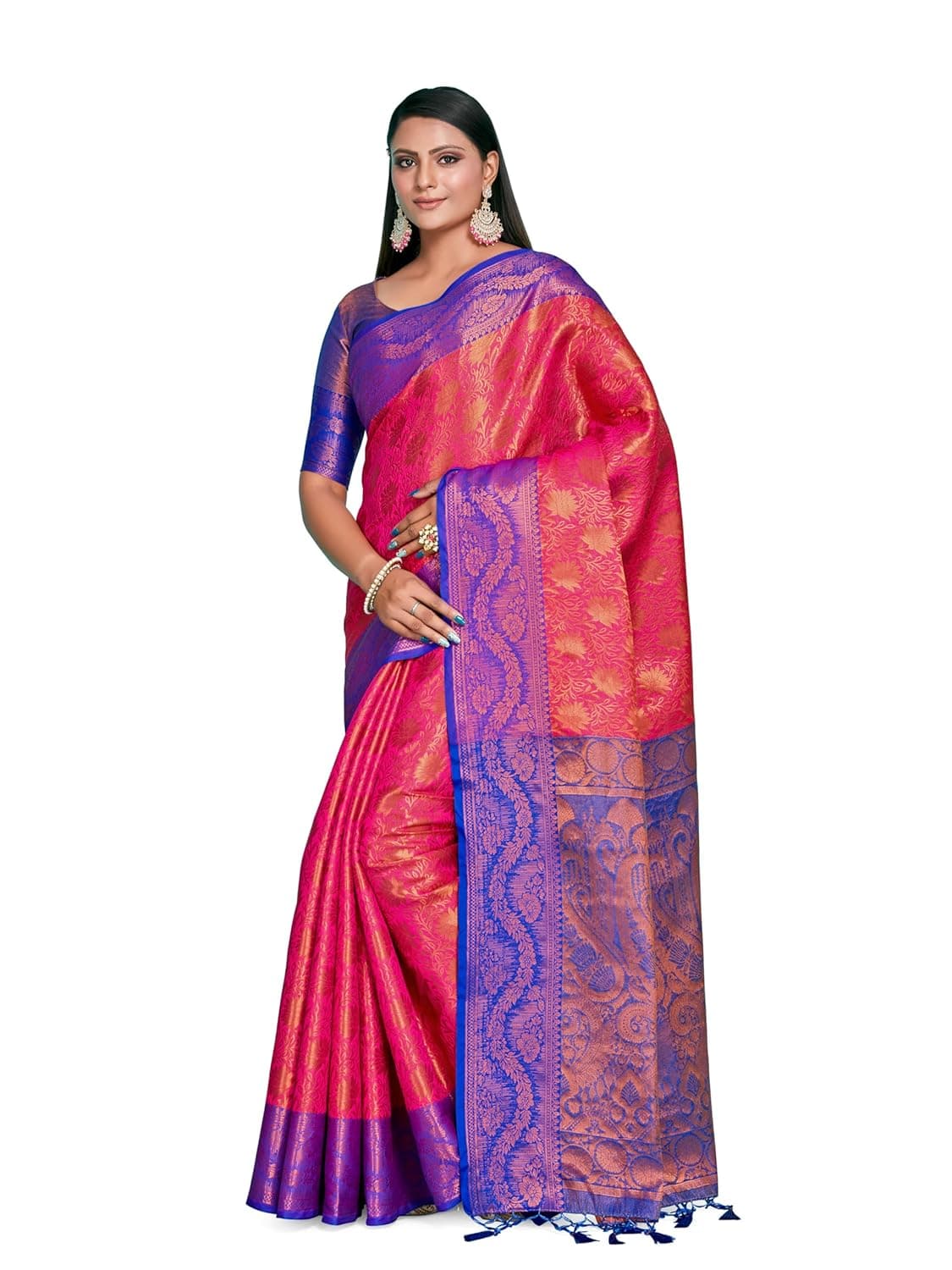
MIMOSA Women's Woven Design Kanjivaram Art Silk Saree Rani
 COD Available
mimosa
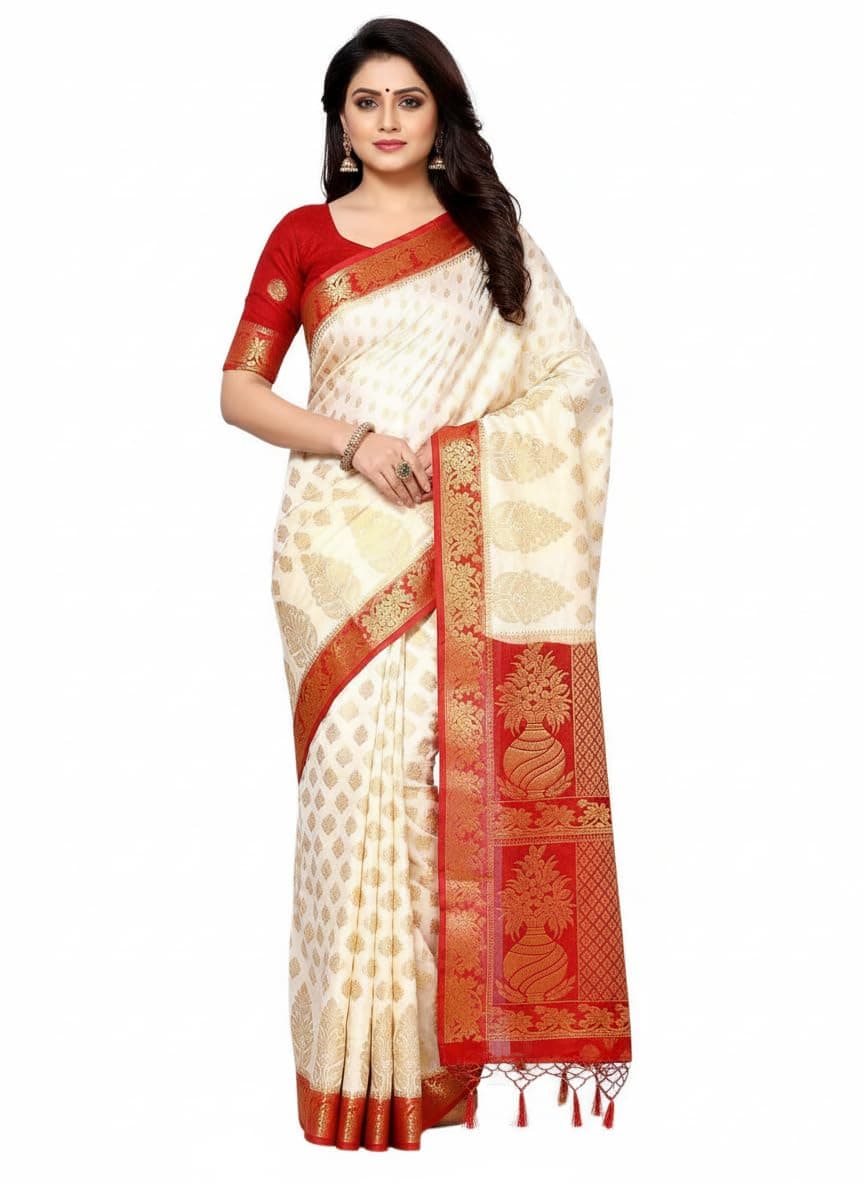
MIMOSA Women's Art Silk Saree Kanjivaram Style Beige
Price Guide
| Tier | Price Range | What You Get |
|---|---|---|
| Budget | Rs 5,000 – Rs 12,000 | Paithani with tested/imitation zari; handloom certified; good for festive wear |
| Mid-Range | Rs 12,000 – Rs 60,000 | GI certified Yeola Paithani with real zari; suitable for weddings and major occasions |
| Premium | Rs 60,000 – Rs 5,00,000+ | Pure Paithan Paithani with real gold/silver zari; master weaver; bridal heirloom quality |
Care & Maintenance
- Dry-clean only — the combination of silk and zari in Paithani requires professional care.
- Store in pure cotton muslin wrapping; keep a neem leaf or camphor ball inside to protect from insects and moisture.
- Refold along different lines every 6 months to prevent crease damage to the zari border.
- Never expose to direct sunlight for extended periods — Paithani colours (especially pinks and greens) can fade significantly.
Styling Tips
Paithani's jewel tones — deep violet, emerald, royal blue, ruby — are among the most striking in Indian textiles. Traditional Maharashtrian Nauvari drape (nine-yard) showcases Paithani's pallu to maximum effect. For a contemporary look, drape it in standard Nivi style and pair with Thushi necklace and Kolhapuri Saaj. Paithani looks stunning with gold Kolhapuri chappals — the combination is quintessentially Maharashtrian and deeply elegant.
OUR VERDICT
Paithani is the heart of Maharashtrian textile heritage and an investment in living craft history. Start with a GI-certified Yeola Paithani if budget is a concern — these offer genuine craft quality at more accessible prices. For a bride, a pure Paithan Paithani is an investment as meaningful as jewellery.