
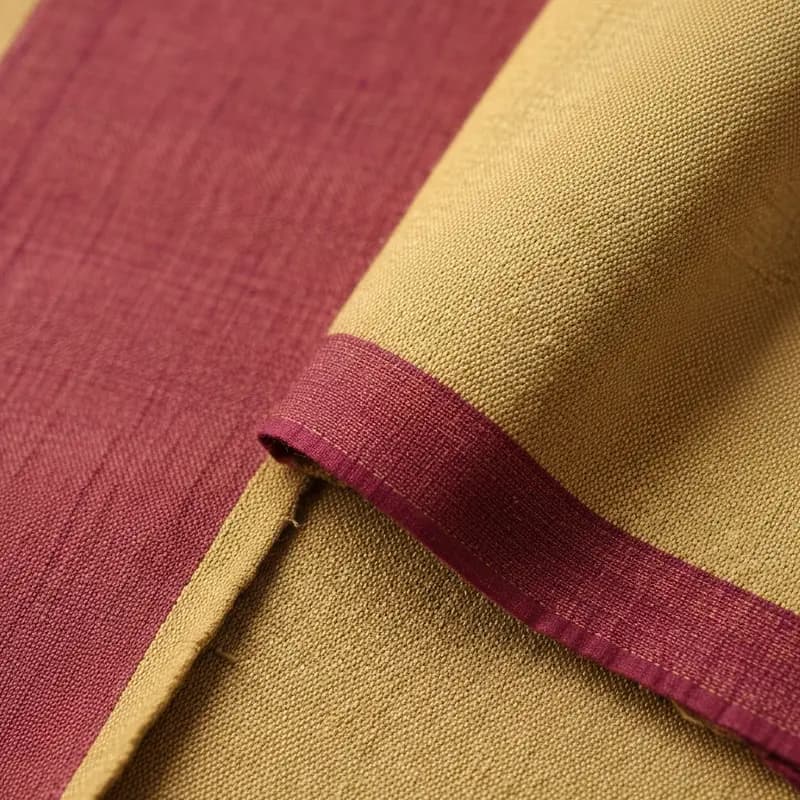
History & Origin
Maheshwar's weaving tradition is directly linked to Queen Ahilyabai Holkar, the great Holkar ruler of the Maratha Empire who made Maheshwar her capital in the 18th century. She brought weavers from Gujarat and South India to Maheshwar and personally patronised the development of a distinctive local weaving style. The sarees woven for her court combined the best techniques of multiple regional traditions into the elegant striped and checked designs we associate with Maheshwari today.
After a period of decline, the craft was spectacularly revived in the 1970s by Sally Holkar (wife of the last Holkar royal) who founded the Rehwa Society to train weavers and market Maheshwari globally. The Rehwa Society continues to operate from Maheshwar fort and is considered the gold standard for authentic Maheshwari sarees. The craft is now a UNESCO-recognised textile tradition and Maheshwar has become a destination for Indian textile enthusiasts.
How to Identify Authentic Maheshwari Silk
- Reversibility — genuine Maheshwari has a reversible weave; both sides of the fabric look similar (though not identical). This is a distinctive characteristic.
- Bugdi border — the traditional Maheshwari border has a distinctive 'bugdi' (round) pattern in the border edges; this is an identifiable design signature.
- Stripe and check patterns — traditional Maheshwari body is typically striped or checked in 2–3 colours with a contrast colour border.
- Rehwa Society label — sarees from the Rehwa Society carry their certification and are the most reliably authentic Maheshwari available.
- Handloom mark — all genuine handloom Maheshwari should carry the government Handloom Mark.
Types of Maheshwari Silk
| Type | Weight | Price Range | Best For |
|---|---|---|---|
| Silk-Cotton Maheshwari | Light-Medium | Rs 2,500 – Rs 8,000 | Daily office, casual ethnic |
| Pure Silk Maheshwari | Medium | Rs 6,000 – Rs 20,000 | Festive, weddings as guest |
| Maheshwari with Zari Border | Medium | Rs 5,000 – Rs 15,000 | Semi-formal, occasions |
| Maheshwari Dupatta | Light | Rs 1,500 – Rs 5,000 | Gifting, kurta pairing |
Best Brands for Maheshwari Silk
The Rehwa Society (Maheshwar) is the definitive source for authentic Maheshwari. They sell through their Maheshwar outlet and select online channels. On Amazon, look for Madhya Pradesh government handloom sellers and established textile brands. Satrani and Mimosa carry Maheshwari-inspired sarees at accessible prices.
 COD Available
ishin
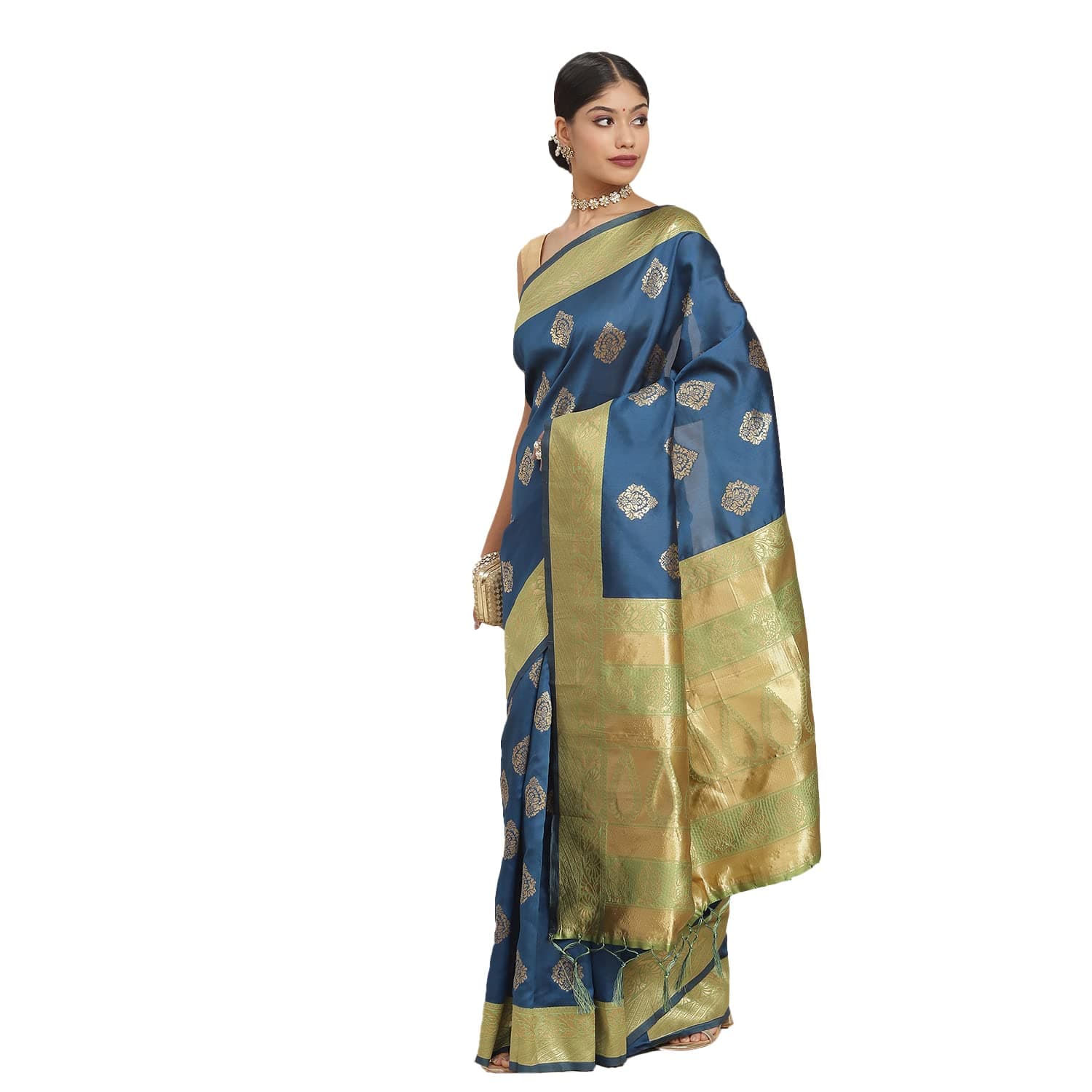
Ishin Women's Silk Blend Teal & Green Woven Design Saree with Blouse
 COD Available
ishin
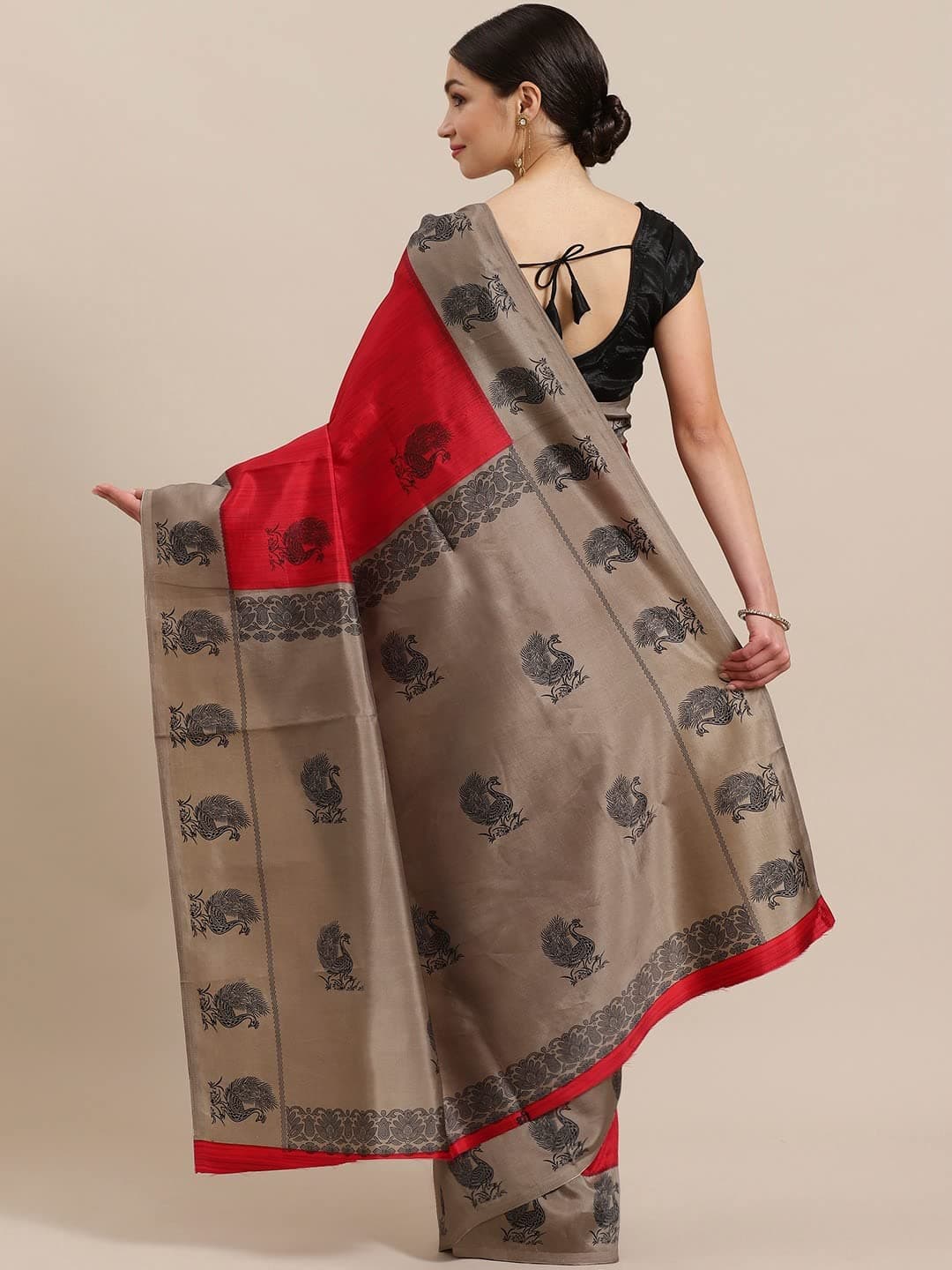
Ishin Women's Art Silk Maroon & Taupe Printed Saree
 COD Available
ishin
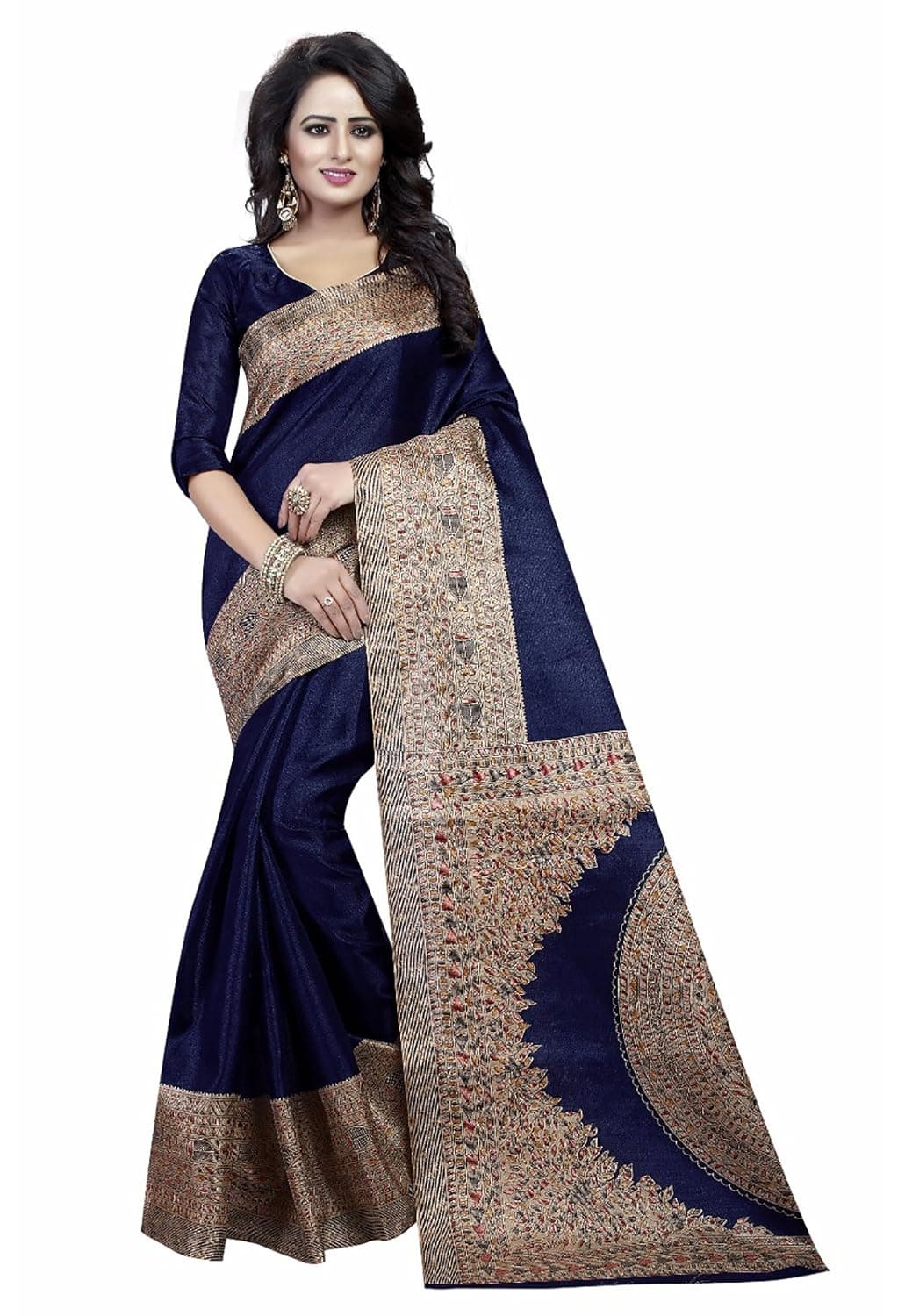
Ishin Women's Art Silk Navy Blue Saree with Blouse Piece
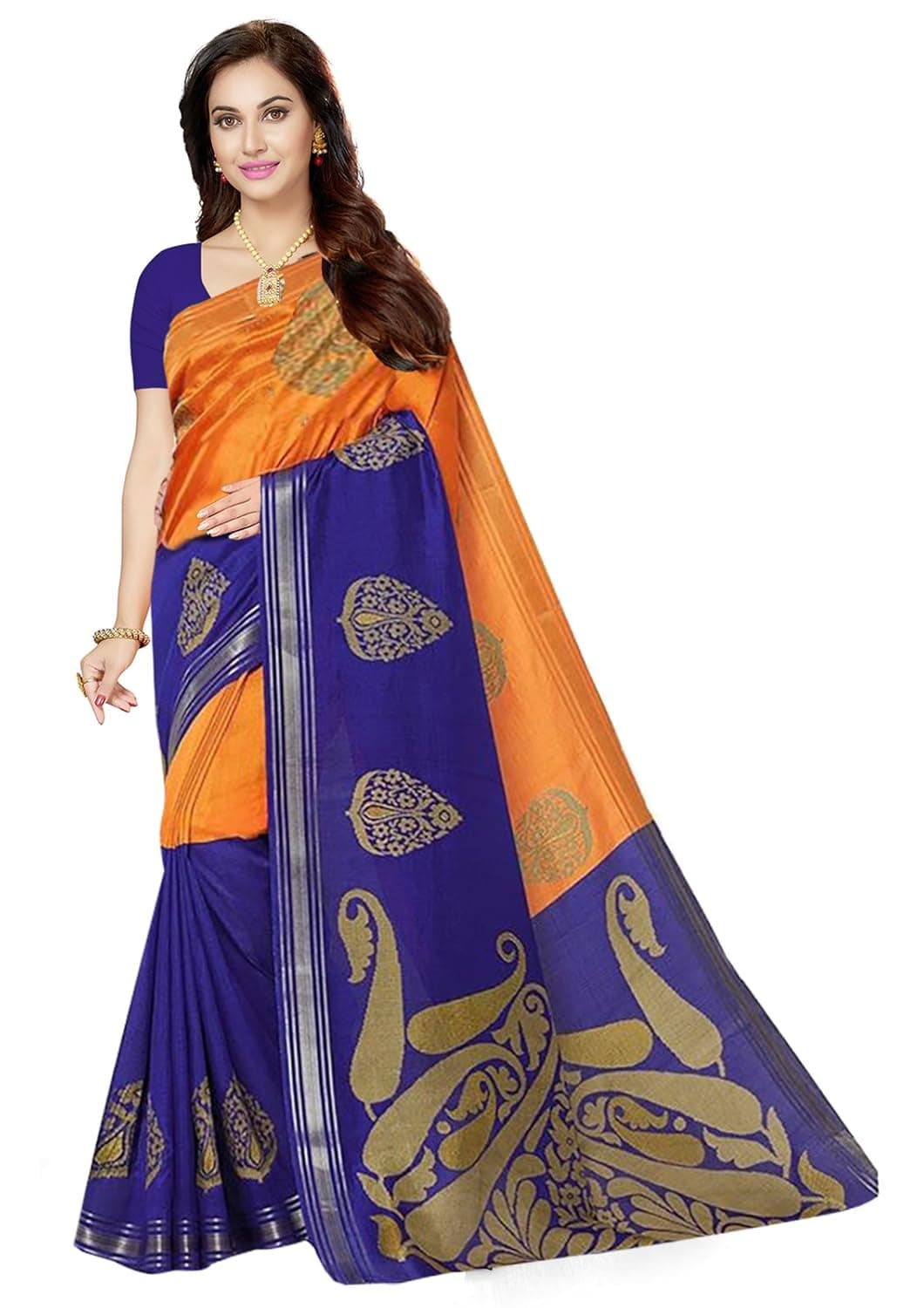 COD Available
ishin
Ishin Women's Art Silk Dark Blue & Orange Saree with Blouse
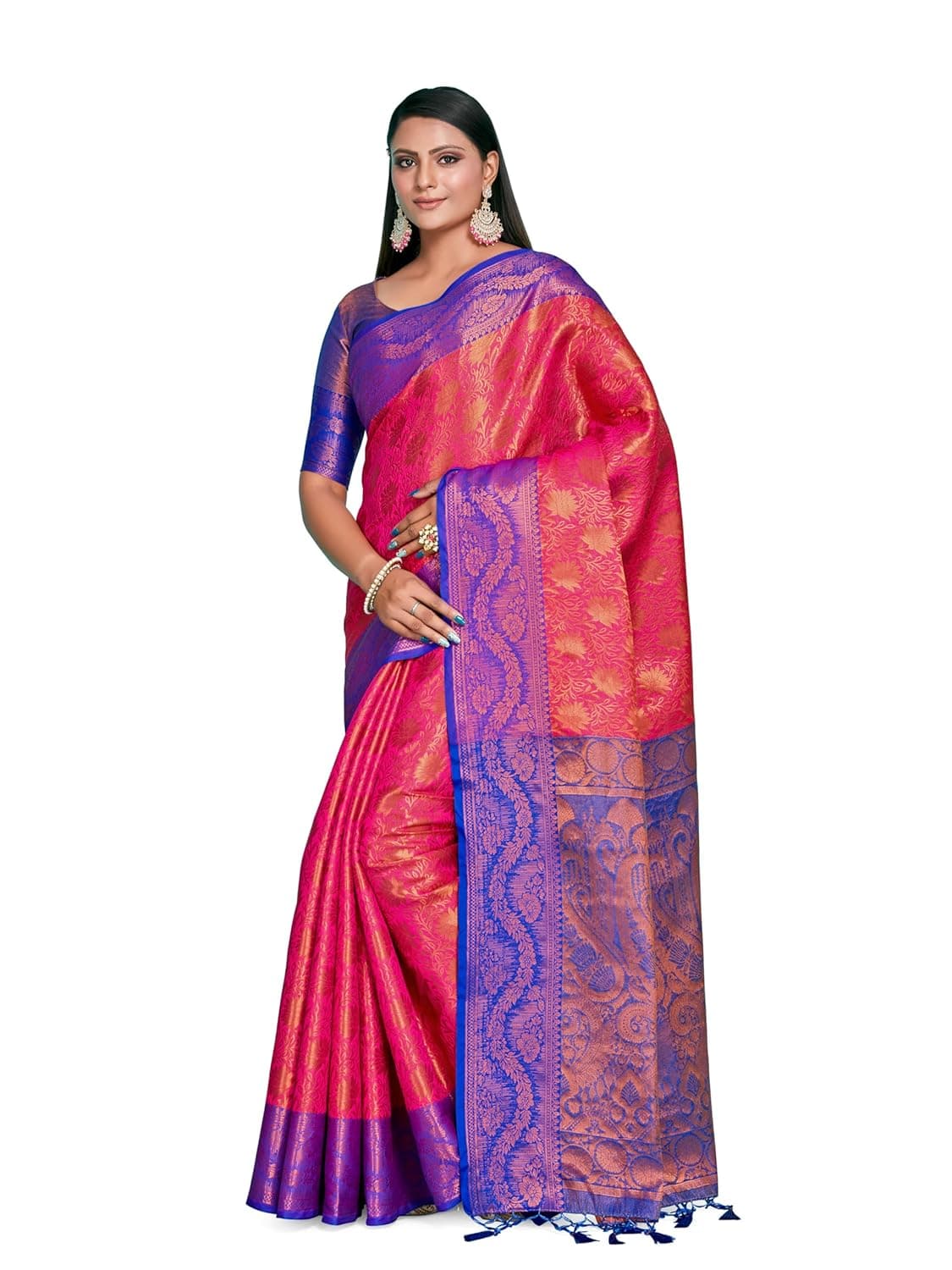 COD Available
mimosa
MIMOSA Women's Woven Design Kanjivaram Art Silk Saree Rani
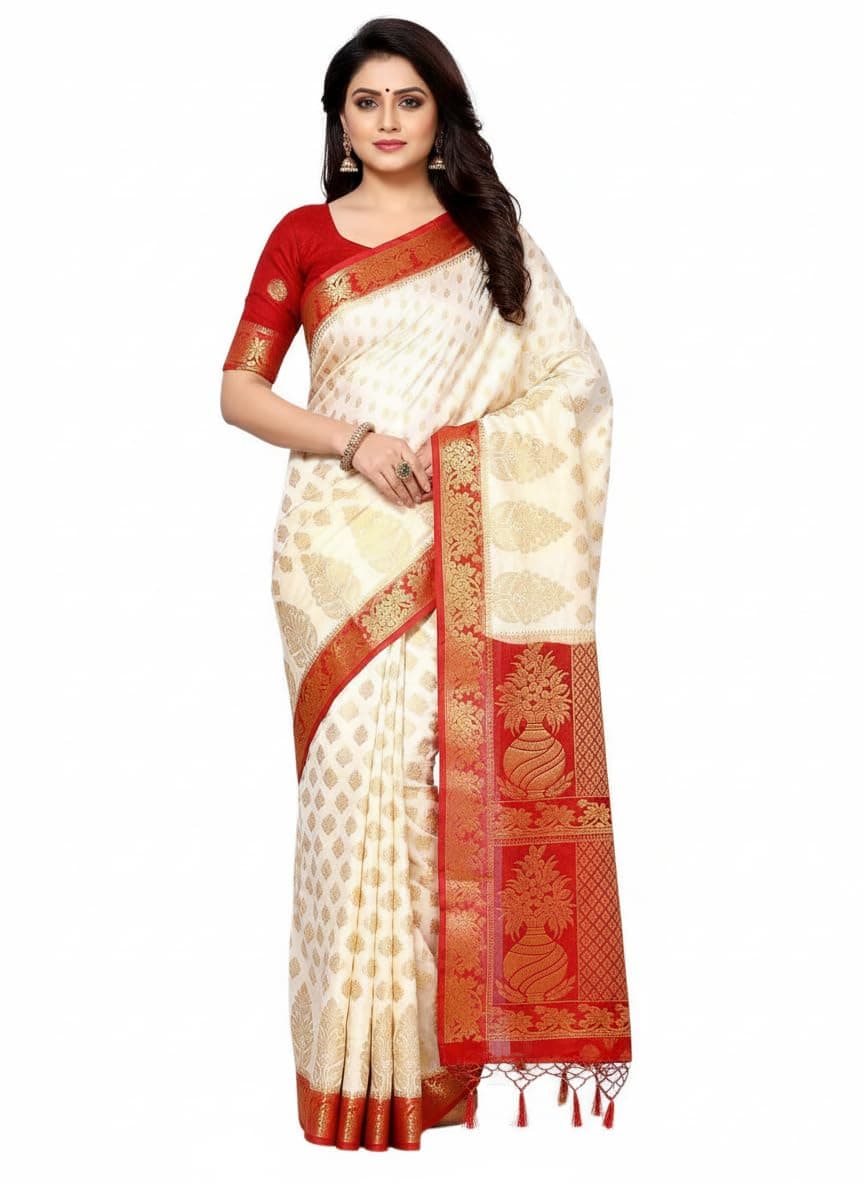 COD Available
mimosa
MIMOSA Women's Art Silk Saree Kanjivaram Style Beige
Price Guide
| Tier | Price Range | What You Get |
|---|---|---|
| Budget | Rs 2,500 – Rs 5,000 | Silk-cotton Maheshwari in classic stripes/checks; excellent daily wear |
| Mid-Range | Rs 5,000 – Rs 12,000 | Pure silk or certified Rehwa Society Maheshwari; festive and occasions |
| Premium | Rs 12,000 – Rs 20,000+ | Rehwa Society signature pieces; pure silk with real zari; collector quality |
Care & Maintenance
- Silk-cotton Maheshwari can be gently hand-washed in cool water with mild detergent.
- Pure silk Maheshwari — dry-clean is safer; if hand washing, use cold water and very gentle detergent.
- Iron at medium heat while slightly damp through a cotton pressing cloth.
- Store in muslin cloth; the light to medium weight makes it easy to store and pack.
Styling Tips
Maheshwari's refined stripe-and-check aesthetic is inherently sophisticated — it does not need heavy jewellery to shine. For office wear, a classic Maheshwari in navy-white or burgundy-gold stripes with a plain blouse and simple gold earrings is effortlessly professional. For festive occasions, choose a version with a heavier zari border and pair with Kundan or gold temple jewellery. The reversible nature means you can sometimes switch the pallu orientation for a slightly different look.
OUR VERDICT
Maheshwari is the saree I recommend most consistently for Indian working women — it is elegant without being intimidating, washable (in silk-cotton form), beautifully structured, and historically meaningful. Every saree wardrobe should include at least one Maheshwari. Start with the Rehwa Society if budget allows.