
History & Origin
Kota Doria weaving was introduced to Rajasthan in the 17th century under the reign of Maharao Bhim Singh of Kota, who brought weavers from Mysore (South India) to establish the craft locally. The Mysore weavers, called 'Masuria' weavers, gave the fabric its alternate name 'Kota Masuria.' The craft took root so deeply in Kaithoon village near Kota that the area became the undisputed production centre for this distinctive check weave.
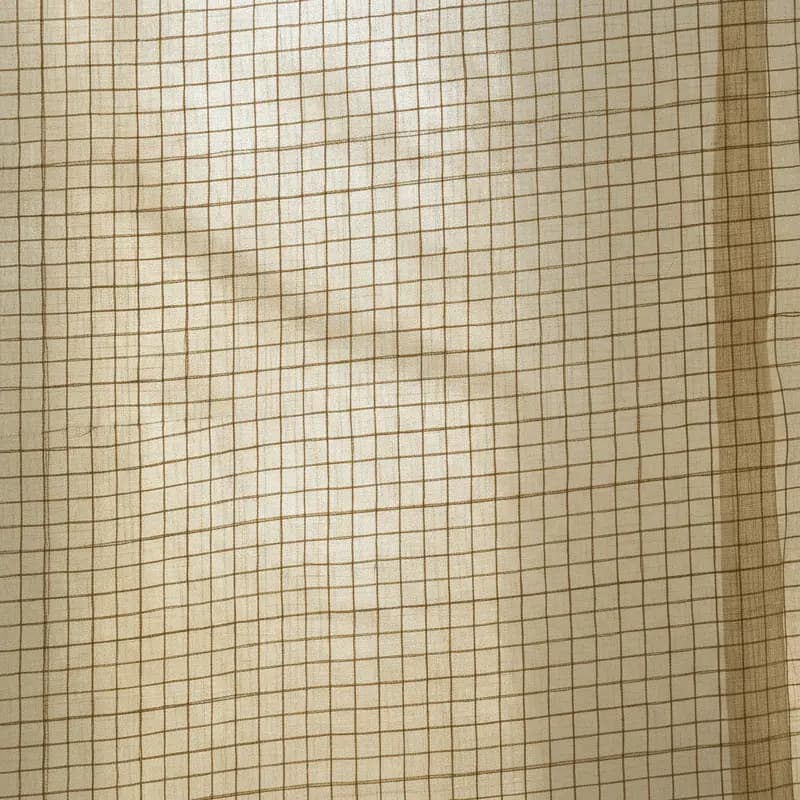
What makes Kota Doria technically distinctive is its square-cell woven structure — the warp is alternated between cotton and silk threads, and the weft creates interlocking cells that give the fabric its characteristic transparent square pattern when held to light. This structure makes the fabric naturally breathable and lightweight while maintaining dimensional stability — a brilliantly practical solution to the challenge of formal ethnic wear in hot climates.
How to Identify Authentic Kota Doria
- The light test — hold the fabric up to light. Genuine Kota Doria shows a beautiful grid-like pattern of transparent squares (khat). This cannot be replicated in machine-made or printed imitations.
- Weight — genuine Kota Doria is extraordinarily light; a 6-metre saree should weigh very little. Heavier fabric claiming to be Kota Doria is likely blended.
- Touch test — authentic Kota has a slightly crisp, stiff hand feel due to the cotton-silk blend; it should feel cool against the skin.
- Check for Kaithoon origin — traditional Kota Doria comes from Kaithoon village. Look for this in product descriptions.
- Price check — good quality handloom Kota Doria should be Rs 2,000–5,000 for a plain saree. Very cheap options may be machine-made.
Types of Kota Doria
| Type | Weight | Price Range | Best For |
|---|---|---|---|
| Plain Kota Doria | Very Light | Rs 800 – Rs 4,000 | Daily wear, office, summer |
| Printed Kota Doria | Very Light | Rs 1,200 – Rs 6,000 | Casual festive, gifting, travel |
| Zari Border Kota | Light | Rs 2,000 – Rs 10,000 | Festive, semi-formal |
| Hand Block Print Kota | Very Light | Rs 2,500 – Rs 15,000 | Artisan fashion, occasions |
Best Brands for Kota Doria
On Amazon, Rajasthali (Rajasthan government), Avishi, and various Kota-based handloom sellers offer genuine Kota Doria. Satrani and Mimosa carry Kota Doria sarees in popular printed varieties. For block-printed Kota, look for sellers from Sanganer and Bagru who use Kota fabric with traditional Rajasthani block prints.
 COD Available
ishin
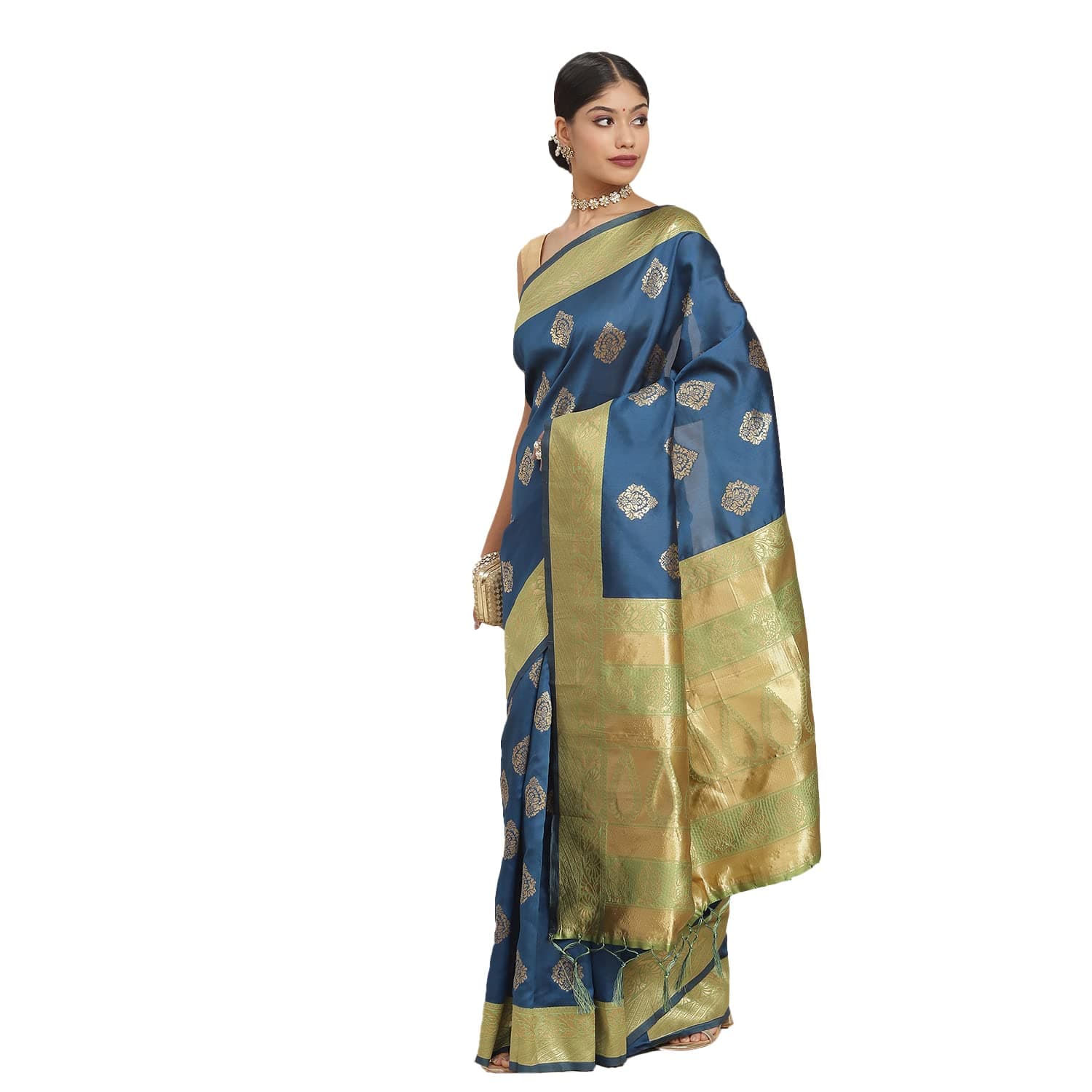
Ishin Women's Silk Blend Teal & Green Woven Design Saree with Blouse
 COD Available
ishin
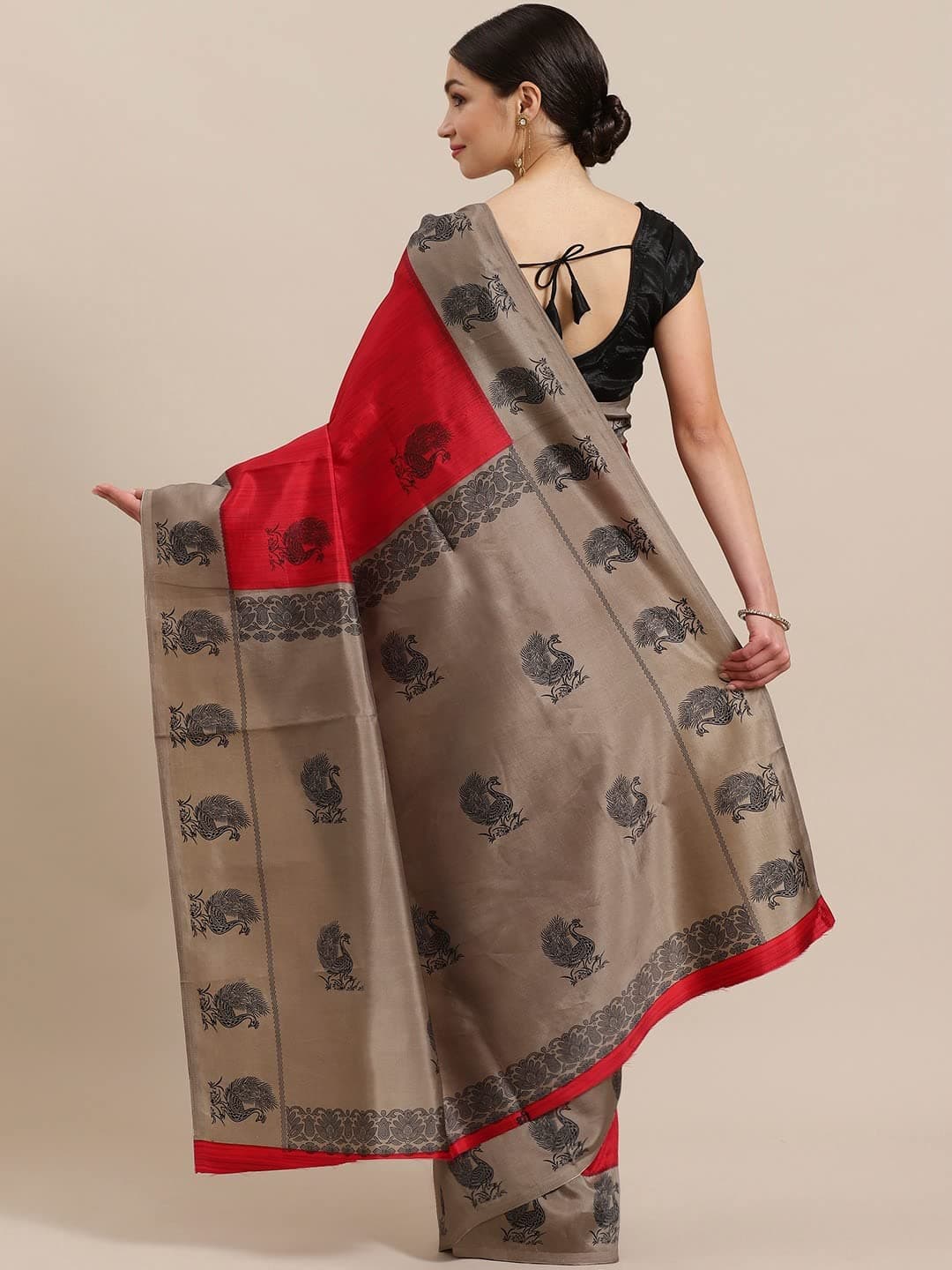
Ishin Women's Art Silk Maroon & Taupe Printed Saree
 COD Available
ishin
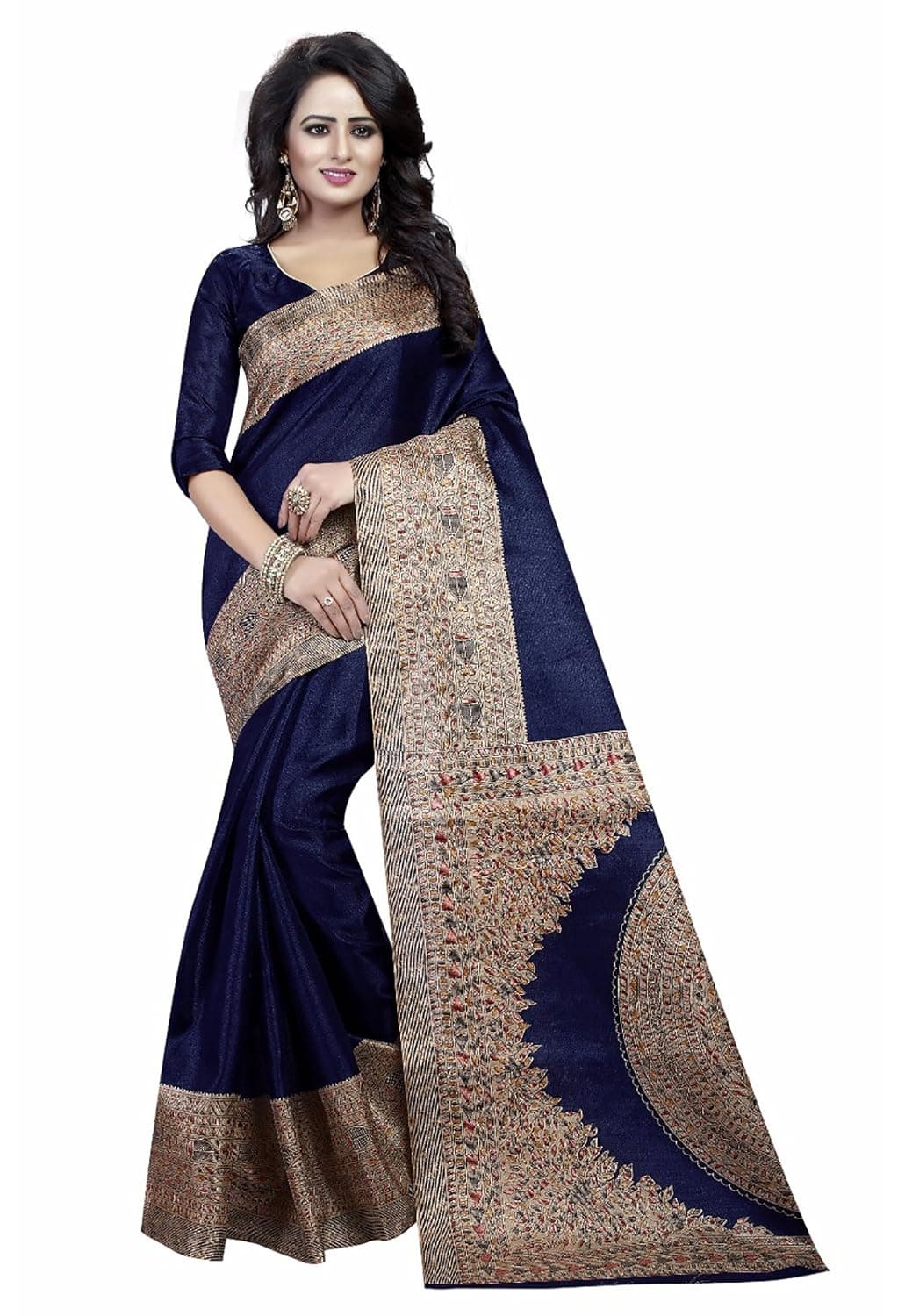
Ishin Women's Art Silk Navy Blue Saree with Blouse Piece
 COD Available
ishin
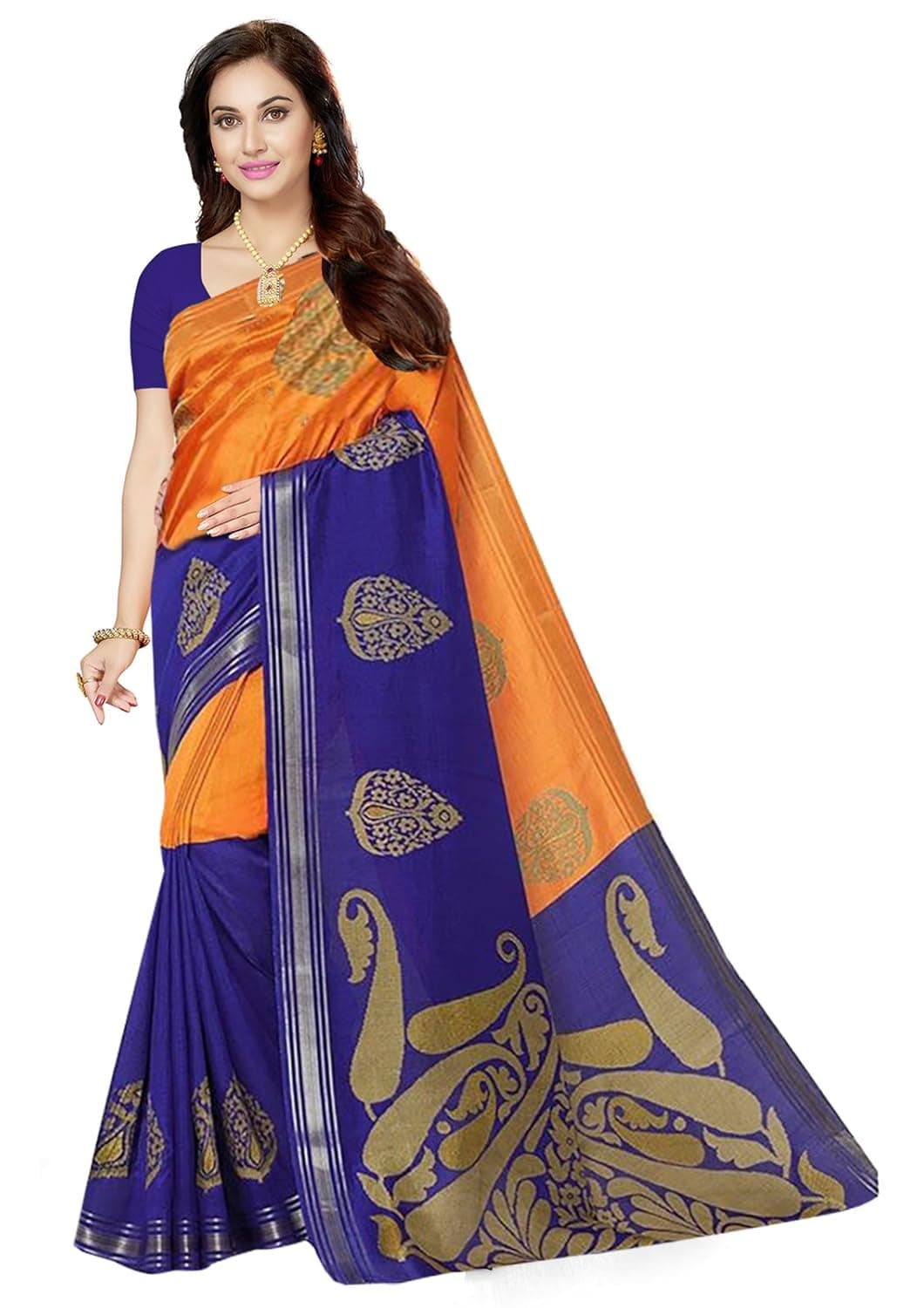
Ishin Women's Art Silk Dark Blue & Orange Saree with Blouse
 COD Available
mimosa
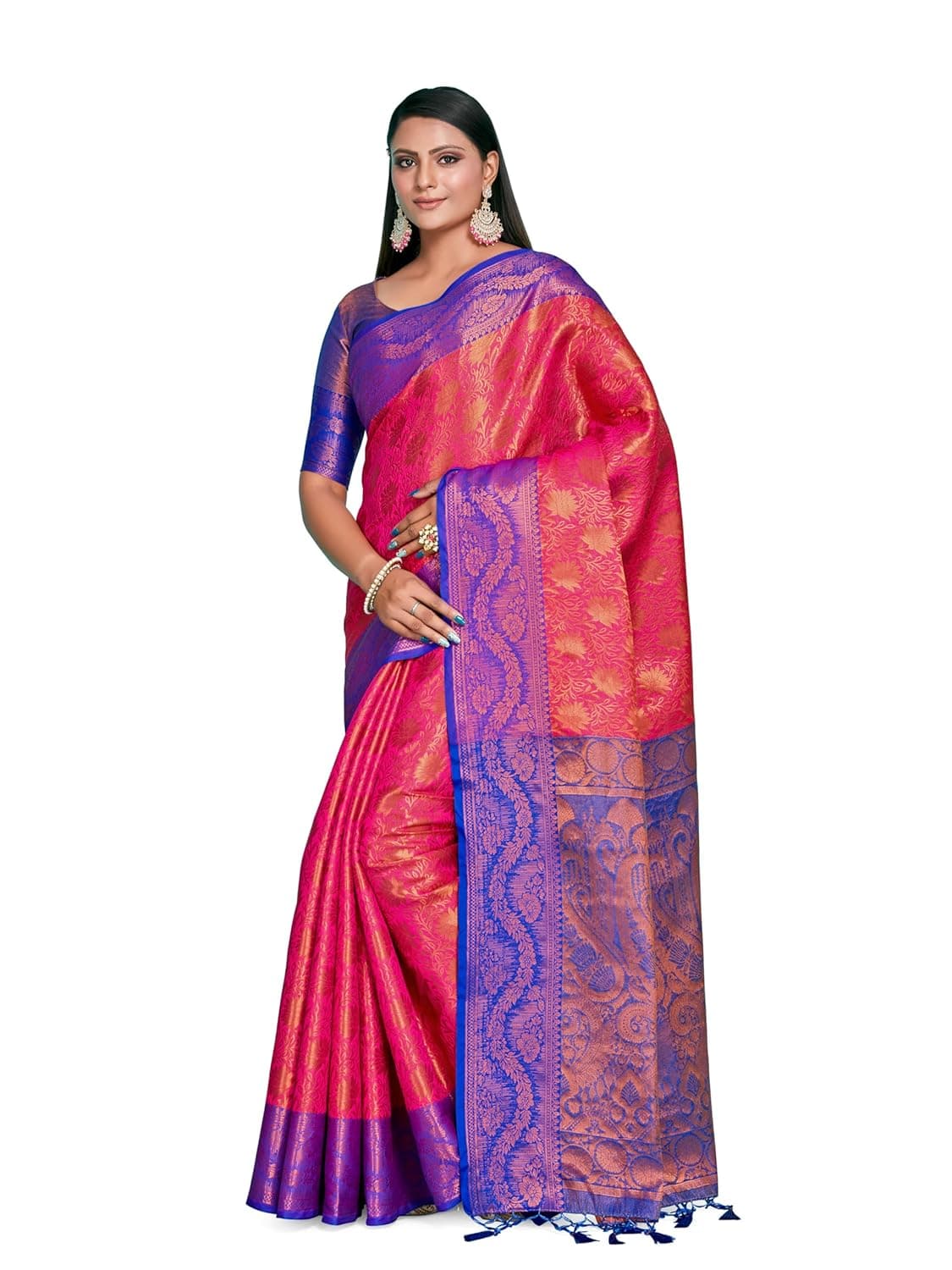
MIMOSA Women's Woven Design Kanjivaram Art Silk Saree Rani
 COD Available
mimosa
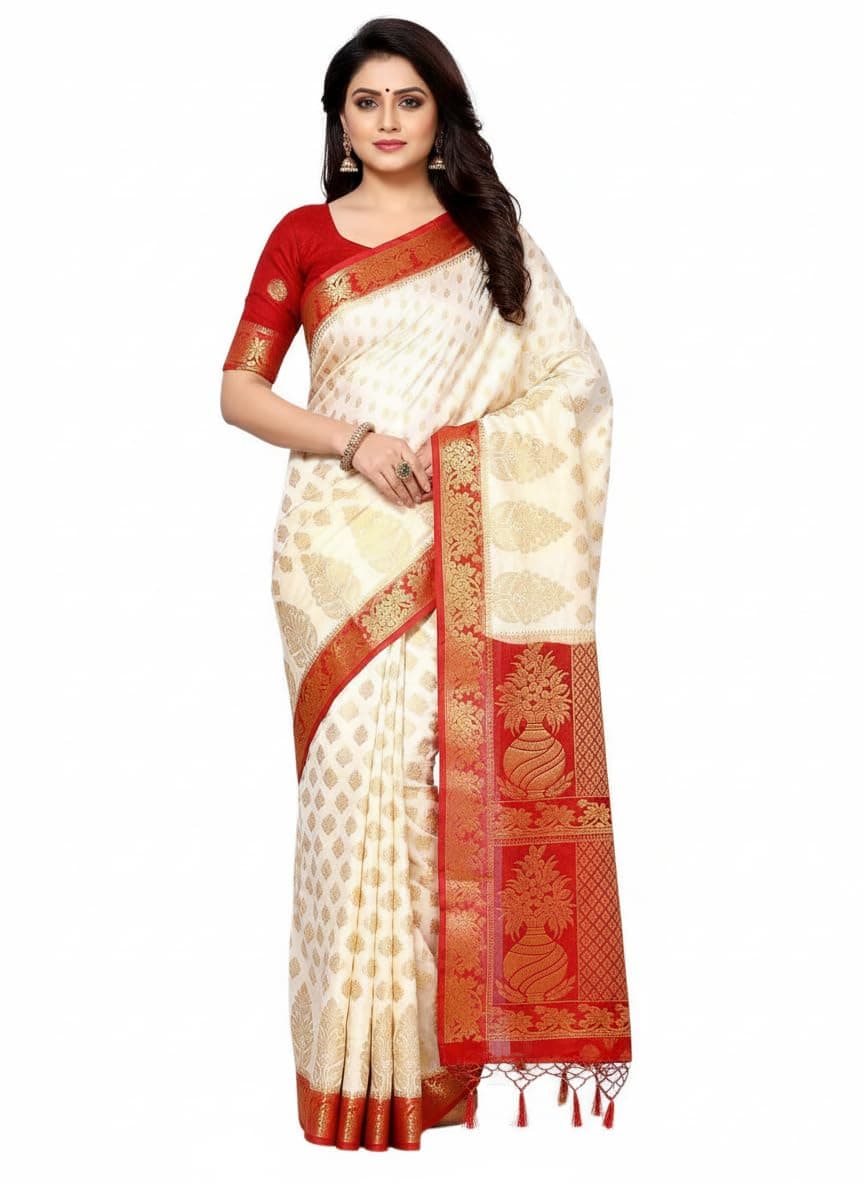
MIMOSA Women's Art Silk Saree Kanjivaram Style Beige
Price Guide
| Tier | Price Range | What You Get |
|---|---|---|
| Budget | Rs 800 – Rs 2,500 | Plain or simple printed Kota; machine or handloom; great for daily summer wear |
| Mid-Range | Rs 2,500 – Rs 7,000 | Handloom Kota with block prints or zari border; festivals and regular ethnic occasions |
| Premium | Rs 7,000 – Rs 15,000+ | Hand block printed Kota with traditional motifs; natural dyes; artisan quality |
Care & Maintenance
- Plain Kota Doria can be hand-washed at home in cool water — it is one of the most washable ethnic fabrics.
- Printed versions — check colourfastness first; hand-wash gently in cool water or dry-clean for elaborate prints.
- Iron at medium heat while slightly damp; Kota's crisp structure responds well to light pressing.
- Do not over-iron — excessive heat can damage the silk threads in the weave.
Styling Tips
Kota Doria's airy transparency means it needs a well-fitted, opaque blouse or a full slip underneath. The fabric looks stunning in pastels and white — colours that let the textural beauty of the weave shine through. For summer festive, pair a printed Kota with simple meenakari earrings and minimal jewellery. For office, a plain Kota in a sophisticated muted tone with a contrasting block-print blouse is both practical and polished.
OUR VERDICT
Kota Doria is the must-have summer wardrobe staple for any Indian woman who wears ethnic — nothing else comes close for a combination of elegance, breathability, and wearability in hot weather. Stock at least two to three Kota Doria sarees in your ethnic wardrobe for the April–June season.