
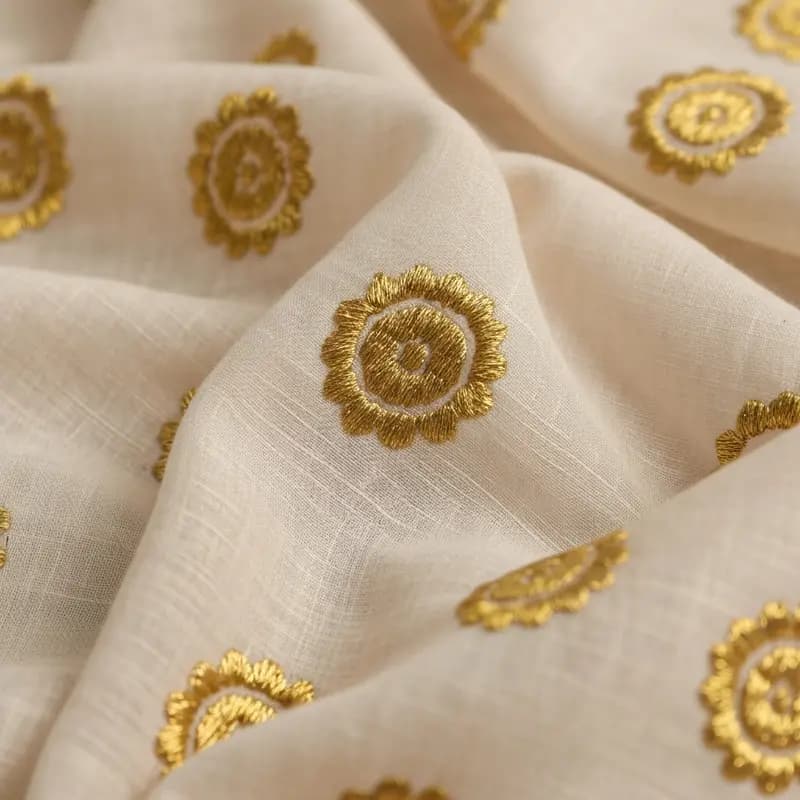
History & Origin
Chanderi weaving has a recorded history stretching back at least 600 years, with the Koshti weaving community practising the craft in Chanderi town, Ashoknagar district. The fabric gained patronage from the Mughal emperors — records show Chanderi cloth was used in royal court dress. The town of Chanderi was an important medieval trading centre on the Malwa Plateau, which brought textile influences from multiple regions together into the distinctive Chanderi aesthetic.
Traditional Chanderi weaving uses a silk warp and cotton weft (or pure silk or pure cotton combinations) on pit looms to create the characteristic lightweight fabric. The zari motifs — ashrafi (coin), dandidar (striped), and butidar (buti motifs in the body) — are woven in with supplementary weft technique, creating a shimmering three-dimensional effect on an otherwise sheer ground. Post-independence government support has helped modernise the craft while preserving its heritage techniques.
How to Identify Authentic Chanderi
- Transparency test — hold the fabric up to light. Genuine Chanderi is translucent to semi-transparent; a newspaper should be legible through a single layer of the fabric.
- Ashrafi or butidar motifs — authentic Chanderi typically has small woven-in zari or silk motifs (usually ashrafi coins or floral butis) in the body; these are integral to the weave, not printed.
- Weight — Chanderi is feather-light; a 6-metre saree should weigh almost nothing. Any 'Chanderi' saree that feels medium-heavy is not authentic.
- GI tag — genuine Chanderi carries GI certification; look for the hologram tag or Chanderi Silk Mark.
- Drape test — authentic Chanderi flows and drapes almost like a liquid; it has no stiffness or body.
Types of Chanderi
| Type | Weight | Price Range | Best For |
|---|---|---|---|
| Silk-Cotton Chanderi (most popular) | Very Light | Rs 2,000 – Rs 10,000 | Festive, office, daily ethnic |
| Pure Silk Chanderi | Very Light | Rs 6,000 – Rs 25,000 | Weddings, special occasions |
| Pure Cotton Chanderi | Very Light | Rs 1,500 – Rs 6,000 | Summer daily wear, office |
| Chanderi with Zari Work | Light | Rs 4,000 – Rs 20,000 | Festive, semi-formal |
Best Brands for Chanderi
On Amazon, look for Chanderi Silk House, MP Handloom, and sellers specifically from Ashoknagar, Madhya Pradesh. Government outlets like MP Emporium and Mrignayanee carry certified Chanderi. Satrani and Mimosa offer Chanderi sarees at accessible prices for everyday ethnic occasions.
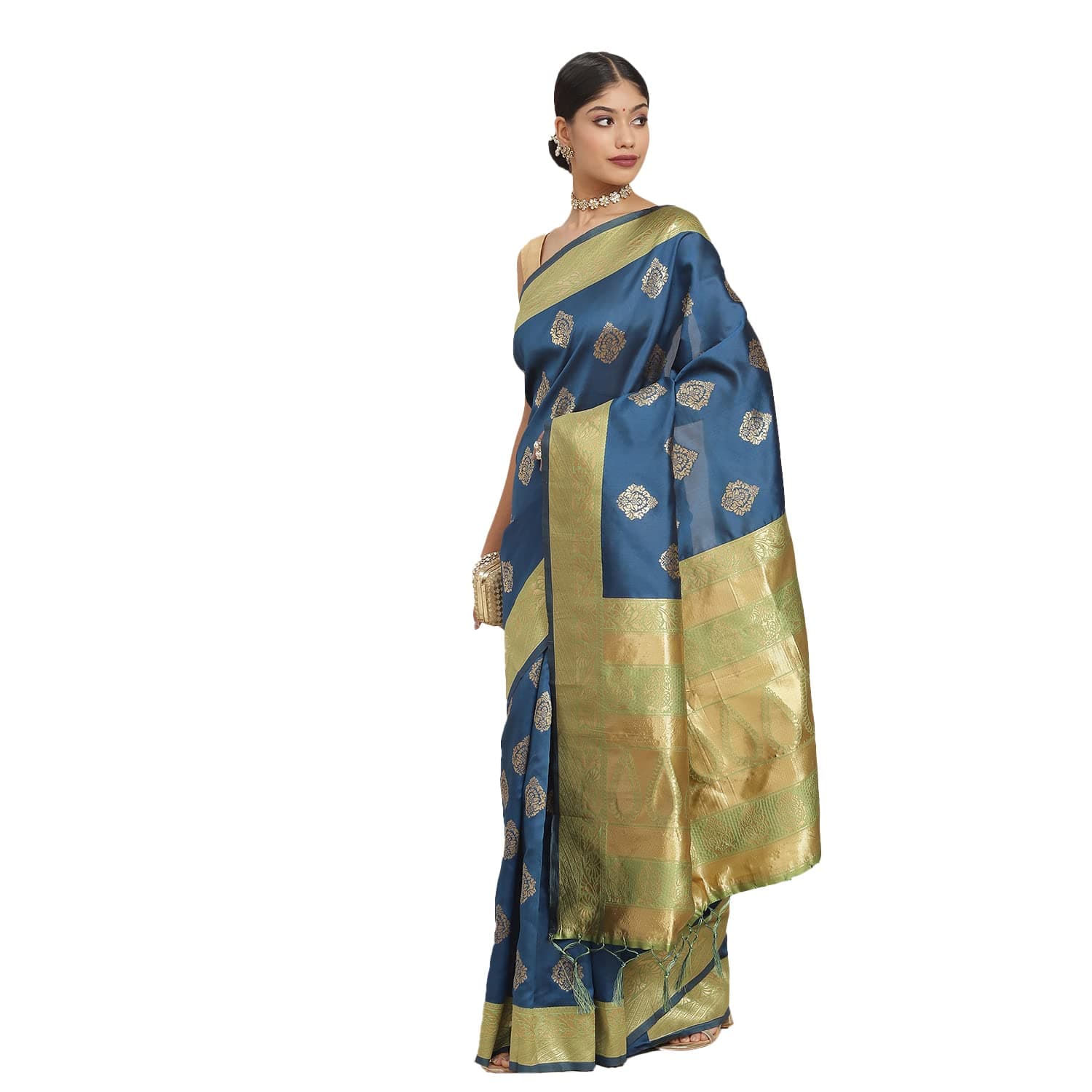 COD Available
ishin
Ishin Women's Silk Blend Teal & Green Woven Design Saree with Blouse
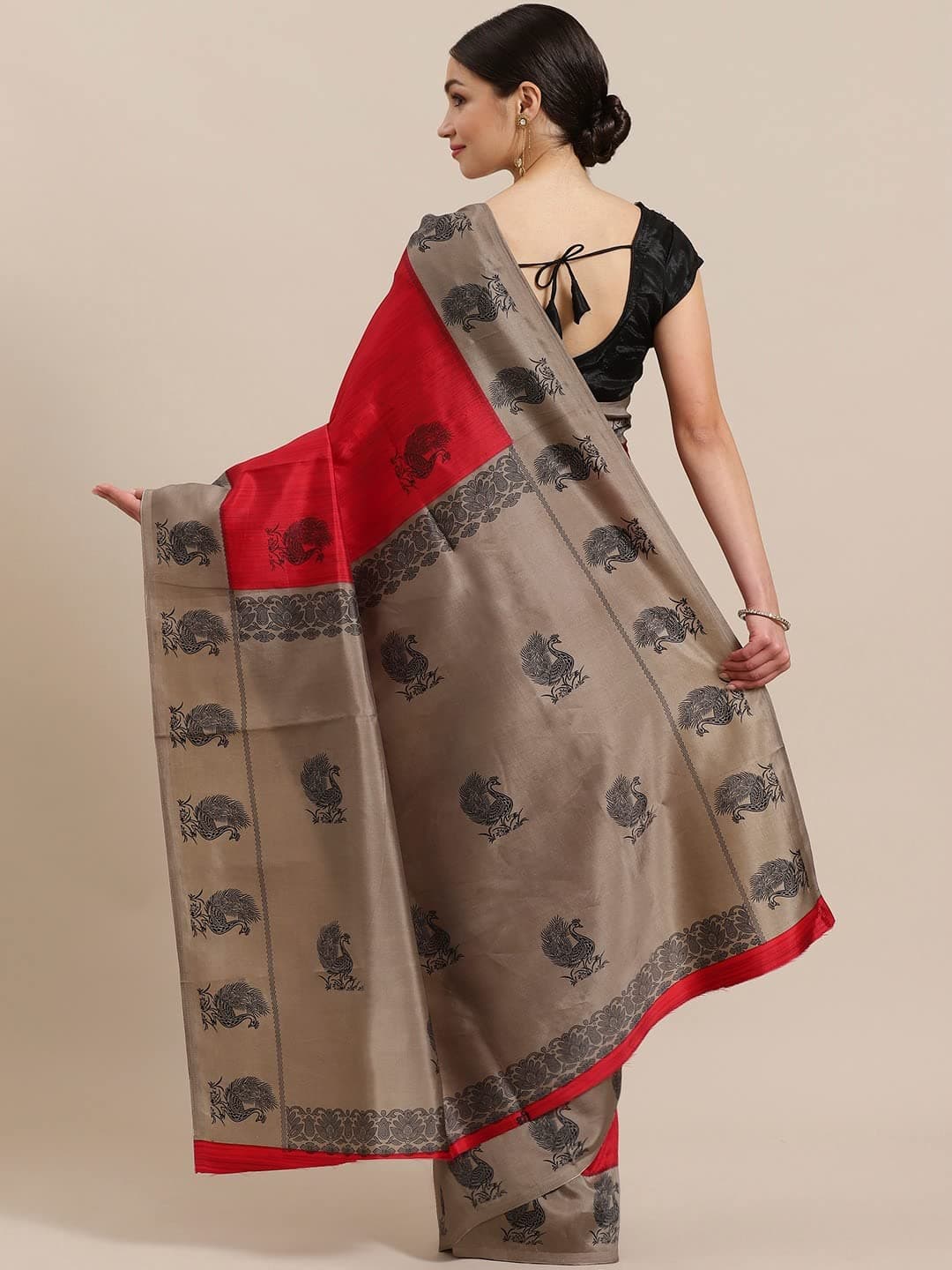 COD Available
ishin
Ishin Women's Art Silk Maroon & Taupe Printed Saree
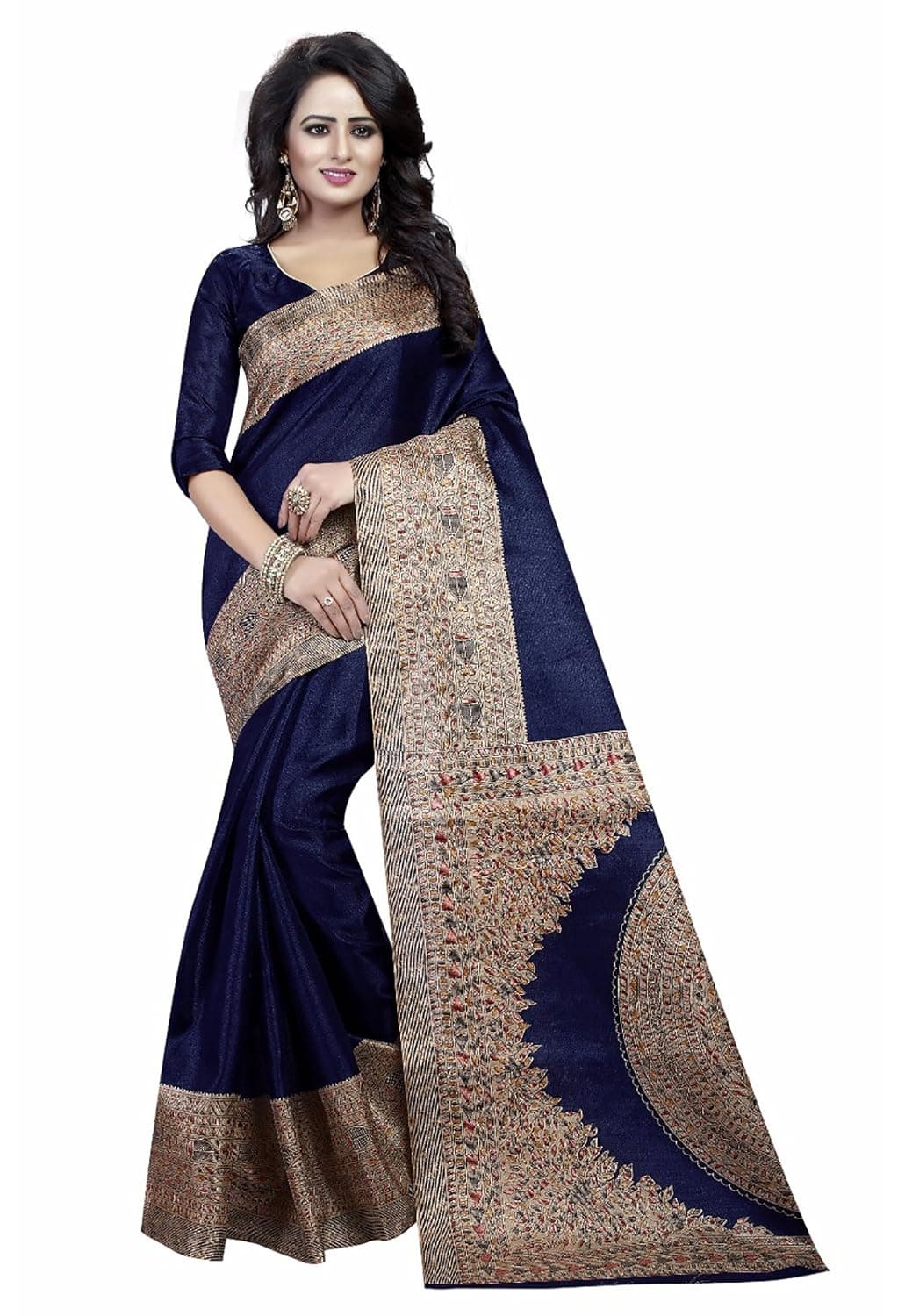 COD Available
ishin
Ishin Women's Art Silk Navy Blue Saree with Blouse Piece
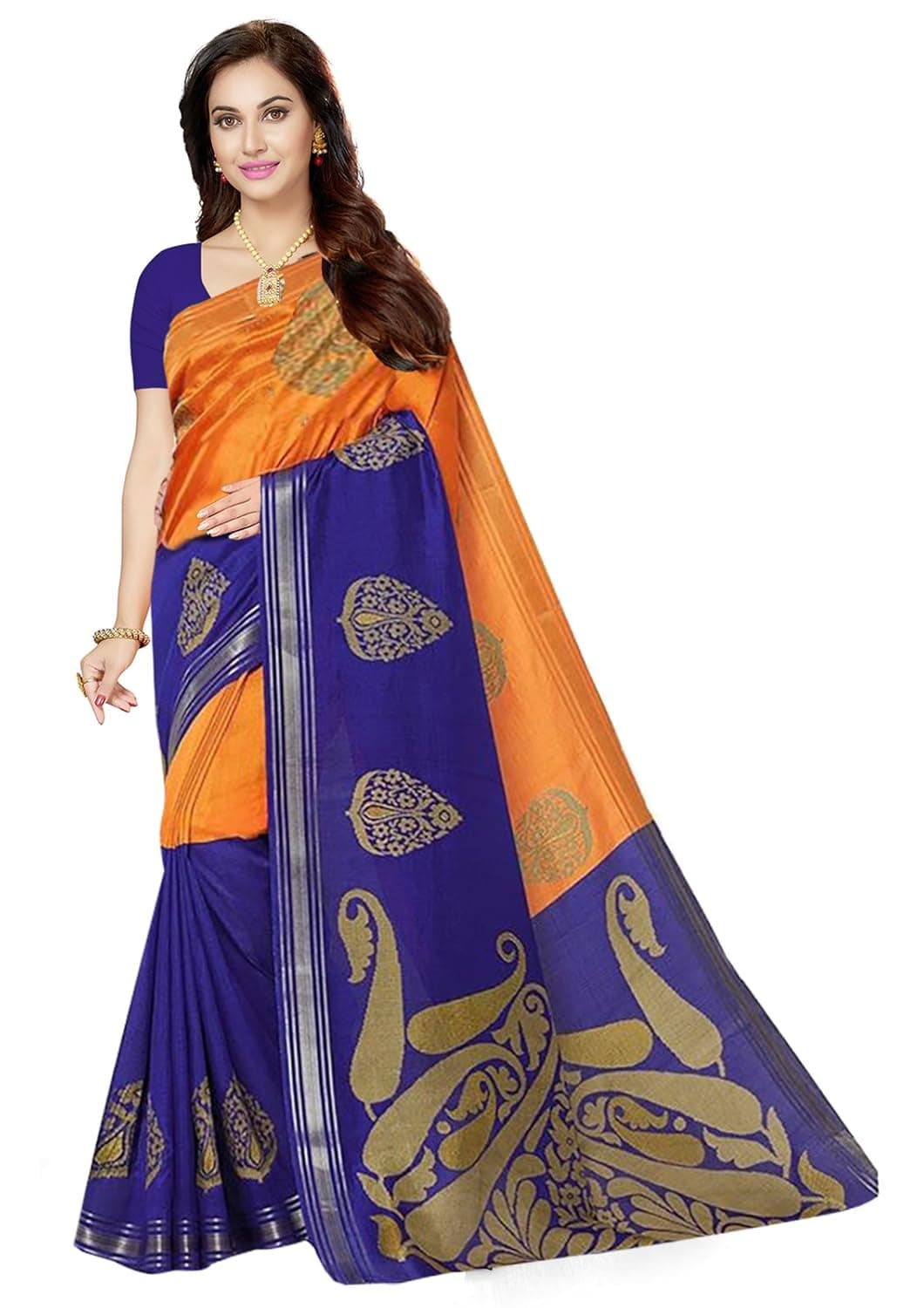 COD Available
ishin
Ishin Women's Art Silk Dark Blue & Orange Saree with Blouse
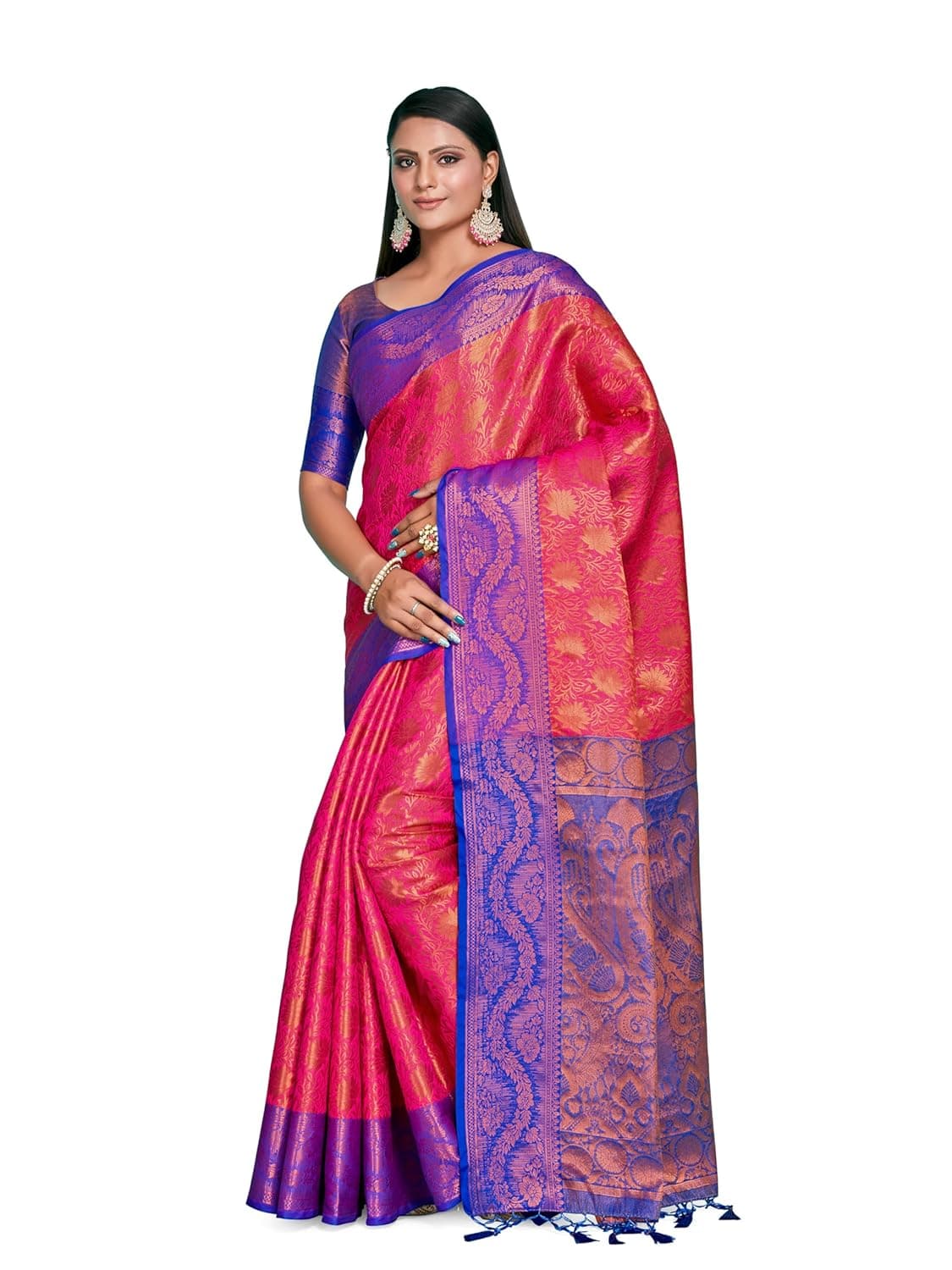 COD Available
mimosa
MIMOSA Women's Woven Design Kanjivaram Art Silk Saree Rani
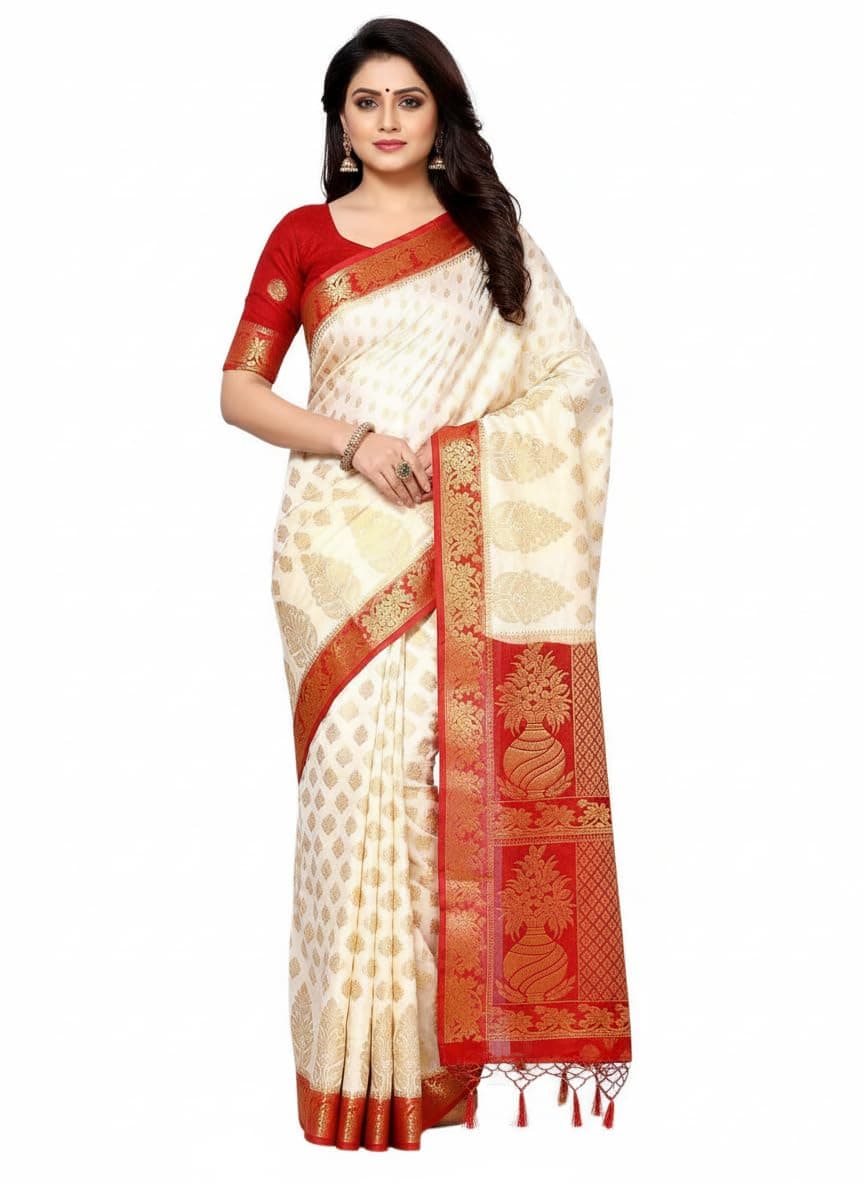 COD Available
mimosa
MIMOSA Women's Art Silk Saree Kanjivaram Style Beige
Price Guide
| Tier | Price Range | What You Get |
|---|---|---|
| Budget | Rs 1,500 – Rs 4,000 | Pure cotton or silk-cotton Chanderi; simple motifs; excellent daily and office wear |
| Mid-Range | Rs 4,000 – Rs 12,000 | GI certified silk-cotton Chanderi with traditional motifs and zari border; festive wear |
| Premium | Rs 12,000 – Rs 25,000+ | Pure silk Chanderi with real zari work; collector quality; bridal and wedding use |
Care & Maintenance
- Dry-clean is recommended for zari-work Chanderi; plain silk-cotton Chanderi can be very gently hand-washed in cold water.
- Never wring or scrub — the delicate weave can distort easily; squeeze very gently and roll in a cotton towel to remove excess water.
- Dry flat in the shade; never hang Chanderi as the wet weight can stretch the delicate fabric.
- Iron at very low heat through a soft pressing cloth; Chanderi can scorch or develop sheen marks with direct iron contact.
Styling Tips
Chanderi's gossamer quality creates a particularly feminine, ethereal look. Pastel Chanderis are among the most beautiful sarees for spring and summer weddings as a guest. Pair with simple gold jewellery — a thin chain and small earrings. Avoid chunky jewellery that overpowers the delicate fabric. For office, a printed Chanderi or one with a subtle geometric motif with a plain solid blouse is elegantly understated. Always wear a matching coloured silk petticoat.
OUR VERDICT
Chanderi belongs in every Indian woman's wardrobe for the June–October season — it is the only fabric that manages to be festive, lightweight, and genuinely beautiful all at once. For anyone intimidated by heavy occasion silks, Chanderi is the perfect introduction to silk sarees.