
History & Origin
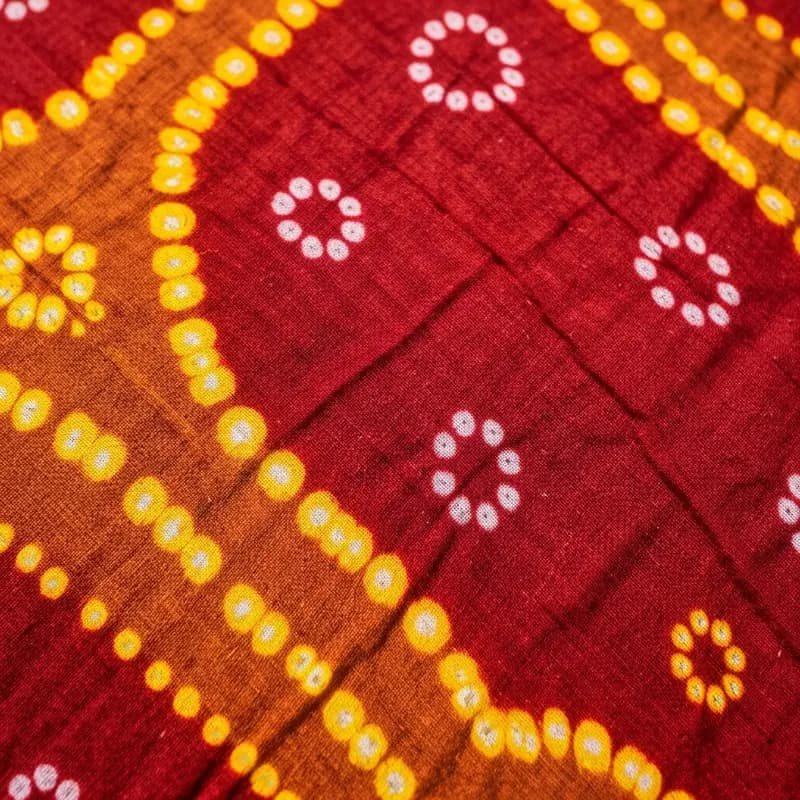
Bandhani originated in Kutch and Jamnagar districts of Gujarat, with the Khatri community holding the craft for generations. Mentions of tie-dye appear in ancient texts including the Harshacharita (7th century AD), and archaeological evidence from Mohenjo-daro suggests the technique predates written history. The craft flourished under Rajput and Mughal patronage, with royal courts demanding elaborate bandhani sarees for weddings and ceremonies.
Today, Jamnagar remains the most prolific centre for bandhani, known locally as 'Jamnagari bandhani.' Kutchi bandhani from the Khatri craftspeople tends to be more intricate and commands premium prices. The craft received Geographical Indication (GI) status in 2013, protecting its identity and ensuring only Gujarat-origin pieces can carry the GI certification.
How to Identify Authentic Bandhani
- Hold the fabric up to light — authentic bandhani dots appear as raised nubs on the surface with slight unevenness typical of hand-tying
- Check the reverse side — real bandhani shows white or lighter centres in each tied dot when unfurled; machine-printed imitations lack this hollow centre
- Feel the texture — hand-tied bandhani has a characteristic puckered texture across the cloth; prints are perfectly flat
- Look for the GI tag or craft documentation from reputable sellers — genuine Jamnagari or Kutchi bandhani will often come with seller provenance details
Types / Varieties
| Type | Characteristic | Price Range | Best For |
|---|---|---|---|
| Shikargah Bandhani | Hunting scenes with animals and birds in dots | Rs 8,000 – Rs 25,000 | Weddings, heirloom pieces |
| Triveni Bandhani | Three-colour waves, typically on silk | Rs 3,500 – Rs 12,000 | Festivals, garba nights |
| Chungudi Bandhani | Small uniform dots in a grid pattern | Rs 800 – Rs 4,000 | Daily wear, dupattas |
| Leheriya Bandhani (fusion) | Diagonal wave pattern combined with bandhani dots | Rs 2,000 – Rs 8,000 | Casual, festive fusion |
Best Brands
For authentic bandhani, look for brands that source directly from Kutch or Jamnagar artisans. Biba offers affordable bandhani-inspired prints that work for daily wear. For heirloom-grade pieces, boutique labels sourcing from Khatri craftspeople or GI-certified cooperatives are worth the premium. Online marketplaces like Jaypore and Gaatha curate verified artisanal bandhani.
 COD Available
ishin
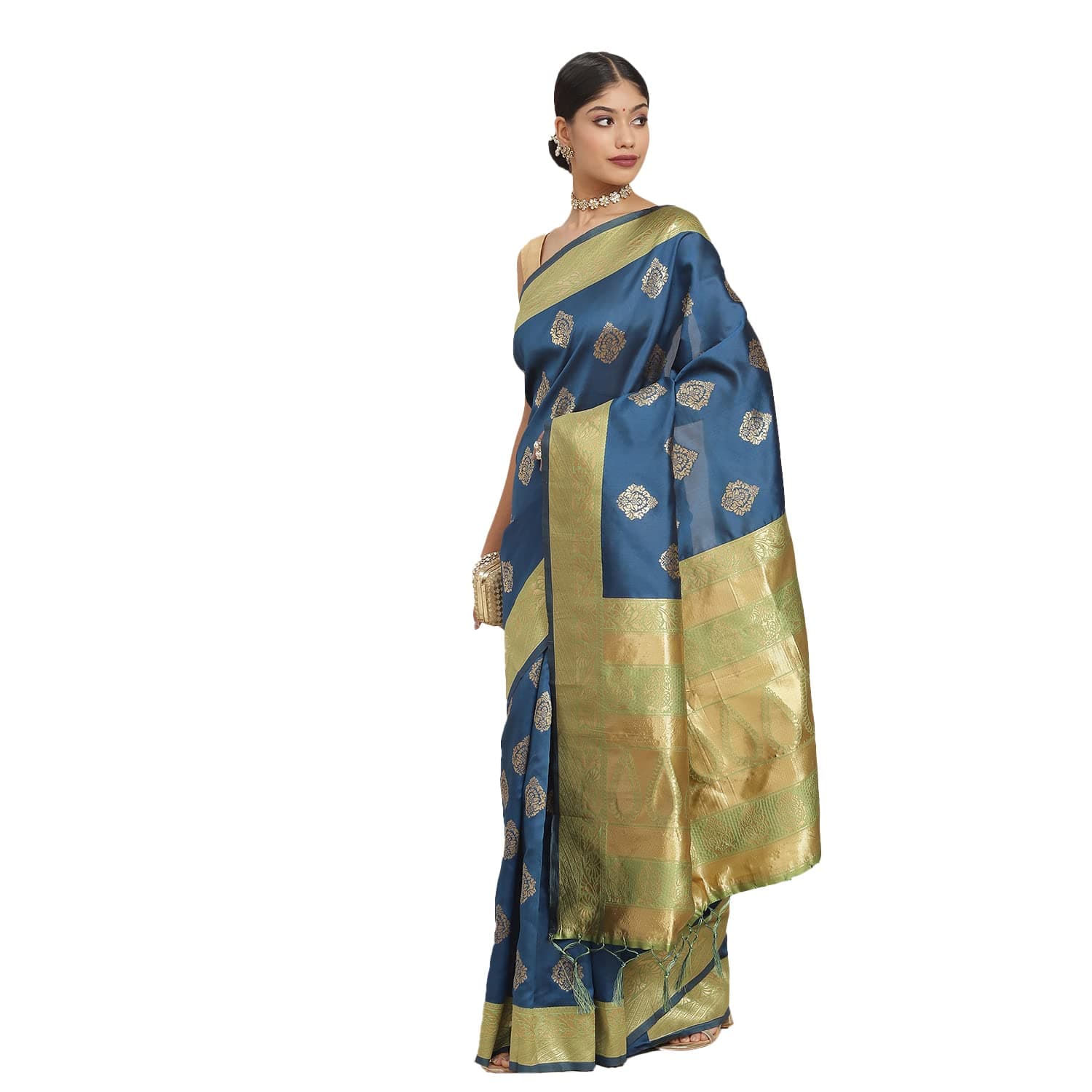
Ishin Women's Silk Blend Teal & Green Woven Design Saree with Blouse
 COD Available
ishin
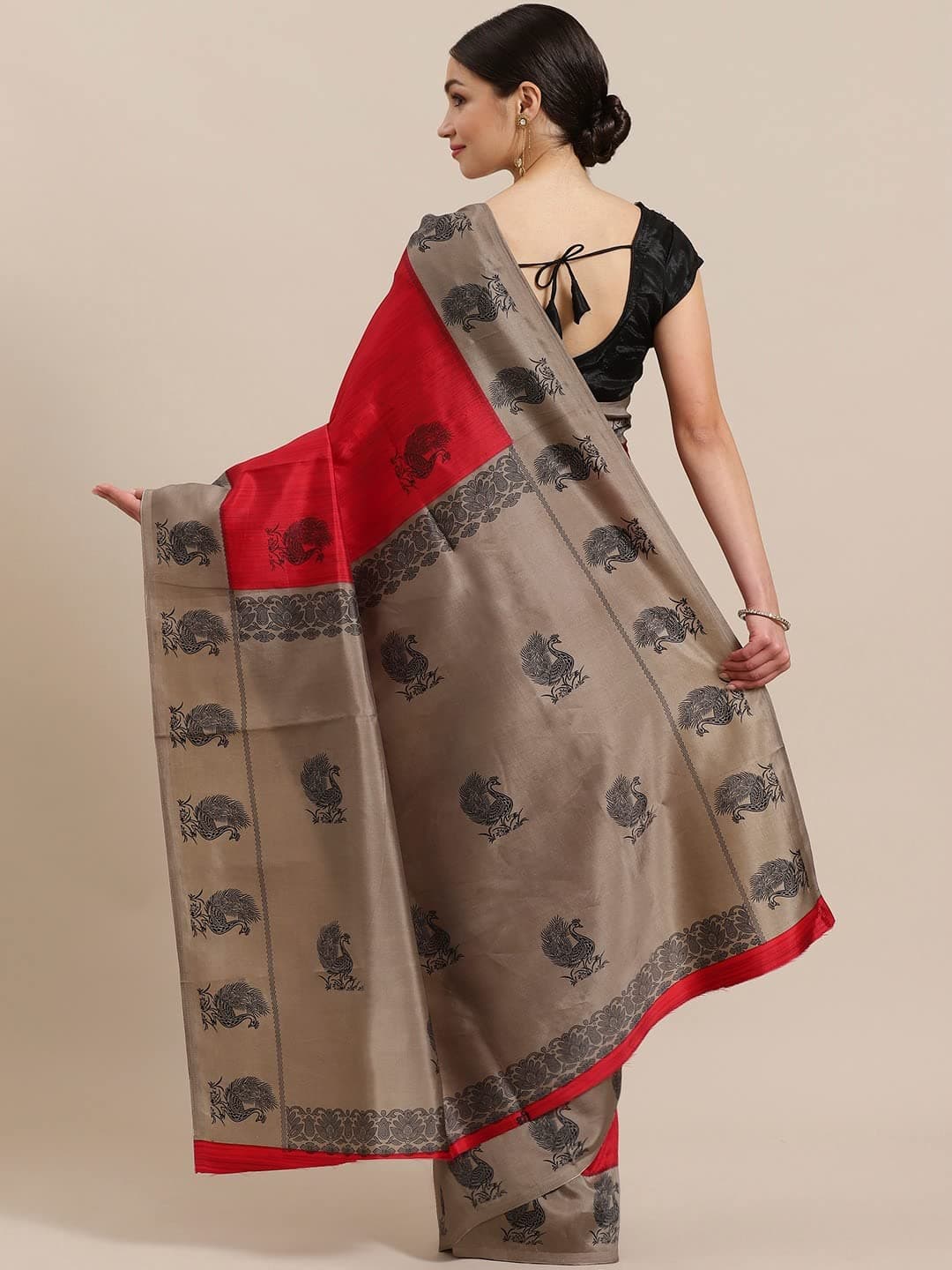
Ishin Women's Art Silk Maroon & Taupe Printed Saree
 COD Available
ishin
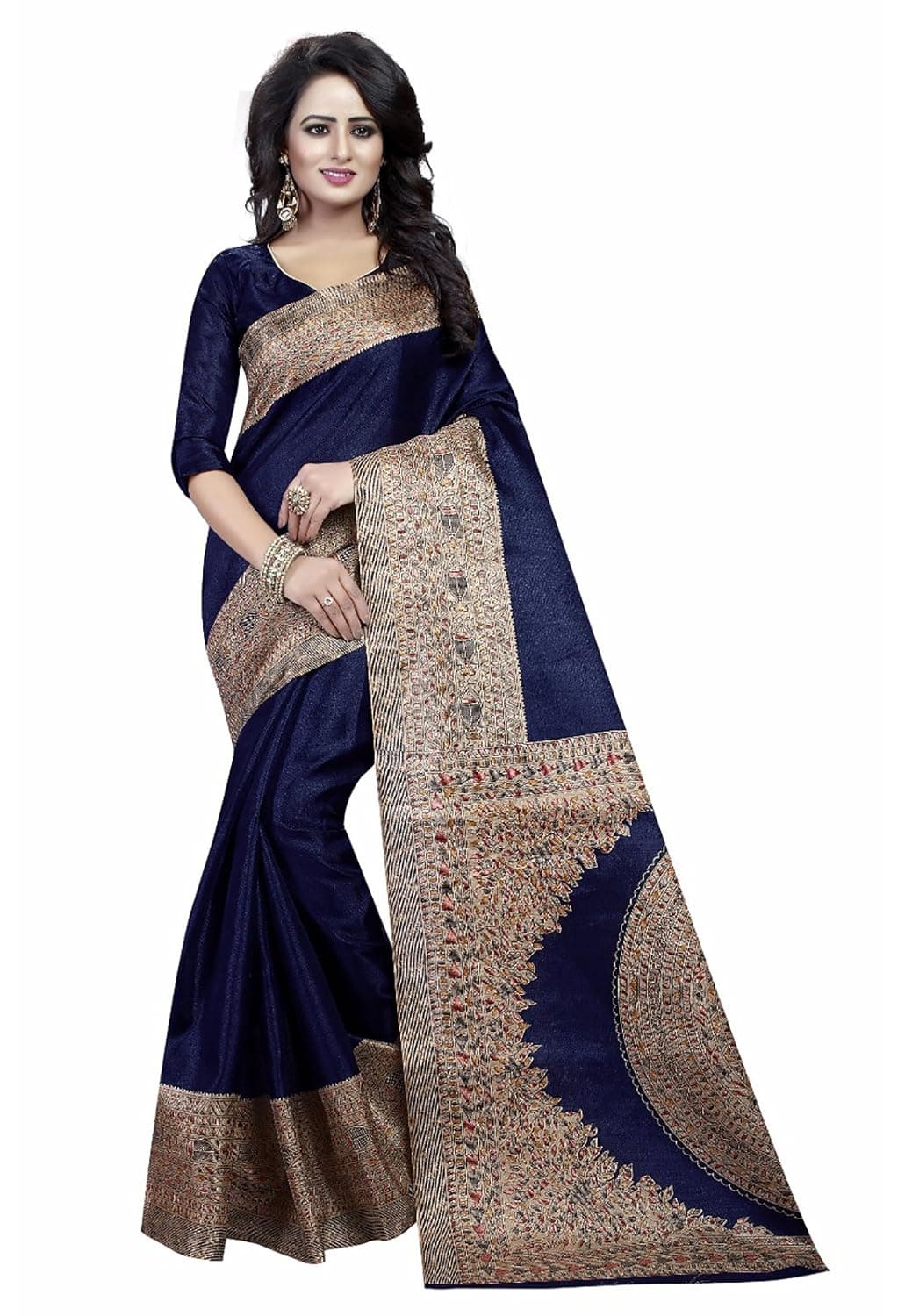
Ishin Women's Art Silk Navy Blue Saree with Blouse Piece
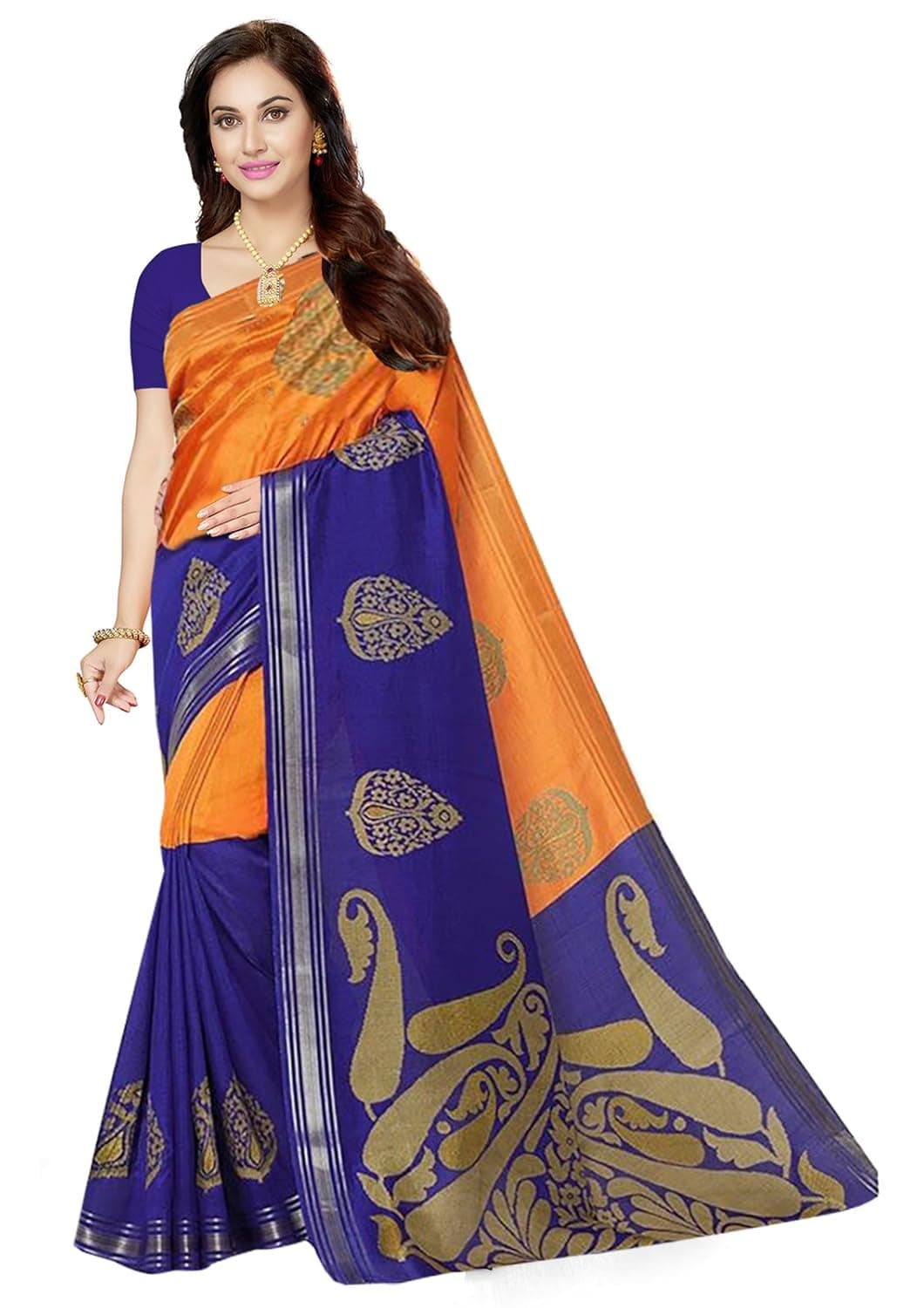 COD Available
ishin
Ishin Women's Art Silk Dark Blue & Orange Saree with Blouse
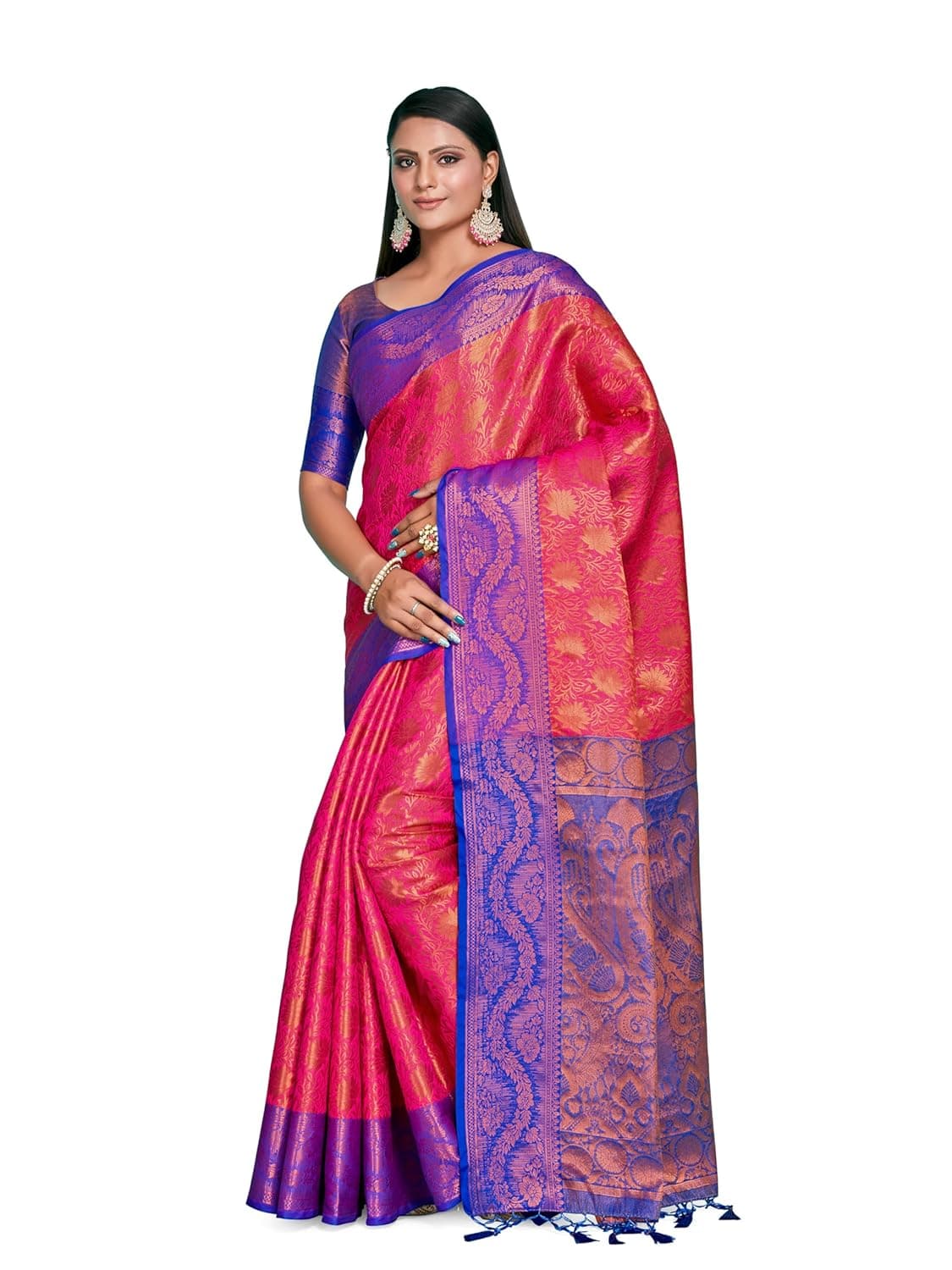 COD Available
mimosa
MIMOSA Women's Woven Design Kanjivaram Art Silk Saree Rani
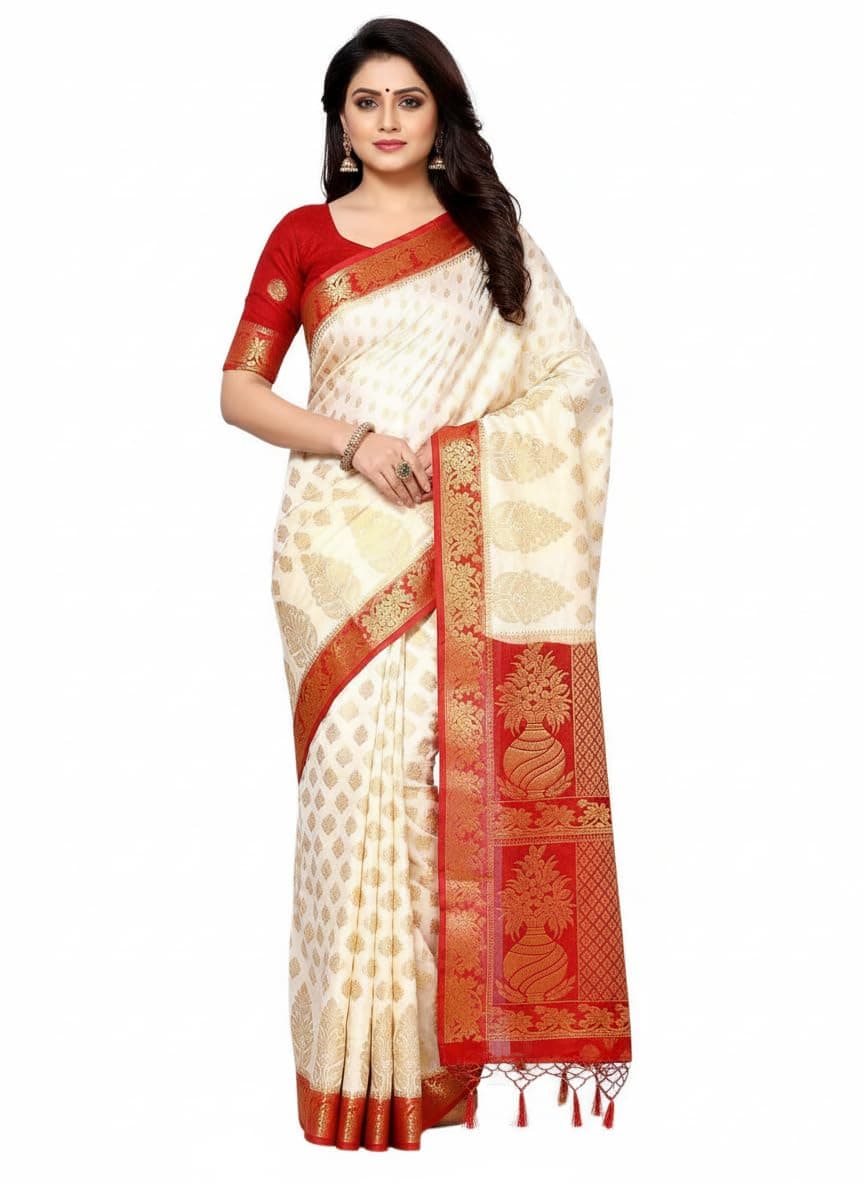 COD Available
mimosa
MIMOSA Women's Art Silk Saree Kanjivaram Style Beige
Price Guide
| Tier | Price Range | What You Get |
|---|---|---|
| Entry | Rs 800 – Rs 2,500 | Printed bandhani imitation on georgette or cotton; good colour, no texture |
| Mid | Rs 2,500 – Rs 8,000 | Genuine hand-tied bandhani on cotton or mal-mal, moderate dot density |
| Premium | Rs 8,000 – Rs 25,000+ | Fine silk bandhani from Kutch or Jamnagar, high dot density, GI certified |
Care & Maintenance
- Hand wash in cold water with mild detergent — machine washing can loosen the tied knots on antique or lightly treated pieces
- Do not wring; roll in a towel to remove excess water and dry flat in shade to prevent colour bleeding
- First wash separately — bandhani dyes (especially reds and magentas) can bleed significantly in the initial washes
- Store folded in muslin cloth rather than plastic to allow the fabric to breathe and prevent colour transfer
Styling Tips
Bandhani shines at festive occasions. A classic pairing is a red or yellow bandhani saree with gold jewellery for Navratri or Diwali. For a contemporary look, try a bandhani dupatta over a solid-colour kurta — the texture contrast is striking. Bandhani kurtis in white or pastel tones work beautifully for office wear, keeping the look polished without being overly ornate. Avoid mixing bandhani with other heavy prints; let it be the focal point.
OUR VERDICT
Bandhani is one of India's most joyful textiles — its dots carry centuries of craft and culture. Whether you buy a Rs 1,200 printed dupatta or invest in a Rs 15,000 Kutchi silk saree, the key is knowing what you're buying. Authentic bandhani is always worth the premium for special occasions, while high-quality prints serve everyday styling needs without compromise.