
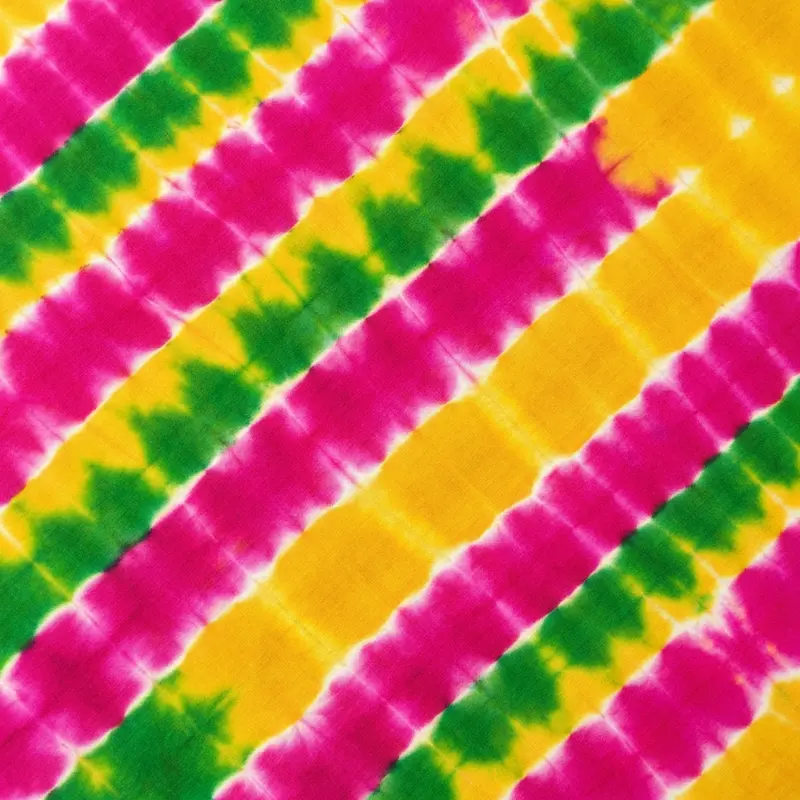
History & Origin
Leheriya has been documented in Rajasthan for at least 400 years, associated with the Rangi and Neelgar (dyer) communities of Jaipur. The technique was closely linked to royal patronage — Rajput queens and noblewomen wore elaborate multi-colour leheriya sarees for monsoon festivals. The craft was historically restricted to specific dye communities who held the technique as proprietary knowledge passed through generations.
Contemporary leheriya has expanded significantly beyond its traditional range. While classic leheriya features 2–3 diagonal stripe colours on cotton or silk, modern artisans create complex multi-directional patterns called 'mothda' leheriya (where cloth is tied from both ends, creating diamond or zigzag effects) and fusion designs using georgette and chiffon bases for contemporary wear.
How to Identify Authentic Leheriya
- Check the stripe direction — authentic leheriya stripes run diagonally across the fabric (along the bias); printed imitations may show perfectly straight or non-diagonal stripes
- Look for colour transition zones — genuine leheriya shows soft, graduated blending between colours where the tied sections abutted each other during dyeing; printed versions have sharp, clean colour edges
- Examine the fabric from the back — real tie-dye penetrates the entire cloth thickness; printed leheriya stays on the surface
- Look for the nub texture — like bandhani, the areas where thread was tied during leheriya dyeing show slight texture variation in the finished cloth; very subtle but present in hand-tied pieces
Types / Varieties
| Type | Characteristic | Price Range | Best For |
|---|---|---|---|
| Classic Leheriya | Simple diagonal stripes, 2–4 colours, on cotton or cotton-silk | Rs 800 – Rs 5,000 | Festivals, everyday ethnic |
| Mothda Leheriya | Diamond/zigzag patterns from multi-directional tying, complex | Rs 3,000 – Rs 18,000 | Weddings, festive occasions |
| Pochampally Leheriya | Ikat-style wave on handloom cotton or silk | Rs 2,500 – Rs 12,000 | Sarees, formal ethnic |
| Printed Leheriya | Digital or screen print mimicking wave pattern | Rs 600 – Rs 2,500 | Budget casual wear, dupattas |
Best Brands
Rajasthali (Rajasthan government emporium) and regional craft fairs in Jaipur are reliable sources for authentic leheriya. Contemporary fashion labels like Anita Dongre and Ritu Kumar regularly feature leheriya in their seasonal collections using traditional Jaipur dyeing. For accessible everyday leheriya, Biba and W For Woman carry affordable leheriya-inspired prints that capture the aesthetic at accessible price points.
 COD Available
ishin
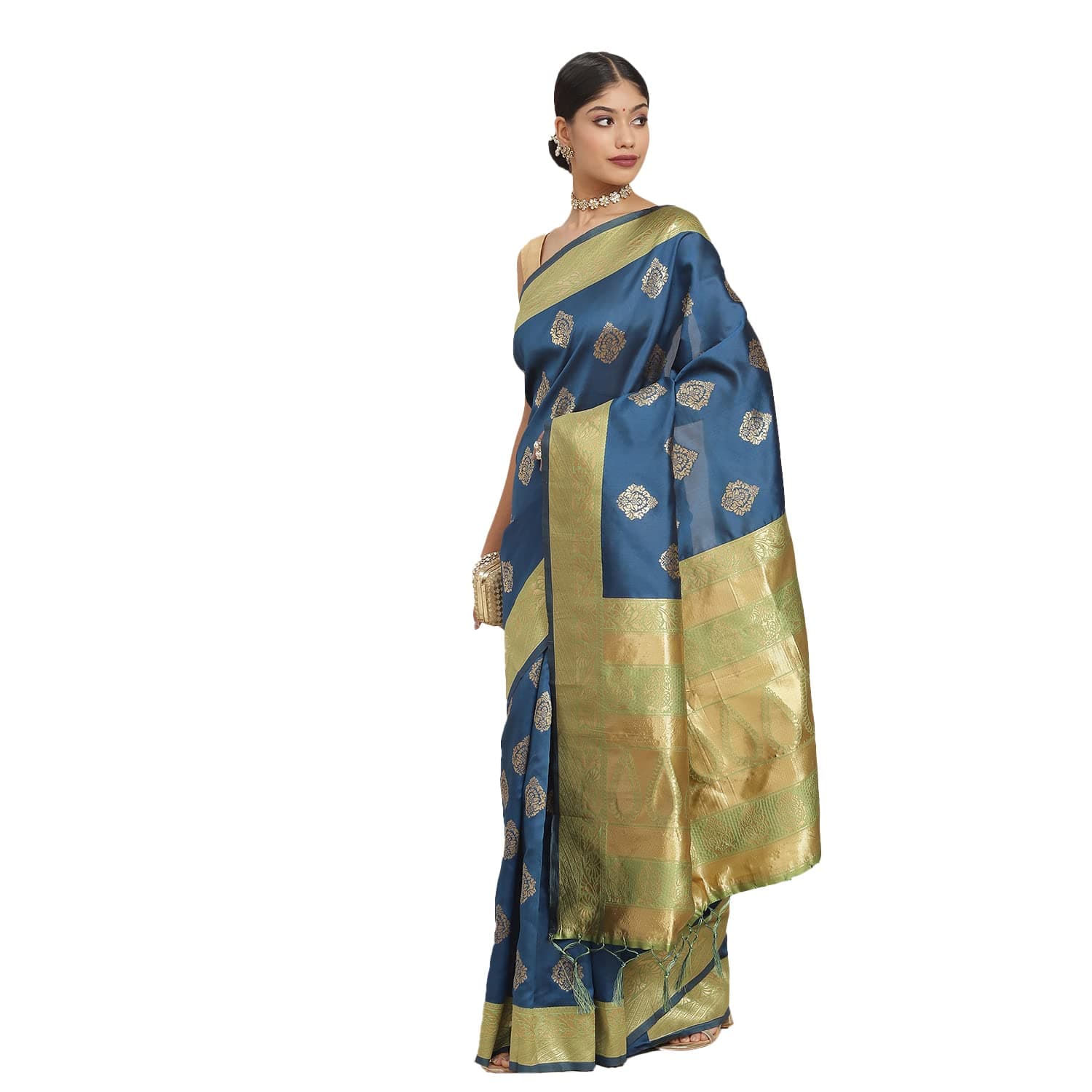
Ishin Women's Silk Blend Teal & Green Woven Design Saree with Blouse
 COD Available
ishin
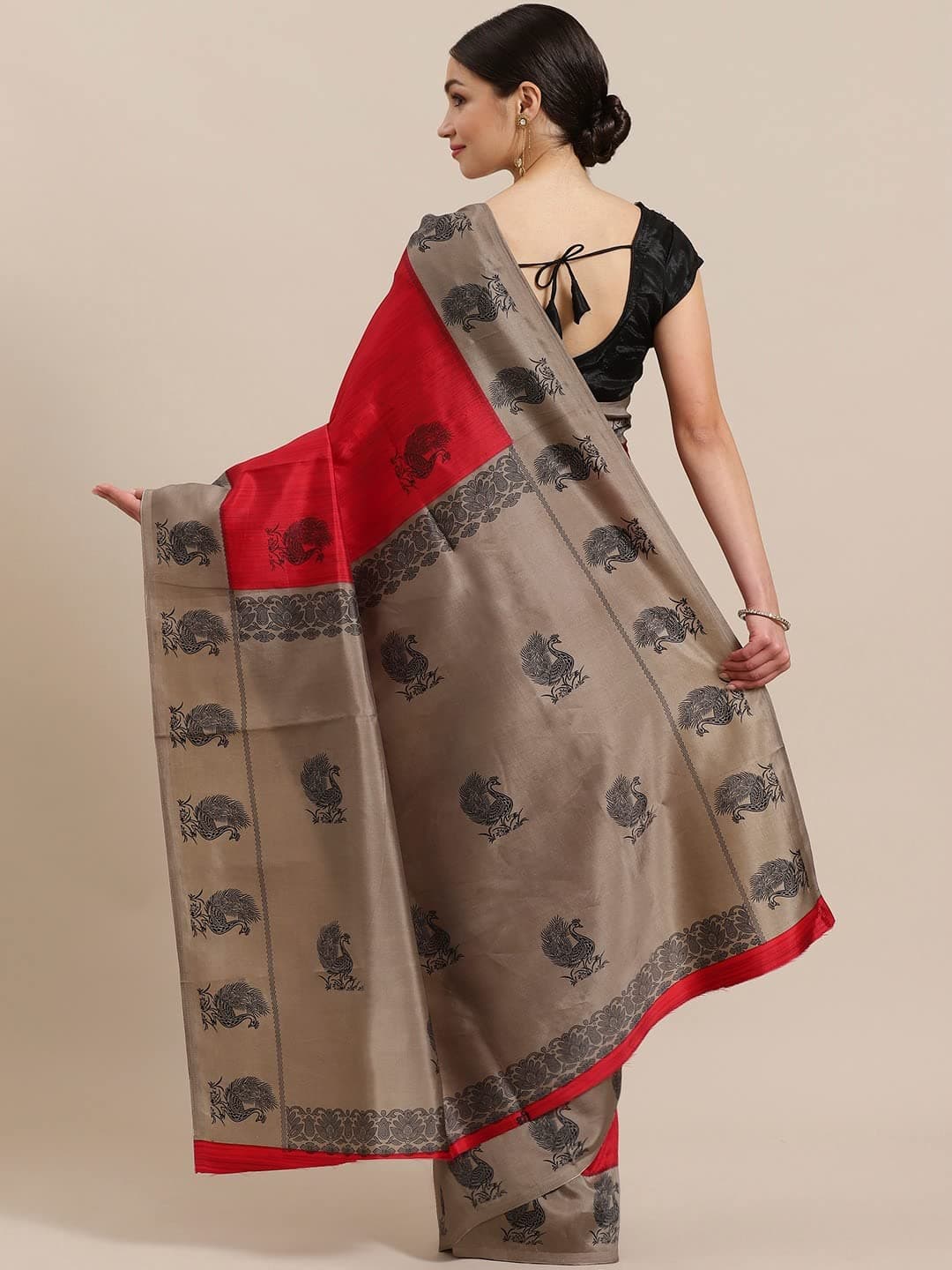
Ishin Women's Art Silk Maroon & Taupe Printed Saree
 COD Available
ishin
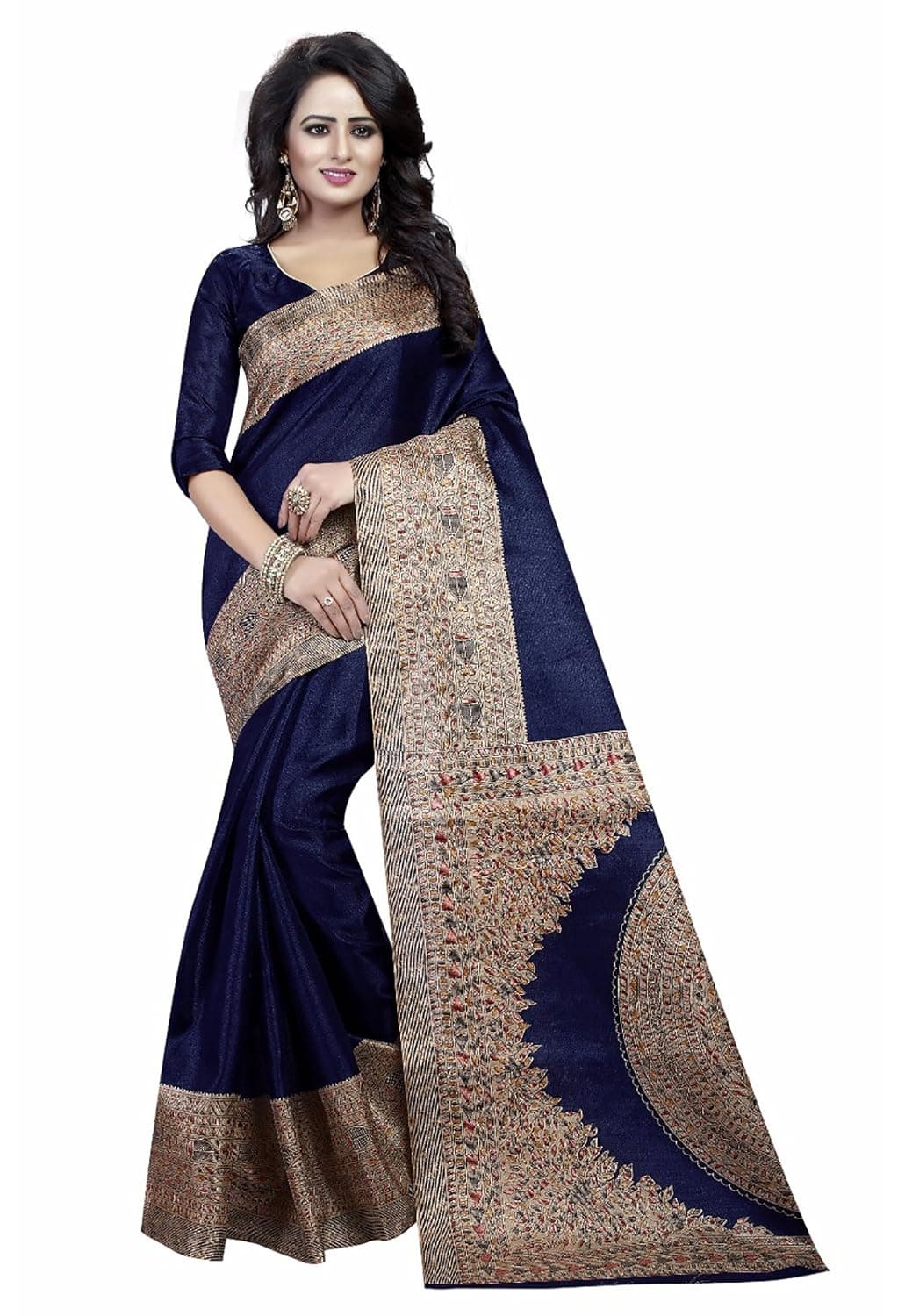
Ishin Women's Art Silk Navy Blue Saree with Blouse Piece
 COD Available
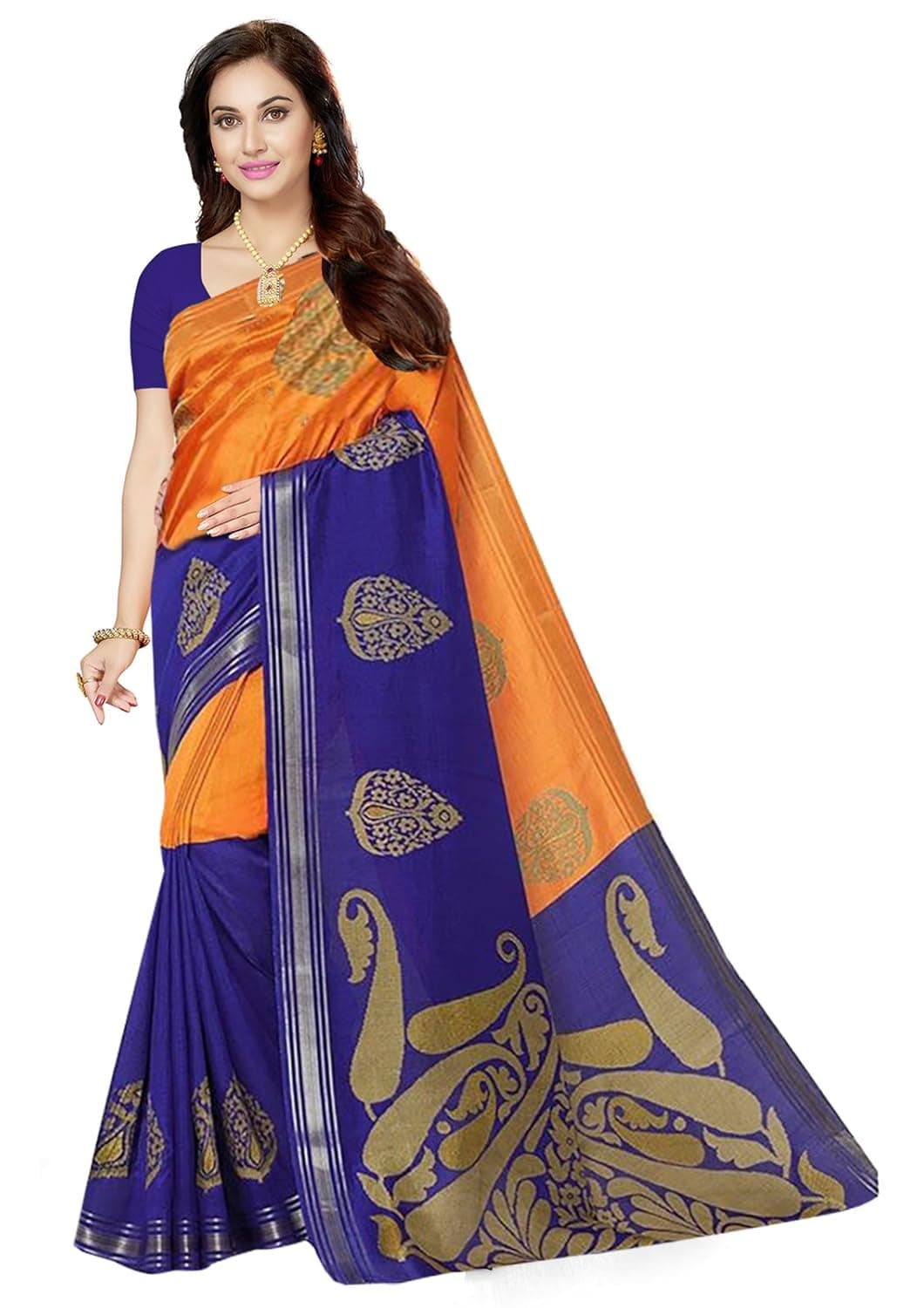
ishin
Ishin Women's Art Silk Dark Blue & Orange Saree with Blouse
 COD Available
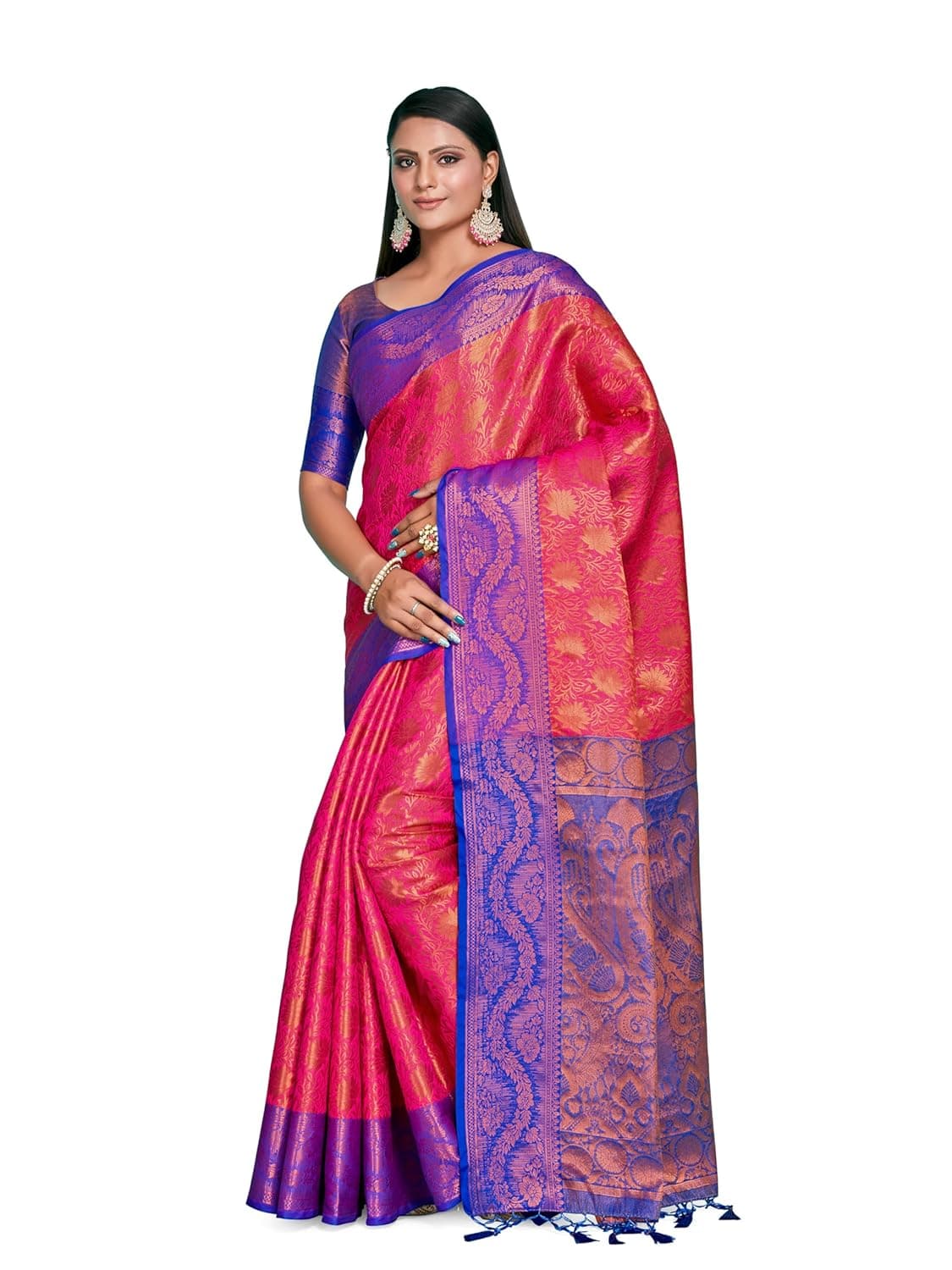
mimosa
MIMOSA Women's Woven Design Kanjivaram Art Silk Saree Rani
 COD Available
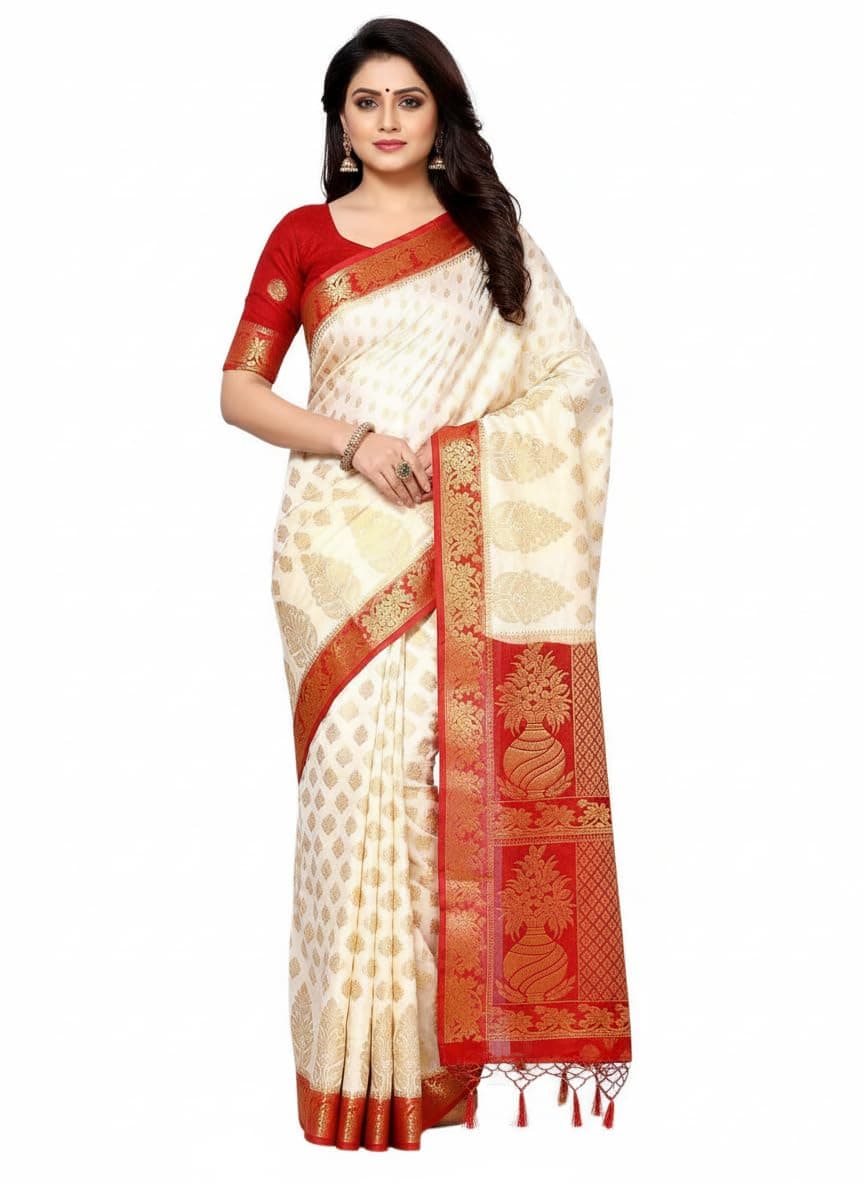
mimosa
MIMOSA Women's Art Silk Saree Kanjivaram Style Beige
Price Guide
| Tier | Price Range | What You Get |
|---|---|---|
| Entry | Rs 600 – Rs 2,000 | Printed leheriya pattern on georgette or chiffon; bright, pretty, no tie-dye craft |
| Mid | Rs 2,000 – Rs 6,000 | Genuine hand-tied leheriya on cotton or cotton-silk, simple stripe patterns |
| Premium | Rs 6,000 – Rs 18,000+ | Mothda leheriya on fine silk or Gaji silk, complex multi-colour patterns from Jaipur artisans |
Care & Maintenance
- Hand wash in cold water, one colour at a time if colours are likely to bleed — especially reds and deep yellows in leheriya can run significantly
- Do not wring — gently squeeze out excess water and roll in a cotton towel; hang to dry in shade to preserve colour vibrancy
- First wash always separately — leheriya dyes, particularly the traditional kesar (saffron) and sindoori (vermilion) shades, are notorious for initial bleeding
- For silk leheriya, dry cleaning is safer — the combination of silk base and tie-dye treatment can be damaged by aggressive hand washing
Styling Tips
Leheriya is at its most joyful in festive contexts — a deep red and gold leheriya saree for Teej or Gangaur is quintessentially Rajasthani. For modern wear, a leheriya dupatta over a plain Anarkali kurta is a beautiful festival-to-casual look. Leheriya chiffon or georgette dupattas work as easy saree-alternative styling for those not comfortable draping. The wave pattern pairs well with simple gold jewellery — avoid heavy embroidery or other heavily patterned pieces, as leheriya is already visually dynamic.
OUR VERDICT
Leheriya is pure Rajasthani joy in textile form — energetic, colourful, and tied to some of India's most beloved festivals. Whether you invest in a fine mothda leheriya silk saree or buy a cheerful printed leheriya dupatta, you're participating in a 400-year-old colour tradition. Authentic hand-tied leheriya is one of the most underrated investments in Indian ethnic wear — its quality and beauty last decades.