
History & Origin
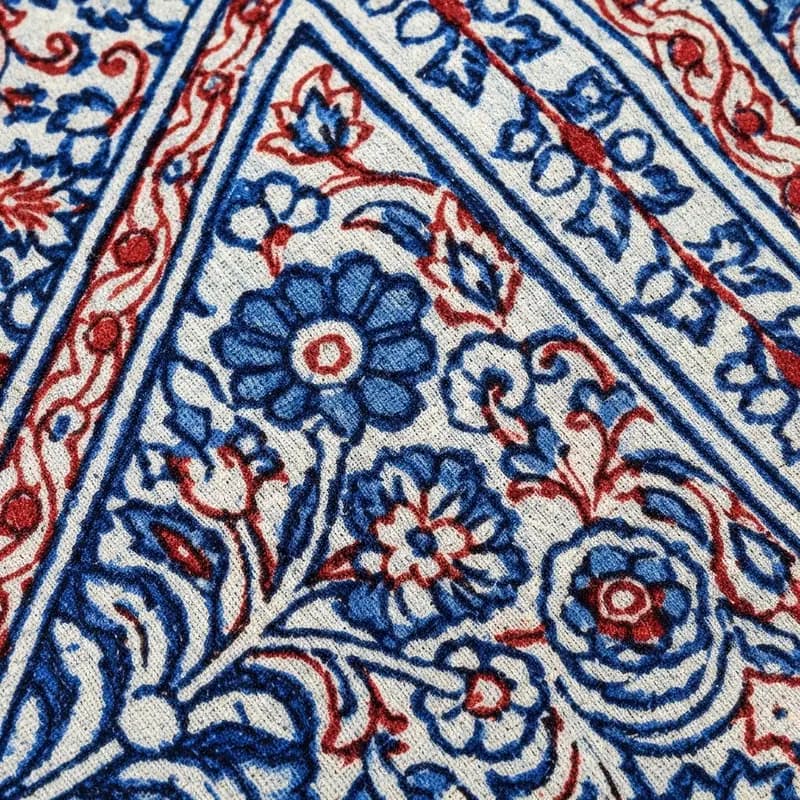
Block printing in the Jaipur region dates to at least the 16th century, developing under the patronage of the Kachwaha Rajput rulers. The Chippa community of artisans (traditional dyers and printers) refined two distinct traditions: Sanganer printing, which emerged as a refined court-influenced style using fine floral patterns on bleached white fabric, and Bagru printing, which retained older resist-dyeing techniques using dabu (mud resist) and vegetable dyes to produce earthy, rustic patterns.
The wooden blocks themselves are works of art — carved by specialist craftspeople from teak or sheesham wood, with fine metal strips inlaid for detailed design elements. A single saree may require 50–100 block impressions per row, with each block re-inked between impressions. The precision required for pattern alignment across metres of fabric is remarkable and takes years to master.
How to Identify Authentic Block Print Jaipur
- Look for slight misalignment in pattern repeats — hand block printing never achieves machine-perfect alignment; small gaps or overlaps at pattern junctions are proof of authenticity
- Check ink penetration — genuine block print dye penetrates the fabric; screen prints and digital prints sit on the surface and feel slightly raised
- Examine the pattern edges — hand block print edges have a characteristic slight blur or 'give' where ink spread slightly beyond the block edge; digital prints have razor-sharp edges
- Look at the back — hand block printing shows some degree of dye penetration through the weave; surface-printed imitations remain almost clean on the reverse
Types / Varieties
| Type | Characteristic | Price Range | Best For |
|---|---|---|---|
| Sanganer Block Print | Delicate floral patterns on white or cream ground, bright chemical dyes | Rs 800 – Rs 6,000 | Everyday wear, summer, kurtis |
| Bagru Block Print | Earthy resist-printed patterns, vegetable dyes, dabu mud technique | Rs 1,500 – Rs 10,000 | Casual artisanal wear, gifting |
| Dabu-Block Combination | Block print combined with dabu mud resist for layered depth | Rs 2,500 – Rs 12,000 | Festival, artisanal occasions |
| Contemporary Block Print | Modern patterns and colour palettes using block printing technique | Rs 500 – Rs 8,000 | Fashion-forward, urban wear |
Best Brands
Anokhi is the gold standard for high-quality Jaipur block print — they work directly with Bagru artisans and have been a benchmark brand since the 1970s. Fabindia sources from block print cooperatives across Rajasthan. For more contemporary takes on the craft, labels like 11.11, Pero, and various smaller independent designers combine traditional block printing with modern silhouettes.
 COD Available
biba
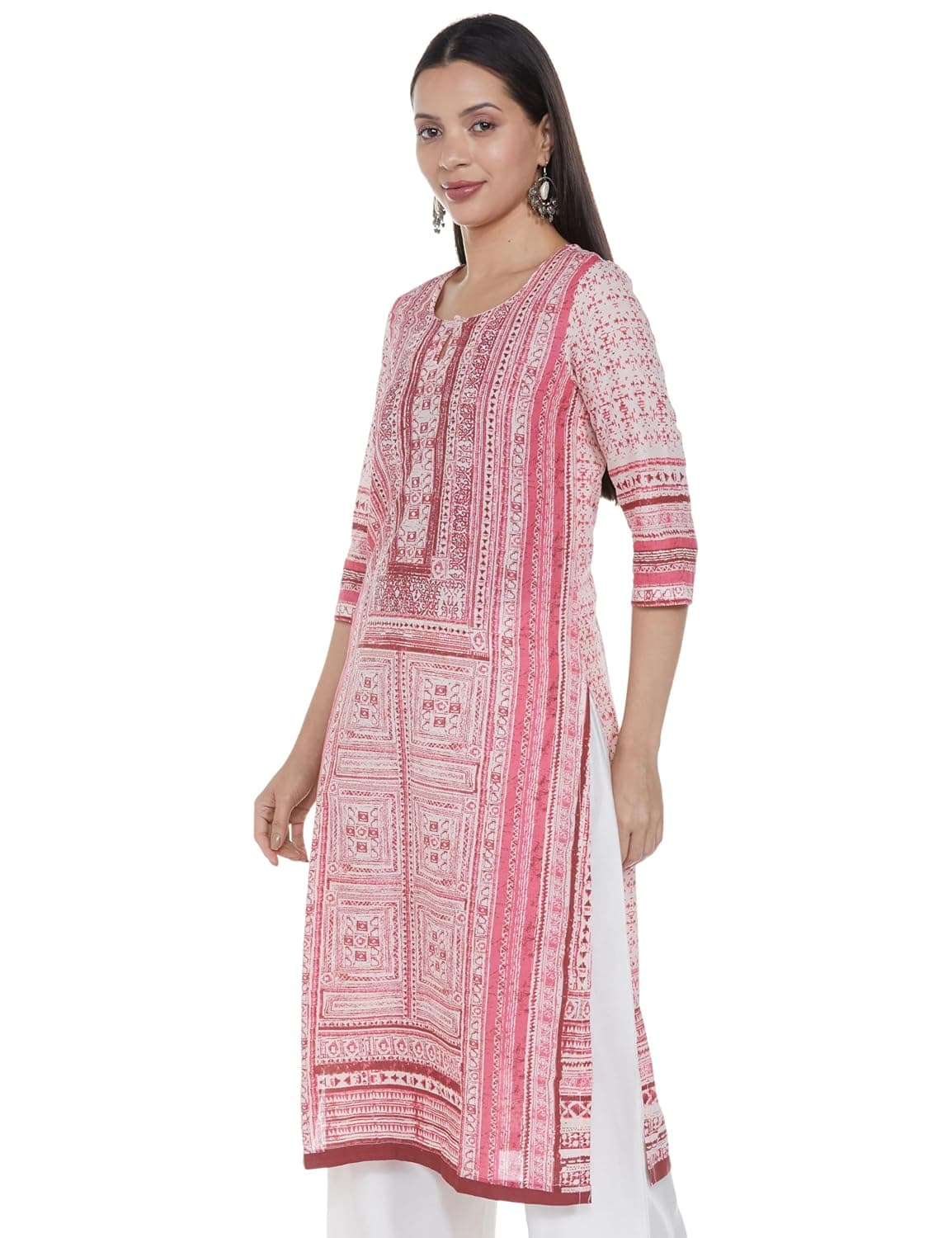
BIBA Women's Cotton Straight Printed Kurta
 COD Available
biba
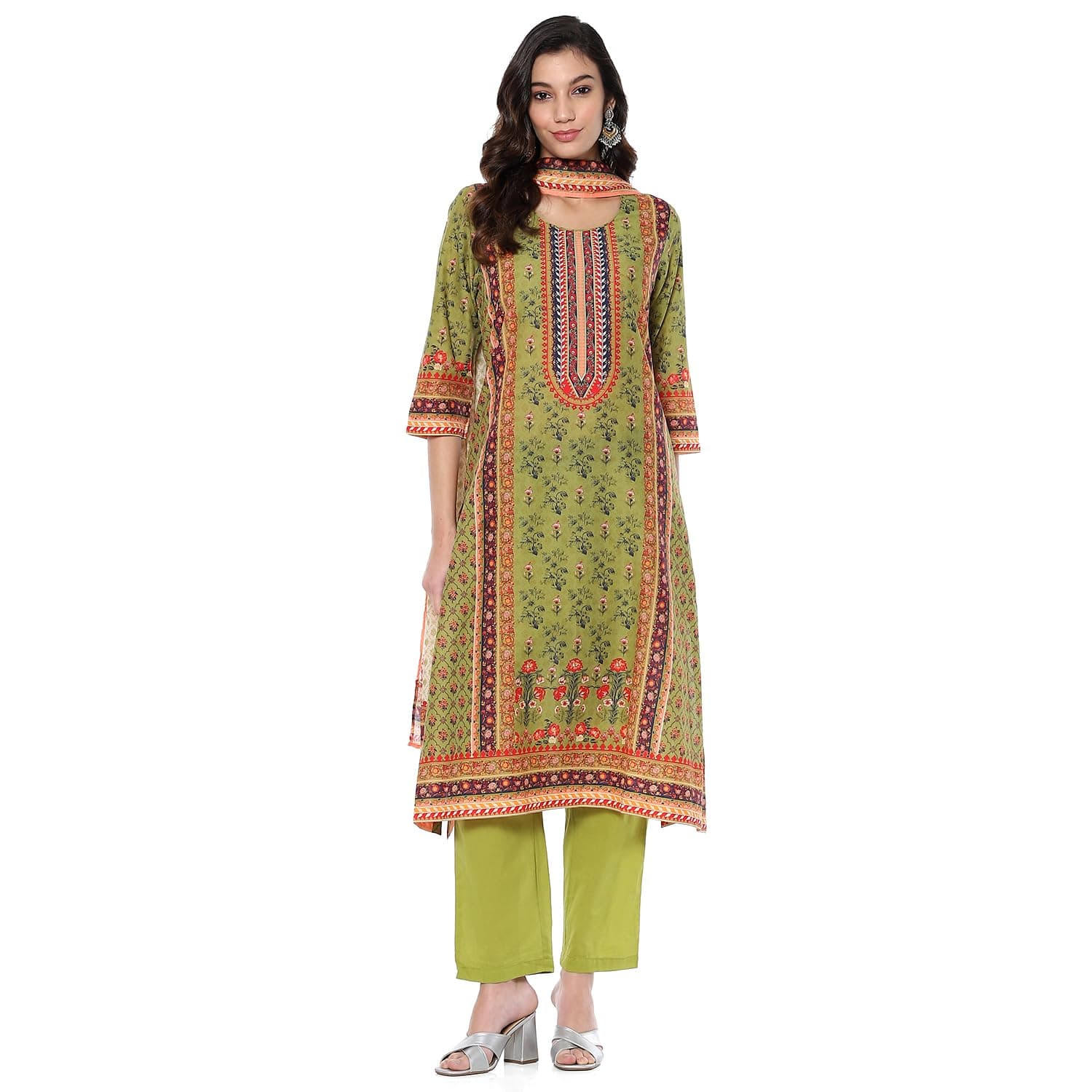
BIBA Women's Cotton Printed Kurta Set with Dupatta
 COD Available
libas
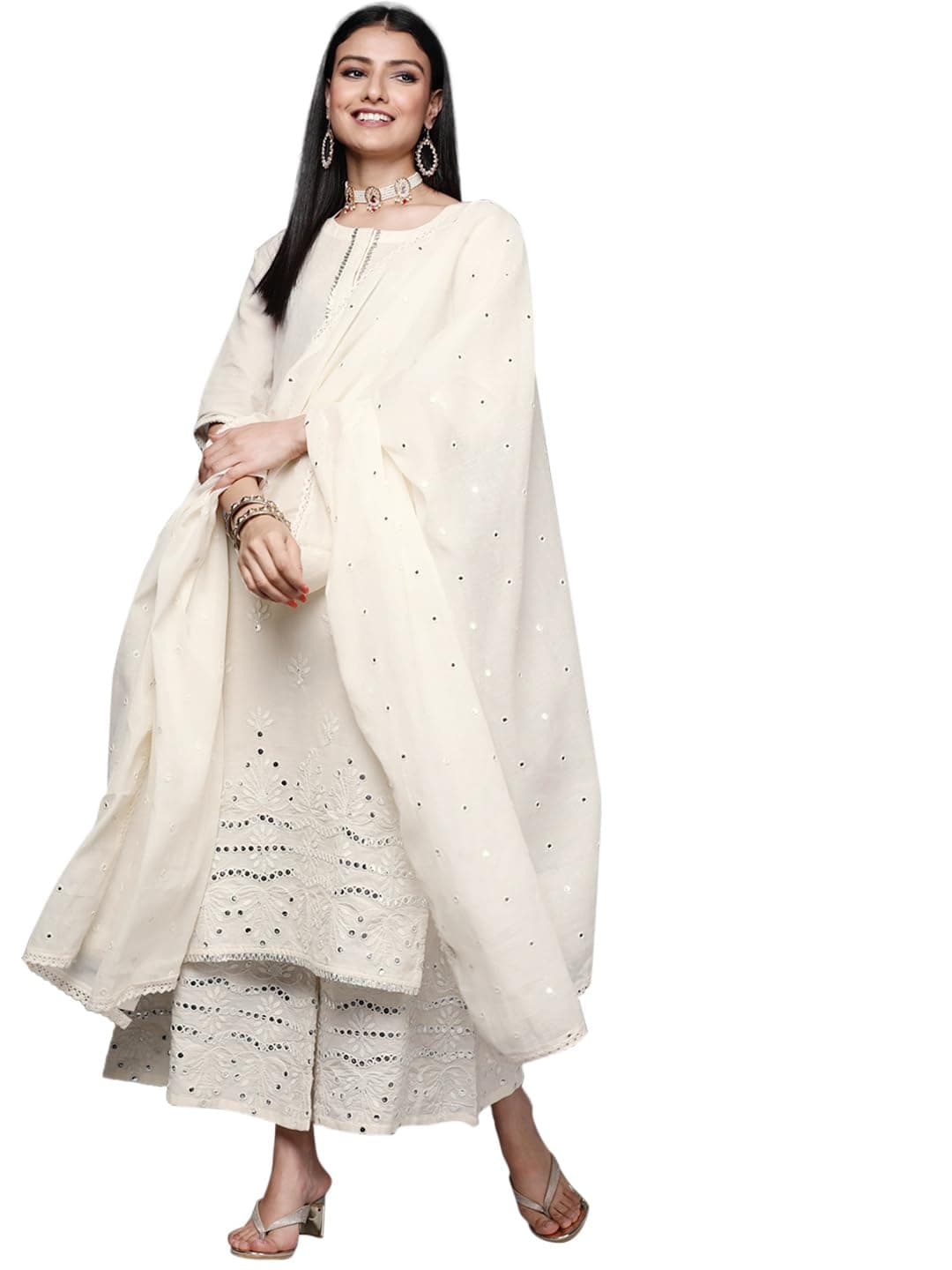
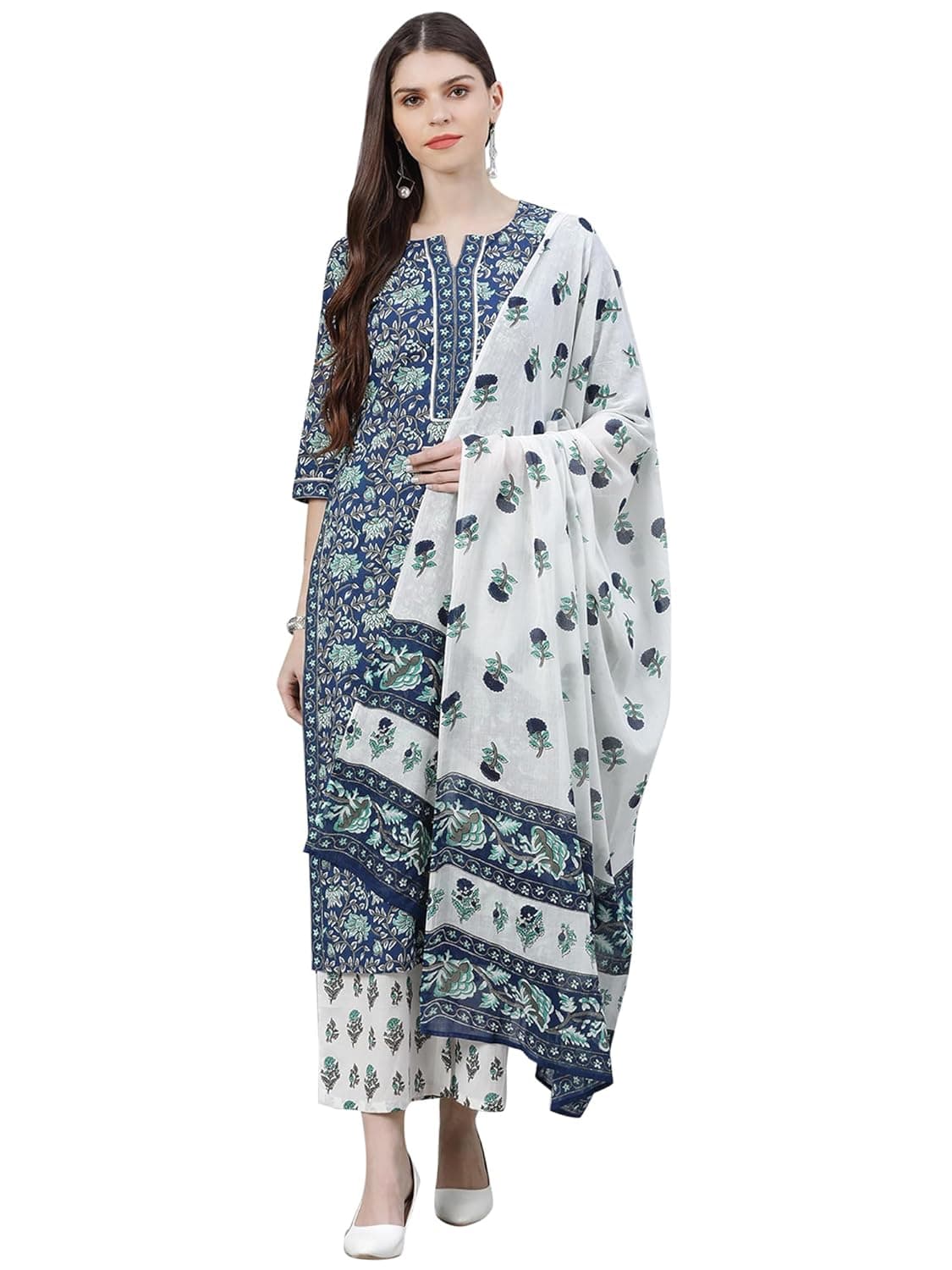
Libas Women's Embroidered Cotton Straight Kurta with Palazzos & Dupatta
 COD Available
libas
Libas Women's Cotton Printed Kurta Set Multicoloured
COD Availablelibas
Libas Printed Silk Blend Round Neck Kurta Pant Set Pink
 COD Available
m.r.p:
Women’s Kurta Set with Dupatta | 3 Piece Kurta Pant Set for Women | Ethnic Printed Kurta Suit | Cotton Blend Traditional Kurta Set | Festive, Casual
Price Guide
| Tier | Price Range | What You Get |
|---|---|---|
| Entry | Rs 500 – Rs 2,000 | Machine or screen-printed block print look on cotton or georgette; good patterns, no hand craft |
| Mid | Rs 2,000 – Rs 6,000 | Genuine hand block print from Sanganer or Bagru artisans on cotton |
| Premium | Rs 6,000 – Rs 15,000+ | Multi-colour hand block print with natural dyes, complex patterns, saree or fine fabric lengths |
Care & Maintenance
- Machine wash on gentle cycle in cold water is acceptable for most chemical-dyed block print cotton — hand washing is gentler and preferred
- Wash dark-coloured block prints separately for the first 3–4 washes to prevent colour transfer
- Tumble dry on low heat or line dry in shade — hot dryer temperatures can crack or fade block print dyes faster
- Iron on reverse side or use a pressing cloth — direct high-heat ironing can dull the vibrancy of block print colours over time
Styling Tips
Jaipur block print is one of the most wearable everyday Indian prints — the patterns are bold enough to be interesting but not so heavy that they demand the entire outfit be built around them. A classic Sanganer floral block print kurta with white linen trousers is a perennial summer staple. For sarees, Bagru-printed cotton sarees have a beautiful artisanal quality that works for both office and casual occasions. Block print co-ord sets in coordinated colours are a practical and stylish option for travel. Keep jewellery simple — terracotta beads or oxidised silver complement the craft aesthetic.
OUR VERDICT
Jaipur block print is the everyday hero of Indian handloom — accessible, versatile, and endlessly beautiful. The craft has a deep enough tradition and enough contemporary innovation that buying authentic block print is always a good investment, whether at Rs 800 for a kurti fabric or Rs 12,000 for a fine dabu-block saree. The key is understanding the difference between hand-stamped and machine-printed — and buying accordingly.