
History & Origin
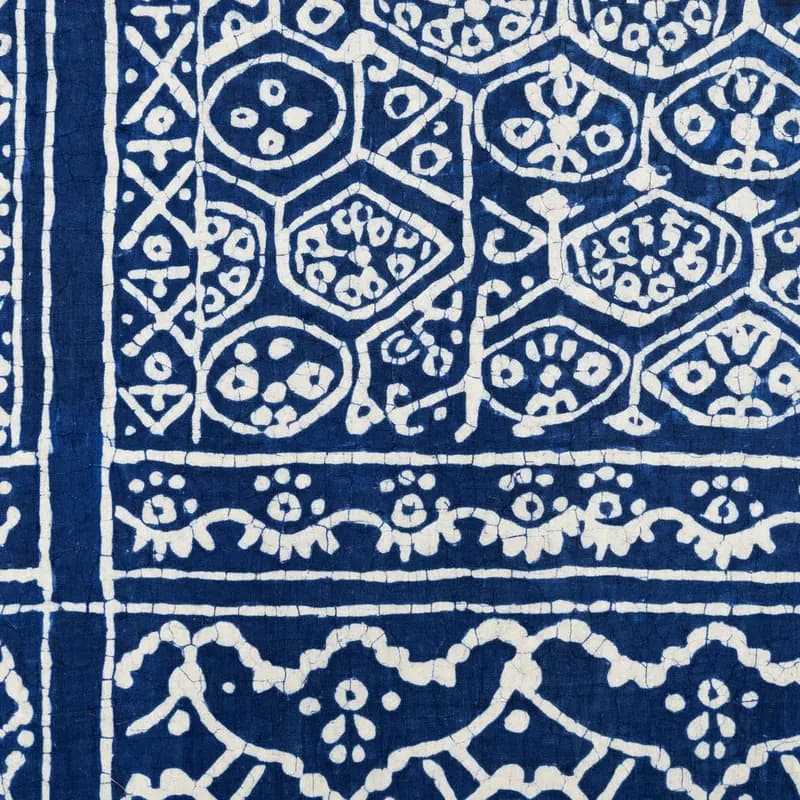
Dabu printing is believed to be over 700 years old, practiced almost exclusively by the Chhipa (Chippa) community of artisan printers in and around Akola village in Chittorgarh district, Rajasthan. The word 'dabu' refers to the mud resist paste itself — a thick mixture of clay, lime, wheat husk, and natural gum that is applied through wooden blocks onto fabric. The tradition was passed down within families, with each master printer maintaining their own block collection.
What sets dabu apart from other resist techniques is the complete naturalness of the process — mud, plant gum, sun, and mineral-rich dye baths. This makes dabu one of the most ecologically sustainable textile crafts in India. Contemporary fashion designers discovered dabu in the 2000s as part of a broader 'slow fashion' movement, and it has since gained significant commercial and critical attention internationally.
How to Identify Authentic Dabu Print
- Look for the signature 'resist texture' — authentic dabu shows a slightly textured or rough surface in the resisted (undyed) areas where mud paste was applied and later washed off
- Examine the colour palette — traditional dabu uses natural or mineral dyes producing earthy indigo blues, terracotta reds, and deep blacks; very bright synthetic colours in a supposedly traditional piece are suspicious
- Check for halo or bleed effects — at the edges of dabu resist areas, there is often a slight 'halo' where dye seeped under the mud; this is natural and authentic; perfect machine-crisp edges indicate a print imitation
- Ask for sourcing details — genuine dabu typically comes from Akola village or the broader Chittorgarh area; reputable sellers will know their supply chain
Types / Varieties
| Type | Characteristic | Price Range | Best For |
|---|---|---|---|
| Single-Dip Dabu | One dye colour (typically indigo or black) on natural cotton ground | Rs 1,200 – Rs 4,000 | Everyday casual wear |
| Multi-Layer Dabu | Multiple resist applications and dye baths creating layered colours | Rs 3,500 – Rs 10,000 | Festive, statement pieces |
| Dabu with Block Print Overprint | Dabu resist combined with block-printed colour patterns on top | Rs 2,500 – Rs 12,000 | Artisanal, collector pieces |
| Contemporary Dabu-Inspired | Screen or digital print mimicking dabu resist look | Rs 600 – Rs 2,500 | Affordable everyday wear |
Best Brands
Anokhi was one of the early champions of Bagru and dabu printing, working closely with Akola artisans. Ritu Kumar's Ritu's collection and Good Earth both carry curated dabu pieces. For direct artisan sourcing, the Chhipa community cooperatives in Akola village are accessible through craft exhibitions and government handcraft stores like the Rajasthan state emporium (Rajasthali).
 COD Available
biba
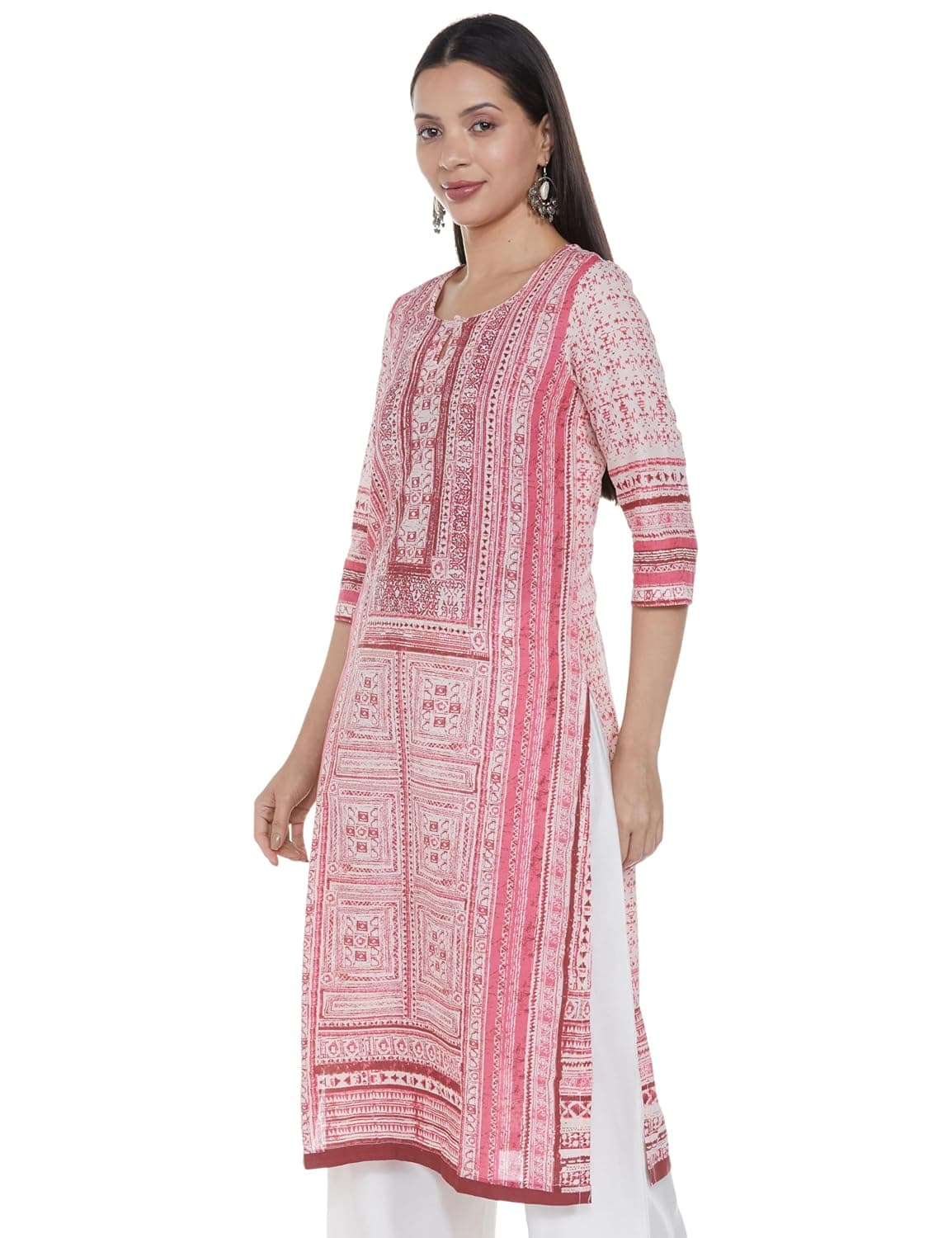
BIBA Women's Cotton Straight Printed Kurta
 COD Available
biba
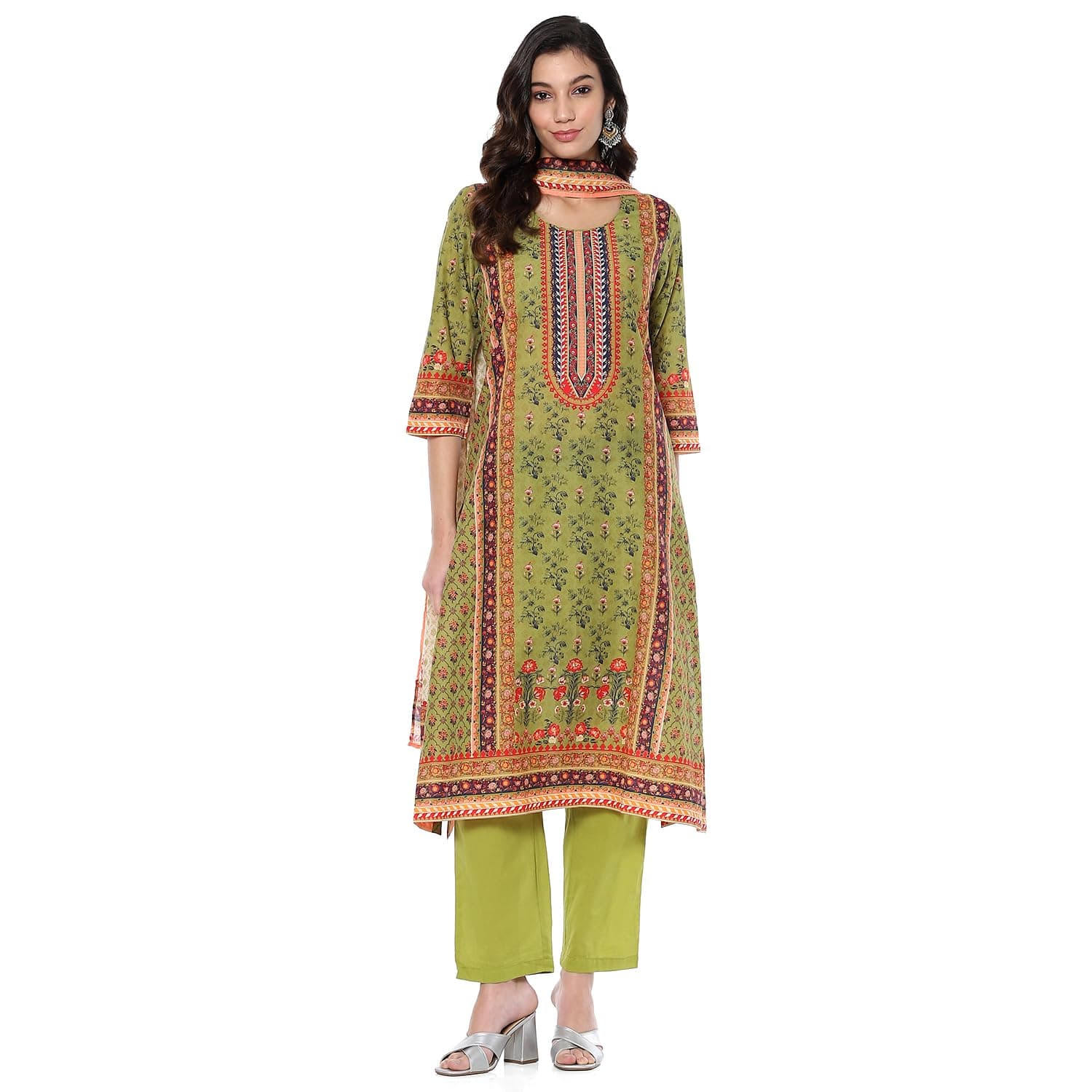
BIBA Women's Cotton Printed Kurta Set with Dupatta
 COD Available
libas
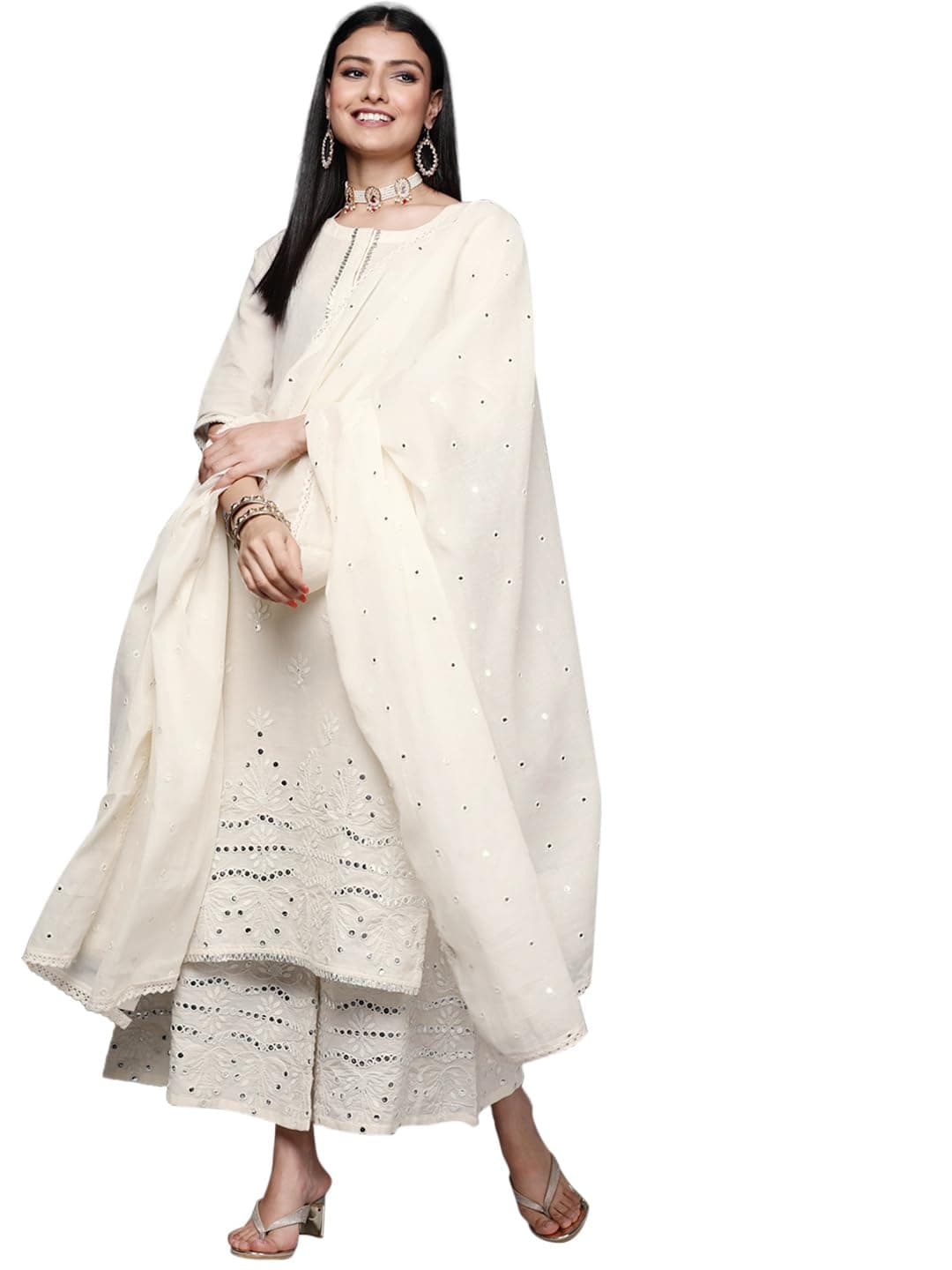
Libas Women's Embroidered Cotton Straight Kurta with Palazzos & Dupatta
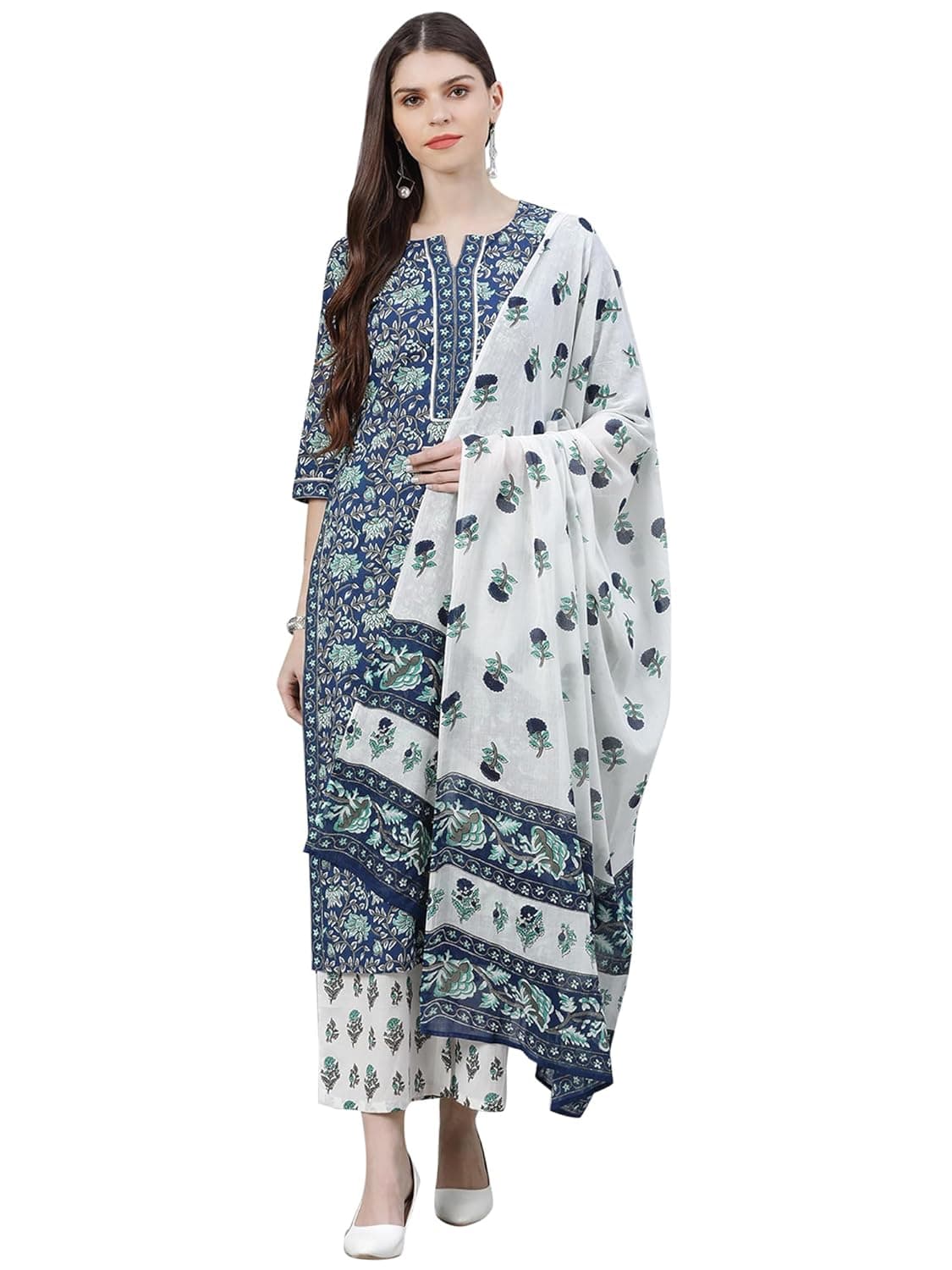 COD Available
libas
Libas Women's Cotton Printed Kurta Set Multicoloured
COD Availablelibas
Libas Printed Silk Blend Round Neck Kurta Pant Set Pink
 COD Available
m.r.p:
Women’s Kurta Set with Dupatta | 3 Piece Kurta Pant Set for Women | Ethnic Printed Kurta Suit | Cotton Blend Traditional Kurta Set | Festive, Casual
Price Guide
| Tier | Price Range | What You Get |
|---|---|---|
| Entry | Rs 600 – Rs 2,000 | Screen-printed dabu look, natural-palette aesthetics without the actual mud resist process |
| Mid | Rs 2,000 – Rs 6,000 | Genuine single or two-colour dabu from Akola or Chittorgarh artisans, cotton base |
| Premium | Rs 6,000 – Rs 12,000+ | Multi-layer dabu with natural mineral dyes, intricate patterns, full saree or yardage |
Care & Maintenance
- Cold hand wash recommended — the natural dyes used in dabu are sensitive to hot water and harsh detergents
- Avoid prolonged soaking — wash quickly and rinse thoroughly; do not leave dabu fabric soaking for more than 15 minutes
- Dry in shade — natural indigo and vegetable dyes used in traditional dabu are particularly UV-sensitive; sun-drying causes faster fading
- Store in breathable cotton or muslin wrap — avoiding plastic storage prevents moisture build-up that can damage natural dye bonds
Styling Tips
Dabu print has a beautifully understated quality — its earthy indigo, black, and natural-ground palette is inherently sophisticated without being flashy. A dabu cotton kurta with natural linen trousers or palazzos is a perfect minimal-ethnic look for creative workplaces and casual outings. Dabu dupattas paired with a plain kurta or kurta-trouser set add artisanal character to simple outfits. Dabu sarees, particularly in the Akola multi-layer style, are stunning for craft exhibitions, cultural events, and conscious fashion occasions. Accessories should be earthy — terracotta, wood, or unpolished silver.
OUR VERDICT
Dabu is for the wearer who values authenticity, sustainability, and understated beauty. It's one of the most eco-friendly Indian textile crafts — mud, sun, plant dyes, and cotton. When you buy authentic dabu, you're supporting one of the most ancient and environmentally conscious printing traditions in the world. For everyday wear, even dabu-inspired prints carry its aesthetic philosophy beautifully.