
History & Origin
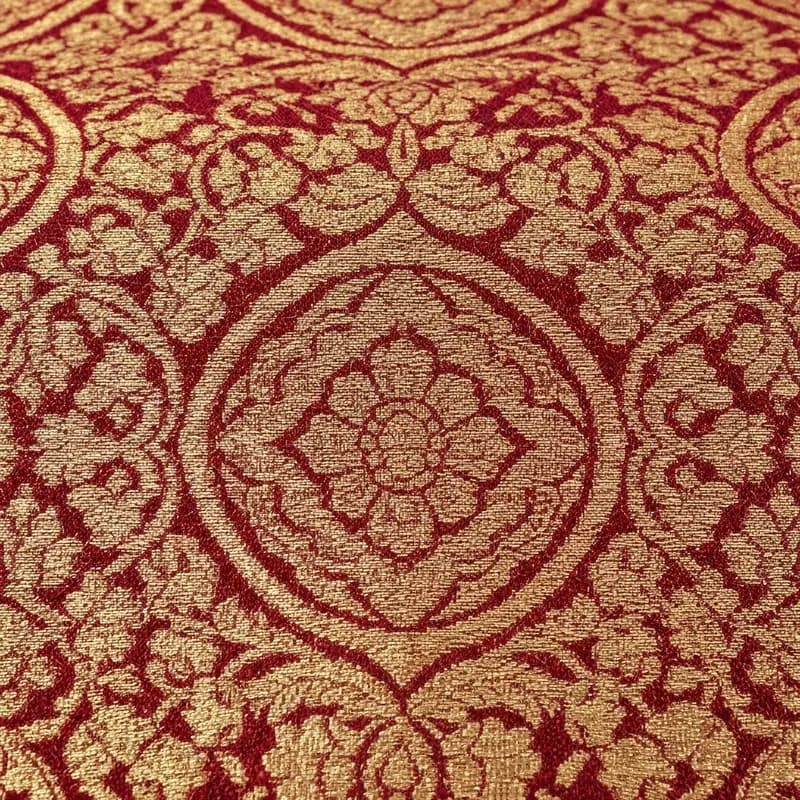
Brocade weaving in India reaches back to the ancient period, with Varanasi establishing itself as the premier centre for zari-woven brocade during the Mughal era. The Mughal emperors were passionate patrons of Varanasi weavers, commissioning elaborate kimkhab (heavily gold-brocaded) and mushru fabrics for royal courts. Persian and Chinese weaving traditions influenced the intricate floral and geometric patterns that became the hallmark of Banarasi brocade.
The craft is woven on handlooms by the Ansari Muslim weaving community of Varanasi, who have maintained the tradition for centuries. A single complex Banarasi brocade saree can take 15 days to several months to complete, depending on the density of the zari work. The Indian government awarded GI status to Banarasi brocade, protecting this extraordinary textile legacy.
How to Identify Authentic Brocade
- Check the reverse side — genuine handloom brocade shows 'floating' extra weft threads on the reverse, creating a characteristic textured back; power-loom brocade usually has a cleaner, almost flat back
- Feel the weight — authentic handloom brocade with real zari (gold/silver thread) is noticeably heavier than the same visual result achieved with imitation zari (copper thread with metallic coating)
- Real vs imitation zari test — genuine zari uses silver wire coated in real gold or silver; rub authentic zari briskly on a white cloth for 30 seconds; real gold or silver zari will not tarnish or transfer; imitation zari (badla) will leave a slight metallic residue
- Look for the tana-bana — in Banarasi handloom brocade, the weave structure shows the interlocking of warp and weft in a characteristic way that's visible under close inspection; power-loom approximations look more uniform
Types / Varieties
| Type | Characteristic | Price Range | Best For |
|---|---|---|---|
| Banarasi Brocade (Handloom) | Hand-woven in Varanasi, real or high-quality zari, complex patterns | Rs 5,000 – Rs 25,000+ | Weddings, heirloom sarees, gifting |
| Kimkhab | Dense gold brocade, heavy with gold zari, Mughal floral patterns | Rs 8,000 – Rs 25,000+ | Bridal wear, ceremonial occasions |
| Power-loom Brocade | Machine-woven, imitation zari, wide design range, affordable | Rs 800 – Rs 4,000 | Everyday festive, blouses, dupattas |
| Silk Brocade Blouse Fabric | Brocade fabric specifically in blouse widths | Rs 1,200 – Rs 6,000 per metre | Saree blouses, occasion wear |
Best Brands
For authentic Banarasi handloom brocade, the Varanasi weavers' cooperative society (BWIC), the Varanasi government silk factory (Resham Bhawan), and state emporium shops are the most reliable sources. Designer saree brands like Ekaya Banaras, Tarun Tahiliani, and Ritu Kumar work with Varanasi weavers for their brocade collections. For accessible power-loom brocade blouse fabric and sarees, Surat fabric wholesale markets and online fabric retailers are widely stocked.
 COD Available
biba
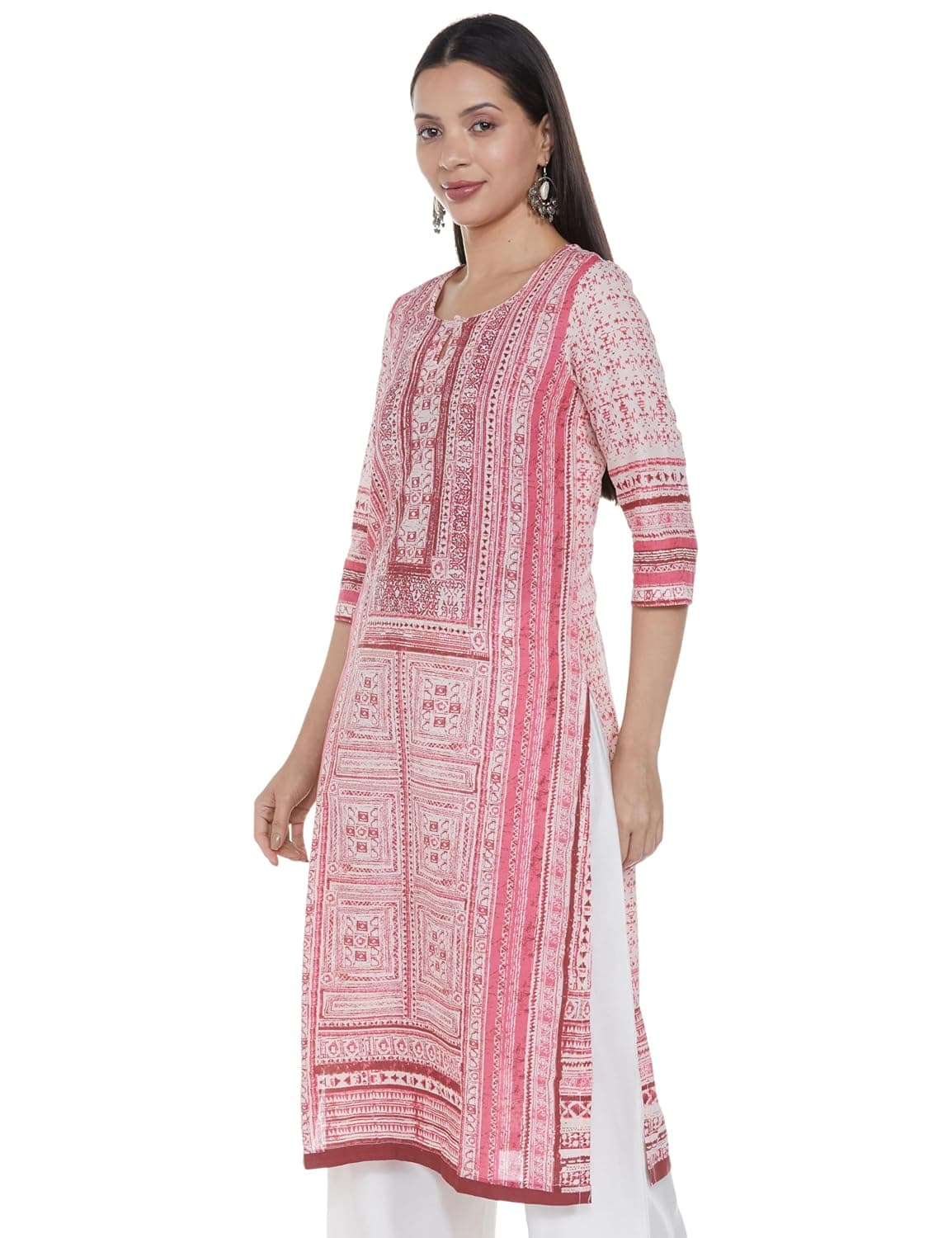
BIBA Women's Cotton Straight Printed Kurta
 COD Available
biba
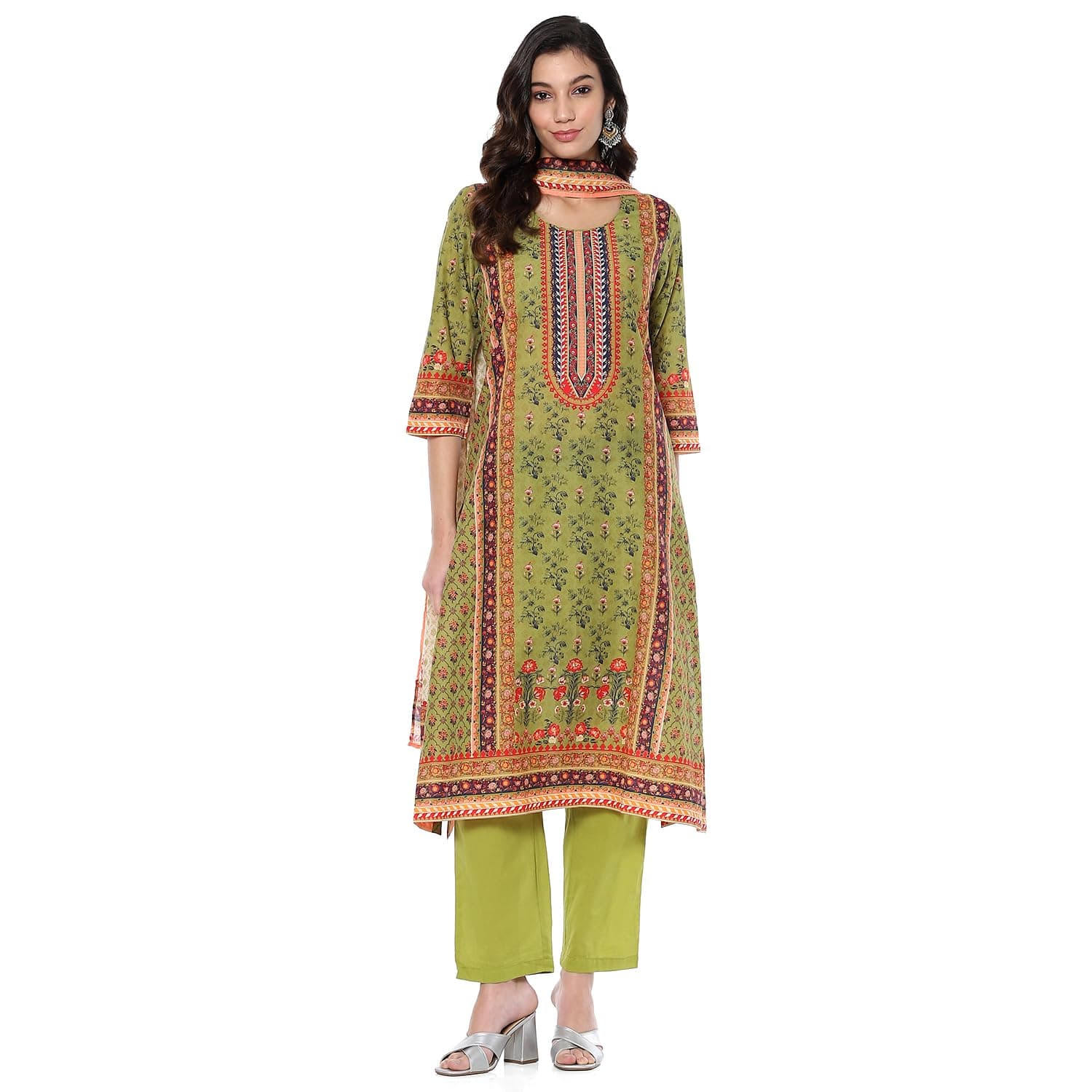
BIBA Women's Cotton Printed Kurta Set with Dupatta
 COD Available
biba
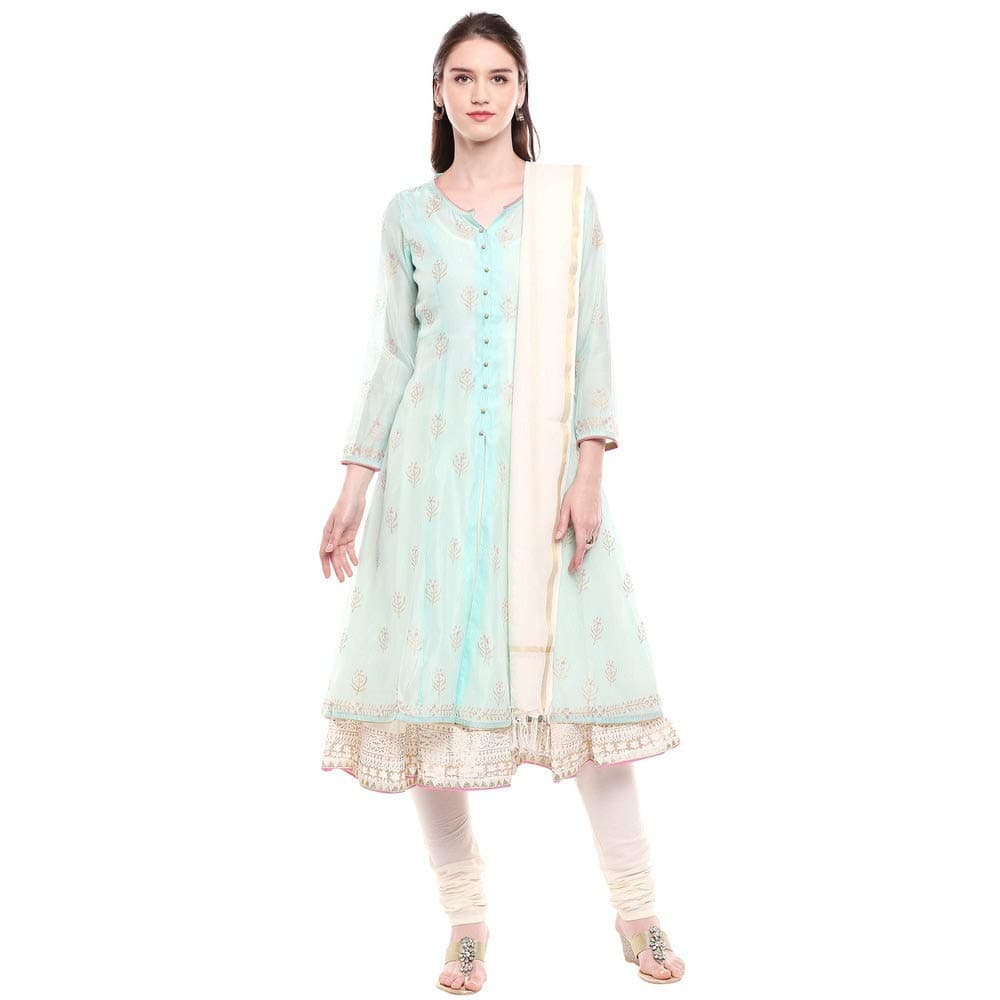
BIBA Women's Cotton A-Line Churidar Suit
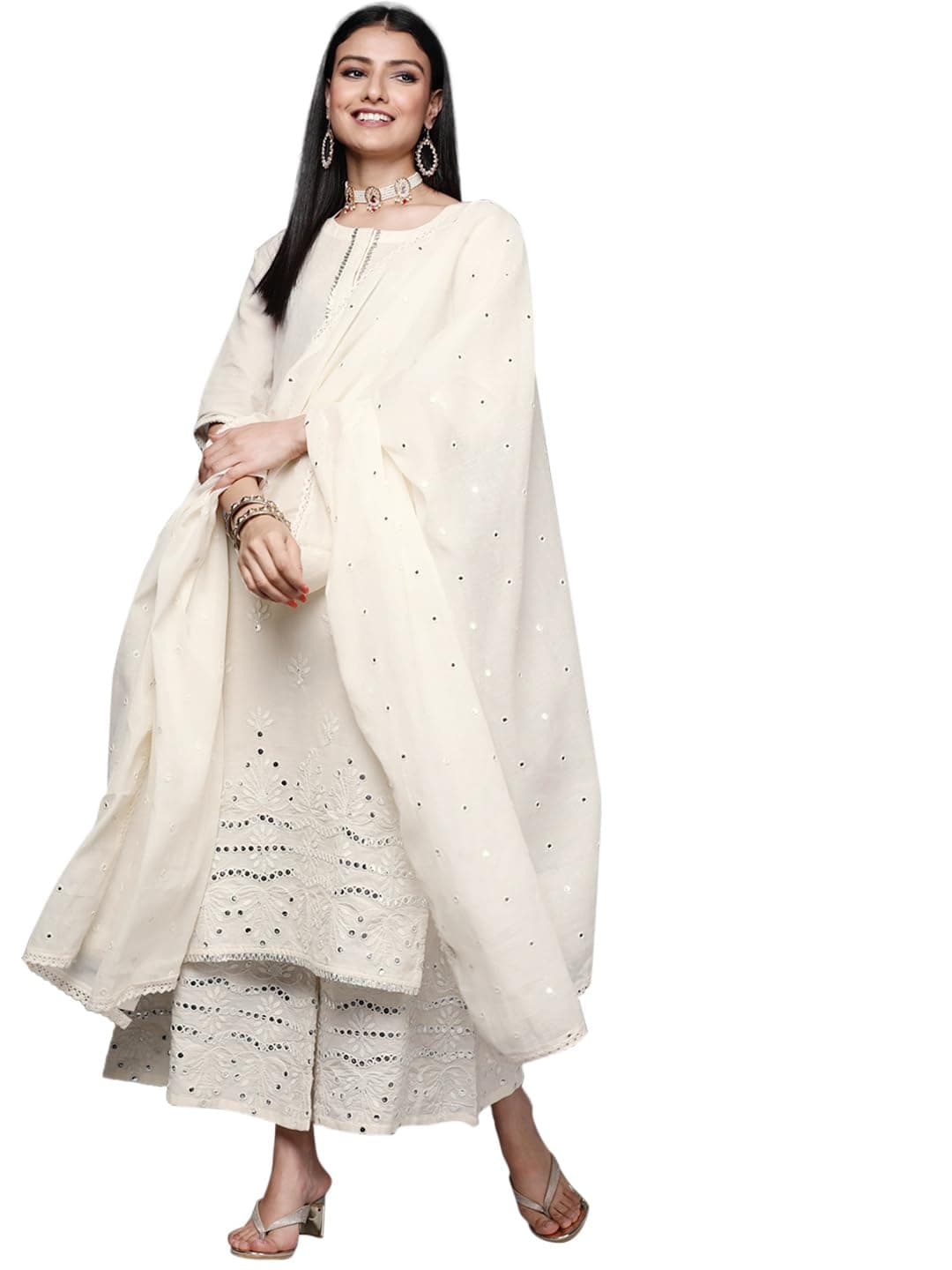 COD Available
libas
Libas Women's Embroidered Cotton Straight Kurta with Palazzos & Dupatta
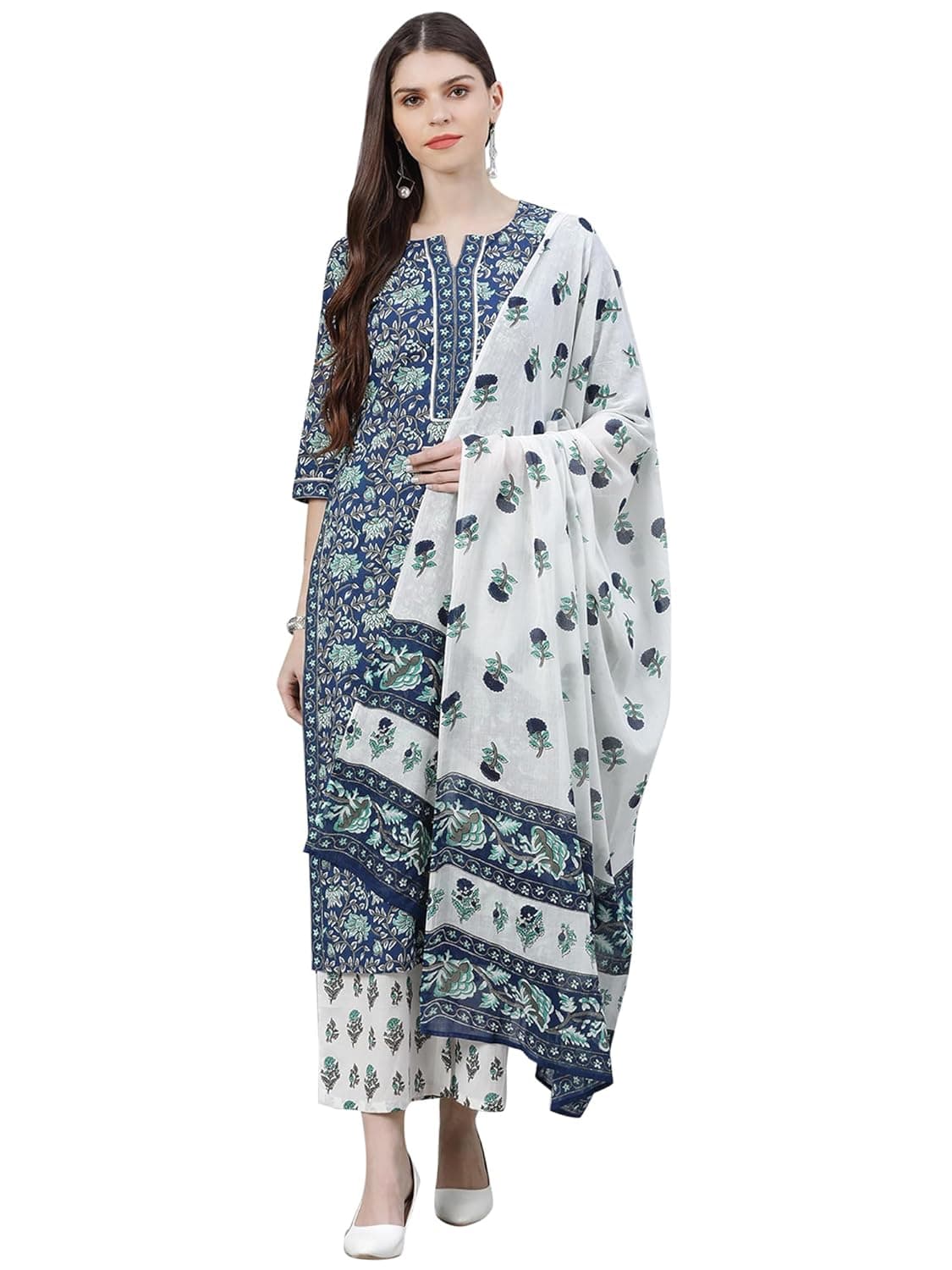 COD Available
libas
Libas Women's Cotton Printed Kurta Set Multicoloured
COD Availablelibas
Libas Printed Silk Blend Round Neck Kurta Pant Set Pink
Price Guide
| Tier | Price Range | What You Get |
|---|---|---|
| Entry | Rs 800 – Rs 3,000 | Power-loom brocade with imitation zari; good festive aesthetic at accessible price |
| Mid | Rs 3,000 – Rs 8,000 | Better-quality power-loom or semi-handloom brocade; improved pattern fidelity and zari quality |
| Premium | Rs 8,000 – Rs 25,000+ | Genuine handloom Banarasi brocade with real or quality zari; heirloom quality |
Care & Maintenance
- Dry clean brocade sarees and heavy brocade garments — the combination of silk base and metallic zari requires professional care to avoid tarnishing or distorting the weave
- Store in clean cotton or muslin wrap, never plastic — zari is sensitive to moisture and tarnishes faster in humid conditions; airtight plastic storage accelerates this
- Keep camphor balls or neem leaves near stored brocade — zari and silk brocade can be damaged by silverfish and moths; natural insect repellents protect without chemical damage
- Lay flat when not in use if possible — long-term hanging can cause brocade sarees to stretch along the warp, distorting the pattern alignment
Styling Tips
Brocade is ceremony fabric — it speaks of occasion, tradition, and formality. A classic Banarasi brocade saree in deep red, maroon, or forest green with gold zari is the definitive Indian bridal and wedding-guest look. The weight of brocade means it drapes in stiff, substantial folds — very different from the fluid drape of georgette or chiffon. For contemporary wear, brocade blouse fabric paired with a plain silk saree creates a subtle luxury contrast. Brocade co-ord sets are a popular modern interpretation for festival wear. Jewellery should be traditional and substantial — Kundan, Polki, temple jewellery — proportional to the grandeur of the fabric.
OUR VERDICT
Banarasi brocade is perhaps the most significant textile in India's cultural wardrobe — worn for millennia, perfected by centuries of craft, and still unmatched in its combination of visual grandeur and technical mastery. A genuine handloom Banarasi brocade saree is not just clothing; it's an heirloom. At every price point, from accessible power-loom to handloom luxury, brocade earns its reputation as India's most lavish woven fabric.